Alpine wildlife or wild bivouac: Which mini‑trek this summer?
How to choose between wildlife watching in the Hautes‑Pyrénées with hut nights and short wild-bivouac treks in the Écrins and Aiguilles d’Arves.
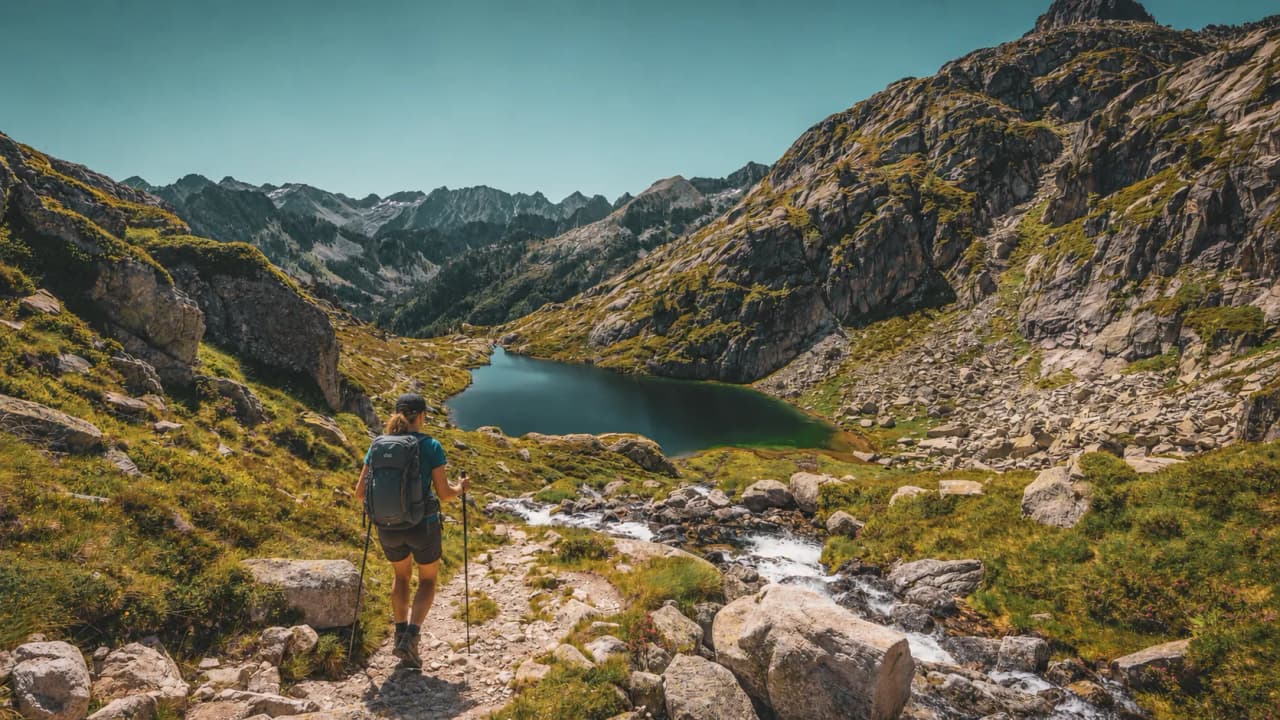
Start with your primary objective and the right mini‑trek appears clearly. If you want to watch animals at dawn and dusk with room to rest between outings, hut‑based trips keep packs light and schedules flexible. If you want full immersion and the freedom of sleeping outside, short wild‑camp itineraries deliver nights under canvas and big horizons, while asking more in portage and weather management. The comparisons below use real routes on the ground so you can align level, season, daily effort and night experience to the trip that fits.
On the wildlife side, the four‑day Hiking and wildlife watching in the Pyrenees links the Ilhéou and Marcadau valleys with hut nights, timed to maximize encounters with chamois, marmots and ibex. For tent‑life and roaming, options include the three‑day Trek & wild camp in the remote Valgaudemar valley in the Écrins, the four‑day Hiking and bivouac around the Aiguilles d'Arves and Surge to Pic du Mas beneath La Meije. If you prefer to keep the comfort of huts with big views, Hiking Tour in the Ecrins National Park runs four balcony days above La Meije with warm evenings under a roof.
Hut‑based wildlife watching: who it suits and when
This format is for hikers who want guided days paced around long observation windows, with dorm beds and hot dinners that protect sleep and energy. It works especially well for beginner to intermediate walkers, photographers who appreciate stable bases and anyone who prefers structured evenings after time in the field.
June to September is the window, with early summer a sweet spot in mid‑altitude valleys when tender grass pulls marmots and chamois onto open slopes. On Hiking and wildlife watching in the Pyrenees, Day 1 climbs from Lourdes via Cauterets into the Ilhéou valley, a pastoral corridor of meadows and clearings where marmot burrows are easy to scan before settling at the Refuge d’Ilhéou by the lake. Day 2 crosses to the col de la Haugade and toward the Marcadau side, a granitic landscape where ibex often hold the rock bars, usually seen through the guide’s binoculars. Day 4 threads from the turquoise Lac de Gaube down past Pont d’Espagne and along the Sentier des Cascades to Cauterets, a stretch where you can spot the dipper skimming white water, proof that wildlife ranges far beyond hoofed mammals.
Expect progressive ascents on clear paths and full but not highly technical days. Nights are comfortable and predictable: hot meals, drying rooms, and a quiet dorm. A parallel experience in the Écrins is Hiking Tour in the Ecrins National Park, which strings together balcony traverses above the Romanche with evenings in welcoming huts. The route crosses the Plateau d’Emparis with a picnic at Lac Noir, then later visits the Lacs d’Arsine after a morning to Lac de l’Étoile, multiplying early and late light windows when marmots and large raptors are most active.
Wild bivouac and short roaming: intensity, autonomy and feel
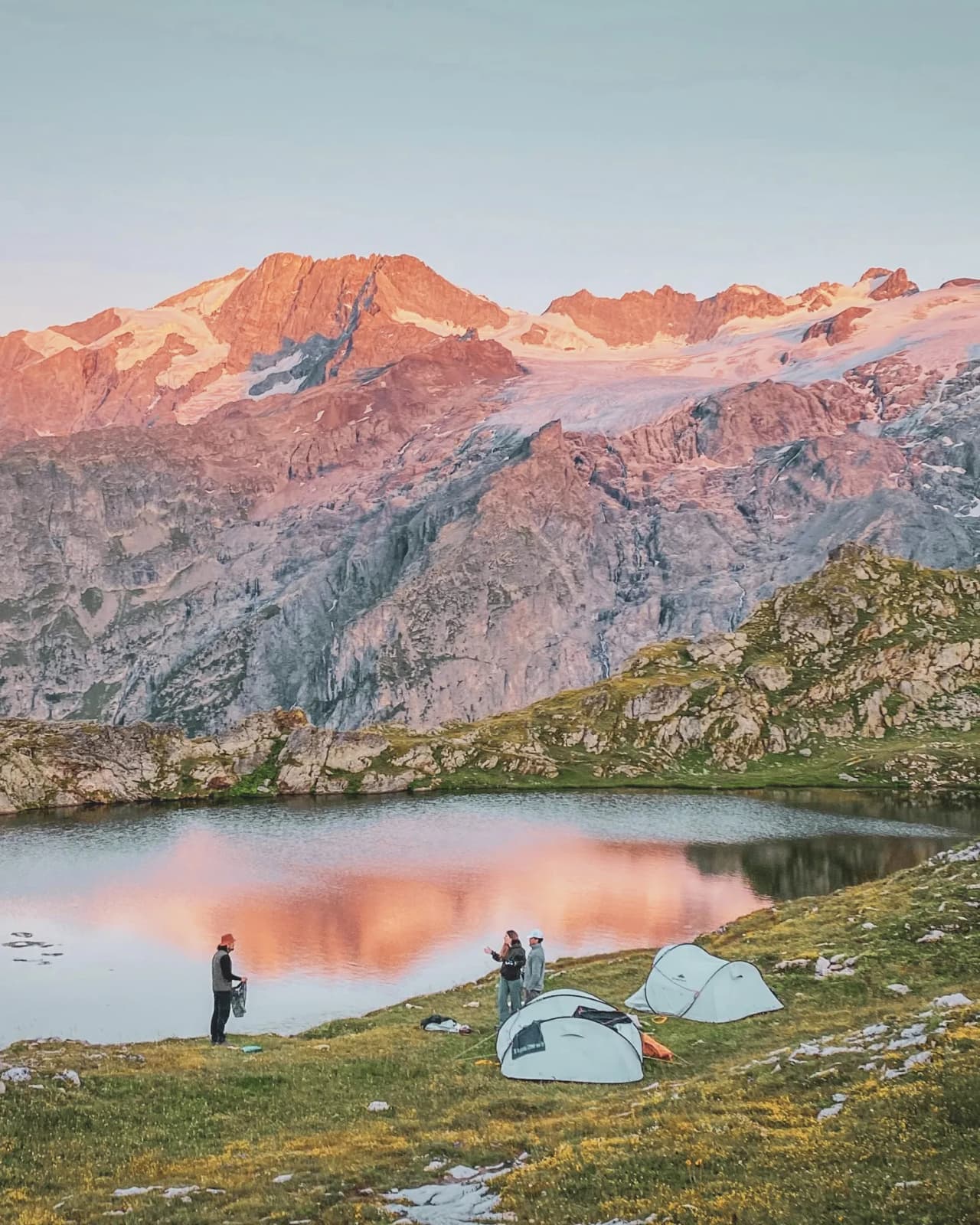
If you want the freedom of a mountain bivouac, you carry your home, meals and a share of the group gear. That means ease with a loaded pack, setting camp on authorized spots and keeping a weather margin. Summer still brings afternoon storms and, at altitude, crisp mornings that test your layering and bag choice. In national parks, bivouacs are typically tolerated near huts or in specific time windows, reflected by Trek & wild camp in the remote Valgaudemar valley where the second night pitches near the Refuge de Chabournéou in an authorized area.
On this three‑day sampler you meet at the Chalet du Gioberney and climb gently past several tarns to Lac Bleu for the first camp, an open basin where marmots sometimes show late in the day. Day 2 continues on a balcony trail with wide views of the Séveraisse before a camp facing the cirque of Gioberney. Day 3 visits Lac de Vallonpierre under the Sirac, with an optional variant up to the Col du Vallonpierre, then drifts back down the valley. The itinerary is accessible to many, with guidance managing pace and a pack around 40 liters.
To raise the bar, Hiking and bivouac around the Aiguilles d'Arves stacks high cols and wilder ground. Day 1 traverses to the Signal de La Grave then drops to a first camp at the turquoise Lac du Goléon. Day 2 climbs the Col du Goléon at 2873 meters and descends long to Bonnenuit before rising again into the Vallon des Aiguilles. Day 3 targets the Col de l’Épaisseur at 2891 meters, with an optional summit over 3000 meters at the Pointe de la Pierre Fendue, then camps at Rieu Blanc. Day 4 crosses the Martignare valley to finish at Le Chazelet. Surge to Pic du Mas beneath La Meije runs on the Plateau d’Emparis and includes the Pic du Mas de la Grave on Day 3, with three tent nights exposed to wind and constant views to La Meije. These versions suit strong intermediate to advanced hikers who can manage a 50 liter pack and stay efficient on easy scree.
How to compare: level, daily effort and logistics
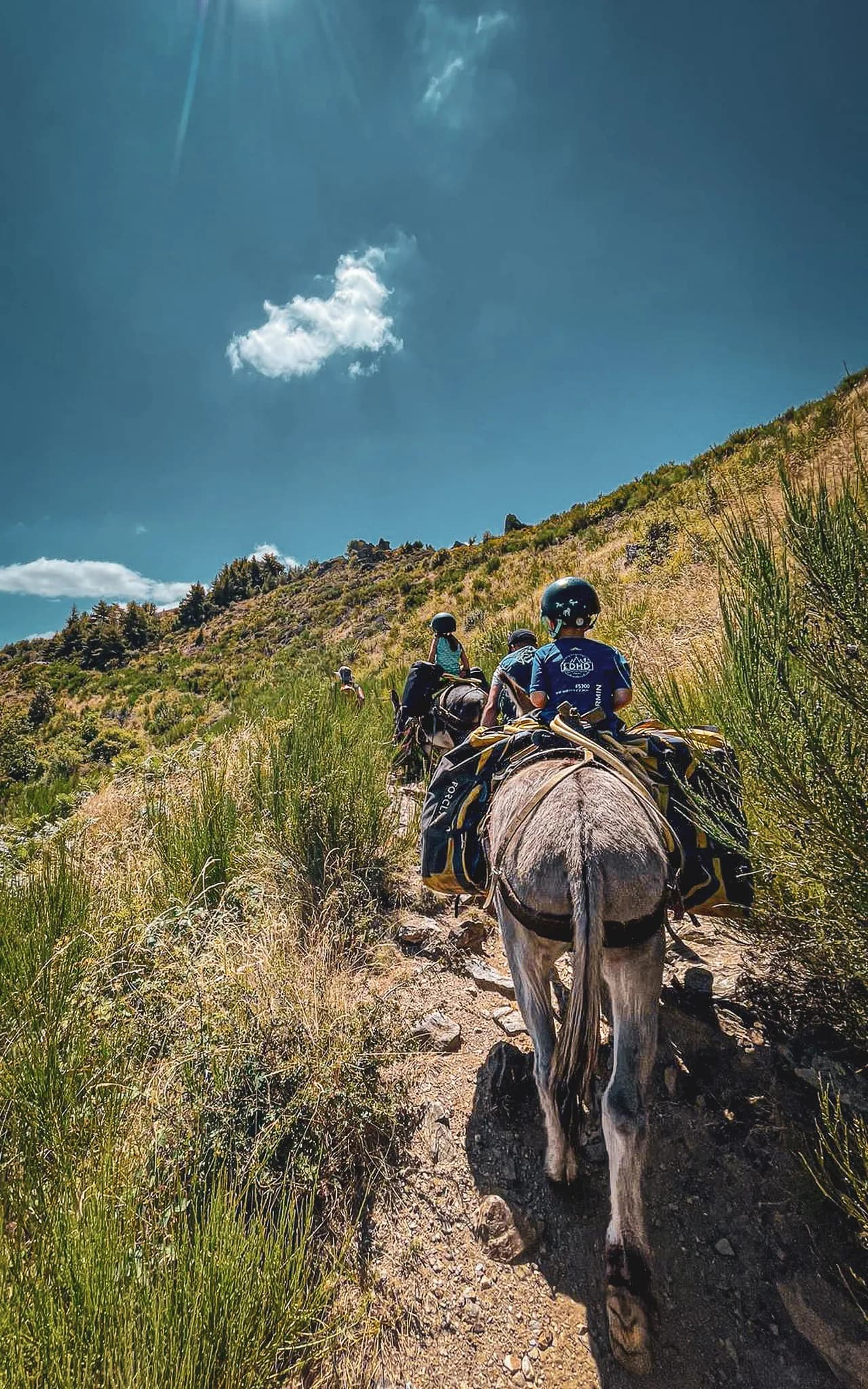
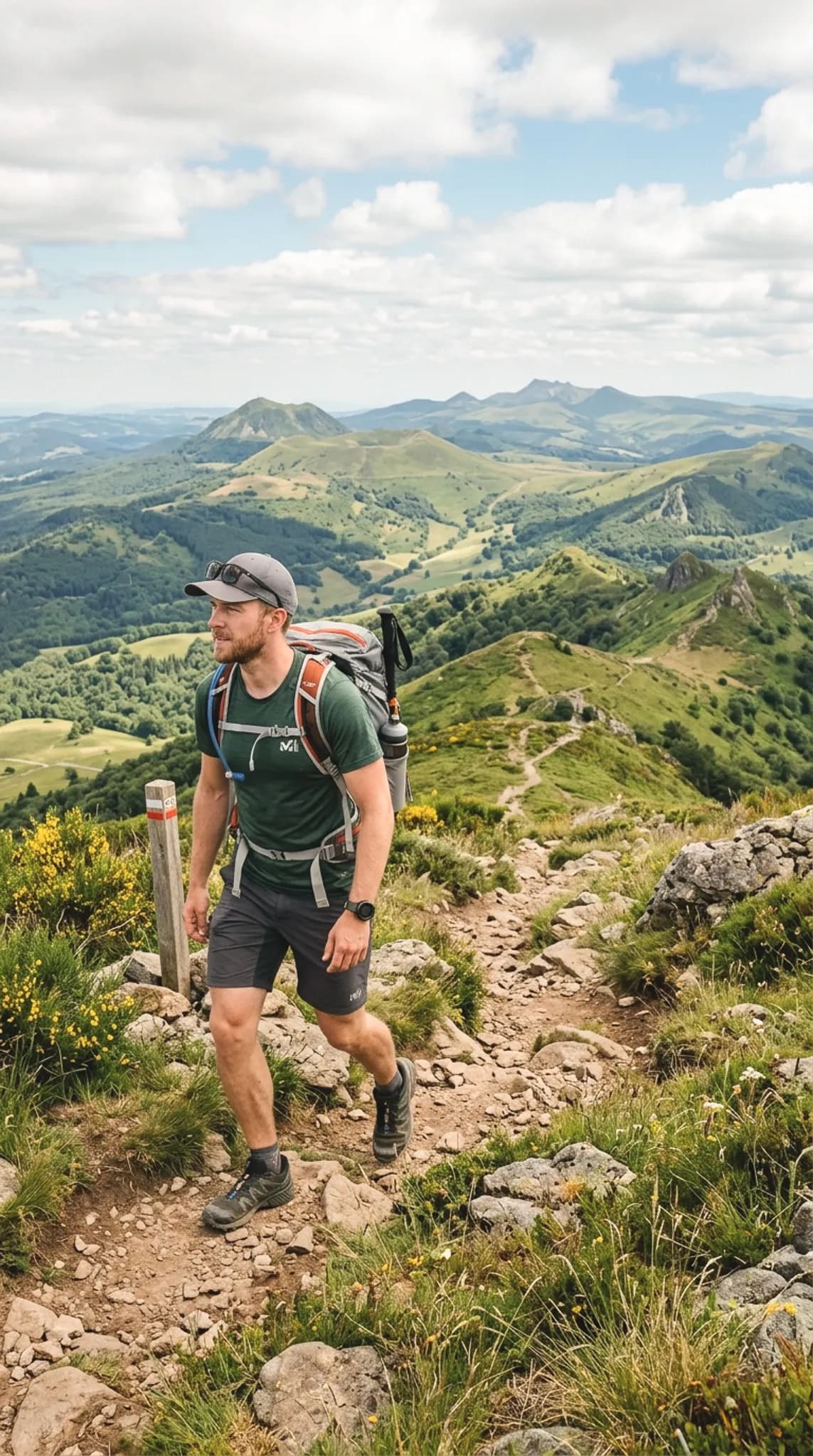
Start with pack weight. In huts you strip the load to the essentials, usually a sleeping liner, spare layers, water and snacks. That leaves more energy for patient scanning at prime hours. In bivouac mode you add sleeping bag, shared tent and stove, group food and extra insulation, which pushes volume to 40 to 50 liters and demands tighter hydration and timing. Hut itineraries like Hiking and wildlife watching in the Pyrenees and Hiking Tour in the Ecrins National Park fit comfortably within an intermediate level. Bivouac loops like Trek & wild camp in the remote Valgaudemar valley are also intermediate, while Hiking and bivouac around the Aiguilles d'Arves and Surge to Pic du Mas beneath La Meije sit clearly on the advanced side.
Daily effort differs too. In huts you move at a steady clip on good trails with guided pauses for observation. In bivouac you add setup and breakdown to the hiking day, often above 2500 meters, with stretches on rougher, less marked ground. To feel smoother on either, practice a consistent uphill cadence, refine your pack to what you truly use and revisit downhill footwork on loose terrain to save quads late in the day.
Practical checklist and route picks
- Hut‑based wildlife: binoculars or a compact spotter, sleeping liner, light warm layers, headlamp, quiet snacks for stakeouts, respect for silence at golden hours.
- Roaming bivouac: 40 to 50 liter pack, season‑rated sleeping bag, waterproof shell with hood, compressible down jacket, group stove, headlamp, map and regulations, a weather margin and plan B.
- Common to both: category 3 sunglasses, SPF 50, sun hat, water and electrolytes, a small personal first aid kit, waterproof hiking shoes, a fleece and light gloves at altitude.
Night experience: warm hut or under canvas
Choosing your night is a balance between comfort and immersion. In huts you get a hot dinner, a dry common room and conversations that help read the weather or plan stakeouts. At the Refuge d’Ilhéou, sunset across the lake leaves time to step out for twenty minutes and scan the grassy ribs where chamois sometimes move before dark. Leaving light at dawn is easier with a pared‑down day pack.
Under canvas you live by the sounds and light. At Lac Bleu in the Écrins, the first camp of Trek & wild camp in the remote Valgaudemar valley gives a discreet vantage late in the day at a distance from burrows. On the Plateau d’Emparis during Surge to Pic du Mas beneath La Meije, camps face La Meije and reward early risers with crisp sunrises when wind has swept humidity. At Lac du Goléon on Hiking and bivouac around the Aiguilles d'Arves, the cold‑air pool before dawn makes a well‑rated sleeping bag and a beanie earn their place.
In both cases, keep quiet and distance around animals, use authorized spots, leave every place clean and plan early departures to use the best light. If your priority is seeing wildlife without a heavy carry, choose Hiking and wildlife watching in the Pyrenees or the hut‑to‑hut Hiking Tour in the Ecrins National Park. If you want the freedom of itinerant nights out, start with Trek & wild camp in the remote Valgaudemar valley, then step up to Hiking and bivouac around the Aiguilles d'Arves or Surge to Pic du Mas beneath La Meije. Check park rules, keep a weather buffer and respect the wildlife, then read the detailed trip pages to book with a clear idea of what you are choosing.

Find your next adventure
Browse curated expeditions matching the categories of this article and start planning your next trip.
Find your dream adventure
 Find your dream adventure
You might also like these adventures …
Hand-picked to echo the spirit of this article.