Snowshoeing: the ultimate guide to the best routes by region
 By isabelle
Discover the most beautiful snowshoe walks by region. Get ready for your adventure with our exclusive advice and experience winter in a whole new way!
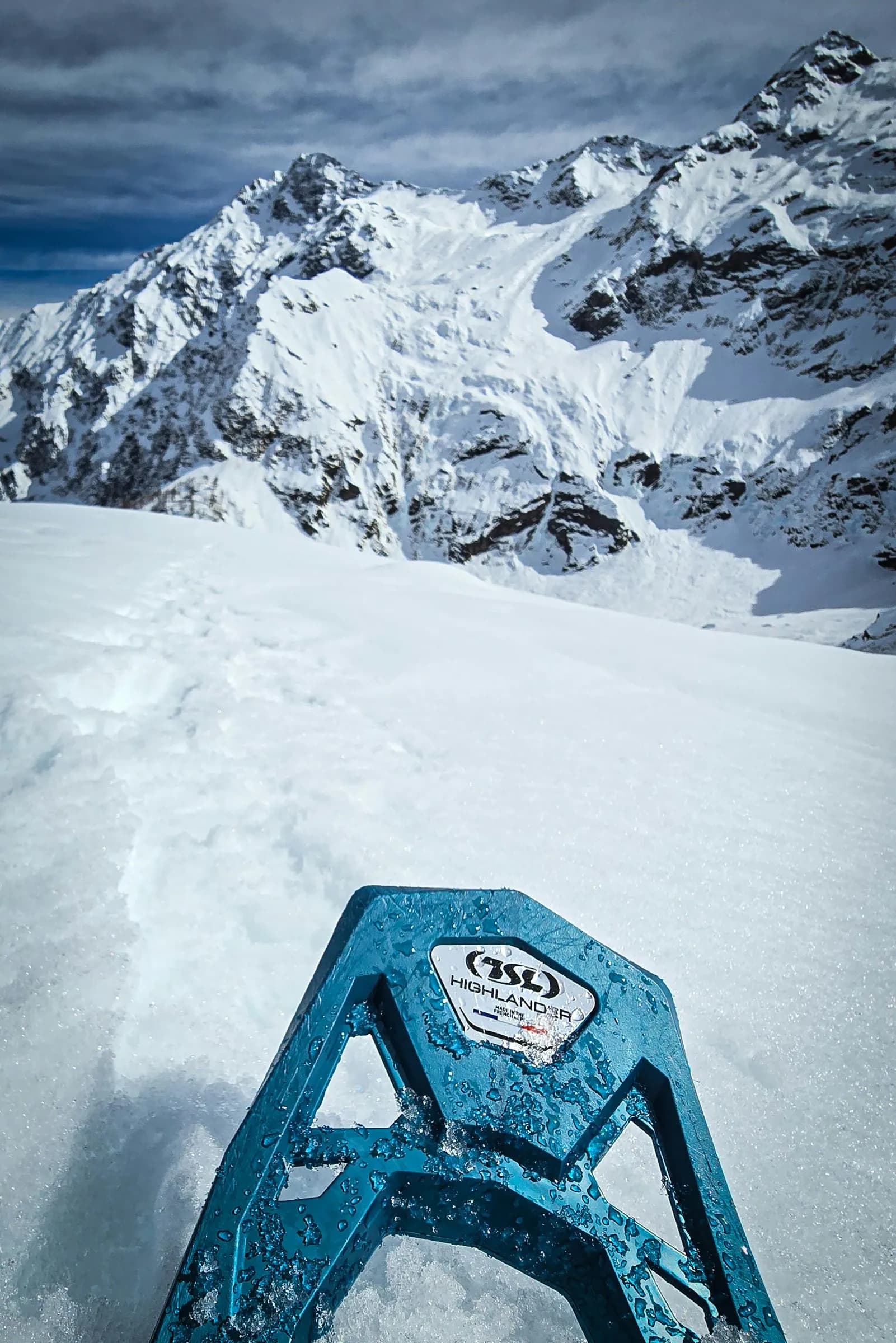
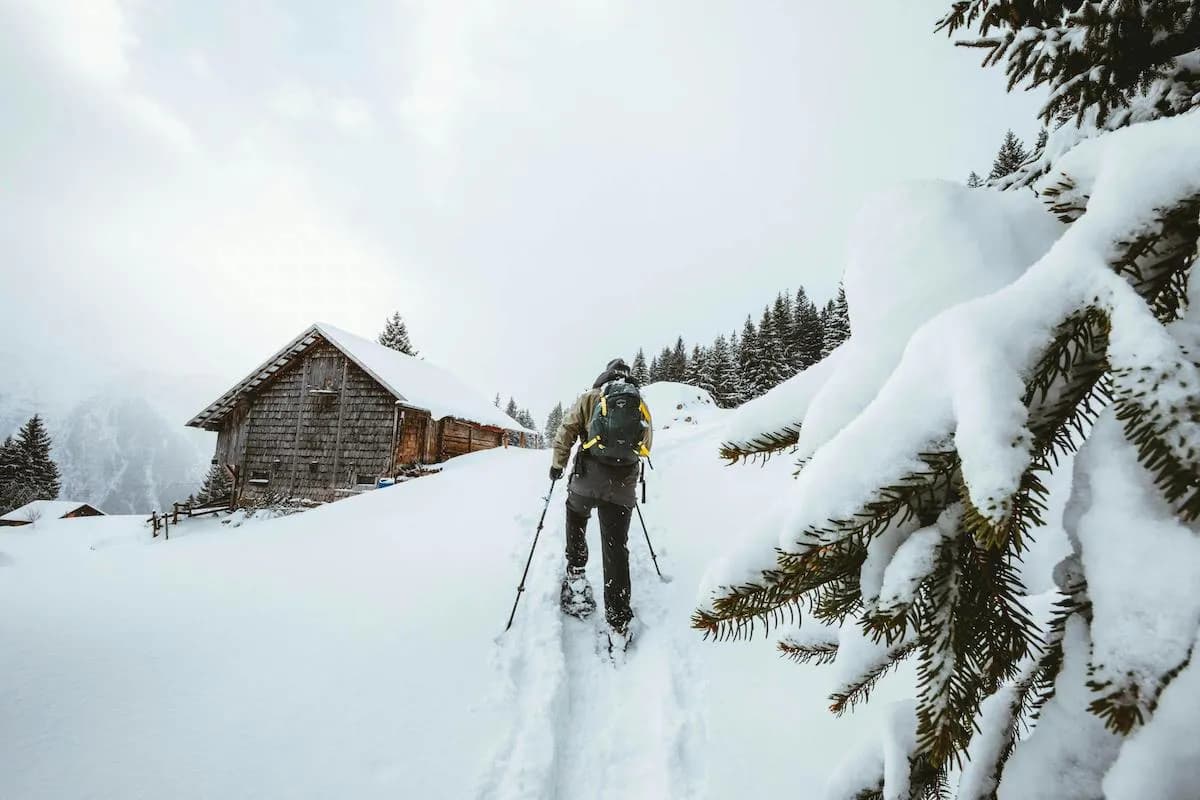
Snowshoeing involves walking on snow using special snowshoes that increase the surface area underfoot. This activity provides easy access to unspoilt winter landscapes where traditional walking would be difficult or impossible. Whether on marked trails or off the beaten track, the experience offers an authentic connection with nature in winter, whether enjoyed alone, with the family or in a group.
An accessible and beneficial discovery
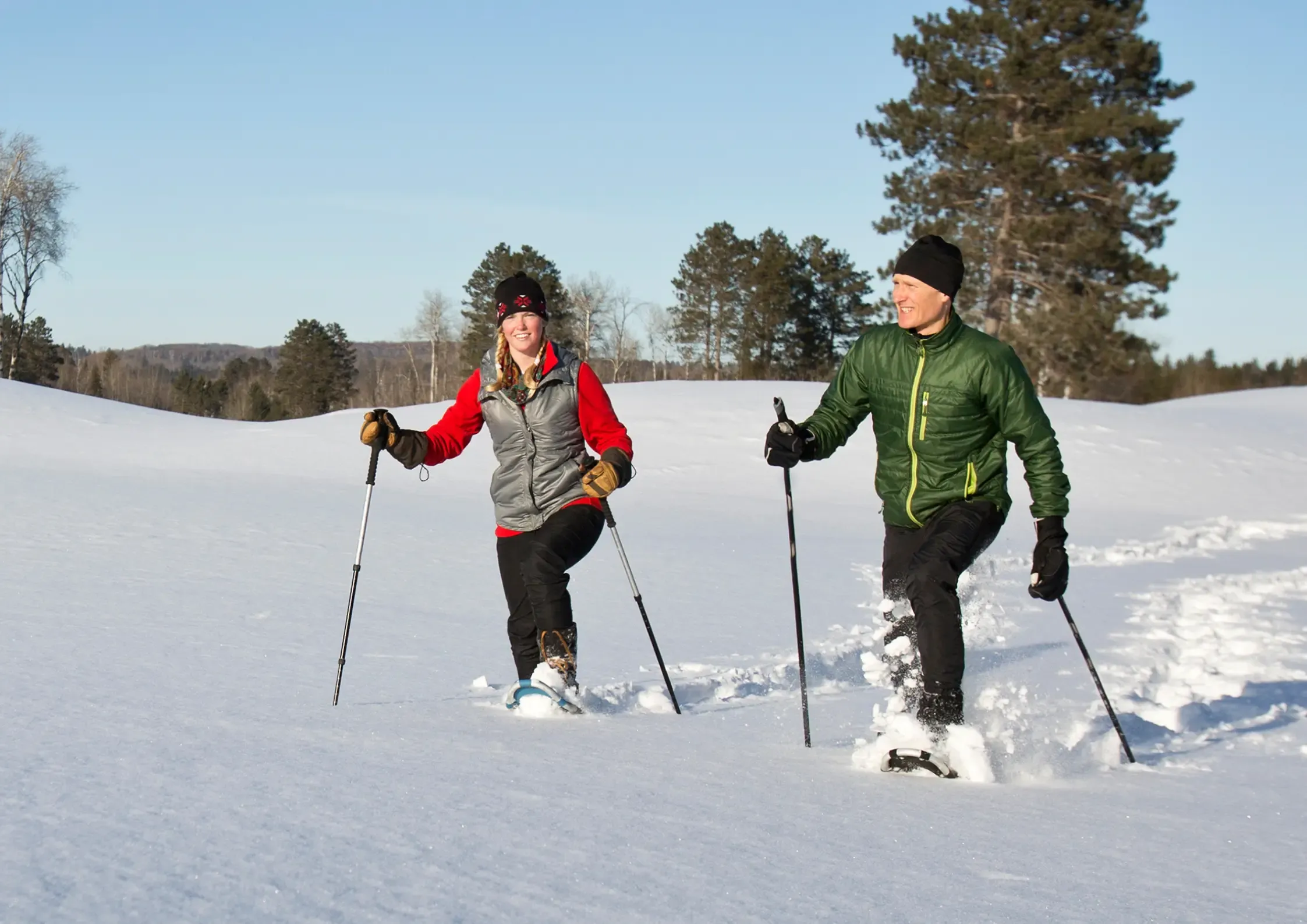
Snowshoe walking requires no advanced technique or previous experience. It's a gentle but comprehensive way of building stamina, exercising the legs and improving balance. Enthusiasts also enjoy the unique peace and quiet and the chance to observe wildlife in winter. Many of the trails are suitable for beginners and experienced hikers alike, with the support of guides or agencies such as Wildhartt for added safety, advice and discovery.
When you try snowshoeing, you're choosing an activity that has a low environmental impact, allowing you to explore forests, mountain pastures, plateaux and peaks while preserving the tranquillity of the environments you cross. It's the perfect opportunity to take a break from everyday life and experience winter in a different way.
The most beautiful snowshoeing itineraries by region
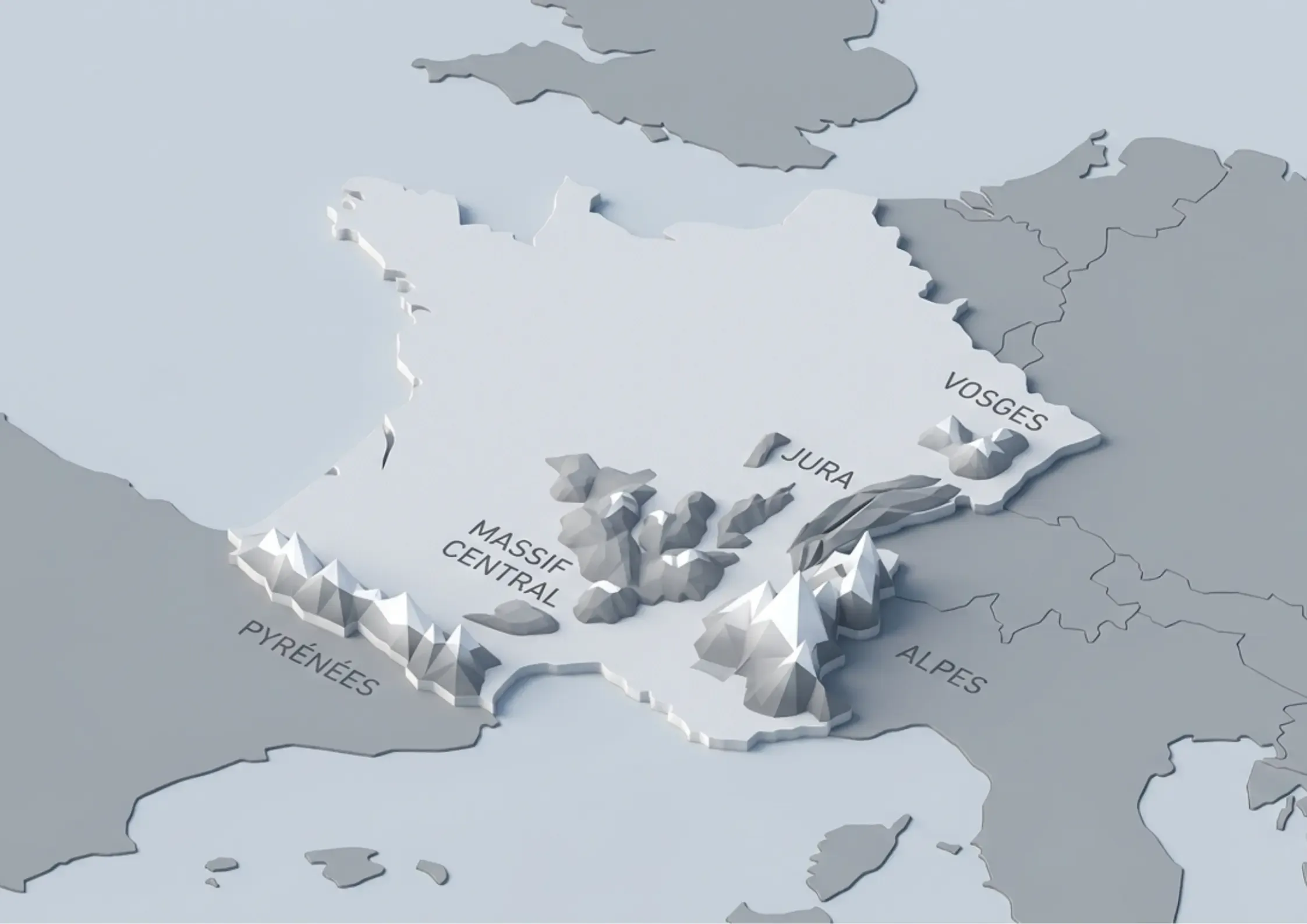
Snowshoeing offers an accessible way to explore the French winter mountains and enjoy unique landscapes region by region. Each mountain range has its own specificities, levels of difficulty and experiences.
Alps : Immensity and diversity
The Alps are a benchmark with their breathtaking panoramas. Easy routes around Chamonix and Mégève rub shoulders with challenging trails in the Queyras and Vercors. The Lac de Tignes and Plateau des Confins routes are suitable for all the family. Thrill-seekers will love the high-altitude routes around La Grave and the Ecrins National Park.
Vosges: Gentle courses and a forest atmosphere
The Markstein and Hohneck resorts offer access to wide trails, perfect for beginners or family outings. The routes in the Vallée de Munster offer a balance between open panoramas and peaceful undergrowth.
Jura : The inviting undulating plateau
This massif stands out for its gentle ridges and contemplative itineraries. The Haut-Jura Nature Park offers a number of loops, such as around the Col de la Faucille, accessible to walkers of all abilities. Crossing the Risoux Forest attracts those seeking absolute peace and quiet.
Massif Central: Volcanic landscapes and a diversity of atmospheres
The Sancy and Mont Lozère offer a variety of routes, with open views or family-friendly forest trails. There are also challenges for sports enthusiasts near Mont-Dore and the Monts du Cantal.
Pyrenees: Wild and authentic
The Pyrenees offer iconic trails such as the Pont d'Espagne in Cauterets and around Néouvielle. Numerous signposted trails start from Gavarnie or Luchon, offering spectacular views and unspoilt corners.
Focus on some remarkable sites
- Bauges: A circuit between La Féclaz and Arith to discover meadows and secret panoramas.
- Queyras: Trails around Saint-Véran, Europe's highest village, suitable for beginners and experts alike.
- Annecy: Family trails at Semnoz or a climb to Mont Veyrier with views over the lake.
- Chartreuse and Vercors: Large clearings and enchanting forests at the Col de Porte and around Villard-de-Lans.
Many of these destinations offer a variety of routes for all abilities, signposted and accessible all year round. Expert-guided outings, such as those offered by Wildhartt, allow you to choose the most suitable route, particularly for exploring more secret corners or with a tailor-made approach to safety and local discovery.
Essential equipment for a successful snowshoe outing
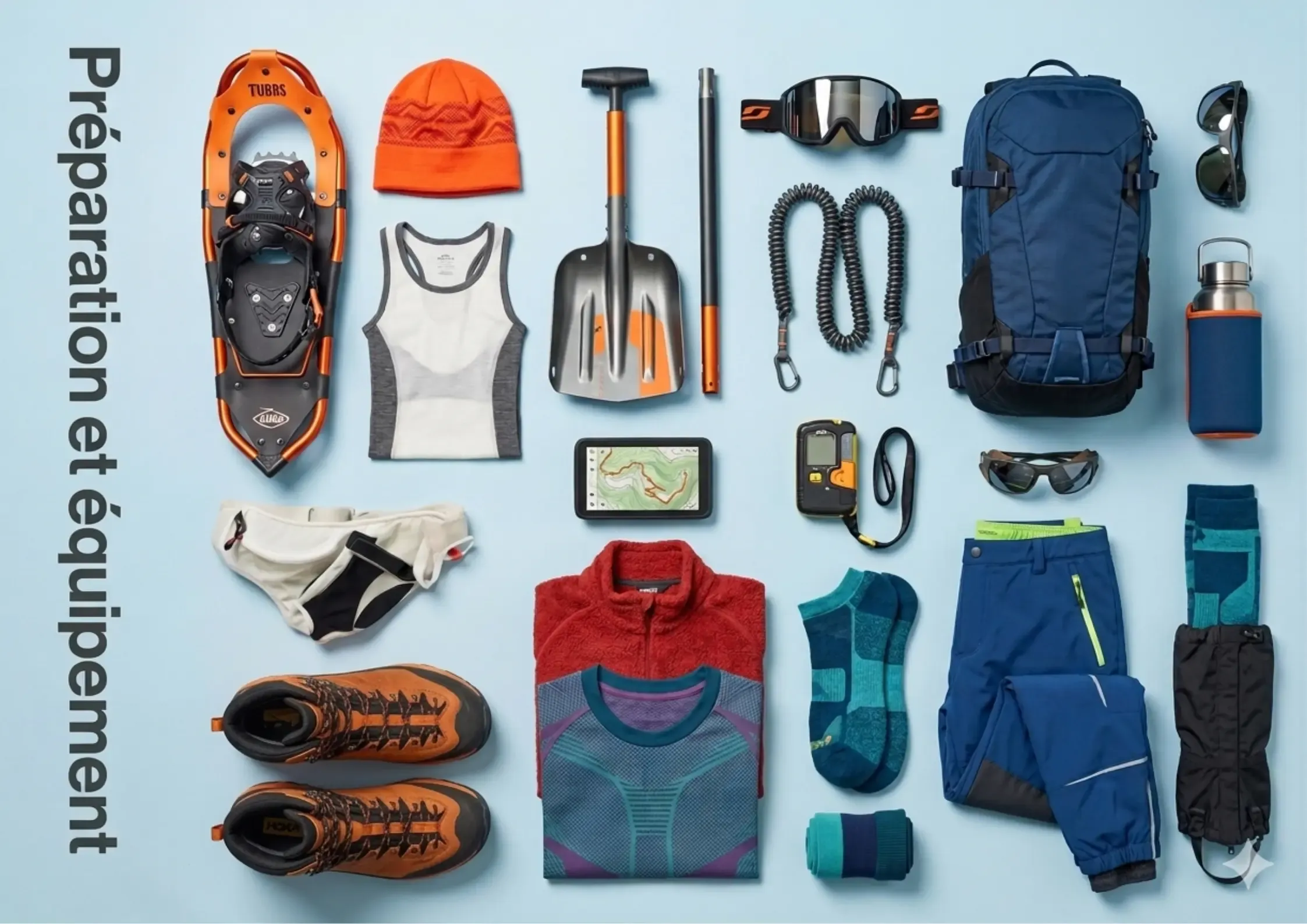
Essential equipment for a safe outing
To walk comfortably in the snow and enjoy every outing, you need to pay particular attention to every component of your equipment. Proper preparation reduces the risk of discomfort and prevents accidents.
- Snowshoes: choose according to your weight and the type of terrain. Leading brands such as TSL, Inook and Tubbs offer reliable models. Choose adjustable bindings that are easy to use with gloves.
- Walking poles: telescopic poles with large washers increase stability, especially on slopes or deep snow.
- Waterproof footwear: opt for warm, high-cut hiking boots with notched soles. They should stay dry and offer good thermal protection.
- Appropriate clothing: layer three layers on top of each other: a breathable layer (to wick away perspiration), an insulating layer (jumper, fleece) and a windproof, waterproof outer layer (hiking jacket and trousers).
- Essential accessories: hat, waterproof gloves or mittens, sunglasses (increased UV protection on snow), sun cream, gaiters to prevent snow in shoes.
Safety and managing the weather
Even on signposted routes, it's essential to prepare your snowshoe walk with care. Pack a first-aid kit, survival blanket and headlamp in your rucksack, especially if it gets dark quickly in winter. Keep an IGN map of the area or an offline navigation application (e.g. Visorando or IGNRando). Always check the weather forecast or avalanche risk on Météo France before setting off.
Tips for getting the most out of your activity
Avoid cotton, which is unsuitable because it retains moisture and cools you down. Choose synthetic materials or merino wool. Remember to take water and energy snacks with you, especially for long loops: even in moderate temperatures, effort at altitude quickly dehydrates you. If you're going on your own or with children, it's safer to tell someone close to you about your itinerary. Finally, guided outings with specialist agencies such as Wildhartt offer personalised advice on the choice of equipment and the right reflexes to adopt in the mountains.
How to choose your snowshoeing itinerary according to your level
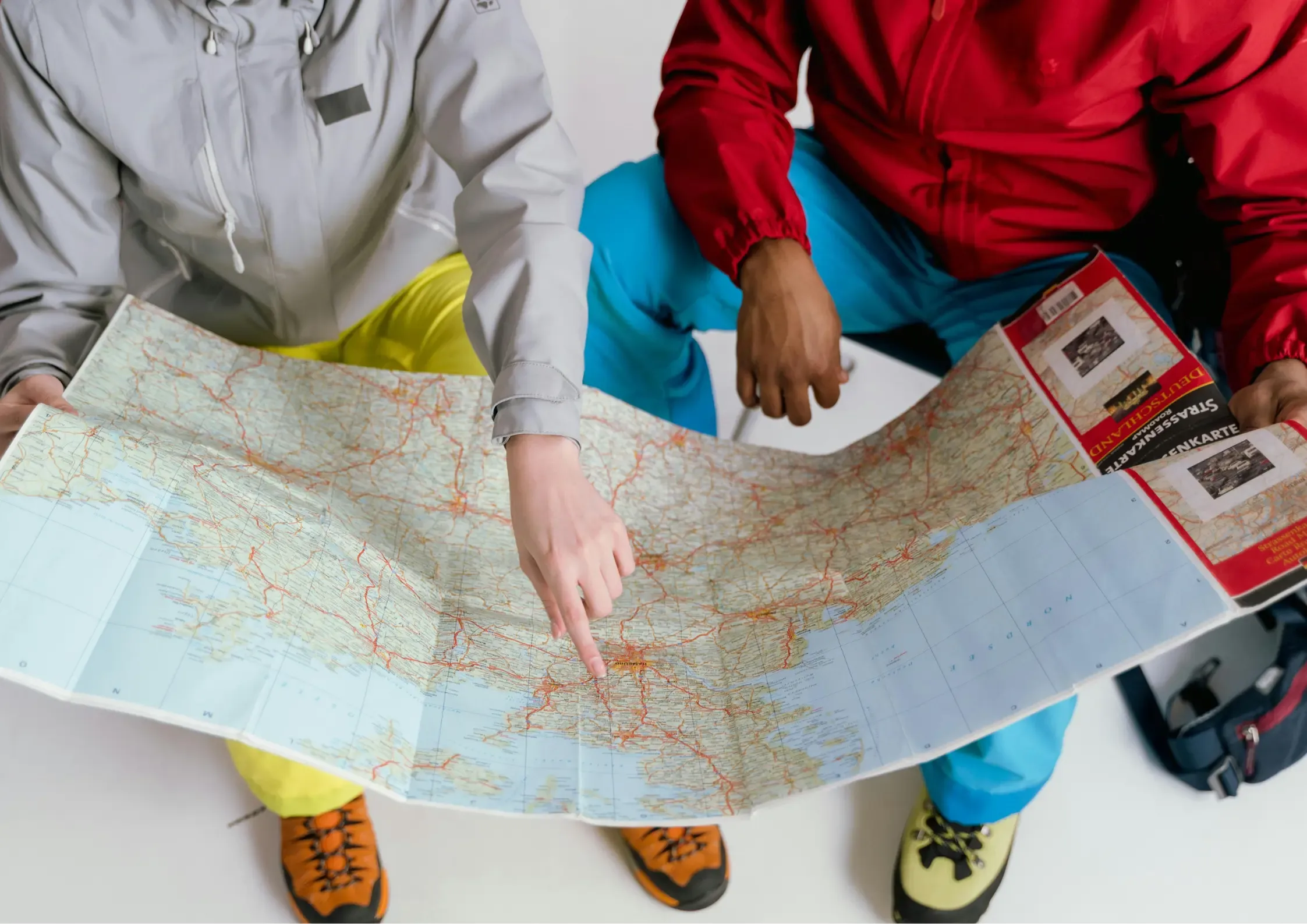
To get the most out of a snowshoe walk, it's essential to choose a route suited to your level. Choosing the right route will influence your enjoyment, safety and progress.
Assessing your level and needs
You don't need any previous snowshoeing experience to start out. There are three main types of snowshoer that can determine the choice of route:
- Beginners: choose marked trails that are flat or have little difference in altitude (less than 200 metres). Look for short loops (between 1 and 4 km), accessible from a resort or car park. Routes such as the Semnoz near Annecy or the easy Markstein traverse in the Vosges are ideal for this.
- Families with children: opt for short routes, often on the edge of the forest or close to rest areas. Choose routes approved by local tourist offices. Walks with a view, close to Mountain huts or with themed information boards are particularly motivating.
- Regular or sporty walkers: aim for longer routes (over 6 km), with gradients that can exceed 400 metres, or even unmarked loops across plateaux or ridges (Massif Central, Jura). Physical preparation will be even more important, as will map-reading skills and knowledge of snow hazards.
Finding your way: markings and difficulty
Signs on snowshoe trails vary from region to region: directional signs, coloured dots or snowshoe pictograms. The local topo-guide or applications such as Visorando, Outdooractive or Iphigénie help you to anticipate the length and profile of the route and any exposed sections. If you're going off-piste or into undeveloped areas, you'll need a GPS or a detailed IGN map.
Physical preparation and safety
It's essential to know what you're capable of. Even a path considered easy requires a minimum of endurance. Going up or down on snow puts a lot of strain on the quadriceps, calves and breath. A light warm-up before the walk, regular breaks and good hydration will avoid excessive fatigue.
If in doubt, set off with a guide or join an organised outing, such as those offered by Wildhartt, for advice on pace, group management and safety on the snow.
Preparing and organising your snowshoe outing: safety, weather and useful applications
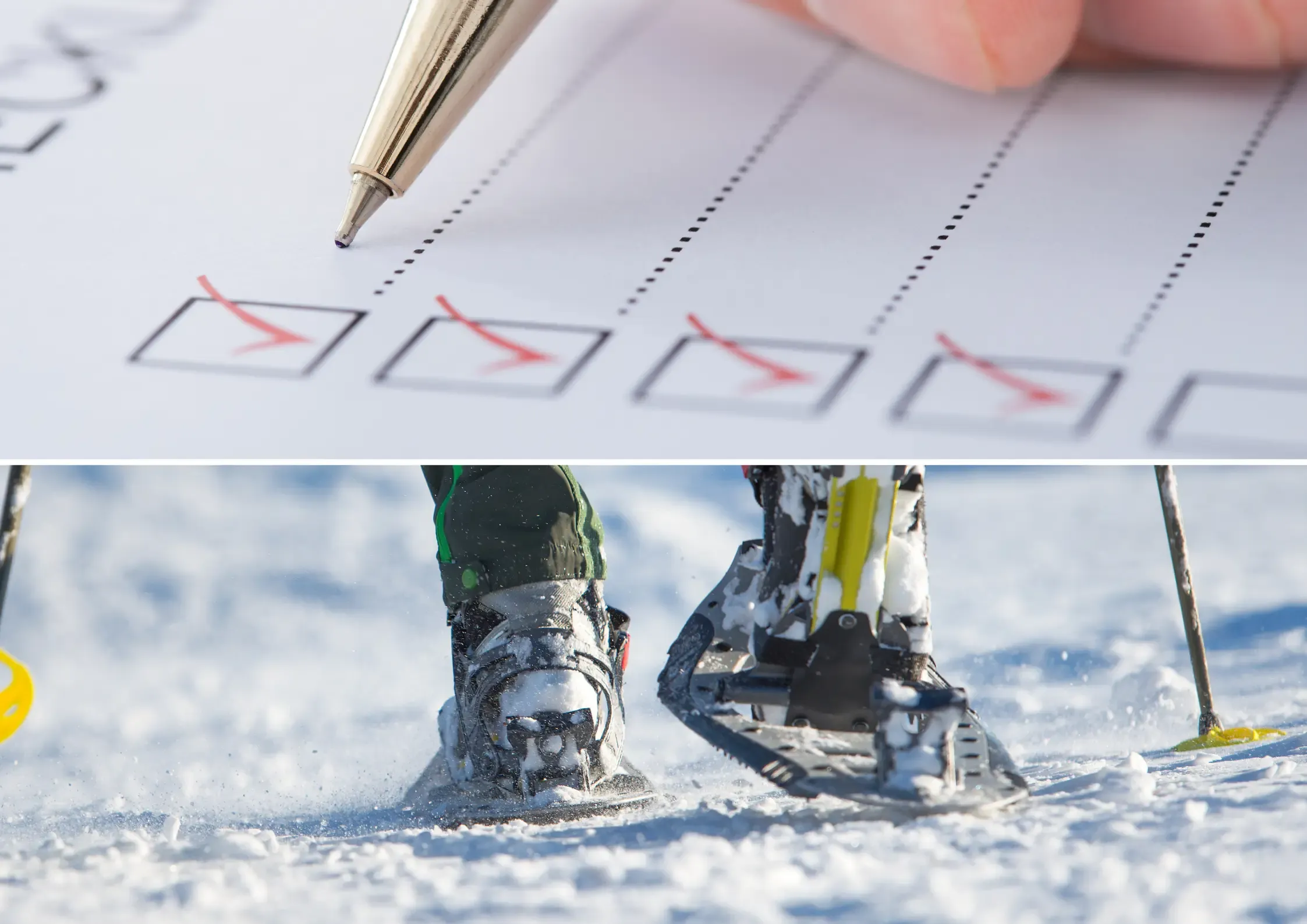
A successful snowshoe outing starts long before you put on your boots. There are a number of essential elements to ensure safety, efficiency and comfort throughout the itinerary.
Mountain safety rules
Before setting off, assess the snow cover, weather conditions and specific risks. In winter, the main danger when snowshoeing is avalanches in certain areas. Always check the Météo France bulletins and, if possible, the Avalanche Bulletin. Never set off alone into unknown territory and share your itinerary with someone close to you. Keep in mind :
- Check whether the route is signposted or off-piste and adapt your choice of route to your experience.
- Leave early and return before dark.
- Carry a first-aid kit, survival blanket, charged mobile phone and whistle.
Managing effort and nutrition
Snowshoe trekking requires a greater expenditure of energy than a summer hike. Keep hydrated regularly with water or a lukewarm drink stored in an insulated flask. Plan frequent breaks to avoid exhaustion. Take along easily digestible carbohydrate-rich foods (bars, dried fruit, bread) to keep your energy levels up.
Map reading and orientation
A good sense of direction is essential, even on signposted routes in fog or poor visibility. Always carry a paper IGN map of the area and a compass. In the mountains, a portable GPS or a connected watch with an altimeter is useful for tracking your progress and avoiding unnecessary detours.
Essential mobile applications for snowshoeing
- Visorando: offers detailed itineraries with offline maps and points of interest, useful for personalising your walk.
- IGNRando: gives you access to all the French topographic maps and route planners.
- Météo France: check mountain weather forecasts and avalanche risks in real time from their official application.
For those who want to take it easier, hiring a guiding team like those at Wildhartt adds expertise in the field, advice on orientation and perfect management of the group in the event of unforeseen circumstances. This solution combines support, shared experience and increased safety during the outing.
Snowshoe outings and unforgettable experiences in the great outdoors
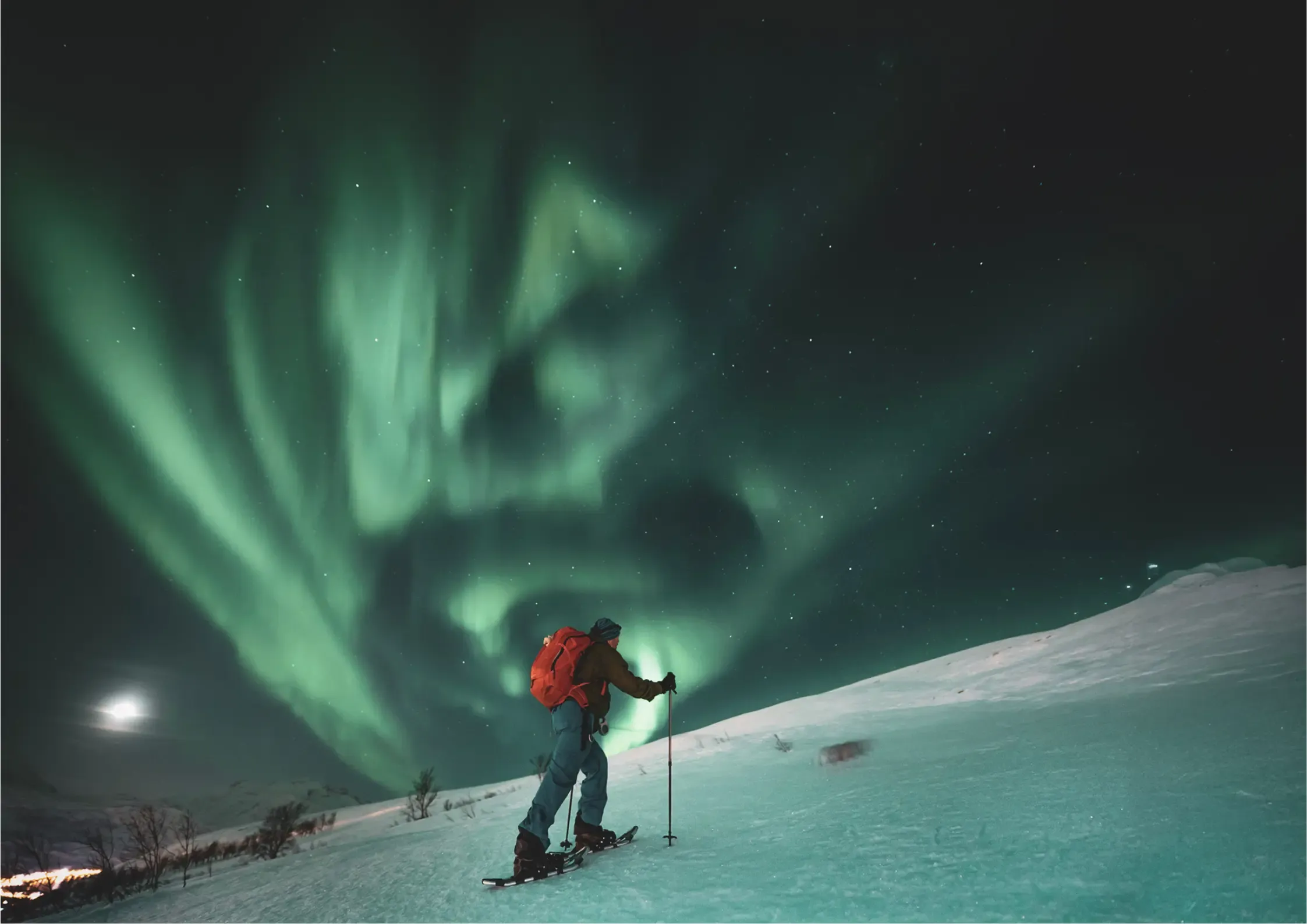
Experience winter in a different way
Walking on snowshoes means plunging into an unspoilt natural environment where each outing has its own surprises in store. Snow-covered forests become quieter, panoramic views open up where summer paths remain hidden, and every animal footprint tells a discreet story on the fresh snow.
Watching wildlife in winter
In winter, wildlife is more visible on the immaculate snow. The Alps and Jura often offer the chance to see tracks of chamois, roe deer or hares. In the Pyrenees and Vercors, the most patient can surprise a group of mouflons or observe a herd of stags from a distance. Choose trails on the edge of forests early in the morning or in the late afternoon to maximise your chances of observation while respecting the peace and quiet of the local wildlife.
Routes for spectacular views
Some routes celebrate the beauty of wide open spaces covered in snow:
- Plateau du Semnoz (Annecy): views of Lake Annecy and Mont Blanc.
- Crêtes du Jura: lookouts over the Alps and Lake Geneva.
- Cirque de Gavarnie (Pyrenees): a unique natural amphitheatre classified as a UNESCO World Heritage Site.
- Col de la Croix Fry (Aravis): sunrise illuminating the peaks of the massif.
Remember to check the direction of the path, especially on the high plateaux, to avoid fog or lack of visibility.
Immerse yourself in unspoilt forests and live in the moment
Snowshoeing takes you deep into untouched undergrowth, such as the Risoux forest in the Jura or the mysterious fir forests of the Chartreuse. Snowshoeing through these areas is a rare listening experience, with only the crunch of snow to punctuate your progress. In the heart of the forest, the sensation of tranquillity is total, conducive to full awareness and the photography of frosty details.
Magical moments: sunrise and white silence
Setting off early allows you to witness a sunrise at altitude, an intense spectacle at first light. The light colours the peaks of the Bauges, Queyras and Vercors. Away from the crowds, enjoy the impressive silence, interrupted only by the whisper of the wind or the call of a snow jay.
Specialist agencies, such as Wildhartt, regularly organise dawn or evening outings to make the most of these moments. The guides will share photo tips or reveal where to spot discreet wildlife. To keep in touch with these sensations, some itineraries are recommended under a full moon, when the snow reflects a silvery light that totally transforms the landscape.
Accompaniment and hire: maximise your snowshoeing experience
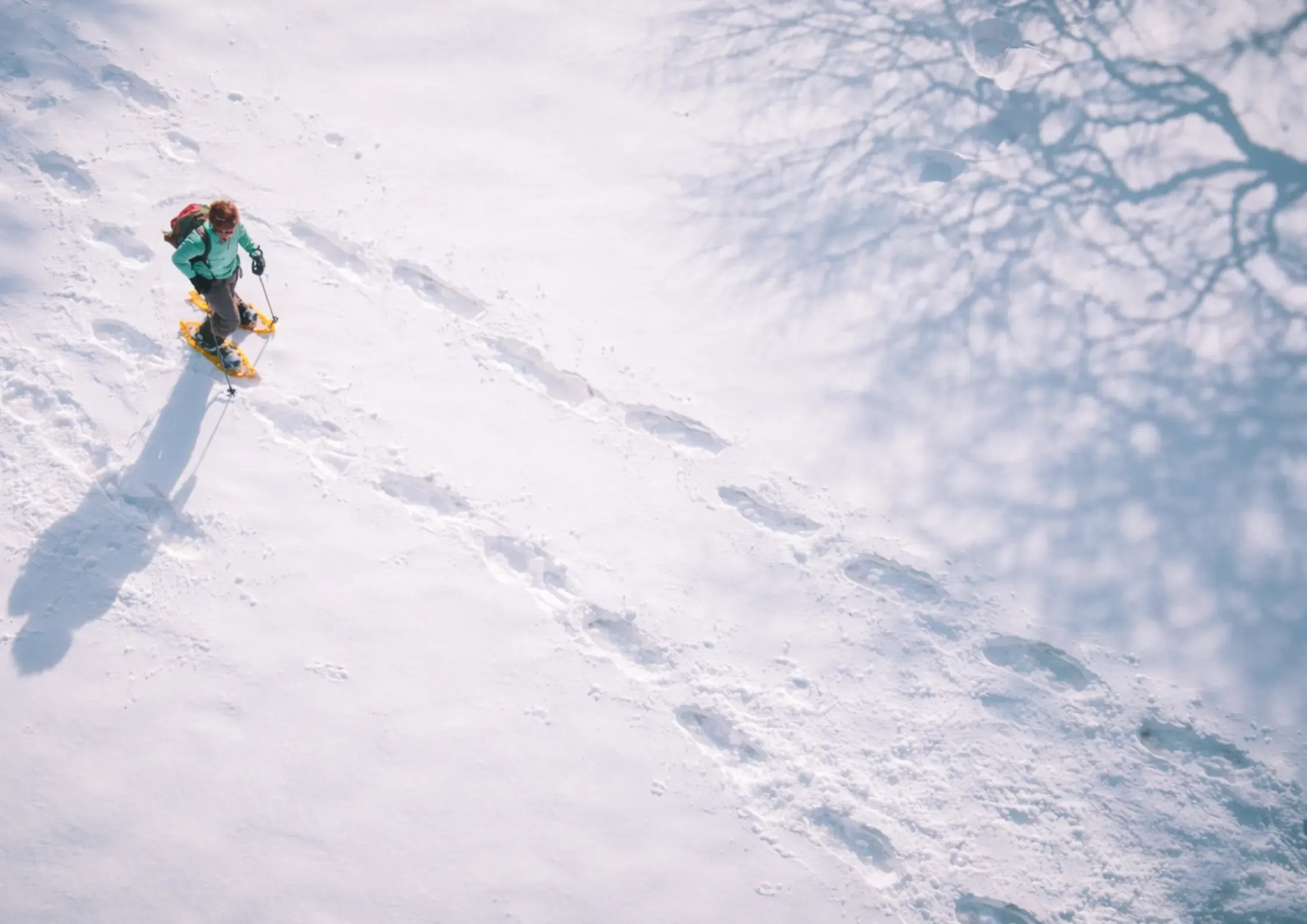
Taking the time to prepare your outing properly enhances safety, pleasure and discovery on snowshoes. Our equipment hire and professional accompaniment services meet the needs of novices and wilderness trail enthusiasts alike.
Where to hire snowshoeing equipment
Many ski resorts, sports shops and tourist offices offer rental of snowshoes, poles and sometimes even complete kits (snowshoes, poles, gaiters). National brands such as Decathlon, Intersport and Sport 2000 have networks in all the mountain ranges. Renting locally has a number of advantages: a choice suited to the terrain, personalised advice from local staff and no need to carry your equipment on the road. Prices generally vary from €7 to €15 for a day, depending on the region and the popularity of the site.
Why choose a mountain guide?
A qualified mountain guide ensures the safety of the outing and maximises the enrichment of the experience. Here are the main advantages:
- Understanding the terrain: identifying high-risk areas, adapting to the weather, managing the group and the itinerary in real time.
- Enhanced discovery: knowledge of the fauna, forest, animal tracks and local heritage.
- Simplified organisation: no need to read the map or prepare the itinerary, and the possibility of going off the beaten track.
- Introductory workshop: techniques, equipment settings and tips for progressing on all types of snow.
For families and multi-level groups, the guide adapts the pace and route so that everyone gets the most out of the day.
Prices and offers for guided outings
The price of an organised outing depends on the duration, the number of participants and the proposed programme. You can expect to pay
- Half-day outing: generally between €20 and €35 per person.
- Full-day outings: around €35 to €55, sometimes including equipment.
- Special options: night walks, wildlife hikes or panorama outings with picnics included, from €45 to €70.
A number of agencies also offer weekend or holiday packages including accommodation, meals, hire and themed immersions.
The advantages of booking through a specialist agency like Wildhartt
Booking through an expert agency saves time and offers valuable peace of mind. Wildhartt selects its guide partners on the basis of their knowledge of the terrain and their ability to ensure respect for the environment. Booking includes :
- A human-sized group for greater conviviality.
- Flexibility on the level of the hikes, including for beginners and children.
- The assurance of reliable, well-maintained equipment.
- Free cancellation options, with a full refund if the outing is not confirmed.
- Payment in instalments, so you can prepare for your adventure with peace of mind.
This approach facilitates access to authentic experiences, even far from the most popular sites. Planning a snowshoe outing then becomes synonymous with pleasure, safety and sharing: every season, winter reveals new horizons to explore and protect. To discover other ideas for guided adventures, explore our guided adventures - Wildhartt expeditions.

Find your next adventure
Browse curated expeditions matching the categories of this article and start planning your next trip.
Find your dream adventure
 Find your dream adventure
You might also like these adventures …
Hand-picked to echo the spirit of this article.
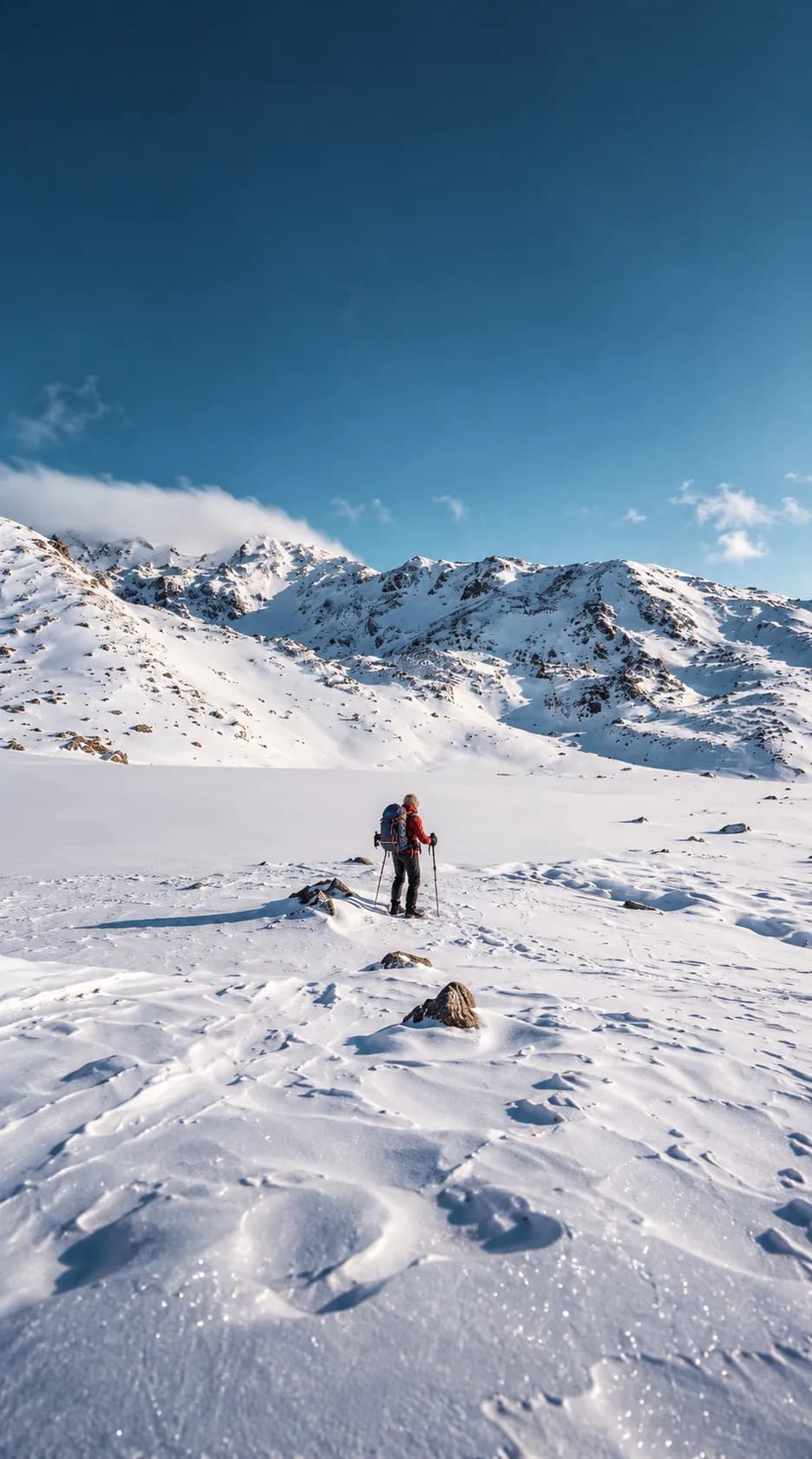

New Year: Snowshoeing and a New Year's Eve celebration in a mountain hut in the Clarée valley
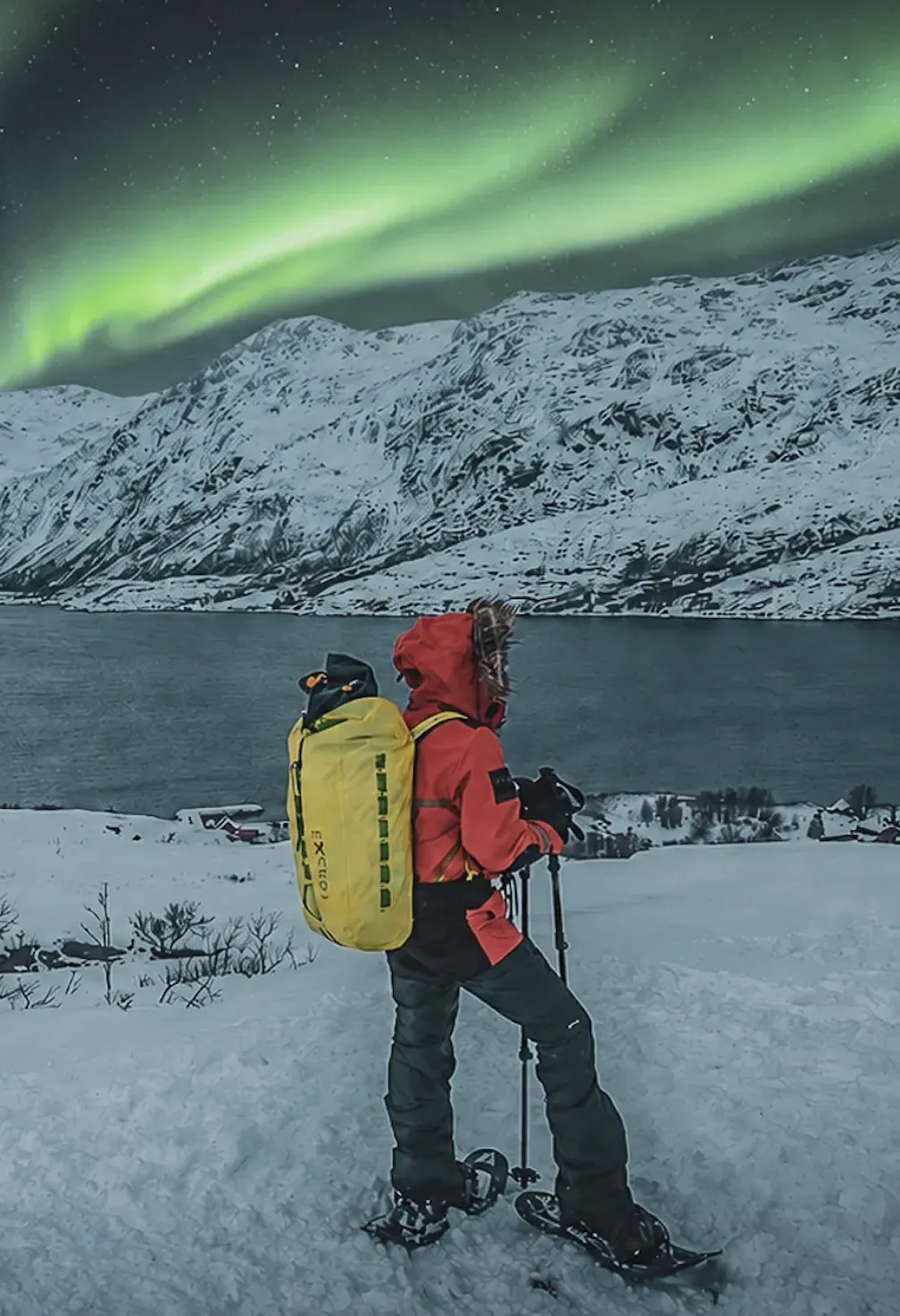

Snowshoeing, sledging and cross-country skiing in Norwegian Lapland
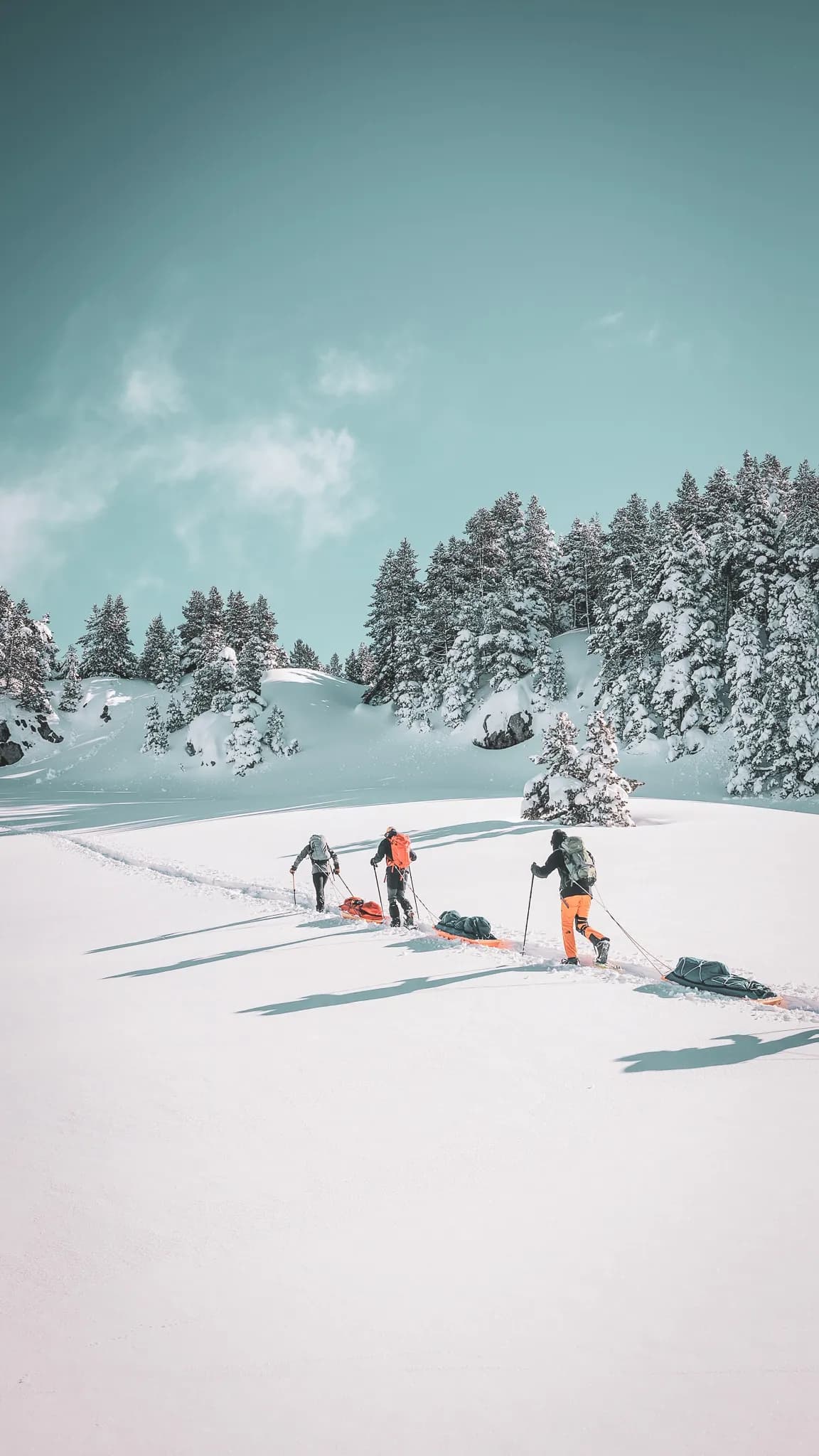
Wild Vercors: snowshoe trek with pulka and tipi nights
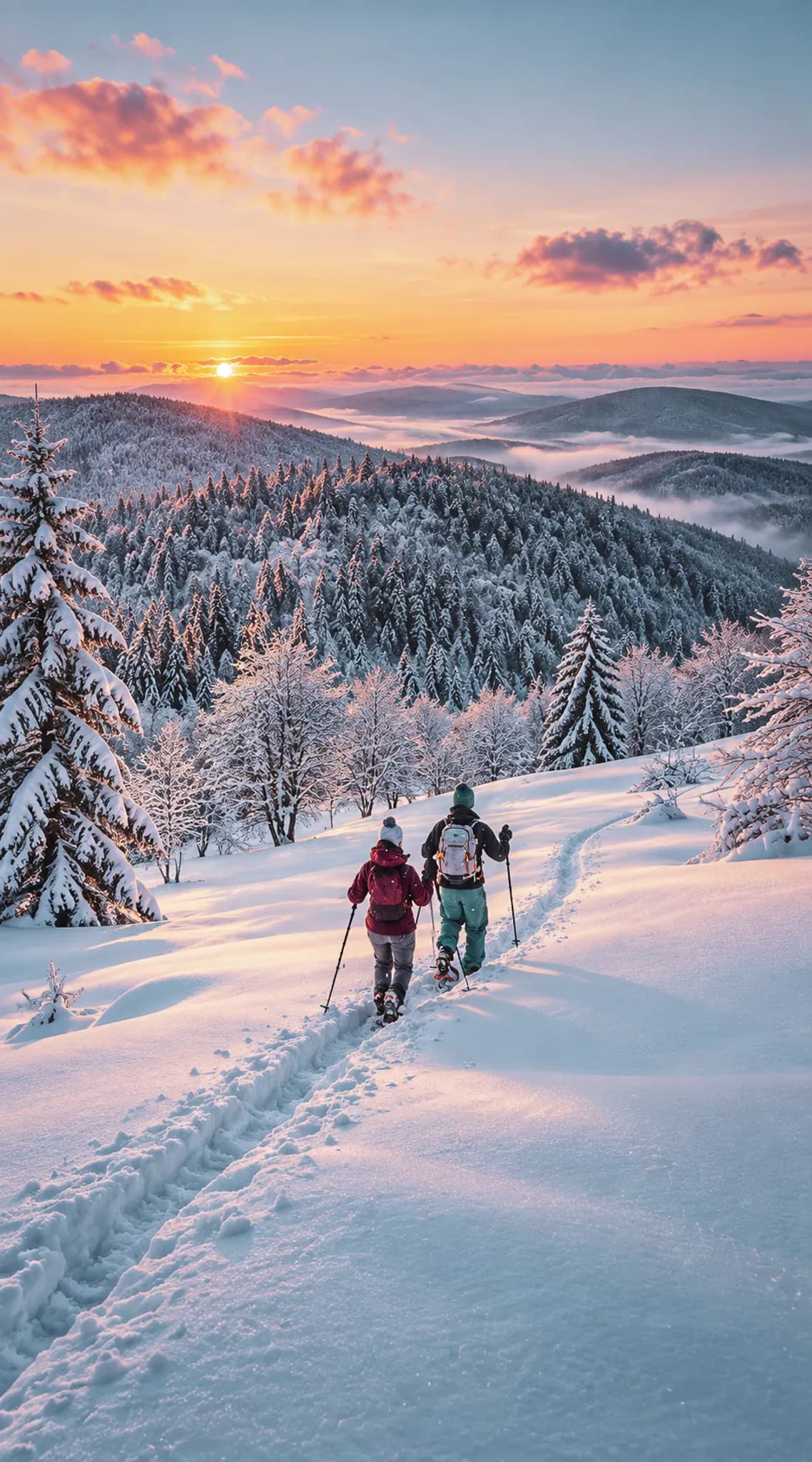
Snowshoeing with cosy mountain-hut nights in the Vosges
More to discover
Keep exploring with these pages and stories picked for you.
The Ultimate Guide to Snowshoeing: Advice, Equipment and Destinations
Set off on a snowshoeing adventure with our advice, top spots and tips for unforgettable winter walks!
Snowshoeing Checklist: What to Pack for a Safe Day Out
Prepare for a snowshoe hike with a practical checklist covering clothing, safety gear, food and navigation.
Must-do itineraries: top 10 snowshoe hikes in Savoie
Discover the 10 best snowshoe hikes in Savoie. Experience a wild and magical adventure with every itinerary, advice and access included!
10 Benefits of Going into the Mountains with a Guide
Snowshoe trekking with a guide: a safe adventure in snow-covered landscapes. Opt for the complete experience with our experts!
The Best Ski Touring Routes for Beginners in 2026
Start ski touring with our selection of beginner-friendly 2026 routes, plus practical safety advice and guided options.
Top 7 ski touring itineraries for a start in 2026
Start ski touring! Discover the best 2026 beginners' itineraries with advice, safety and Wildhartt guides.
