Big carnivores treks: choose by effort and immersion
From gentle evening listens on the Ambel plateau to self-sufficient bear bivouacs in the Pyrenees, compare effort and immersion to pick your wildlife trek.
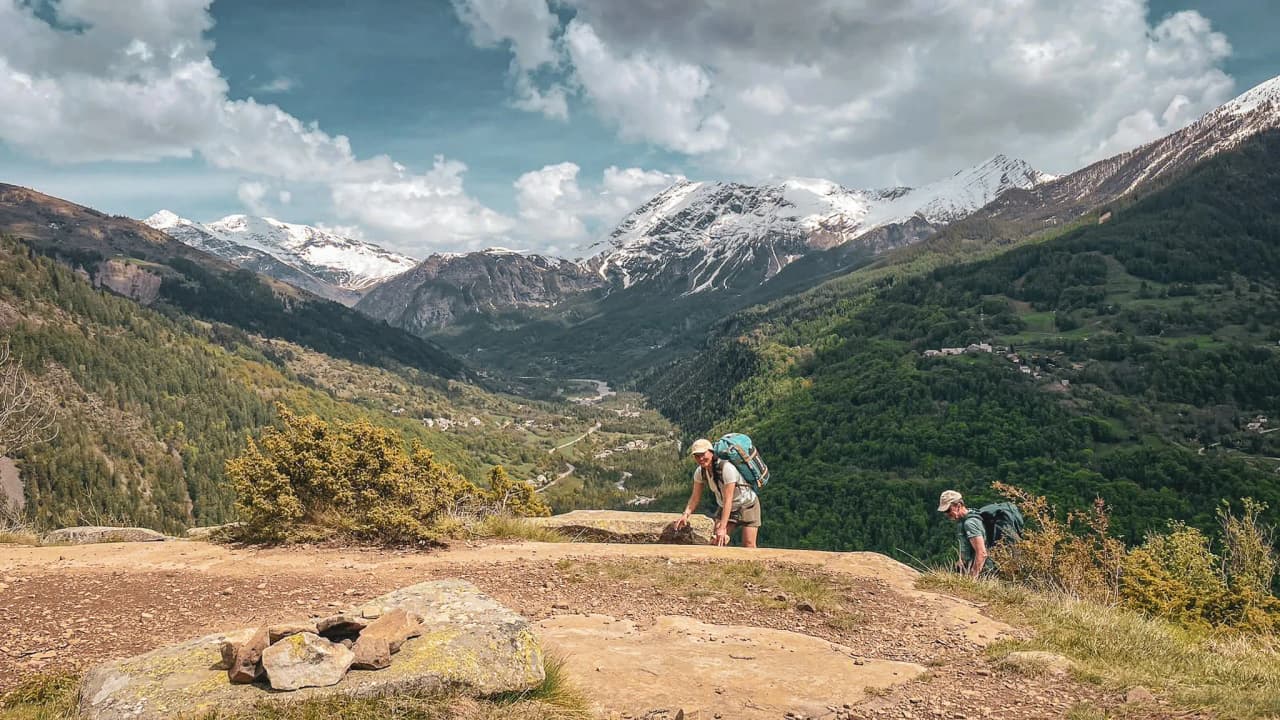
Choosing a trek to hear and track big carnivores comes down to two sliders you can set: the physical effort you want to invest, and the level of naturalist immersion you are after. Do you prefer short, focused outings where you learn to read signs and listen at dusk, or several days moving at the animals’ rhythm, including unguarded huts or a self-sufficient bivouac? The comparisons below are built from real itineraries: Wolf tracking in the wild Vercors, Tracking Wolves in the Wild Écrins Mountains, Deer rut listening and hiking in the Jura, Track red deer through the forests of the Vosges and Tracking the brown bear in the Pyrenees. Use them to decide which trek to hear and track big carnivores matches your stamina and curiosity.
Entry-level ease: clear signs, short walks, comfortable base
If you want a gentle introduction that prioritises listening and learning over long mileage, the Vercors format works well. On day 1 of Wolf tracking in the wild Vercors, you meet at 2 pm at the Hostel Quartier Libre gîte on the edge of the Ambel plateau. Your naturalist guide sets the scene with a presentation on local fauna, from deer and chamois to the discreet wolves that shape the ecosystem. Late afternoon, the first field session takes place on the Ambel plateau, a protected sensitive natural area where you practise reading tracks, feeding signs and passage corridors, before returning to the gîte for a local dinner.
The cadence on this trip stays measured: short forays at the best hours, practical workshops, plenty of time to interpret what you find. On day 3, a shepherd, tracker or ranger joins the group, adding a pragmatic perspective on coexistence before you continue through quiet corners of the southern Vercors to the Col de la Machine, where the tour ends around 4 pm. The focus is on sharpening your ear and your eye rather than racking up elevation. Choose this beginner-friendly three-day window between January and November if you want calm, structured learning with high chances to hear wolves without heavy effort.
For these easy formats, pick stable shoulder seasons if you can, avoid high winds that smother sound, and aim for dawn and dusk windows. Keep your kit light and simple: closed hiking shoes, a shell with hood, a warm midlayer, thin gloves and a charged headlamp. Group discipline matters more than gear. Walk close, whisper, silence phones, and stop as soon as your guide signals.
Moderate immersion: mountain ambience, unguarded huts and rut season
Step up to a fuller immersion, and your days get longer without turning into a sufferfest. The Écrins offer that balance. On day 2 of Tracking Wolves in the Wild Écrins Mountains, you leave the hostel for a two-day loop with a night in an unguarded hut. You thread forests, clearings and high meadows, stopping for tracking workshops that refine footprint recognition and clue analysis. Lunch is a picnic on the Coche plateau with broad views over the Drac valley, then open paths bring you to the hut. After settling in and cooking together, you head back out at nightfall for a focused attempt to hear wolves howling. Day 3 rounds out the loop, and a local shepherd, tracker or ranger meets the group on the trail before you reach your start point in late afternoon. This is a good middle ground if you like mountain atmosphere, practical learning, and a steady but reasonable pace any month of the year.
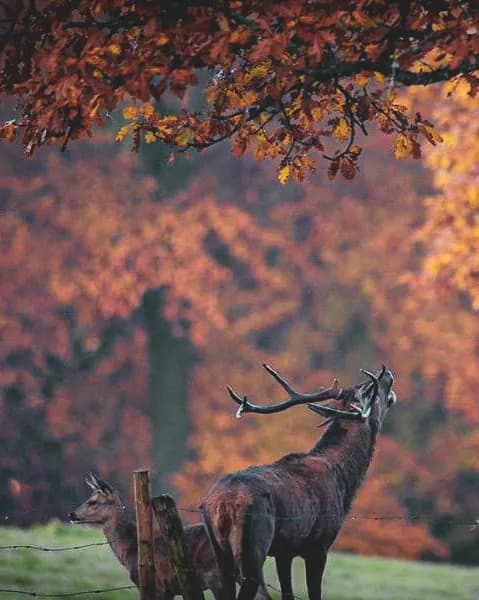
Prefer forest biomes and the drama of the deer rut. In September and October, two three-day options stack dawn and dusk listening with methodical scouting. Track red deer through the forests of the Vosges begins at Metzeral station at 11 am, climbs gently across meadows and stubble fields to cross the Hilsenfirst pass above 1,100 metres, then drops to a volunteer-run mountain hut. Day 2 focuses on locating rubs, hairs, prints and feeding sites to select a stalking post. On day 3 the group leaves well before sunrise by headlamp, settles quietly on a treeline edge, waits as long as it takes, and returns to the hut for a late morning brunch before the gradual descent back to Metzeral around 4 pm. You are deep in the Vosges, but never isolated beyond comfort.
Further west, Deer rut listening and hiking in the Jura blends dense spruce forest with open pastures. You meet at 12:30 in La Cure, shoulder packs, and walk to the guest house where you spend two nights. Along the way you set a few photo traps on well-used runways, then at dusk take a first listening position near the accommodation. Day 2 is a panoramic hike to La Dôle at 1,677 metres to read the massif and its mosaic of habitats before returning late afternoon, with another evening session possible if conditions and animal activity line up. Day 3 starts very early to catch peak rut activity, then you collect the cameras and amble back to La Cure for a finish around 3:30 pm. If you want a tight, efficient three-day rut watch, this format is straightforward.
With these intermediate trips, expect full days outside and frequent twilight windows. Waterproof boots, a reliable headlamp and a warm but light insulating layer make the difference between comfort and distraction, and discretion always trumps photographic reach.
High immersion and self-reliance: bear country with a bivouac rhythm
If you are ready to carry more, sleep away from the valleys and invest hours in distant observation, the Pyrenees deliver a multi-day arc that asks for patience and judgment. Tracking the brown bear in the Pyrenees spans five days in the Pibeste range. Day 1 meets at Lourdes station for those coming by rail, or directly at the Haugarou mountain hut. An acclimatisation hike leads toward the Col de Spandelles and the Pic de l’Estibette, scanning for raptors along the way. Day 2 leaves from the hut through beech and fir, around the Pic du Bazès, with a running focus on signs of wildlife and preparation for the bivouac block.
Day 3 launches three days of self-sufficient travel starting from Haugarou. You climb the southern slopes of the Pibeste Regional Nature Reserve, cross a first pass for a picnic with a long view of the chain, crest a second pass, then reach a simple hut that becomes your base. The evening is about camp craft, wood and spring water, and patient glassing in a spot where mouflon and bearded vultures are often seen at a distance. Day 4 returns to the Haugarou hut for a quieter night, and day 5 transfers by car to Ouzous for a balcony traverse to the Col des Portes, a line that sometimes yields an Egyptian vulture, before the late afternoon return to Lourdes.
- A 30 litre backpack with a supportive hip belt, fitted to you
- A season-appropriate sleeping bag and a lightweight insulating mat
- Closed hiking boots, preferably waterproof, that you trust on uneven ground
- A hooded waterproof shell plus warm layers and light gloves
- A fully charged headlamp and a clear plan for water between sources
This level does not require technical mountaineering, but it does ask for steady footing, comfort with cold dawns and long, silent sits, and the ability to string several simple days together without modern comforts.
How to choose, and the conduct that protects what you came to see
Before you book, check four boxes. One, how much daily cardio and cumulative effort you are happy to sustain for two to five days. Two, how you handle chilly pre-dawn waits and late finishes. Three, whether you want full support in gîtes and huts or prefer carrying your small house on your back. Four, whether your goal is mainly listening and sign-reading or increased chances of distant observation across varied terrain. If you are new to this or mainly want to understand without pushing yourself, start with Wolf tracking in the wild Vercors. For a three-day rut window, pick Track red deer through the forests of the Vosges or Deer rut listening and hiking in the Jura depending on whether you favour Vosges ridgelines or the Jura’s blend of forest and alpine pasture with views from La Dôle. If you want mountain ambience with a night in an unguarded hut and hands-on workshops, Tracking Wolves in the Wild Écrins Mountains hits the mark. For the most demanding option, with a self-sufficient camp rhythm, choose Tracking the brown bear in the Pyrenees.
Whichever format you pick, responsible behaviour is non-negotiable. Keep distance and silence, never pursue an animal, do not use recorded calls, and respect quiet zones. Wolves react to sound pressure, bears to poor food storage, and a rutting stag can be unpredictable at close range. Twilight outings on all these trips require simple discipline: headlamps dimmed when possible, tight group movement and long, still pauses to let sounds and shapes emerge. On the ground, these trips also nurture dialogue with people who live here. In the Vercors and the Écrins, a shepherd, tracker or ranger shares field experience with each group. In the Jura, photo traps are set and recovered with care to avoid causing attraction or disturbance. In the Pyrenees, the Pibeste itinerary reinforces self-sufficiency and minimal impact, from packing out all waste to leaving no food accessible. A calm, observant approach will bring more to you, and do less to them.

Find your next adventure
Browse curated expeditions matching the categories of this article and start planning your next trip.
Find your dream adventure
 Find your dream adventure
You might also like these adventures …
Hand-picked to echo the spirit of this article.