Isle of Skye: eight week training for the eight day hike
Eight week plan to arrive ready for Skye’s eight day hike, tuned to Days 3, 4 and 6: endurance, strength, footwork and mindset for Red and Black Cuillins and Trotternish.
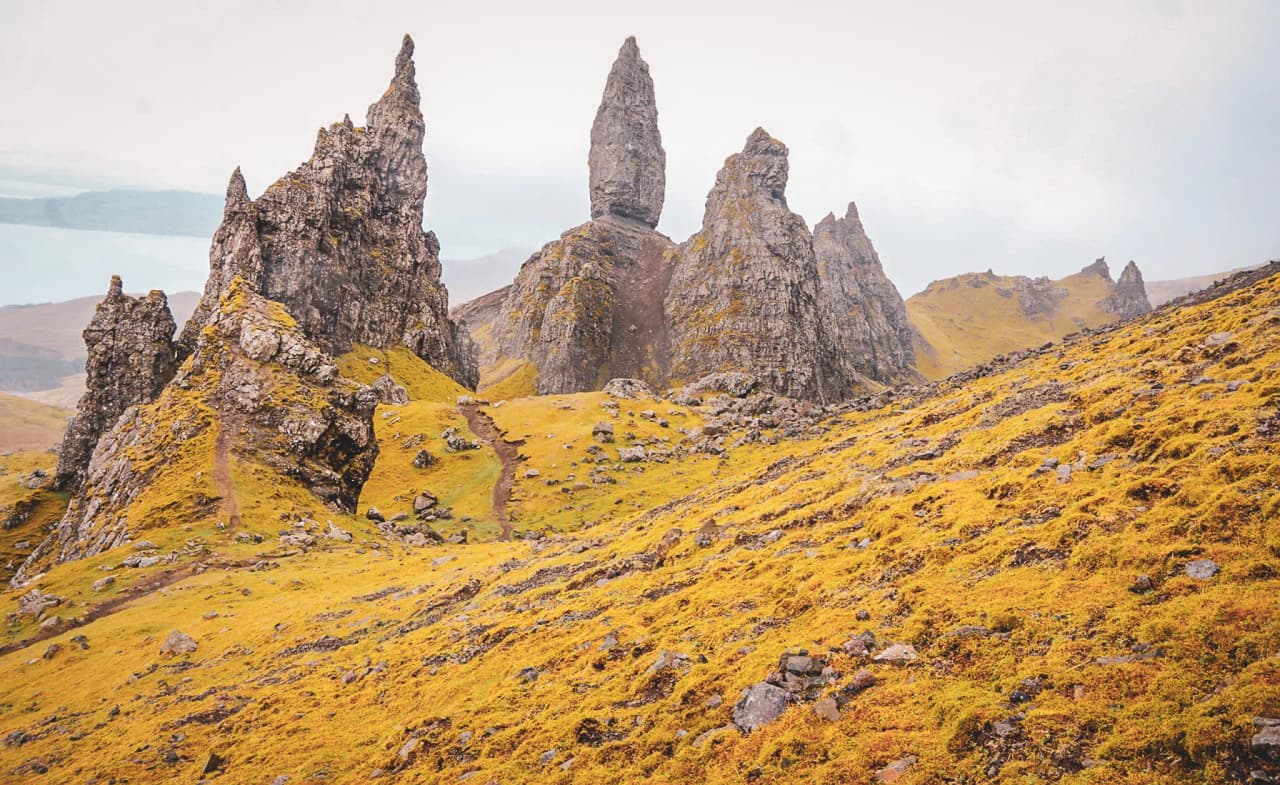
Eight days of guided walking on the Isle of Skye asks for more than a casual run now and then. The itinerary on Hike on the Isle of Skye in Scotland strings together very different terrains and three key efforts you should prepare for: Day 3 in the Red Cuillins to settle into the local rhythm, Day 4 in the Black Cuillins where steep slopes and sharp ridges raise the intensity, and Day 6, the long traverse of the Trotternish peninsula from Old Man of Storr toward Uig. What follows is a focused eight week build that mirrors those days, gives you simple benchmarks to self check, and adds mental strategies plus movement skills you will actually use on the ground.
Check your baseline and set Skye specific targets (weeks −8 to −6)
Before loading a pack, find out where you stand. The goal for Skye is to link long days with a 30 liter pack and still wake up fresh for the next stage, especially across Days 3, 4 and 6. Use two weeks to run a few repeatable tests, then adapt the plan if one of them exposes a weak link.
Target these thresholds: a timed 10 km walk on flat terrain with 8 to 10 kg in the pack in under 1 hour 45, and no hotspots on feet or shoulders the next day. A continuous 300 m ascent on trail in 30 to 45 minutes at an easy breathing pace. Forty bodyweight squats in one minute without losing form and a 60 second plank without low back pain. Single leg balance, eyes open, 30 seconds per side, three times each, to secure foot placements on blocks and slabs.
Map those numbers to what you will face. Day 3 in the Red Cuillins brings stony paths with moderate grades, a good place to test pacing and foot placement. Day 4 in the Black Cuillins demands uphill strength and, above all, controlled descents on scree and angled slabs. Day 6 along the Trotternish ridge stacks distance and repeats small climbs, so base endurance and steady mindset matter most. If one test stalls you, extend the base phase or plan to throttle back the first big day once you are there.
Eight week physical plan, week by week
Build with three to five sessions per week. Keep the logic simple: first grow aerobic capacity, then reinforce legs and trunk, then simulate real hiking days with your 30 liter pack.
Weeks 8 to 6: lay the aerobic foundation without draining yourself. Do three easy sessions of 30 to 45 minutes mixing brisk walking, cycling or very gentle running. Add two short strength sessions of 20 to 30 minutes: lunges, squats, core holds, glute bridges and calf raises. Finish the week with a 2 to 3 hour hike carrying 6 to 8 kg to condition shoulders and hips. After every session, spend ten minutes on ankle and hip mobility, crucial for the rocky ramps of the Cuillins.
Weeks 5 to 3: raise the volume with intent. Keep one easy cardio outing, then add a trail fartlek, for example eight repeats of two minutes just above comfortable effort, separated by two minutes easy. Schedule a weekly long hike of 15 to 20 km or 5 to 6 hours with 8 to 10 kg, and practice downhill technique: short steps, slight forward torso, active foot placements, and eccentric braking with the quadriceps. Two strength sessions now target mountain chains: slow squats, reverse lunges, step ups, pushups and side planks. Use trekking poles to set rhythm uphill and to unload knees on the way down.
Weeks 2 to 1: simulate the real days. Plan two hikes of 6 to 8 hours, at least 48 hours apart, with the pack between 12 and 14 kg to account for water, layers and food. Choose routes with repeated climbs and descents and uneven ground. Midweek, include short hill repeats with climbs of 3 to 5 minutes at a strong but steady effort and relaxed walks back down. The final week is a taper: cut total volume in half, keep a touch of intensity with a 45 minute brisk walk and one brief strength session, sleep more and stay on top of hydration. If any new pain shows up, swap sessions for easy cycling or gentle walking.
Mental preparation and terrain skills for Cuillins and Trotternish
Prime your head for Days 3, 4 and 6
Skye’s weather and length of days can test your focus. The evening before Day 3, run a short visualisation of a calm start in the Red Cuillins, clean foot placements on blocks, and planned micro breaks every 60 to 90 minutes so the week stays on track. For Day 4 in the Black Cuillins, break the ascent into 30 to 45 minute sections, match breathing to footfall, and start eating in the first hour instead of waiting for hunger. On the Trotternish ridge for Day 6, move from landmark to landmark: Old Man of Storr, a col, the next rise, then the first glimpse down toward Uig. If wind pushes you around, anchor yourself with two slow deep breaths, low shoulders, shorter poles and lower stance.
Sharpen movement for slabs, scree and perceived exposure
Rehearse balance and footwork: sidestepping across a grassy bank, slow cross steps, walking a curb, then small hops with soft, quiet landings. On an outdoor stair, build controlled step downs: lower to the floor with one leg, brake smoothly, return to the step, 3 sets of 10 each side. Seek stony trails and, in the wet, learn to read grip on slabs: avoid shiny lichen, place the foot flat and commit, engage the ankle. Link short local ridges to normalise the feel of space on either side, even if exposure is mild. Get fluent with your poles: extend them slightly uphill to open the chest, shorten them for descents to absorb shocks. Include a few outings in wind or light rain to test clothing, gaiters and fast stop routines. Keep a safety margin, carry a charged headlamp and an emergency blanket when you practice early starts like Day 6 at Old Man of Storr.
Fuel, hydration, recovery and a last check before you go
Fuel training the way you will fuel Skye. Eat an easy breakfast and then a snack every 60 to 90 minutes on the move, such as a bar, dried fruit or a simple sandwich. Start sipping early, little and often, adding electrolytes in warm weather or when wind dries you out. Within an hour after finishing, combine protein and carbohydrates to kick start recovery, then eat a balanced dinner. During the taper, protect sleep, gently stretch calves and hip flexors, and take short walks so legs stay springy.
If a niggle appears, act early: cool a budding inflammation, compress and elevate at day’s end, reduce volume the following week. Seek professional advice if pain wakes you at night, forces a limp or does not ease within 48 hours.
Two weeks before departure, run a full dress rehearsal: a 5 to 6 hour hike on uneven ground with everything you plan to carry, layers included. Adjust shoulder straps and load distribution and check nothing rubs. Revisit your baseline tests, and if they pass without strain, your foundation is solid. Use this short checklist to confirm the essentials are dialed for Skye.
- 30 liter backpack with comfortable carry and sound straps
- Gaiters suited to Skye’s wet paths
- Category 3 sunglasses and a hat or cap
- Beanie and warm gloves for wind on the ridges
- Long sleeve technical top with UV protection
- Sunscreen SPF 50 and SPF lip balm
- Charged headlamp with spare batteries
- Emergency blanket
- Sleeping bag liner for nights in accommodation
Adapt this plan to your profile. If you are newer to hiking, keep two full rest days each week and start with a lighter pack. If you already have strong endurance, focus on downhill mechanics and on reproducing the same quality of footwork on consecutive long days. Red flags before you leave include sharp pain during effort, unusual breathlessness at easy intensity, an unresolved ankle sprain and fatigue that does not improve with rest.
Eight steady weeks are enough to meet the Red and Black Cuillins and the Trotternish traverse with confidence. On Hike on the Isle of Skye in Scotland, a guide sets a sensible pace and helps you read the terrain, so the work you put in during training pays off from the first steps to the last view over Uig.

Find your next adventure
Browse curated expeditions matching the categories of this article and start planning your next trip.
Find your dream adventure
 Find your dream adventure
You might also like these adventures …
Hand-picked to echo the spirit of this article.