Jura cani-hike or ridge views in the Vosges and Ecrins?
 By Marie
A short 2-4 day nature break: compare a dog-assisted hike in the Jura, ridge panoramas in the Vosges, or a wild-camp trek in the Ecrins, and choose fast.
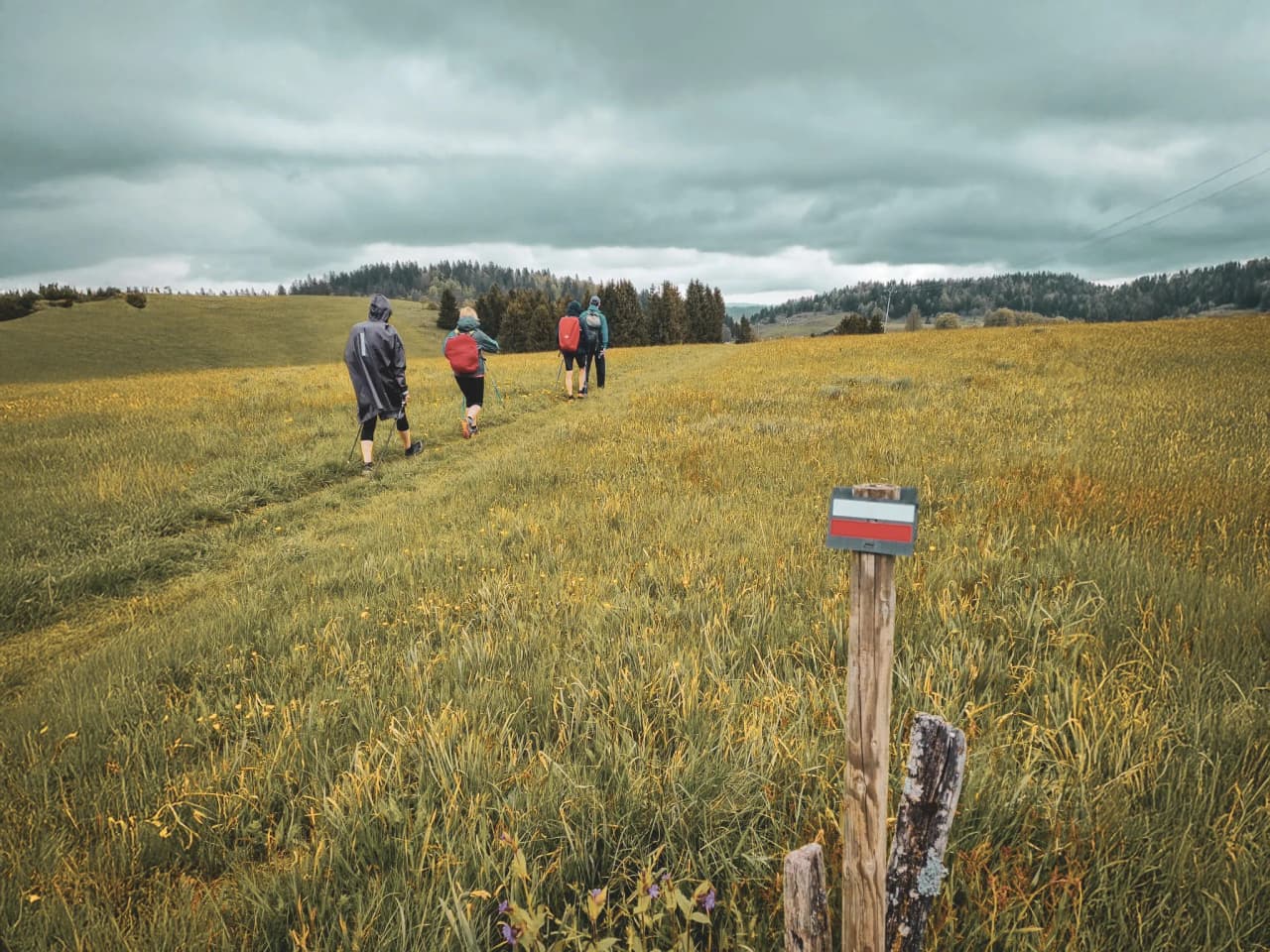
A weekend in the Jura, Vosges or Ecrins is best chosen by the experience you want to live in 2 to 4 days: animal immersion and a playful pace, accessible ridge panoramas with simple logistics, or a short alpine traverse with a night under the stars. To keep it concrete, this comparison leans on real, field-tested programs: Hike the high Jura ridges and forests, Hike and stargaze in the Vosges mountains in France, Hiking in the Vosges no man's land, Trek & wild camp in the remote Valgaudemar valley and Hiking Tour in the Ecrins National Park. You will see exactly what happens day by day, so you can decide calmly by taste, fitness, season and logistics.
If you want animal connection and a lively pace: cani-hiking in the Jura
Cani-hiking puts a traction dog on a line ahead of you, guided by a musher. Uphill, the pull changes your stride and turns the day into a shared effort. On Hike the high Jura ridges and forests, the weekend opens at 10:00 at the Col de la Faucille, then follows a balcony path with possible views of Lake Geneva and the Alps before dropping to Lélex and the Valserine valley for night one. Day two rises gently into the Hautes-Combes, a patchwork of high meadows and quiet forest, with time to linger and notice tracks and tree species the guide points out.
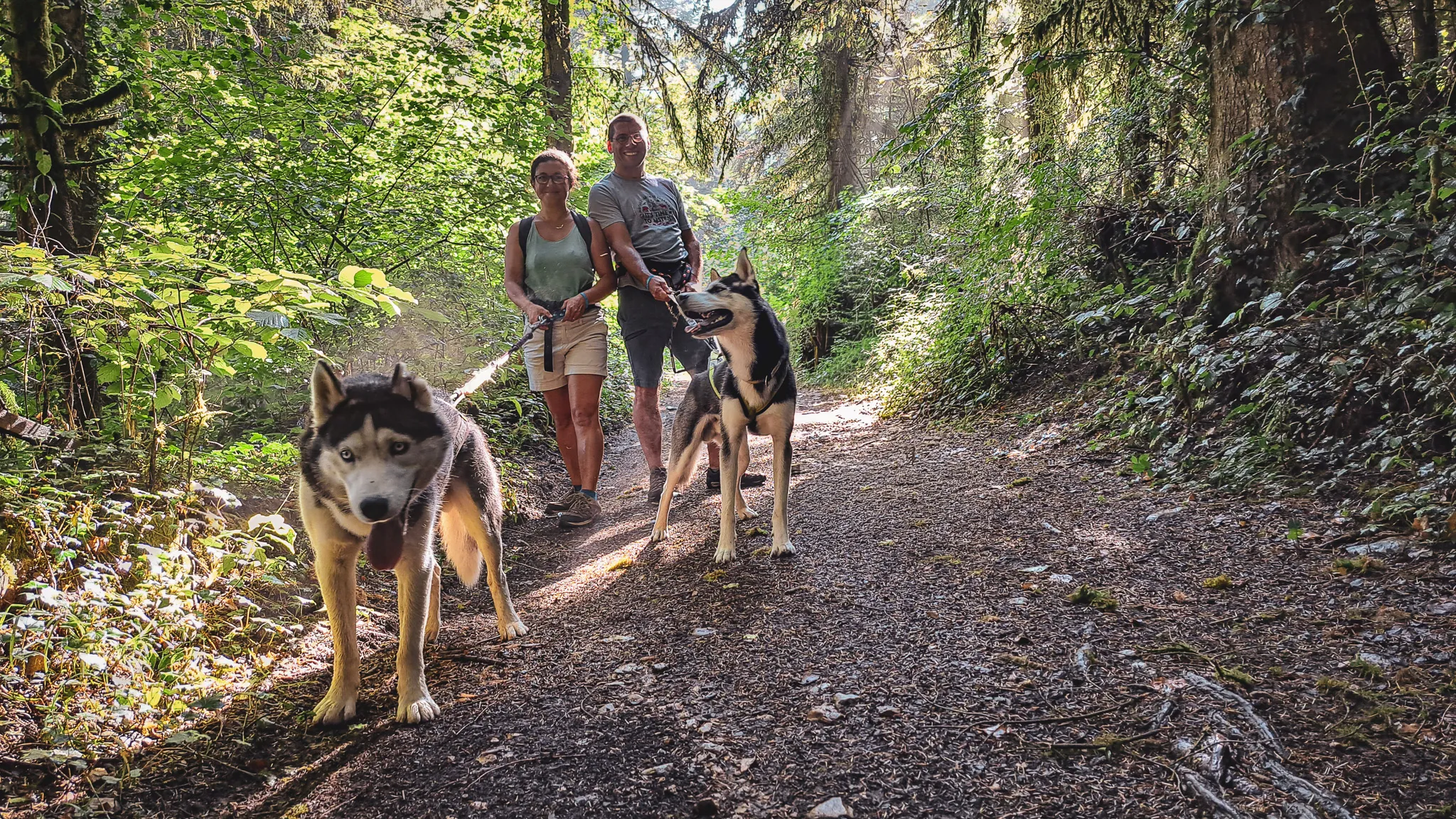
Day three is the key morning. You clip in with Jérémy, a professional musher, and walk light because your heavier kit is shuttled by vehicle. The dogs lead you to the Borne au Lion, a historic boundary marker and fine viewpoint, then, without dogs, you finish by the steady ascent of the Crêt de Chalam for a full sweep of the southern Jura before a taxi returns you to the cars around 15:00. The format suits anyone who wants an active but low-commitment break. April to October keeps trails drier and temperatures kinder for dogs. Expect a friendly learning curve, more dynamic climbs and rolling landscapes. Be aware of wet weather that can sap motivation, possible allergies, and the group rhythm that protects the dogs’ wellbeing. A 30 litre pack, closed hiking shoes with grip and an easy system for layers make the forested sections comfortable.
If you are chasing big horizons: the Vosges ridgelines
The Vosges deliver undulating crests, quick access and constant views over the Alsace plain, the Black Forest and, on clear days, the distant Alps. On Hike and stargaze in the Vosges mountains in France, you meet at the Tanet ski station car park at 10:00 and head first to Lac Vert, then to the picnic spot by Lac du Forlet, before gaining the GR5 on the high crest. Evening brings a warm refuge at about 1200 metres and, weather permitting, a night walk to learn the constellations. The central day commits to the Sentier des Roches, a cut-in ledge path, continues into the Frankenthal-Missheimle nature reserve where chamois watch from steep flanks, passes the Dagobert cave, then tops out on the Hohneck at 1363 metres. You return to the refuge for sunset, dinner and, if needed, a second chance at stargazing. The final morning starts at the Rothenbachkopf, then trades the pack for a traditional farmhouse lunch before a short digestive stroll back to the vehicles.
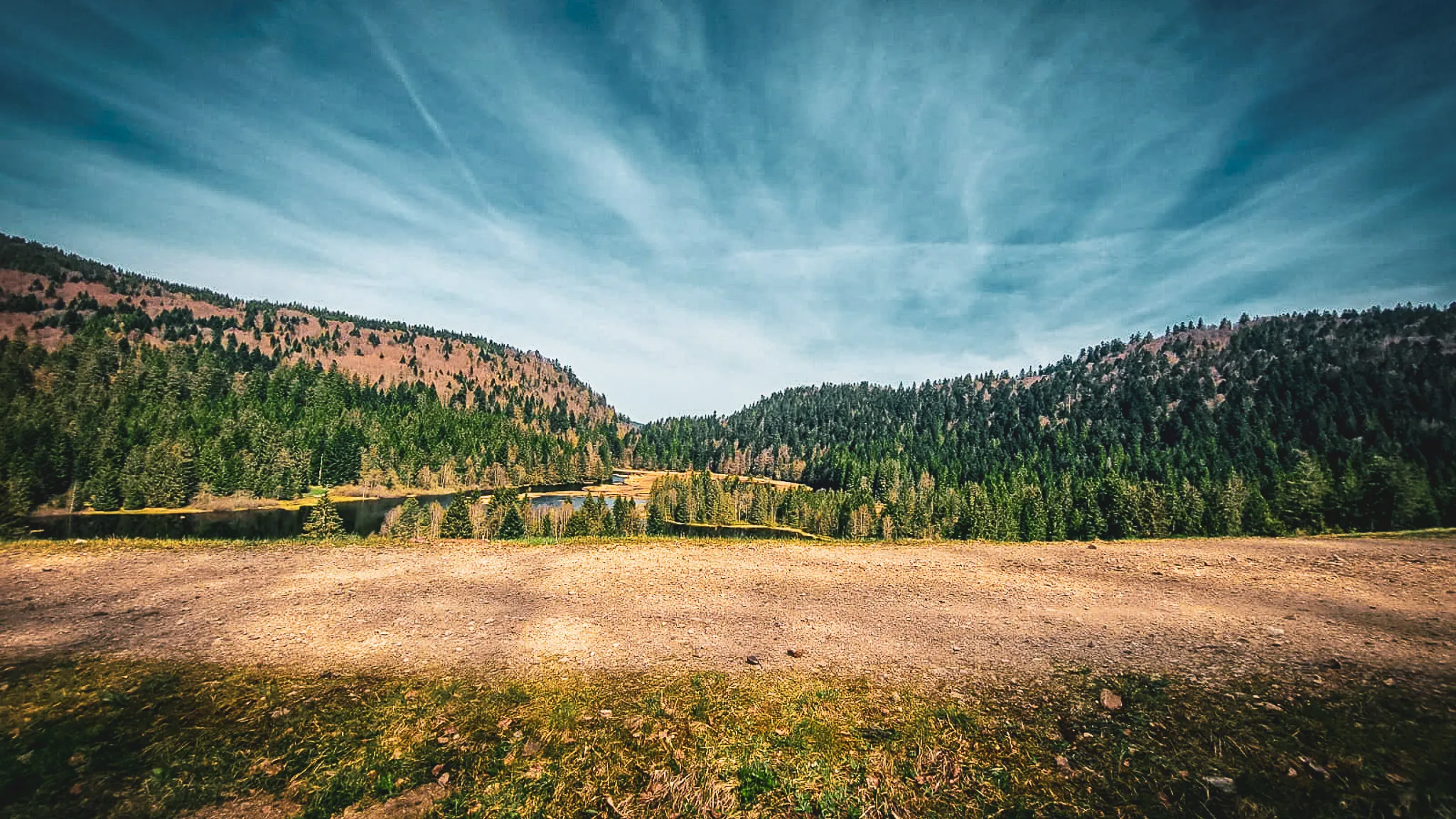
If you need a tighter format, Hiking in the Vosges no man's land compresses the crest experience into two days. Day one strings together the Rainkopf, the Rothenbachkopf, the Herrenberg col, the Schweisel, the Hanenbrunnen col and the Breitfirst en route to the Markstein, finishing at an isolated inn only reachable on foot. After a simple night, day two returns along quieter crests through forest and pasture, with a lone mountain shelter as a foul-weather picnic option, and wraps up around 15:00 where you started below the Hohneck. Marked trails, frequent huts and plan B variants make the Vosges forgiving. The trade-offs are wind exposure on the domes and potential crowds on famous sections such as the Sentier des Roches. From April to November, spring and autumn bring colours and calmer paths; a hooded waterproof shell remains wise even in sunshine.
If you want to switch off and sleep out: short alpine itineraries in the Ecrins
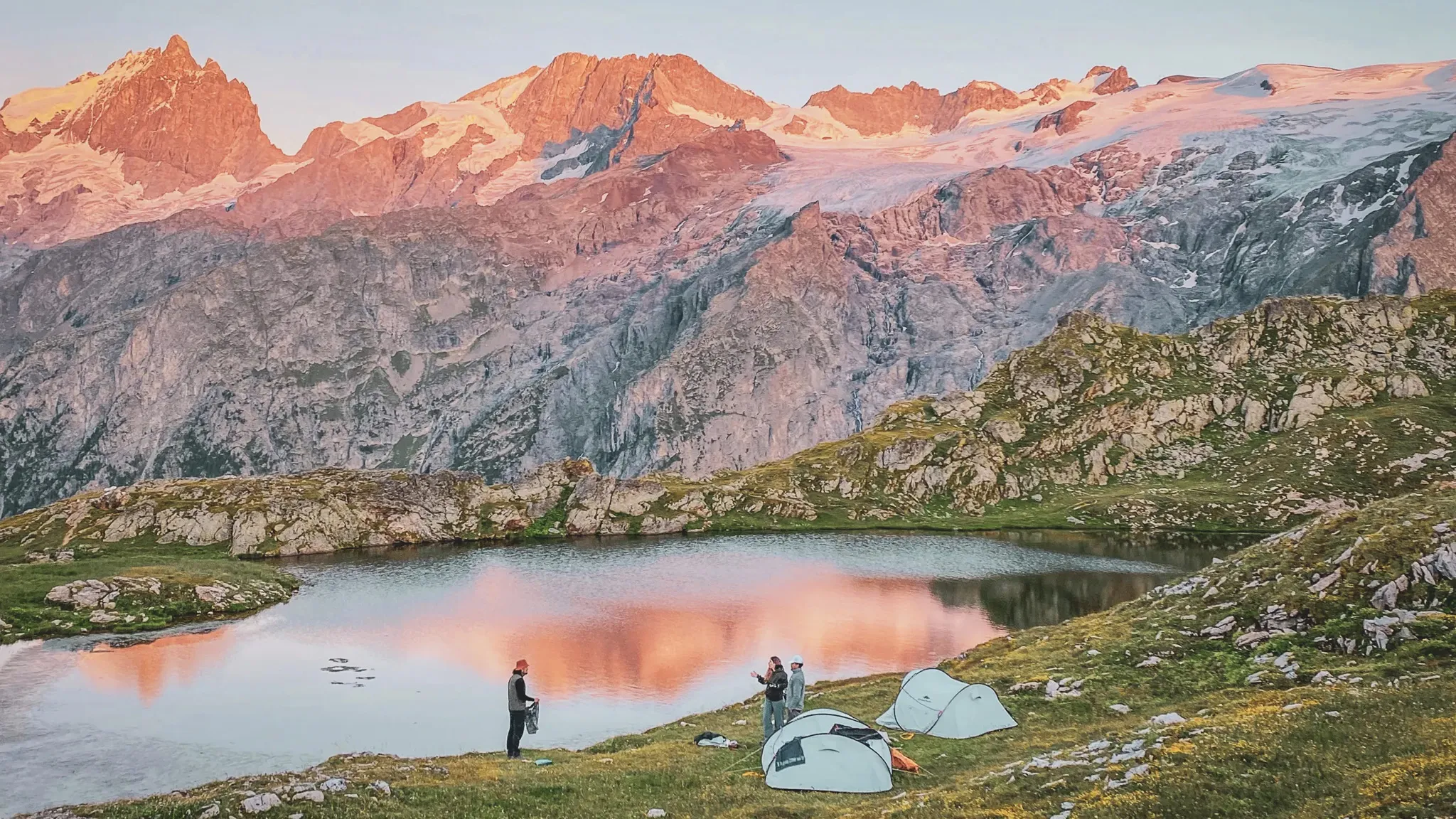
Wild camping means carrying more and managing your night in exchange for full sensory immersion. Trek & wild camp in the remote Valgaudemar valley concentrates that feeling into three days. You meet at 14:00 at the Chalet du Gioberney, deep in the Valgaudemar. A gentle climb links small tarns to reach the Lac Bleu, where you set your first bivouac and watch marmots at dusk. Day two traverses in balcony above the Séveraisse, then settles near the Refuge de Chabournéou on its natural promontory opposite the Gioberney cirque. The mood turns more alpine without turning technical. On day three, you continue to the Lac de Vallonpierre under the cliffs of the Sirac. The motivated can add a variant to the Col de Vallonpierre, roughly 4 extra kilometres and 350 metres of ascent, while others linger by the water. Early afternoon, you drop along the Séveraisse valley to close the loop on foot around 17:00. May to September suits this valley well. Pack discipline matters: respect the national park rules, carry only what you need, and work with the guide on water and meals to keep a 40 litre pack manageable if you bring a sleeping bag.
If you have four days and prefer hut comfort, Hiking Tour in the Ecrins National Park strings together balcony paths and big viewpoints facing the glaciers of La Meije. Day one starts at 10:00, climbs past the Lac du Lovitel to the Refuge des Clots where Didier welcomes you, with a stream, small pools and a hammock nearby for cooling tired feet and watching the last light. Day two rises to the Emparis plateau, passes the petrifying springs and peers into the Malaval ravine a thousand metres below, then picnics at the Lac Noir with a wide panorama of the Meije and the Grandes Rousses before descending via the chapel of Bon Repos to La Grave for a terrace evening with Sergio and Marivy. Day three contours under the Glacier du Tabuchet to the Paquier, follows the glacial Romanche upstream and slips through the Pas d’Anna Falque into the heart of the park to sleep on the Alpe de Villar-d’Arène plateau, with an optional extension to the Romanche sources at Valfourche. Day four climbs to the Lac de l’Étoile, optionally detours to the secret Arsine lake at 2546 metres, then visits the milky Arsine lakes before a long descent to Le Casset by the Lac de la Douche, the Glacier du Casset and a larch forest. You finish with a simple farewell drink and a clear sense of the range. Huts reduce pack weight and make this a solid bridge toward future bivouacs.
Decide by duration, effort and season, then keep it simple
For a true two-day escape with maximum views per hour of walking, the Vosges crests are hard to beat, with a light pack and quick access from Alsace valleys. For three days, the Jura adds a unique cani-hike morning on soft terrain if you want a playful change of pace, while the Valgaudemar offers a first wild camp in a protected alpine valley if you accept a heavier bag. With four days, the hut-to-hut Ecrins tour lines up signature outlooks without the weight of camping gear.
In terms of difficulty, Jura and Vosges stay approachable for regular hikers, with moderate ups and downs spread through the day. The Ecrins ask for steadier endurance and sharper weather awareness. By season, think April to October for the Jura, April to November for the Vosges, and May to September for these Ecrins routes. Costs follow the format, with cani-hike involving musher and dogs, Vosges relying on inns and refuges, and bivouac reducing lodging but sometimes implying a rented sleeping bag or mat.
- Check the forecast, and keep a nearby route or lodging fallback in mind.
- Know local rules, especially in a national park, and adapt plans if conditions shift.
- Carry the shared basics: hooded waterproof, warm layers, charged headlamp, sunglasses, sun protection, personal first aid and enough water.
- Tell a contact your plan and return time, and keep emergency numbers handy.
- Respect wildlife, dogs and fellow hikers. Pack out waste, keep noise down and leave places as you found them.
If animal immersion calls right now, look to Hike the high Jura ridges and forests. If you mainly want ridge panoramas with simple logistics, consider Hike and stargaze in the Vosges mountains in France or the tighter Hiking in the Vosges no man's land. For a wilder short break with nights outside or in huts, choose Trek & wild camp in the remote Valgaudemar valley and, with an extra day, Hiking Tour in the Ecrins National Park. Pick by your weather window, fitness and energy, then book promptly to make the most of these short, immersive formats.
Find your next adventure
Browse curated expeditions matching the categories of this article and start planning your next trip.
Find your dream adventure
 Find your dream adventure
You might also like these adventures …
Hand-picked to echo the spirit of this article.
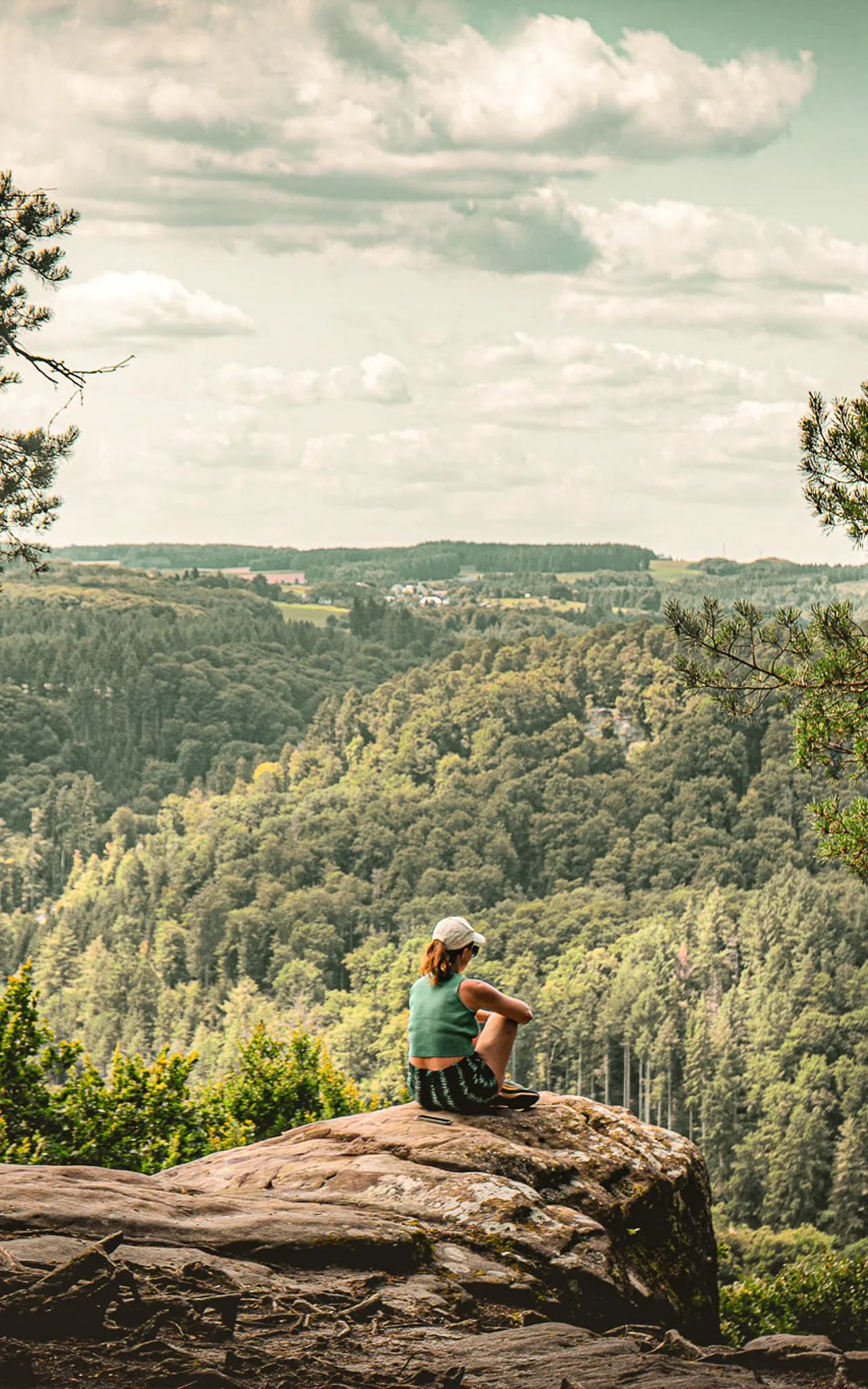
Hiking in Mullerthal: Luxembourg's little Switzerland

A weekend of hiking and stargazing in the Vosges
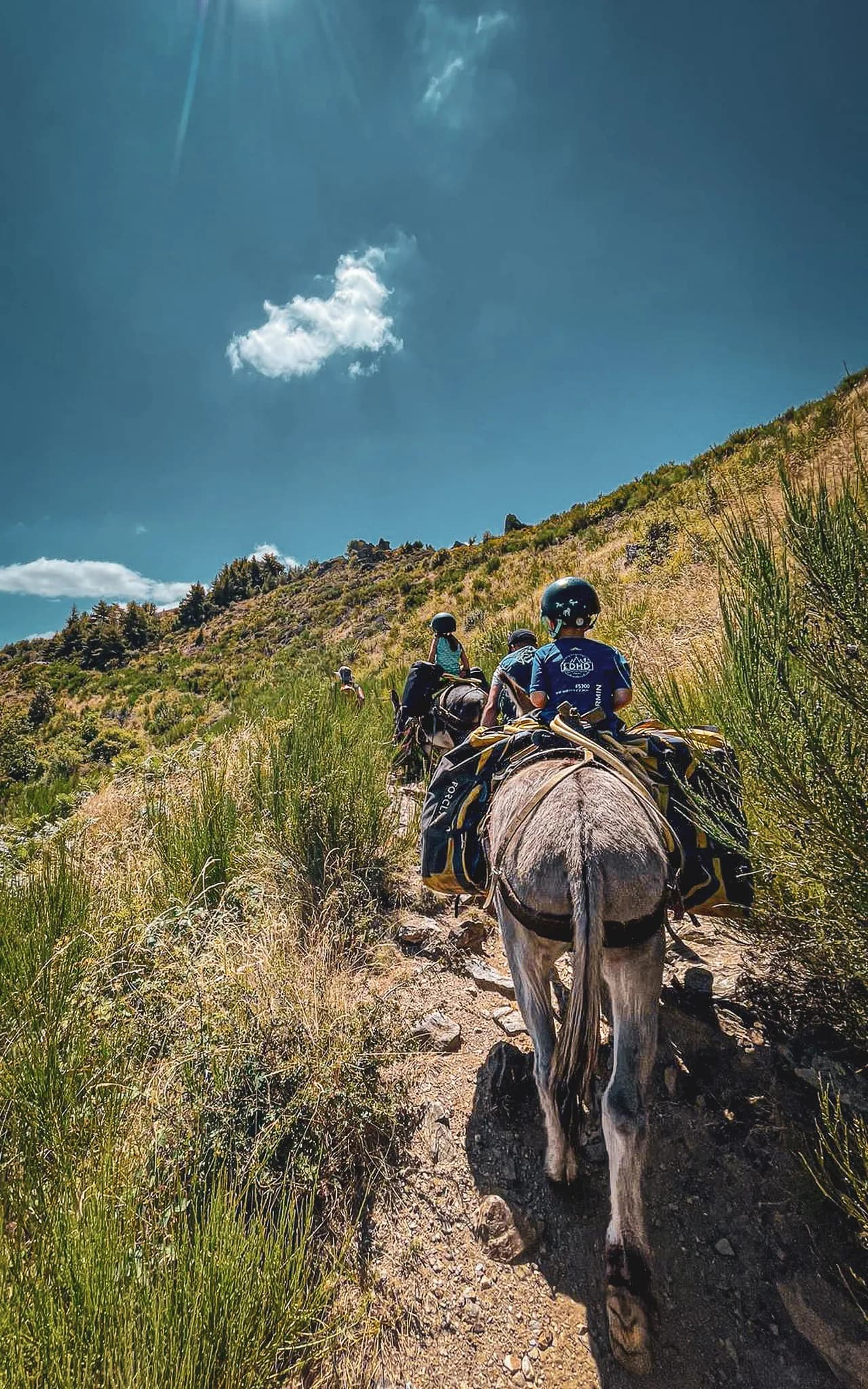
Stevenson’s trail: hike with a Donkey through the Cévennes

Trek & wild camp in the remote Valgaudemar valley
More to discover
Keep exploring with these pages and stories picked for you.
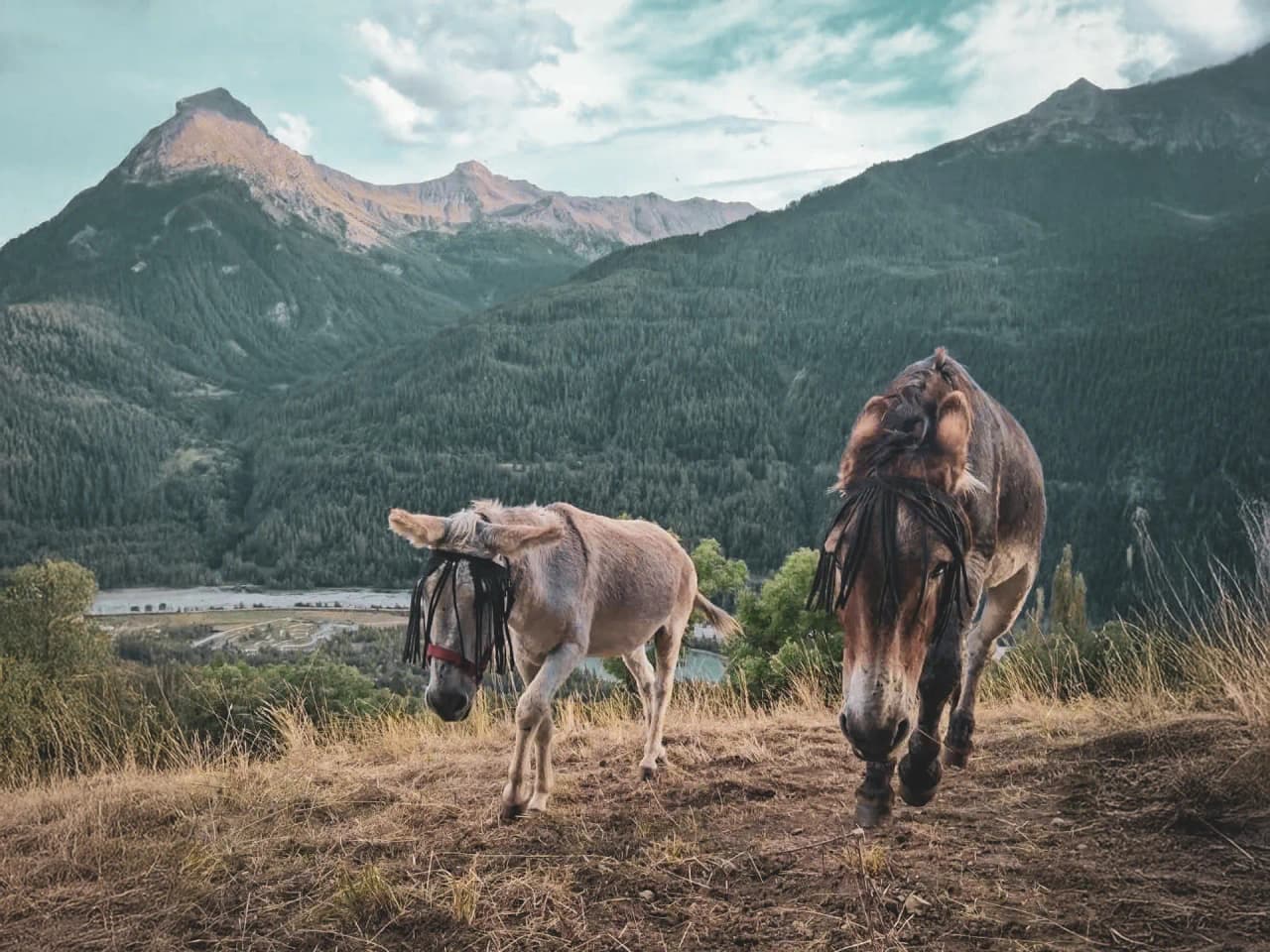
Hiking with donkeys in the Ecrins or an alpine trek
Hiking with donkeys in the Ecrins or an alpine trek? Compare pace, effort, pack weight, nights and season to pick a trip that fits your level.
Devoluy or elsewhere? Pick your ideal alpine trek
Compare four similar alpine itineraries by effort, terrain, shelter style and season to choose between the mineral Devoluy and close alternatives.
Mont Blanc or the Arves: choose your ideal alpine traverse
Compare three advanced Alpine formats, technical ridge, high bivouac and ridge-and-hut, across four real itineraries, to match your season, effort and style.
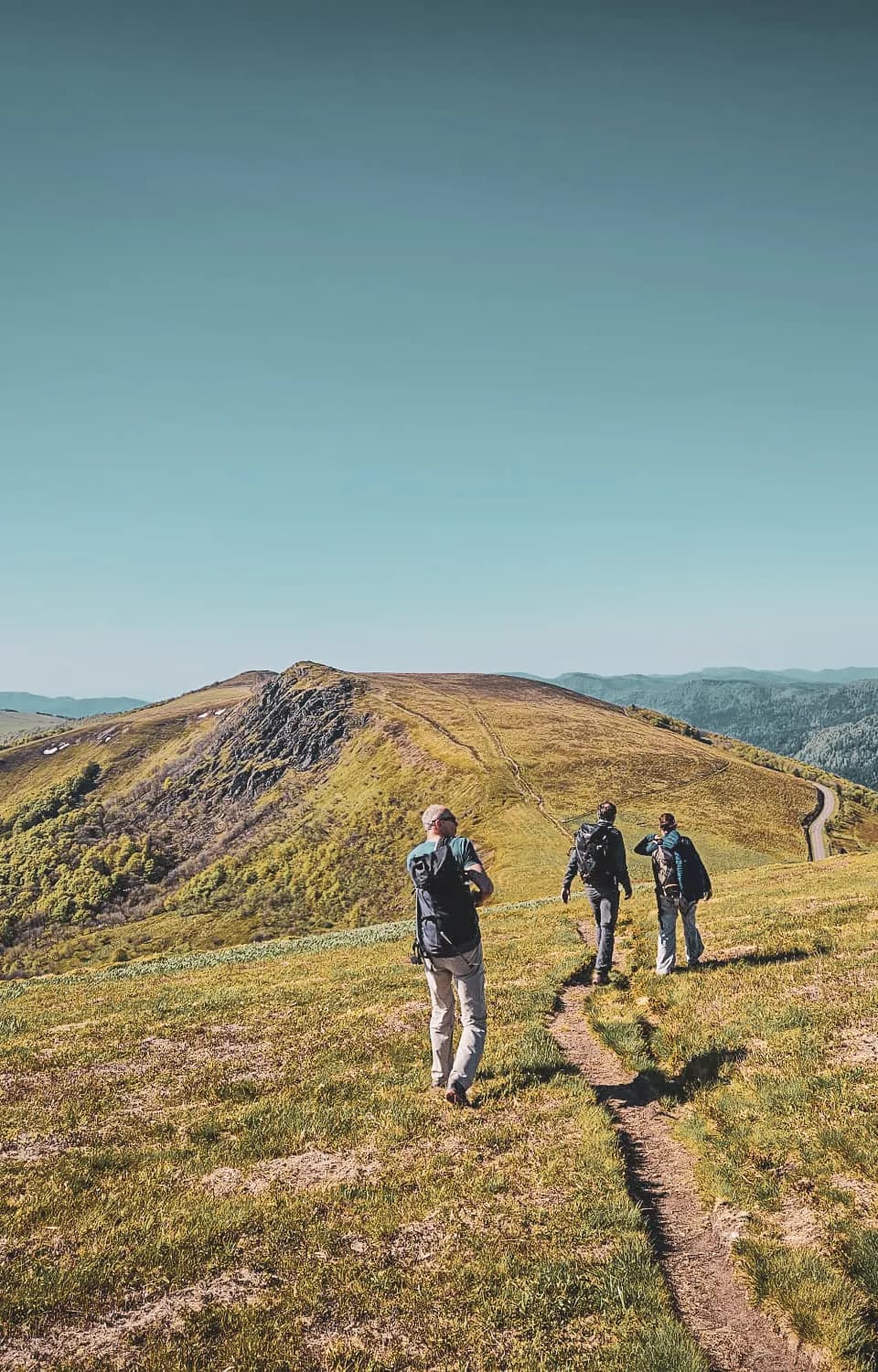
Microadventures in France: 5 Quiet Places to Go Alone
Five quiet places in France for a microadventure, with practical ideas for getting outdoors away from crowds.
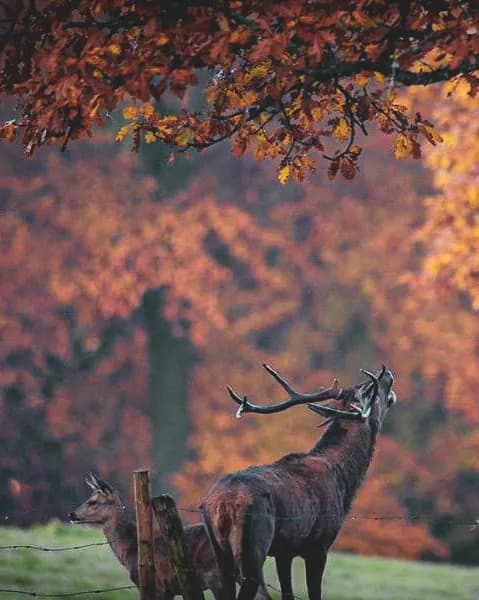
Wildlife watching weekends in France, short guided hikes
Wildlife watching weekends in France, from Jura deer rut to Pyrenees lakes and wolves. Short guided hikes, mountain huts and easy train access.
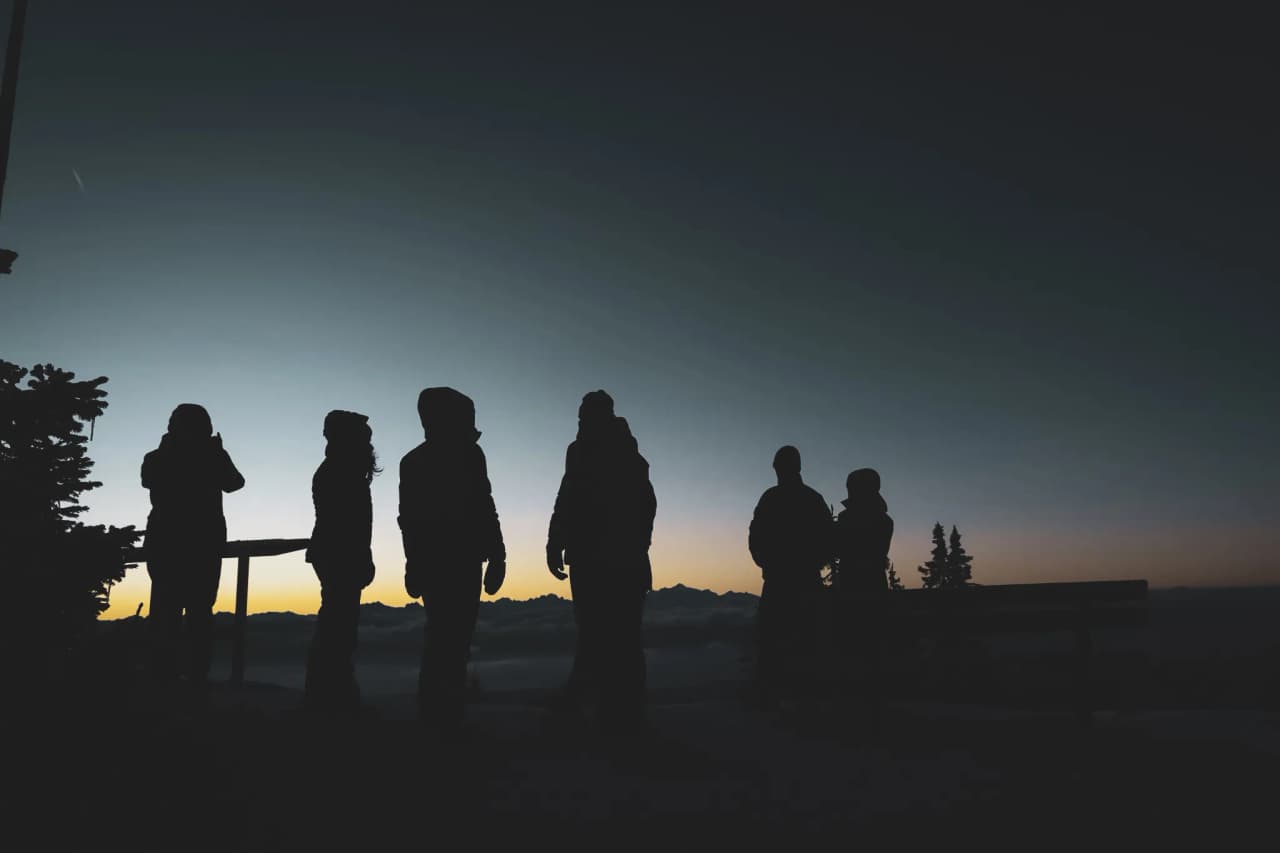
Stargazing hikes in France, nights in refuges and bivouacs
Stargazing hikes across France with nights in refuges or under the stars. From the Vosges to the Hautes Alpes, join expert guides and book your next evening beneath the stars.
