Mont Blanc or the Arves: choose your ideal alpine traverse
 By Thibault
Compare three advanced Alpine formats, technical ridge, high bivouac and ridge-and-hut, across four real itineraries, to match your season, effort and style.
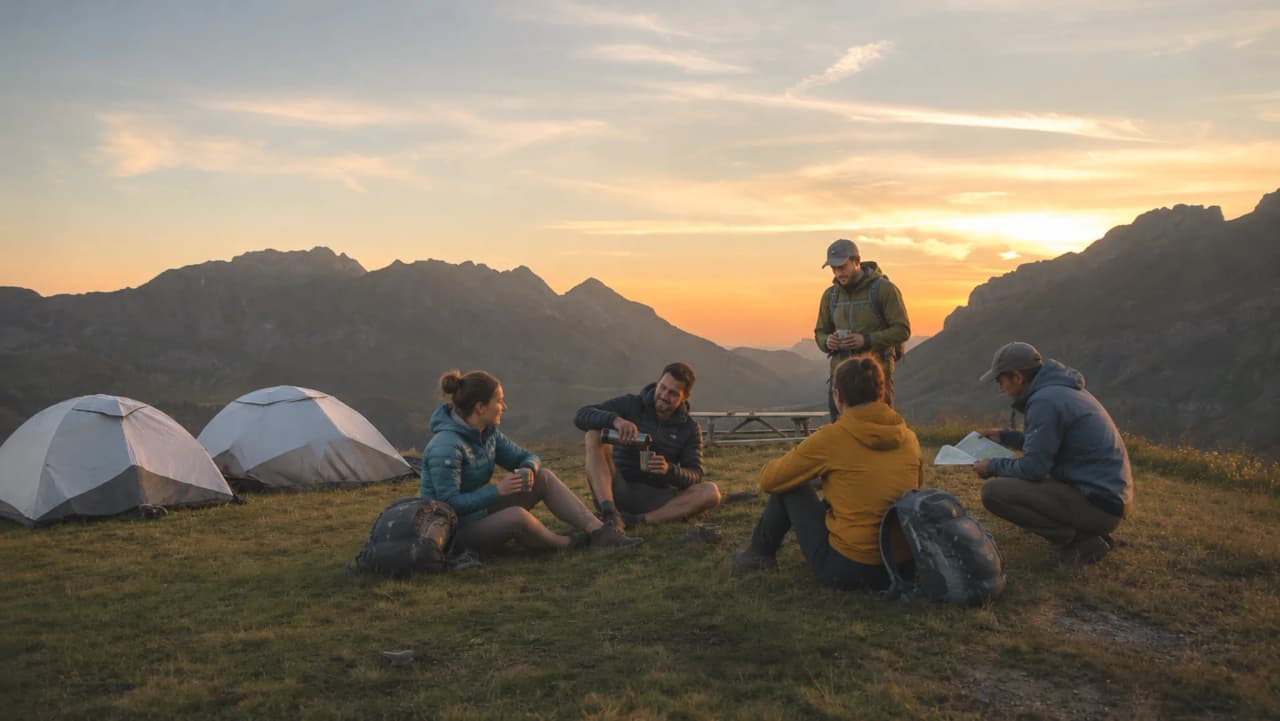
Choosing an advanced Alpine trek means deciding between three very different high-mountain experiences: the precision of exposed ridgelines, the full immersion of a high bivouac, or the steady comfort of a ridge-and-hut traverse. The right pick comes from weighing season, daily intensity, terrain, nighttime autonomy and the kind of panoramas you want, whether that is a week facing Mont Blanc or a more mineral tour under the Aiguilles d’Arves. Here is a clear, ground-truthed comparison built from real itineraries and what you actually do on their key days.
Technical ridgelines: for confidence on exposed terrain
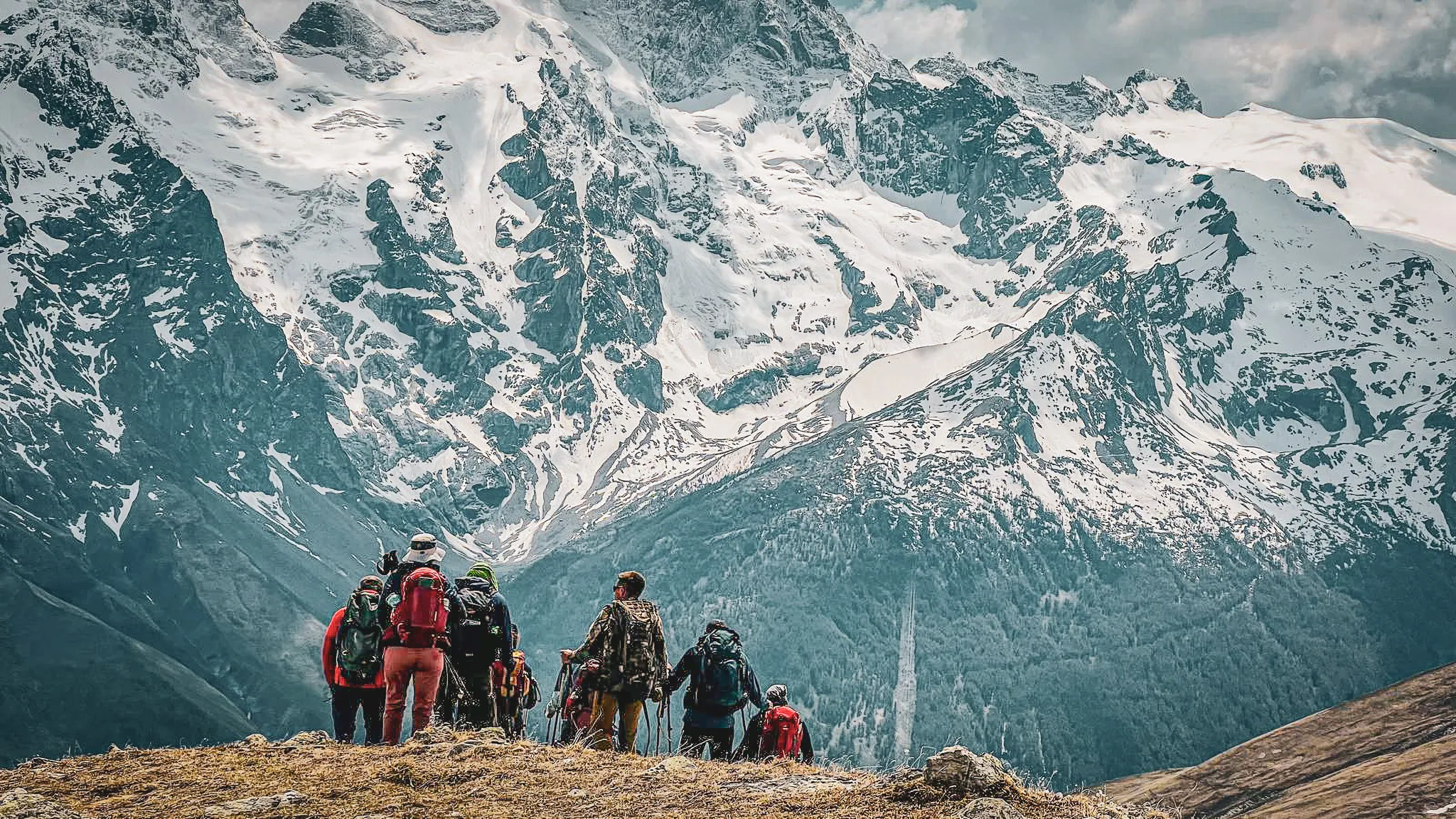
If you thrive on the feel of solid footwork where a ridge narrows and the wind tests your balance, a technical traverse is likely your format. The Tour of the Aiguilles d'Arves in 5 days trip sets the tone early. On day 1 you climb to the Mountain hut du Goléon at around 2500 m, moving from pasture paths into steeper alpine slopes and working on group rhythm and effort management. The focus is not speed for its own sake but consistent, efficient progression that carries into the heart of the route.
Day 3 is the defining alpine day: the crossing of the Col de l’Épaisseur takes place in a stark, mineral setting with roped movement over ridges and scree. You alternate downsloping slabs and traverses of unstable gullies, with simple belays set by the guide, and you apply real terrain reading to manage exposed sections. The following day continues the aerial mood along the Buffe ridge, guided by Lisa, where you refine route choice on a crest while the Aiguilles d’Arves and the Meije fill the skyline. This format is at its best in midsummer, once old snow plugs have melted from the cols. Expect early starts to outrun afternoon storms, long steady climbs, and plenty of loose rock underfoot. Nights in huts keep the carry light, so you can direct your energy to the day’s technical passages rather than to hauling overnight gear.
High-mountain bivouac: for immersion and autonomy
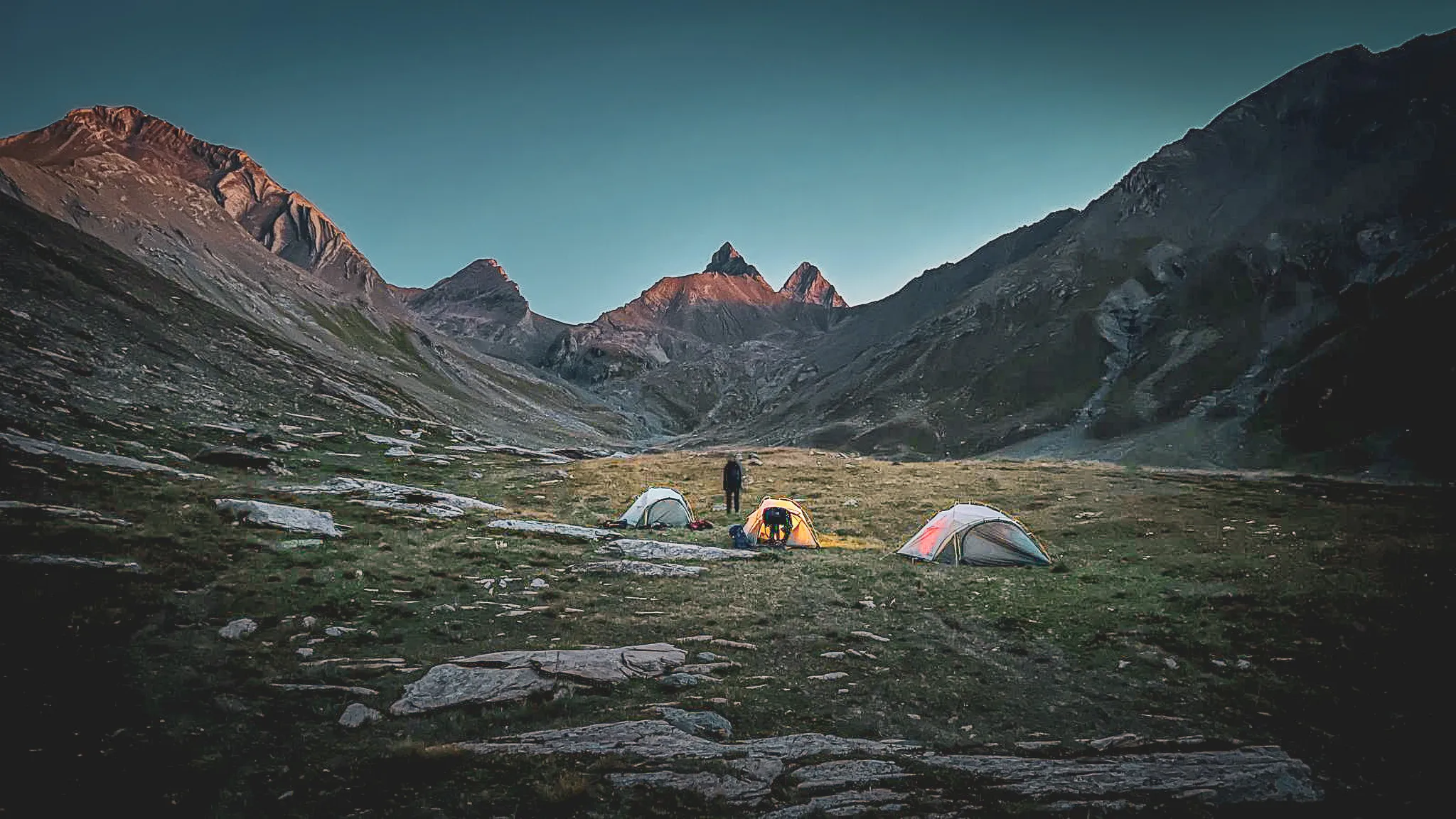
If you want to pitch your tent in the middle of the range, watch evening light slide across aiguilles and break camp at first glow, choose the bivouac traverse. Hiking and bivouac around the Aiguilles d'Arves builds that immersion day by day. Patrick, who guides this shorter, wilder version, picks every bivouac spot with care, weighing water access, wind exposure and the view of the Aiguilles. On day 1 a south-facing balcony leads to the Signal de La Grave at 2446 m with wide views of the Meije and its glaciers, then a descent drops you to the turquoise Lac du Goléon to set up the first camp. It is a gentle start that still feels alpine the moment you filter water and cook in the wind.
Day 2 turns the dial up with a sustained climb to the Col du Goléon at 2873 m, a discreet trail through wild ground and a long descent to Bonnenuit at 1695 m for a quiet picnic beside the Lauzette stream. The afternoon climbs the Aiguilles valley to a new camp. On day 3 you return to high, rough terrain en route to the Col de l’Épaisseur, with the option to push higher to the Pointe de la Pierre Fendue at 3037 m for those who still have legs; the evening camp at Rieu Blanc sits secluded opposite the Aiguilles d’Arves. Day 4 softens the mood with a traverse of the Martignare valley, natural pools for a cold dip, and a final descent to Le Chazelet. This style demands a heavier pack and real attention to water, wind and cold nights. The prime window runs June to September, with a close eye on forecast gusts that can complicate anchoring the tent. The reward is freedom of timing and a deeper sense of place, at the cost of greater responsibility and extra mechanical fatigue from the carry.
Mixed ridges and huts: a balance of vistas and recovery
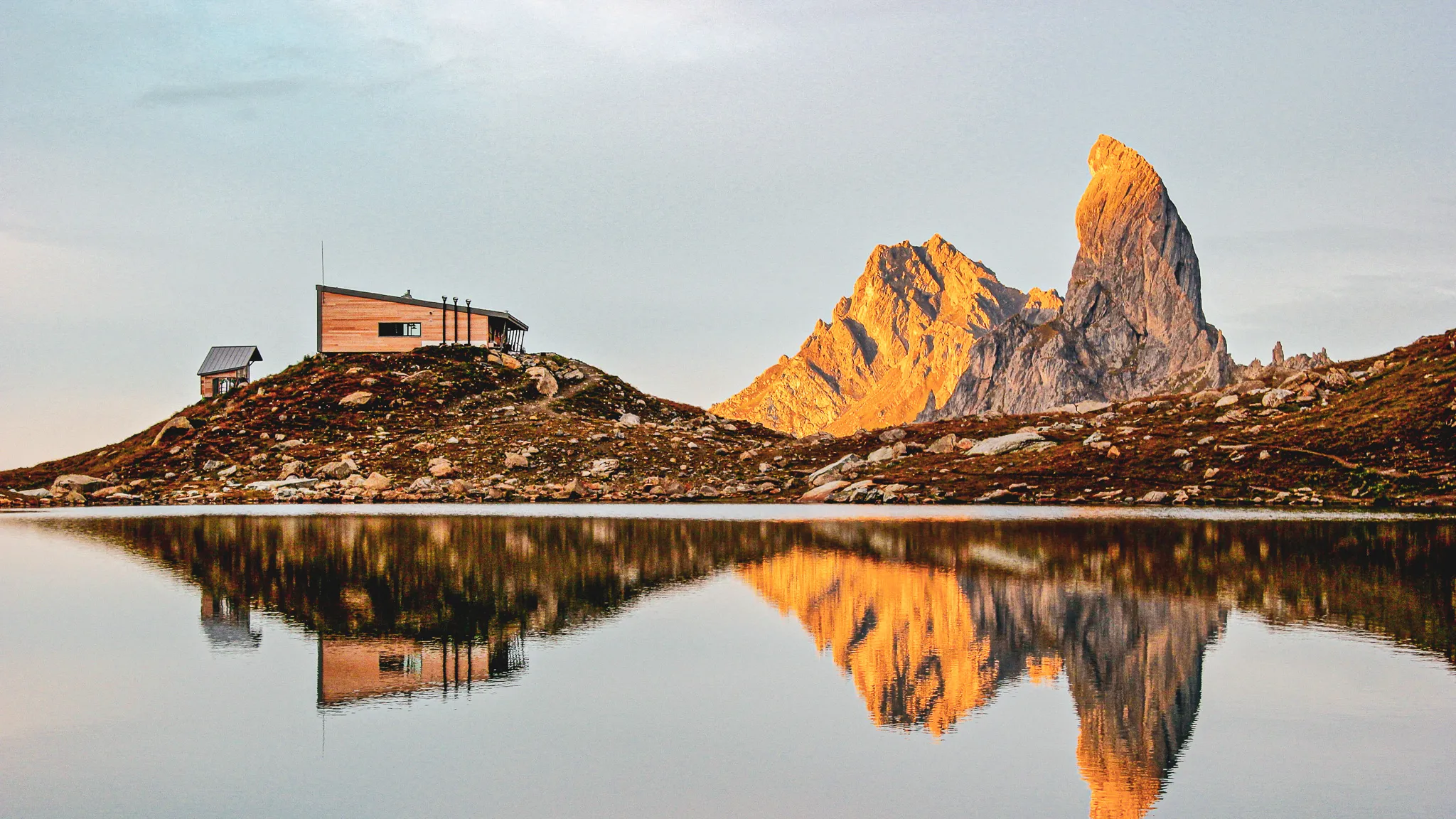
When you want panoramic ridges facing Mont Blanc, full days on varied ground and a warm roof each evening, the mixed traverse hits the sweet spot. In the Beaufortain, the A 5-day tour of the Beaufortain trip strings together balcony paths and crests without tipping into full technical exposure. Day 1 climbs out of Beaufort to the ridges of Les Saisies and the Col de Véry with regular map-reading breaks to set the group’s pace. Day 2 crosses the Col du Joly, a classic viewpoint of Mont Blanc, then drops into the quiet La Gittaz valley, with Jocelyn, who guides this traverse, setting the group's pace from the first ridges of Les Saisies. Day 3 reaches the Col du Bonhomme and the Croix du Bonhomme on the historic circuit before opening to the Roselend valley and its wide mineral spaces near the lake. Day 4 bends around the Pierra Menta and over the Col de la Louze, and day 5 finishes with the Grande Journée and the Mirantin, summits that let you review the massif you have crossed before the long descent to Beaufort.
A second option keeps you almost constantly on crests with the Mont Blanc chain in sight. Trek the ridges of the Val d’Arly: facing Mont Blanc is a six-day line of accessible summits and clean ridgelines. Day 1 stacks Signal du Sac and Tête du Torraz before a night at the Plan de l’Aar refuge. Day 2 continues over Tête de Christomet, Tête de Bonjournal and the Petit Croisse Baulet, then eases into Ramadieu’s pastures to reach La Giettaz. Day 3 links the Stamochère meadows and the Foiroux valley to the summit of Blanchet, then follows the Route de la Soif with big open views of the Aravis, the Beaufortain and Mont Blanc. Day 4 crosses to the Beaufortain side through spruce shade and up to Le Lachat at 1591 m. Day 5 climbs the Chard du Beurre, reaches the Col de la Lézette and visits Mont Clocher before a calm night at Croix de Pierre. Day 6 caps the traverse over Mont de Vorès, then along a panoramic ridge past Ban Rouge and the Roc des Evettes, finishing in Notre-Dame-de-Bellecombe and back to Flumet. Etienne, who guides this traverse, keeps each day under 1000 m of ascent by design, a pace meant to leave the group fresh for the last viewpoints. With huts and small hotels throughout, these formats spread effort evenly and allow flexible adjustments for weather. The Beaufortain runs well from June to September. The Val d’Arly window is broader, often May to October depending on remaining snow on balcony paths.
Decide by effort, season and safety
On the spectrum of difficulty and commitment, a technical traverse like the Tour of the Aiguilles d'Arves in 5 days trip sits high for exposure and comfort on rock, while keeping the pack light thanks to huts. The bivouac loop concentrates intensity in the load and in self-reliance, with wilder ground and full nighttime autonomy on Hiking and bivouac around the Aiguilles d'Arves. The mixed ridge-and-hut traverses in the Beaufortain and the Val d’Arly hold the middle: sustained elevation, panoramic crests, and the safety of a bed and hot meal each evening.
Season matters as much as fitness. Aim for June or September for open ridge views with cooler temperatures and quieter trails. July and August bring warmer nights that suit bivouac, but demand vigilance for afternoon instability. For technical cols, the settled core of summer improves passage, and early departures help you clear exposed sections before convection builds.
Match safety focus to the format. On exposed ground, you will spend time in a short rope, learning spacing and foot placements, exactly what happens on day 3 of the Tour of the Aiguilles d'Arves in 5 days trip. In bivouac mode, water planning, wind and cold management are central from the first evening at Lac du Goléon on Hiking and bivouac around the Aiguilles d'Arves. On mixed terrain, your main variables are stage length and balcony navigation, for example across the Col du Joly or along the Route de la Soif on Trek the ridges of the Val d’Arly: facing Mont Blanc.
- You want technical adrenaline without a heavy carry, pick the Tour of the Aiguilles d'Arves in 5 days trip.
- You prefer immersion and self-sufficiency, choose Hiking and bivouac around the Aiguilles d'Arves.
- You value measured exposure and steady comfort, go for the A 5-day tour of the Beaufortain trip or Trek the ridges of the Val d’Arly: facing Mont Blanc.
Before you commit, check three things that change outcomes: your map-reading and timing to clear crests before storms, your layering and hydration to sustain long days, and a lodging style that matches how much immersion you want. If you are torn between two, anchor the choice in your departure month and your main goal. For structured exposure in high summer, the Aiguilles d’Arves in huts is a clear path. For a week of horizon lines facing Mont Blanc, the Beaufortain or the Val d’Arly deliver length without excessive carry. For a wilder pause and dawns from a tent, the bivouac tour around the Aiguilles d’Arves is the direct route to altitude.

Find your next adventure
Browse curated expeditions matching the categories of this article and start planning your next trip.
Find your dream adventure
 Find your dream adventure
You might also like these adventures …
Hand-picked to echo the spirit of this article.
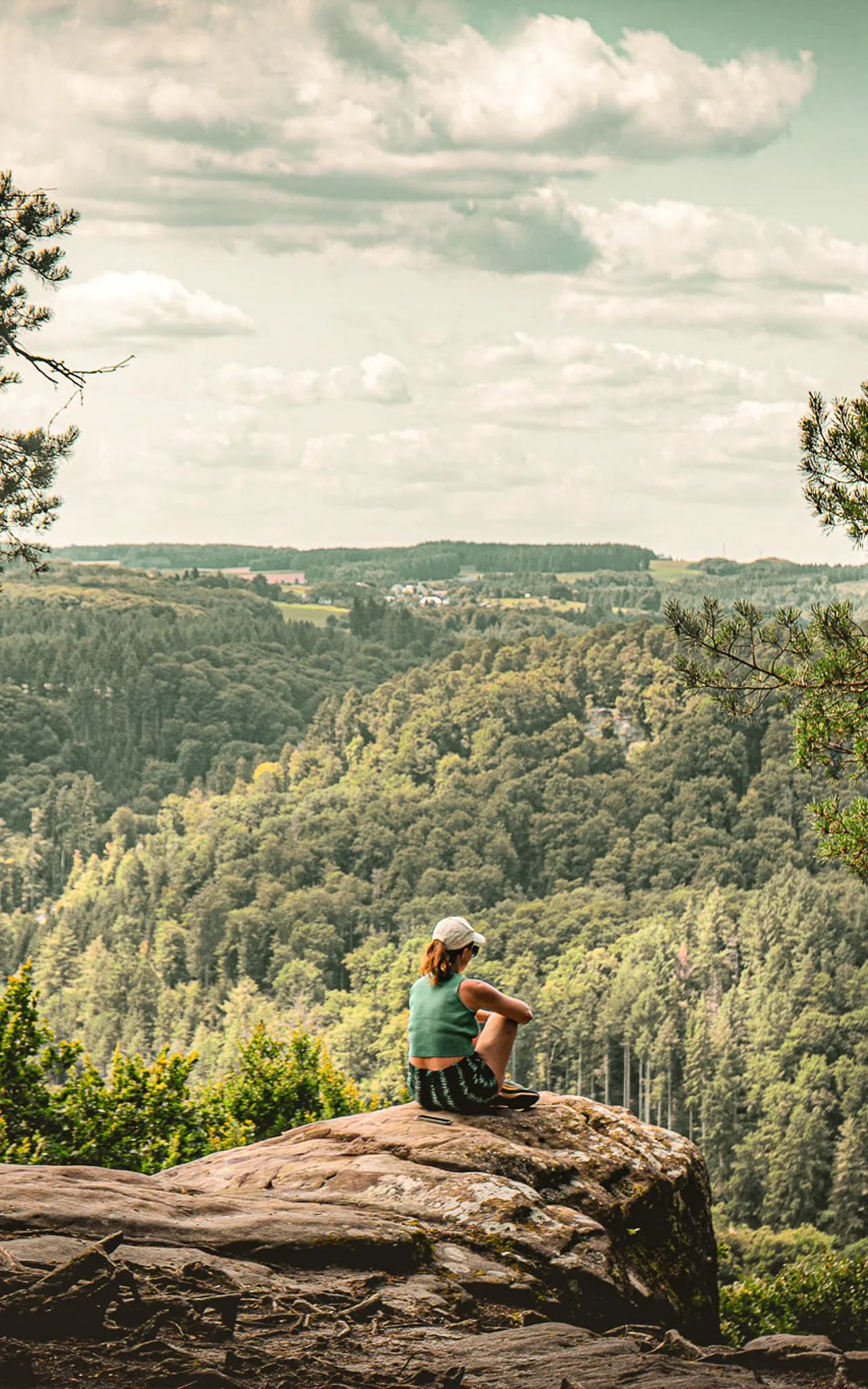
Hiking in Mullerthal: Luxembourg's little Switzerland

A weekend of hiking and stargazing in the Vosges

Trek & wild camp in the remote Valgaudemar valley
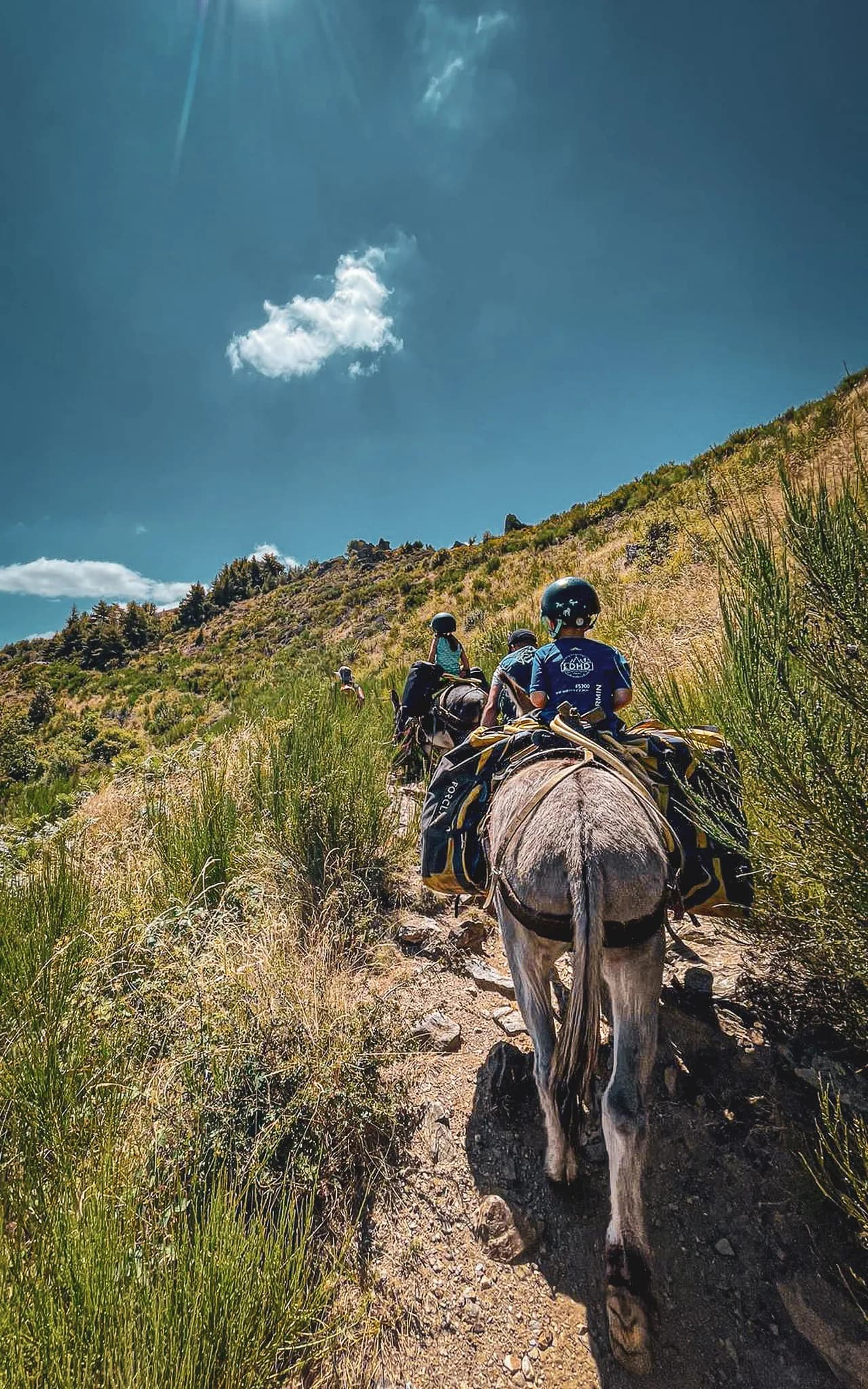
Stevenson’s trail: hike with a Donkey through the Cévennes
More to discover
Keep exploring with these pages and stories picked for you.
Tour du Mont Blanc: real difficulty, real alternatives
The Tour du Mont Blanc has a mythic reputation. What it really demands day by day, plus a grid for choosing a shorter trek without losing intensity.
Devoluy or elsewhere? Pick your ideal alpine trek
Compare four similar alpine itineraries by effort, terrain, shelter style and season to choose between the mineral Devoluy and close alternatives.
Northern lights or high lakes: choose your hike by effort and aim
Compare the daily effort and real aim of five real trips, from Valgaudemar to Senja, and pick observation or itinerant performance to match your level and season.
Hiking with donkeys in the Ecrins or an alpine trek
Hiking with donkeys in the Ecrins or an alpine trek? Compare pace, effort, pack weight, nights and season to pick a trip that fits your level.
High-altitude traverse or technical camp: your summer choice
Torn between a high-altitude traverse and a technical camp? Compare the 5-day Beaufortain tour with three shorter options by level, season and goals.
Jura cani-hike or ridge views in the Vosges and Ecrins?
A short 2-4 day nature break: compare a dog-assisted hike in the Jura, ridge panoramas in the Vosges, or a wild-camp trek in the Ecrins, and choose fast.
