Mountain Refuges: What a First Night Is Really Like
 By Maxime
Booking, sleeping in a dorm, meals, what to pack: the practical guide to your first night in a mountain refuge, with two real trips to try it.
Booking your first refuge
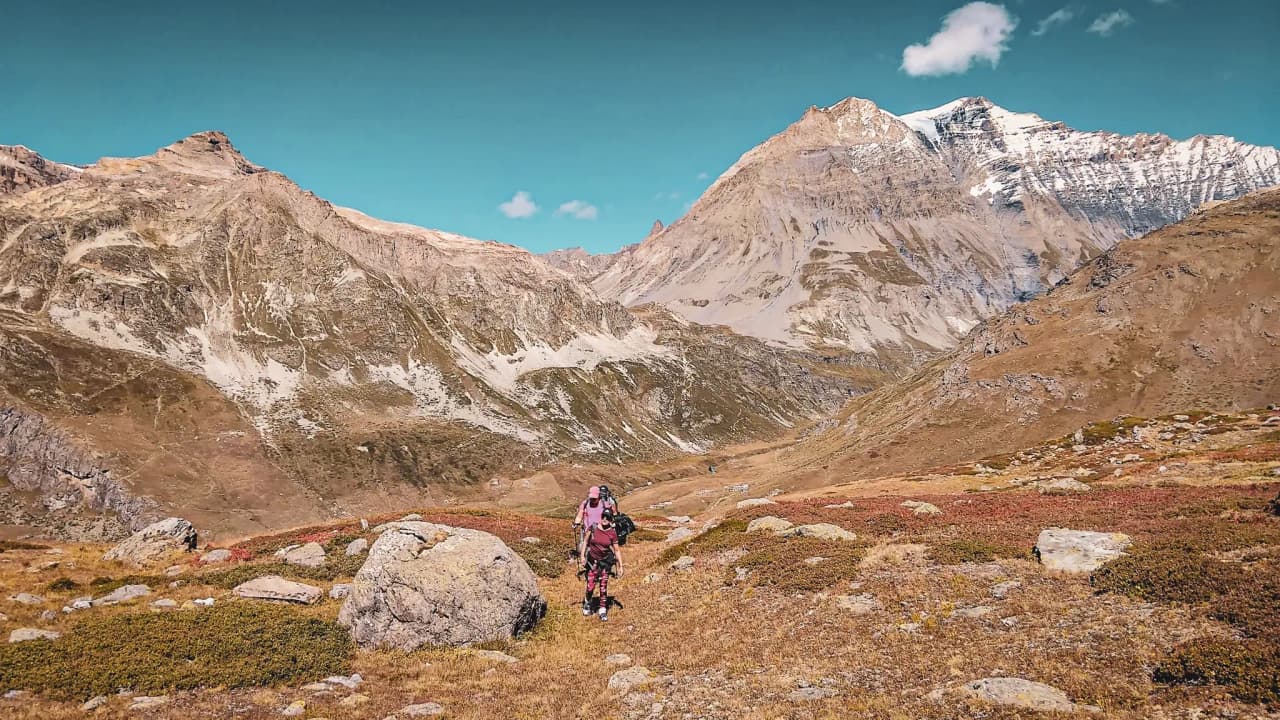
A mountain refuge is booked in advance, never on a whim: dormitory beds are limited and fill up fast in high season (July-August). Booking goes directly through the warden (phone number usually listed on the relevant federation or park website) or via a centralised platform depending on the region. Book several weeks ahead for a popular refuge on a summer weekend, and always confirm your approximate arrival time: a warden who doesn't see you show up before nightfall may worry, or even alert mountain rescue.
Staffed or unstaffed refuge: the real difference
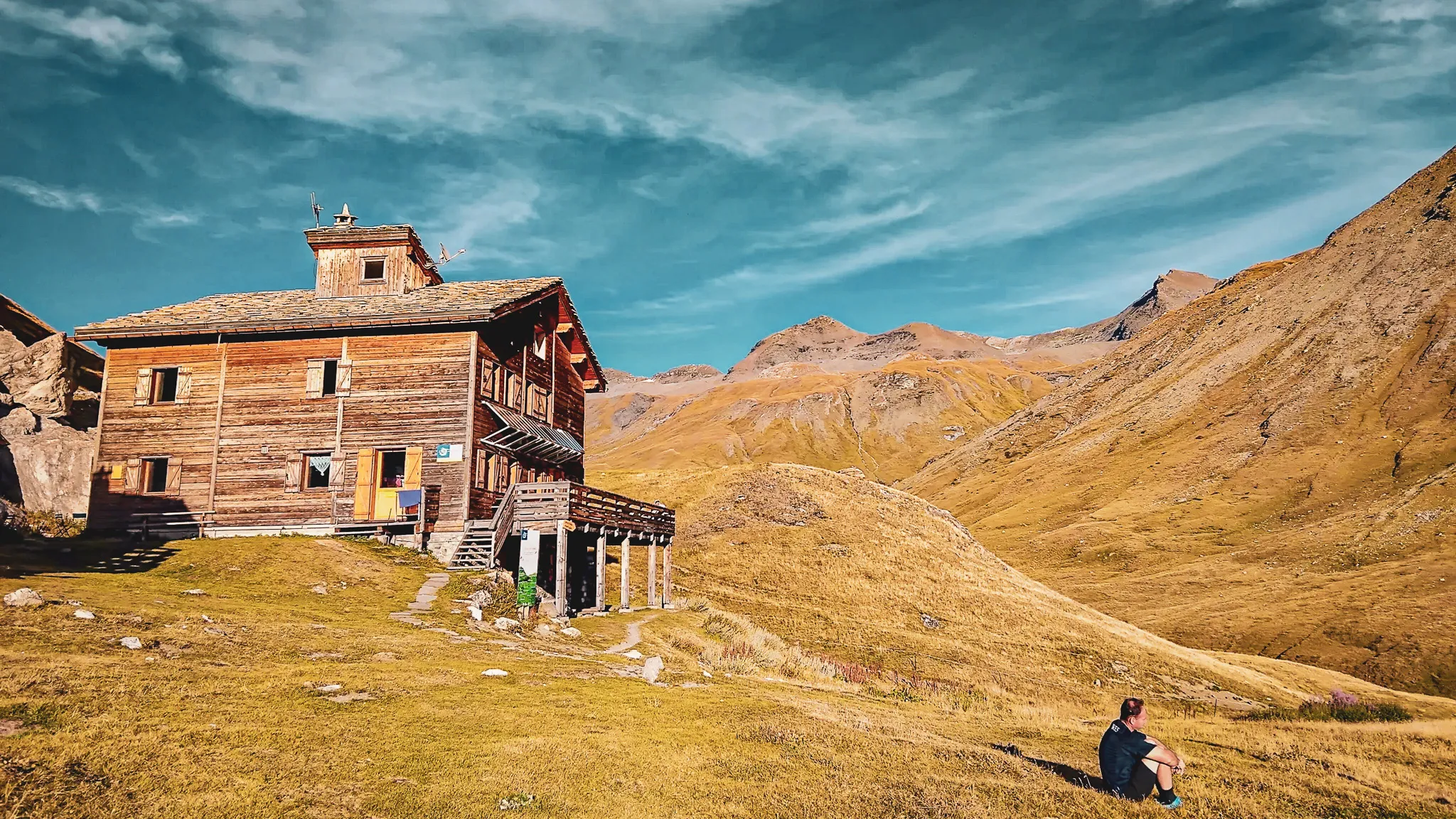
A staffed refuge has a warden on site in season, who cooks meals and manages bookings. An unstaffed refuge (sometimes called a hut) stays open year-round with no staff: you sleep there for free or for a token amount left in a box, but you bring everything, including your food and sometimes your full sleeping bag.
| Criteria | Staffed refuge | Unstaffed refuge |
|---|---|---|
| Booking | Required, through the warden | No booking, first come first served |
| Meals | Cooked on site, half-board | You bring everything |
| Price | Around €55 to €70 for adult half-board | Free or honesty box |
| Comfort | Mattress, blankets, sometimes showers | Basic, often no mattress or blankets |
A night in a dormitory, what to expect
The dormitory remains the norm in most staffed refuges: mattresses side by side on platform bunks, sometimes on two levels. The lack of privacy often surprises first-timers, as does the early collective wake-up when part of the group leaves before dawn for a glacier route. A pair of earplugs genuinely changes the evening. Hiking boots stay at the entrance: the refuge usually provides slippers or sandals to move around inside, to protect the dormitory floor.
Meals in a refuge: half-board, timing, what's not included
Half-board (dinner + breakfast) is the standard formula in a staffed refuge, with a fixed dinner time (often 7pm) set by the warden's service, not à la carte. Drinks, especially alcohol, are almost never included in the half-board price and are paid separately, usually in cash. The next day's packed lunch is generally prepared the evening before or bought as an option from the warden.
What to actually pack
A sleeping bag liner is almost always required in a dormitory, for shared hygiene: the provided blankets aren't changed between every group. A headlamp remains essential for moving around the dormitory without waking others, along with a small personal first-aid kit for the next day's blisters. The rest depends on the refuge's comfort level: some provide a pillow and duvet, others just a bare mattress. For a first look at real refuge itineraries, our selection of 5 isolated refuges in the Alps gives a concrete idea of the range of atmospheres, from comfortable to rustic.
Two Wildhartt trips to try it
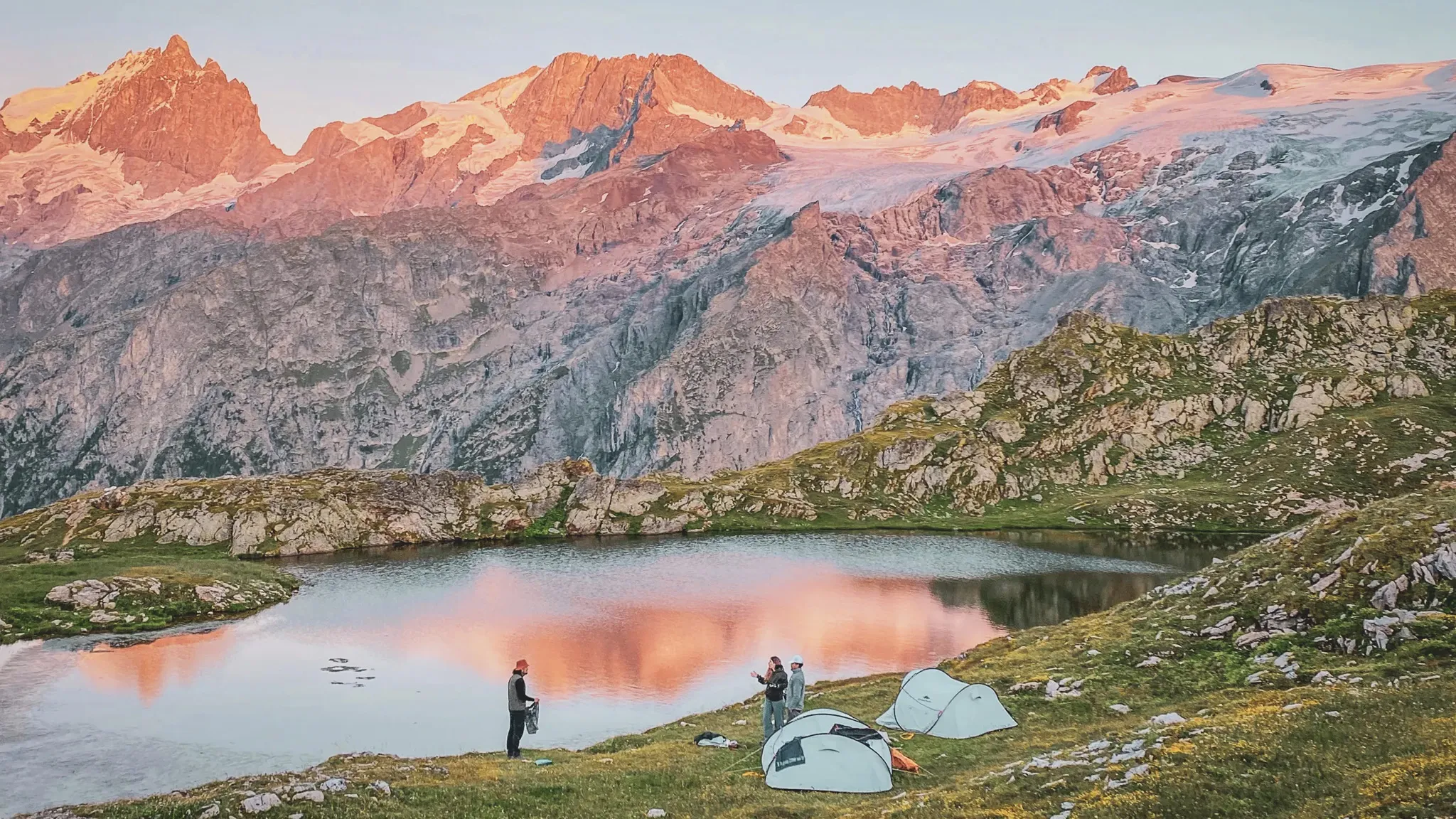
| Criteria | Vanoise trek (Femma refuge) | Écrins trek & bivouac |
|---|---|---|
| Accommodation | 2 nights in a dormitory, staffed refuge | 2 nights in a provided tent |
| Duration | 3 days | 3 days |
| Pack weight | Light, 5-7 kg (meals and bedding provided) | 10-12 kg (tent and meals shared across the group) |
| Price | €480 | €340 |
| Guide | Christelle, mountain guide | Thomas, mountain guide |
Robin, who did the Écrins trek, confirms what real guiding changes: "Excellent organisation! Thomas is a great guide, and 3 magnificent days!" Femke adds: "A lovely hike for anyone wanting to get started with mountain hiking and bivouacking, comfortably and calmly." The Vanoise trek, launched more recently, doesn't have published reviews yet.
Want to sleep in a refuge dormitory without booking it yourself, or try guided bivouacking instead? Discover the Vanoise trek with 2 nights in a refuge and the Écrins trek and bivouac, or explore all our guided refuge hiking trips in the Alps.
Find your next adventure
Browse curated expeditions matching the categories of this article and start planning your next trip.
Find your dream adventure
 Find your dream adventure
You might also like these adventures …
Hand-picked to echo the spirit of this article.
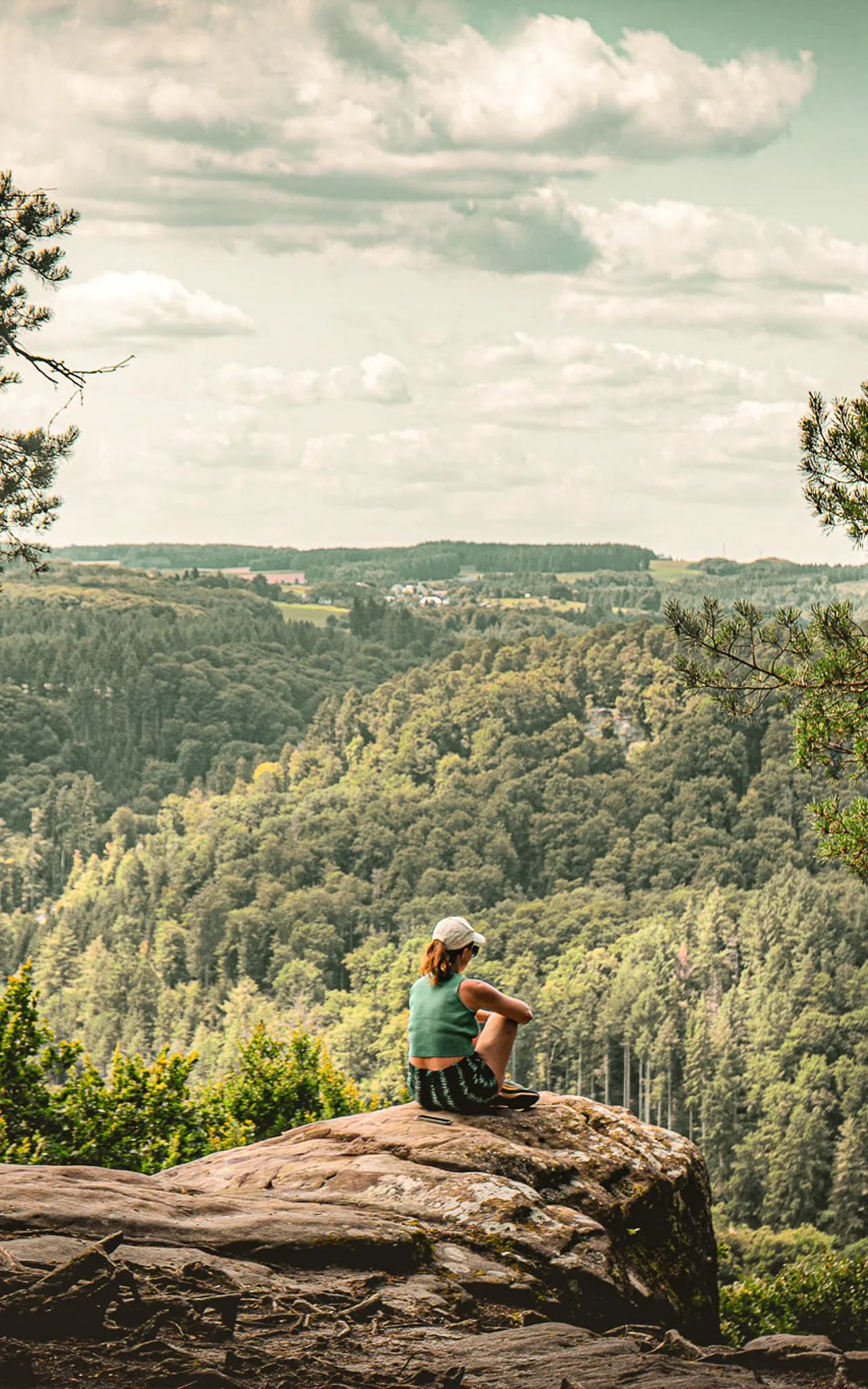
Hiking in Mullerthal: Luxembourg's little Switzerland
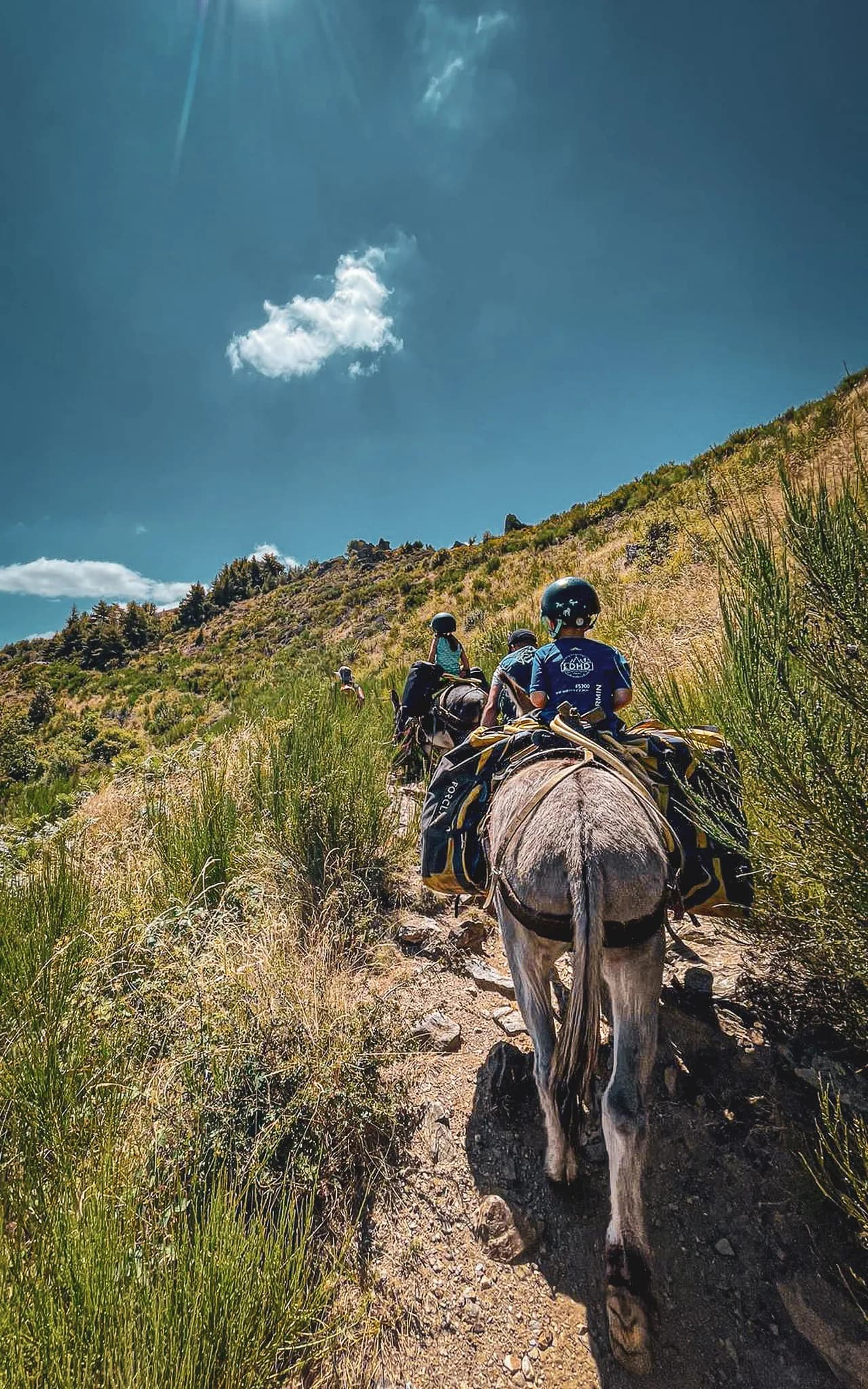
Stevenson’s trail: hike with a Donkey through the Cévennes

Trek & wild camp in the remote Valgaudemar valley

A weekend of hiking and stargazing in the Vosges
More to discover
Keep exploring with these pages and stories picked for you.
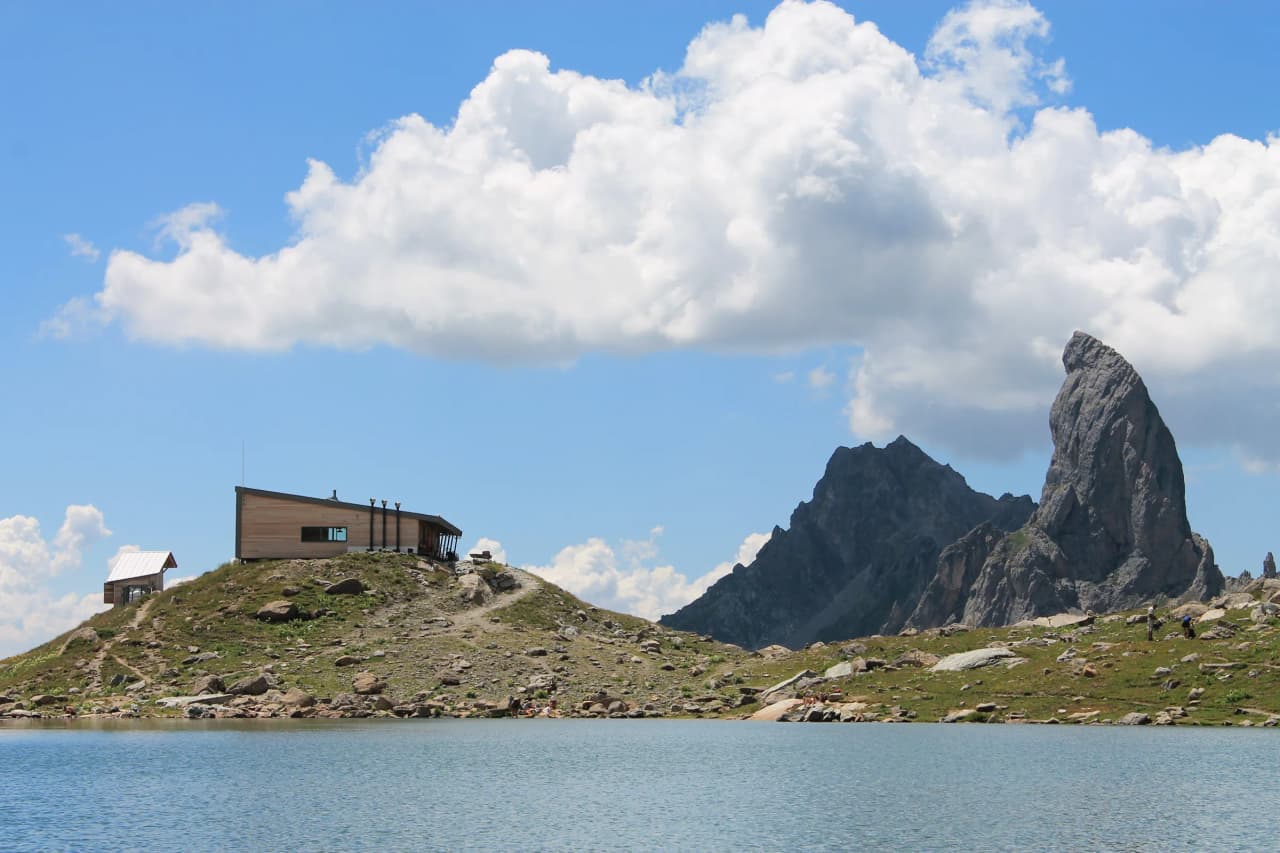
5 secluded mountain huts in the Alps where you can get away from it all this summer
Discover 5 secluded mountain huts for hikers: the Willy Jervis Hut, the Col de la Vanoise Hut, the Vallanta Hut, the Presset Hut and the Femma Hut.
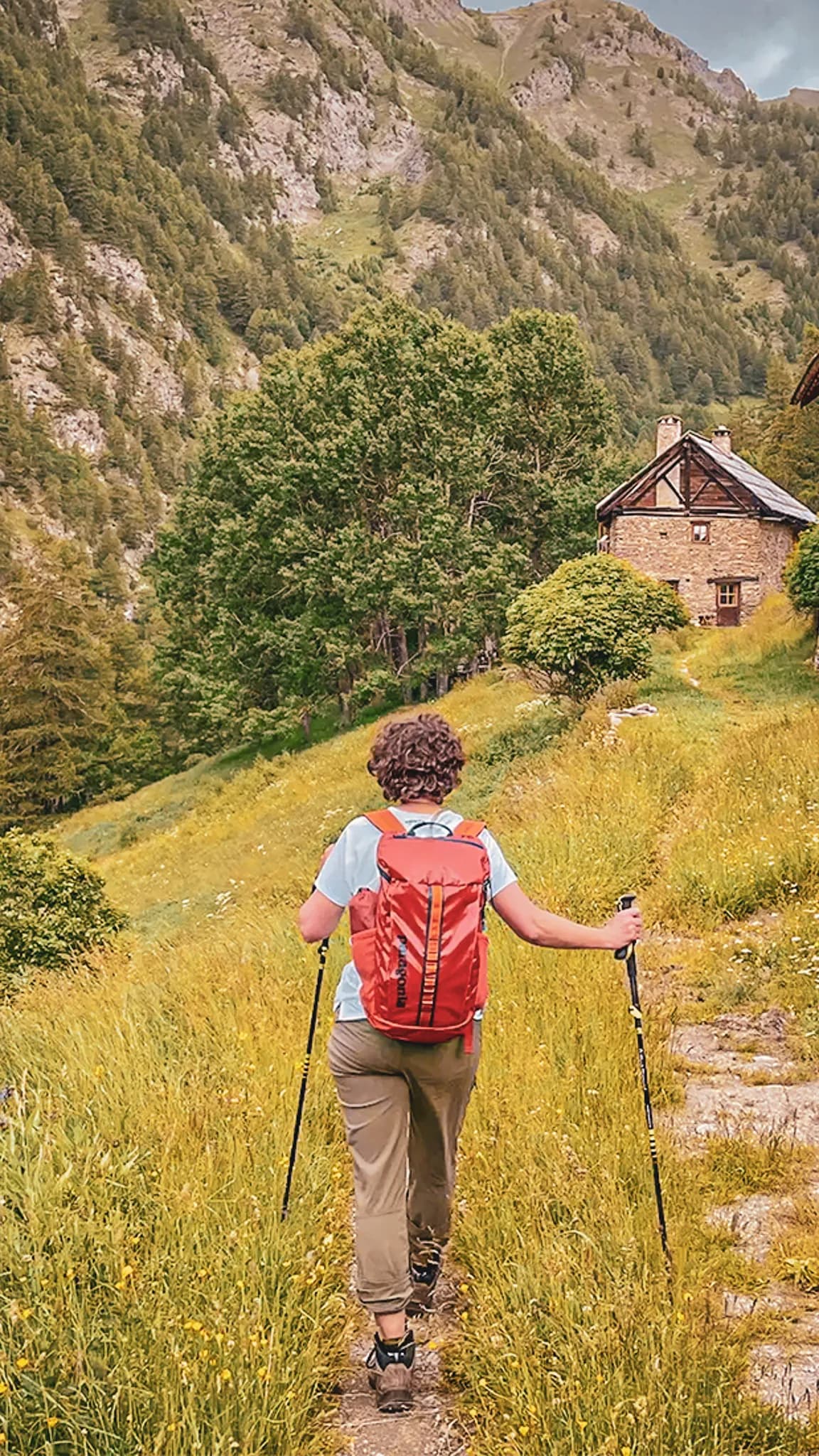
Guided hut-to-hut trek Alps, 3 to 5 day routes
Plan your next guided hut-to-hut trek Alps. Handpicked 3 to 5 day routes in France and Italy, small groups, welcoming huts and big alpine views.
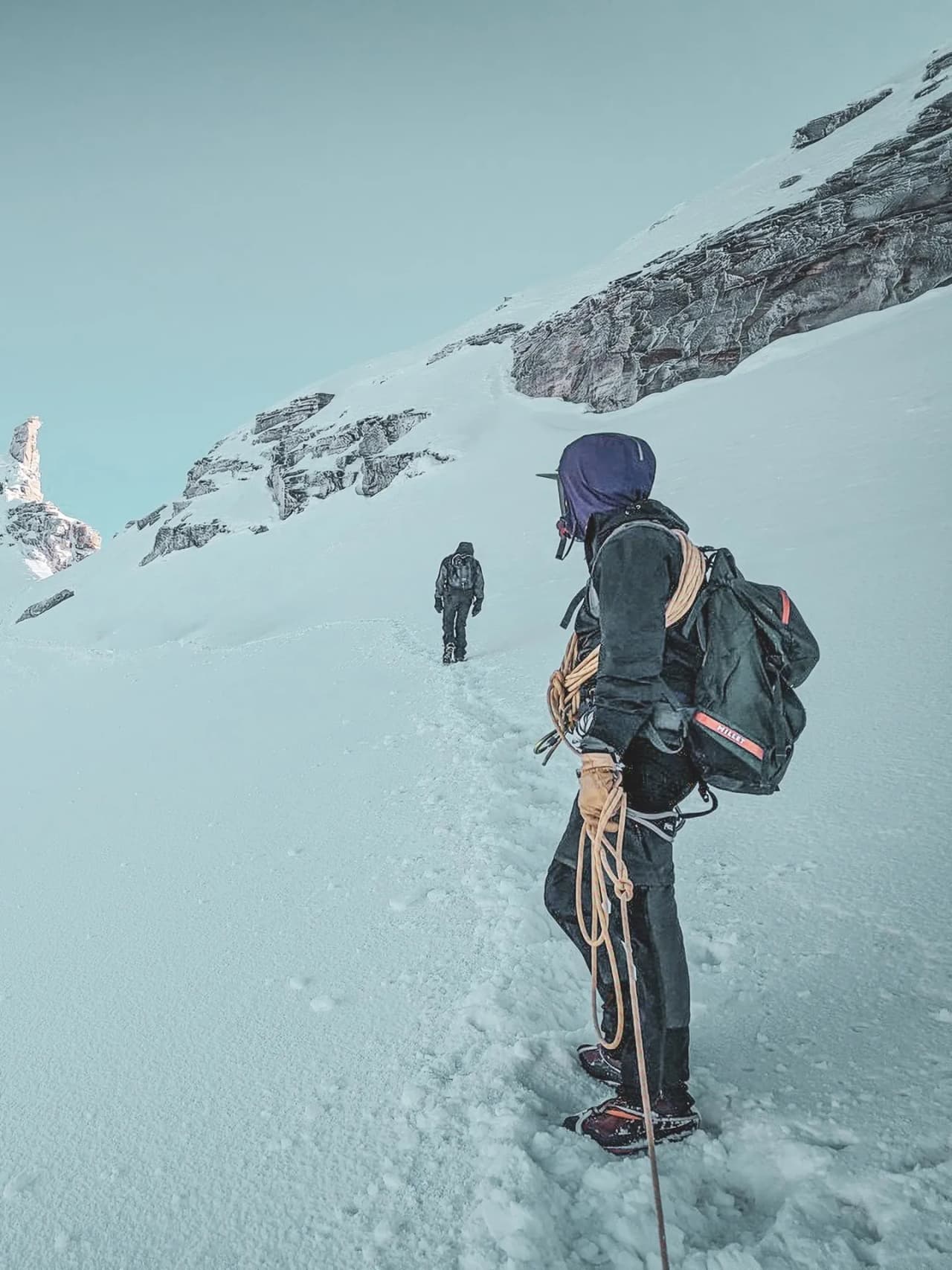
Guided mountaineering trips with mountain hut nights
Explore guided mountaineering trips with mountain hut nights across France, Italy and Switzerland, small groups and certified guides.
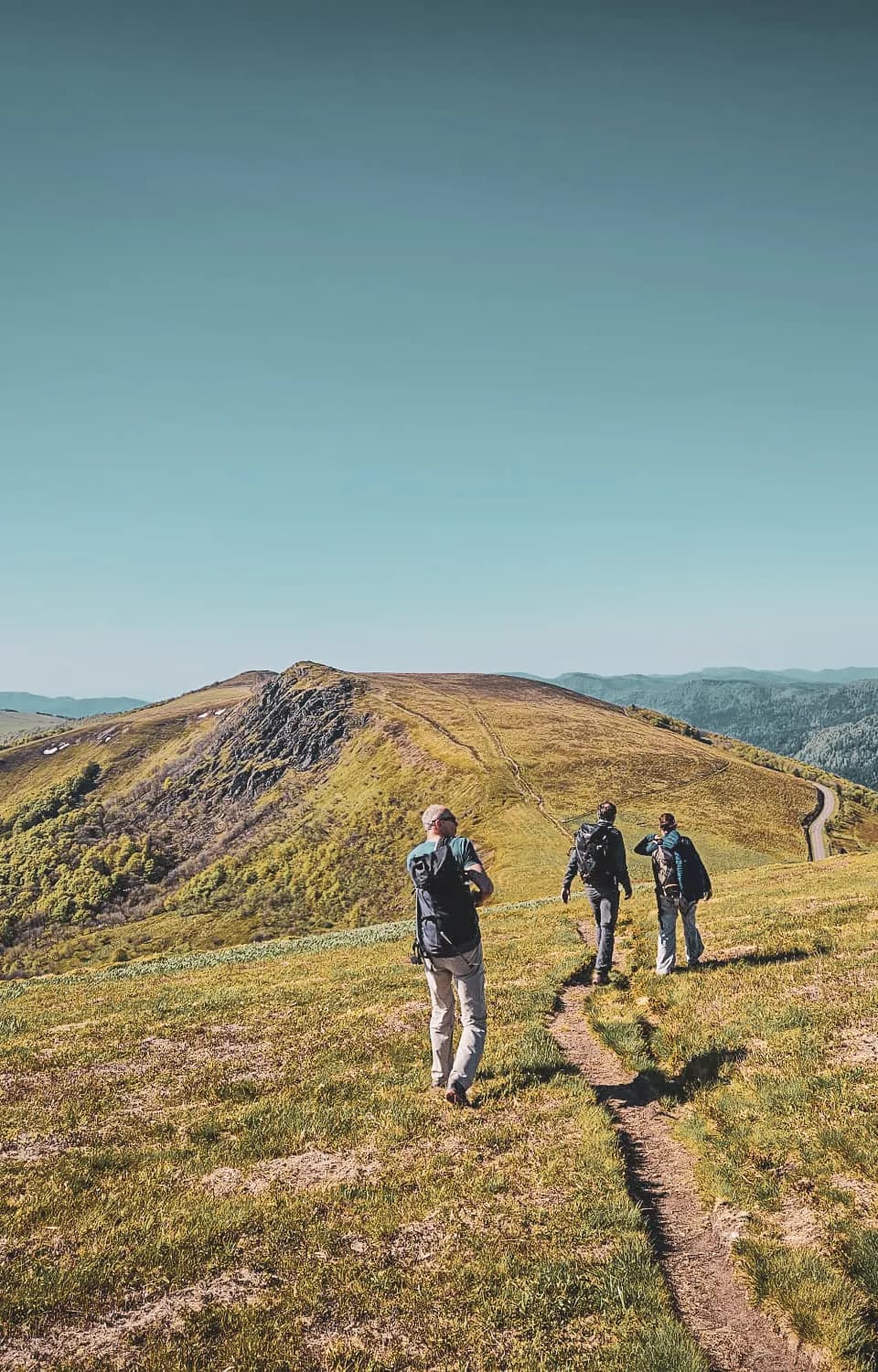
Stargazing hikes in France, nights in refuges and bivouacs
Stargazing hikes across France with nights in refuges or under the stars. From the Vosges to the Hautes Alpes, join expert guides and book your next evening beneath the stars.
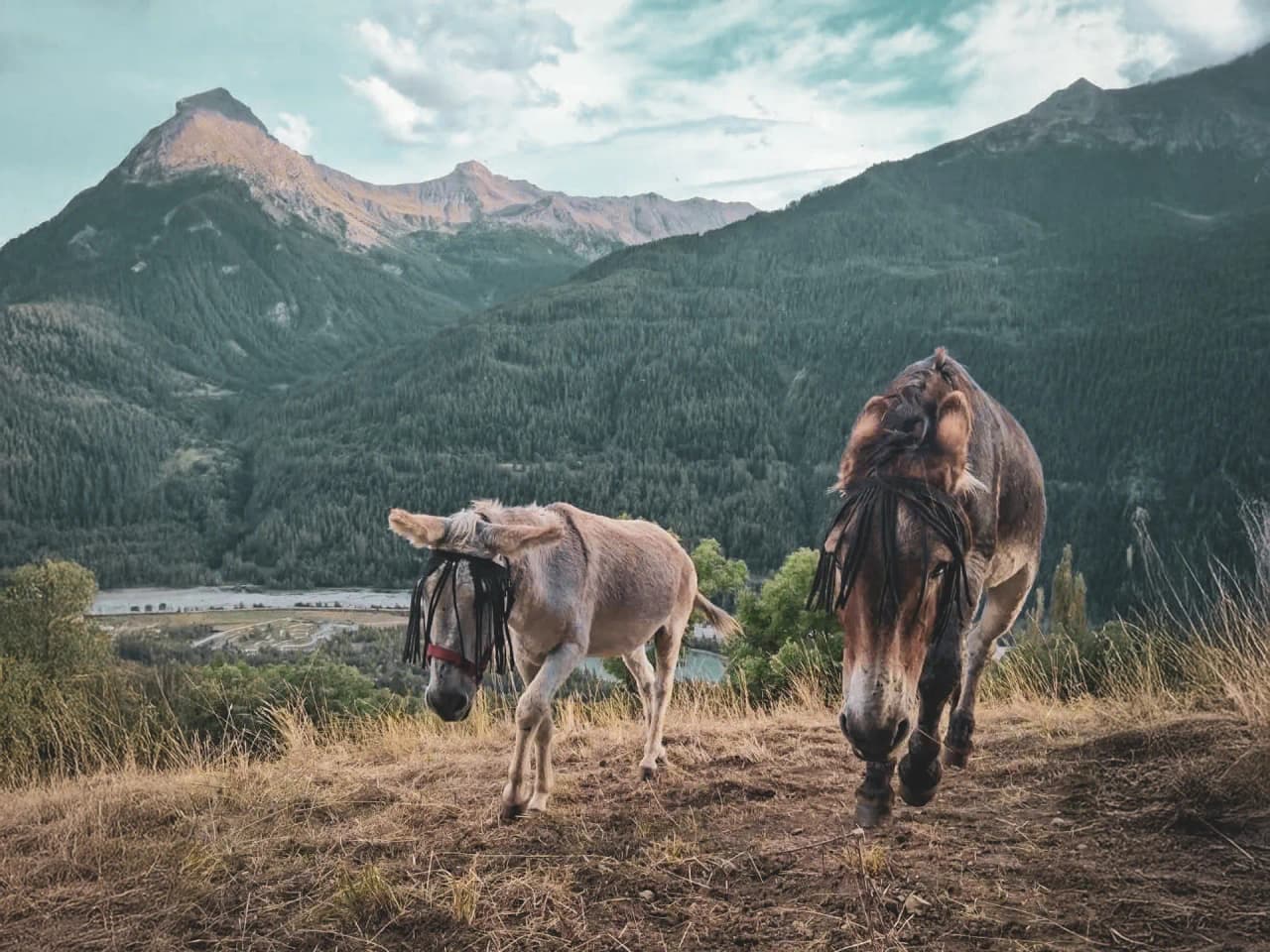
Hiking with donkeys in the Ecrins or an alpine trek
Hiking with donkeys in the Ecrins or an alpine trek? Compare pace, effort, pack weight, nights and season to pick a trip that fits your level.
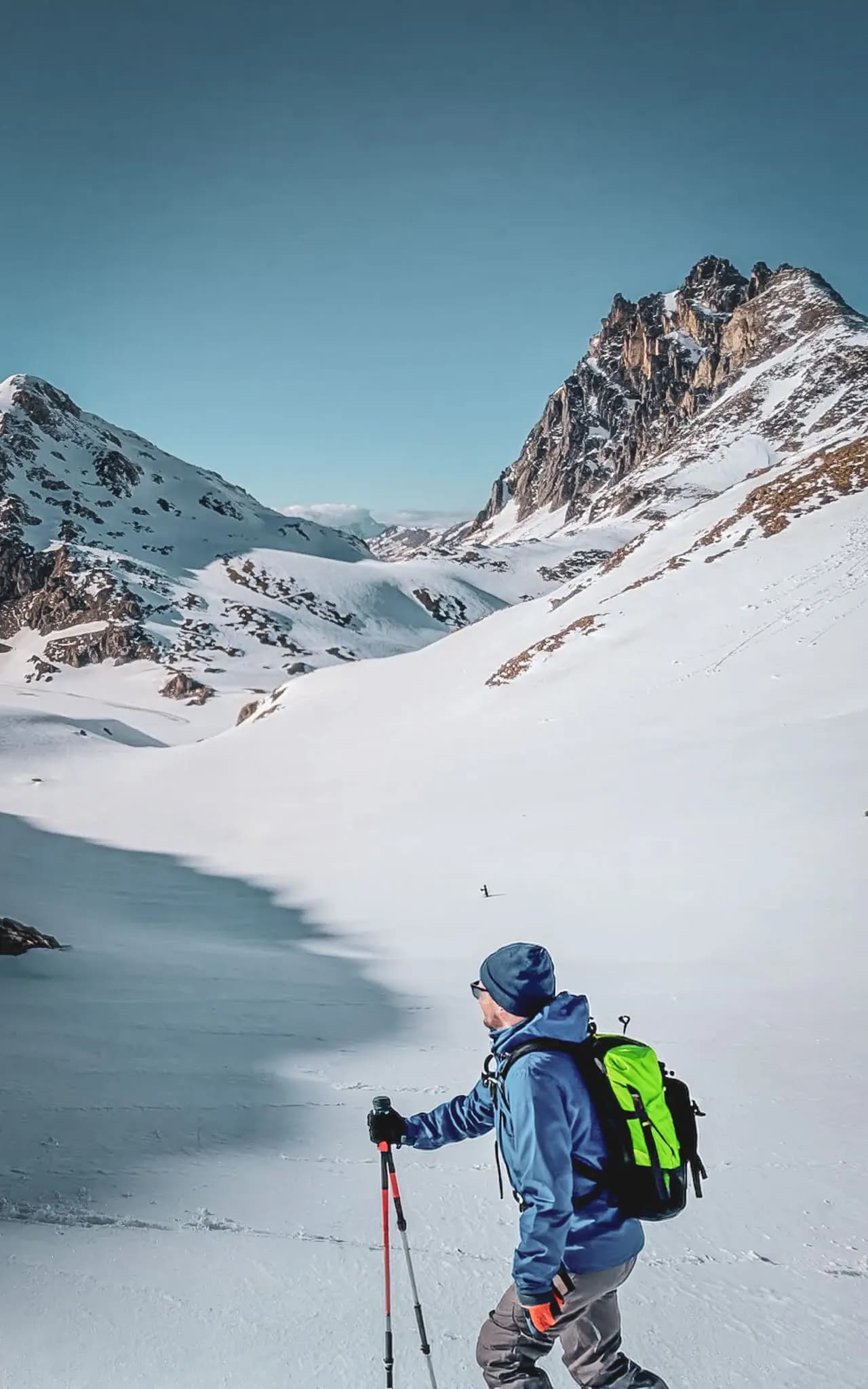
Ski touring trips, snowshoe and pulka itineraries in France
Explore ski touring trips, snowshoe pulka raids and winter bivouacs across the French Alps, guided in small groups from 2 to 5 days.
