Mountain trail training course in France: which one to choose?
 By Marie
Discover the ideal mountain trail course: compare destinations, levels and objectives to quickly book the right course in France.
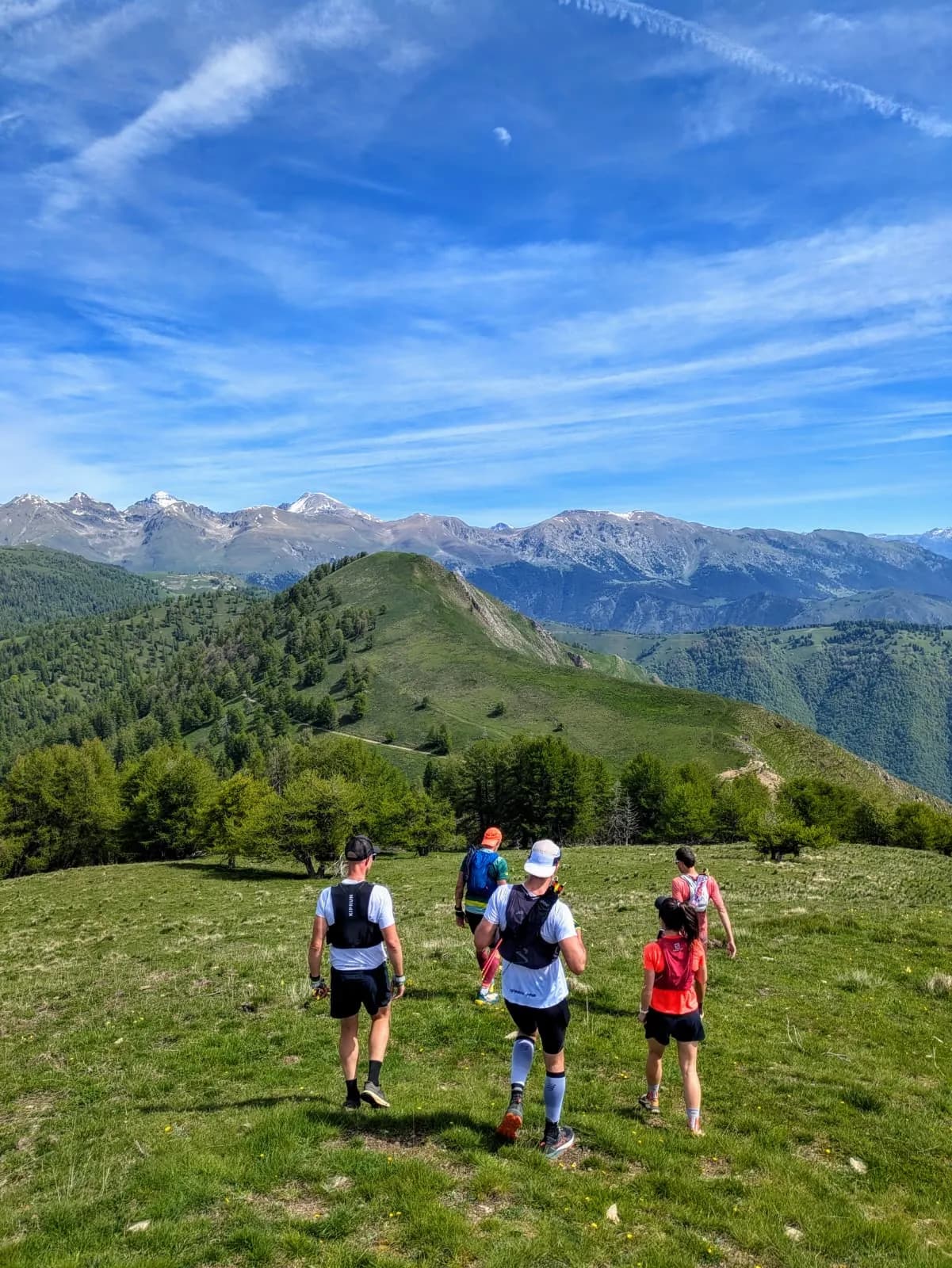
A trail course in the mountains is not chosen at random. The same programme may suit a runner who is aiming for an ultra, but frustrate someone who wants above all to gain in ease on the downhill, or to discover roaming. This 'versus' comparison will help you decide quickly, without getting bogged down in details.
The simple answer is that you need to match the objective, terrain, level and guiding. Only then do you look at the destination, the period, the amount of ascent and the logistics.
Your choice in 60 seconds
- Objective: performance, technical progress, autonomy, or discovery pleasure.
- Mountain ranges: Alps, Pyrenees, Massif Central, Corsica, depending on altitude, weather and accessibility.
- Level: beginner, intermediate, advanced, with a coherent group.
- Safety: group size, guiding ratio, weather management, rescue.
- Preparation and equipment: light, versatile or challenging, depending on the terrain.
If you're looking for a simple setting, Wildhartt relies on small groups and certified guides, which facilitates progress and safety. Now for the most important thing of all: your goal.
See the trail courses available according to your level.
Mountain trail courses: the right choice for your objective (vs. performance, progression, pleasure)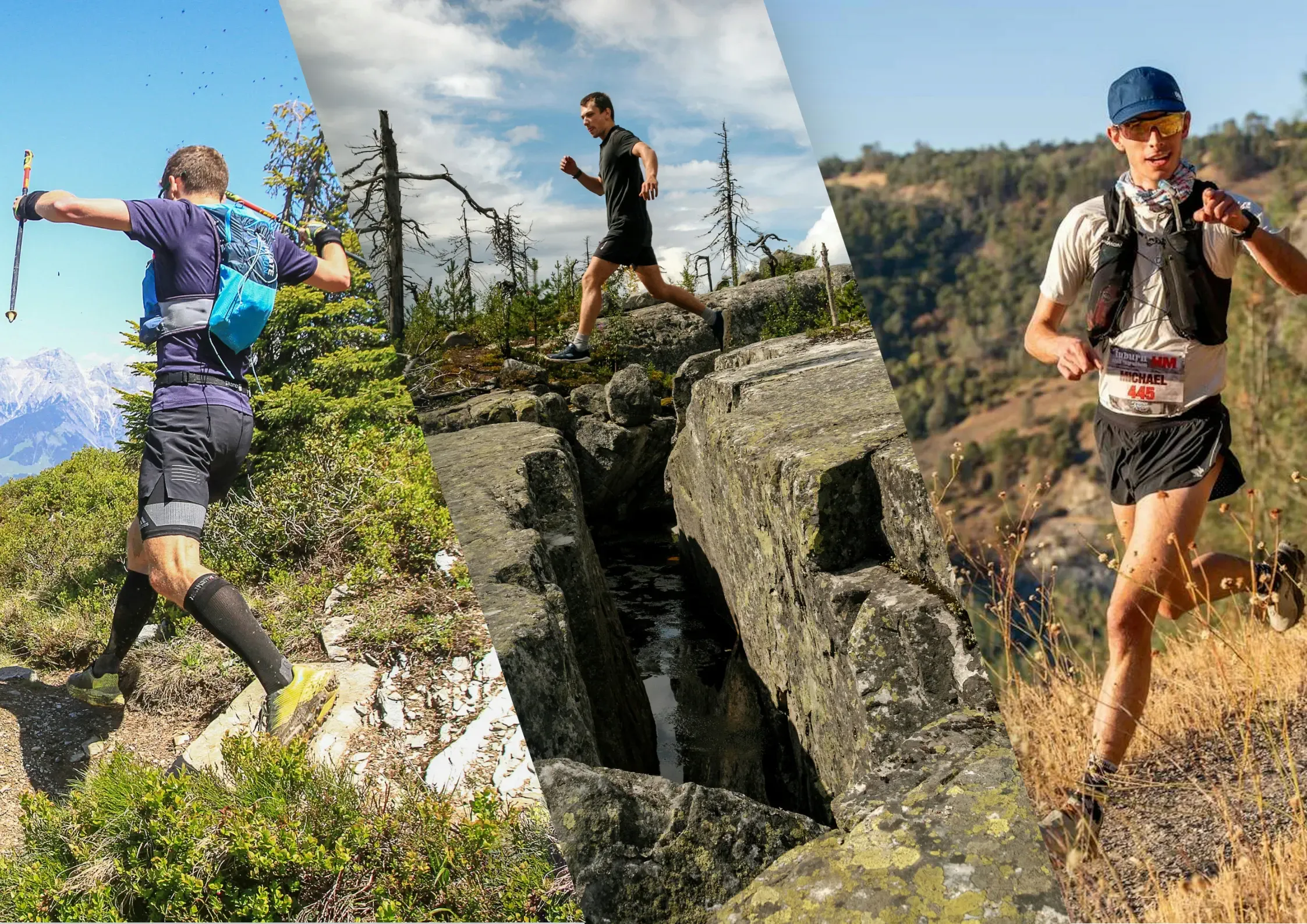
Now you have a method of choice, start by clarifying your main objective, because a mountain trail course does not always focus on the same qualities. Some courses focus on speed, others on vertical drop (D+), others on technique or autonomy, and the right choice depends above all on what you want to improve most.
Choosing the right format for your objective
| Goal | Most useful content | Preferred | Avoid if you're just starting out |
|---|---|---|---|
| Performance (speed, threshold, restarts) | Split sessions on climbs, pace work, recovery, field effort test | Small groups, individual feedback, short intensive blocks | Accumulate too much D+ without recovery |
| Progression (D+, endurance, regularity) | Long outings, effort management, nutrition, ascent and descent strategy | Progressive volume, learning the pace, debriefing | Too much 'shock' training |
| Technique (downhill, support, unstable terrain) | Stride drills, trajectories, braking, rocky sections, poles | Expert guiding, repeated workshops, varied terrain | Only long outings without workshops |
| Autonomy (safety, orientation) | Weather, map reading, GPX track, cold management, first reflexes | Concrete scenarios, equipment check, safety briefing | Improvisation without safety content |
| Pleasure and discovery (panoramas, local culture) | Accessible outings, breaks, simple advice, atmosphere | Beautiful, flexible routes, comfortable pace | A course too focused on time |
Simple questions to help you decide quickly
Answer these points and you'll avoid most casting errors.
- You want to finish fresher, or go faster, or have a better descent, choose a single route.
- If you're preparing for a specific race, make sure that the course works on the same mix (D+, altitude, technicality).
- If you're worried about mountain safety, ask for clear information on weather, orientation and equipment.
What you should expect, whatever the objective
A good course announces the daily volume, the D+, the level required and the possible adaptations. At Wildhartt, the small-group format makes it easy to adjust pace and review techniques, which is just as important for progress as it is for enjoyment.
Which destination in France to choose (vs Alps, Pyrenees, Massif Central, Corsica)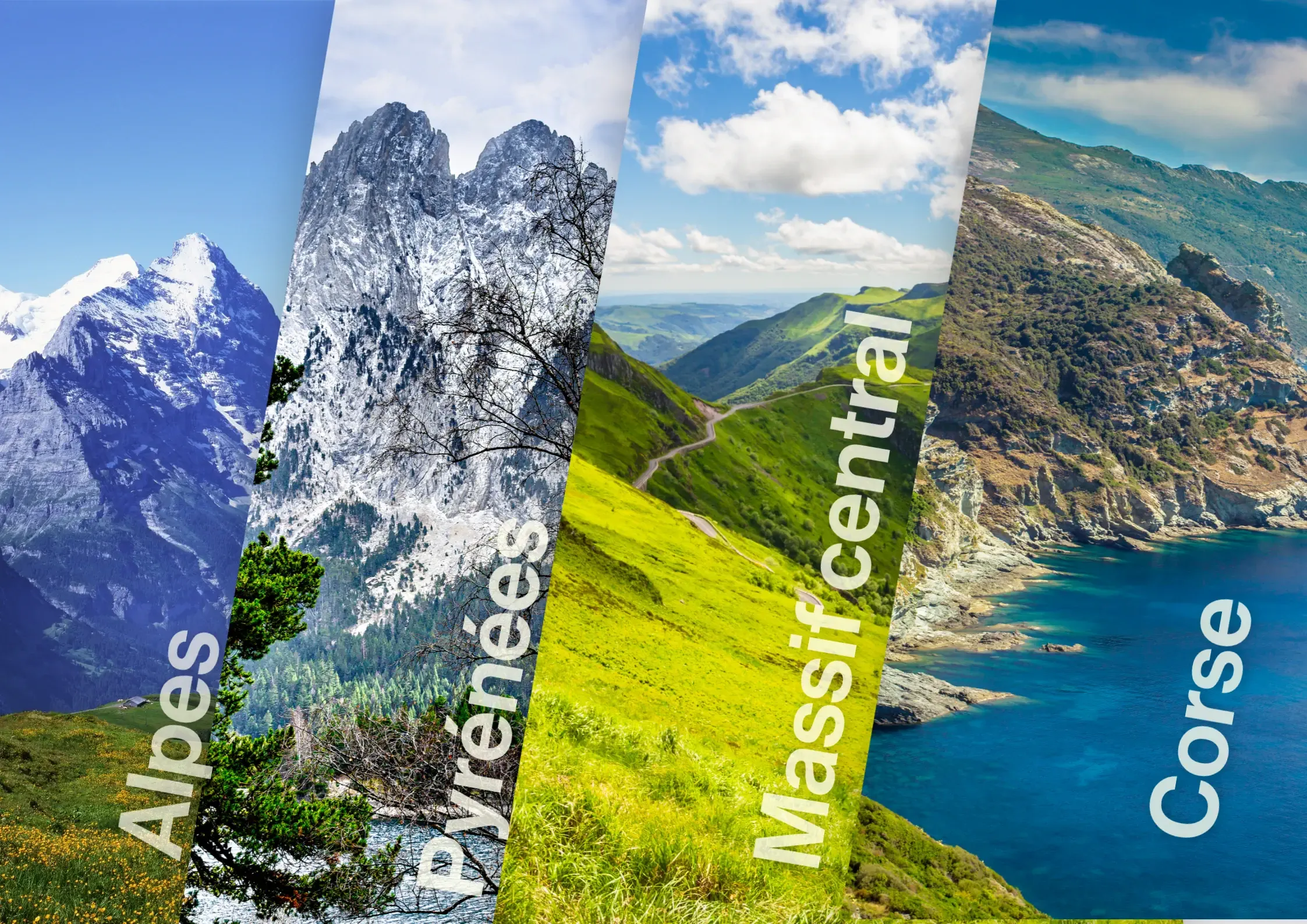
The right destination depends above all on your tolerance to altitude, the type of trails you want to work on (technical, rolling, D+), and the weather window. The same course can change completely if you go from 1200 m to 2500 m, or from volcanic terrain to scree.
Quick comparison of massifs for a mountain trail course
| Zone | Terrain and feel | Typical altitude | Weather and period | Access |
|---|---|---|---|---|
| Alps | Marked D+, alpine trails, scree, long descents | Often 1500 to 3000 m | June to September, frequent afternoon thunderstorms | Very easy by train and road in the major valleys |
| Pyrenees | Wilder routes, ridges, rocky passages | Often 1200 to 2800 m | July to September, more changeable weather on the Atlantic side | Access variable, longer depending on valleys |
| Central Massif | Rolling singletrack, forests, lower relief, sometimes volcanic soil | 800 to 1800 m | April to October, a good compromise when there is no heatwave | Often fast from many towns |
| Corsica | Very technical, rocky, hot, exposed sections | 0 to 2500 m | May, June, September, avoid midsummer if you're worried about the heat | Plane or ferry, heavier logistics |
Choose according to your priorities
- Work on endurance and the big D+: Alps, then Pyrenees if you like the more isolated side.
- Progress without having to endure the altitude: Massif Central, ideal for building volume and consistency.
- Gain in pure technique: Corsica for the demanding terrain, the Alps for the long descents.
Also look at weather safety. A good course plans alternative routes and adjusts timetables, especially in summer. At Wildhartt, small groups make these adjustments easier, without dragging everyone down.
What level and guiding you should aim for (vs. beginner, intermediate, advanced)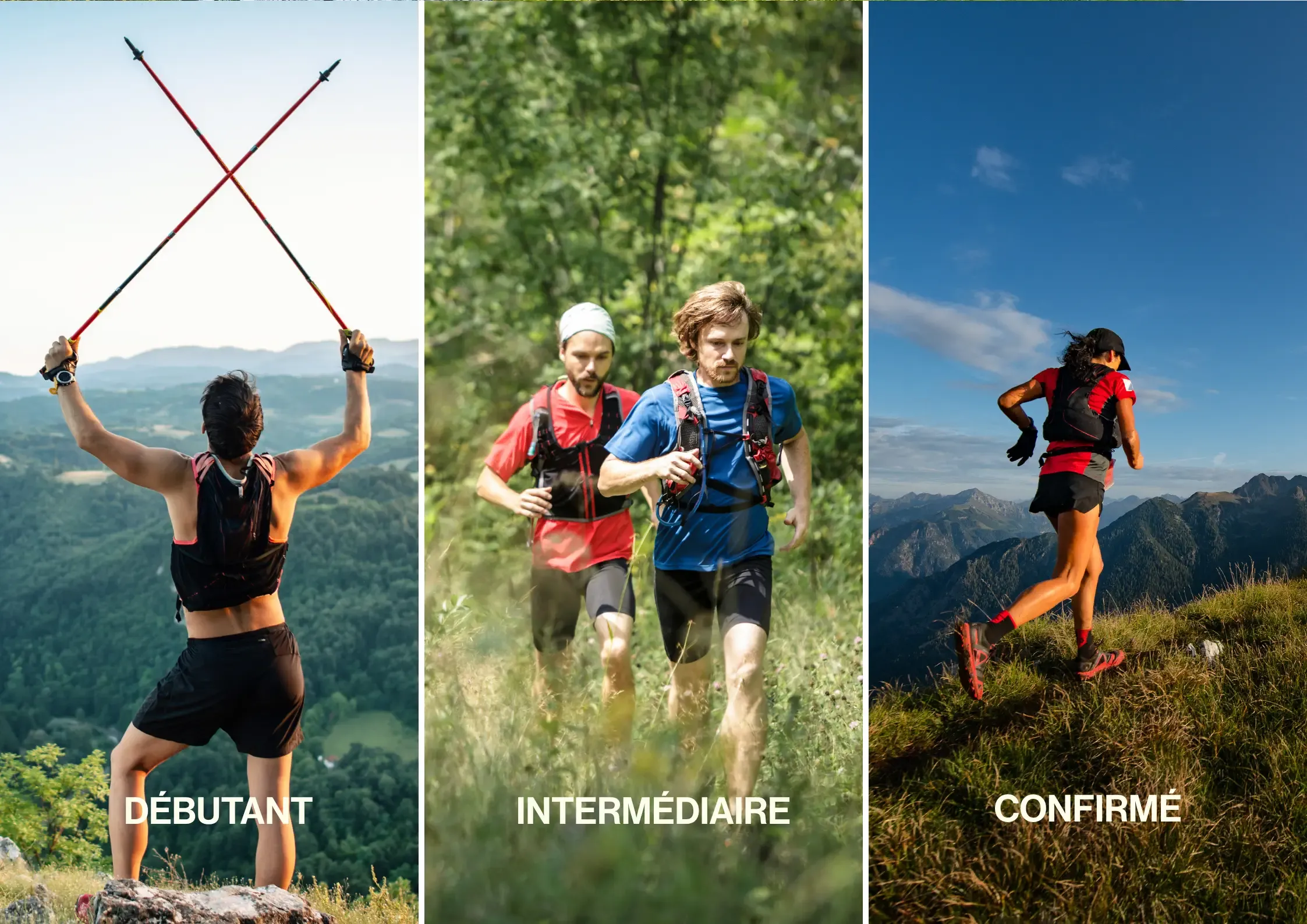
First of all, choose a course where the group level matches your current reality, not your dream objective. A group that's too fast will put you in the red, one that's too easy will leave you behind. The right indicator is simple: you should be able to complete several hours in the mountains without ending up 'broken' the next day.
Quick reference points by level (vs. beginner, intermediate, advanced)
| Profile | What the course should offer | Signs that it's not suitable |
|---|---|---|
| Beginner | Short to moderate outings, descent and support workshops, frequent breaks, shortcut options, abseiling equipment | Shock" programme with large daily D+, single group with no sub-groups |
| Intermediate | Progression of volume, work on climbing pace, technique in varied terrain, nutrition and effort management | Only "big rides" without technical coaching |
| Advanced | Specific blocks (D+, rapid descent), race strategies, greater autonomy (weather, orientation), targeted intensities. | Routes too easy, little feedback, no session objectives |
Group size and guiding ratio, which makes all the difference
A small group gives more individual feedback and reduces differences in level. Aim for a guiding team that can split the group if there are differences in pace. This is also a real advantage on descents, where a guide needs to observe your trajectories and correct them immediately.
The expertise of your guiding staff and safety: what you need to check
In the mountains, safety is based on skills, not promises. Ask for a clear explanation of weather management, alternative routes and the legal framework. In France, mountain safety guidelines and recommendations are centralised by institutions such as ANENA.
- Daily safety briefing, weather updates, back-up plan.
- Compulsory equipment communicated before departure.
- Qualified guiding staff, and the role of each explained (guide, leader, assistant).
Expected progress, how to make it measurable
A good course tells you what you're going to improve and how you're going to see it, for example, better acceleration on the way up, braking later on the way down, less jerking on the cardio. The small-group Wildhartt formats make this easier, because the guide can observe, correct and then have you practise again on the same type of terrain.
Preparation and equipment: the minimum you need (vs. light, versatile, committed)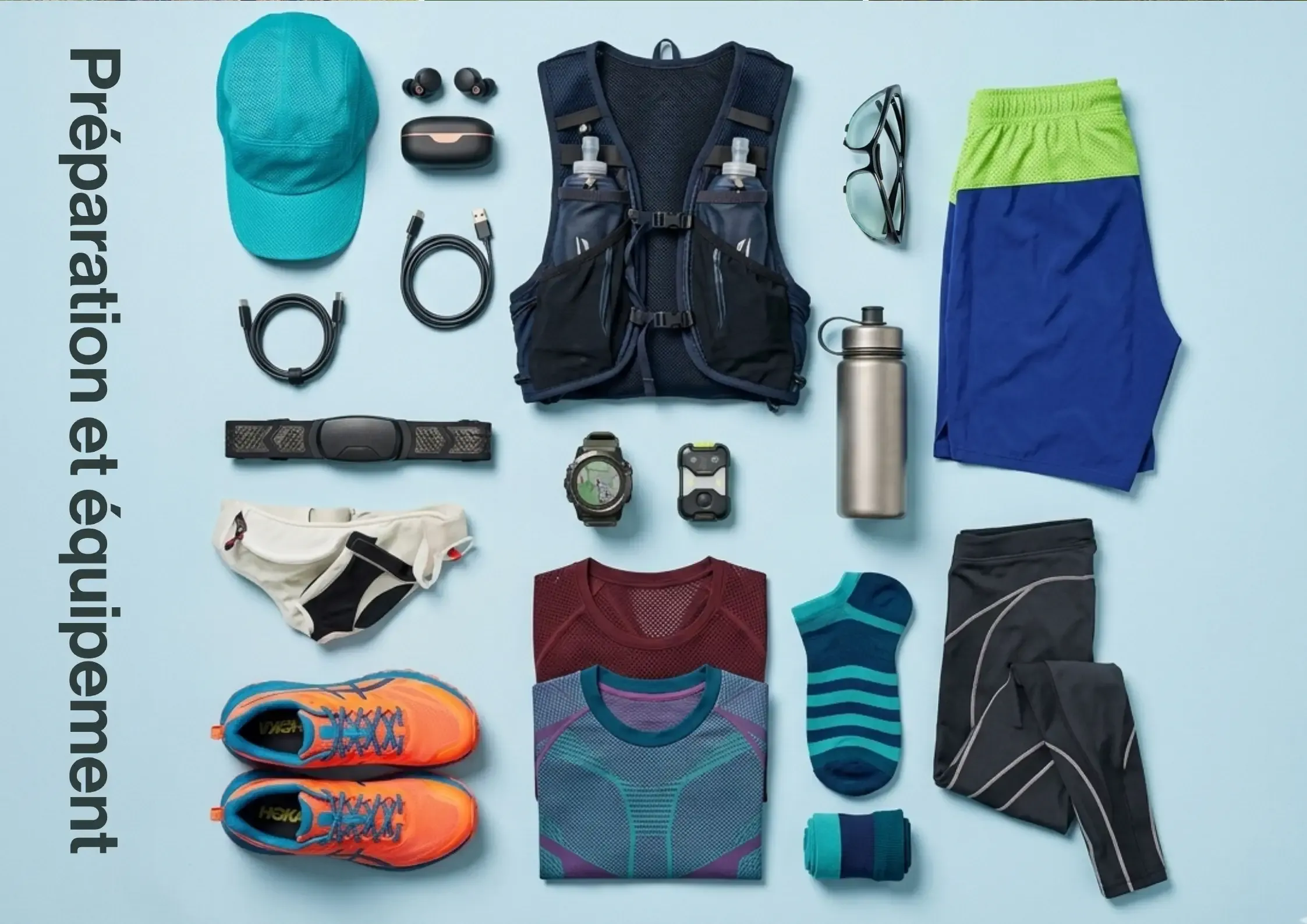
Your destination determines the weather, altitude and technical requirements, so your preparation and equipment must match the terrain. The aim here is to arrive ready without buying too much, by choosing a clear logic.
Three approaches to equipment, depending on commitment
| Approach | For which course | The minimum useful | Frequent mistakes |
|---|---|---|---|
| Light | Central Massif, rolling terrain, stable weather | 5 to 8 L bag, 1 thin warm layer, windbreaker, 1 flask, whistle | Setting off without rain protection even if the sky looks fine |
| Versatile | Alps or Pyrenees in summer, mixed technical and D+ courses | 8 to 12 litre rucksack, waterproof jacket, warm layer, thin gloves, buff, 2 flasks, headlamp | Underestimate the cold on the descent after a long effort |
| Committed | Technical Corsica, altitude, roaming, unstable weather | 12-litre bag, waterproof jacket, warm under-layer, hat, gloves, survival blanket, headlamp, battery, strap or band. | Rely on the phone alone, with no energy autonomy |
Quick equipment check, what I consider non-negotiable
- Shoes already worn, suitable for the terrain, not new.
- Waterproof jacket, even in summer in the mountains.
- Water and a snack, even on a guided outing.
- Headlamp if the course starts early or finishes late.
- Simple kit, blister bandages, strap, antiseptic.
3-week training checklist, simple and sufficient
- Week 1: 2 easy jogs of 45 to 60 minutes, 1 outing with a climb of 30 to 45 minutes combined.
- Week 2: 1 short hill session (8 to 10 repetitions of 45 seconds), 1 outing with a technical descent, 1 long outing of 1 hour 30 minutes.
- Week 3: lower volume, 2 easy outings, 1 light hill abseil, priority to sleep.
On a Wildhartt course, small groups help to adapt the load and the equipment according to the day's weather, but you'll make faster progress if you already arrive with a base of endurance and a coherent outfit.
Why choose a Wildhartt course (vs. other courses)?
Choose Wildhartt if you want a course that maximises useful time in the field and minimises compromises, especially on consistency of level, safety and quality of feedback. Many 'general public' courses do a good job of introducing you to a mountain range, but often dilute the coaching when the group becomes too heterogeneous.
Find out more about our guided trail courses in the mountains. Explore trail adventures.
Small groups vs. large groups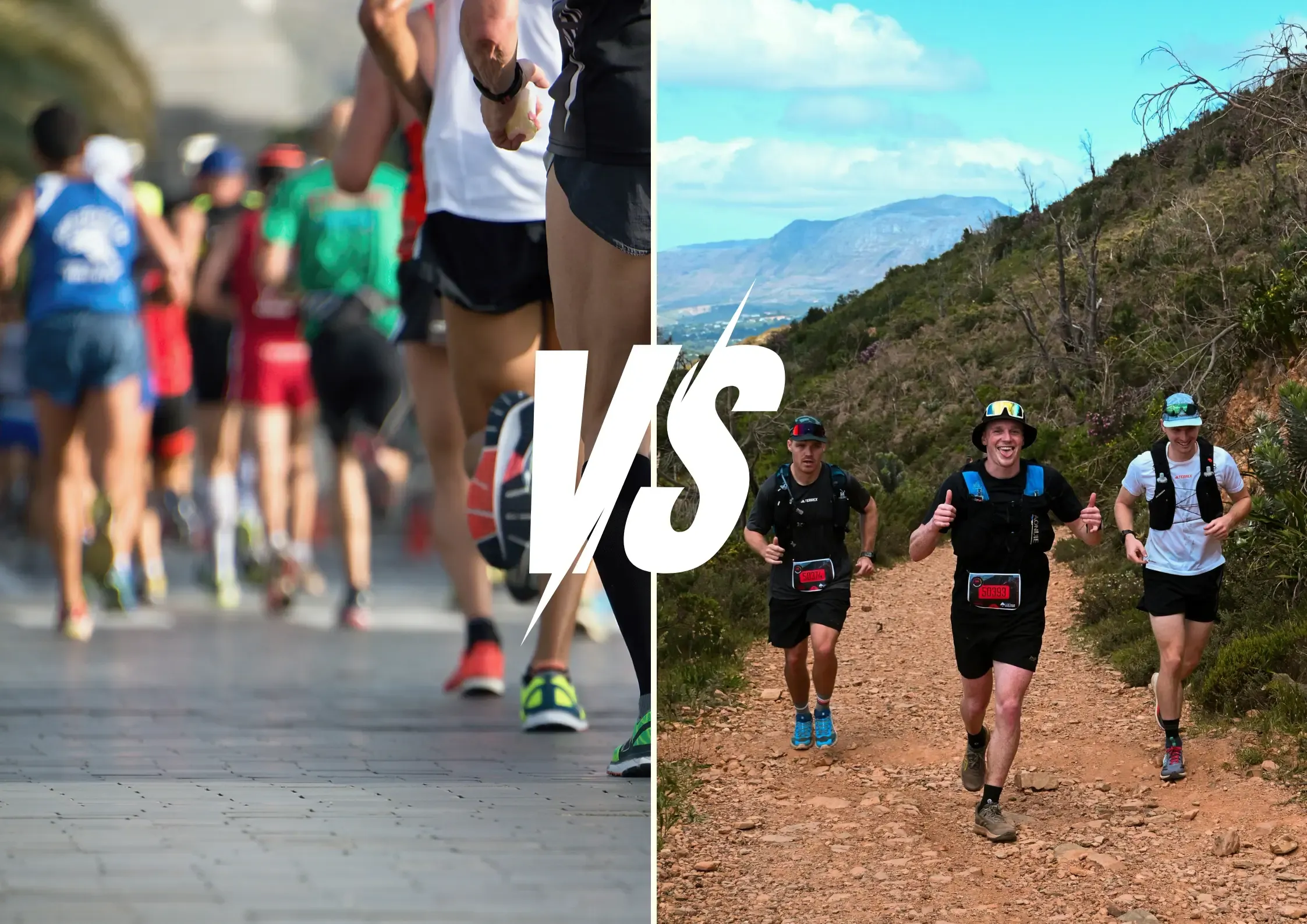
A small group changes the day. The guide observes, corrects and then has you repeat the same section of trail, especially downhill and on unstable terrain.
- Small group: more feedback, better adjusted pace, less waiting at junctions, quicker weather decisions.
- Large group: more inertia, greater differences in level, less individual correction.
Certified guides vs "entertainment" guiding
In the mountains, guiding is more important than the programme on paper. On Wildhartt, certified and experienced guides manage the choice of route, exposure, weather and fallback options. You should look for a framework that aligns with the recommendations of safety stakeholders such as ANENA.
Responsible adventure vs. "consuming D+".
A useful course also protects the terrain. A responsible adventure approach favours adapted trails, group size and simple practices, such as staying on the trail, limiting noise, managing waste and respecting wildlife. On some courses, the aim is simply to climb and climb, which increases fatigue and reduces learning. To understand the approach, you can also consult Sustainability.
For whom Wildhartt makes the most sense
- You want to make technical progress with concrete corrections, not just accumulate kilometres.
- You're not sure about the mountains, the weather or independence, and you're looking for a clear, reassuring framework.
- You like nature outings, but you want simple logistics and a homogeneous group.
What you need to compare before booking
Before deciding between Wildhartt and other courses, ask about the actual size of the group, the level required, the volume and D+ per day, the technical content, the weather plan, the equipment required and the cancellation conditions. If an organiser is vague on these points, you're taking an unnecessary risk.
Conclusion + FAQ trail mountain training course
You choose your course well if you have the right objective, terrain, level and guiding, and if you arrive with the right equipment. Once these four points have been established, the 'best' course will be the one that fits in with the reality of your terrain and the week you have available.
Quick recommendation by profile
- I'm just starting out in the mountains: aim for a progressive format, downhill workshops, shortcut options, moderate altitude (often in the Massif Central) and a small group.
- I want to progress (D+, endurance): focus on long outings, effort management, nutrition, varied terrain, Alps or Pyrenees depending on your altitude tolerance.
- I'm aiming for a race (trail or ultra): choose a course specific to the race profile (D+, technicality, heat, altitude) and demand a clear load and recovery plan.
- I'm mainly interested in technique: look for repeated workshops on support, trajectories, braking and poles, on more challenging terrain (Corsica or the Alps for long descents).
- I want autonomy: take a course that covers the weather, orientation (map, GPX), back-up routes and safety reflexes.
Frequently asked questions about mountain trail courses
How long should I choose?
A 2 to 4 day format is enough to learn and correct, while a longer format is mainly used to build up volume and consolidate autonomy.
What's the best month in France?
In general, aim for June to September at higher altitudes, and April to October in mid-mountain areas. Anticipate summer thunderstorms in the afternoon and adjust your timetable accordingly.
What budget should you allow?
The price depends mainly on the accommodation, the guiding ratio and the logistics. Compare prices on simple bases, guided days, group size, nights included, transfers, technical content.
How do you assess safety?
Ask for a weather report, alternative routes, group size and qualifications. For mountain safety guidelines, consult ANENA.
What insurance should I check?
Check your civil liability, assistance and repatriation cover. The FFRandonnée provides details of useful insurance options, depending on the type of activity.
Can I start with a trail course even if I'm a beginner?
Yes, if the course advertises a beginner level, offers workshops and manages route adaptations. A small-group format, such as on some Wildhartt courses, often helps you to keep up a comfortable pace and get accurate feedback.
To see our category of trail courses for beginners. Click here
You now have all the information you need to choose your mountain trail course without making a mistake.
All that's left is to find the course that matches your objective, your level and your ideal terrain.
Explore the Wildhartt trail courses and find the one that's right for you.

Find your next adventure
Browse curated expeditions matching the categories of this article and start planning your next trip.
Find your dream adventure
 Find your dream adventure
You might also like these adventures …
Hand-picked to echo the spirit of this article.
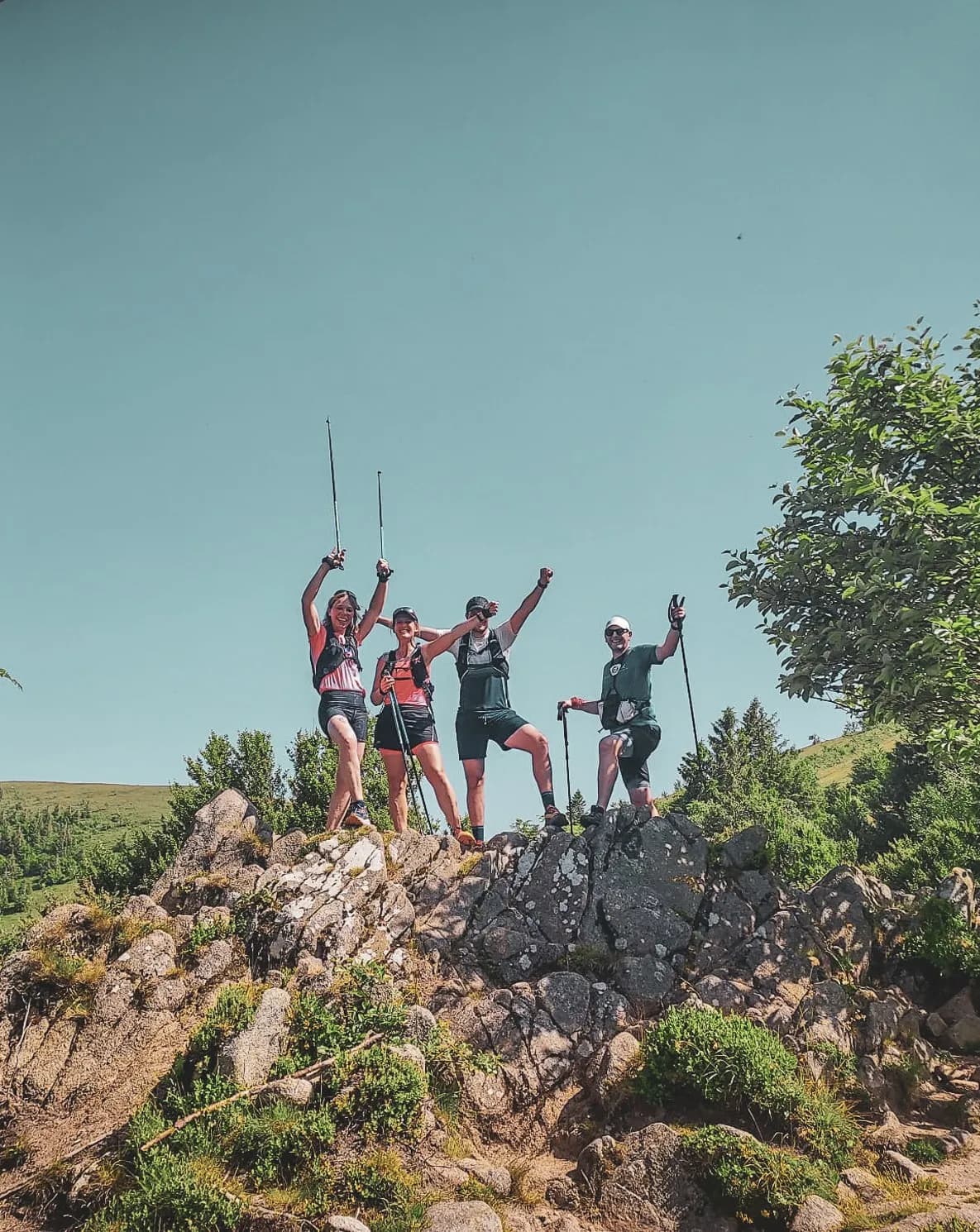
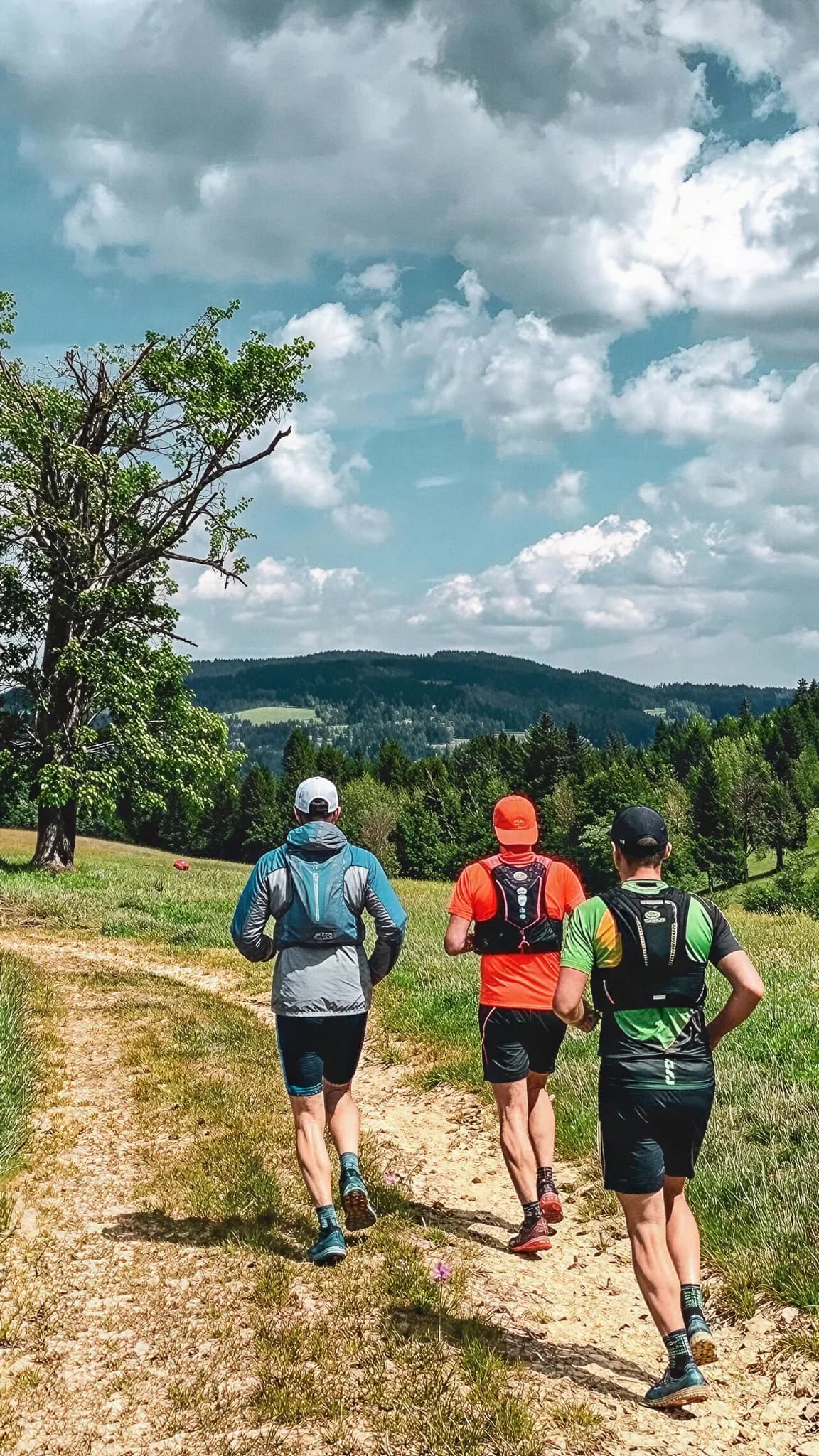
Intro to trail running in the Vosges
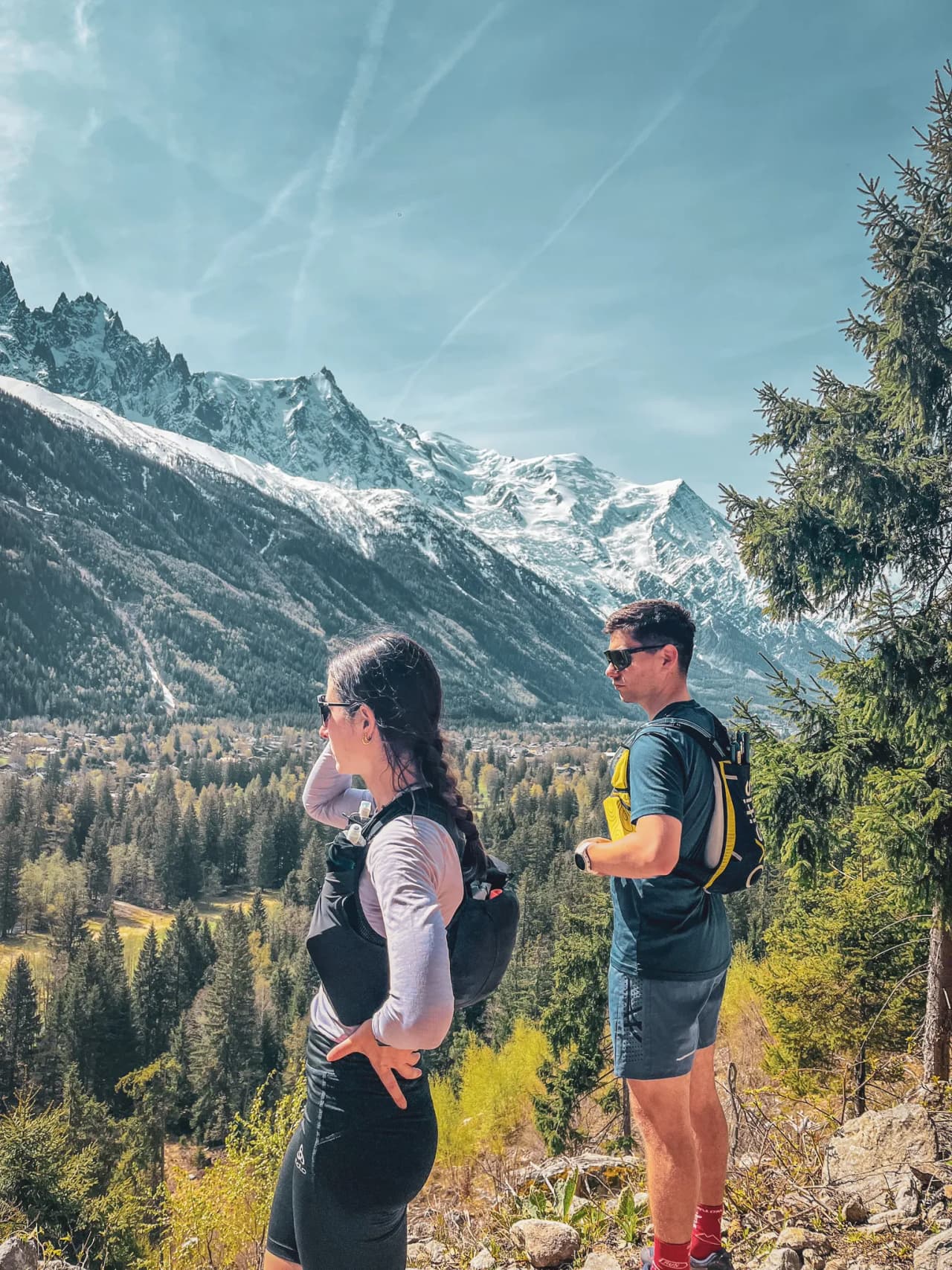
Introduction to trail running in Chamonix, a running camp in the heart of the Mont Blanc massif
Wild trail series: Run in the Jura with Manon and Patrick Bohard
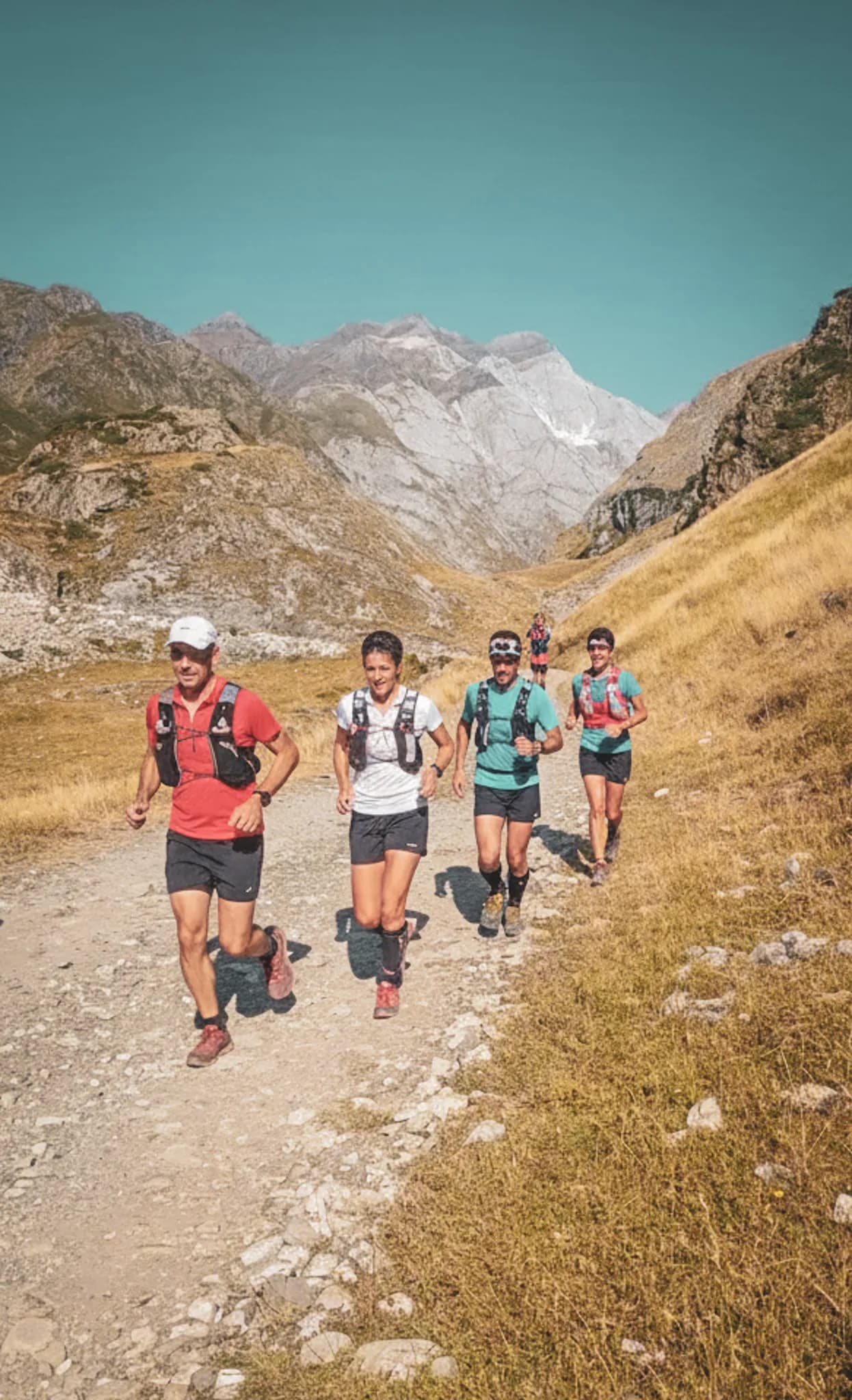
Trail Running Beneath the Cliffs of the Vignemale
More to discover
Keep exploring with these pages and stories picked for you.
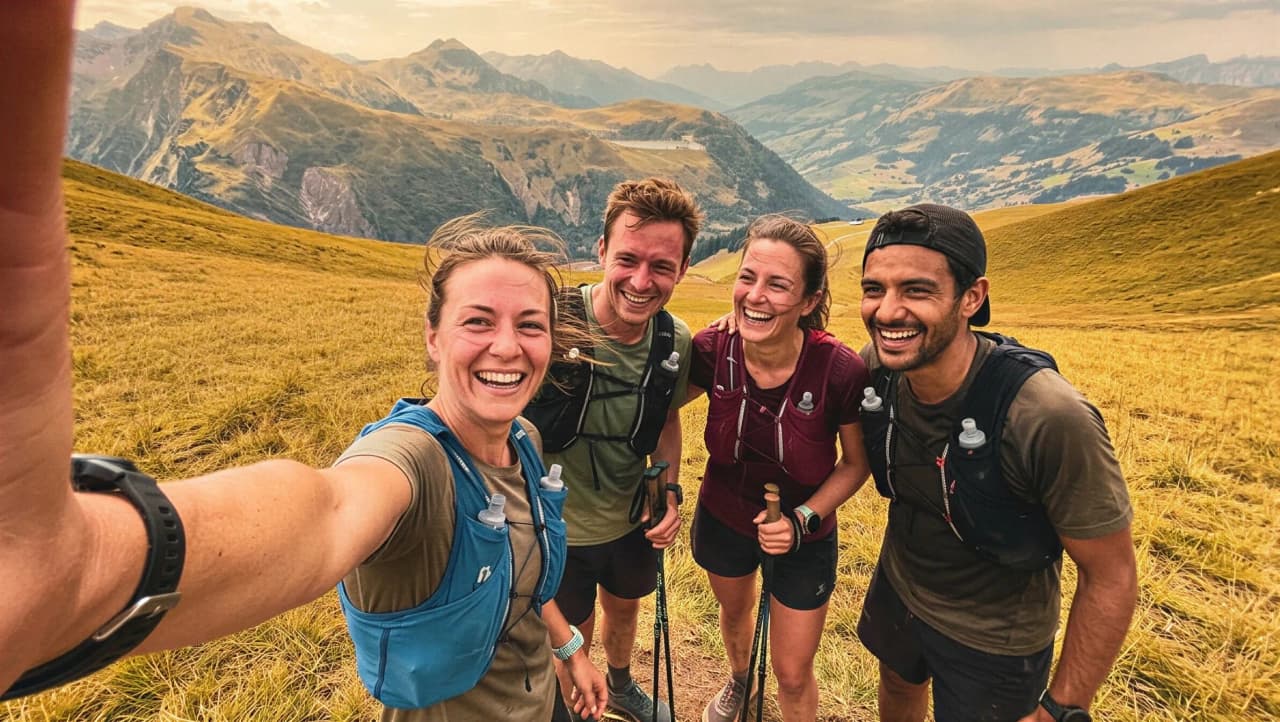
High-altitude traverse or technical camp: your summer choice
Torn between a high-altitude traverse and a technical camp? Compare the 5-day Beaufortain tour with three shorter options by level, season and goals.
From Road Running to Trail: Gear and 6-Week Plan
What really changes, minimum gear and a 6-week transition plan to move from road running to trail without getting hurt.
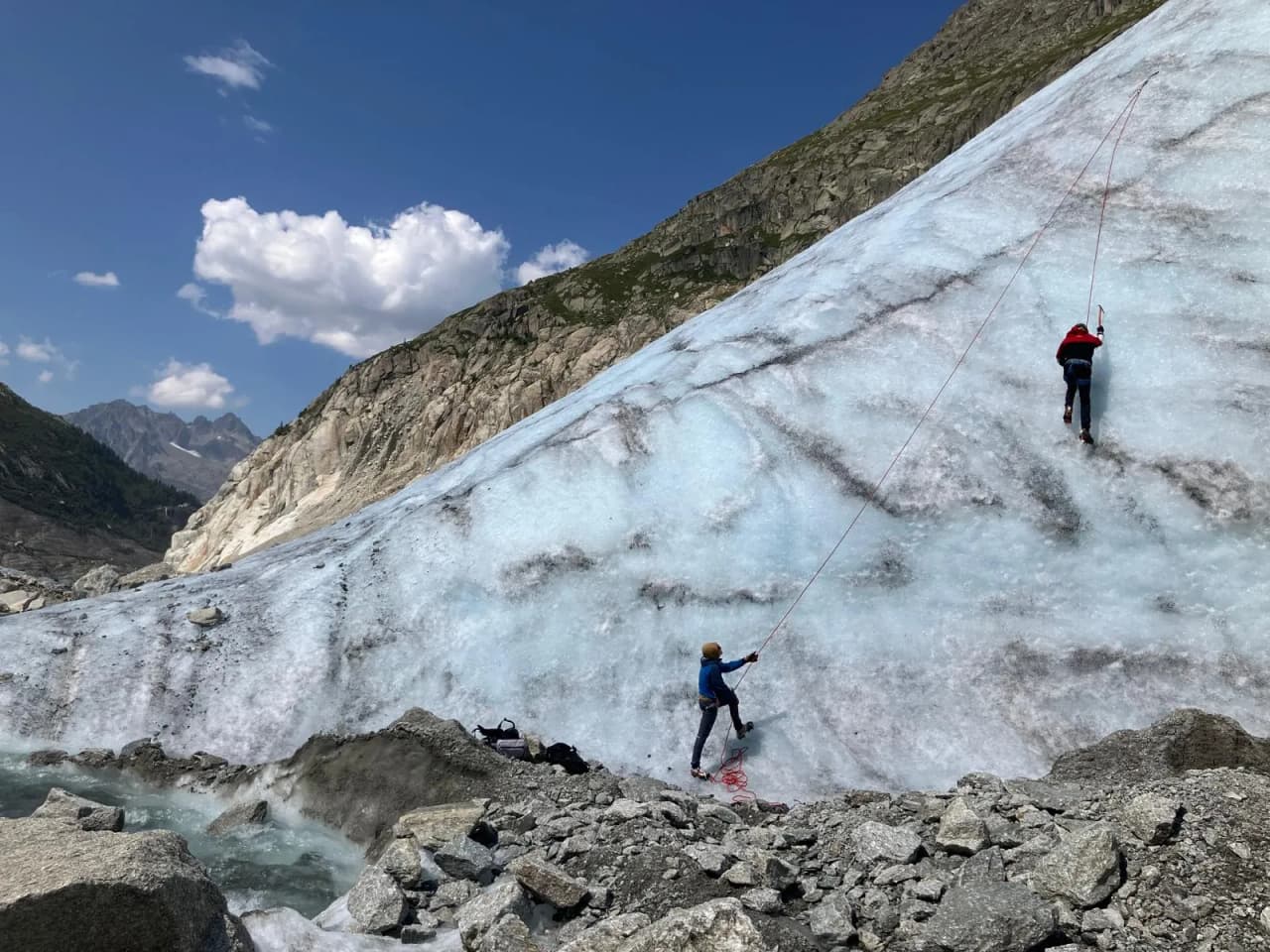
mountaineering course: start your adventure in complete safety
Find out how to start mountaineering and choose the ideal mountaineering course. Advice, equipment and training to make your first summits a success.
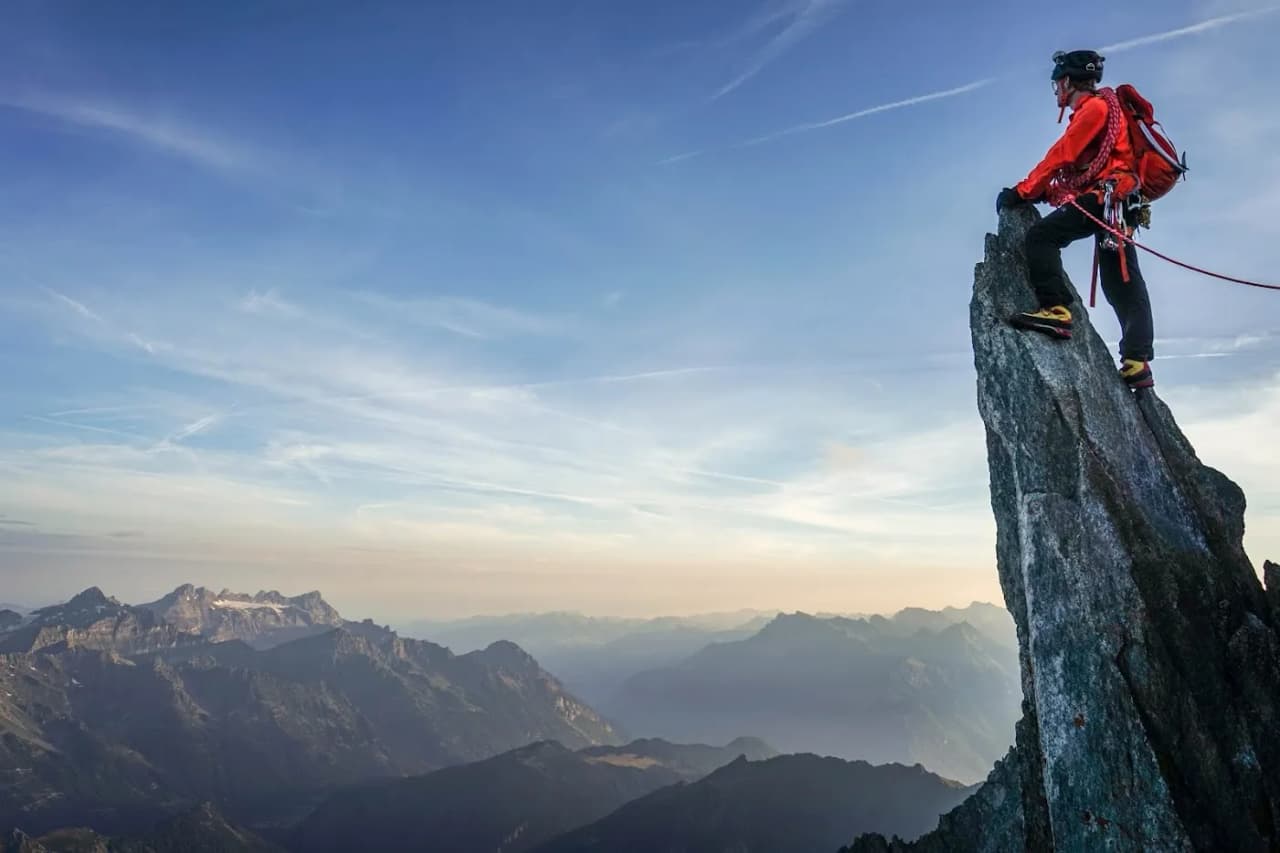
Top 5 Best Mountaineering Courses to Start Your Alpine Journey
Discover the 5 best mountaineering courses for beginners: accessible formats, advice on progress and easy summits to aim for after your introduction.
Top 5 must-do mountaineering courses: from Mont Viso to Chamonix with Wildhartt
Discover the best destinations for a mountaineering course: Mount Viso in Italy, Chamonix in winter, or the natural beauty of the Ecrins.
Wild trails series
Wildhartt has teamed up with iconic ultra-trail athletes to create 3 exclusive courses, designed to help you progress alongside those who experience performance at the highest level.
