Tour du Queyras in 5 days: how to prepare your legs for the GR58
 By Thibault
An 8-week plan for the GR58: hut nights at 2580 m, an optional summit at 3025 m, and legs ready for the descent into the wild Bouchouse valley.
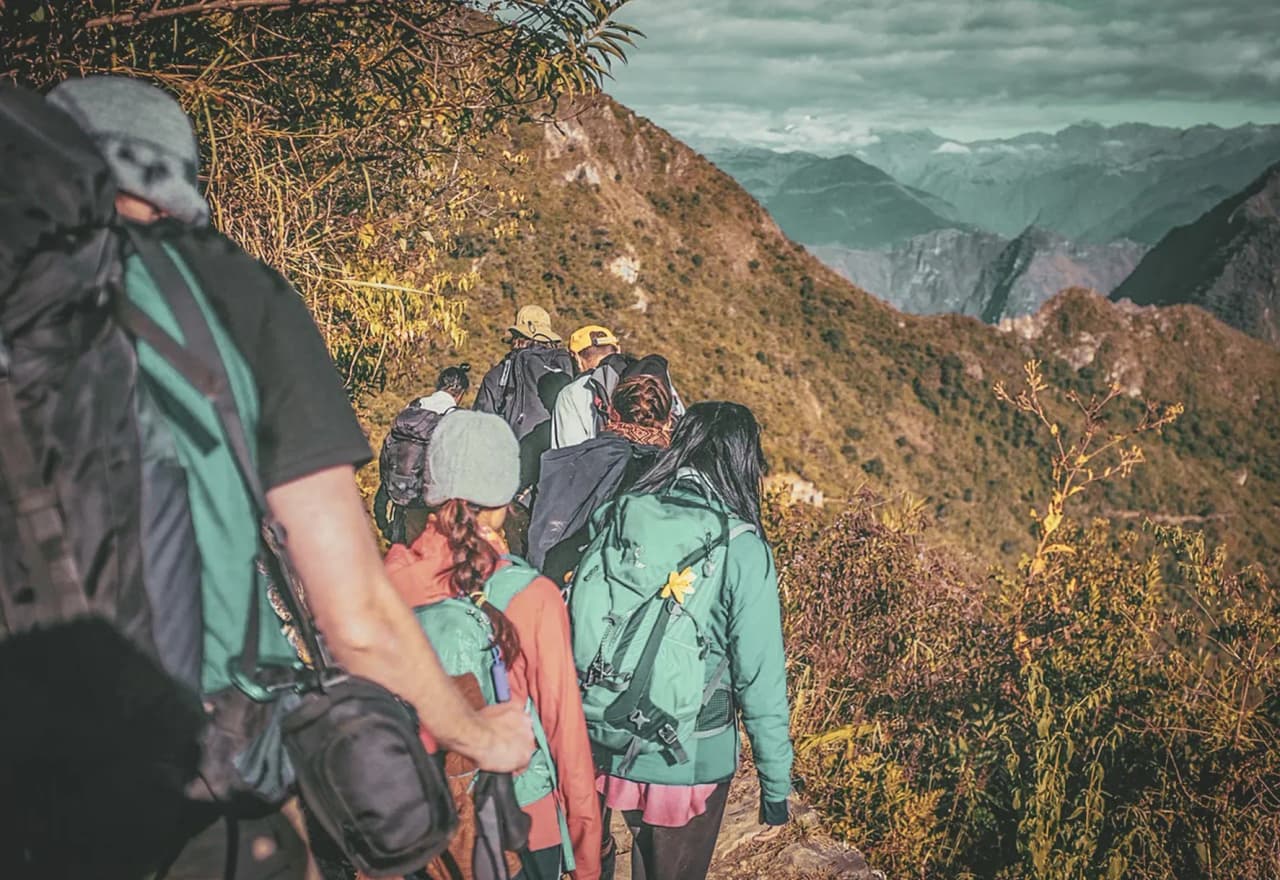
Your guide on this route is Laura, who lives in the Queyras. The five days on the GR58 she'll take you through add up to serious vertical gain, two nights in shared refuges or gîtes, and an optional detour to 3025 m if your legs are willing. Show up unprepared, and you'll spend the week chasing the group instead of looking at Mont Viso on the horizon. This guide builds your training around the real stages of Trek the tour du Queyras, not a generic alpine trek template.
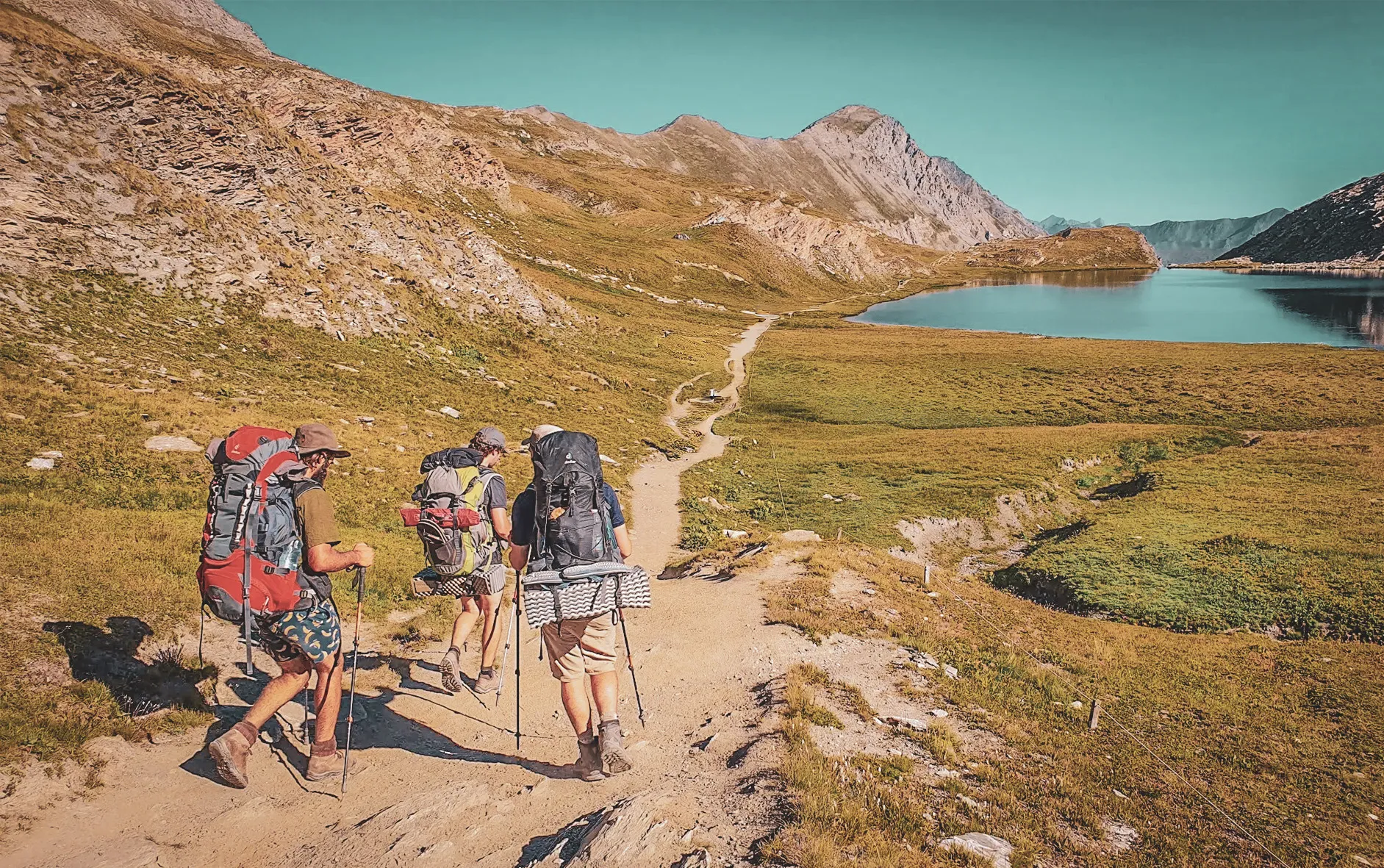
What the GR58 actually asks of your body, day by day
Day 1 is a warm-up, but don't let the word lull you. From Ville Vieille, you pass the Demoiselle Coiffée, a striking rock spire shaped by erosion that sets the tone for the massif, then climb steadily through forest and pasture to Saint-Véran, 2040 m, Europe's highest inhabited village, where you sleep at Auberge Costebelle. An optional extra 300 m is there for anyone chasing a first real taste of altitude. Nothing technical, but long enough to expose a badly adjusted pack or boots you haven't broken in yet.
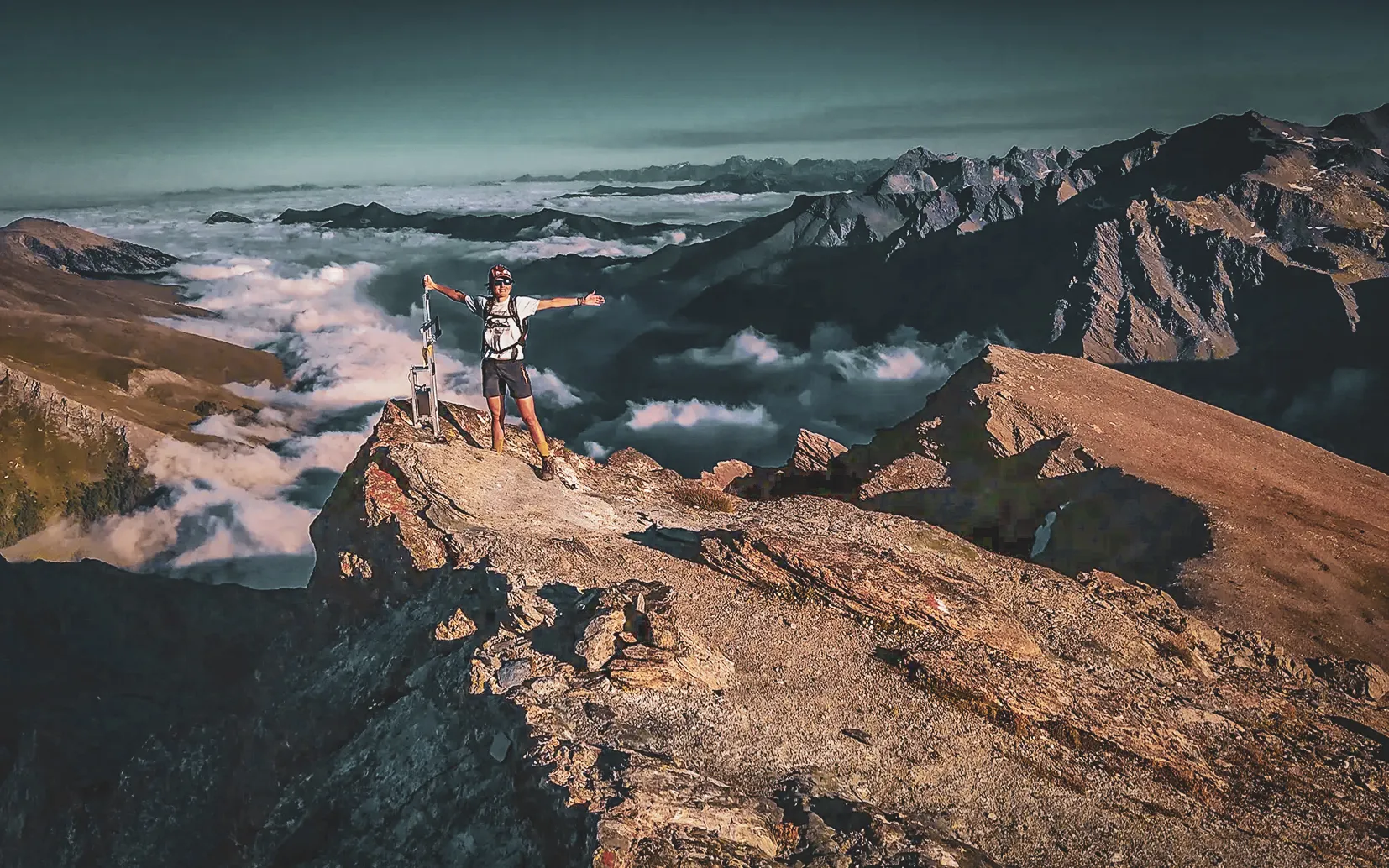
Day 2 is the real shift. You pass the Chapelle de Clausis at 2400 m, a small isolated chapel next to the remains of a copper mine worked since prehistoric times, before climbing through mineral terrain to the Col de Chamoussière, around 2600 m. For anyone with the legs and the time, the Pic de Caramantran at 3025 m opens a 360° view over the French and Italian Alps. You sleep at Refuge Agnel, 2580 m: shared dorm, sometimes short sleep, altitude starting to make itself felt. This is the day your continuous-climbing training should really be built for.
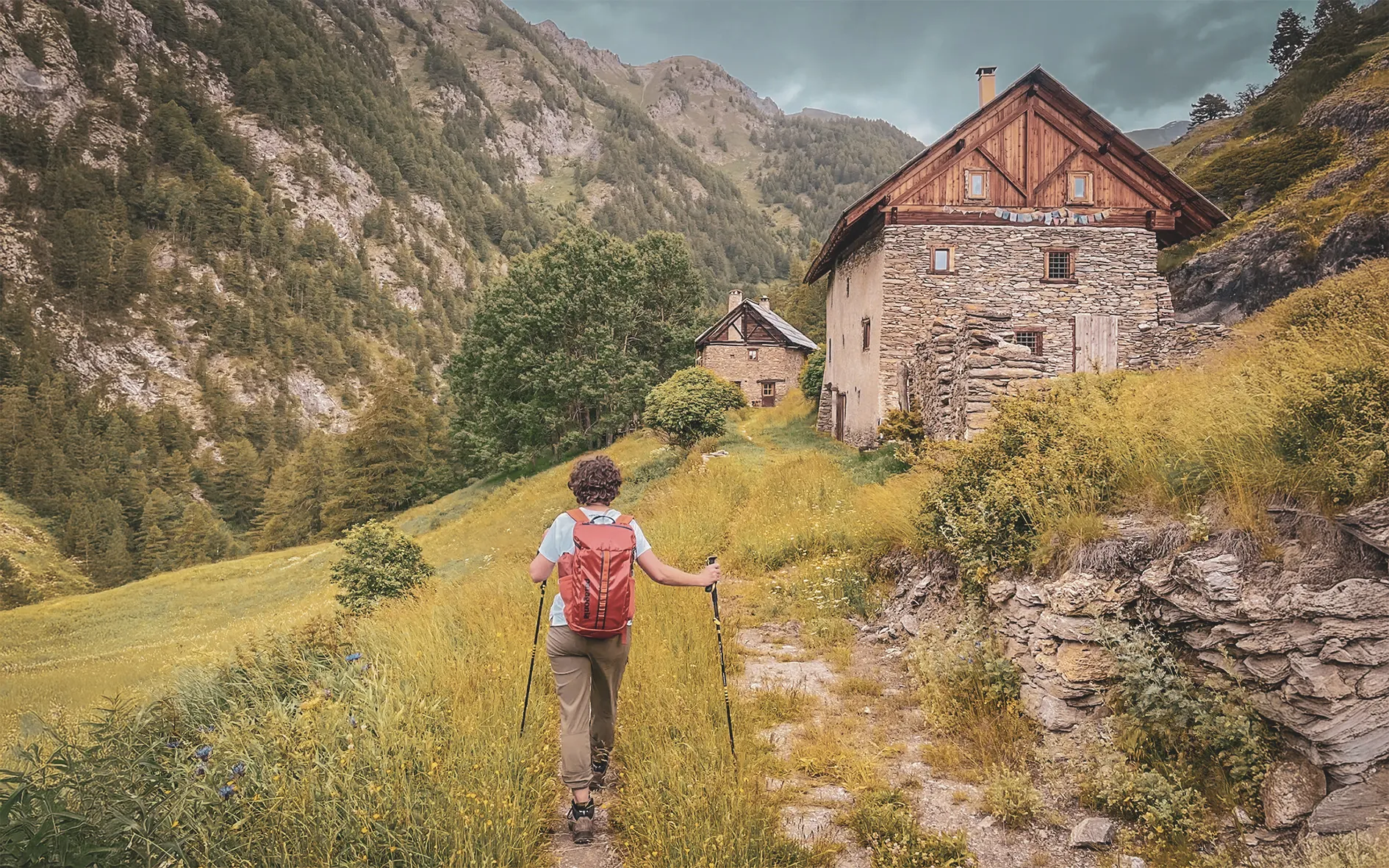
Day 3 changes register completely. The trail drops into the wild Bouchouse valley, where streams, larch forest and high lakes keep alternating, not a steady climb, but ground that shifts constantly underfoot. Pain de Sucre, at 3208 m, is there as an option for the view over the Taillante ridge. The descent to Abriès loads the quads after two days of effort already in the legs: this is where footwork technique matters more than raw power.
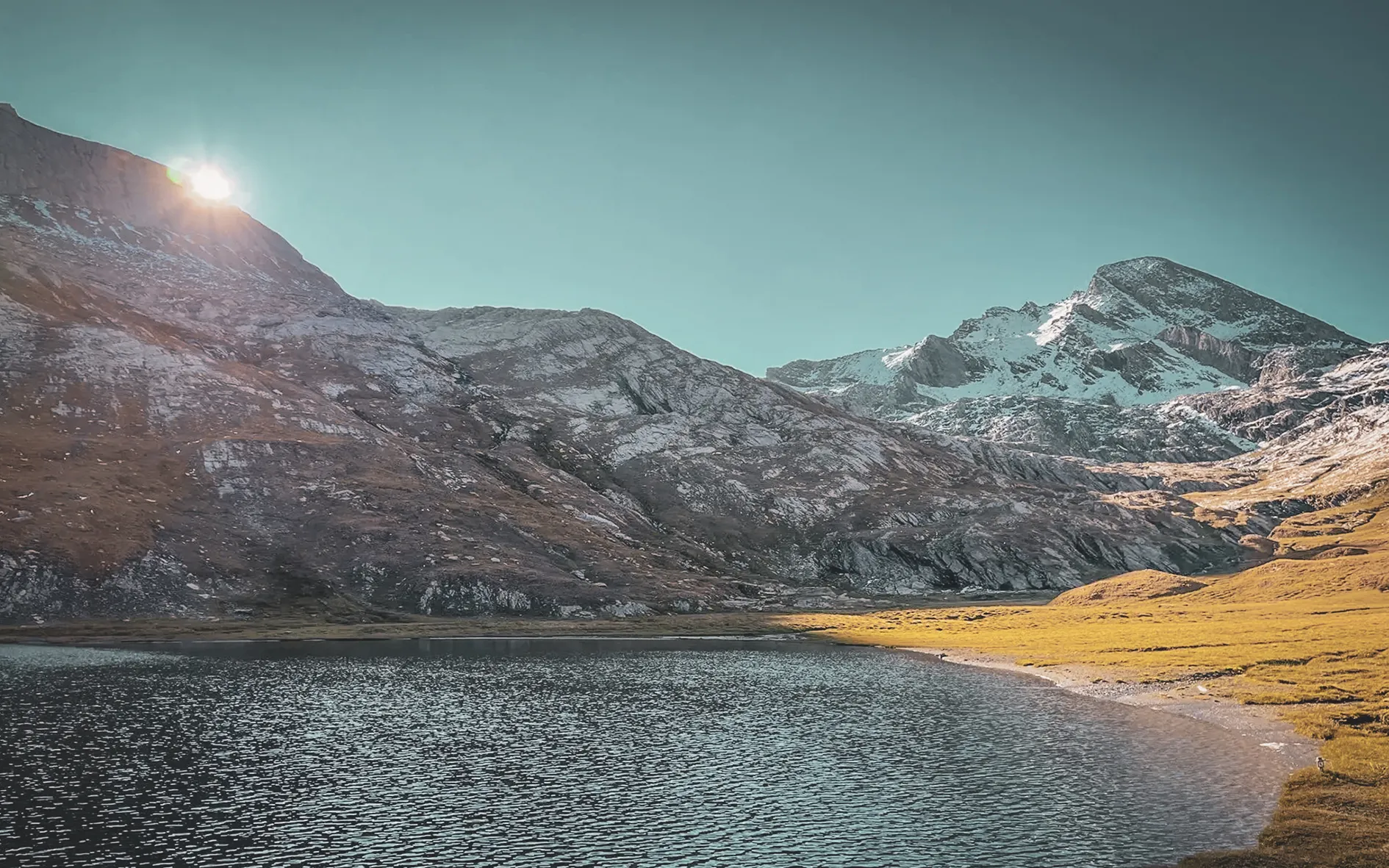
Day 4 climbs to Lac du Grand Laus, 2600 m, passing the half-ruined hamlet of Malrif and its forgotten little chapel. The lake reflects Mont Viso, and it's one of the rare moments on the route where the pace genuinely eases, picnic, a swim for the bold, or a short side ascent. The descent to Aiguilles runs through a gentler larch forest, past the "Belles Américaines", handsome houses built by locals who came home wealthy from the New World. About twelve kilometres to cover late in the day, on legs already carrying three days of wear.
Day 5 is a transition day, not a coast. A balcony trail runs above the valley to Château-Queyras and its medieval fortress perched on a rocky spur, before dropping back to Ville Vieille. It's not the hardest day on paper, but it's the one where mental endurance matters most: holding clean form on legs that have already given plenty.
Keep this sequence in mind: progressive warm-up, long high-altitude climb, wild and technical day, sustained ascent toward 2600 m, then a balcony finish. That's the shape, not a generic "5-day alpine trek" template, your training should follow.
The 8-week plan: why this volume, and not another
The stated level for this trip comes down to three things: roughly 5 hours of walking a day, about 1000 m of average elevation gain, and you carry your own pack, there's no porter service. Those numbers, not generic alpine-trek standards, are what should calibrate your training.
Eight weeks gives a comfortable ramp for this level. Week 1, aim for 5 to 6 hours of activity; week 7, 10 to 12 hours; then a real taper in week 8. Total vertical gain follows the same curve, building toward a specific block of 2000 to 3000 m of ascent spread across one week.
Your week runs on four types of sessions: one long hike on rolling terrain, one hill or stair session for aerobic power, two lower-body and core strength sessions, and one or two easy aerobic outings (cycling, easy running, rowing, 30 to 60 minutes). Keep one true rest day, and one active recovery day.
Raise volume or vertical by no more than 10 to 20 percent a week, back off every third week if fatigue builds up, and schedule a field test hike every two to three weeks on terrain that resembles the Alps. Short on time? A tighter 4-week block still works, with two long hikes including one back-to-back weekend, one hill session, one full strength routine. New to this kind of trip? Spread it over ten weeks instead, with more aerobic base before the specific blocks.
Week by week, matched to the real stages
Weeks 1 and 2: build the base
Lay down an easy-zone aerobic base: 3 to 4 sessions of 30 to 60 minutes, two full strength sessions. Add one 2-to-4-hour hike with 500 to 800 m of ascent, poles in hand, to settle your cadence and breathing. Work step-ups (30-40 cm), lunges, squats, planks, 2 to 3 sets of 8 to 12 reps, bodyweight first, then with a light pack. The mirror target is Day 1: holding a continuous climbing rhythm, pack adjusted, boots broken in.
Weeks 3 and 4: add the load
Stretch the long hike to 5-7 hours, add a 45-to-60-minute hill session with long intervals, and go out once with 10 to 12 kg in the pack to test shoulders and feet. Train controlled descent: eccentric quad work on a bench, stair climbs with a slow descent, 3 to 4 sets. If you can, string together a first back-to-back weekend. These weeks are direct prep for Days 2 and 3: sustaining a long climb at moderate altitude, keeping precise footing on trail that keeps shifting.
Weeks 5 and 6: mountain-specific
Schedule a block of two consecutive hikes, one of them over 8 hours or 1000 to 1500 m of ascent if your local terrain allows. Look for rocky sections to sharpen proprioception and pole technique. If you can, book a night in a hut or shared lodging, dorm room, group sleep, to get a feel for what awaits you at Refuge Agnel. The target here is Day 4: steady pacing on a continuous climb toward 2600 m, real pauses, and a clean restart after the lake stop.
Week 7: peak load
String two intense days back to back, simulating Days 2, 3 and 4: reduced pack weight, rhythm held, varied terrain, long descents. Keep one short hill session and one maintenance strength workout. Test your hydration plan, 500 to 700 ml per hour depending on heat, and steady carbohydrate intake. Visualize the traverse of the Col de Chamoussière: the wind, the footing on scree, managing the altitude.
Week 8: taper
Cut volume to 40-60 percent, keep a little short intensity, sleep more, dial in your food and check your pack. One gentle 2-to-3-hour hike is enough. Look after your feet: daily moisturising, pre-taping hot spots, short nails. Sort out transfers and water points so you arrive without last-minute stress.
Evenings in the hut: recovery, a clear head, a tested pack
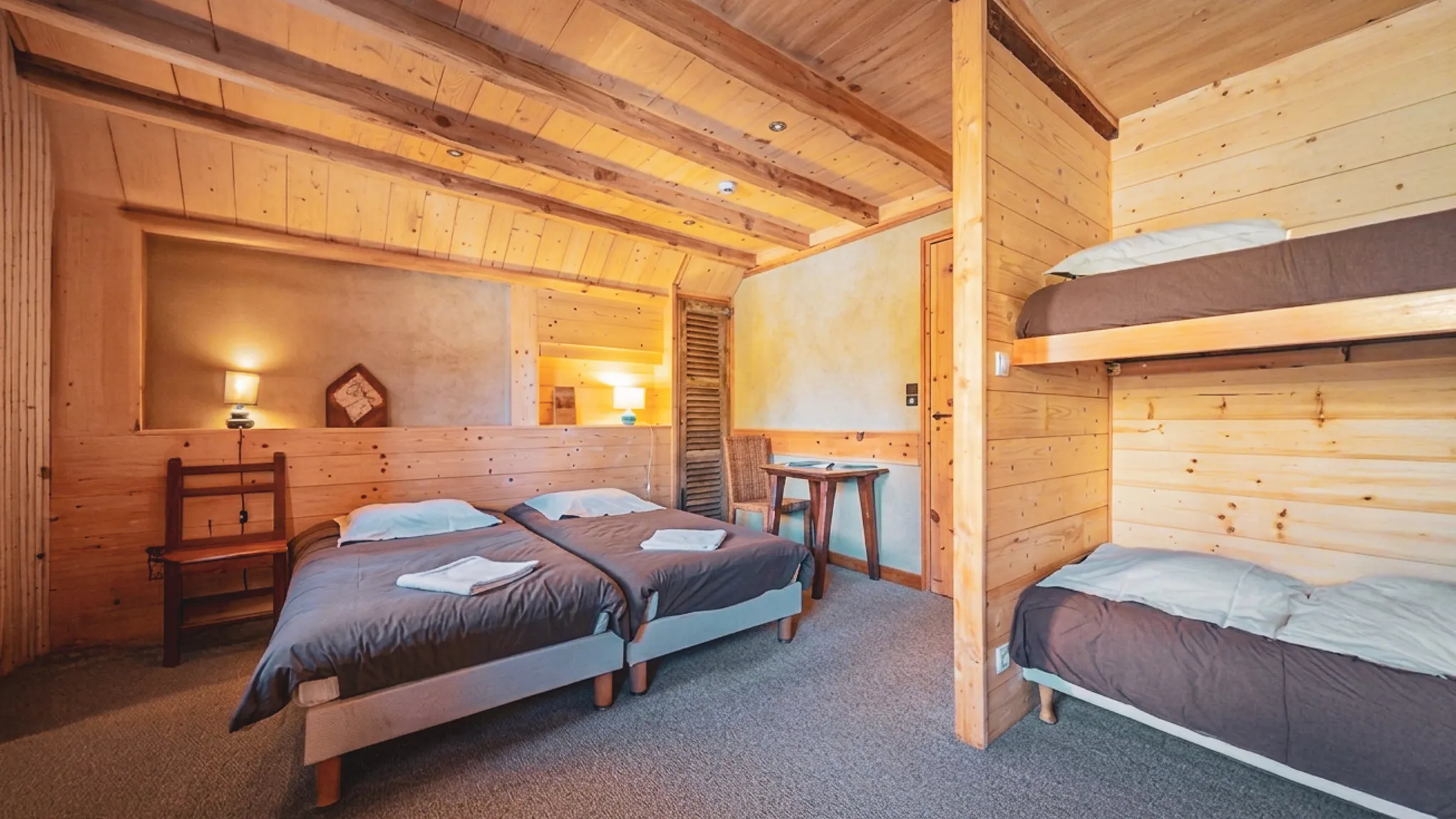
In a hut or gîte, recovery comes down to a few simple habits: 8 to 12 minutes of light stretching at the end of the day (calves, hamstrings, glutes, back), slow breathing to bring your heart rate down, a quick self-massage of calves and feet. Nights are in shared rooms, single beds, no private rooms, so bring earplugs and an eye mask if light sleep is an issue for you. Hydrate as soon as you arrive, in small regular amounts, and pair carbs with protein within the hour after walking.
On the mental side, a short morning routine is enough: three deep breaths, the day's goal stated clearly, and a mental run-through of one key section, the mineral climb toward Chamoussière, the pace to hold on the last day's balcony trail, the attention needed for footing in the Bouchouse valley. Carry a plan B if weather or energy drops: skip Caramantran or Pain de Sucre, start earlier, put safety ahead of the summit.
- 50 l hiking backpack
- Sleeping bag liner for huts
- Closed hiking shoes, ideally waterproof and breathable
- Technical socks
- Fleece and a reliable layering system
- Hooded waterproof jacket, Gore-Tex type
- Light gloves and a hat or cap
- Category 3 sunglasses
- SPF 50 sunscreen and SPF lip balm
- Headlamp with a full charge
Test this kit in real conditions, with 8 to 12 kg in the pack. Adjust pole length for climbs and descents, break in your boots over at least three long outings and, if you can, spend a practice night in a hut or gîte before departure to check your sleep and evening routine.
Good signs before you leave: you can link an 8-hour-plus hike with 1000 to 1500 m of ascent and a 10-to-12 kg pack without falling apart, you manage food and water without bonking, and you sleep reasonably well in a dorm. Two more long outings in the final weeks, then hold your taper. To do this route guided by Laura and her team, check out Trek the tour du Queyras.

Find your next adventure
Browse curated expeditions matching the categories of this article and start planning your next trip.
Find your dream adventure
 Find your dream adventure
You might also like these adventures …
Hand-picked to echo the spirit of this article.

Hiking in Mullerthal: Luxembourg's little Switzerland


A weekend of hiking and stargazing in the Vosges
Stevenson’s trail: hike with a Donkey through the Cévennes

Trek & wild camp in the remote Valgaudemar valley
More to discover
Keep exploring with these pages and stories picked for you.
Train in 6 Weeks for the Wild Vercors High Plateaus Trek
Carrying 8 to 10 kg for four days in a row takes real preparation. Here is the full 6 week training plan for the Vercors High Plateaus trek, day by day.
Climbing the Verdon Gorges: your 6-week training plan
A 6-week plan for the Verdon: the Couloir Samson cable crossing, nights in an inn on the edge of the gorges, a small group guided by Patrick.
Mont Blanc Ski Touring: A 6-Week Training Plan
Prepare for a four-day Mont Blanc ski-touring raid with a six-week plan built around real terrain, altitude and long days.
Mont Blanc or the Arves: choose your ideal alpine traverse
Compare three advanced Alpine formats, technical ridge, high bivouac and ridge-and-hut, across four real itineraries, to match your season, effort and style.
Train for the 3-day Chamonix trail camp in 6 weeks
A gentle six week plan to arrive ready for the Chamonix trail camp with Violette: basic climbing and descending technique, no performance chasing.
Dents du Midi: A 5-Day Itinerary, Day by Day
Plan a five-day Dents du Midi hike with stage details, elevation, tougher sections and highlights for experienced hikers.
