Climbing the Verdon Gorges: your 6-week training plan
 By Marie
A 6-week plan for the Verdon: the Couloir Samson cable crossing, nights in an inn on the edge of the gorges, a small group guided by Patrick.
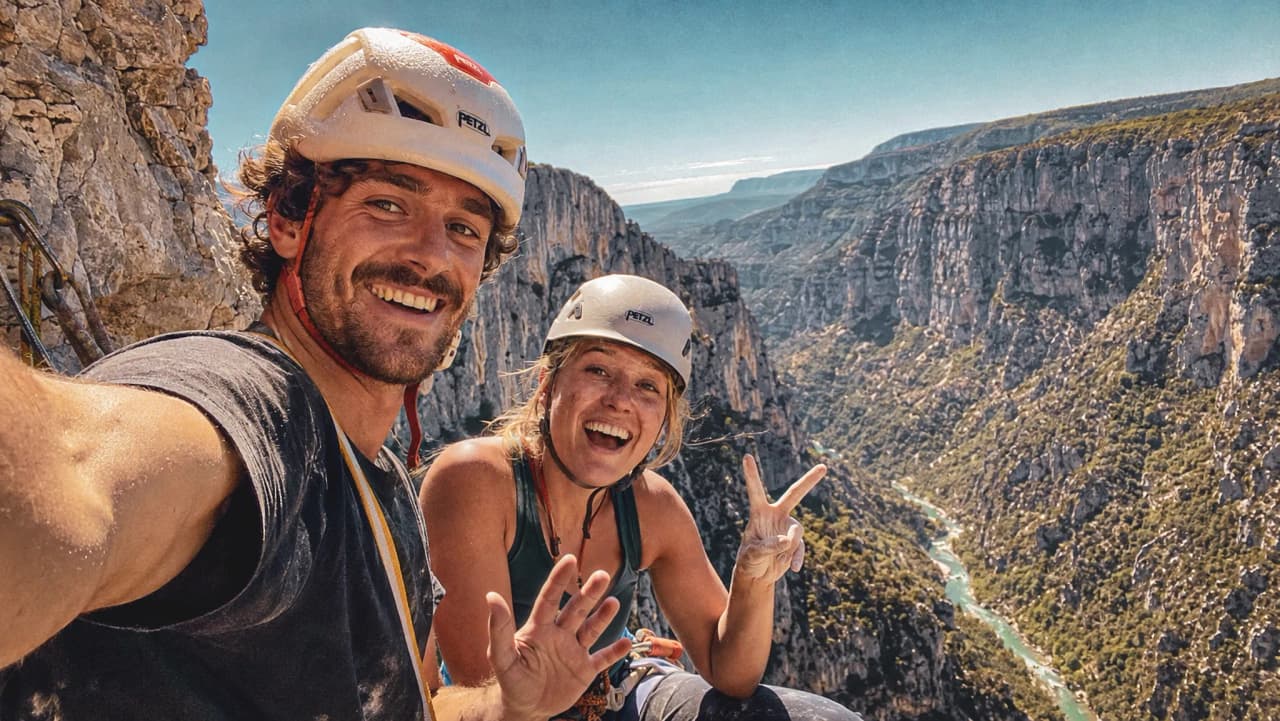
Patrick, your mountain guide, takes you through five days in the Verdon Gorges with a group capped at 4 to 5 people, between legendary cliffs and nights in an inn perched on the edge of the gorges. A five-day intermediate stage like this rewards steady endurance, calm exposure management and smart pacing. Build your preparation around the actual rhythm of Climb & explore the Verdon Gorges in May to June: short but repeated approaches, simple multi-pitch along the rim on day two, the Couloir Samson cable crossing and brief via ferrata to the Hulk cave on day three, a technique-focused day four, then an active-recovery hike on the Martel trail to close. Below is a six-week plan, a simple mental routine and how to apply both, day by day, once you arrive in La Palud-sur-Verdon.
Baseline check and practical tests before you go
Four to six weeks out, take an honest snapshot of your current capacity. For finger and pulling strength, aim to manage 2 to 5 strict pull-ups cold, hold a two-handed hang on a 20 mm edge for 10 to 12 seconds, and clip cleanly on sight around 6a indoors. For climbing endurance, target either 20 to 30 minutes of continuous very submaximal roped climbing, or 6 to 8 routes at 5c to 6a with about two minutes of rest between. For aerobic base, run or ride 30 to 40 minutes at an easy conversational pace, no intensity spikes. For approaches, try a hike with meaningful vertical gain carrying a 6 to 8 kg pack, and stay smooth on the descents.
Watch your technique under mild fatigue. Quiet feet, hips stacked over edges, quick route reading and steady breathing are the anchors. If your toes skid, if you overgrip or if pump builds fast, note it and bias your training toward foot precision and climbing-aerobic continuity.
Use this checkpoint to confirm your essentials fit and feel familiar. A helmet and harness can be rented on site, but make sure the models you will use are comfortable. If shoulder, elbow or finger pain appears, reduce volume immediately, seek advice if needed and defer the trip if an acute injury is brewing. Keep a weather margin in mind too, as spring storms can appear late in the day and may require flexibility.
A six-week physical plan that mirrors the trip
Structure each week on four pillars: finger and pulling strength, climb-specific endurance, technique and footwork, and cardio for approaches. Add two short core and mobility sessions, and keep at least one full rest day. Build volume for three weeks, unload the fourth, then nudge back up in weeks five and six before a light taper in the last three days.
Finger and pulling day: hangboard and pull. Do 4 to 6 sets of 10 to 12 second maximal two-handed hangs on a 20 mm edge with 2 to 3 minutes rest. Follow with 3 to 5 sets of strict pull-ups, adding weight only if your form stays crisp. Finish with about eight minutes of mixed core and shoulder mobility.
Endurance climbing day: chase continuity. Accumulate 25 to 35 minutes of easy roped climbing at roughly 60 percent of your max, or do 3 to 4 lead routes around 6a to 6b with five minutes rest. Seek relaxation, early clips and deliberate breathing, and avoid constant shaking out.
Technique and feet day: precision over difficulty. Choose easy to moderate boulders and traverses, work on inside and outside edges on small holds, balance changes and slow movement. Film a couple of attempts to check where your hips and gaze go when you hesitate, then correct on the next go.
Cardio-approach day: brisk movement with load. Walk or take stairs for 45 to 75 minutes carrying a 6 to 8 kg pack. Add five repeats of three minutes of purposeful uphill effort with two minutes easy to mimic approach surges and moving out of belays.
Core and mobility, twice a week for 15 minutes: side plank variations, hollow holds, thoracic spine rotations, hip openers, calf work and gentle finger flexor mobility. A few sets of scapular push-ups keep the shoulder complex happy.
Adjust to your profile. If you are experienced, keep one high-intensity boulder session and experiment with smaller edges on the board with full recoveries. If you are solidly intermediate, live in the 6a to 6b volume and prioritize foot placements. If you are returning from a layoff, minimize pull-ups, use assisted hangs, and stack short continuity bouts with a two-days-on, one-day-off rhythm. Across all levels, avoid max efforts in the final 72 hours and protect two full nights of sleep before departure.
Mental preparation and how to make good calls on the day
Install a simple daily routine. Morning and evening, do four cycles of box breathing, four seconds in, four hold, four out, four hold. Visualize three scenes: a clean shoulder-height clip, a comfortable rest with a knee or hip drop on a feature, and a calm, controlled rappel. In the gym, practice controlled lead falls with good belayer attention, clipping above hip height to re-normalize exposure.
Create two brief checklists. As a leader: study the line, set clip cadence and identify rests, keep communication clear. As a second: manage slack, anticipate traverses, memorize crux feet and build tidy anchors. Each morning at the inn, do a three-point micro-brief: the day's technical focus, your personal limit for the day, and a hydration strategy.
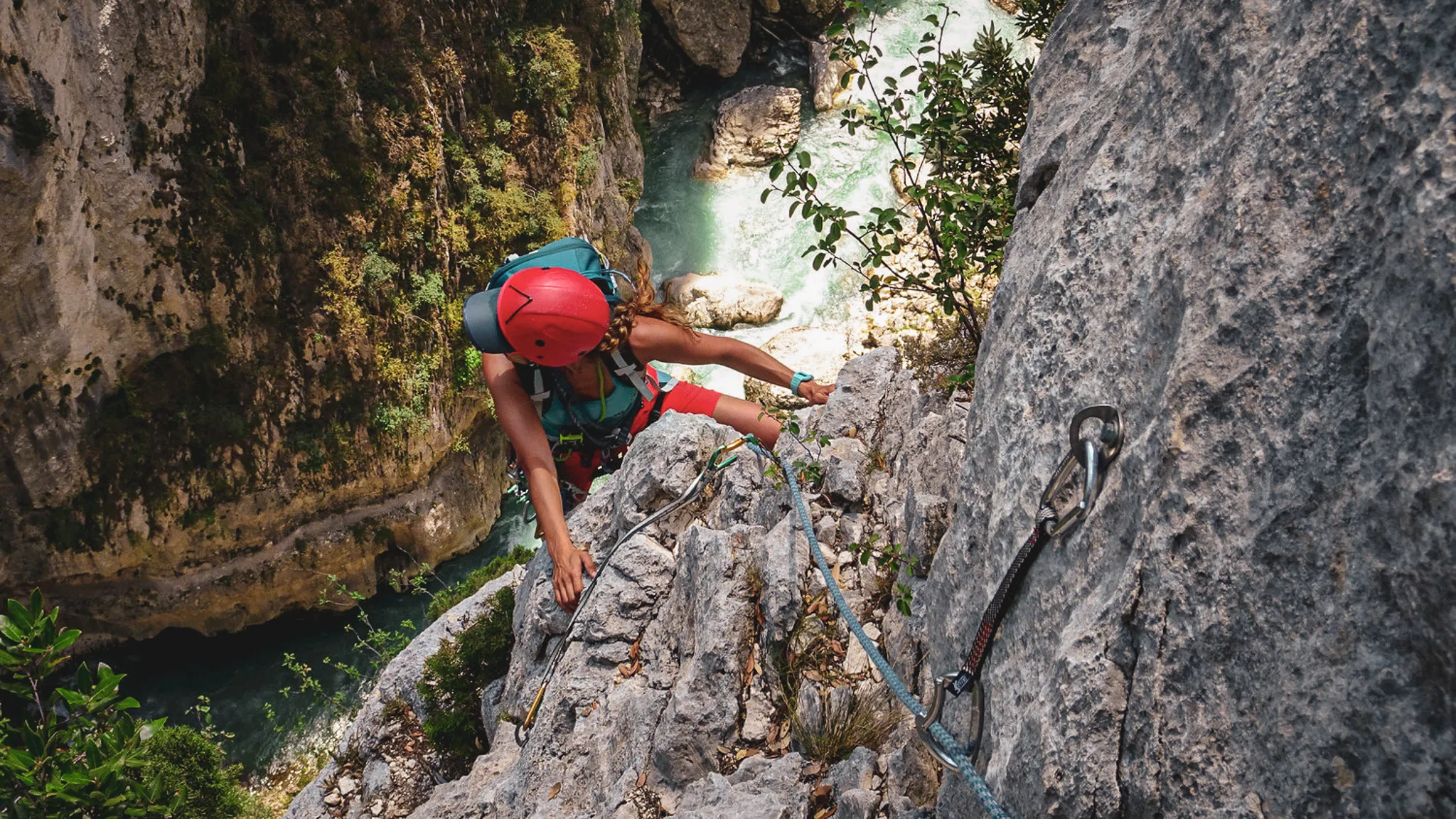
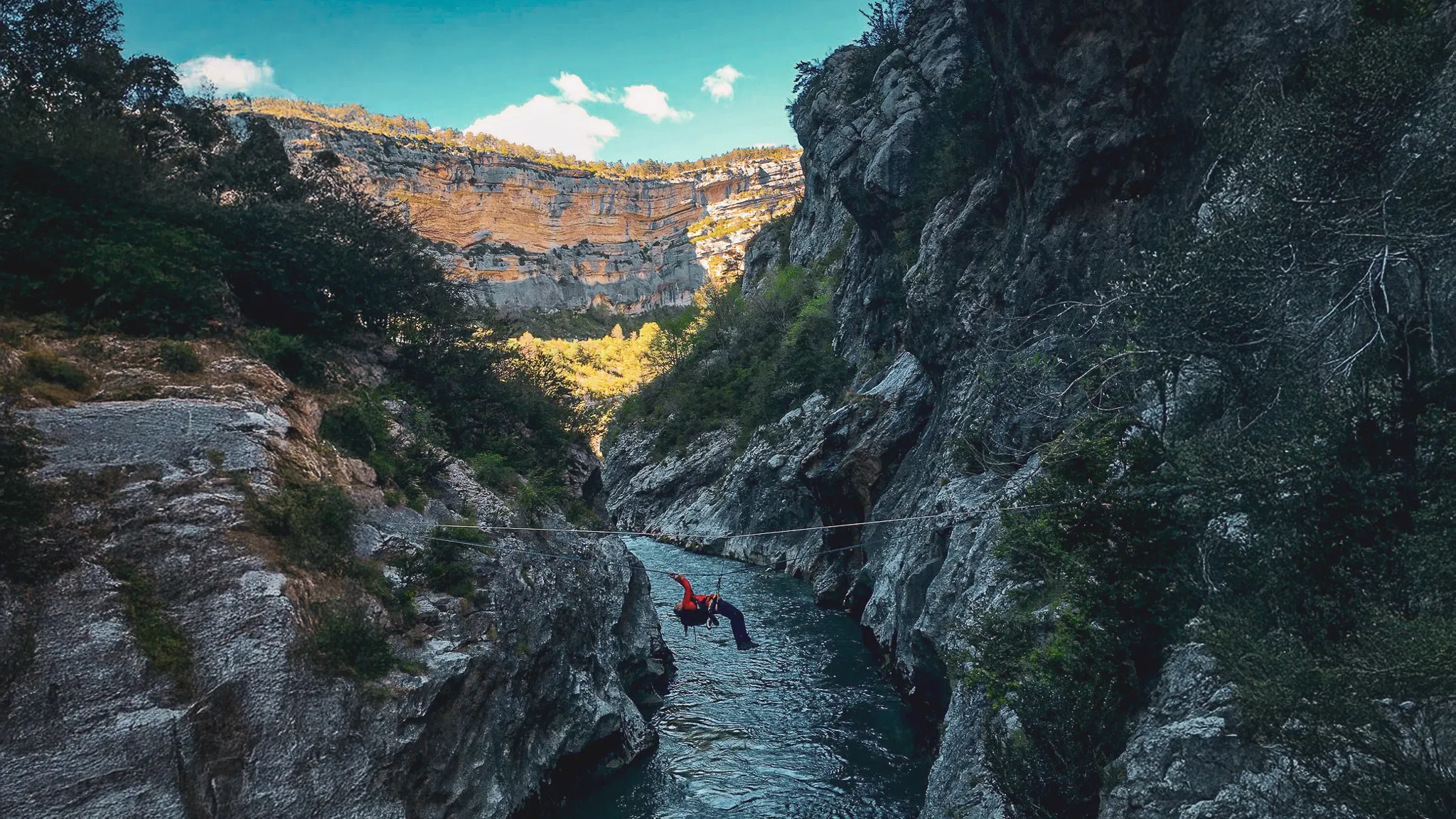
Specific to Couloir Samson: the cable crossing and short via ferrata to the Hulk cave reward economy of motion and a steady tempo. Before the trip, try a monkey-bridge in a gym or a local easy via ferrata to refresh that movement pattern. On the day, place feet and hands with intent, keep a nasal-breathing rhythm and ignore the void, looking to the next placement. Along the rim on day two, when the height feels vast, lock your eyes on the next hold, not the river below.
From May to June, sun and wind increase dehydration and a passing storm can change plans. Agree with Patrick on plan A, B and C sectors and be ready to shift orientation based on what he sees on the ground. At the first signs of overheating, move to shade, wet cap and neck, and increase salt slightly. Your guide's job is to filter objective hazards, choose the cliff and decide if it is time to retreat; align with those calls and stay present to instructions. Carry an ID and health card, and be willing to step back for the day if cognitive fatigue creeps in.
Put it into practice across the five days, plus logistics, fueling and recovery
Day 1, a backcountry cliff near La Palud-sur-Verdon. Meet at 10am at the inn for coffee and introductions, then the group picks the day's site based on conditions. Treat it as activation and setup. Arrive warmed with 15 minutes of brisk walking, then do footwork drills and two easy routes before touching anything near your limit. Focus on breathing patterns and placing high, efficient clips. Back at the inn, perched on the edge of the gorges with a sweeping view from the terrace, spend 10 minutes on gentle self-massage before dinner.
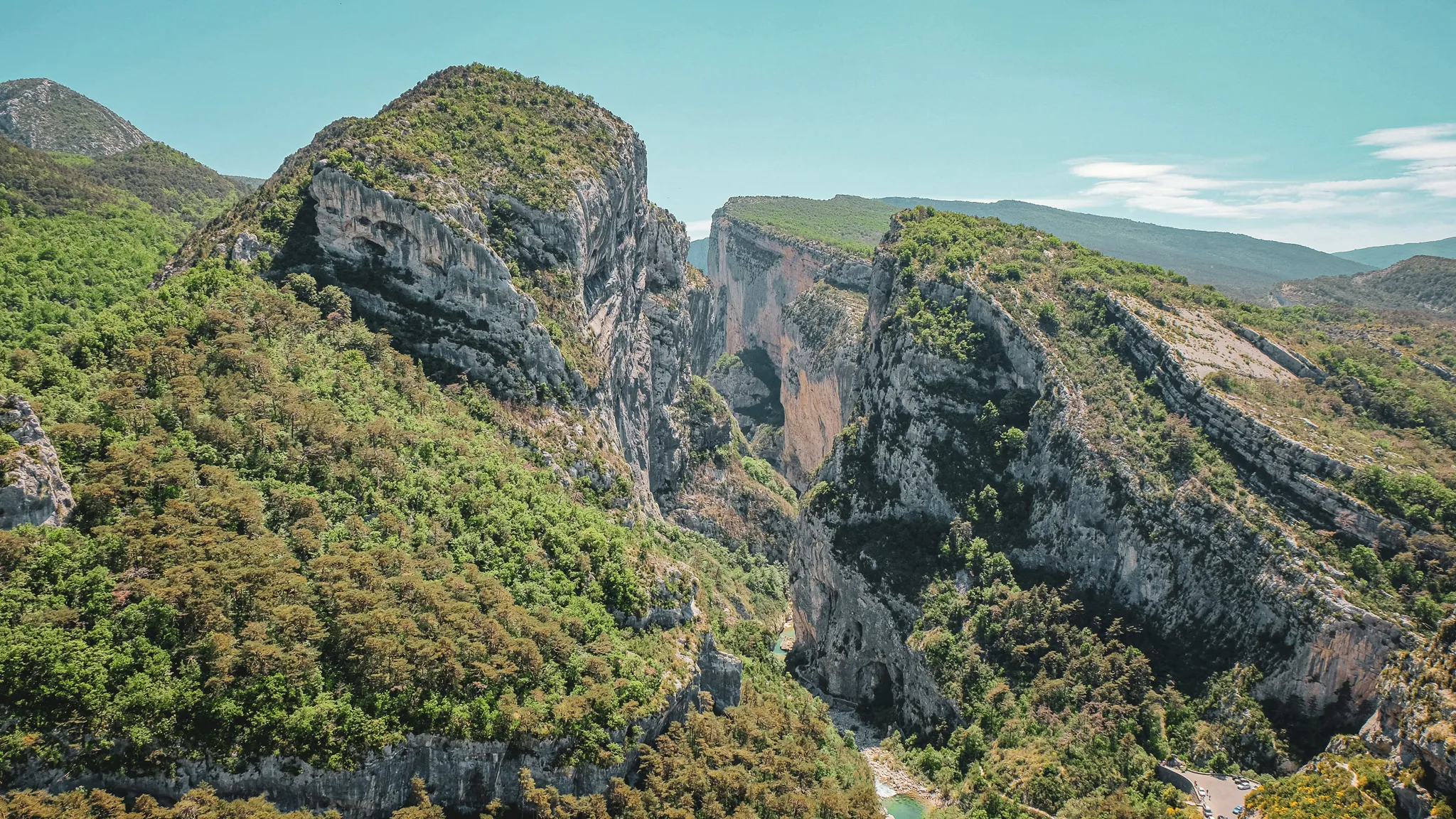
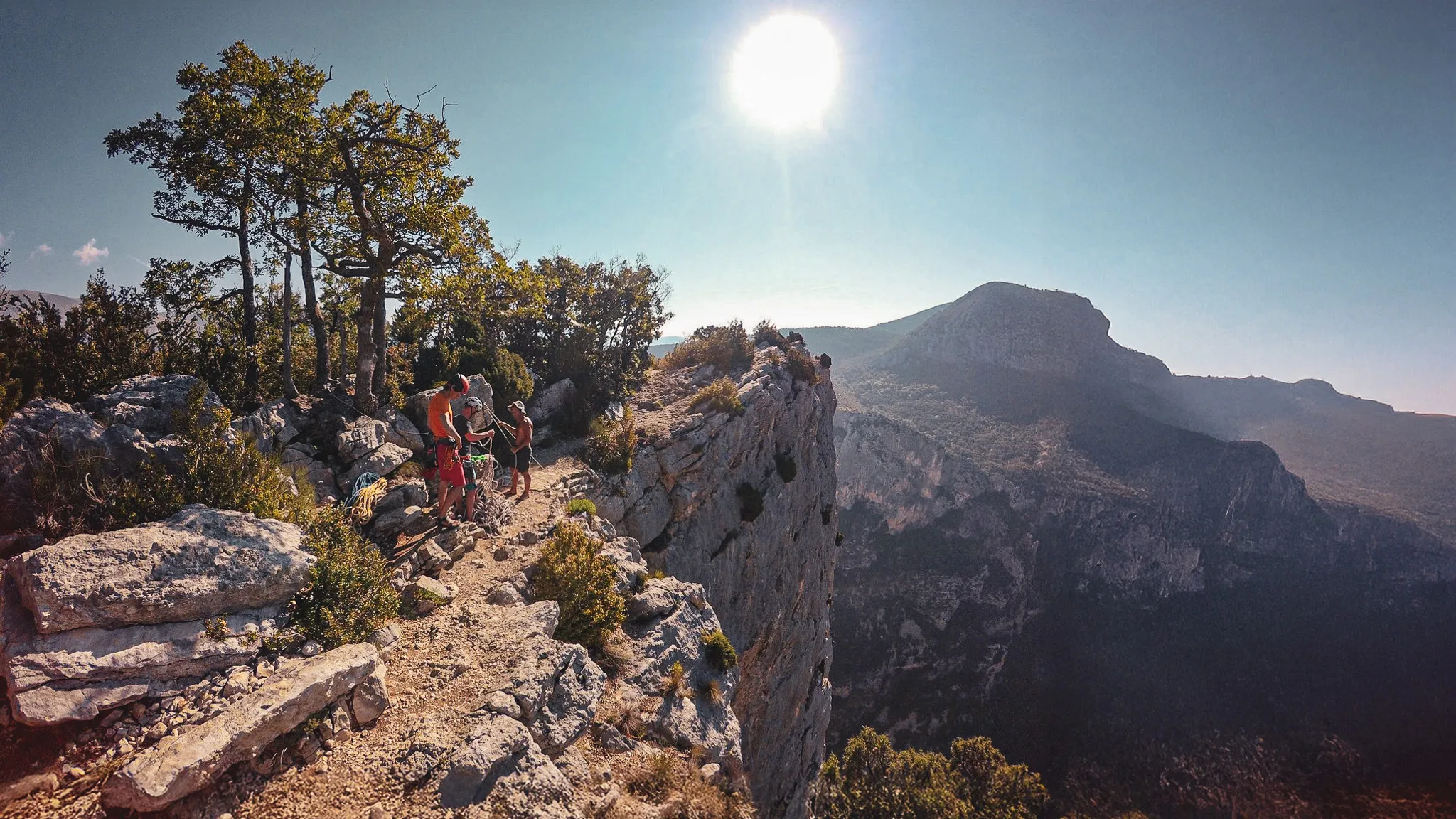
Day 2, viewpoints and simple lengths along the rim. The goal is to get comfortable with height. Use your mental routine when approaching belays, narrate each maneuver with your partner. At the viewpoints, Patrick shares stories about the historic routes that made the Verdon famous among climbers worldwide, and emphasize fluid link-ups over grade chasing. Start sipping early, as the plateau bakes quickly in the sun.
Day 3, Couloir Samson to the Hulk cave. Today is about exposure management and precision. Rehearse the cable crossing mentally over breakfast, pick three visual foot markers before stepping onto the airy section and keep your cadence. On the routes, favor endurance lines that do not empty the tank, on rock renowned for its quality, and, if conditions allow, enjoy a refreshing swim in the river on the way back.
Day 4, technique day on a cliff chosen for conditions. Time to consolidate progress. Try a route at your trip-high point, picked with Patrick to stay within your means before any final redpoint. Emphasize quality rests and long-distance route reading to prepare for section transitions.
Day 5, the Martel trail. Use it as active recovery and a tidy close. Walk at a relaxed tempo, keep calves soft on descents and maintain an open posture for easy breathing. Let the proximity of those big walls, once climbed by some of the sport's greats, anchor what you learned, without forcing on any slick steps.
To keep steady energy across the stage, keep logistics simple. Standardize one 20 liter pack, plan your pauses and eat small, regular snacks. In the evening, dine early with a bias toward complex carbohydrates and moderate protein, then aim for 7 to 9 hours of sleep. When heat rises, add roughly half a liter to three quarters of a liter of water over the day with electrolytes.
- Essentials for a 20 liter day pack: SPF 50 sunscreen, SPF lip balm, category 4 sunglasses, sun hat or cap, a layering fleece, a light down jacket, hiking pants, comfortable approach shoes, climbing shoes and chalk, a climbing harness and helmet, bottles totaling 1.5 to 2 liters, and a few bars or dried fruit. Harness and helmet can be rented if needed.
Build a short daily reset: five minutes of gentle stretching for finger flexors, forearms, calves and hips, then a quick foot self-massage to prevent hotspots. Monitor fingertip skin, sand calluses lightly and cover any irritation early.
Prioritize climbing endurance, reinforce fingers and pulling without frying yourself, and repeat a simple mental routine. Then apply it day by day to the real terrain of the Verdon. Reduce the plan to three daily anchors on the trip itself: a technical cue to practice, a reasonable volume target and a non-negotiable recovery step, then check in with Patrick to fit these markers to your own experience and the group's actual program.

Find your next adventure
Browse curated expeditions matching the categories of this article and start planning your next trip.
Find your dream adventure
 Find your dream adventure
You might also like these adventures …
Hand-picked to echo the spirit of this article.


More to discover
Keep exploring with these pages and stories picked for you.
Tour du Queyras in 5 days: how to prepare your legs for the GR58
An 8-week plan for the GR58: hut nights at 2580 m, an optional summit at 3025 m, and legs ready for the descent into the wild Bouchouse valley.
Train in 6 Weeks for the Wild Vercors High Plateaus Trek
Carrying 8 to 10 kg for four days in a row takes real preparation. Here is the full 6 week training plan for the Vercors High Plateaus trek, day by day.
Mont Blanc Ski Touring: A 6-Week Training Plan
Prepare for a four-day Mont Blanc ski-touring raid with a six-week plan built around real terrain, altitude and long days.
What to pack for a portaledge overnight at Freyr
A focused guide to what to pack for a portaledge overnight at Freyr, aligned to the 2‑day program from May to September with real trade‑offs.
Train for the 3-day Chamonix trail camp in 6 weeks
A gentle six week plan to arrive ready for the Chamonix trail camp with Violette: basic climbing and descending technique, no performance chasing.
High-altitude traverse or technical camp: your summer choice
Torn between a high-altitude traverse and a technical camp? Compare the 5-day Beaufortain tour with three shorter options by level, season and goals.
