Dog Sledding in Lapland: How It Works, Cost, Activities
 By Marie
Daily schedule, minimum age, real budget and included activities: everything to prepare your first dog sledding trip in Lapland.
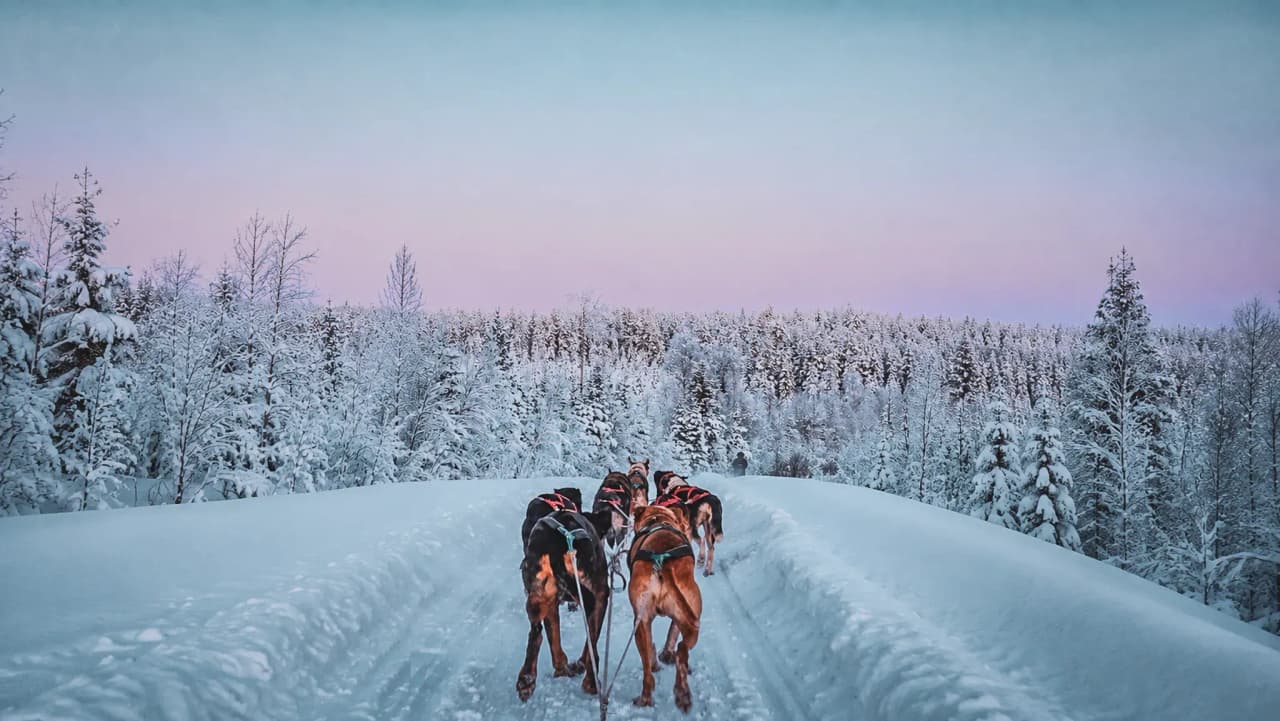
A dog sledding trip in Lapland is not a 20-minute ride behind someone else's team: on a real guided trip, you learn to drive your own sled, sleep in a chalet deep in the forest, and move through several Nordic activities over a full week. No prior experience is needed, but it helps to know what to expect before booking: how the days unfold, where to go, what it costs, and what separates a real immersion from a quick tourist ride.
How a dog sledding trip in Lapland actually unfolds
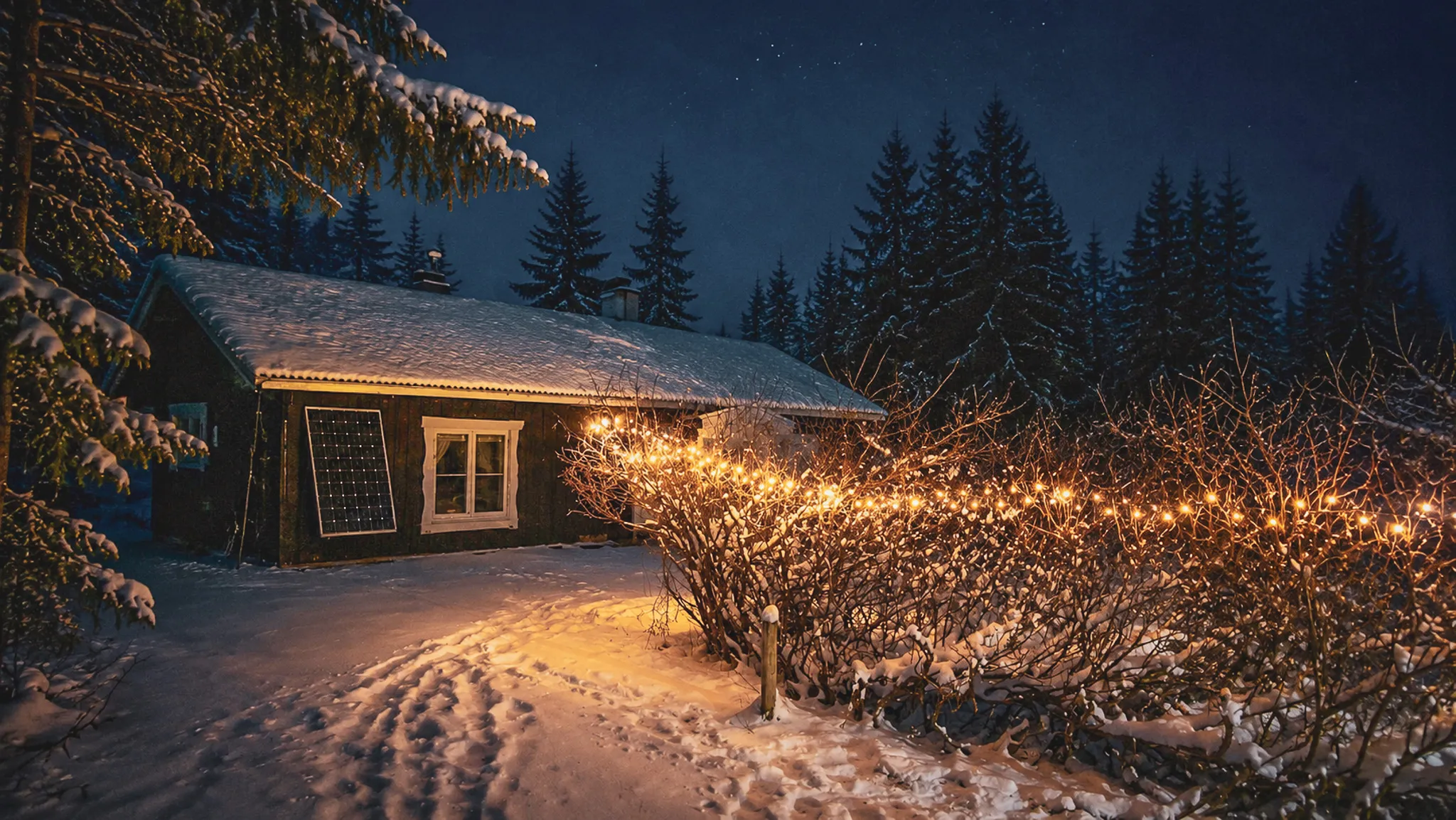
Days start with a safety briefing: how to brake, how to keep both hands on the sled at all times, how to communicate with the dogs. On a week-long trip, the first day is for meeting the pack (often 50 to 60 dogs, each with its own name) and running through technical drills before driving solo, under supervision, the next day. The following days alternate between sled driving, other Nordic activities (snowshoeing, cani-hiking), and free time back at the chalet, sauna included. A cultural visit to Sami heritage or an evening under the northern lights often rounds out the programme, weather and season permitting.
Driving your own team: what you need to know
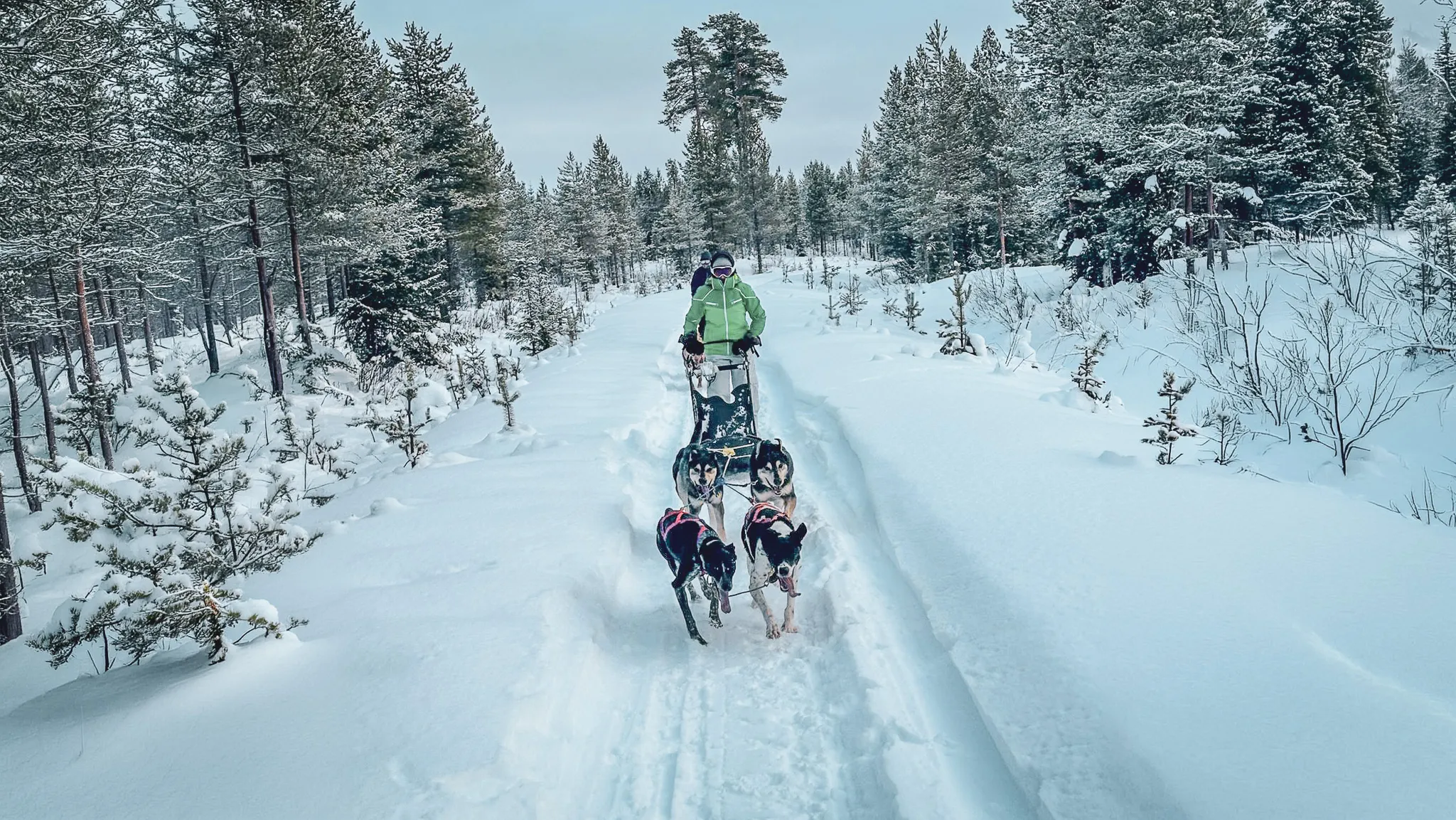
No mushing experience is required: after the first day's briefing, each participant drives their own team of 3 to 4 dogs, with a musher staying close by. The single most repeated safety rule is to always keep both hands on the sled, even when stopped: a team that senses a loose grip takes off instantly. Everything else comes quickly, as long as you stay focused and follow the musher's pace rather than pushing ahead of the group. If you want to arrive in shape, our eight-week training plan for a dog sledding trip covers the right benchmarks.
Caring for the dogs: part of the trip, not a side note
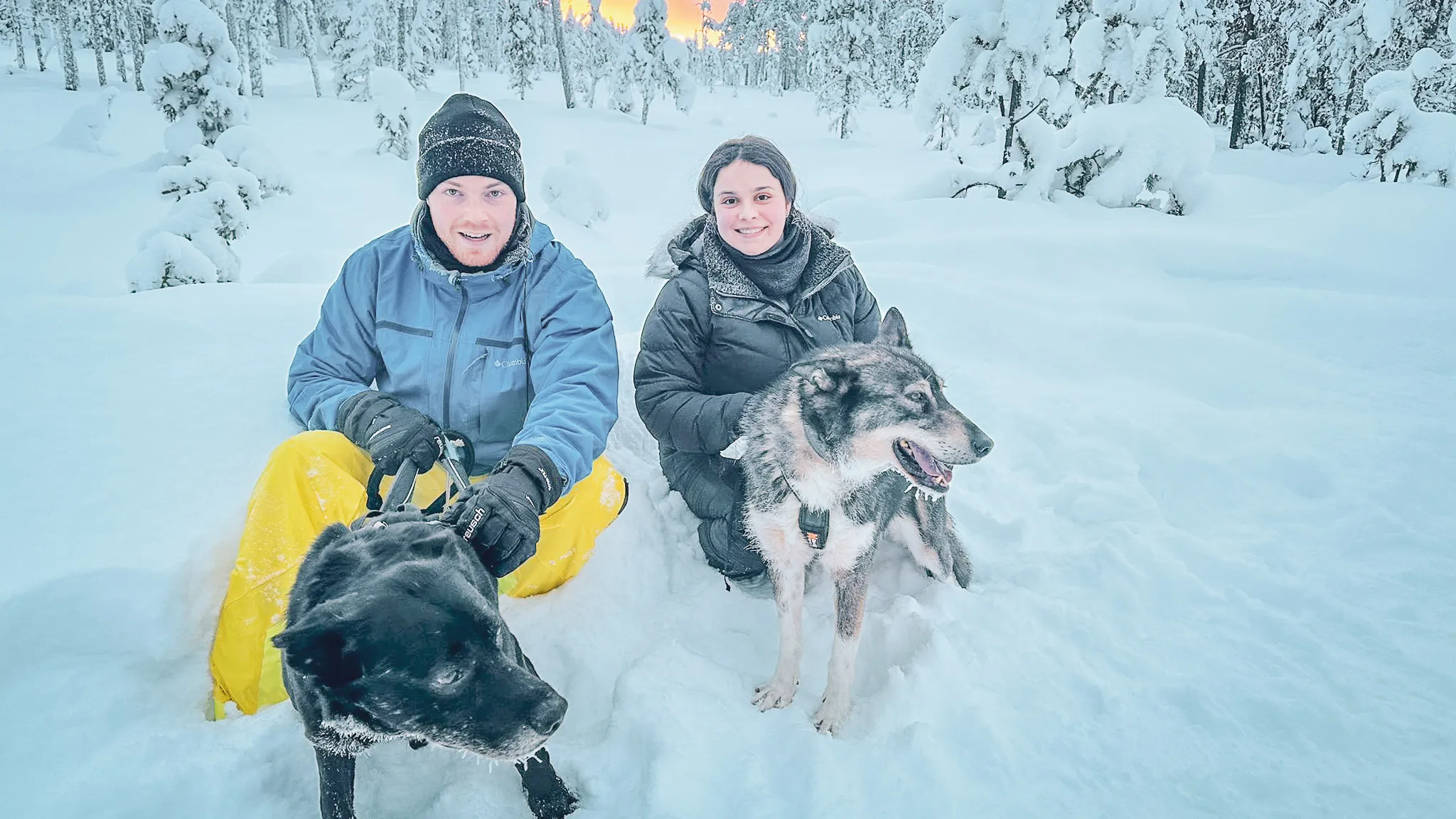
On a real immersive trip, time with the dogs isn't limited to driving. From day two onward, participants get to know the pack individually (every dog has its own name), take part in feeding and care, and understand how a working sled dog team trains day to day. This moment, more than the driving itself, is often what reshapes how people see the trip: you're not renting a team, you're meeting one. Free time at the end of the day, feeding the dogs, sauna, or simply watching the pack rest, is as much a part of the trip as the hours behind the sled.
Finnish, Swedish or Norwegian Lapland: where to go
Lapland spans three countries, and the dog sledding offer changes by region. Finnish Lapland (Rovaniemi, Inari, Kittilä) has the largest number of operators and the most short rides. Swedish Lapland (Norrbotten, Arvidsjaur) leans more toward immersion with professional mushers, usually in small groups, with several days of progressive driving rather than a single ride. Norwegian Lapland adds fjords to the scenery, with a wetter climate. For real progression over several days rather than a one-off ride, Swedish Lapland stays the most structured option.
Other activities that come with dog sledding
A real dog sledding trip in Lapland is almost never just about the sled. On the Wildhartt 7-day trip in Swedish Lapland with Elsa and Fred, the week alternates sled driving, snowshoe outings tracking animal signs, cani-hiking (pulled by your own dog, connected by an elastic line), a day on Altai skis (a cross between ski touring and snowshoeing), and a visit to the Sami culture museum in Arjeplog. In the evening, when the sky is clear, the northern lights are visible straight from the chalet, far from any light pollution.
Minimum age and fitness level
Most guided dog sledding trips are open to complete beginners: the musher adapts the pace and length of each outing. On the Wildhartt trip mentioned above, the minimum age is 6 and the walking pace stays gentle, 2 to 3 hours a day at most. The real prerequisite isn't physical, it's mental: being comfortable around animals, accepting temperatures that can drop to -15/-20°C, and enjoying simple comfort (a warm chalet, but far from everything).
When to go
The dog sledding season in Lapland runs from December to April, with reliable snow cover from mid-December onward. January and February bring the longest nights and the best odds for northern lights, but also the coldest temperatures. March offers a middle ground: still enough snow, longer days, and a gentler cold.
How much a dog sledding trip costs
Prices vary enormously by format: a one-hour ride in Finnish Lapland runs around €150 to €200, while a real week-long immersive trip with accommodation and several activities is a different scale. The Wildhartt 7-day trip in Swedish Lapland (dog sledding, snowshoeing, cani-hiking, Altai skiing) costs €1,955, with chalet accommodation and all meals covered from the first evening's dinner to the last day's breakfast, airport-to-chalet carpooling included, plus warm jackets and extreme-cold boots on loan. Transport to your departure airport and personal spending are still on you.
Pasca, a participant on this trip, sums up what separates real immersion from a tourist ride: "I lived one of the most beautiful adventures of my life, well out of my comfort zone." A good dog sledding trip is prepared like any trip to the Far North: by picking the right format, the right season, and a team that truly knows its dogs.

Find your next adventure
Browse curated expeditions matching the categories of this article and start planning your next trip.
Find your dream adventure
 Find your dream adventure
More to discover
Keep exploring with these pages and stories picked for you.
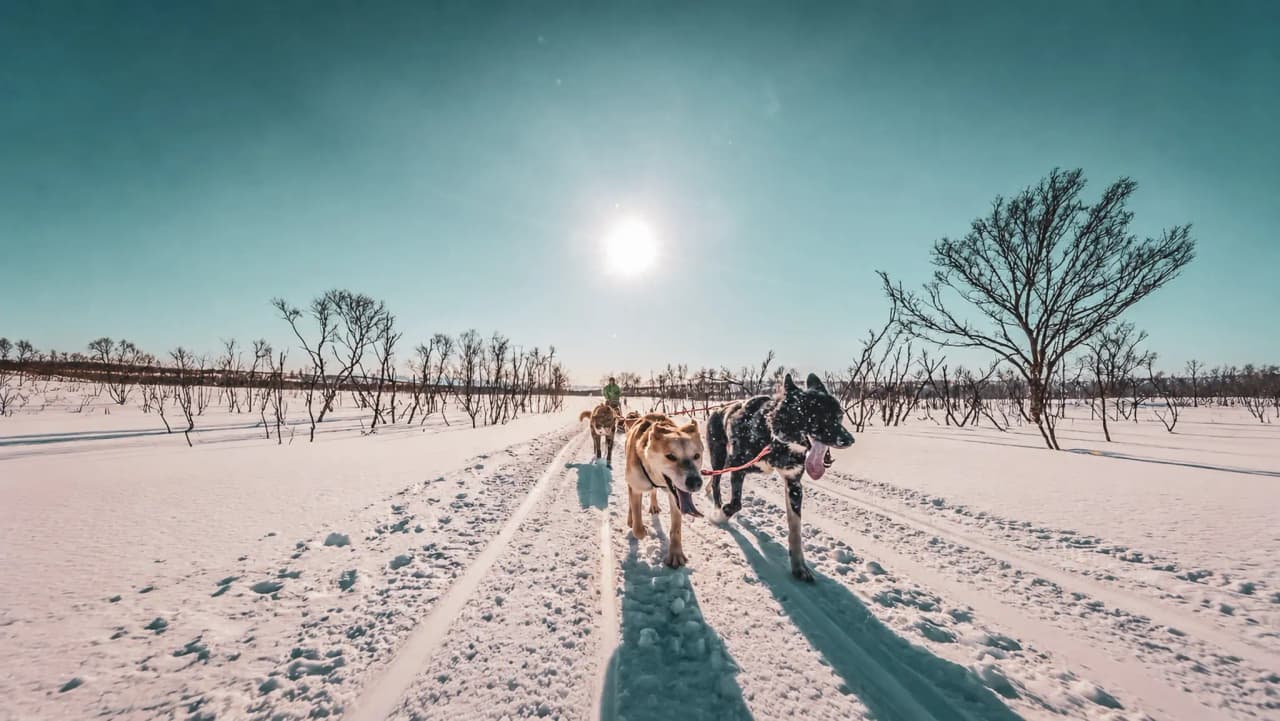
Dog Sledding: Real Immersion or Tourist Trap?
Dog sledding: the criteria that separate a real musher experience from a 20-minute taster ride, and two real Wildhartt trips to compare.
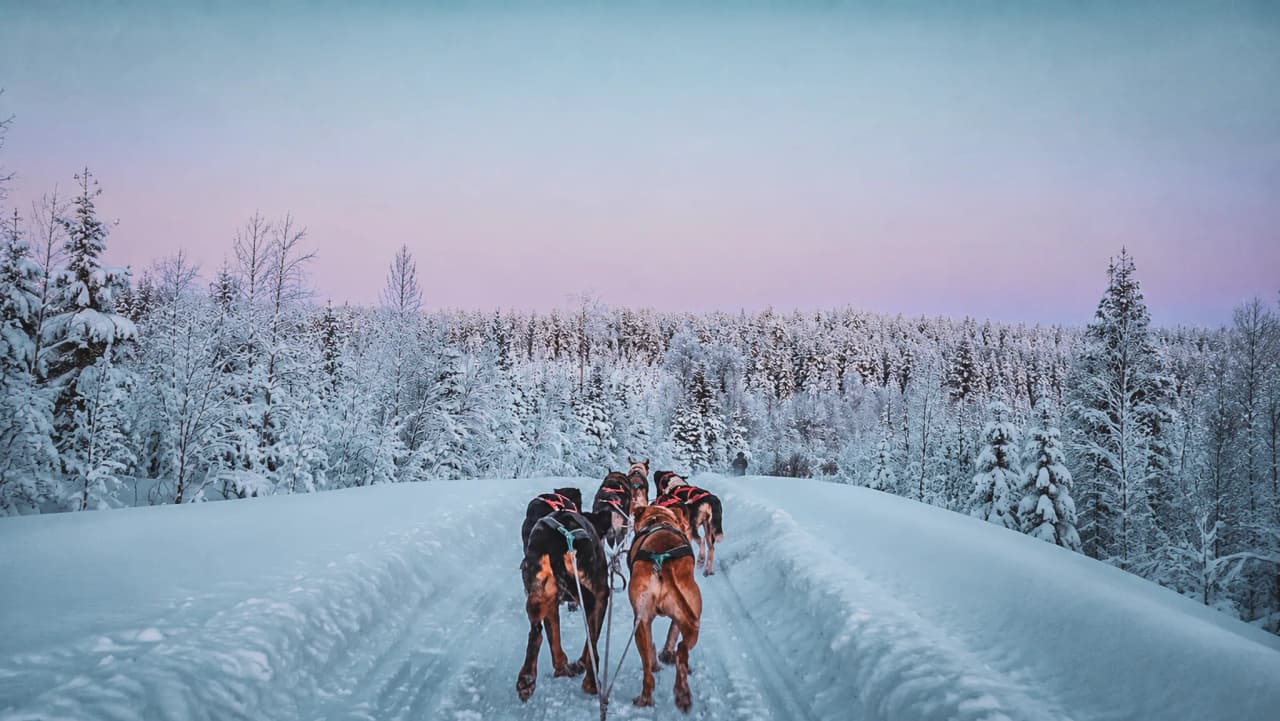
Dog Sledding in Swedish Lapland: an eight week training plan
Train for 8 weeks to run your own dog team with Elsa and Fred in Swedish Lapland: sledding, snowshoeing and cold management before you land in Arvidsjaur.
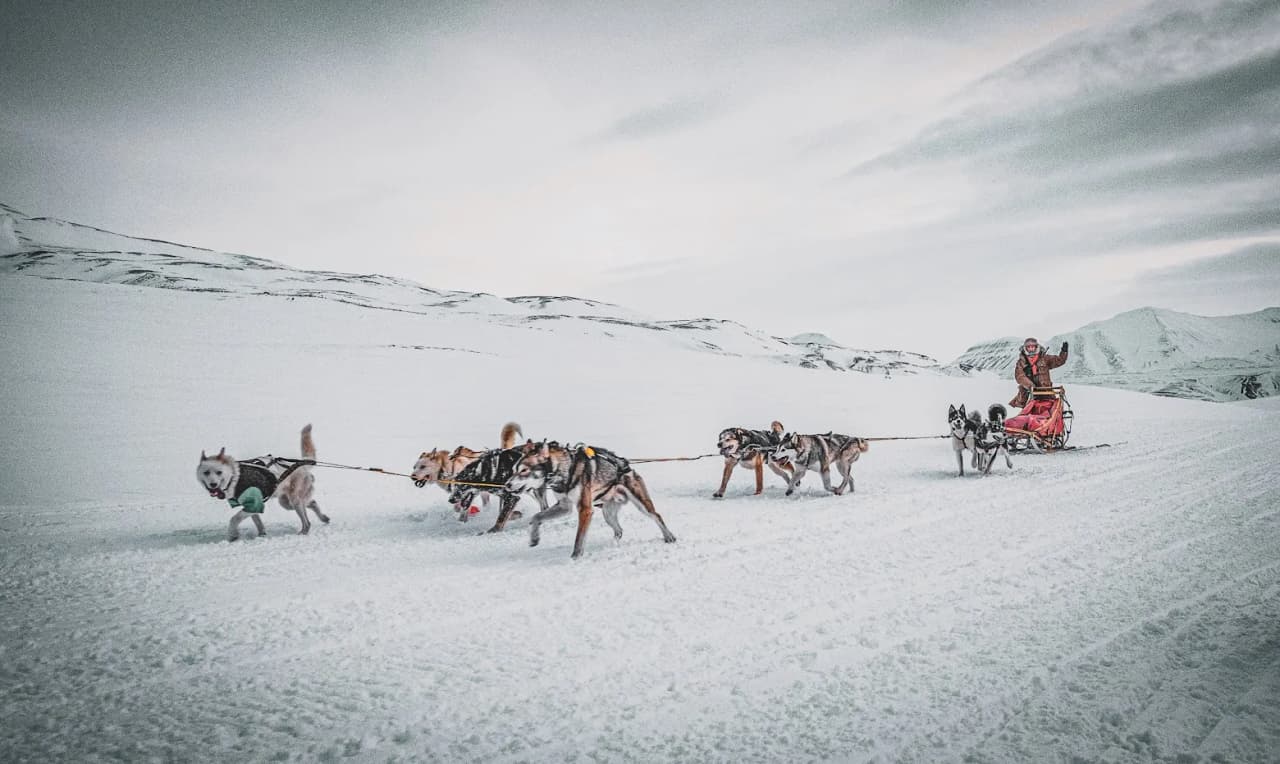
Holiday to Lapland: A Unique Experience in the Far North
Plan your holiday to Lapland and discover northern lights, husky sledding, wilderness huts and guided Arctic adventures. Travel slow, wild and far.
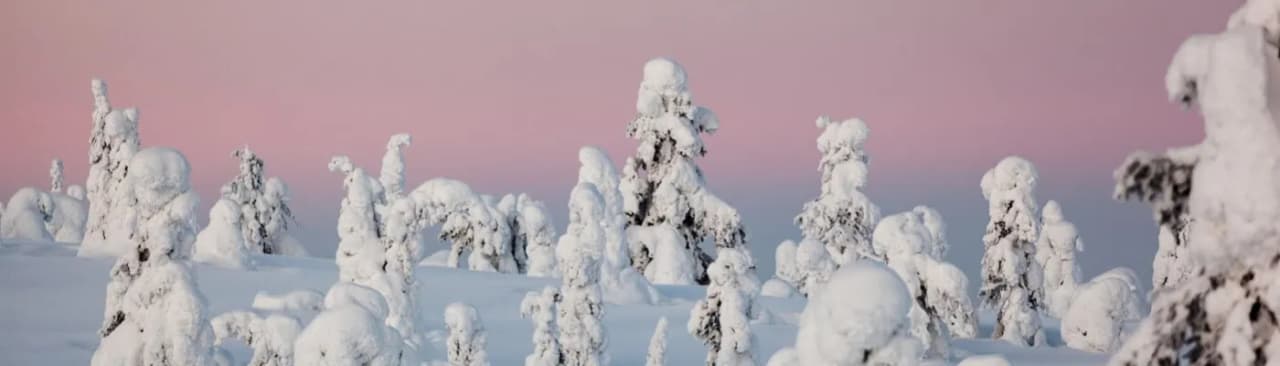
Finnish Lapland: A Guide to Finland's Far North
Plan a trip to Finnish Lapland, from northern lights and Sámi culture to Rovaniemi and winter activities.
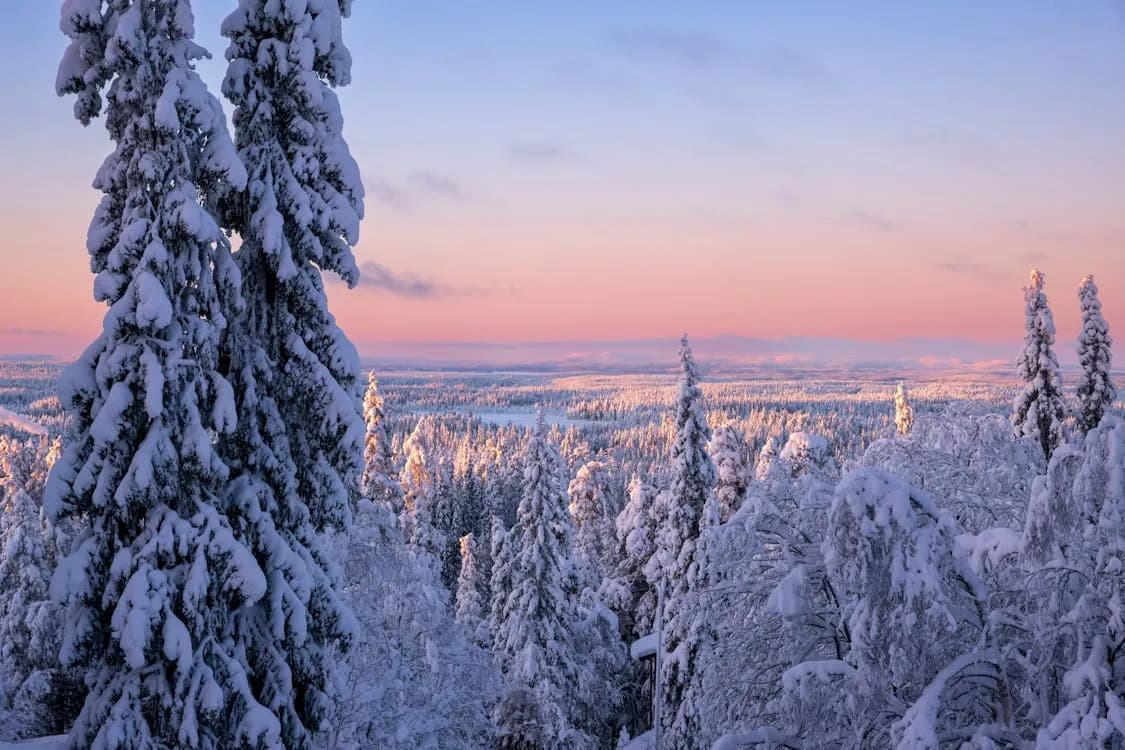
Lapland: Which Countries Is It In?
Find out where Lapland is, which countries it spans, and what to know about its landscapes, cultures and outdoor travel.
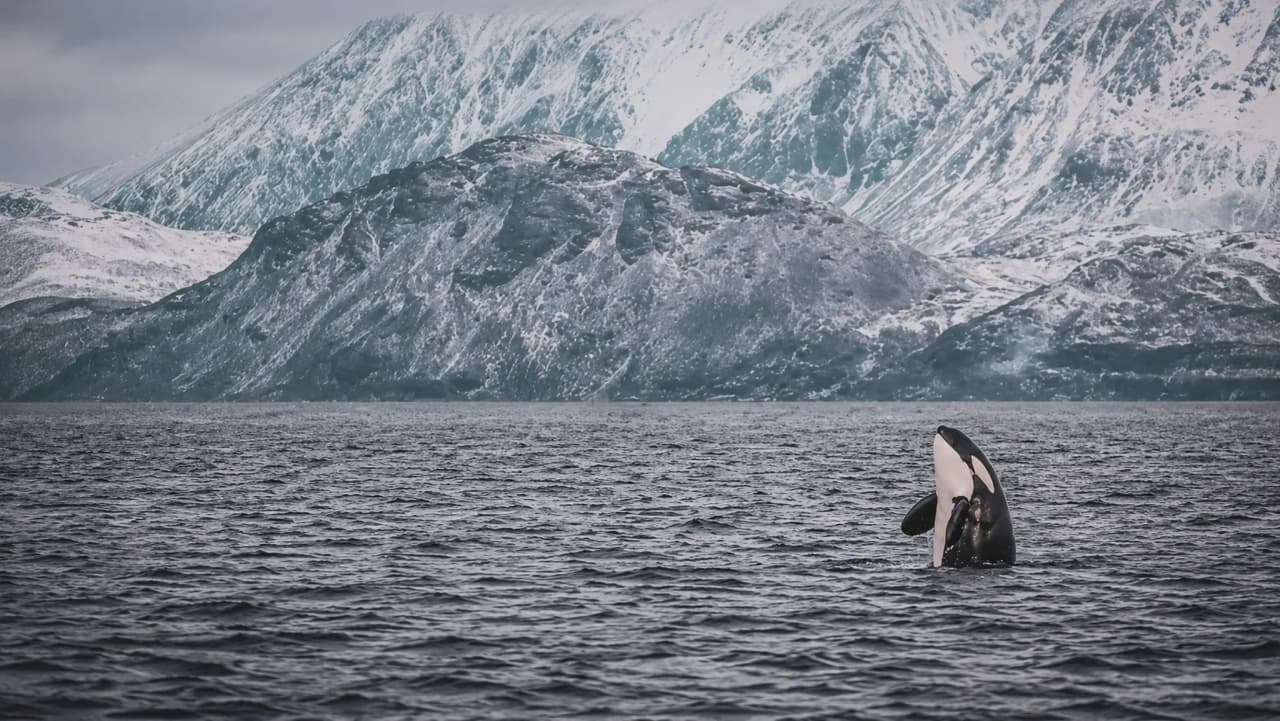
Where to go in November: our best guided expeditions
Where to go in November? Track wolves in the Écrins, sail with orcas in Norway, try Ardennes survival or early snow in Lapland: our guided expeditions.
