Dog Sledding in Swedish Lapland: an eight week training plan
 By Marie
Train for 8 weeks to run your own dog team with Elsa and Fred in Swedish Lapland: sledding, snowshoeing and cold management before you land in Arvidsjaur.
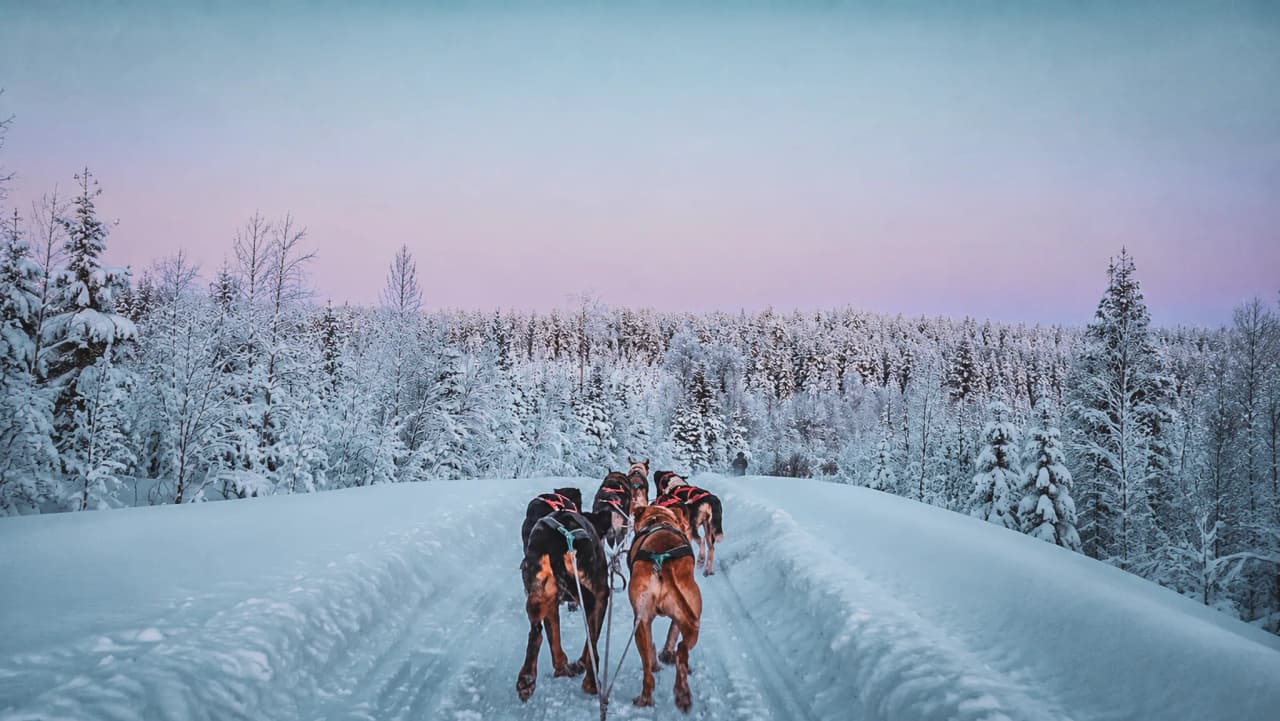
Landing at Arvidsjaur and stepping into base camp for Husky sled, northern lights and hiking in Swedish Lapland goes better when your body and head already speak winter. Across seven days you will move from sled briefings to your own four dog team, long snowshoe outings, a cani hike, a cultural day in Arjeplog, then a full day on Altai style skis before a final run with your dogs. This eight week plan is built around those exact demands: two days of driving a team, repeated hours on snow, coordinated traction work, and steady exposure to the cold from day 2 through day 6. Elsa and Fred welcome you from day 2 with their 60 dogs, each one with its own name, and every training week here targets one precise movement you will repeat with them on the snow.
Start with a simple self check
Before training, find your baseline. You need steady aerobic capacity to walk several hours on snow with a light pack, functional strength to push, brake and steer a four dog sled, a stable core to stand tall on the runners, and practical tolerance of cold over repeated windows outdoors. These short checks anchor your starting line and define a clear target for departure.
- Endurance: brisk walk 6 km on flat in 60 to 75 minutes, breathing controlled
- Hills or stairs: 400 to 600 cumulative steps in under 20 minutes at a moderate to hard effort
- Core: 2 minutes front plank, 45 seconds per side in a side plank
- Balance: 30 seconds single leg stand eyes open, then 15 seconds with a soft gaze
- Cold: 2 to 3 hours outside at 0 to 5 °C, hands and feet managed without numbness
Tie each check to a day you will live: the endurance for Altai skiing on day 5 and the snowshoe sessions on days 2 and 6, stairs for the push and brake surges on the sled during days 3 and 6, core and balance for edging and cambers, and the cold outing to rehearse breathing and finger care. Repeat these tests at week 4 and in the final week to see the line moving.
Eight weeks, phased to the trip: base, build, specificity, taper
Plan for three to five sessions per week, most of them at an easy to moderate effort. If you track heart rate, spend the bulk in comfortable aerobic zones and add brief touches of intensity later. Swap activities as needed, but keep the structure: endurance, strength, technique, cold.
Weeks 1 and 2, build the base. Do two easy endurance sessions of 45 to 60 minutes, brisk walking or cycling, two strength sessions and one slot for mobility and proprioception. For strength, use reverse lunges, step ups on a bench, light Romanian deadlifts, band rows, incline push ups and core planks. End one week with a short cold outing of about 90 minutes to trial gloves and socks. Your goal is to move and talk without straining.
Weeks 3 and 4, increase the load. Keep one 60 to 90 minute endurance session and add light intervals, for example 8 times 1 minute at around 85 percent of max heart rate with 1 minute easy between. Turn strength into a functional circuit with some carry: lunges with a 6 to 10 kg pack, heavier step ups, farmer carries, stronger band pulls and anti rotation core work. Add one two hour outing on soft ground like grass or sand to mimic snowshoe drag. To rehearse sled handling, simulate push and brake: on a quiet lot, push a loaded cart or drag a tire with a strap over grass, 6 to 8 sets of 30 to 45 seconds, focusing on posture and smooth force.
Weeks 5 and 6, go specific. Each week, schedule one long 4 to 6 hour outing on rolling terrain, ideally on snowshoes if you can, otherwise a pole assisted hike on a snowy or soft trail. Add one hill session: 8 to 12 repeats of 60 to 90 seconds uphill at a strong hike, walk back down. Keep a short strength session but precise: goblet squats, hip hinge patterns, assisted pulls or rows, push ups and anti rotation holds. If possible, rent short Altai style skis for half a day to feel balance, weight transfer and controlled heel skid braking; if not, practice gentle controlled slides in hiking boots on a mellow snowy slope. For the cani hike on day 3, if you have a dog used to it, do two 45 to 60 minute sessions with a waist belt and elastic line, paying attention to a tucked pelvis, braced trunk and relaxed arms while the line stays lightly loaded.
Weeks 7 and 8, taper in the cold. Cut weekly volume by about one third to two fifths but keep the number of sessions. Fit two outdoor cold sessions of 2 to 3 hours, one short rhythm workout like 6 times 2 minutes comfortably hard with easy recoveries, and one final sled specific technique rehearsal: 6 sets of about 20 seconds pushing a cart or working against a strong band, then deliberate braking. In the last week, cap sessions at about 60 minutes, improve sleep and keep one full rest day 48 hours before your flight to Arvidsjaur.
Technique on dry ground and staying warm for hours
Sled handling, cani hike and Altai skiing
On day 2 you will learn to brake, help on starts and keep a line, then day 3 you drive your team under Elsa's eye before switching to a cani hike in the afternoon. Ahead of that, rehearse three cues: look far, keep soft knees, and place your weight smoothly. Practice start and stop sequences with clear voice signals, a full body release at go, and a firm, stable brake at stop. For the cani hike, set line length so it stays taut without tipping your pelvis forward, keep shoulders over hips and let your arms swing rather than pull. For day 5 on Altai skis, teach your body to move the center of mass: micro flex and extend, transfer pressure foot to foot while standing, then link short slides on a gentle slope, seeking stability first and speed second.
Acclimation, food and recovery
To handle repeated cold windows like days 2, 3, 5 and 6, grow your outdoor time gradually: two to three sessions per week, breathing mainly through the nose to soften the feel of cold air. Cool showers can help if you tolerate them, but prioritize real outdoor exposure. Eat steady complex carbohydrates for long efforts, aim for about 1.2 to 1.6 grams of protein per kilogram per day to repair, and include quality fats that support heat production. Drink more than you think, dry cold dehydrates quietly; on long outings sip warm lightly sweetened drinks or water with a pinch of salt. In winter, vitamin D can be useful, discuss supplements with your doctor if unsure, and consider magnesium if you cramp. Recover with 7 to 9 hours of sleep, brief post session mobility and self massage for calves and back. In the field, prevent frostnip and chafing with active layer management and dry extremities, swap gloves if damp, and wiggle toes during stops.
Final tune ups: what to test, the last week, and peace of mind
Training gear to validate before you go
Rehearse in the clothes you plan to use for the week: winter boots that accept snowshoes, merino socks, a layered glove system, thermal base layers, a light insulated jacket for pauses, and eye protection that covers both sun and spindrift with dark sunglasses and a ski mask. Use this setup on two or three long outings to check for hot spots, shoulder mobility for braking and overall breathability while moving. Carry a small pack of about 3 to 5 kg on longer sessions, and if you can, try a cani hike belt and elastic line to fine tune height and tension before day 3. Use this list to validate your gear before you go, so nothing surprises you once you're in Swedish Lapland.
The last seven days, health and admin
At minus seven days, reduce total training but keep one short quality session and two quick technique refreshers of about 20 minutes. Five days out, lay out your winter layers, charge your headlamp, and prepare a compact personal kit with blister care, tape, usual pain relief, lip and skin protection, and oral rehydration tabs. Three days out, take a relaxed 45 minute walk, gentle mobility and, if you already use it, an easy sauna without harsh cold plunges. Two days out, sleep early, hydrate and avoid new foods. Check that your insurance covers dog sledding and Nordic style skiing, cold related incidents and repatriation, and carry a card listing medications, allergies and an emergency contact. This buffer lets you enjoy the transfer to Arjeplog on day 4 without nagging worries when fatigue might start to show.
After these eight weeks you arrive able to string together 4 to 6 hours of movement on snow with a light pack, push and brake a sled without tensing up, and stay warm for hours by managing your layers. As Pasca put it after the trip: “If you're looking for real authenticity in your adventure, go for it, you won't be disappointed.” The plan follows the concrete steps of Husky sled, northern lights and hiking in Swedish Lapland, from your first day handling the sled to your last run with Elsa, Fred and their dogs on day 6.

Find your next adventure
Browse curated expeditions matching the categories of this article and start planning your next trip.
Find your dream adventure
 Find your dream adventure
You might also like these adventures …
Hand-picked to echo the spirit of this article.
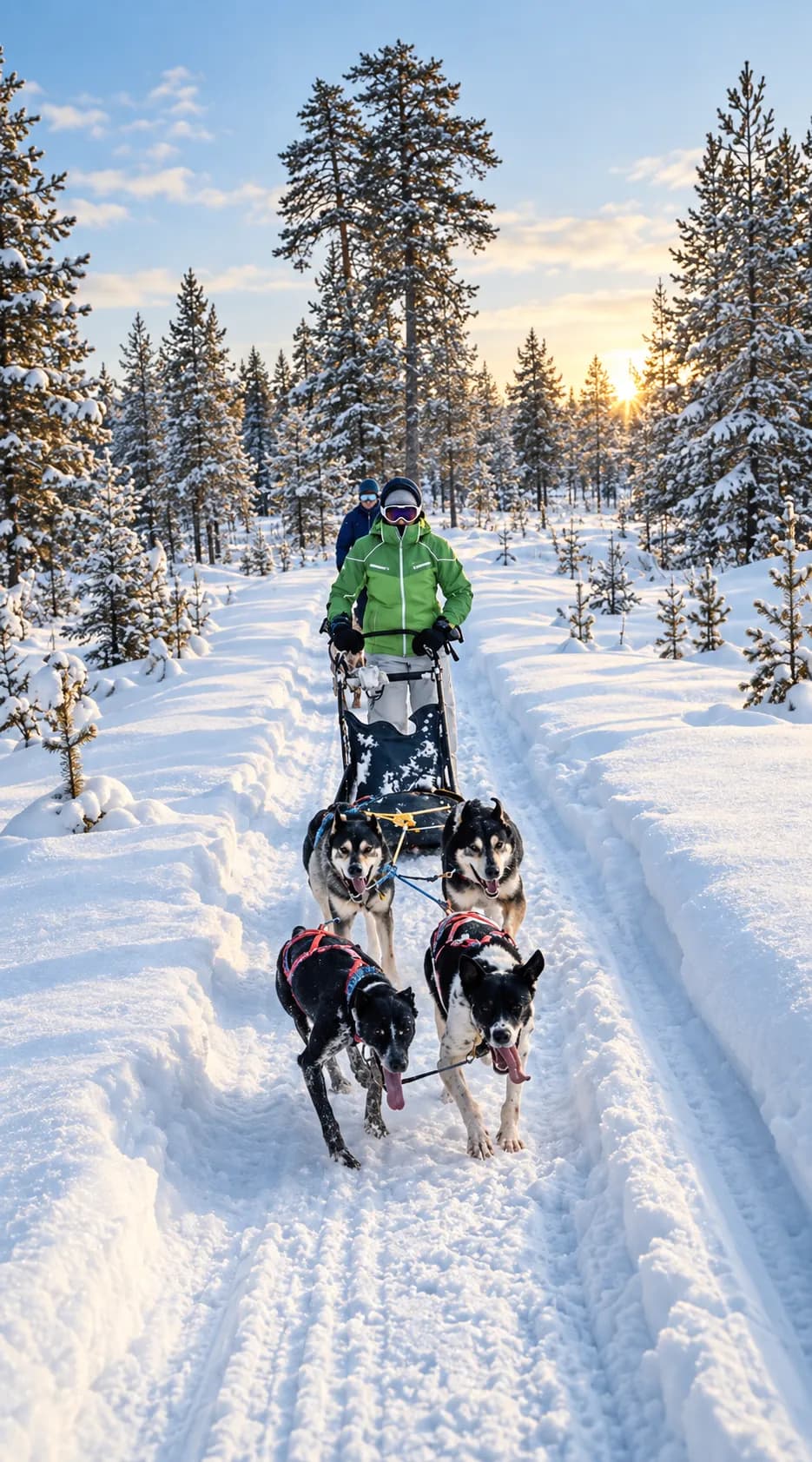

Dog sledding and snowshoeing beneath Sweden’s northern lights
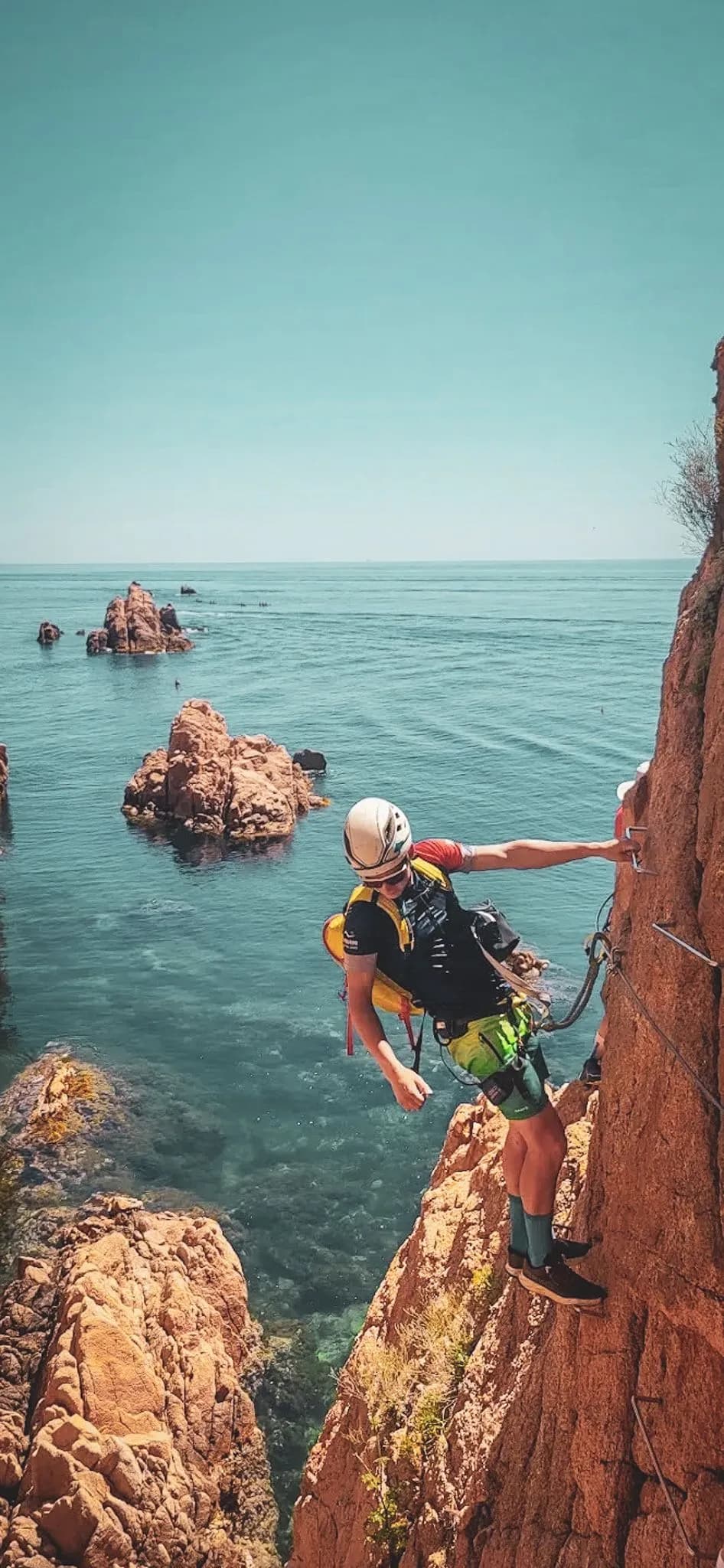

Canyoning, via ferrata and rock climbing in the Pyrenees
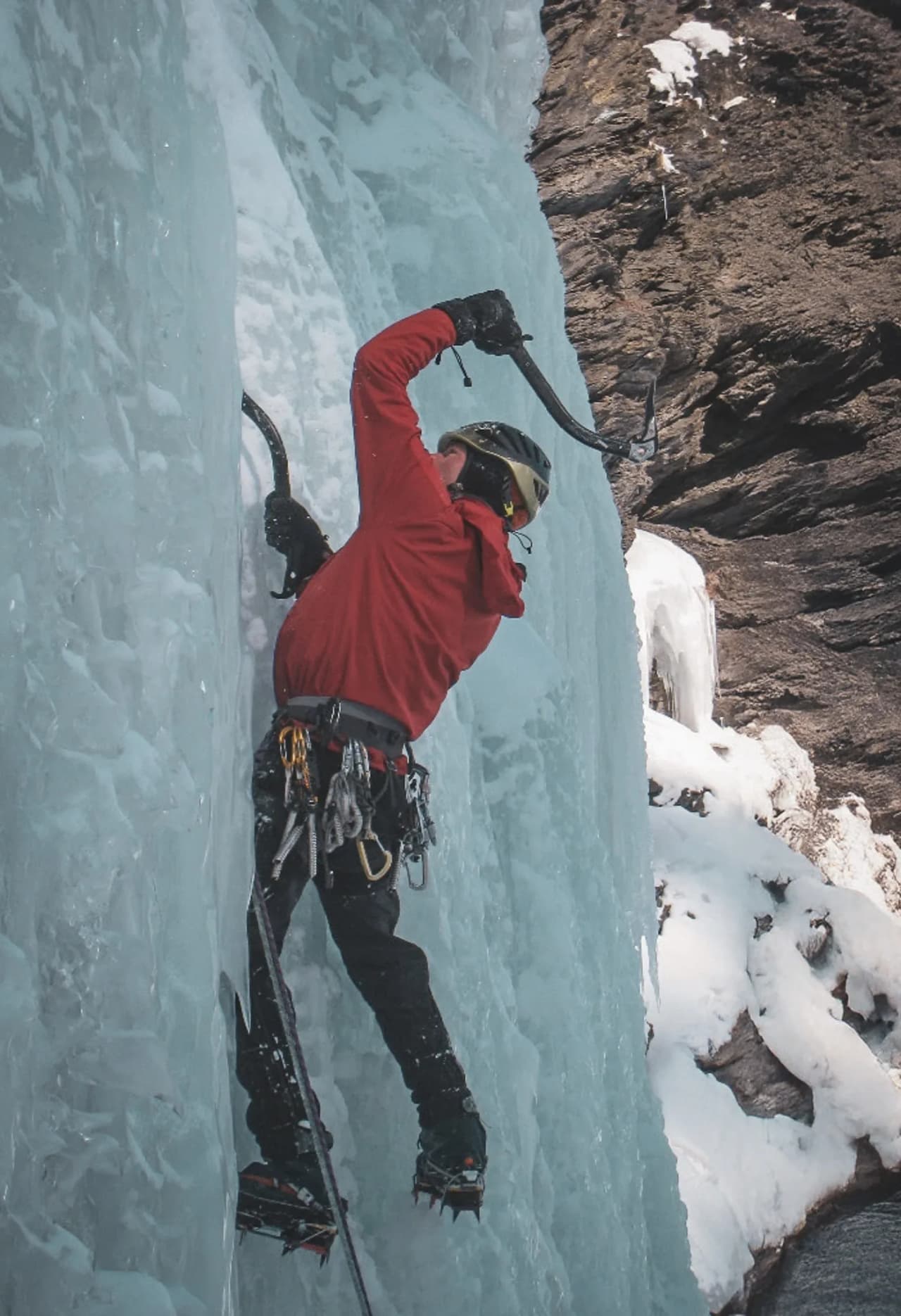

Learn ice climbing and ski touring in the Italian Alps
Climbing and packrafting around Lake Serre-Ponçon
More to discover
Keep exploring with these pages and stories picked for you.
Dog Sledding in Lapland: How It Works, Cost, Activities
Daily schedule, minimum age, real budget and included activities: everything to prepare your first dog sledding trip in Lapland.
Tour du Queyras in 5 days: how to prepare your legs for the GR58
An 8-week plan for the GR58: hut nights at 2580 m, an optional summit at 3025 m, and legs ready for the descent into the wild Bouchouse valley.
Lofoten hiking: an eight-day plan for stairs and bivouacs
Train with Cécile, your polar guide in Lofoten, to handle Reinebringen's stone stairs, ocean-side bivouacs and long midnight sun days without injury or fatigue.
Mont Blanc Ski Touring: A 6-Week Training Plan
Prepare for a four-day Mont Blanc ski-touring raid with a six-week plan built around real terrain, altitude and long days.
Holiday to Lapland: A Unique Experience in the Far North
Plan your holiday to Lapland and discover northern lights, husky sledding, wilderness huts and guided Arctic adventures. Travel slow, wild and far.
February expeditions, snowshoeing and ski touring across Europe
February expeditions from the Alps to Lapland, with snowshoe traverses, igloo nights, dog sledding and ski touring for beginners to experts.
