Chamonix-Zermatt Haute Route: Guide and History
 By isabelle
Explore the Chamonix-Zermatt Haute Route, its history and the ways to approach this classic Alpine traverse.
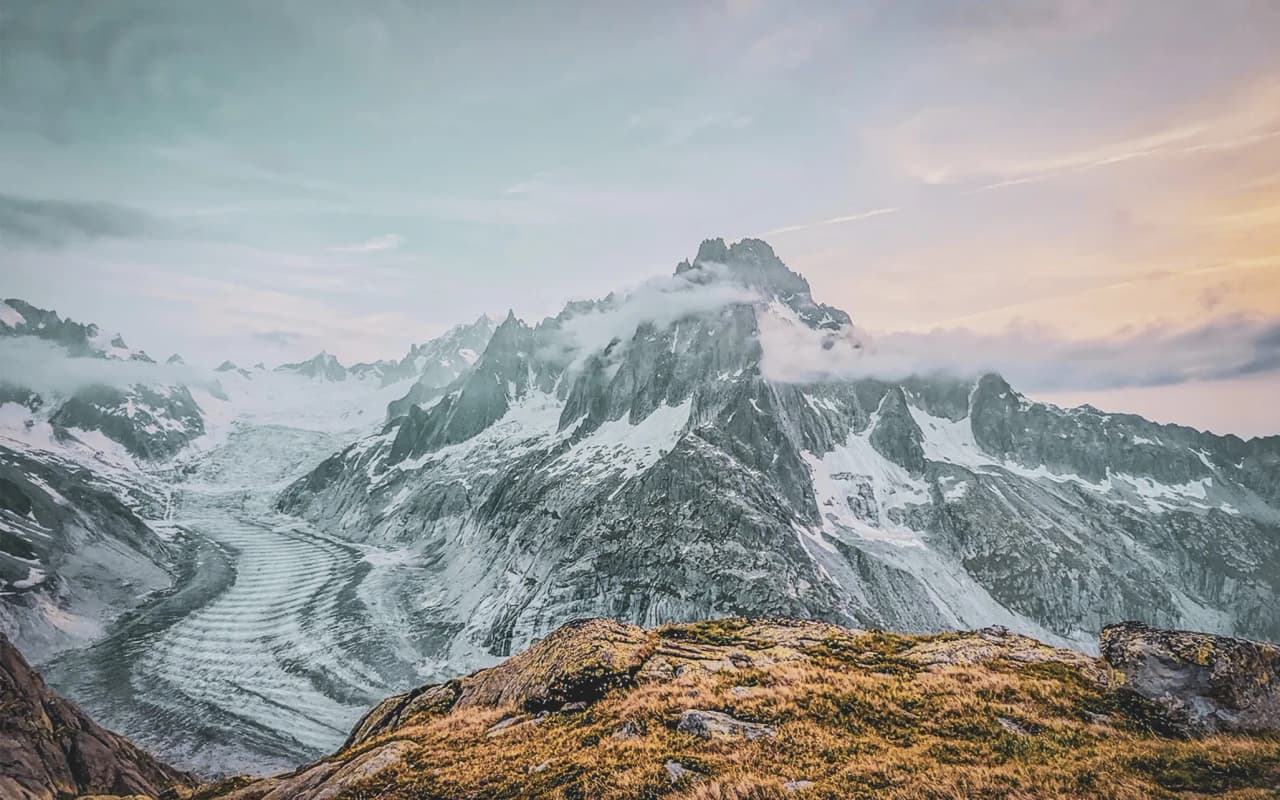
The Haute Route Chamonix Zermatt links the two iconic Alpine capitals of Chamonix, at the foot of Mont Blanc, and Zermatt, at the foot of the Matterhorn. This route is one of the most recognised crossings of the Alps. It stands out as much for its century-old history as for its challenging difficulty and the exceptional diversity of its landscapes. First completed at the end of the XIXᵉ century by Swiss and British mountaineers, this route quickly became a benchmark passage for anyone seeking the complete alpine experience between France and Switzerland.
In this article, we give you an in-depth look at this legendary route, from its routes to its history.
Why is the Chamonix Zermatt Route legendary?
The Haute Route Chamonix Zermatt has been attracting mountaineering enthusiasts for over a century, thanks to its scenery, its technical nature and the sense of adventure it provides. This route links two capitals of alpine mountaineering, Chamonix in France and Zermatt in Switzerland, via a succession of glaciers, isolated valleys and high peaks.
Breathtaking scenery at every stage
This route offers some of the most famous panoramas in the Alps. The Mont Blanc massif, the Col du Chardonnet, the Grand Combin chain and the final view of the Matterhorn form a continuous visual progression, with each stage offering a specific light and atmosphere. Glaciers such as Argentière and Otemma are impressive in their sheer size and raw beauty, while stocky valleys and typical villages dot the route, providing singular cultural contrasts.
An emblematic technical challenge
The Haute Route requires a good level of physical preparation and alpine knowledge: glacier orientation, weather management, roped climbing and crampon handling are all part of everyday life on the classic route on skis or on foot. Each variation of the route requires adaptation and reflection, with some technical passages such as the ascent of the Pigne d'Arolla or the crossing of the Pas de Chèvres.
An immersion between two countries
This unique trip crosses the Franco-Swiss border and offers a gradual transition between cultures, languages, cuisines and environments. The welcome in the Mountain huts, the mountain gastronomy and the encounters between participants all add to the Alpine atmosphere.
Guided holidays give everyone access to this Alpine legend, the chance to enjoy the scenery in complete safety and to fully appreciate the culture of the region.
The different routes from Chamonix to Zermatt
Between Chamonix and Zermatt, there are a number of different itineraries to choose from, depending on your level, the season and the type of adventure you're looking for. Each option offers a unique experience of the Alps, combining a sporting challenge with total immersion in an exceptional setting.
Classic Haute Route (summer)
The classic route on foot links Chamonix to Zermatt in around a week, via the major glacier passes such as the Col du Chardonnet and the Col Collon. This variant is aimed at experienced walkers who are perfectly at ease on challenging alpine terrain, sometimes equipped with crampons. It offers a subtle balance between technical hiking and passing through authentic villages. Mountain huts line the route, offering rest and conviviality at every stage.
The trekking version
Less technically exposed, the trekking route favours glacier-free paths, suitable for those who wish to limit the use of mountaineering equipment. The pleasure of walking and discovery takes precedence over the difficulty: this option typically takes around a week and focuses more on roaming through lush green valleys. It's ideal for good hikers who aren't looking for the thrills of the high mountains, but still want to experience a major adventure.
Haute Route on skis
The ski version attracts dozens of ski touring enthusiasts every year. This legendary route requires solid alpine experience and is led by a certified guide. The use of skins, avalanche management and glacier navigation require an advanced level, but the reward lies in the long descents and the feeling of exceptional isolation. This ski tour can be completed in 6 to 8 days between March and May.
Tips for choosing your itinerary
- Assess your level of experience (exposure to heights, autonomy on glacial terrain, effort management).
- Think about the season: trekking in summer, ski touring in spring, unstable weather in the off-season.
- Ask about the logistics: Mountain huts must be booked on all the variants.
- Don't hesitate to use a specialist organisation such as Wildhartt for personalised support and expert advice.
How to prepare for your Chamonix-Zermatt tour
Preparation is the key to a successful Haute Route between Chamonix and Zermatt. This Alpine route requires precise organisation if you are to set off in the best possible conditions.
Ideal period and weather conditions
The classic tour is best done from mid-June to mid-September, when the high altitude sections are clear of snow. For the ski tour, opt for March to early May, when the snow cover is good and the Mountain huts are open. The weather in the mountains is always changeable, so it's essential to check the weather forecasts (e.g. from Météo France) before setting off.
Essential equipment
- 35 - 45 L rucksack
- Technical clothing (rain, cold, UV protection)
- Sturdy trainers or hiking boots with high uppers
- Fleece, light down jacket
- Safety kit: first aid kit, headlamp, survival blanket
- IGN map/topoguide, compass or GPS application
- For ski touring: shovel, avalanche transceiver, probe, crampons
Adapt the route to your level
The Haute Route requires good stamina and sometimes the use of your hands to negotiate certain technical passages. Plan to do some intensive training on rough terrain in the weeks beforehand. For first-timers, following an experienced guide optimises safety and learning, as suggested by Wildhartt or local UIAGM guides.
Acclimatisation and safety
- Start with a moderate ascent to help acclimatise to the altitude
- Drink regularly to avoid dehydration
- Prevent hypoglycaemia with energy snacks
- Always tell someone about your planned itinerary
Preparing your Haute Route carefully guarantees an enriching experience while respecting your safety and that of the group. By joining a group guided by Wildhartt, you benefit from personalised advice on equipment, acclimatisation and logistical organisation to maximise your enjoyment of the traverse.
The Chamonix Guides experience
Doing the Haute Route Chamonix Zermatt accompanied by a certified guide profoundly transforms the experience. Their role goes beyond simply guiding the route: they ensure the safety of the group at all times while sharing their expertise of the alpine environment. A professional guide anticipates risks (rockfalls, crevasses, changes in the weather) and adapts the pace according to each person's level, which reduces stress and encourages endurance over several days.
Personalised support throughout the route
The guide will take charge of all the logistics involved in the adventure: organising the stages, choosing the best options for the group's condition, booking accommodation, dealing with unforeseen circumstances and sharing tips for overcoming difficulties. It offers technical advice (use of crampons, ropes, equipment management) and passes on essential reflexes for working in the high mountains.
Safety and peace of mind
- Advanced reading of avalanche bulletins and local weather forecasts
- Group management on glaciated terrain and at high altitude
- Mastery of rescue procedures
- Early detection of fatigue, altitude sickness or cold
The presence of a qualified guide is reassuring and allows you to experience the crossing with complete peace of mind.
Authentic discovery and alpine immersion
Local guides are familiar with the history, wildlife, geology and traditions of each valley they cross, enriching the journey with unique moments that are often inaccessible to those travelling alone. With an agency like Wildhartt, guiding by UIAGM-certified guides guarantees exploration in small groups, flexibility of organisation and immersion in the hidden corners of the Alps. The priority given to authenticity means that you can discover the Haute Route in its truest essence.
Exploring the Haute Route with Wildhartt
Wildhartt offers guided expeditions on the Haute Route Chamonix Zermatt that are as much about the experience you're looking for as they are about your level and desires. Each participant benefits from personalised support from certified guides who are specialists in the Alpine region. The approach remains focused on safety, technical progress and human support, to guarantee an adventure that is both rewarding and reassuring.
Tailor-made support and human-sized groups
The choice of small groups (often between 4 and 8 people) means that the guide can give you individual attention, a privileged relationship within the team and flexibility in the pace of the route. This format makes it easier to adapt to the weather conditions, the level of the participants, or the wishes of each person during the crossing. The Wildhartt guides share not only their know-how, but also their experience of the terrain to pass on the right advice on orientation, effort management and safety in the high mountains.
Total immersion and authentic discovery
Wildhartt favours a deep immersion in the alpine atmosphere, with overnight stays in typical Mountain huts and careful logistics so that each adventurer can concentrate on the pleasure of progressing from stage to stage. The itineraries on offer focus on meeting local people, discovering culinary specialities and learning more about the natural environment they cross. Each expedition emphasises conviviality and cohesion, while taking care to limit the ecological impact thanks to small groups and a respectful approach to the environment.
Detailed itinerary step by step
The Haute Route Chamonix Zermatt is made up of stages that are responsible for its unique reputation. Each day has its own character, with glacier crossings, spectacular passes and moments of conviviality in Mountain huts. The itinerary may vary from one variant to another, but certain stages are the consensus among the frequent choices of renowned guiding companies and agencies.
Main stages and highlights of the route
- Chamonix - Argentière: Warm up along the Arve and discover the mountain village of Argentière. First views of the Drus and the Aiguille Verte.
- Argentière - Trient: Crossing the Col du Chardonnet, which marks one of the technical glacier crossings. High mountain atmosphere and natural border with Switzerland.
- Trient - Champex: Wooded crossing or passage through Fenêtre d'Arpette. Renowned for its panoramic views and the charm of Lake Champex.
- Champex - Cabane de Prafleuri: Three valleys to cross and the day's summit at the Col des Roux. The first glaciers of the Val d'Hérens can be seen in the distance.
- Prafleuri - Cabane des Dix: Cross the Lac des Dix overhang, pass under the Rosablanche and arrive at one of the most isolated Mountain huts on the route.
- Cabane des Dix - Arolla: Ascent of the Pas de Chèvres or Col de Riedmatten, then a long alpine descent to the typical village of Arolla. It's customary here to share rope stories and stories in the Mountain hut.
- Arolla - Zermatt: This is the final long day, with an ascent of the Col de l'Évêque, a crossing of the Otemma glacier and arrival in Zermatt beneath the imposing Matterhorn. The highlight: discovering the Matterhorn in the light at the end of the day.
Each stage reveals a new face of the Alps, combining a variety of landscapes, altitude challenges and immersion in mountain culture. A guided adventure with groups like Wildhartt offers peace of mind in the face of these major passages, as they adapt the programme to the conditions and level of the group, ensuring that each highlight becomes a real memory.
Practical advice for a successful adventure
Managing logistics well and staying organised will help you get the most out of the crossing between Chamonix and Zermatt. Thinking ahead will guarantee more fun and fewer worries once you're on the ground.
Optimising your rucksack and stage planning
Pack a light rucksack, ideally between 35 and 45 litres, and limit the contents to the essentials. Choose technical clothing that you can layer, as well as compact accessories. Pack :
- A minimum of diapers and a small hygiene kit
- A light fleece and a waterproof jacket
- A change of socks and a hat
- Foldable poles to make descents easier
Book your accommodation (Mountain huts, cabins or inns) several weeks in advance. On the classic route, some Mountain huts are fully booked long before the summer season. Wildhartt, by taking care of bookings, simplifies logistics and avoids the stress of not being guaranteed a place in the mountains.
Nutrition and hydration in alpine conditions
On stages of 6 to 8 hours' walking, you need to replenish your energy reserves regularly. Take along :
- Nuts, dried fruit, energy bars and rehydratable sachets
- A water bottle (1.5 to 2 litres) and, if possible, a water filter to make it easier to fill up at springs.
Most Mountain huts include dinner and breakfast in their package, but it's worth asking for details when booking.
Tips for making the most of every moment
- Start early to save time at the end of the stage: the morning light sublimates the landscapes and the time margin limits stress.
- Pace yourself, especially in the first few days
- Save your phone battery with an eco mode or a small external battery
- Dare to talk to the wardens, guides and other walkers, as these discussions often provide anecdotes and invaluable advice about each valley you cross.
Following these principles reduces fatigue and increases enjoyment for every member of the group. With Wildhartt support, practical advice is regularly passed on throughout the journey, making it easier to get the most out of the experience from day one right through to the last stage in Zermatt.
A responsible and sustainable commitment
Respecting the environment during the Chamonix-Zermatt crossing requires attention to every gesture. The preservation of these alpine areas depends on responsible practices shared by all adventurers.
Best practices to limit your impact
- Stay on marked trails to reduce erosion and protect fragile flora
- Take all your rubbish with you, right down to the smallest packaging and tissues
- Use reusable water bottles, use fountains and avoid single-use plastics
- Don't pick plants, disturb wildlife or cause noise pollution
- Choose local Mountain huts or accommodation that is committed to sustainable management.
Adapting your behaviour in the mountains is an integral part of respecting the site. Favouring small groups limits the footprint on trails and bivouac areas.
Frequently asked questions about the Haute Route
Finding clear answers to the most frequently asked questions makes it easier to prepare for the Haute Route Chamonix Zermatt and reassures every adventurer before setting off. The following information will enable you to finalise your project with peace of mind and plan every detail of the expedition with confidence, whether you set off on your own or with expert guidance.
Physical and technical requirements
A good level of fitness is essential. For the classic itinerary on foot or skis, we recommend that you are a regular hiker or skier and are used to walking for several days with a heavy pack. The glacier variants require previous experience of alpine terrain: the ability to use crampons, ice axe and harness, and sometimes to work as part of a roped party. The technical level varies according to the option chosen: the trekking version is more affordable, while the skiing version requires an advanced level in managing skins, descents and the risks inherent in the high mountains.
When is the best time to do the Haute Route?
- On foot: from mid-June to mid-September to avoid the persistent snow and take advantage of the open mountain huts.
- On skis: from March to early May to take advantage of good snow cover and maximum safety on the glaciers.
Avoid the beginning and end of the season, as the weather becomes unstable and the risk of avalanches or poor passage over the passes increases. Mountain huts are also limited outside the recommended periods. It is essential to check the snow and weather forecasts, for example via Météo France or the Swiss weather service.
How much does it cost to cross from Chamonix to Zermatt?
The price depends on how it's done and the season. For a classic crossing on foot or skis on your own, expect to pay between 900 and 1400 euros per person. This generally includes accommodation in Mountain huts, half-board and transfer logistics. For a guided adventure (safety, accompaniment, booking, safety equipment included), the range is between 1300 and 2100 euros. Wildhartt offers expeditions with UIAGM-certified guides, where the price includes most of the logistics and guarantees professional accompaniment.
What other advice do you have to help you prepare for your trip?
- Plan your water supply (sources, refill points and use of filters recommended)
- Choose the right equipment for the season: tents, technical clothing, sun protection and protection against the cold.
- Study the route with a GPS application or by ordering IGN/Switzerland topo maps
- Start by doing some preparatory hikes or outings on similar terrain
The support of a professional, such as a Wildhartt guide, facilitates the logistical, technical and human management of the adventure. The individual advice shared before and during the Haute Route allows you to concentrate on what's important: making the most of every moment between Chamonix and Zermatt. Whether you're fascinated by the beauty of the Alps, looking to push your limits or simply want to experience an unforgettable collective adventure, this crossing has everything to win over every mountain enthusiast.
Find your next adventure
Browse curated expeditions matching the categories of this article and start planning your next trip.
Find your dream adventure
 Find your dream adventure
You might also like these adventures …
Hand-picked to echo the spirit of this article.


More to discover
Keep exploring with these pages and stories picked for you.
The Haute Route Chamonix-Zermatt: a day-by-day glacier programme
The Haute Route Chamonix-Zermatt day by day: glacier techniques, rope skills and high-altitude huts across 7 alpine stages.
Mont Blanc Climbing: The Complete Guide
Plan a Mont Blanc ascent with clear guidance on preparation, routes, equipment and the realities of climbing Europe’s highest Alpine peak.
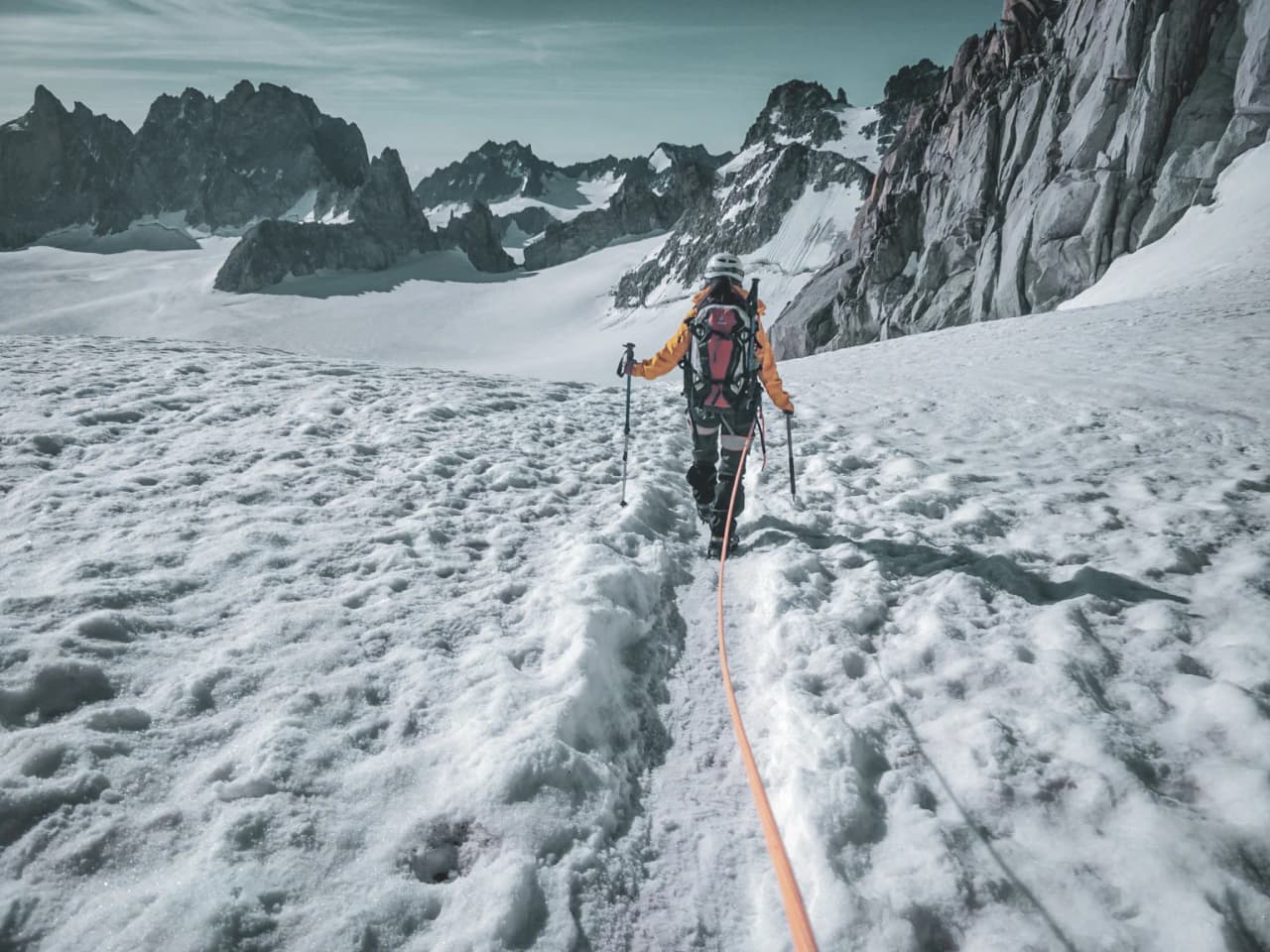
Wildhartt alongside the Compagnie des Guides de Chamonix
Discover the partnership between Wildhartt and the Compagnie des Guides de Chamonix, a collaboration based on high mountains, local expertise and alpine adventure.
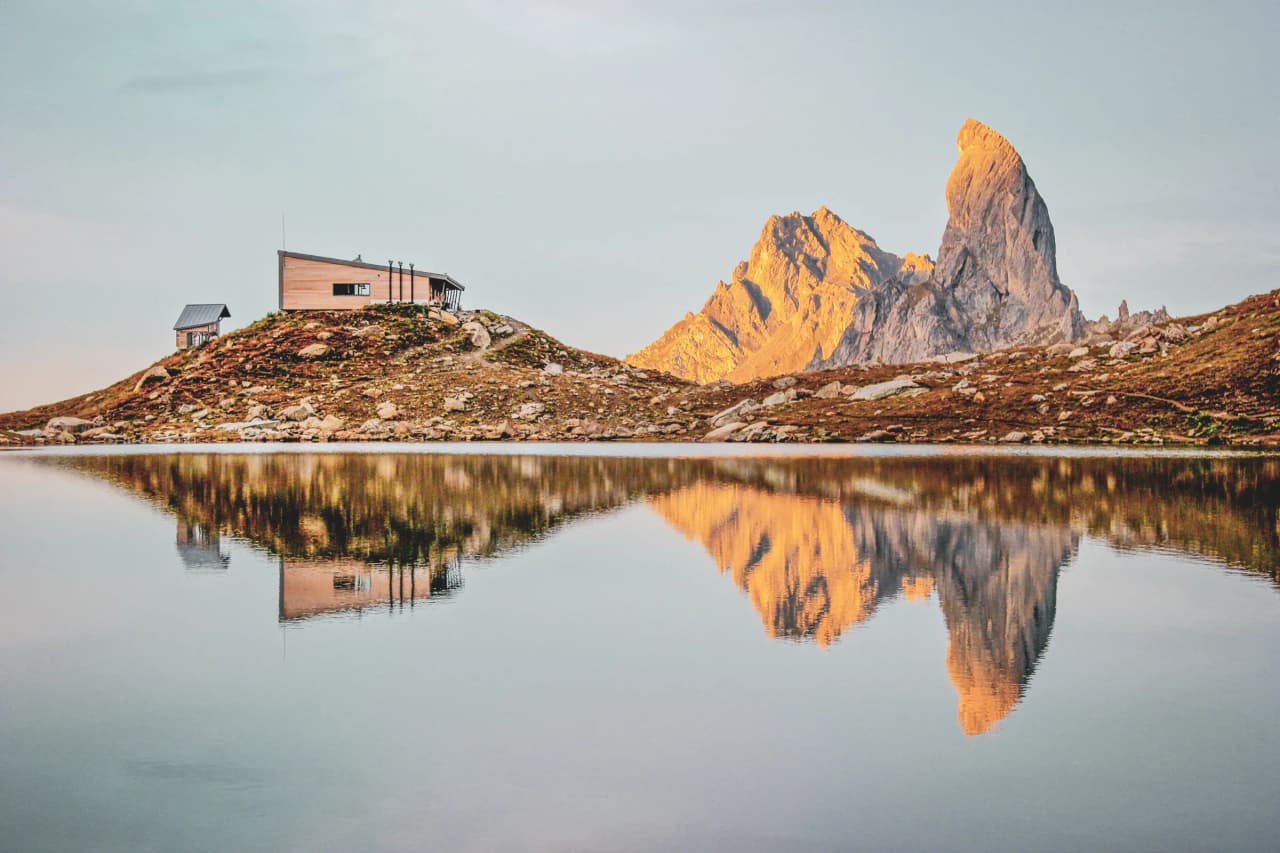
Tour du Beaufortain: Map, Stages and Hiking Tips
Plan the Tour du Beaufortain with a route map, stage ideas, elevation guidance and practical hiking advice.
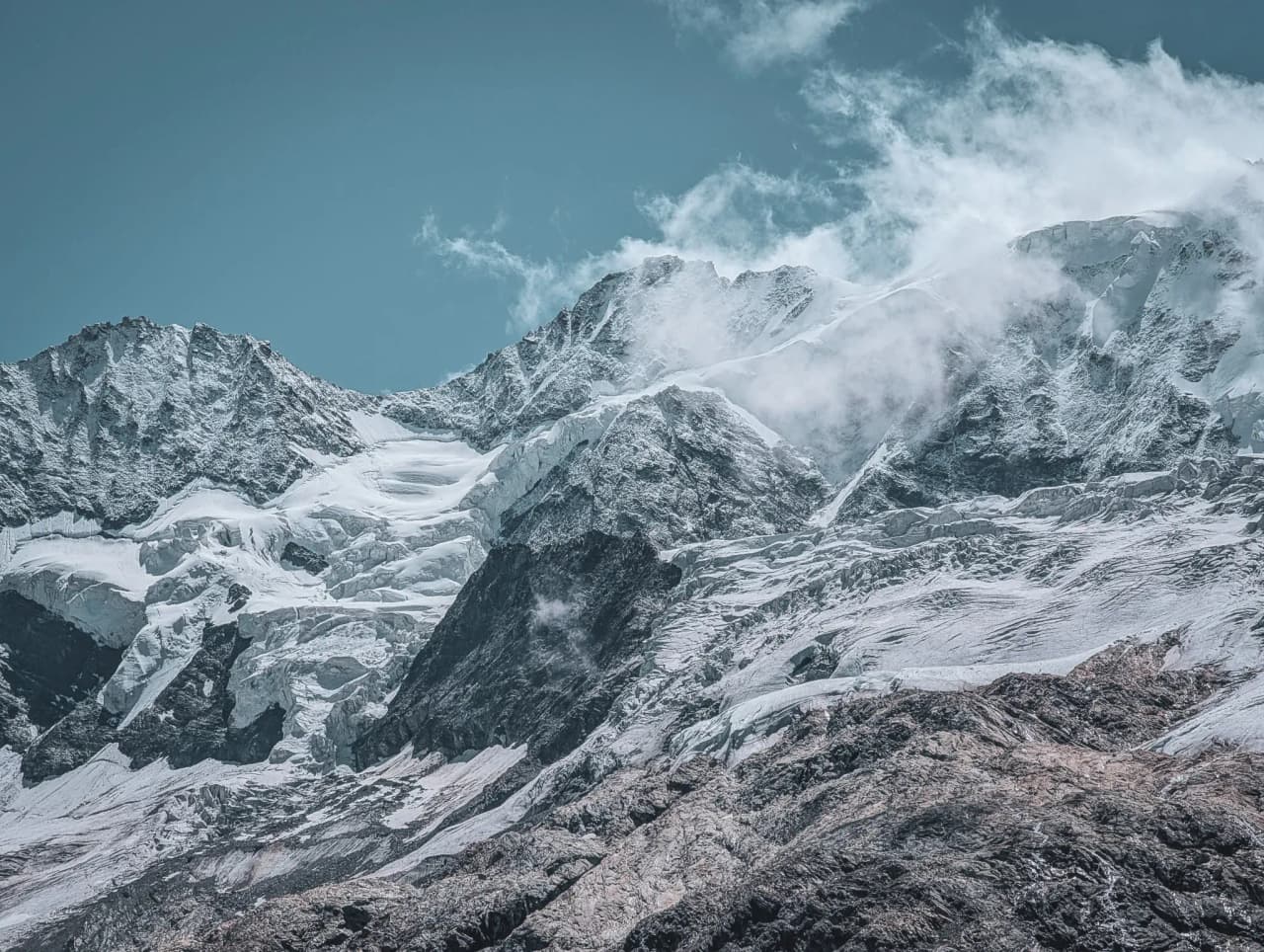
5 Mountaineering Courses to Explore the Alps
Compare five mountaineering-course destinations, from Mont Viso to Chamonix and the Écrins, to choose a format that suits your level.
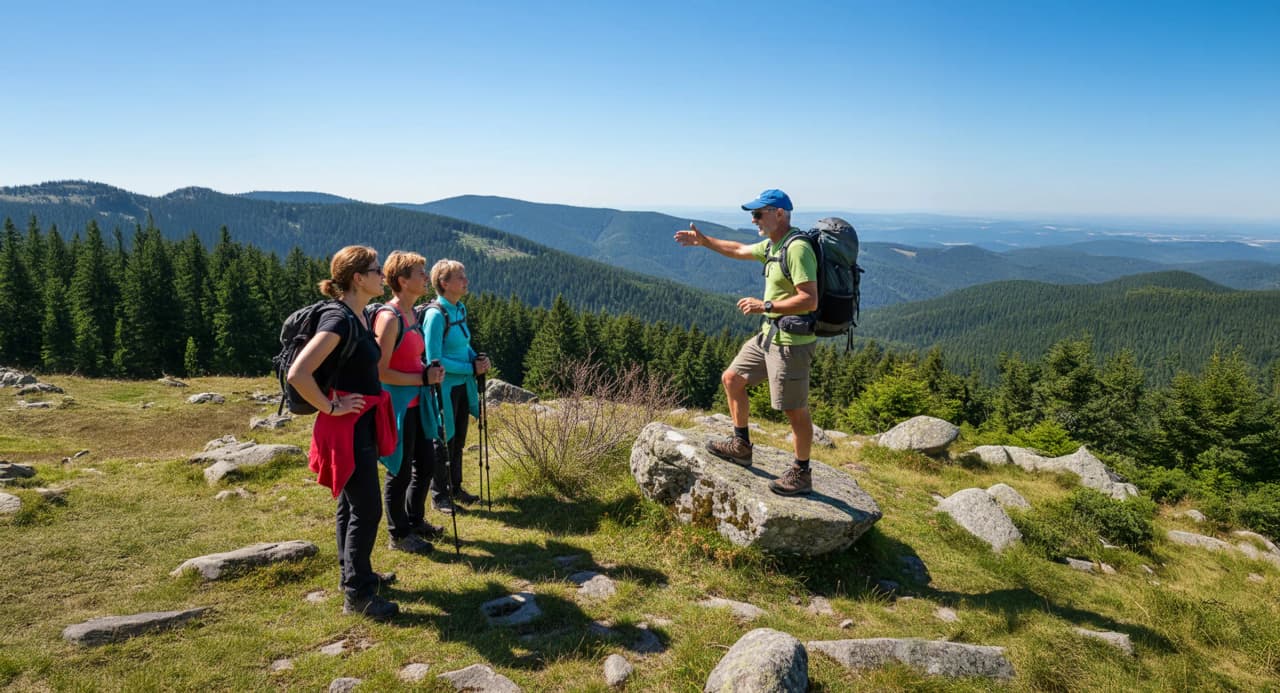
Mountain Leaders: A Practical Guide for Hikers
Understand what a mountain leader does and how they can support a safer, more confident hiking experience.
