Snowshoeing Checklist: What to Pack for a Safe Day Out
 By isabelle
Prepare for a snowshoe hike with a practical checklist covering clothing, safety gear, food and navigation.
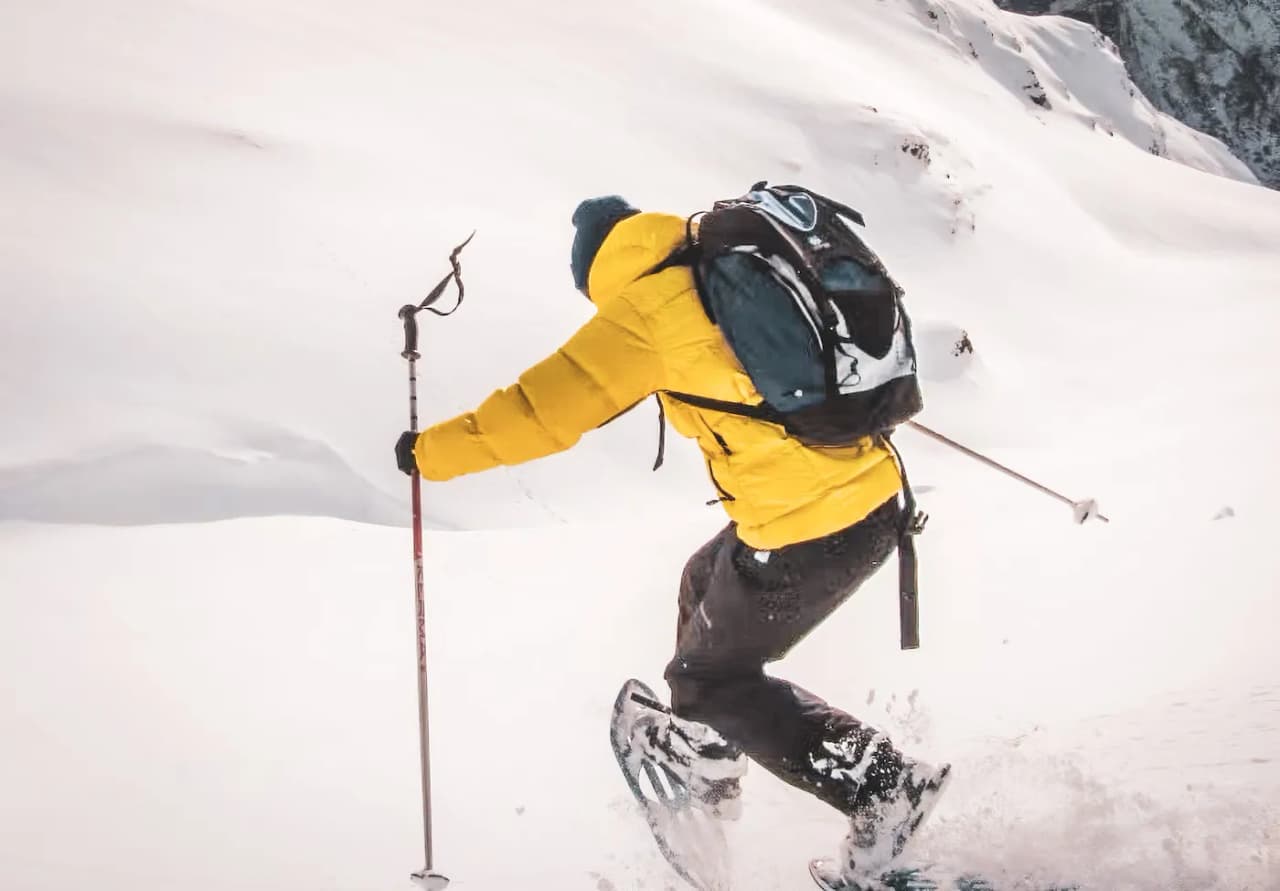
A successful snowshoe hike always starts with good preparation. Forgetting an essential accessory like waterproof gloves or a picnic can turn a promising outing into an uncomfortable experience. A checklist allows you to check every detail before setting off, and ensures that you set off with a light mind, well equipped and ready to face the snow.
Before each outing, many skiers find that a complete checklist reduces the number of last-minute questions and the risk of forgetting something. Preparing a checklist means anticipating safety equipment, selecting the right clothing, checking the itinerary and taking the weather into account. This is crucial, especially if you're going as a family or in a group with children.
Wildhartt guides systematically use a checklist after each briefing to include the most appropriate equipment for the conditions and the group. Adopting this reflex will help you get the most out of your outing, and minimise any unforeseen circumstances throughout the day.
The essentials for a successful snowshoe outing
Effective preparation starts with a detailed list of the essential equipment for a safe snowshoe outing. Each item is important for dealing with the unexpected, the cold and ensuring your comfort throughout the outing.
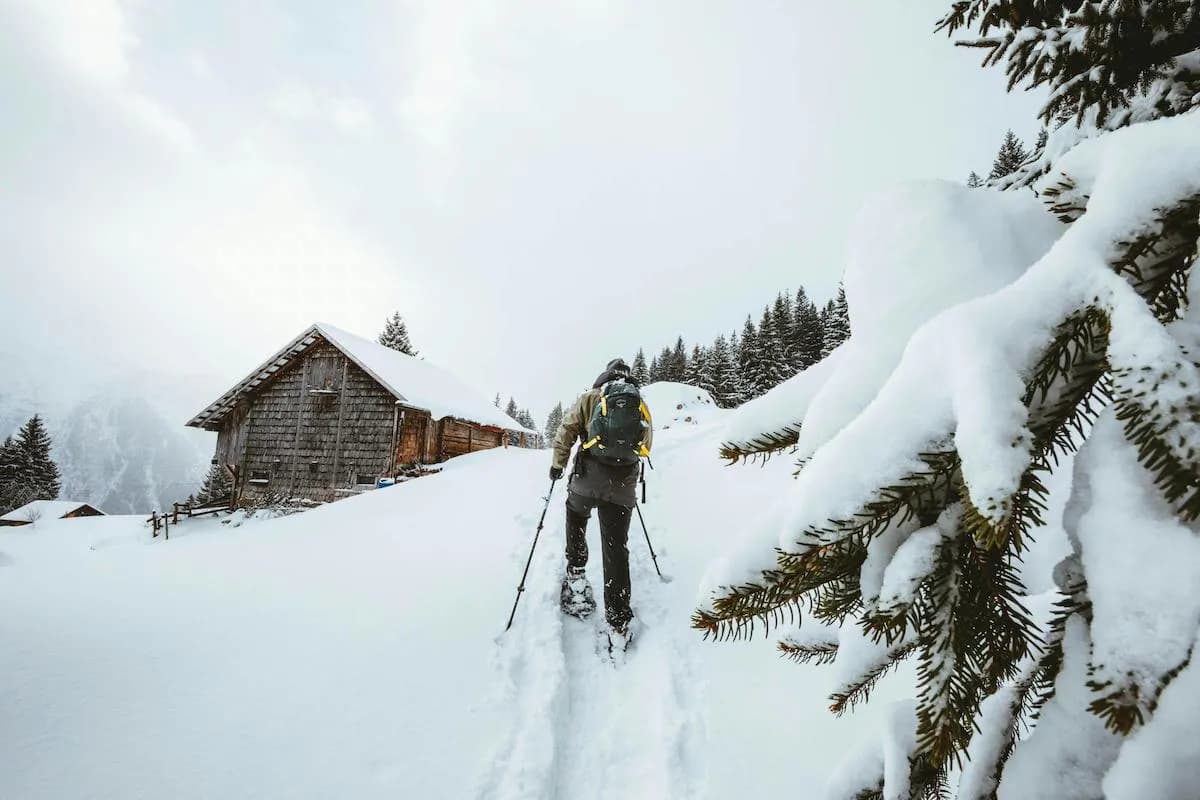
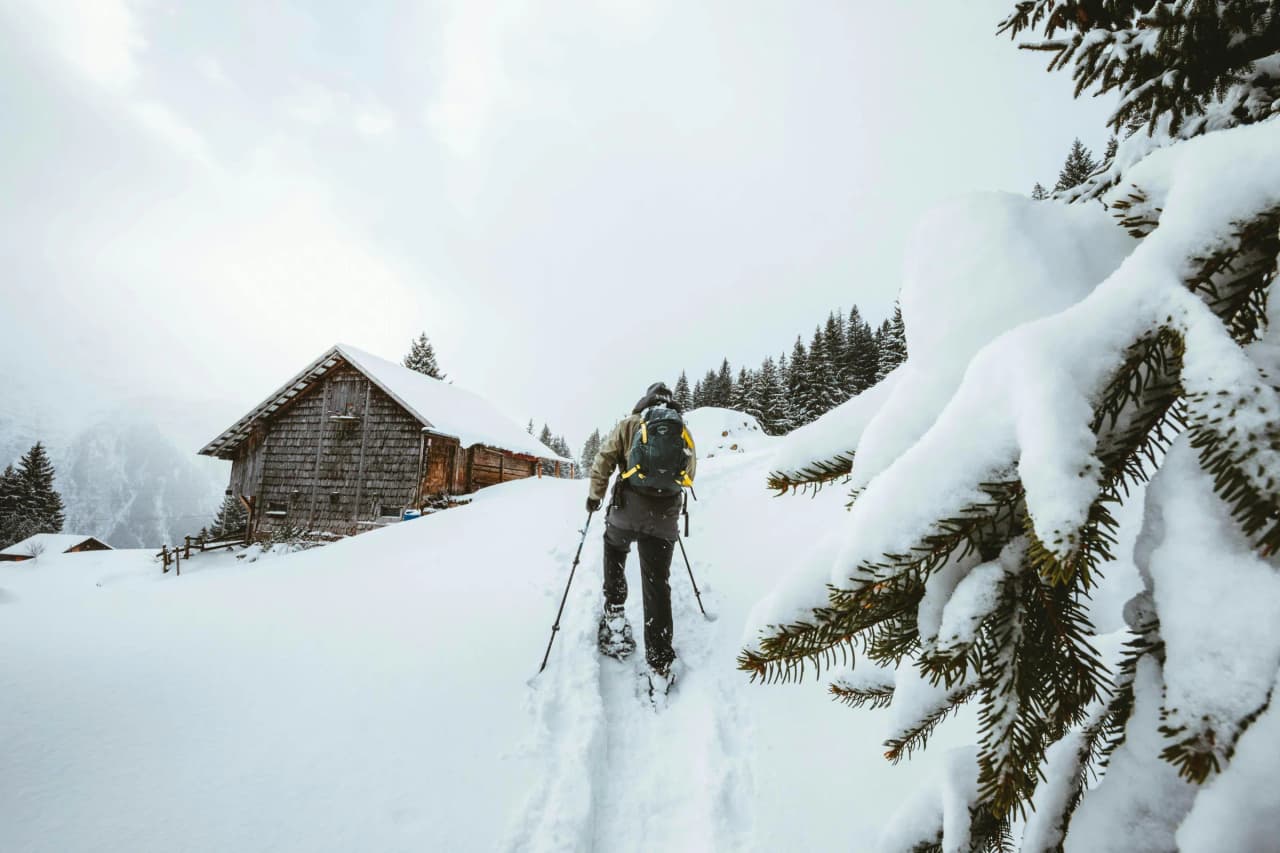
google photogoBasic list of things to remember
- Snowshoes suited to your weight and the terrain
- Telescopic poles with wide washers for stability
- Waterproof, high-top snow shoes
- Technical clothing (three-layer system: thermal, insulating, windproof/waterproof)
- Warm gloves and a hat to cover your ears
- Sunglasses with high UV protection
- Sun cream and UV lip balm
- Thin gloves (optional)
- Rucksack with waterproof cover
- Energy snacks (bars, dried fruit) and a water bottle or water bag, minimum 1.5 litres
- Small first-aid kit (plasters, disinfectant, personal medicines)
- IGN map or GPS app with full battery
For outings organised with Wildhartt, the guides provide advice and remind you to check your equipment before setting off. They recommend adding a survival blanket and whistle for added safety.
Choosing the right snowshoes for the terrain
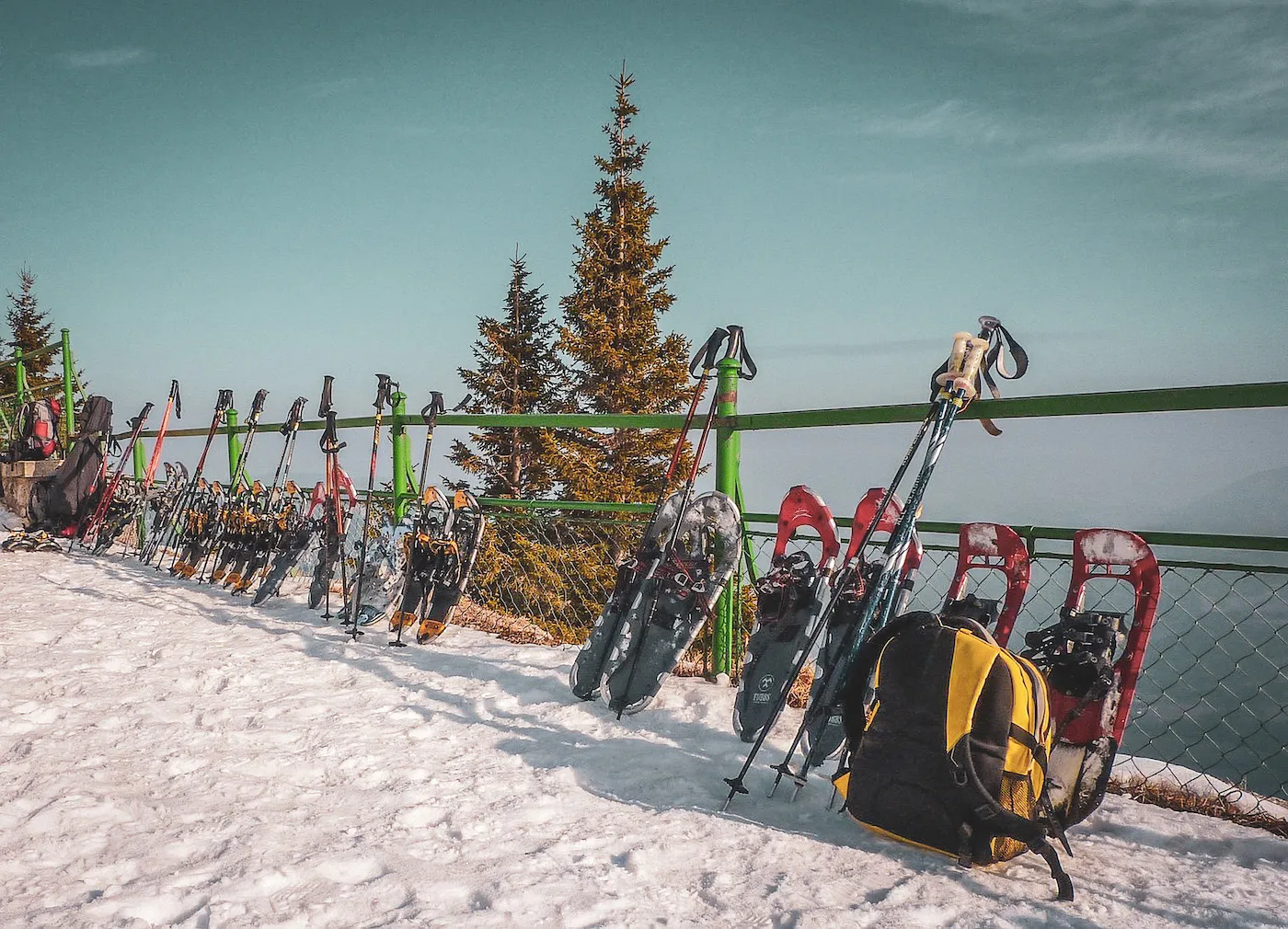
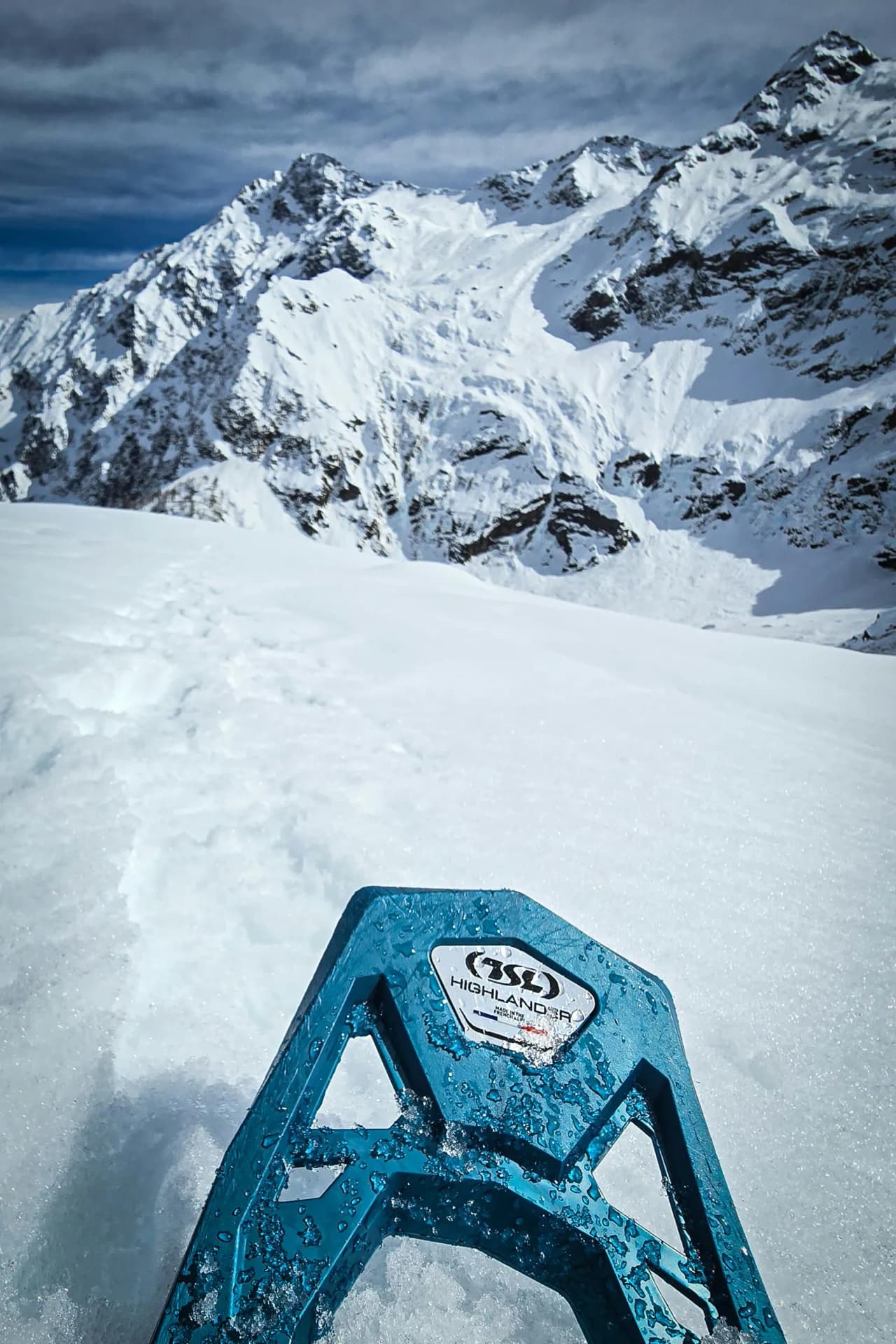
The choice of snowshoes depends directly on the nature of the terrain and your experience. On flat ground or groomed paths, choose lightweight, compact models with a good grip and a classic shape. In hilly areas or off-piste, choose snowshoes with climbing wedges and a good crampon system for secure grip on slopes.
Types of snowshoes by terrain
- Flat terrain/groomed trails: rigid-frame snowshoes with little relief under the sole, suitable for smooth walking.
- Slopes/valleys: models with wedges, reinforced crampons for grip on slopes and uphill.
- Deep snow/powder: long, wide snowshoes that provide extra lift to avoid sinking.
Adjustment to your weight (equipment included) is also crucial: check the load range recommended by the manufacturer for each model. If you're a beginner, make sure your boots are easy to put on and tighten. If you're joining a guided tour such as those offered by Wildhartt, the guides can advise you on the most suitable equipment for your planned outing.
What to wear for a snowshoe hike
The choice of clothing for a snowshoe hike is based on the three-layer principle, which ensures effective insulation and moisture wicking throughout the effort. This method makes it easy to adapt your clothing to variations in temperature or changes in the weather.
Intelligent layer management
- Base layer: Choose a long-sleeved technical undergarment made from synthetic material or merino wool, known for its ability to wick away perspiration and dry quickly.
- Insulating layer: Put on a lightweight fleece or a thin down jacket that retains heat and remains effective even when wet.
- Outer layer: Top it off with a waterproof, breathable jacket (such as Gore-Tex or equivalent), capable of blocking the wind while evacuating water vapour.
Also remember to protect your extremities: lined gloves, a hat and special snow socks will reduce the risk of frostbite. Waterproof or softshell hiking trousers are preferable to jeans, which retain moisture. Clothing with ventilation zips offers better thermal control.
Wildhartt guides insist on the importance of a dry change of clothes in the rucksack, particularly during long stops or if the weather deteriorates. This detail significantly increases comfort on the return journey and helps prevent the body from cooling down after the effort.
Checking the weather before a snowshoe outing: the right reflexes
Before putting on your snowshoes, checking the weather is a key step in anticipating dangers and unforeseen events. Winter conditions can change rapidly, increasing the risk of fog, heavy snow or sudden drops in temperature.
How to check the weather for a snowshoe outing
- Consult specialised bulletins such as Météo-France Montagne the day before and the morning of the outing.
- Repeat the trend over several days, especially for fresh snow, forecast wind or risk of thaw.
- Use reliable apps: Météo France, YR.no or Météoblue
Take into account the avalanche bulletins (BRA) for the massifs concerned, even if your outing is on marked trails.
Warning signs to watch out for
- Sudden cloud cover or rapid onset of fog
- Heavy snow, freezing rain or localised strong winds
- Forecast precipitation in excess of 10 mm in a few hours
- Temperatures below -10°C or risk of gale force winds at altitude
At Wildhartt, our guides always check the weather forecast at the briefing and adapt the route to ensure the safety and comfort of the group.
Mountain safety: checklist before setting off on snowshoes
Before setting off, a few quick checks reduce the risks and allow you to enjoy your outing with complete confidence. A thorough check of equipment and conditions is essential, whatever the length of your hike.
Safety points to check before setting off
- First aid equipment: pack a well-stocked first aid kit, a survival blanket, a whistle and a headlamp with spare batteries.
- Itinerary and communication: always tell someone close to you about your route and bring a GPS tracker or a paper map. Make sure you have a charged phone and, if possible, an external battery.
- Physical condition: assess your fitness on the day, even on an easy route. Taking into account fatigue or minor injuries can save you a lot of trouble along the way.
- Avalanche prevention: for all outings off the beaten track or in mountainous areas, find out about the day's risk from the Météo-France bulletin, and take a avalanche transceiver, shovel and probe with you if necessary.
Wildhartt guides systematically check these points on every group outing. Drawing on professional methods not only improves safety, it also makes snowshoe trekking more comfortable.
Physical preparation for a fatigue-free snowshoe outing
Warming up and getting moving before putting on your snowshoes
Warming up is one of the key rituals for enjoying a snowshoe outing without excessive fatigue. Before setting off, take five to ten minutes to activate your body with wide, dynamic movements. This simple ritual helps to reduce the risk of muscle soreness and avoids making sudden demands on your muscles when they are cold.
- Rotate your ankles, knees and hips to mobilise your joints.
- Walk on the spot by raising your knees, then heel your buttocks gently.
- Do 30 seconds of short, dynamic jumps with your arms open.
- Stretch your calves and the back of your thighs quickly to prepare for deep snow walking.
Minimum physical condition required
Snowshoeing requires moderate stamina and good stability. Even for an easy hike, a minimum of experience of walking on uneven terrain will greatly enhance the experience. Main objective: to be able to walk for one to two hours without difficulty, with regular breaks.
Recommended exercise beforehand
- Walk or hike every week, between two and three thirty to forty-five minute sessions.
- Include gentle ascents and descents to build up leg muscles
- Strengthen abdominal muscles with simple exercises (plank, buttock bridge)
On Wildhartt guided outings, the leaders adapt the route to the fitness level of the group and reiterate these tips before setting off on the trail. This preparation allows you to enjoy the scenery without premature exhaustion.
Organising a snowshoe outing with children
Organising a snowshoe outing with children requires a different approach to guarantee fun and safety at every stage. The route and pace need to be adapted to the age and stamina of the youngest children, without neglecting the regular breaks and playful moments that will make the experience memorable.
Pace and breaks: adapting to the child
- Choose a short route with few changes in altitude, to avoid premature fatigue.
- Organise a break every 30 to 40 minutes to snack, drink and adjust clothing if necessary.
- Check their extremities (hands, feet) frequently to anticipate any signs of cold.
Fun and safety
- Include simple snow games such as looking for animal tracks or building little igloos.
- Appoint a responsible adult at the front and another at the back to guide the group.
- Involve the children in preparing the equipment: adjusting the snowshoes, checking the rucksack.
Using a Wildhartt guide who specialises in families ensures that the pace of the trip is adapted to the children's needs, that they learn something new and that they have peace of mind about the itinerary. Guided family outings encourage children's independence while limiting unforeseen weather and terrain conditions. For more family tips and ideas for activities, see our For families page.
Snowshoeing alone: advice for a solo outing
Going snowshoeing alone requires rigorous preparation and close attention to safety if you are to enjoy the experience to the full. Always inform a family member or friend of your precise itinerary, departure time and estimated return time. If possible, indicate the number of the walk, the planned GPS route and provide a contact point on arrival.
Essential equipment for a solo outing
- Charged phone with external battery
- Paper map or active GPS track with dedicated application (Visorando, IGNrando')
- Individual first-aid kit including survival blanket and whistle
- Headlamp, even for daytime outings
- Hydration system and sufficient food
Adapt your equipment according to the terrain and weather conditions observed that morning. Check the condition of your equipment before setting off and avoid underestimating the difficulty of the route. If you are inexperienced, opt for a signposted route or use qualified guiding.
Finally, check for specific weather warnings and avalanche bulletins published by Météo-France. The support of a specialist organisation like Wildhartt guarantees safe supervision, even for self-guided tours, thanks in particular to the logistics and advice provided before each departure. Looking for other micro-adventures? Take a look at our micro-adventures for more inspiration.
Mistakes to avoid on your first snowshoe outing
Many beginners make similar mistakes on their first snowshoe outing. These oversights or poor choices complicate the experience and can present risks in snowy conditions. Here are the most common mistakes to watch out for, so you can get the most out of your first adventure.
Common mistakes on a first snowshoe hike
- Underestimating the weather: setting off without consulting a mountain report or ignoring a sudden change in the weather can lead to discomfort or even danger.
- Wrong choice of equipment: shoes that are not waterproof, snowshoes that are not adapted to your weight or the type of terrain, unsuitable clothing (e.g. cotton or jeans).
- Lack of preparation for the itinerary: choosing an unmarked route or a route beyond your capabilities without any preparation increases the risk of getting lost or tiring yourself out quickly.
- Forgetting water and snacks: believing that the effort will be easy or short encourages you to neglect hydration and energy intake, which are essential in cold weather.
- Ignoring safety rules: setting off alone without warning, straying from marked trails or neglecting emergency equipment.
Wildhartt guides always remind you to carry out a thorough check before setting off and to adapt the tour to the reality of the group. Taking these precautions reduces stress and increases the chances of making the experience as enjoyable as it is safe.
Using a GPS to follow a snowshoe itinerary
Tracking the route of a snowshoe outing involves using a GPS or mobile applications such as Visorando or IGNrando'. A dedicated hiking GPS remains reliable even when off the grid, while smartphones require an offline mode and an external battery in case of intense cold.
Key steps for following a snowshoe trail with a GPS
- Download the GPX track of your route before setting off on a recognised app
- Make sure that the mapping includes the snow-covered trails in the area
- Activate route tracking: the GPS will alert you immediately if you deviate from the route.
- Set important waypoints (start, summit, risk areas)
- Check the device's autonomy and take a spare battery with you
For guided outings, Wildhartt systematically provides the GPS track and explains how to use it. Our guides are also very good at reading paper maps, which can be useful as a back-up. This double support helps avoid disorientation in fog or heavy snow, and increases the safety of the whole group.
Why choose Wildhartt for your snowshoeing adventure?
Discovering snowshoeing in the mountains takes on a whole new dimension with professional guiding and conditions suited to everyone. At Wildhartt, every outing is led by a qualified guide with a perfect knowledge of the routes, the terrain and winter safety conditions. This limits the risks and ensures responsive guiding, even in the event of weather changes or unforeseen circumstances on the route.
A unique experience in a small group
Groups are deliberately kept small. This encourages discussion, allows us to adapt precisely to each person's pace or level, and facilitates personalised supervision. Whether you're on a sporting outing, a family outing or a discovery tour, the friendly atmosphere gives you the chance to benefit from the guide's advice and explore areas that are not usually frequented.
Off the beaten track and extra safety
Wildhartt focuses on discovering unspoilt landscapes and regularly offers original itineraries off the beaten track. Before each departure, the guide systematically reviews safety, checks participants' equipment and adjusts the itinerary according to the conditions. So you can enjoy your adventure with complete confidence, and the pleasure of an authentic experience. Discover all our Wildhartt guided adventures to extend the experience off the beaten track.
Quick FAQs on snowshoeing
Before putting on your snowshoes, a number of questions often arise to help you prepare for your mountain adventure. Below are the answers to the most frequently asked questions, to help everyone set off well-informed and confident.
At what age can a child start snowshoeing?
Children can generally start snowshoeing from the age of 4 or 5 if the route is short and the pace appropriate. Favouring easy trails and taking frequent breaks increases enjoyment and safety. There are snowshoe models specially designed for children.
What distance should I aim for on my first snowshoe outing?
To begin with, we recommend choosing a route of between 4 and 7 kilometres with little change in altitude. This distance allows you to take time to observe the snow, take breaks and conserve energy. Wildhartt always recommends estimating the duration according to the snow conditions and the experience of the group.
Do I need to be in any particular physical condition to go snowshoeing?
Snowshoeing is for anyone who can walk for an hour without difficulty, but snow-covered terrain can require more effort than a traditional hike. Practising a regular endurance activity and warming up before setting off will make the experience much easier.
Are poles essential?
Yes, the use of poles improves stability, reduces muscular fatigue and makes walking safer on steep sections or deep snow. The absence of poles increases the risk of imbalance, especially on descents.
Can snowshoes and other equipment be hired locally?
Most mountain resorts and villages offer snowshoes, poles and suitable footwear for hire. Wildhartt specifies in each guided adventure whether the equipment is provided or must be booked in advance.
Is there a risk of avalanche?
On a marked route in the forest or on a flat plateau, the risk of avalanche is practically zero. As soon as an outing involves going off-piste or skirting a slope, it's essential to consult the Bulletin d'Estimation du Risque d'Avalanche (Avalanche Risk Assessment Bulletin) and equip yourself if necessary (avalanche transceiver, shovel, probe). The guiding staff systematically check the risk level for each outing.
Is a GPS or GPS app preferable to a paper map?
The GPS, via a dedicated device or mobile application, makes navigation easier and alerts you if you leave the route, but the paper map remains a reliable backup in the event of a breakdown or if the device is very cold. Combining the two tools enhances safety.
If you have any specific questions or need advice tailored to your experience, Wildhartt's guides will share their expertise and guide you through the choice of equipment, the adjustment of the route and the essential techniques to remember before setting off. You can also read our blog for more tips and practical information about hiking in the mountains.

Find your next adventure
Browse curated expeditions matching the categories of this article and start planning your next trip.
Find your dream adventure
 Find your dream adventure
You might also like these adventures …
Hand-picked to echo the spirit of this article.
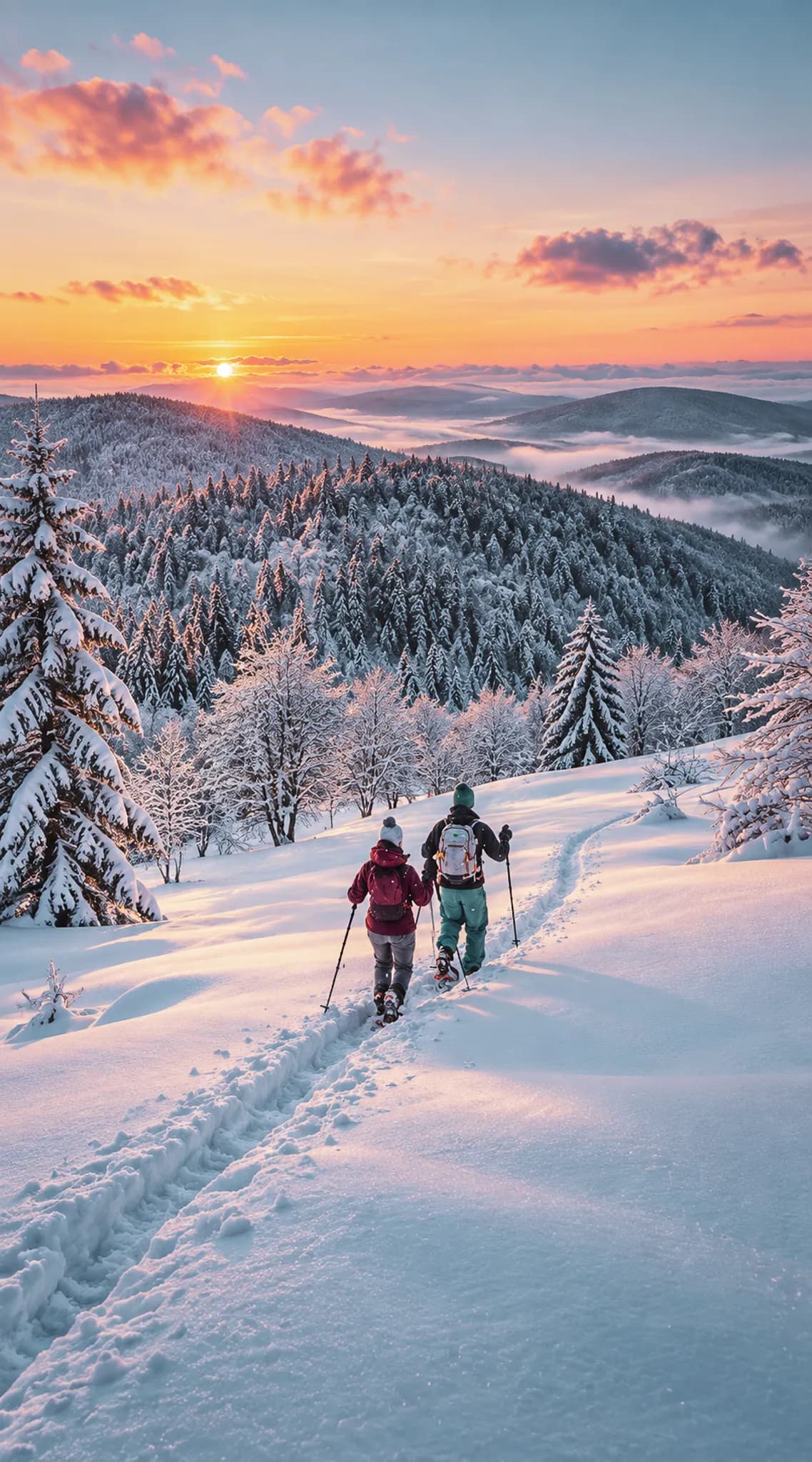

Snowshoeing with cosy mountain-hut nights in the Vosges
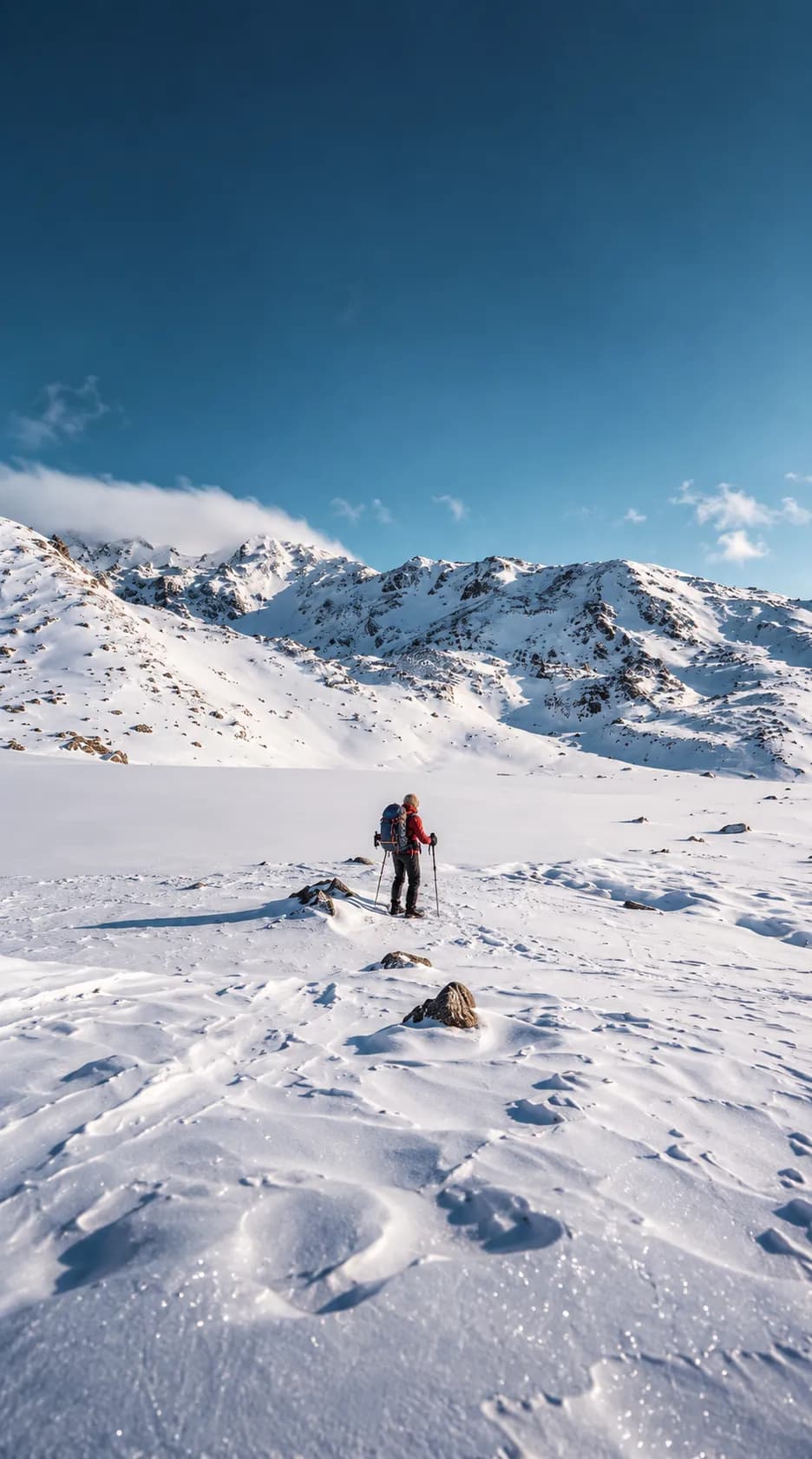
New Year: Snowshoeing and a New Year's Eve celebration in a mountain hut in the Clarée valley
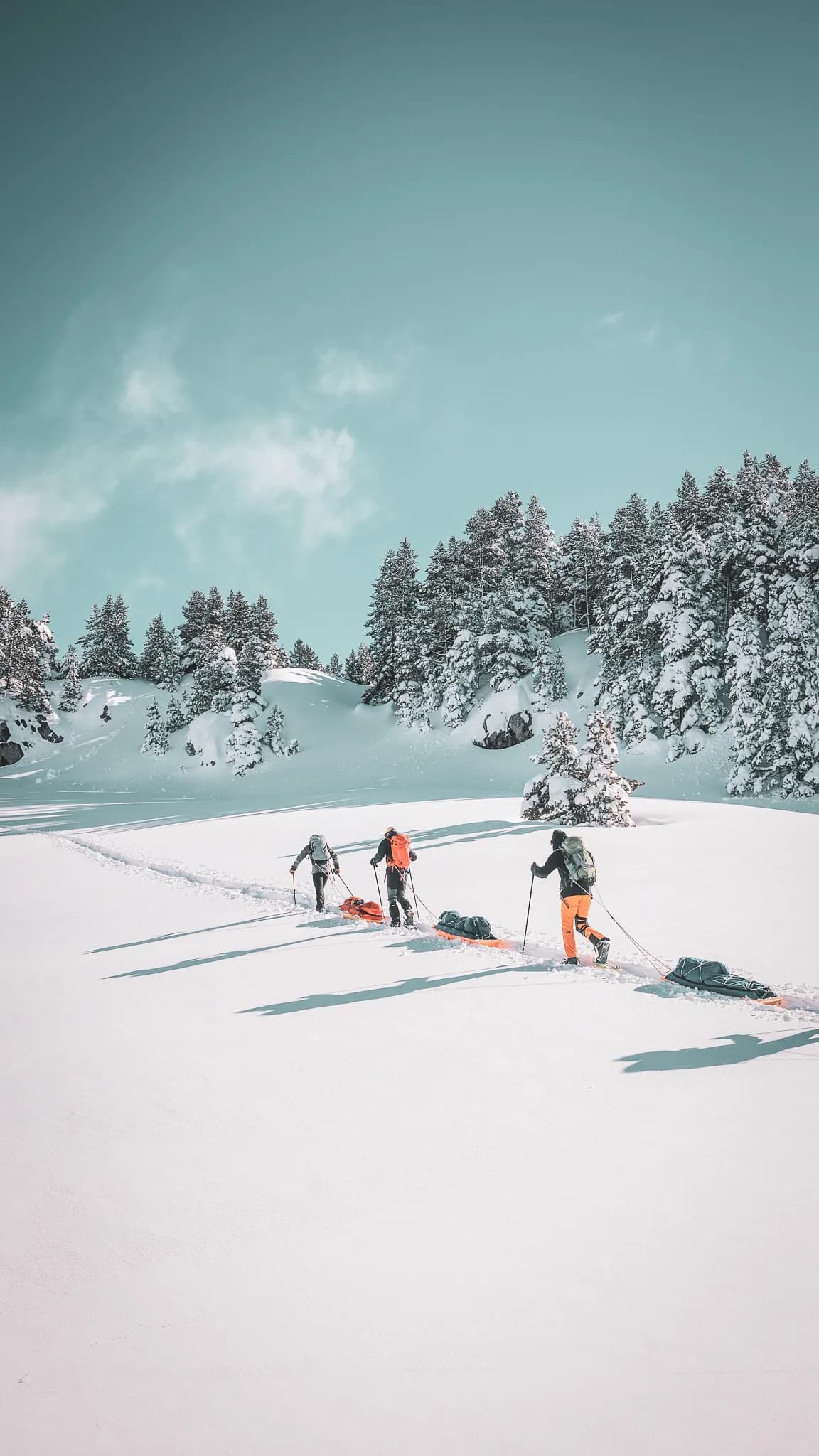
Wild Vercors: snowshoe trek with pulka and tipi nights
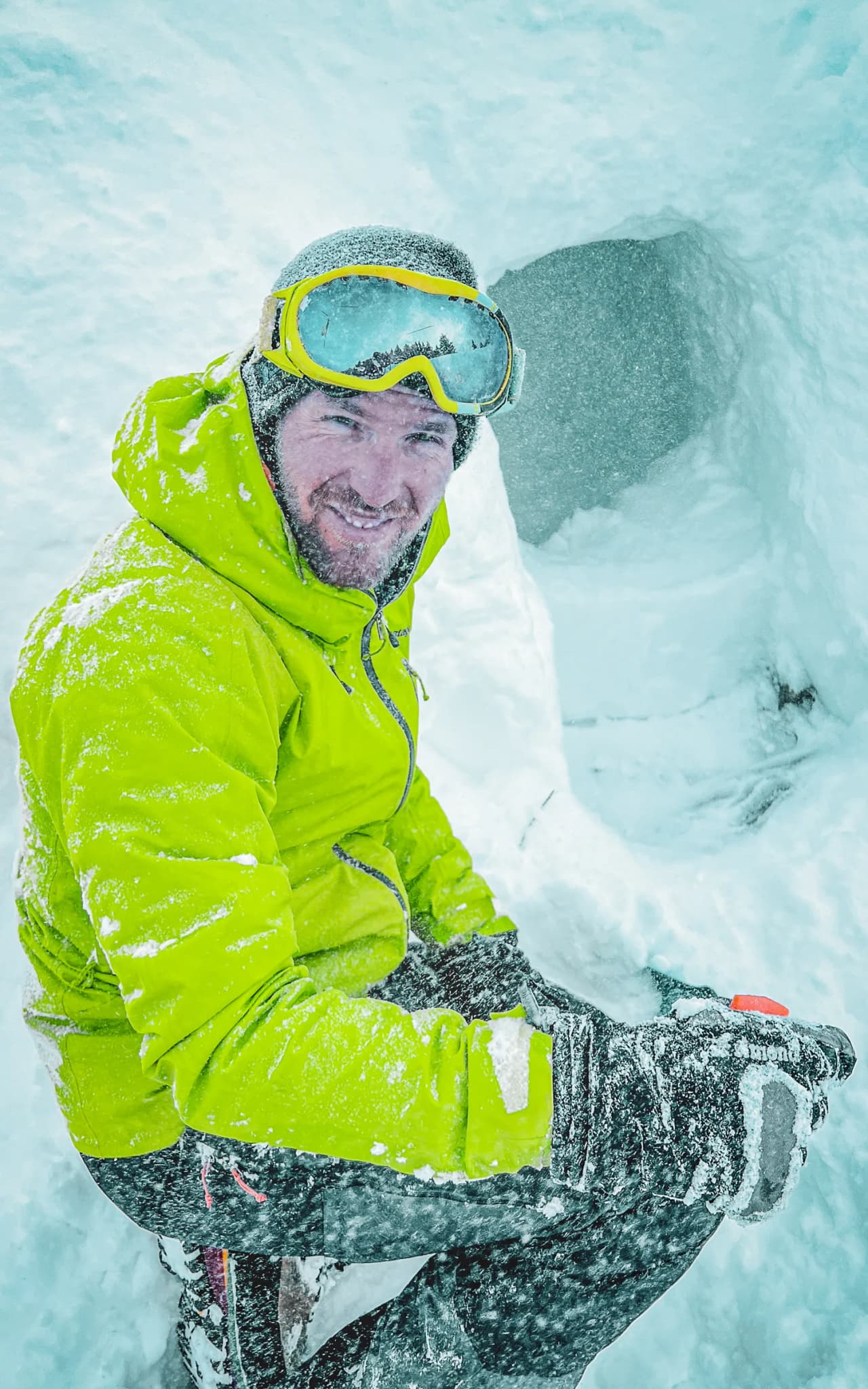
Snowshoeing and a night in an igloo facing the Meije
More to discover
Keep exploring with these pages and stories picked for you.
The Ultimate Guide to Snowshoeing: Advice, Equipment and Destinations
Set off on a snowshoeing adventure with our advice, top spots and tips for unforgettable winter walks!
Snowshoeing: the ultimate guide to the best routes by region
Discover the most beautiful snowshoe walks by region. Get ready for your adventure with our exclusive advice and experience winter in a whole new way!
Must-do itineraries: top 10 snowshoe hikes in Savoie
Discover the 10 best snowshoe hikes in Savoie. Experience a wild and magical adventure with every itinerary, advice and access included!
Mountain Leaders: A Practical Guide for Hikers
Understand what a mountain leader does and how they can support a safer, more confident hiking experience.
Top 7 ski touring itineraries for a start in 2026
Start ski touring! Discover the best 2026 beginners' itineraries with advice, safety and Wildhartt guides.
10 Benefits of Going into the Mountains with a Guide
Snowshoe trekking with a guide: a safe adventure in snow-covered landscapes. Opt for the complete experience with our experts!
