Train for the 3-day Chamonix trail camp in 6 weeks
 By Maxime
A gentle six week plan to arrive ready for the Chamonix trail camp with Violette: basic climbing and descending technique, no performance chasing.
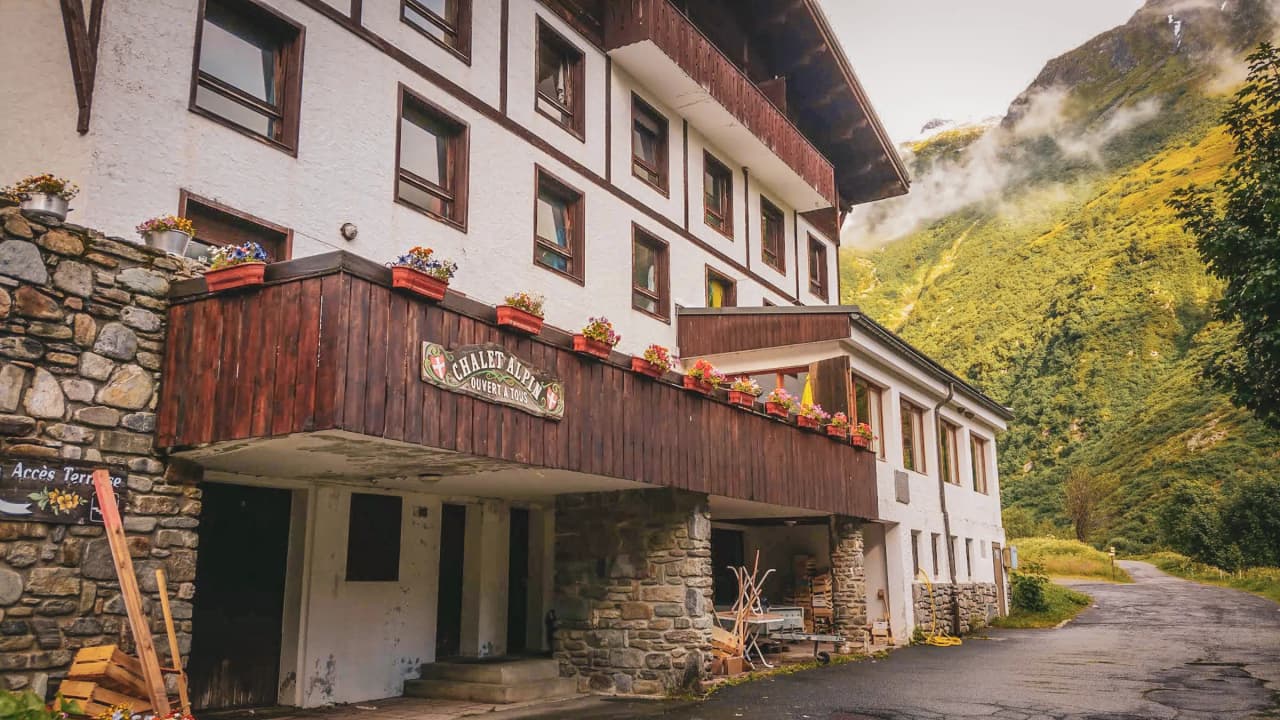
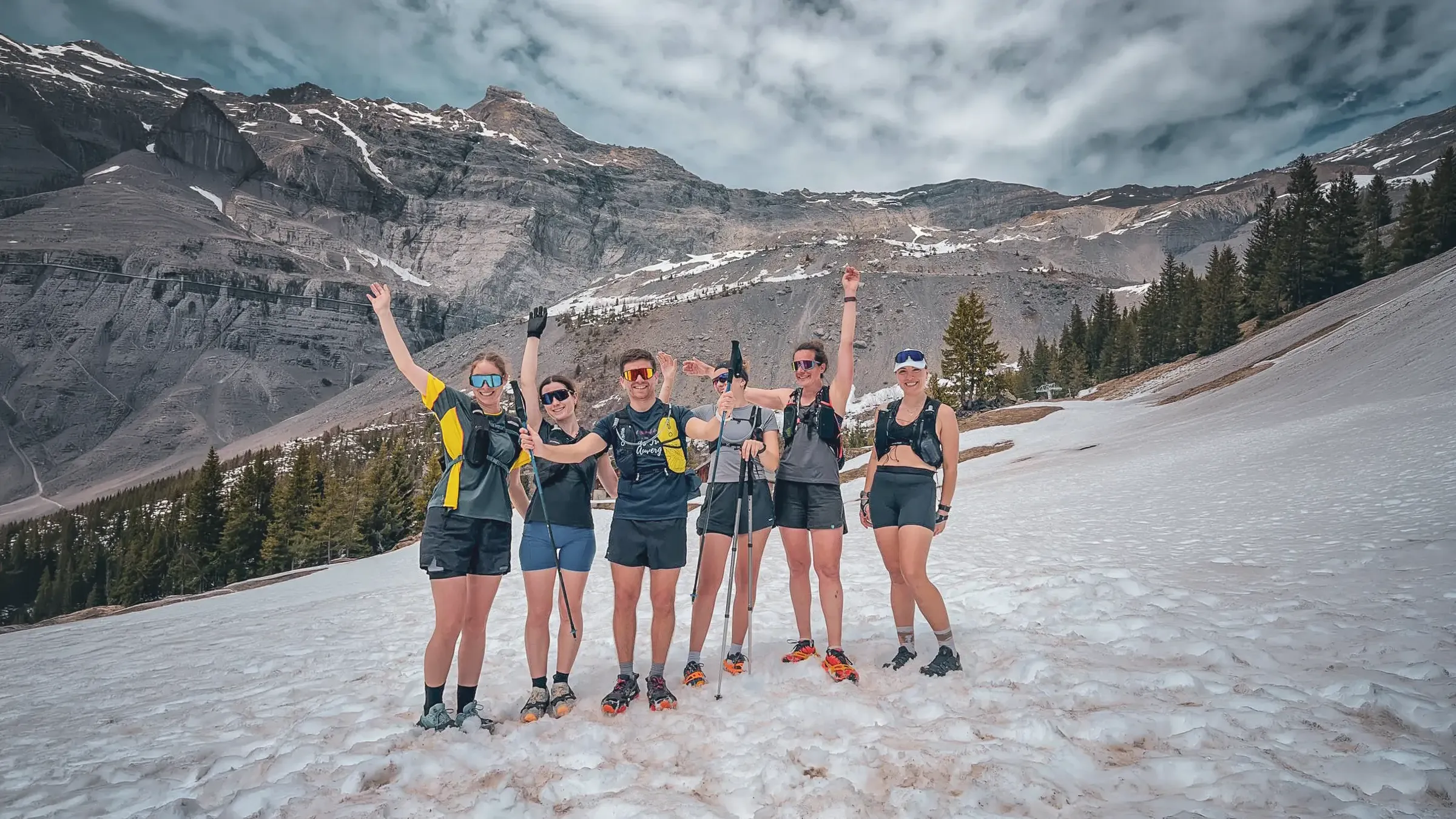
Getting ready for the Chamonix trail camp starts before you set foot in Montroc le Planet, but not to chase a performance: the goal is to arrive comfortable enough to enjoy the trails, not to survive a huge day. The Introduction to trail running in Chamonix, a running camp in the heart of the Mont Blanc massif stays an accessible discovery: you cover 7 to 15 km a day, with up to 900 metres of ascent (often shortened to D+, it simply means the total metres you climb) on the biggest day, with no heavy portage. This six-week plan helps you arrive ready to enjoy it, guided by Violette, a passionate guide who knows the massif well.
Before you start: check where you stand
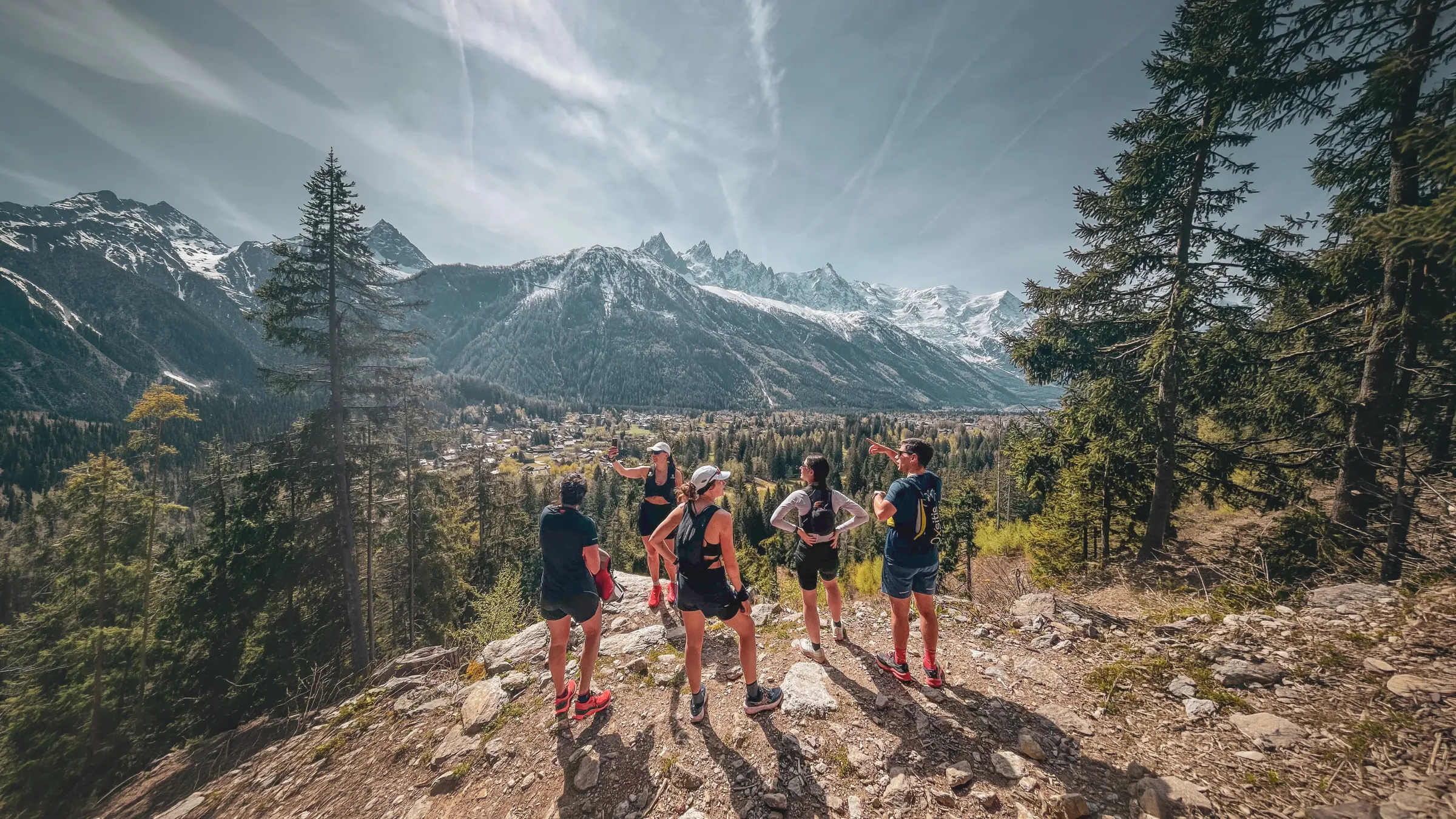
Run a simple check before week 1. Walk or run for 45 to 60 minutes on rolling ground, at a pace where you can still speak in full sentences. If you finish feeling comfortable, you're in good shape to start. If you're out of breath the whole way, trim the plan's volumes by 20 to 30 percent for the first few weeks, without chasing intensity right away.
Keep the camp's program in mind: day 1 is about finding your bearings and learning the basics with Violette, day 2 is the biggest mountain day, day 3 is smoother again to build confidence and enjoyment. A realistic goal is enough: be able to walk and run for 3 to 4 hours on climbing terrain, with breaks, while keeping enough energy for the following day.
The six-week plan
Keep the structure simple: 3 to 4 outings a week, with at least one full rest day. The core is one longer weekend outing, one outing with some climbing during the week, and one easy outing to recover.
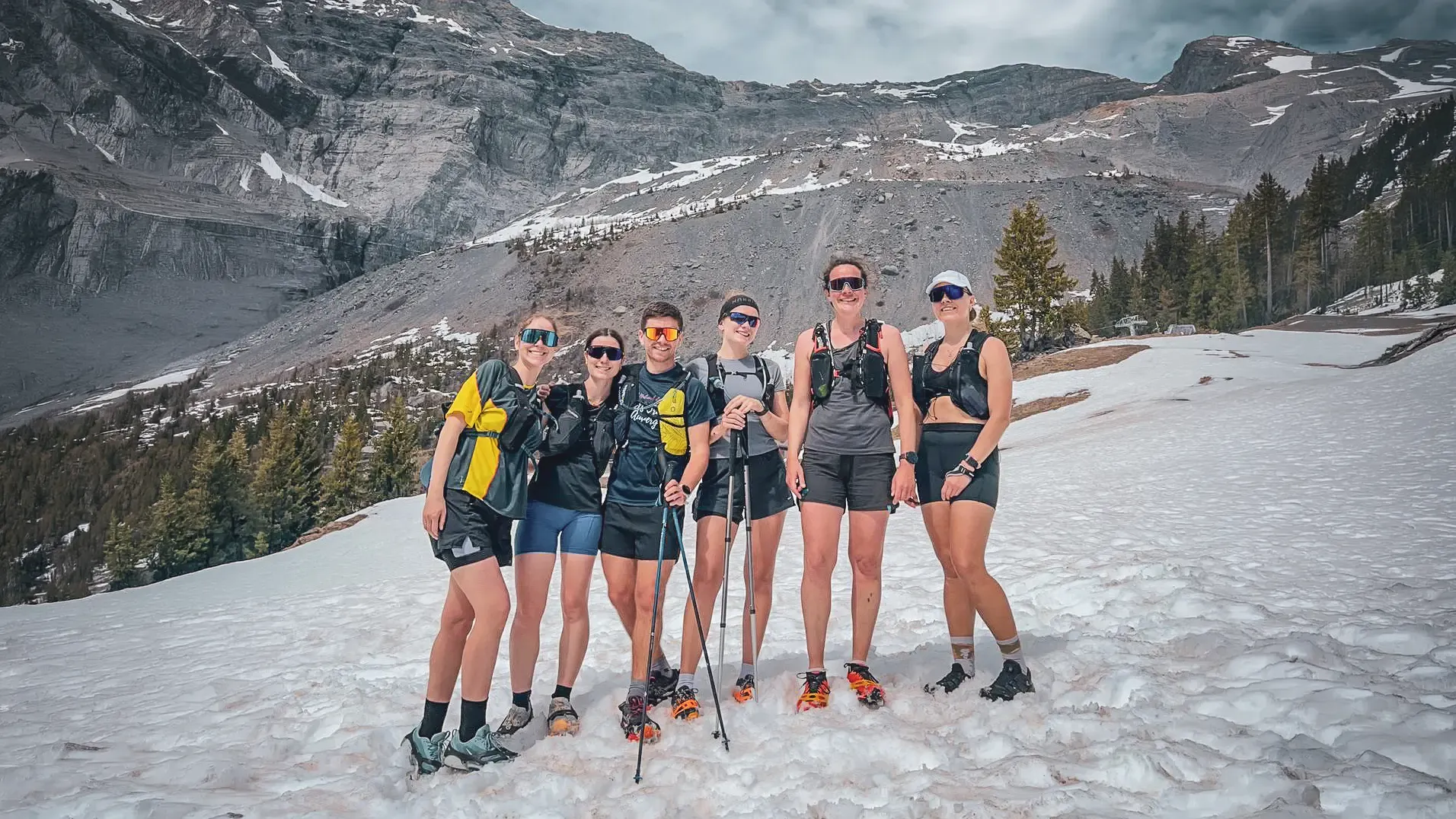
Weeks 1 and 2, lay the foundations without rushing. Two easy outings of 30 to 40 minutes, one weekend outing of around an hour on rolling ground. If mixing running and walking suits you better than running non-stop, do that, it's exactly what you'll do on the trails in Chamonix too.
Weeks 3 and 4, add a bit of climbing. Pick one outing during the week with a few hills where you switch to power hiking, a technique explained in more detail just below. The weekend outing grows to 1h30-2h, with 300 to 500 metres of ascent if the terrain allows.
Week 5, move closer to day 2's format: one outing of 2h30 to 3h with 600 to 900 metres of ascent if you can find suitable terrain, at an easy pace where you keep enough breath to talk. If you don't have that much climbing near home, a longer outing on rolling ground works just as well.
Week 6, ease off. Cut volumes by half, keep one short outing with a bit of climbing to stay loose, then take two very light days before you travel so you arrive fresh in Montroc le Planet.
The basics: climbs, descents and poles
On climbs, as soon as the slope steepens, stop running and switch to power hiking: lean your chest forward a touch, rest your hands on your thighs to help push off, and shorten your stride. Quick heel lift, steady breathing. It's what every good trail runner does on hills, beginners included.
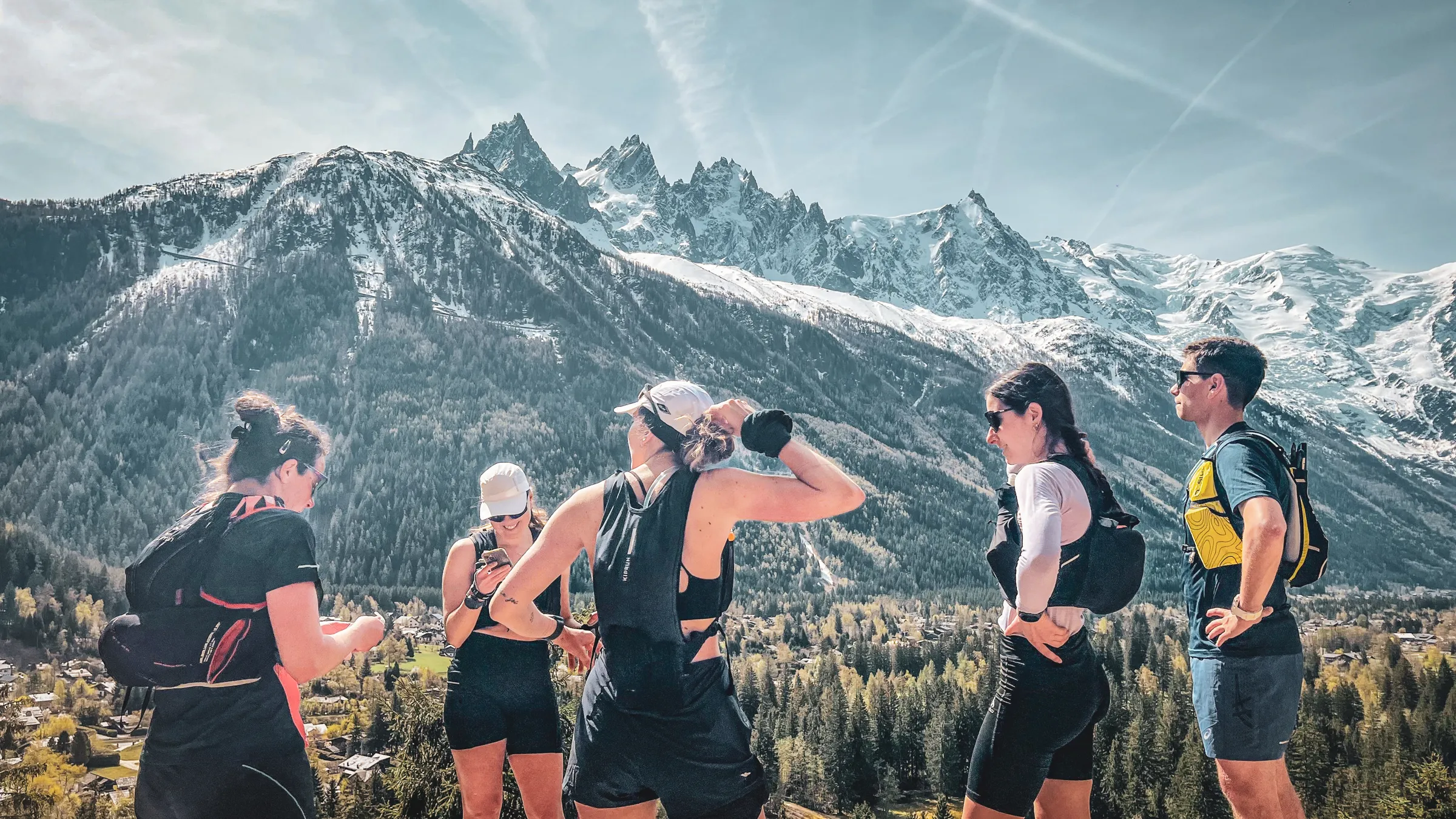
On descents, keep your eyes 3 to 5 metres ahead, shoulders relaxed, and think of brushing the ground rather than planting your foot. If you feel unsure, fast-walk the first technical sections and speed up only once you know the terrain. No need for poles to get started: Violette's workshop on day 1 teaches you how to use them uphill and downhill, if you have some.
Twice a week, if you want to add a little strength work, 15 to 20 minutes of simple moves is enough: lunges, calf raises, planks. Nothing compulsory, just a bonus.
Fueling and drinking over the three days
Test your fueling during your long outings rather than figuring it out on the spot. Eat a simple meal 2 to 3 hours before a weekend outing. On the move, have a small snack every 30 to 40 minutes once the outing passes an hour, and drink small sips regularly rather than waiting to feel thirsty. Nothing to calculate precisely, the idea is just to never run short of energy.
On site, Violette shares her tips on nutrition and effort management during the big day 2 outing, tailored to everyone in the group.
The three days, day by day
On day 1 in Montroc le Planet, stay attentive rather than ambitious. The first outing around the hostel is about finding your bearings and warming up. In the afternoon, Violette's workshops cover using poles, managing ascents and descents, and tips for finding your own rhythm. In the evening, a short wildlife observation walk is offered to those who want it.
On day 2, after a short train ride to the last village before the Swiss border, you set off for the biggest day of the camp. It's a chance to put what you learned the day before into practice while enjoying the views. Violette also shares tips on nutrition and effort management along the way. In the evening, you can choose between an introduction to orienteering or simply gazing at the stars.
On day 3, you explore the opposite side of the massif, through forests and blueberry bushes, on a route that's smoother than the day before to help you build confidence and enjoyment. The loop ends in the village of Argentière, where you can enjoy some homemade ice cream before heading back to the hostel to collect your things.
Packing and logistics
Pack a small vest for the outings and a bag for the hostel. The minimal list below covers all three days.
- Broken-in trail shoes
- Charged headlamp
- Sleeping bag liner
- Category 3 or higher sunglasses
- Hydration bladder or bottles, 1.5 to 2 litres per day
- Two to three breathable T-shirts
- Daypack of at least 20 litres
- Two to three pairs of technical socks
- Two trail shorts or tights
- Waterproof breathable shell
- Larger 20 to 30 litre bag for the whole stay
- Trail vest 8 to 12 litres for daily outings
Confirm the meeting point in Montroc le Planet, and allow a small time buffer for the day 2 train.
This six-week plan doesn't replace the terrain, it just helps you enjoy it instead of enduring it. As one recent participant, Juliette, put it after her camp with Violette: "A wonderful experience with our guide Violette, discovering Chamonix on the trails! Thank you for this beautiful trip!" Adjust the plan to your level, what matters most is arriving curious and relaxed for Introduction to trail running in Chamonix, a running camp in the heart of the Mont Blanc massif.

Find your next adventure
Browse curated expeditions matching the categories of this article and start planning your next trip.
Find your dream adventure
 Find your dream adventure
You might also like these adventures …
Hand-picked to echo the spirit of this article.

More to discover
Keep exploring with these pages and stories picked for you.
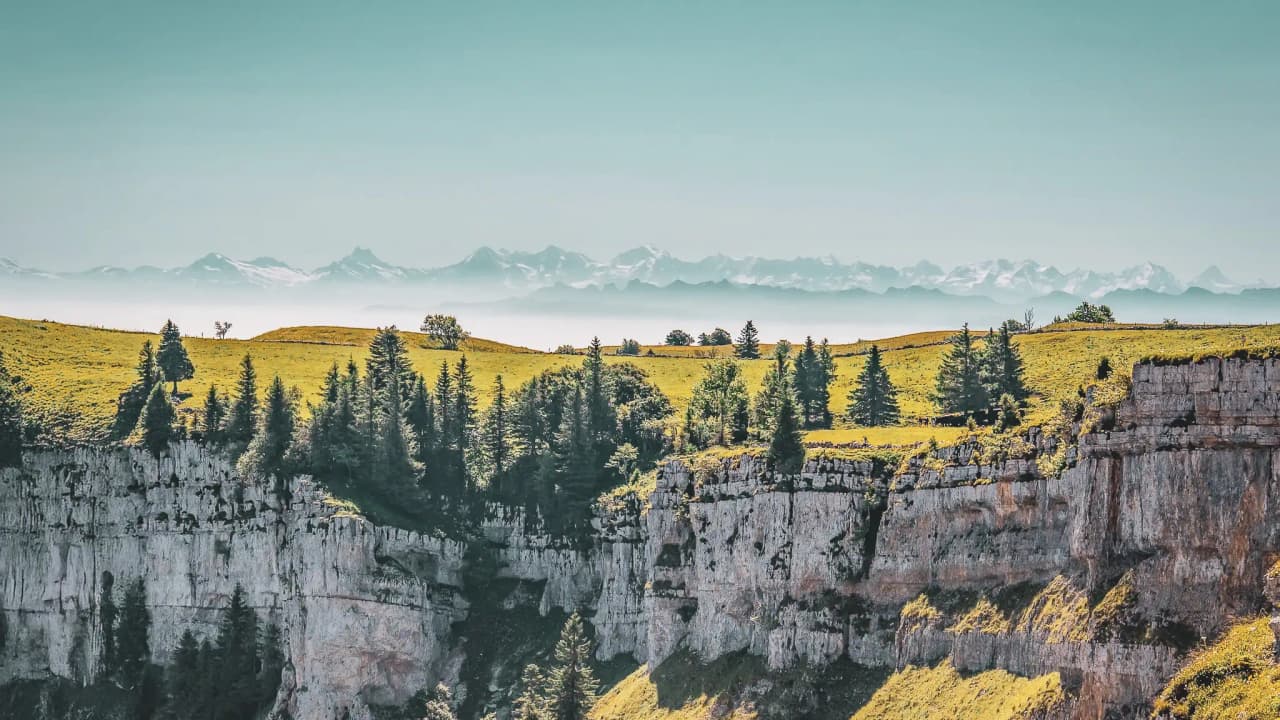
Train for the 3-day Jura trail camp in 10 weeks
A gentle 10 week plan to arrive ready for the Jura trail camp with Manon and Patrick: progressive training and basic technique, no performance chasing.
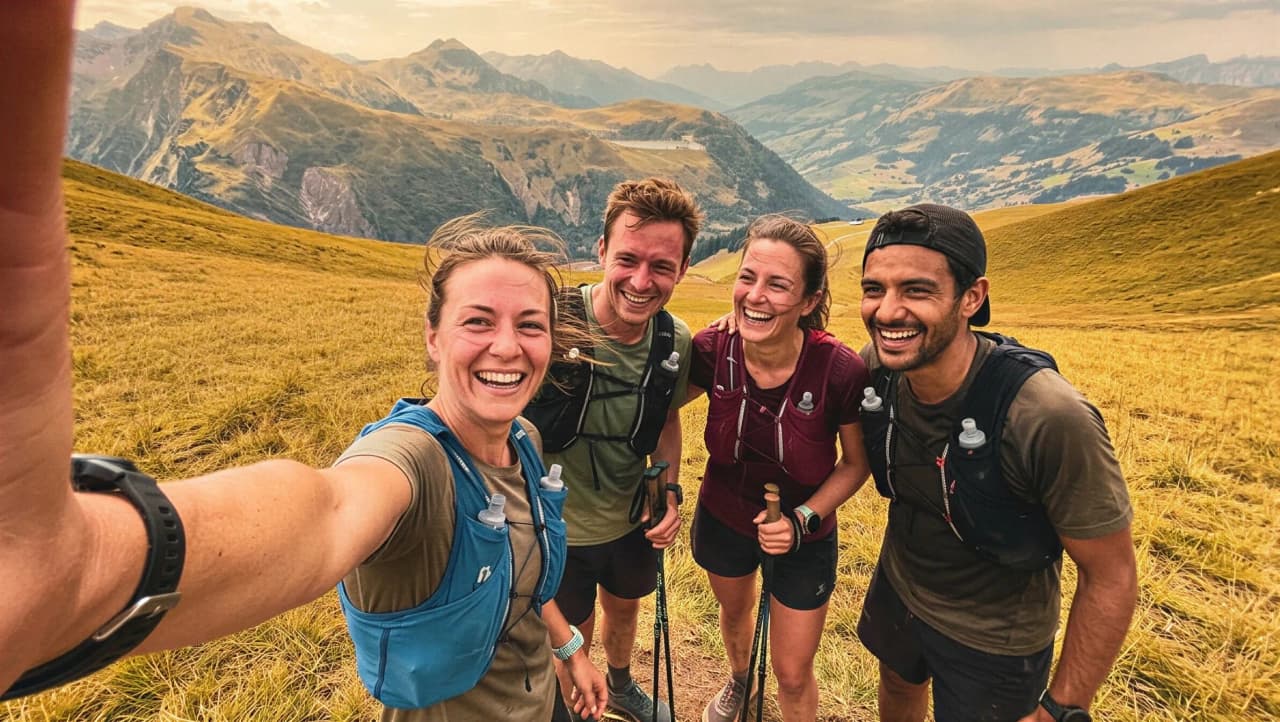
High-altitude traverse or technical camp: your summer choice
Torn between a high-altitude traverse and a technical camp? Compare the 5-day Beaufortain tour with three shorter options by level, season and goals.
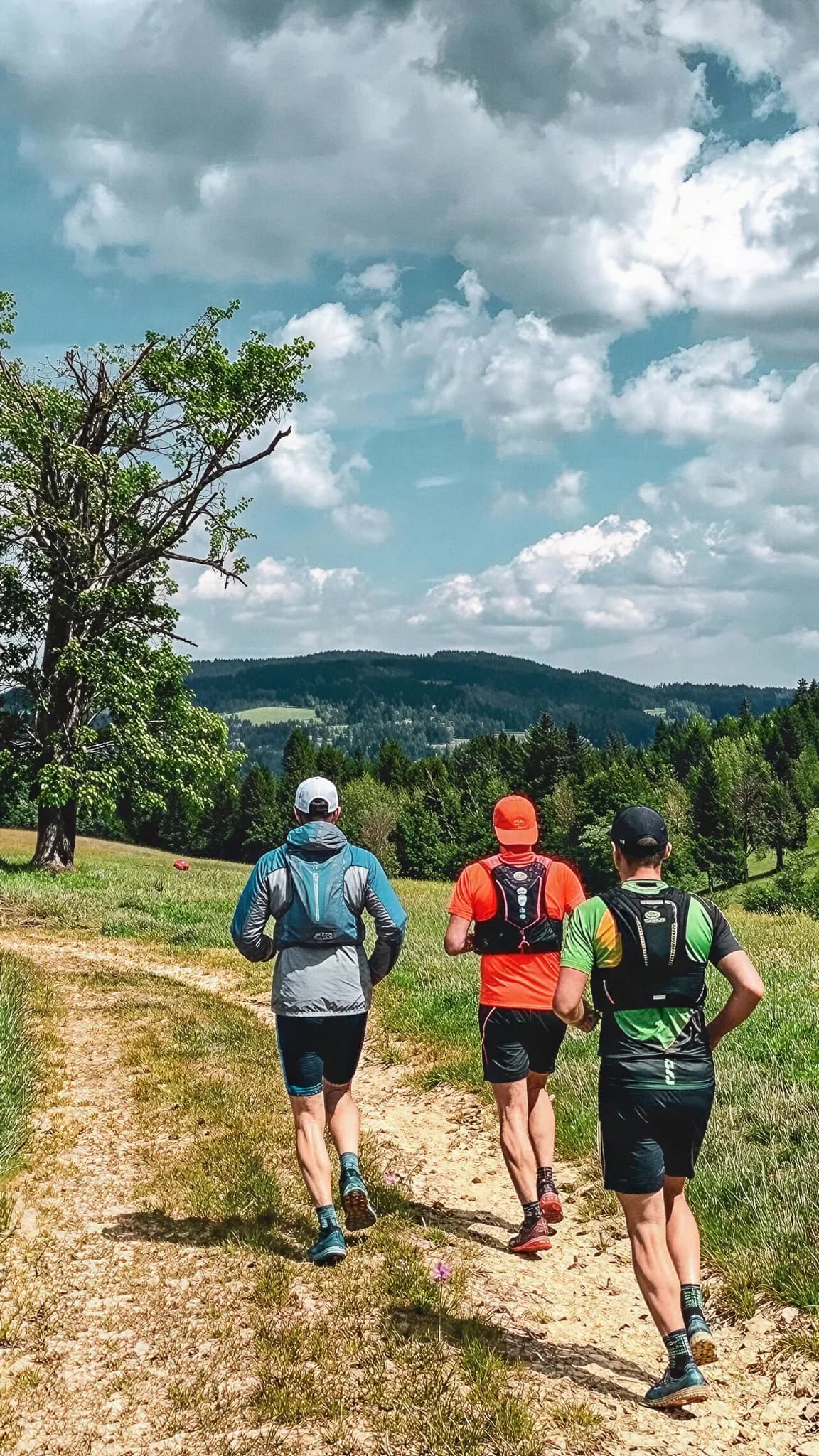
Trail running camps with elite athletes and mountain guides
Join our trail running camps led by elite athletes and expert guides. Three day mountain coaching, skills, nutrition and recovery, April to October.
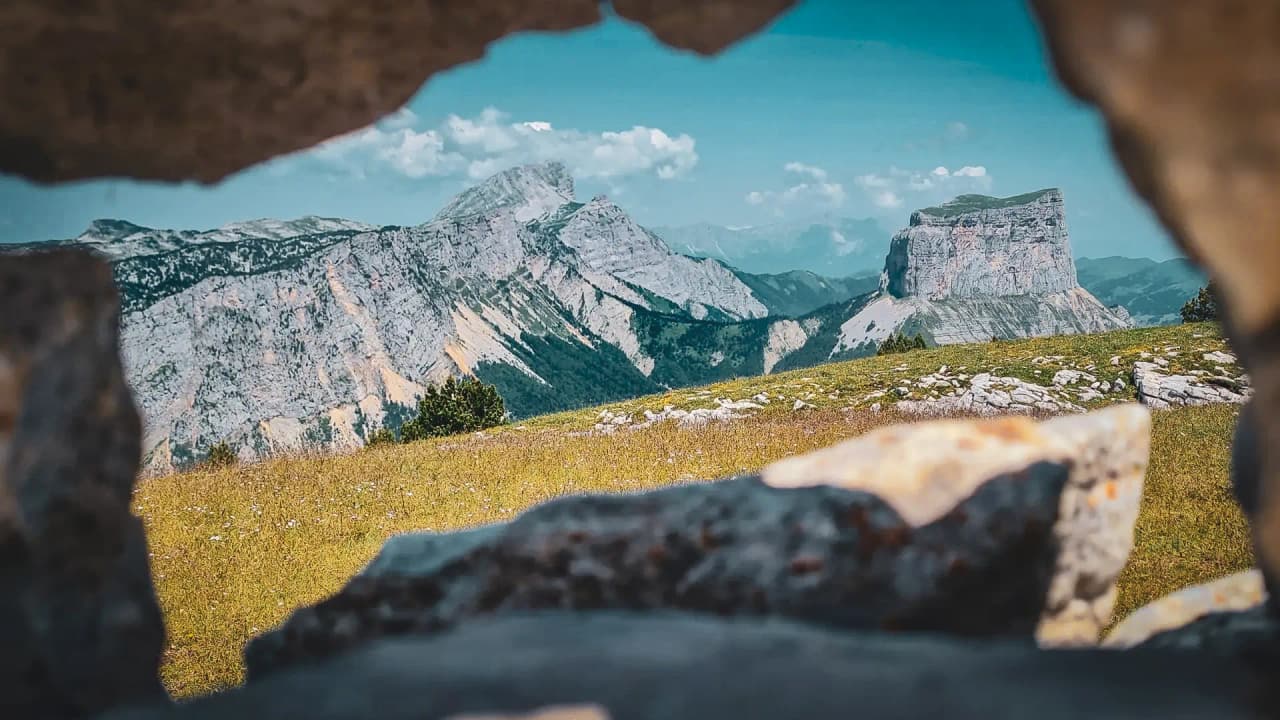
Train in 6 Weeks for the Wild Vercors High Plateaus Trek
Carrying 8 to 10 kg for four days in a row takes real preparation. Here is the full 6 week training plan for the Vercors High Plateaus trek, day by day.
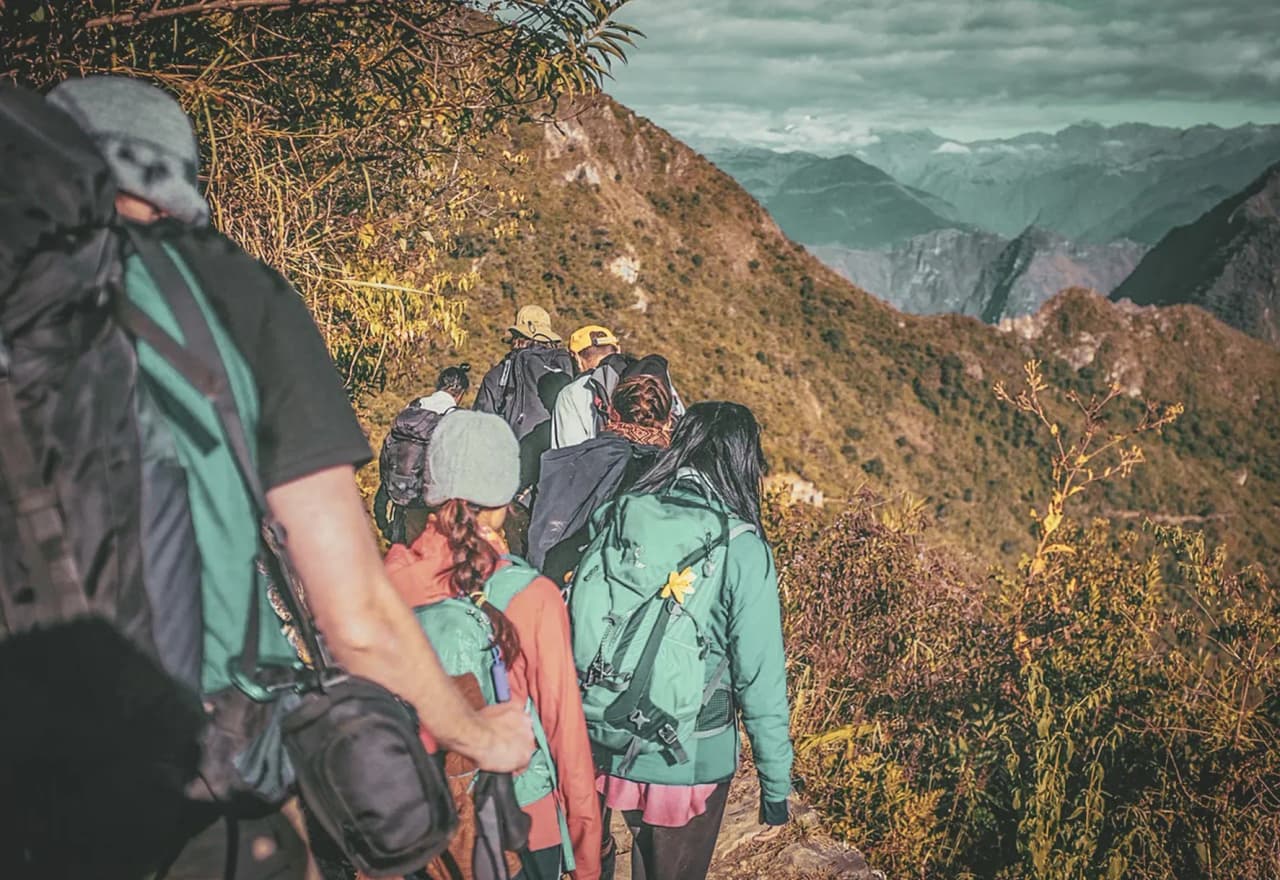
Tour du Queyras in 5 days: how to prepare your legs for the GR58
An 8-week plan for the GR58: hut nights at 2580 m, an optional summit at 3025 m, and legs ready for the descent into the wild Bouchouse valley.
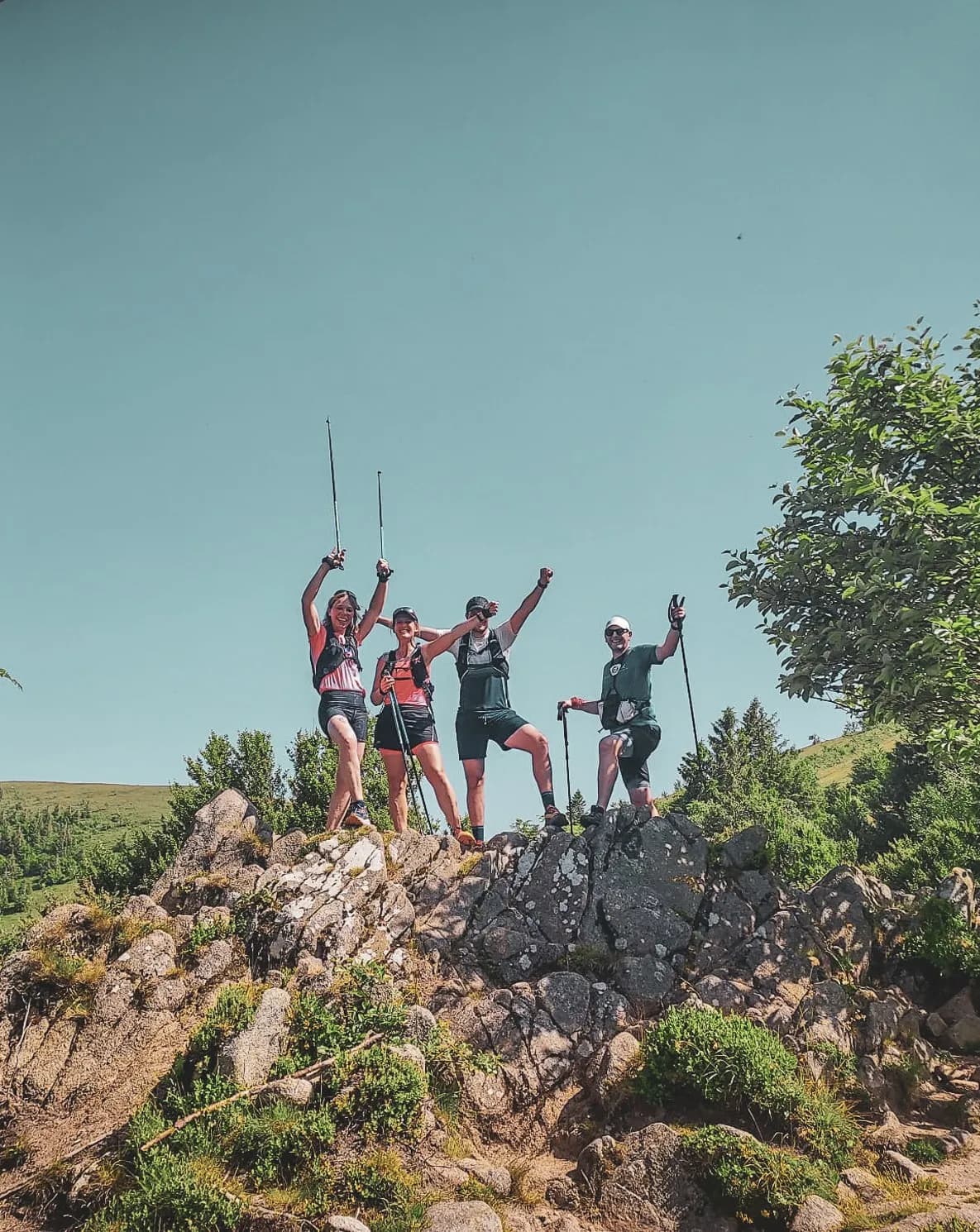
Trail running camps with mountain huts and guesthouses
Explore trail running camps in the Vosges, Chamonix, the Pyrenees, Chartreuse and the Jura, 3 to 4 days with nights in huts or guesthouses.
