The wolf in the Vercors: understanding its presence, impact and challenges
 By isabelle
Find out all about the wolf in the Vercors: history, observation, cohabitation, ecology and legislation. A complete and fascinating guide!
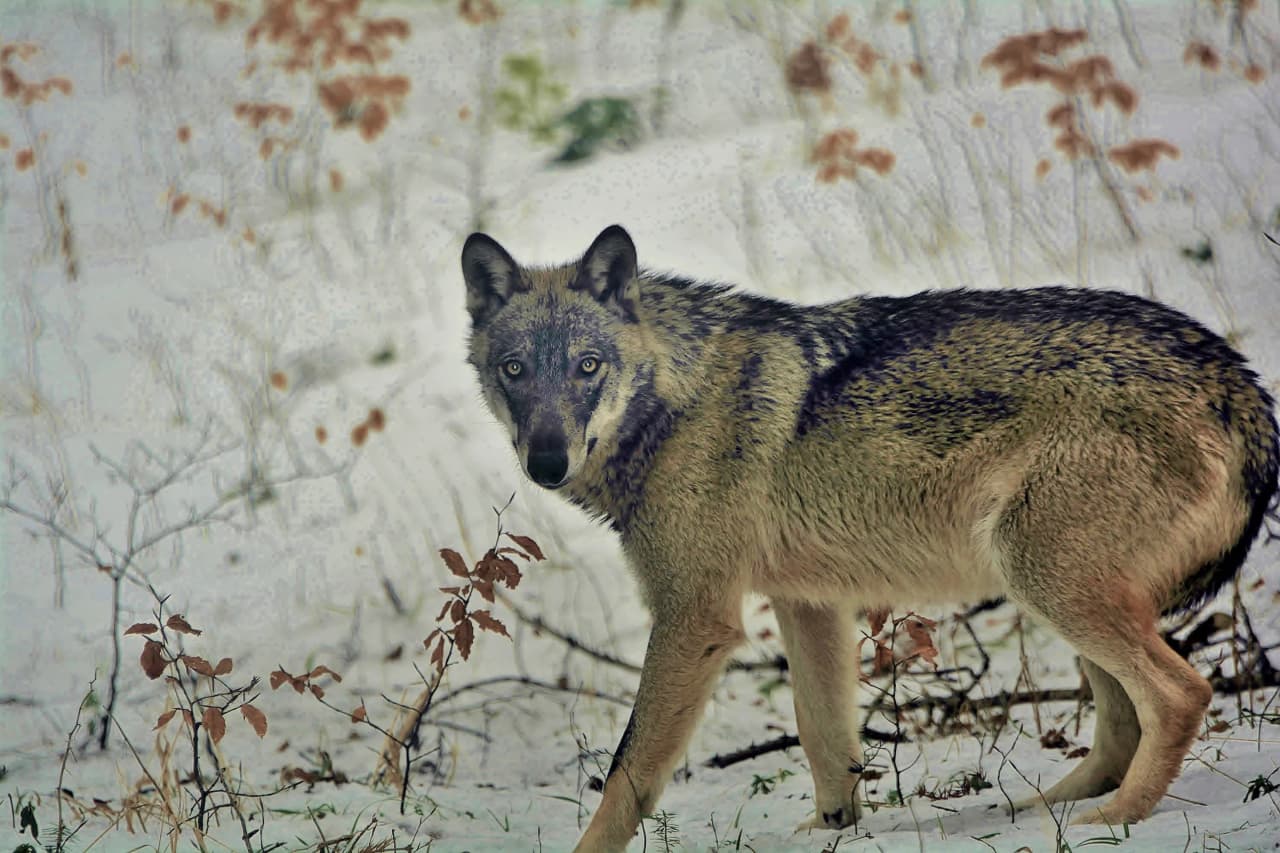
Once found throughout the French mountains, the wolf gradually disappeared over the course of the 19th and early 20th centuries. Hunting, trapping and intensive poisoning, combined with the defence of livestock and human expansion, led to its local extinction. Despite its vast wilderness, the Vercors has not escaped this disappearance.
Understanding the return of the wolf to the Vercors
In the 1990s, the first wolves reappeared in France, migrating naturally from Italy. This return can be explained by the protection afforded to the species at European level and the abundance of wild prey such as roe deer and wild boar. In the Vercors, the wolf made a discreet comeback in the early 2000s. Today, the wolf's presence in the massif increases every year. This phenomenon raises many questions about the balance between preserving biodiversity and human activities.
How many wolves are there today? Population and areas of presence
Since the early 2000s, the wolf population in the Vercors has attracted the attention of scientists, local authorities and local residents. After its natural return in the early 1990s, the wolf's progress has resulted in a slow but steady increase in the number of individuals observed in the region. Precise figures are difficult to obtain, however, as the wolf moves over large territories and prefers to keep a low profile. According to the latest census, there are currently between 11 and 12 wolf packs in the Vercors massif.
Population trends since 2000
Monitoring carried out by theFrench Office for Biodiversity (OFB ) and local associations shows that the population is gradually increasing over time. Here is an overview of the evolution in Isère:
| Year | Estimated number of wolves | Number of packs |
|---|---|---|
| 2000 | 2-3 | 1 |
| 2010 | 8-12 | 2-3 |
| 202 | 20-25 | 4-5 |
| 2022 | 40-80 | 22 |
This trend reflects both an adaptation of the territory and the wolf's ability to find resources in the massif.
Main areas of presence and observation
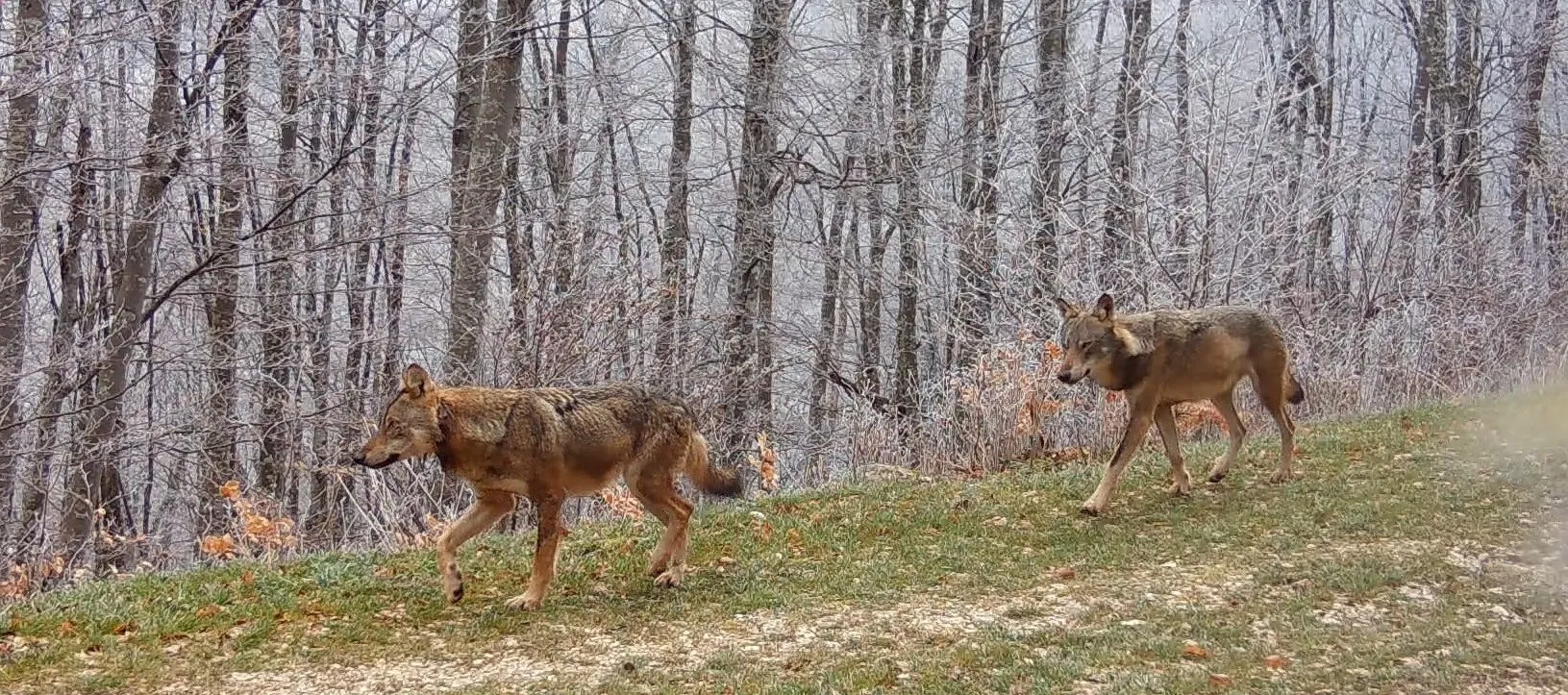
The wolf is not evenly distributed in the Vercors. The most frequented areas are :
- The western part of the massif, around the Hauts Plateaux reserve
- The Glandasse forests, involving the south of the park
- The central spine, between Col de Rousset and Villard-de-Lans
- Zones close to the Diois and Trièves, areas of regular passage
To identify these areas, the experts use clues (footprints, droppings, nocturnal howling) and photographic traps. If you plan an expedition with expert accompaniment, like Wildhartt's, you increase your chances of spotting these tracks safely, by paying attention to the periods when wolf activity is most visible, often in late winter and spring.
Wolf tracks, observation and behaviour in the wild
In the Vercors, the discreet presence of the wolf is more often manifested by clues than by visual encounters. Spotting its tracks is part of the experience for curious hikers and wildlife enthusiasts.
Recognising wolf signs and tracks in the Vercors
The wolf leaves behind various signs:
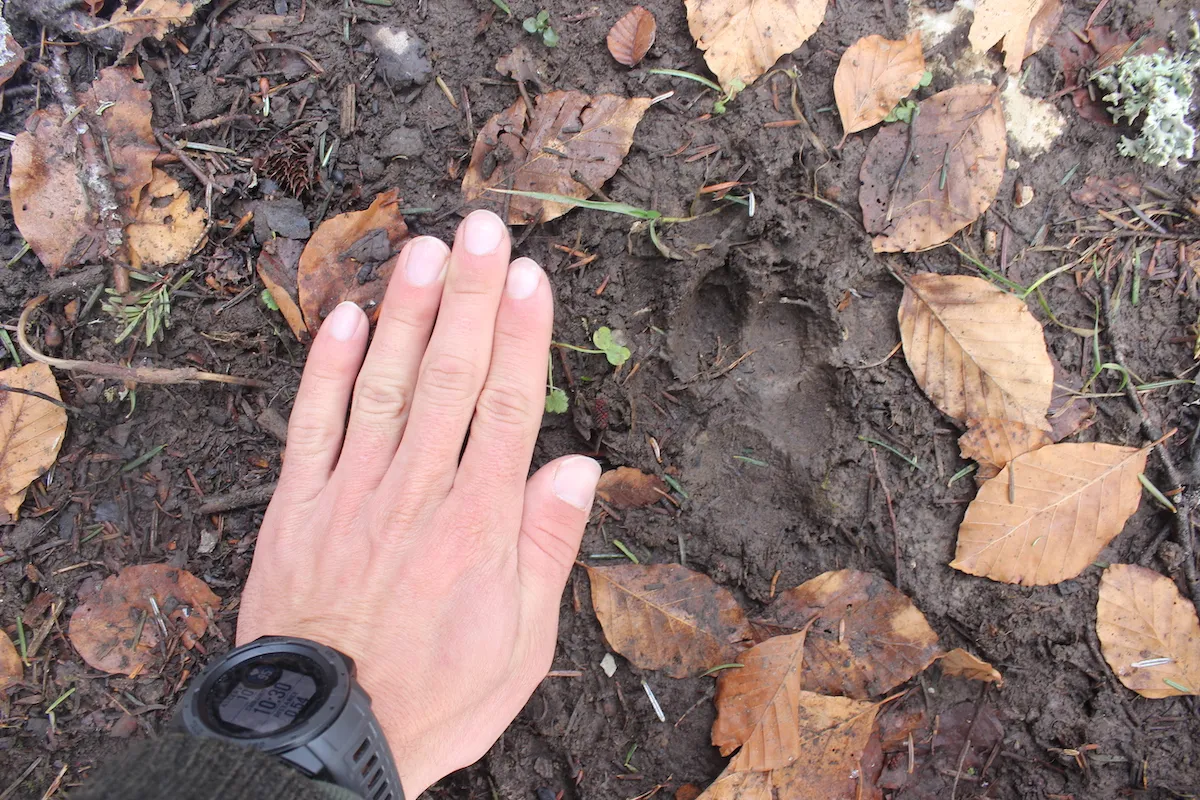
- Footprints: four fingers with marked pads and a general size larger than that of a dog. A wolf's footprints are more elongated, often spaced 40 to 50 cm apart when walking.
- Droppings: rich in hair, bones or the remains of wild prey, they are often placed in plain view on footpaths.
- Hairs attached to fences or branches and claw marks on tree trunks.
- Remains of carcasses showing organised predation (ribs spread open, consumption only in certain places).
Learning to distinguish these signs avoids confusion with stray dogs or other wild animals. The nature events and guided outings offered locally often help you to make more detailed observations in a responsible manner.
Where and when should you look for wolves?
The wolf is mainly found around the Vercors Regional Nature Park, especially in quiet, wooded areas away from villages. The chances of spotting a wolf are low, but tracks can be observed all year round. The best times to look are at dawn or dusk, when the wolf is on the move to hunt. Binoculars and a discreet approach increase the chances of spotting a wolf.
What species of wolf can be seen in the Vercors?
The wolf present is Canis lupus italicus, the grey wolf of Italian origin. This is the subspecies that has naturally returned to France, adapted to the forests and local fauna of the Vercors. Knowledge of this animal is evolving thanks to scientific monitoring and the contributions of experienced field guides.
For those who want to take a more in-depth approach, there are expert-guided expeditions such as those organised by Wildhartt, which offer immersion without disturbing the wildlife, combining an observation ethic with the transmission of natural knowledge in the unspoilt landscapes of the Vercors.
Wolves and humans: the challenges of living together in the Vercors
The progress of the wolf in the Vercors raises a number of questions in everyday local life, especially when it comes to cohabitation with humans.
Livestock farming and the return of the predator
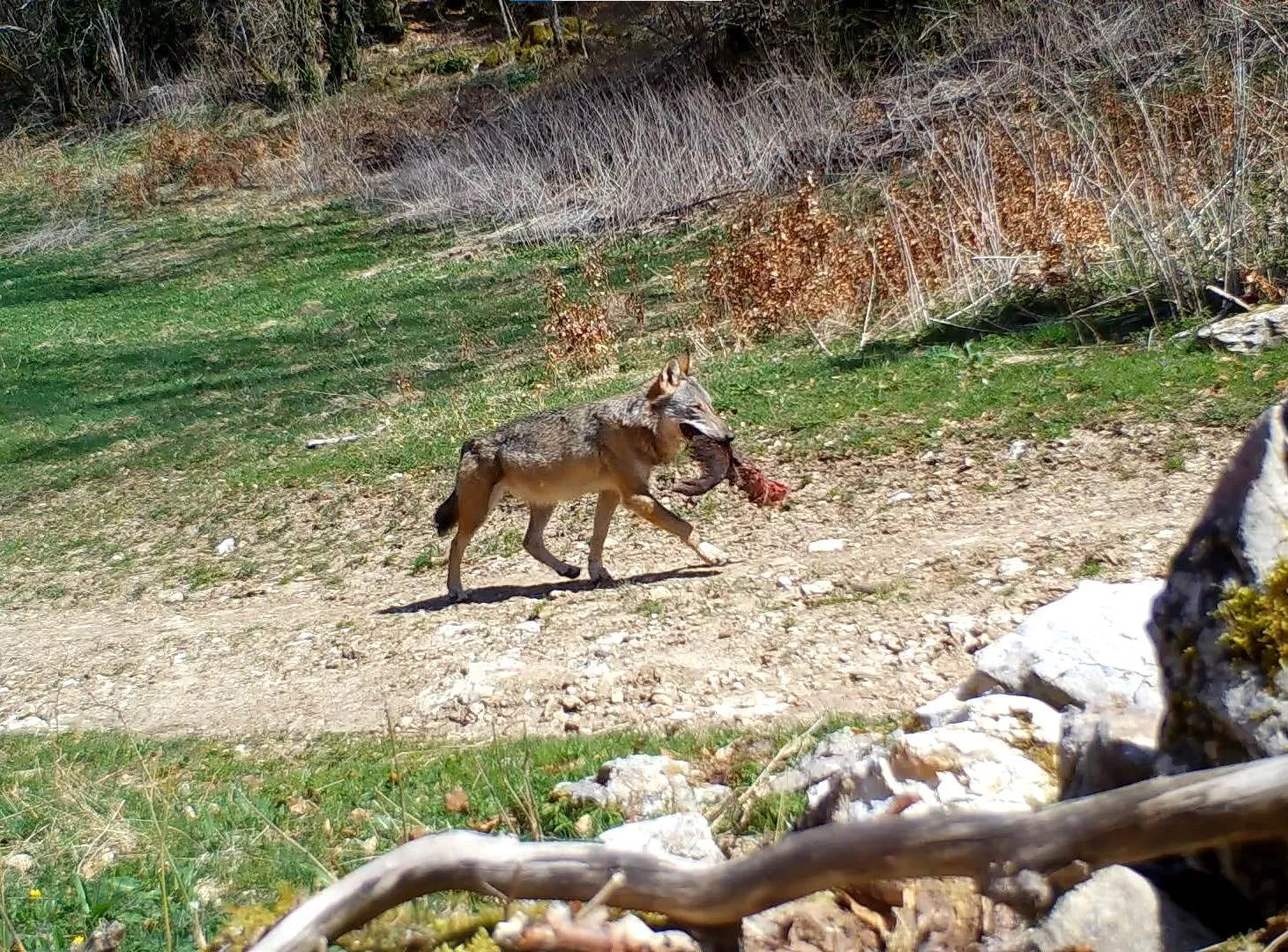
Sheep farming dominates the high plateaux and valleys of the Vercors. Many farmers are voicing their concerns following the reappearance of the wolf. Attacks on flocks occur every year, fuelling the debate between maintaining biodiversity and preserving a weakened rural economy. To limit losses, various methods are used to protect flocks and herds:
- Use of guard dogs, mainly patous
- Night-time assembly of livestock in fenced enclosures
- The presence of additional shepherds during the summer season.
After identification and expert appraisal, affected farmers can apply for state compensation, according to a scale set by the government. However, the procedure remains a source of frustration for some professionals, particularly with regard to the speed and adequacy of compensation. Testimonies from livestock farmers gathered during workshops or reports on the spot testify to a shared feeling: administrative red tape, fear for their livestock and, sometimes, the weariness of being at the centre of tensions.
Local life, tourism, safety in nature
For residents who are not livestock farmers, the perception of the wolf is often ambivalent: fear for domestic animals, but also an increased interest in preserving the local natural heritage. For hikers and visitors, the question is often asked: "Is there a danger to humans when hiking in the Vercors? Scientific data and expert testimony now show that the wolf remains shy. They avoid humans, and incidents are extremely rare. The advice to be cautious is mainly based on good information about what to do if you see a guard dog or livestock in the mountain pastures.
The evolution of local pastoralism reflects a constant adaptation to ecological, legal and social realities. Local stakeholders are stepping up their awareness-raising workshops and guided walks, sometimes with the support of specialist organisations such as Wildhartt, to explain the role of the wolf in the ecosystem while highlighting the practical challenges of this cohabitation.
Ecological impact of the wolf: biodiversity and natural balance
The arrival of the wolf in the Vercors is upsetting the natural balance, while at the same time contributing essential dynamics to biological diversity. This predator acts as a key component of the Alpine ecosystem, influencing numerous animal and plant species.
Regulating wild prey populations
The wolf's main ecological function is to regulate herbivores, particularly roe deer, red deer and wild boar. By limiting the density of these large herbivores, the wolf prevents the over-consumption of young plants and the over-exploitation of meadows and forests. This action thus helps to promote the regeneration of wooded areas and plant diversity. Studies carried out in other regions, such as the Mercantour National Park, support the idea that the presence of the wolf facilitates the return of complex undergrowth and rare or sensitive plant species.
Impact on the food chain and other predators
The wolf is at the top of the food chain. Its presence influences the behaviour, distribution and abundance of other carnivores, such as lynx and fox. Through a cascade effect, the return of the wolf can limit the overpopulation of "small" predators from a distance, and stabilise the prey-predator balance on a local scale.
The sharing of carcasses abandoned by wolves also benefits various species of scavenger: griffon vultures, ravens and badgers. This direct link with biodiversity can be seen throughout the seasons on the high plateaux of the Vercors.
Changes brought about by flight behaviour
Fear of the wolf means that deer and wild boar are less likely to stay in certain sensitive areas, encouraging a more even distribution of animals. This moderate pressure benefits forest dynamics, limits excessive trampling and gives many plant species the opportunity to regenerate where the balance is lacking.
Understanding these interactions in the field often requires a guided approach. Visits and nature outings guided by specialists help you to visualise these effects, understand the complexity of the ecosystem and learn more about the close links between the wolf, wildlife and the Vercors.
Wolf legislation, protection and management policies
The return of the wolf to the Vercors has been accompanied by a strict legislative framework and a series of public decisions seeking to strike a balance between the preservation of the species, farming activities and the expectations of local residents. The status of the wolf, the management of its population and the involvement of local authorities are regularly discussed.
The French and European legal framework
In France, the wolf has "strictly protected species" status under the Bern Convention and the European Habitat Directive. Deliberate culling is prohibited unless an immediate exemption is granted by the State to protect herds, following a proven attack. While the European framework defines the overall approach, each country can adjust its procedures according to its local context.
The "Wolf & Livestock" National Action Plan
Updated regularly by the government, this plan sets out measures to limit the pressure on livestock farmers while maintaining the protection of the species. It distinguishes between so-called "core areas" where the wolf is present, which are considered priorities for monitoring, and areas where shooting may be authorised. Guiding principles:
- herd protection (financial aid, equipment, guard dogs)
- Damage assessment and compensation for farmers
- The possibility of "defensive shooting" subject to controls.
TheFrench Office for Biodiversity (OFB) coordinates scientific monitoring, collects data and works in the field alongside local agents. The shooting zones and the number of animals shot change every year, depending on the results of expert assessments and consultations.
The role of local authorities and public debates
Local authorities and the Vercors Regional Nature Park are helping to manage the situation by organising information meetings and consultation groups involving farmers, naturalists and institutions. Debates are still sometimes heated, particularly over quotas and compensation procedures. Public consultation and meetings ensure that points of view are exchanged and that the measures taken are continually adapted. These processes have a direct influence on the regulatory environment and the social perception of the wolf in the Massif.
Myths, stories and cultural representations of the wolf
For centuries, the wolf has nurtured a rich imagination in the Vercors. Stories, myths and art all draw inspiration from the wolf's presence. This deep-rooted connection is reflected in popular culture, shaping the way society perceives this great predator to this day.
Collective narratives: tales, legends and traditions
The wolf inhabits rural tales handed down from generation to generation. Local legends depict the wolf as a guardian of the forests, a symbol of cunning and a figure of collective fear. These stories often evoke fantastic encounters near isolated farms or on mountain paths. There are also tales of "werewolves" in winter evenings, linking wildlife with popular superstitions.
In the Vercors region of the Dauphiné, wolves feature in a number of nineteenth-century folk tales. These tales were sometimes used to frighten children, but also to show the respect due to the force of nature. The image of the wolf has changed over the years, from a rural scourge to a protected animal today.
The arts, literature and film
The wolf has inspired painters, sculptors, authors and film-makers. They can be found in works of art, crafts and exhibitions: traditional masks, engravings and figurines carved from local wood. Some museums in the Vercors, such as the Maison du Patrimoine in Villard-de-Lans, highlight the history of the wolf and the diversity of perceptions through collections and one-off events.
In Alpine cinema and literature, the wolf evolves according to the way nature is viewed: from a threat to a subject of contemplation in recent documentaries that celebrate wildlife. This evolution can also be seen in nature photography, a discipline that is popular in the Vercors through competitions and artists' residencies focusing on wildlife.
Events, awareness-raising and living culture
Every year, a number of festivals and workshops offer opportunities to exchange ideas about the wolf, combining screenings, debates, discovery outings and exhibitions. These events provide an opportunity to question the relationship between humans and predators, by looking at heritage, ecology and art.
Local initiatives provide access to scientific and cultural mediation, encouraging people to distinguish myth from reality. For those wishing to explore these themes in the field, taking part in a Wildhartt outing in the Vercors offers the chance to combine knowledge, observation and culture, while getting close to a timeless symbol of the French mountains.
Discover the Vercors differently with Wildhartt
Exploring the Vercors by following the discreet trail of the wolf changes the way you approach this massif and its wildlife. For the curious who want to better understand the animal, its territory and its impact, sharing the experience with a naturalist guide provides real added value, backed up by reliable knowledge, a real ethos of approach and in-depth discussions in the field.
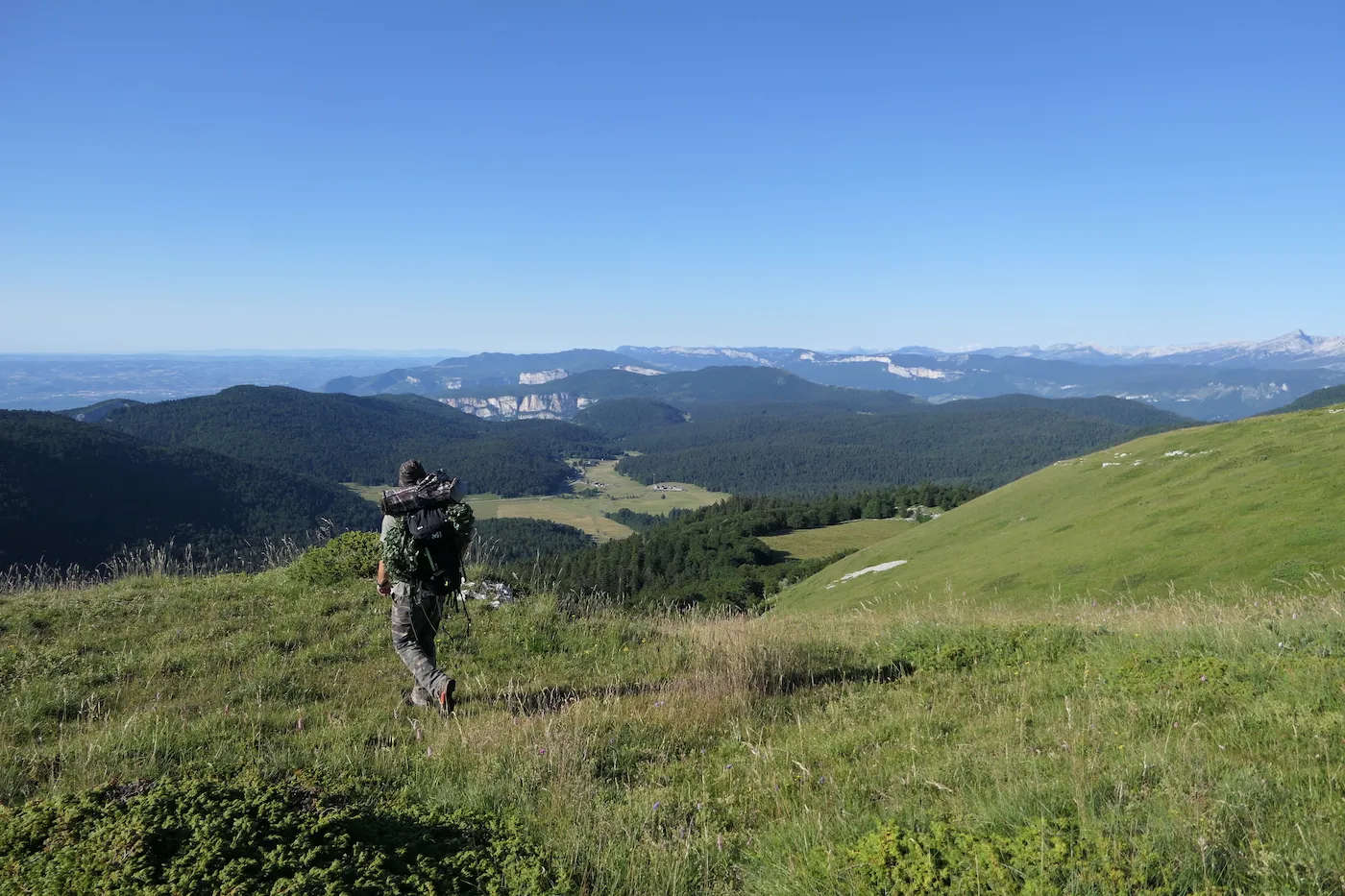
A nature experience centred on the wild
Going in search of the wolf in the Vercors is often accompanied by the discovery of other aspects of local wildlife: traces of the passage of rare animals, how the forest functions, subtle clues left by biodiversity. Joining a guided tour with Wildhartt means :
- Benefit from the support of experts with knowledge of wolf biology, passage points and seasonal behaviours
- Access remote areas of the massif in small groups, far from the usual itineraries
- Learn how to read clues, interpret tracks and respect living things
- Discover how local people live in contact with the wolf and discuss the latest naturalist monitoring in the park.
The holidays are designed to suit different physical conditions, enabling everyone to learn about or deepen their connection with nature and the Vercors, while keeping environmental impact to a minimum through responsible practices.
Learn and marvel under the guidance of specialists
Observing wolves in the wild is not just about photography or performance. For some, it's about understanding the role of the predator in the ecosystem, while for others it's about grasping the precarious balance between farmers and wildlife. The trips on offer provide an opportunity to discuss management and legislation with the guides, and to tackle all the issues surrounding biodiversity. Each expedition focuses on discretion, listening, and learning techniques for spotting wildlife adapted to the season.
This type of experience encourages a different way of looking at the Vercors, far from the clichés. Discovering the massif and the wolf becomes an opportunity to establish a direct link with local reality, to observe from a safe distance, and to take part, however briefly, in a tourism initiative that is more attentive to ecological and human issues.
Find your next adventure
Browse curated expeditions matching the categories of this article and start planning your next trip.
Find your dream adventure
 Find your dream adventure
You might also like these adventures …
Hand-picked to echo the spirit of this article.

More to discover
Keep exploring with these pages and stories picked for you.
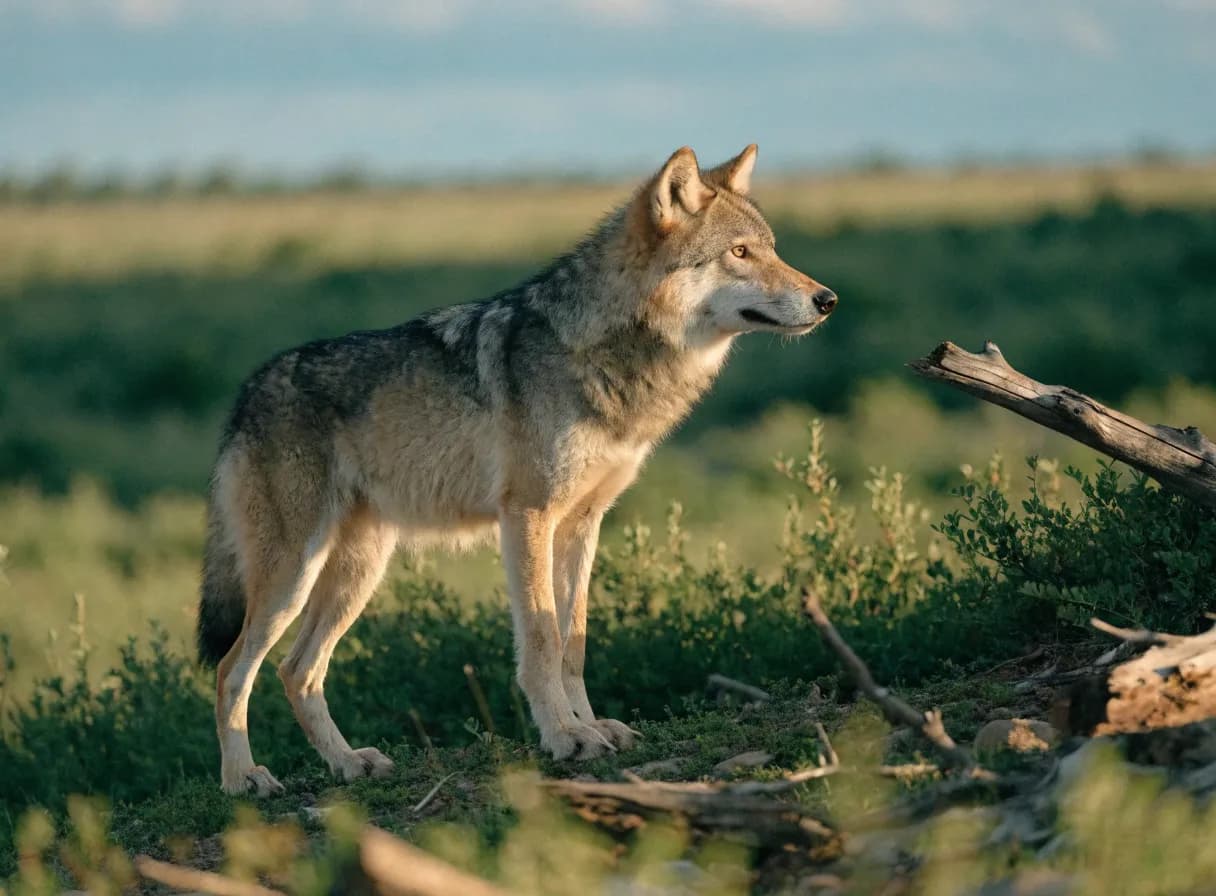
Wolf tracks: how to identify them in the field (a comprehensive guide)
Find out exactly how to identify a wolf’s paw print, avoid mistaking it for a dog’s, and enjoy your hike with peace of mind, even if you’re not an expert.
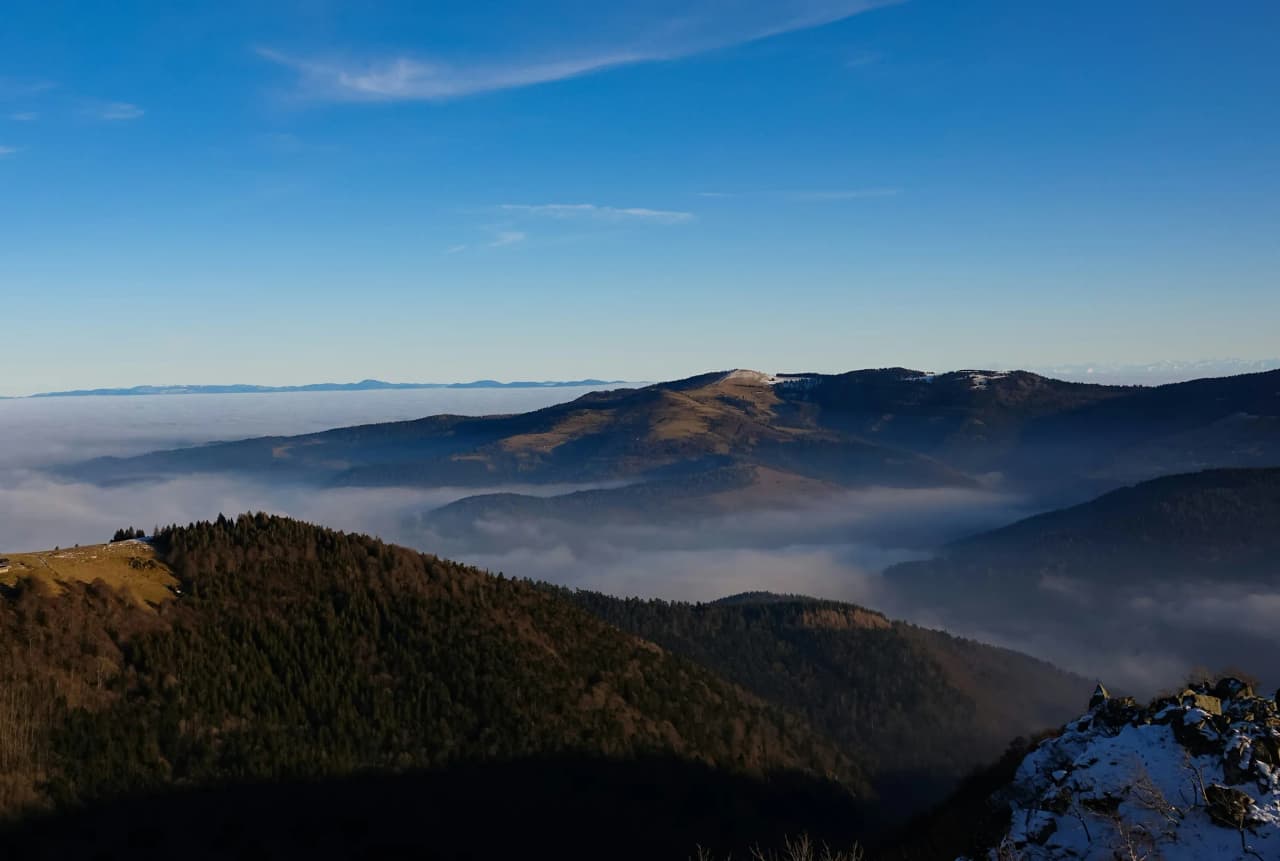
Top 7 hiking destinations in the Vosges
Our top 7 hiking trails in the Vosges, hand-picked by the Wildhartt guides for every level, from calm lakeside walks to vertigo-inducing summits.
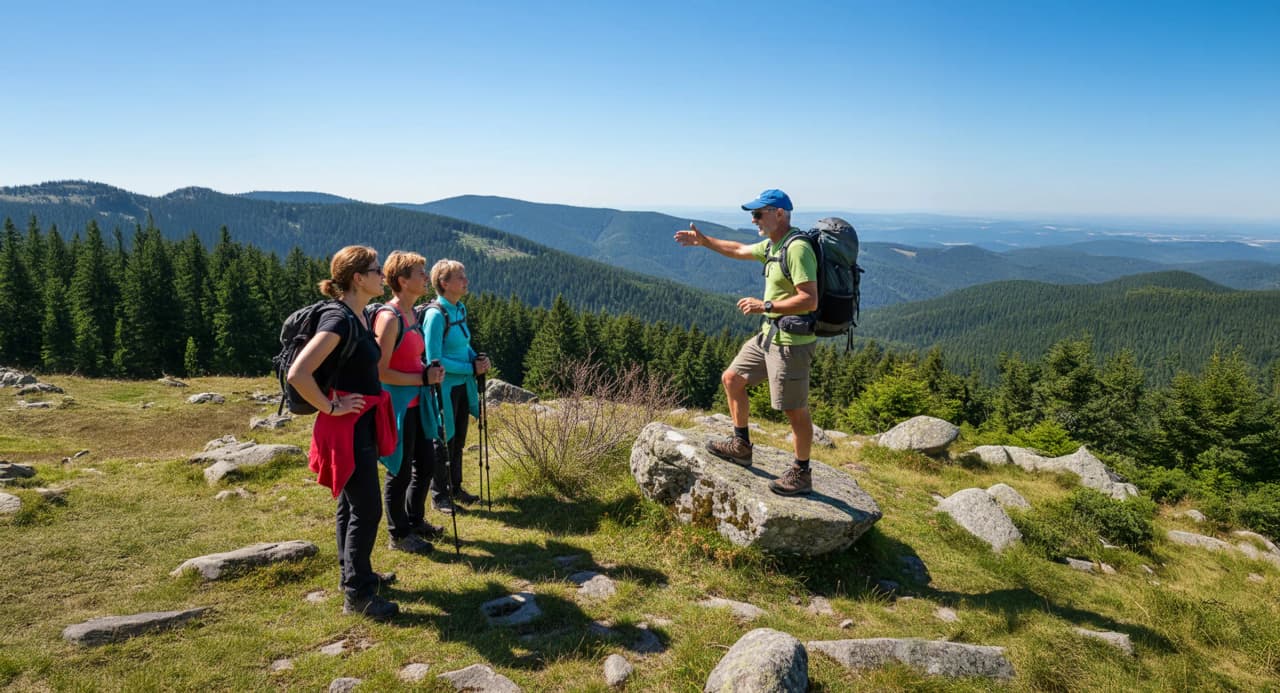
Mountain Leaders: A Practical Guide for Hikers
Understand what a mountain leader does and how they can support a safer, more confident hiking experience.
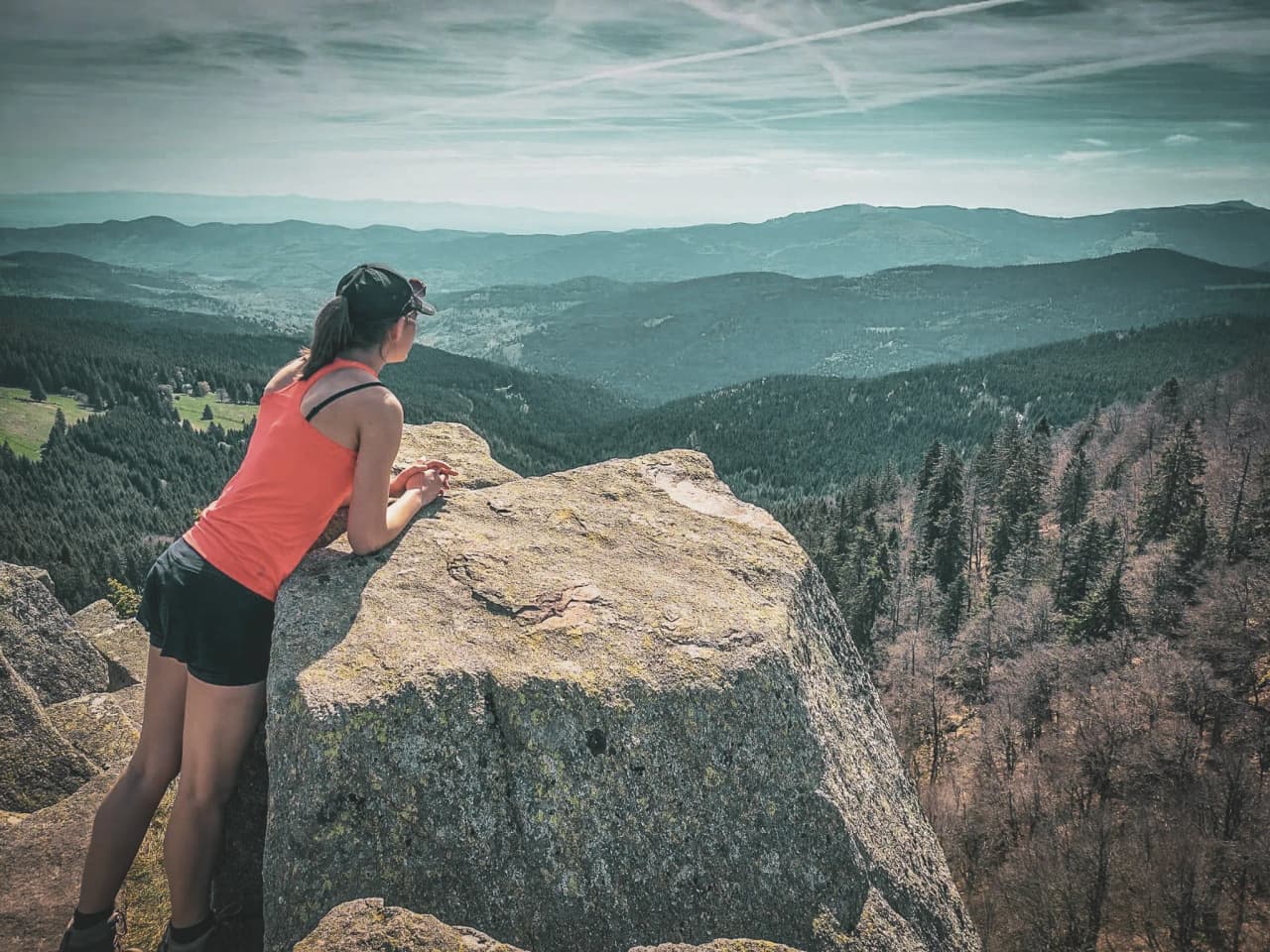
7 Hiking Destinations in the Vosges
Explore seven hiking destinations in the Vosges, from forest paths to rocky summits and quieter places to walk.
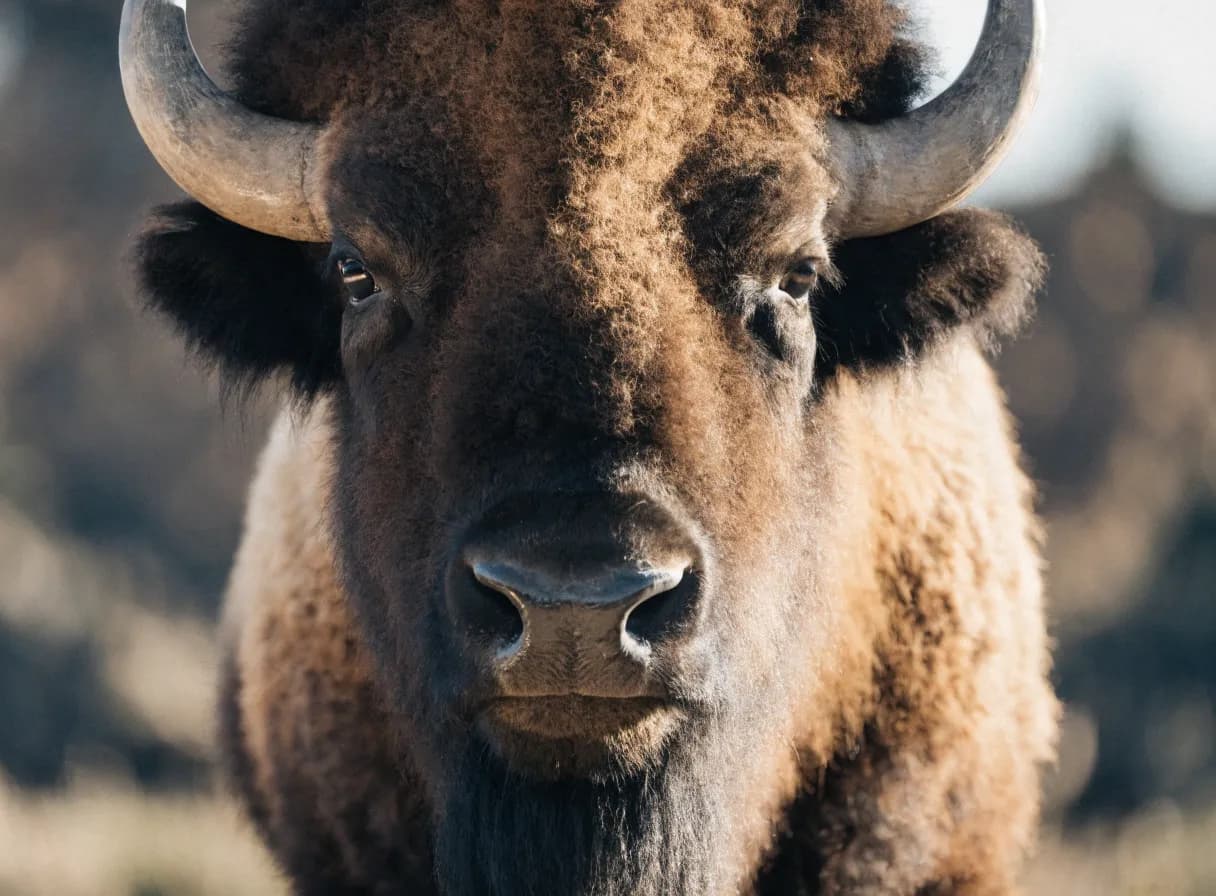
Bison in Belgium: the rewilding of a wild giant on our doorstep
Find out what rewilding really entails: feasibility, impacts, risks, and where to observe (without disturbing) the return of bison to Belgium.
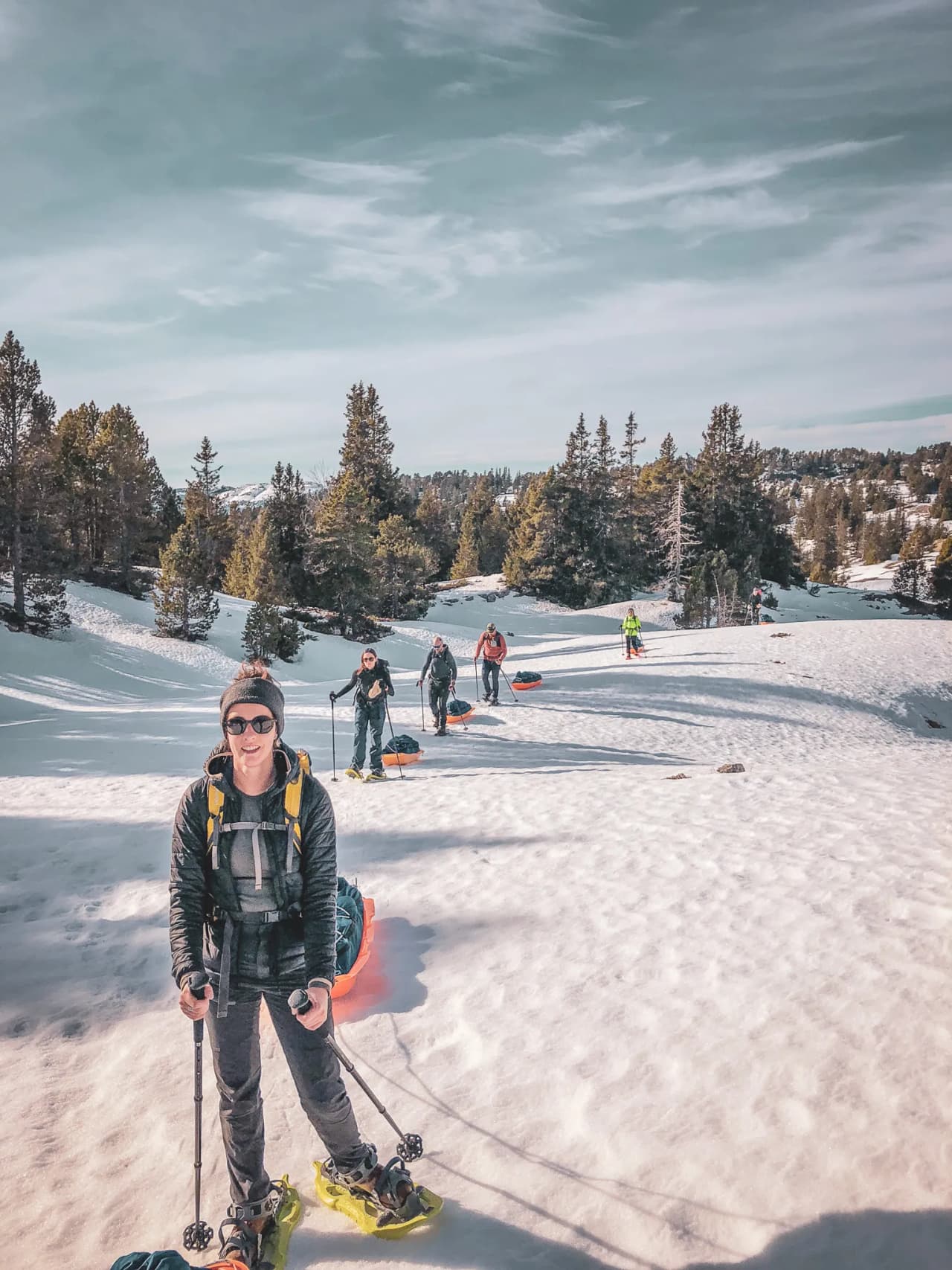
My bivouac adventure in the Vercors with Wildhartt
Discover Claire's great adventure in the Vercors, a first 5-day experience in the heart of nature with snowshoes and a pulka.
