Matterhorn Ascent: How to Build Up to This Objective
 By Thibault
Prepare for a Matterhorn ascent step by step: technical skills, first 4,000-metre peaks, ridge experience and multi-day alpine endurance.
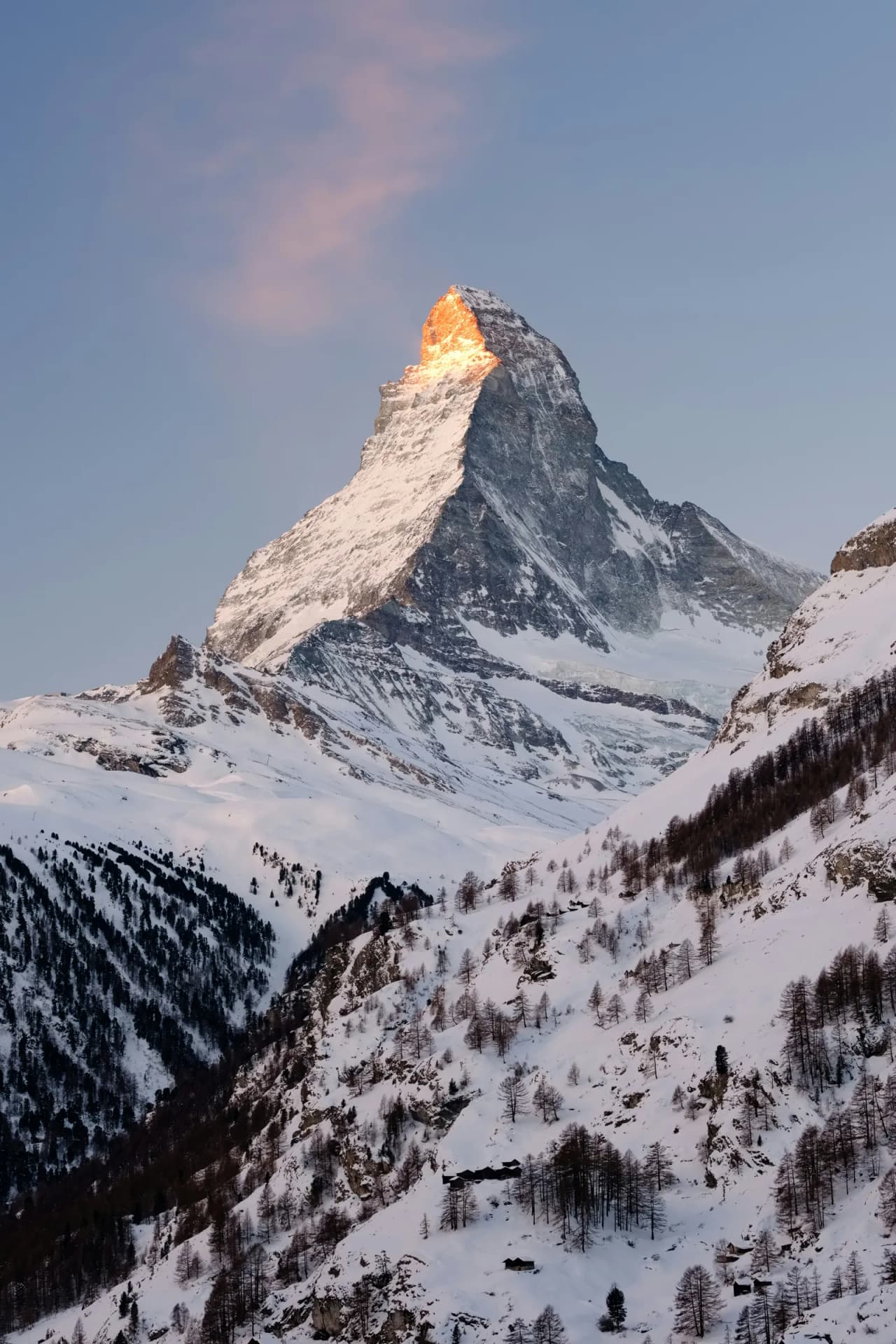
On the Matterhorn, many rope teams get into difficulty on the descent. Fatigue builds, the exposure remains, and every hesitation on a ridge costs time and can have serious consequences. That is why the Matterhorn inspires as much as it intimidates: steep rock, technical sections, tight timings and the need to stay clear-headed all the way down.
Wildhartt does not currently offer Matterhorn ascents. We do, however, guide expeditions that build the skills needed to make this kind of objective realistic. The aim is to make ropework automatic, become comfortable with exposure, and accumulate long days in the high mountains.
Why the Matterhorn requires real preparation
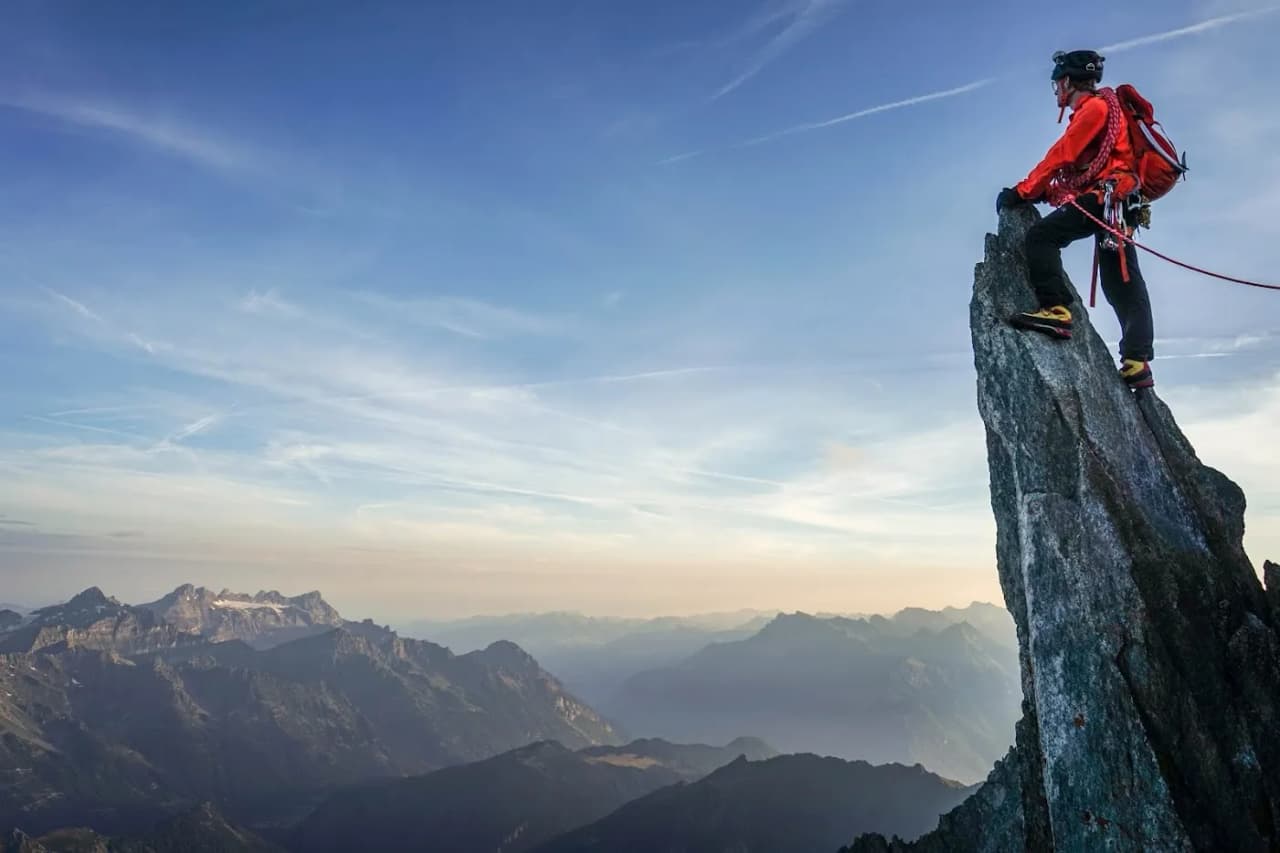
The Matterhorn is a long, exposed ridge climb, not a big hike with a little snow. Its classic routes, the Hörnli Ridge from Switzerland and Lion Ridge from Italy, combine steep rock, snowfields and sometimes ice. You need to move efficiently in mountaineering boots, manage a moving rope, and stay focused when terrain becomes airy.
The descent is part of the ascent. Many accidents happen when concentration drops: you still need to downclimb, sometimes rappel, and keep a safe rhythm on unstable ground.
Minimum skills before aiming for the Matterhorn
- Walk for 6 to 10 hours in the mountains with elevation gain while keeping a reserve.
- Travel roped on a glacier and use crampons and an ice axe confidently.
- Feel comfortable on rocky ridges with exposure, including climbing in mountaineering boots.
- Handle night starts, cold and quick decisions on a long mountain day.
Expeditions to do first
Learn the foundations
An introductory mountaineering course in Chamonix or the Écrins builds the basics: crampons, ice axe, ropework, moving as a rope team, simple terrain reading and hut rhythm.
Test altitude on a first 4,000-metre summit
Gran Paradiso and Bishorn are useful benchmarks for acclimatisation, cold, early starts and endurance on a long day, without the commitment of an iconic exposed ridge.
Become comfortable on exposed terrain
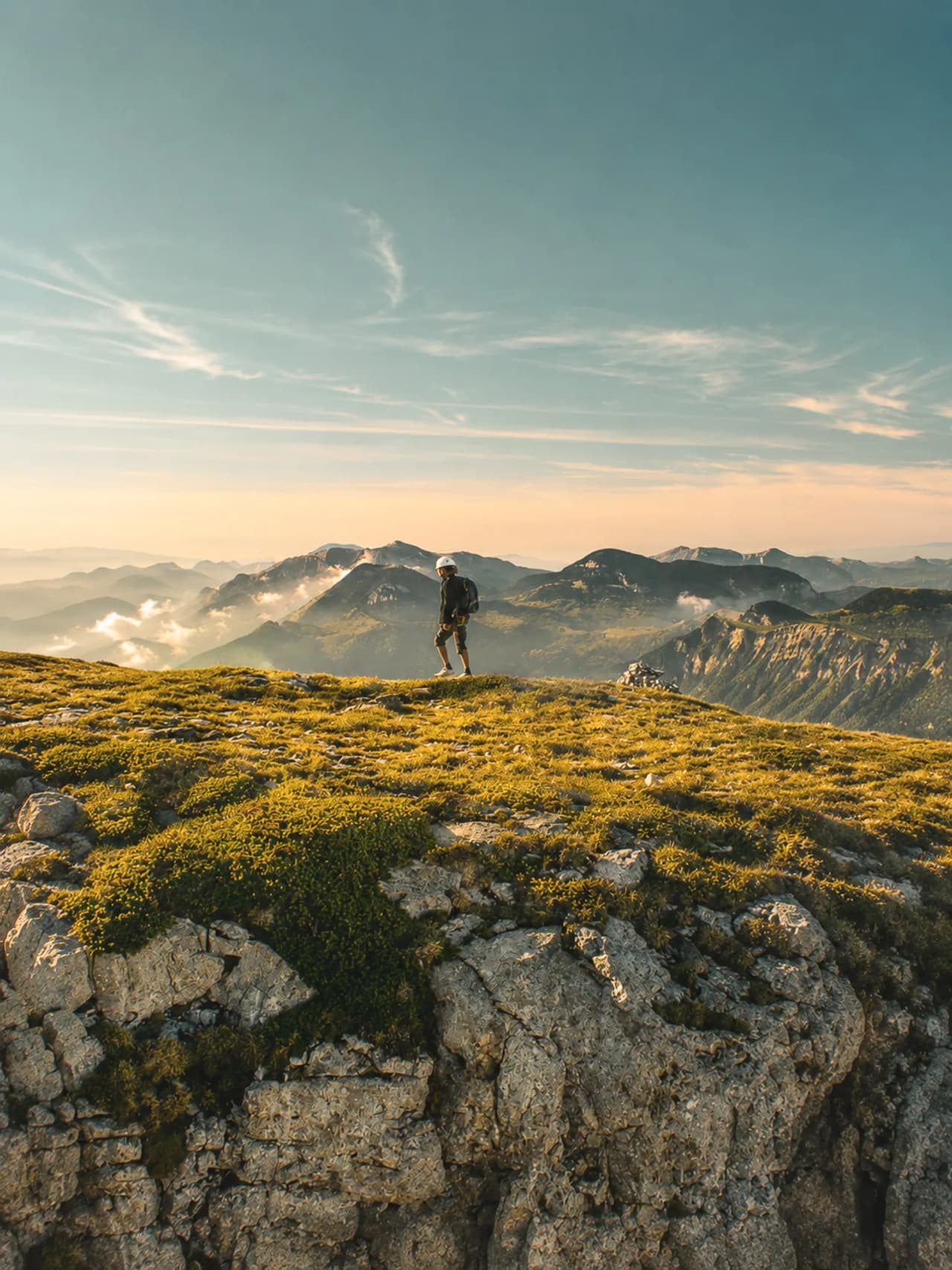
Ridge-climbing objectives in Chamonix, Mont Aiguille, and the Dômes de Miage Traverse develop moving-rope skills, foot placement, communication, rappels and confidence with exposure.
Link several high-mountain days
The Monte Rosa Spaghetti Tour and the Chamonix-Zermatt Haute Route build endurance and acclimatisation over consecutive days. Mont Blanc can be a demanding full-scale test of timing, altitude and a long descent.
Three routes towards the goal
| Starting point | Priority | Useful next steps |
|---|---|---|
| Motivated beginner | Learn the fundamentals | Introductory course, Écrins, then Bishorn |
| Fit athlete with little alpine experience | Turn fitness into technical efficiency | Écrins, ridge climbing, Gran Paradiso, Dômes de Miage |
| Already initiated | Build endurance and precision in exposure | Ridge climbing, Monte Rosa, Haute Route and Mont Blanc |
Do not aim too early
Strong cardio and motivation are not enough. The Matterhorn exposes technical and mental gaps: slow ropework, freezing on exposed ground, poor cold management or fatigue that reduces judgement.
- Unsteady pace: build regularity on long mountain days and validate it on a first 4,000-metre summit.
- Exposure that blocks you: progress on increasingly airy ridges with a guide.
- Slow ropework: repeat core skills on an introductory course until they are reliable.
- Fatigue affecting judgement: link several days in the mountains and practise food, hydration and sleep management.
- Cold that stops you: test your clothing and gloves on early starts and long days.
In short
Prepare for the Matterhorn by building a margin, not by collecting summits. Work on the skill that currently slows you down, then progress one step at a time: basic mountaineering skills, a first 4,000-metre peak, exposed ridges, and multi-day altitude. That is the reliable route towards a demanding objective.
FAQ
What level is needed for the Matterhorn?
You need to be very comfortable on exposed ridges, move efficiently on a rope and sustain a long day with a demanding descent.
Is the Matterhorn suitable for beginners?
No. It can be a long-term objective, but beginners need a supervised progression through core skills, a first 4,000-metre peak and ridge experience.
Why is the descent so feared?
Fatigue, exposure and downclimbing terrain increase the risk of error when concentration is already declining.

Find your next adventure
Browse curated expeditions matching the categories of this article and start planning your next trip.
Find your dream adventure
 Find your dream adventure
You might also like these adventures …
Hand-picked to echo the spirit of this article.


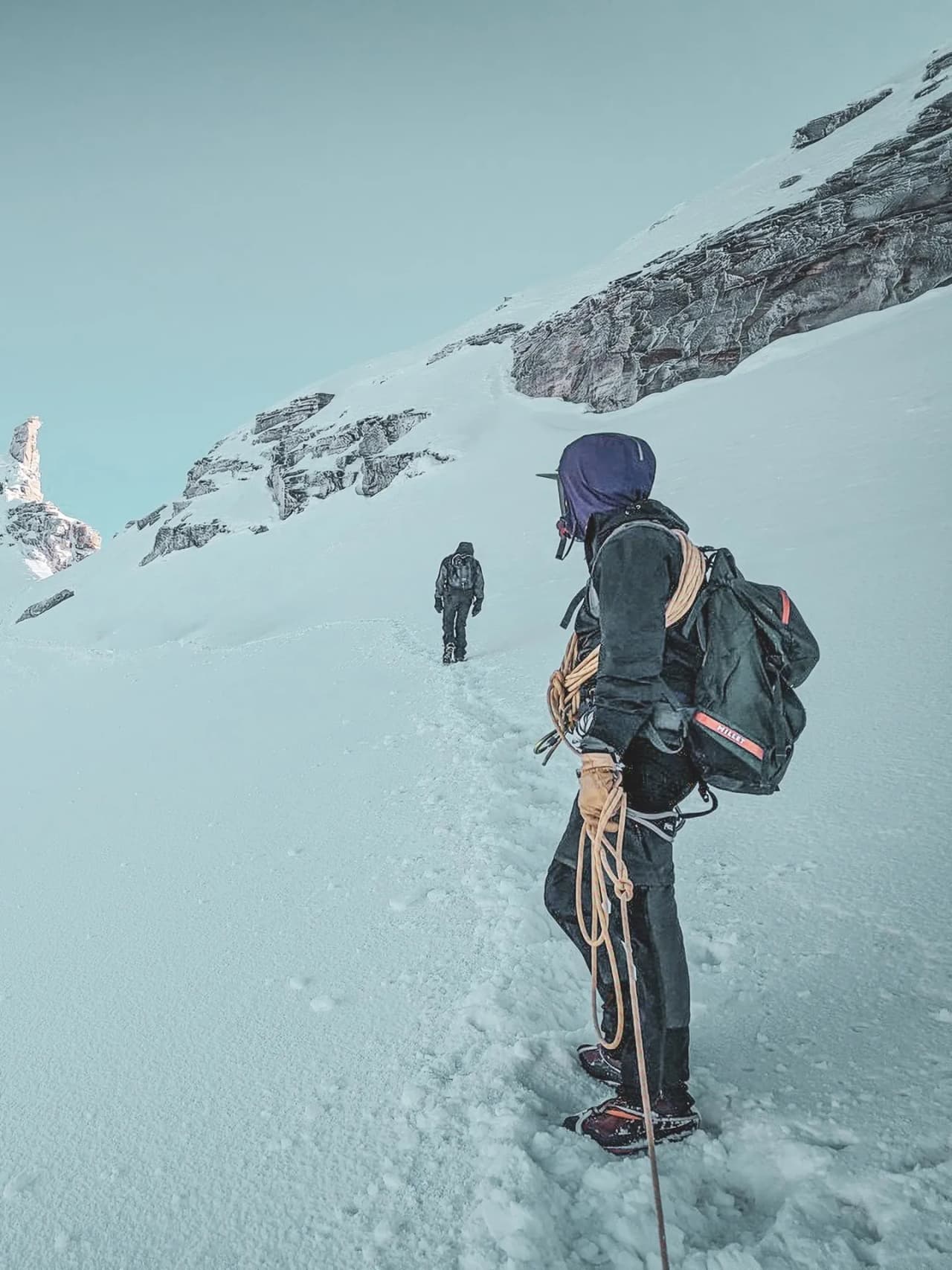

More to discover
Keep exploring with these pages and stories picked for you.
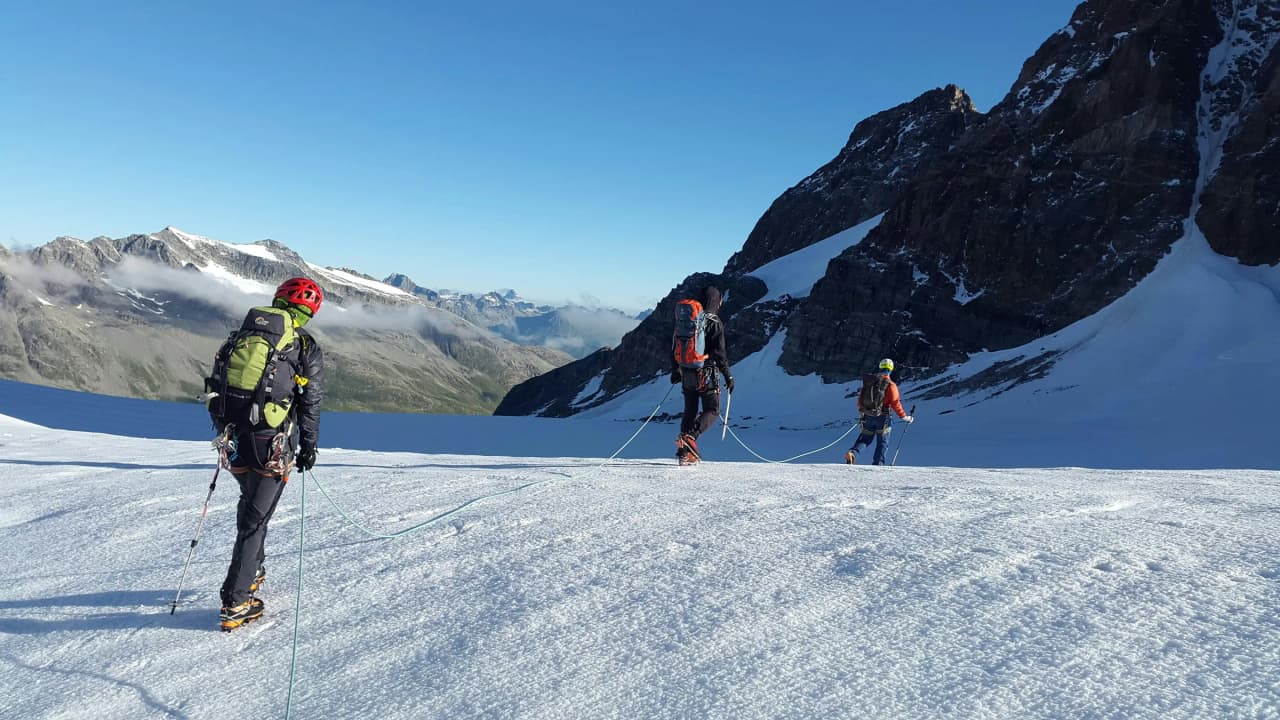
4 Beginner-Friendly Summits for First-Time Mountaineers
Four accessible Alpine summits for a first mountaineering experience, with practical advice on preparation, terrain and guided ascents.
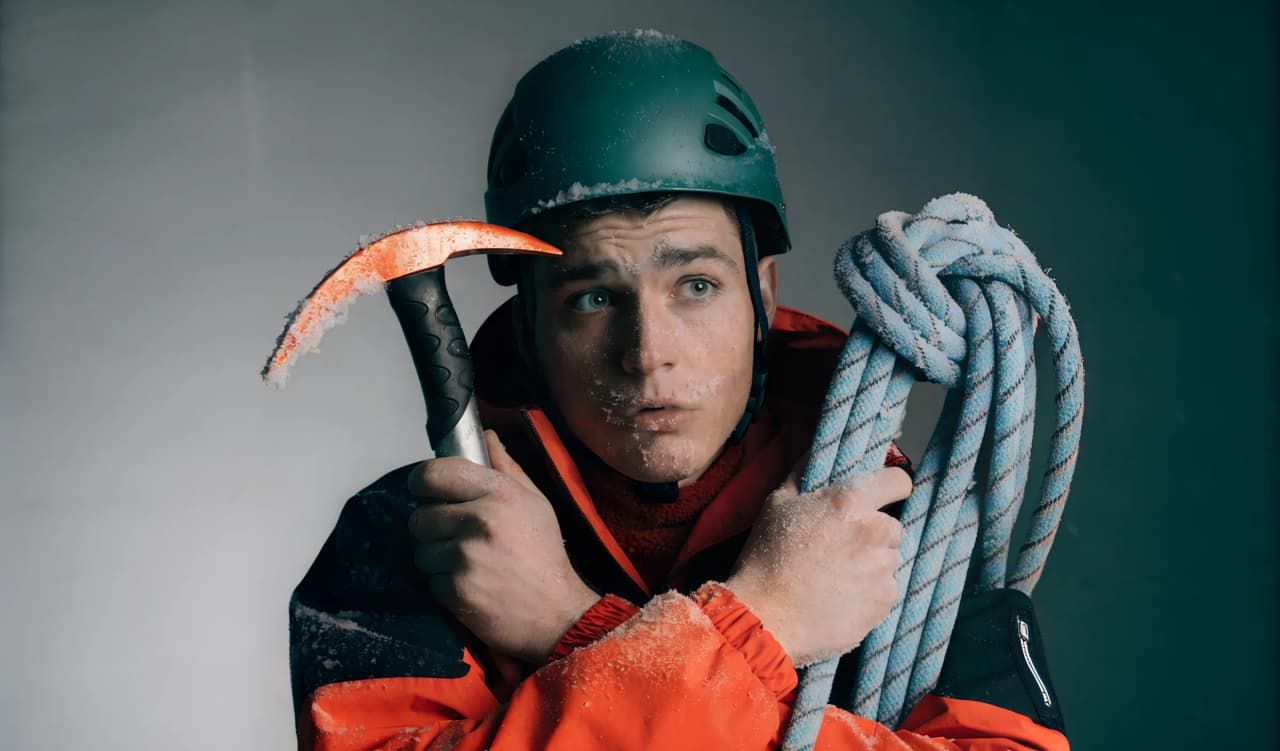
How to Start Mountaineering: 5 Tips from a Guide
Five practical tips for starting mountaineering safely, from learning core skills to planning a first guided ascent.
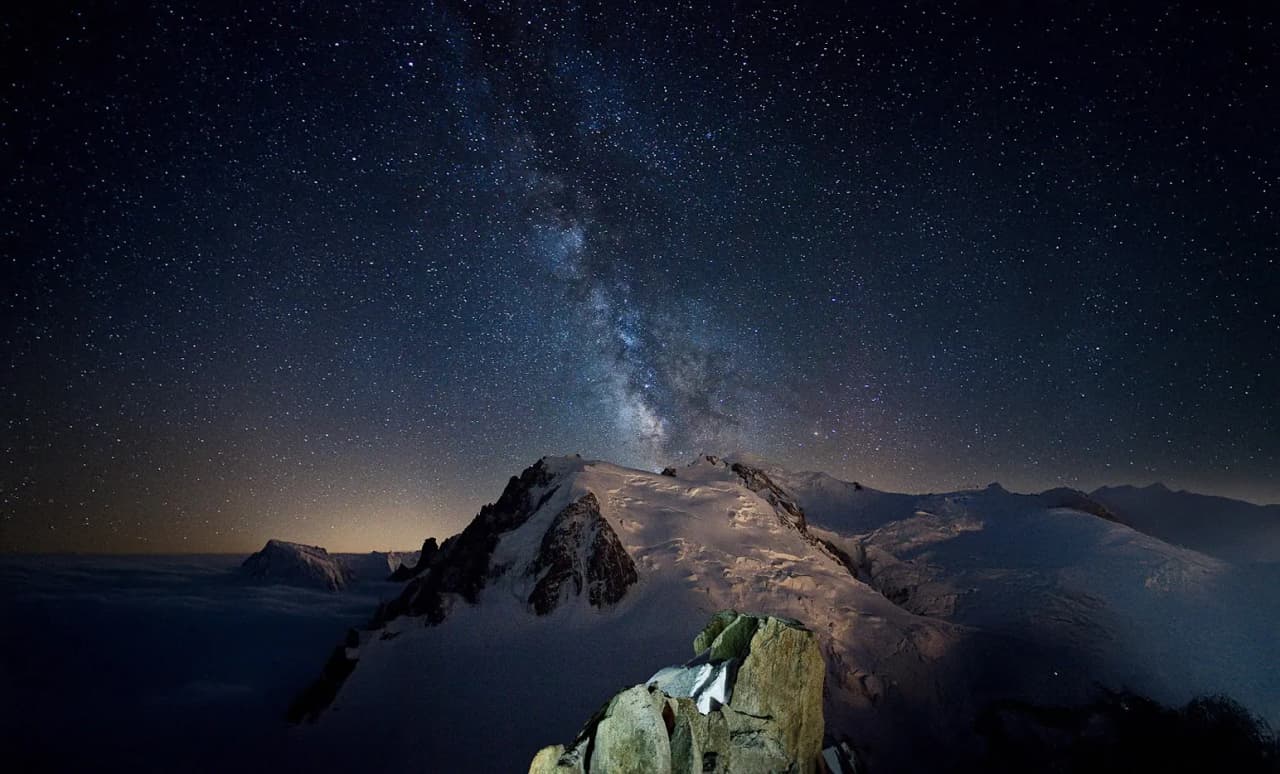
Mont Blanc Climbing: The Complete Guide
Plan a Mont Blanc ascent with clear guidance on preparation, routes, equipment and the realities of climbing Europe’s highest Alpine peak.
5 Mountaineering Courses to Explore the Alps
Compare five mountaineering-course destinations, from Mont Viso to Chamonix and the Écrins, to choose a format that suits your level.
A Brief Guide to Mountaineering
Dreaming of taking up mountaineering? Why not start with a mountaineering course to learn the basic techniques.
Top 5 Best Mountaineering Courses to Start Your Alpine Journey
Discover the 5 best mountaineering courses for beginners: accessible formats, advice on progress and easy summits to aim for after your introduction.
