Types of summer mountaineering: how to choose by level
 By Marie
Glacier hike, traverse, first 4,000m summit, iconic peak, ridge climb: the 5 types of summer mountaineering, by level, with real Wildhartt trips.
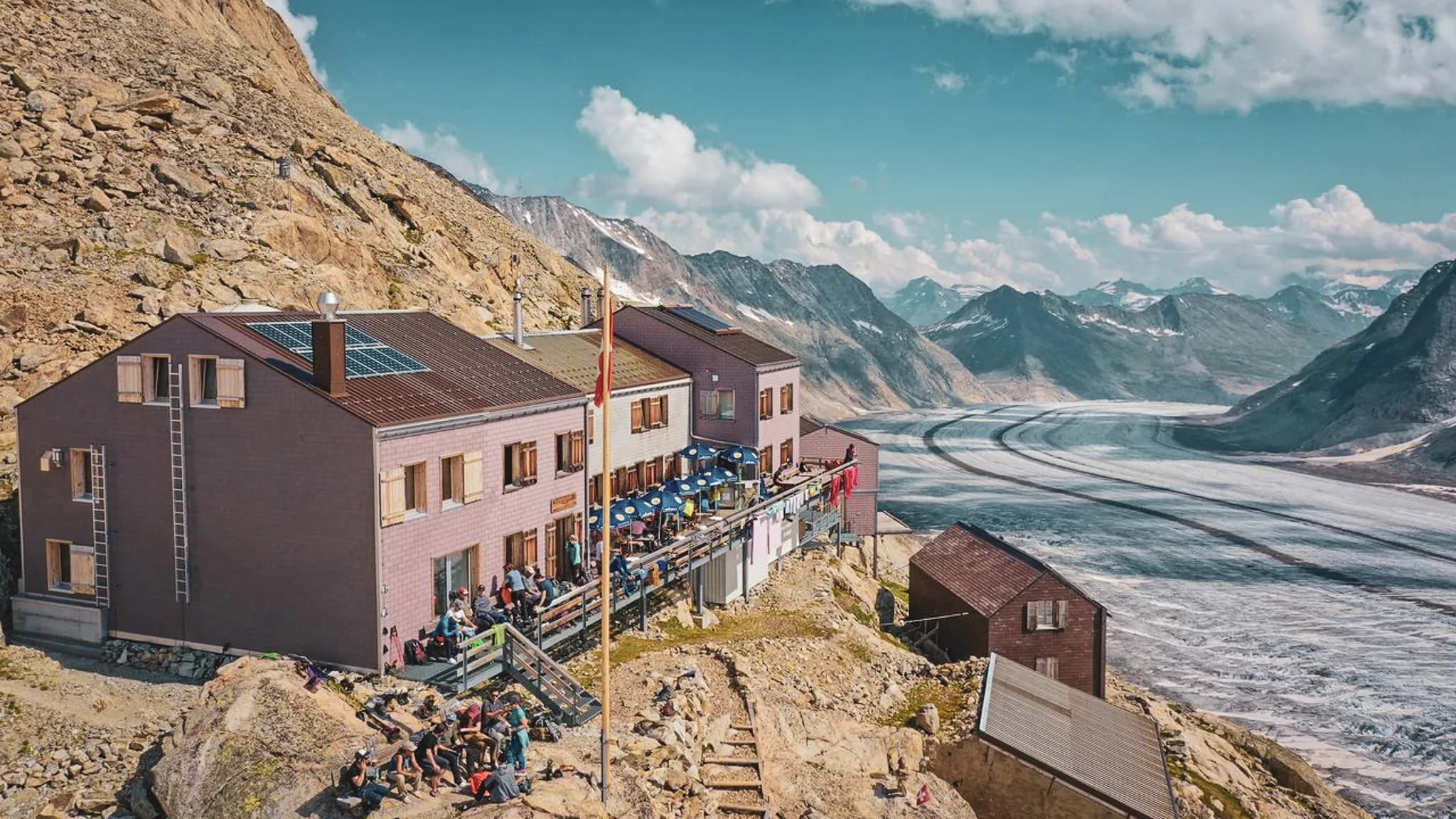
"Mountaineering" covers very different experiences: a roped walk on a glacier for a single day, a week of hut-to-hut travel, a specific summit as the whole point of the trip, or scrambling a rocky ridge above open air. This guide runs through the main types Wildhartt offers, each with a real example and a level marker, so you can place yourself before you book.
Glacier hiking: your first steps on ice, no experience needed
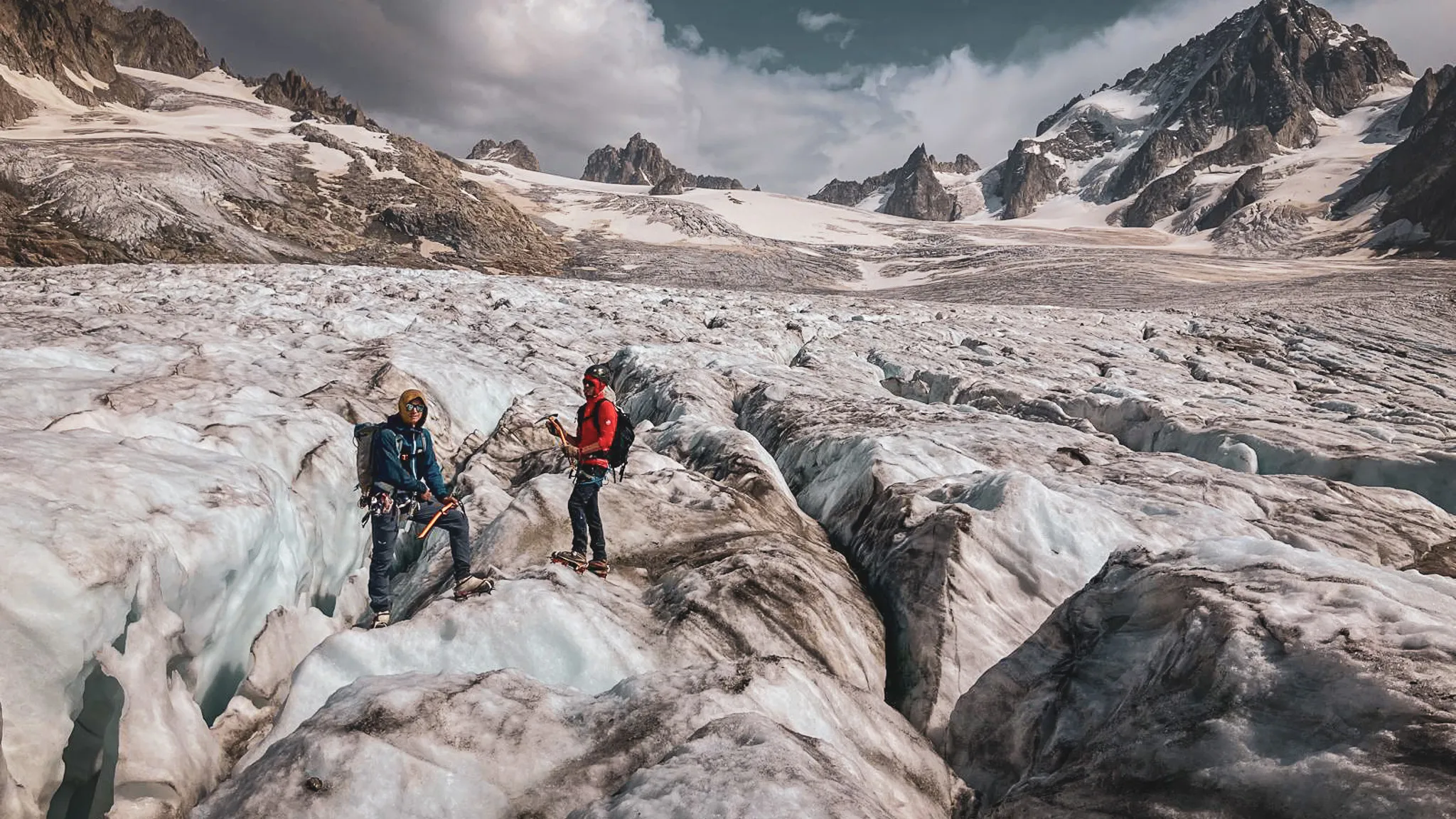
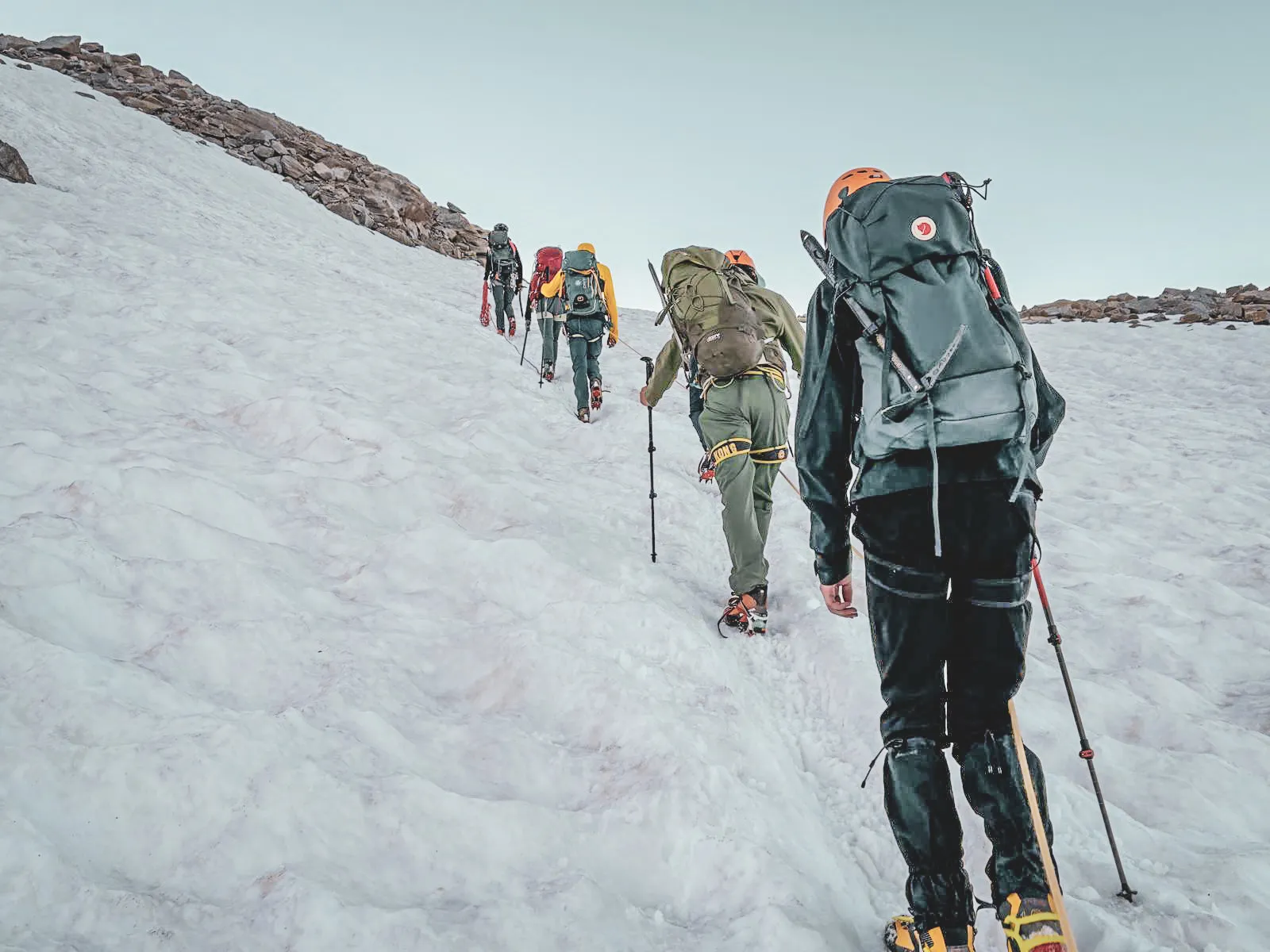
This is the entry point: no prior experience required, a progression built to teach as you go. On the 4-day introductory course in Chamonix, the first two days at the Albert 1er hut cover the basics, walking in crampons, using an ice axe, roping up, before a real first ascent on day 3: the Tête Blanche at 3,429 metres, with a night at the iconic red Trient hut perched on a rocky spur. One participant describes "a good balance between learning, practical exercises and outings, matched to our level," another says mountaineering became the trip's favourite activity even though they knew nothing about it beforehand.
Glacier traverse: multi-day travel over ice
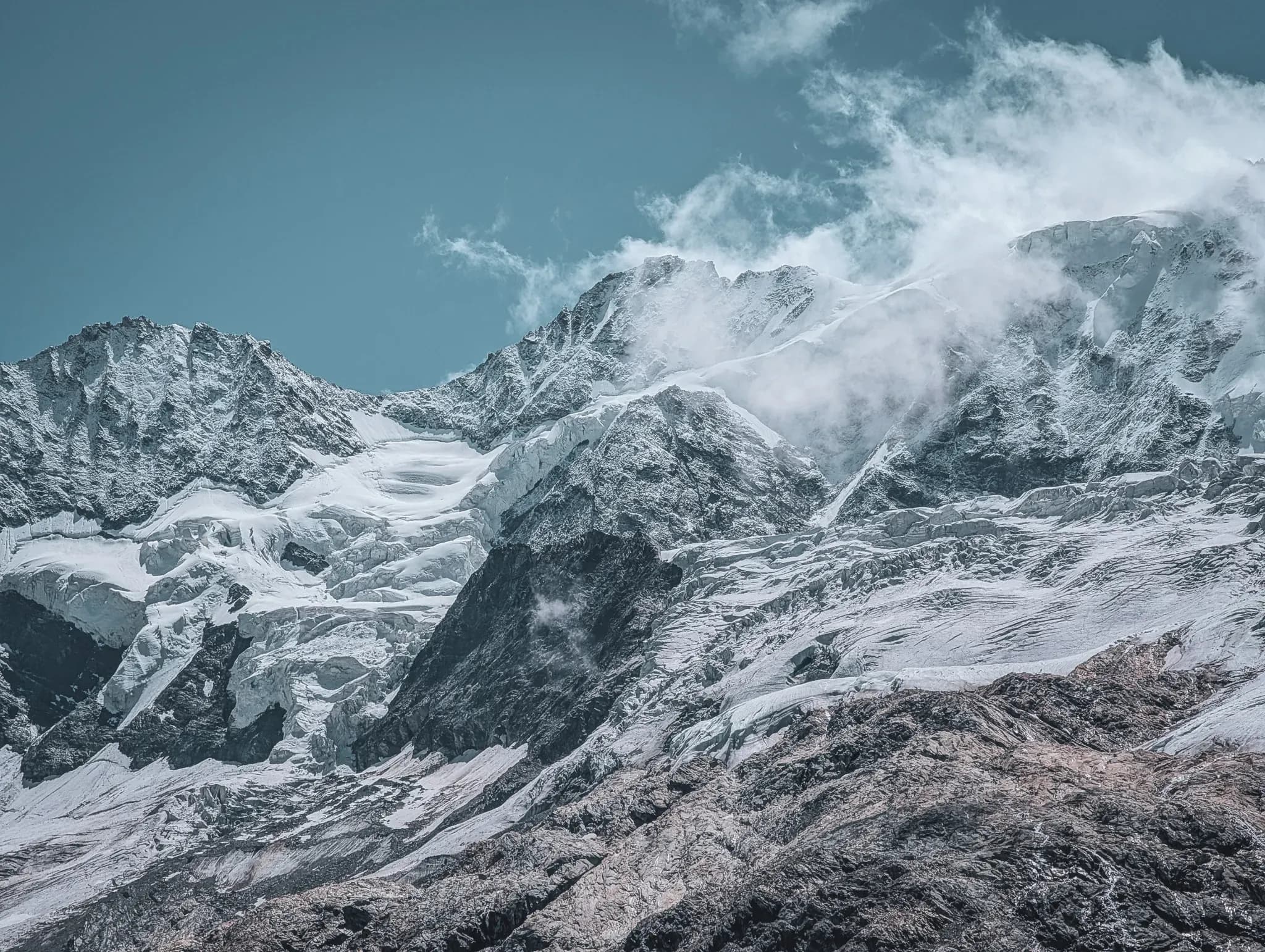
Here, no single peak organises the week, the sequence itself is the point. On the Haute Route from Chamonix to Zermatt, day 4 is nearly 7 kilometres of almost-flat walking across the Otemma glacier to the Cabane des Vignettes, perched like an eagle's nest. On the Aletsch traverse, the defining moment is Konkordiaplatz: the metal staircase up to the Konkordia hut gets a little longer every year as the glacier retreats. These routes ask for endurance spread across the whole week (6 to 7 days, a different hut every night), reserved for climbers already comfortable in crampons and roped travel over several consecutive days.
A first 4,000m summit: a clear, reachable goal
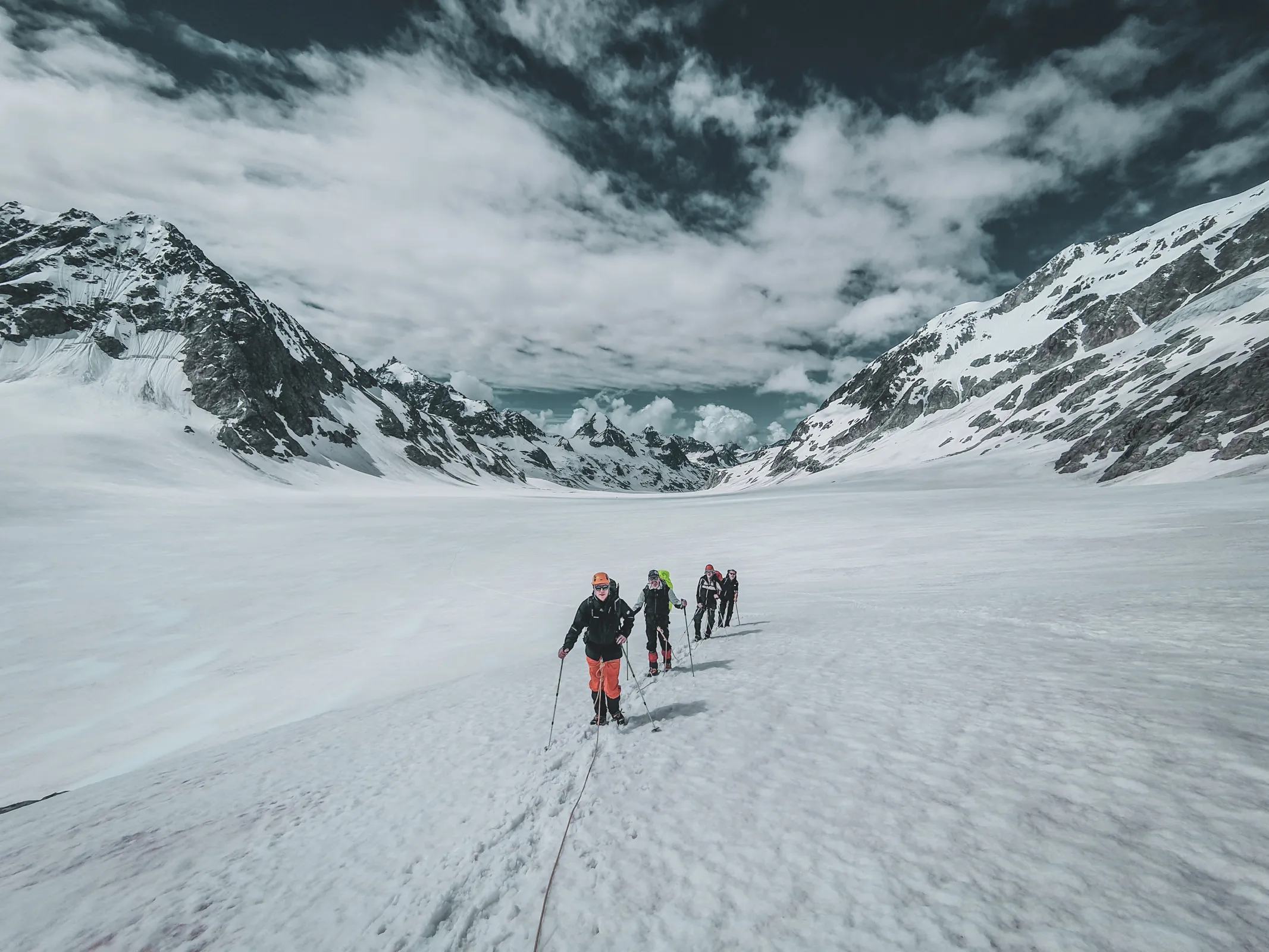
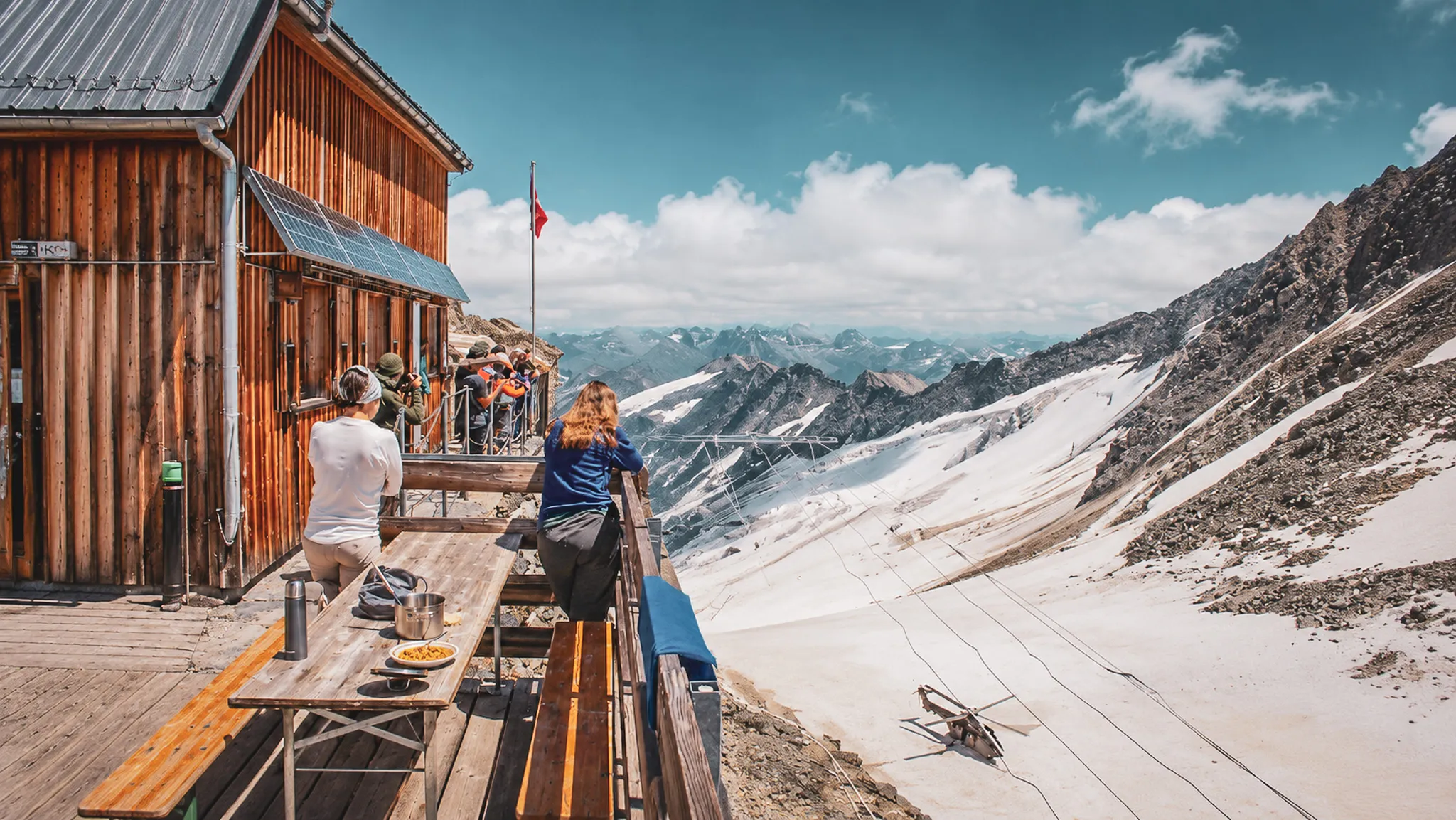
Here the objective is precise: one summit, reached in 2 to 3 days. Gran Paradiso (4,061 m), graded F (easy), is the most accessible example: two nights at the Vittorio Emanuele II hut, a summit push on day 2 via the standard route, and a real ice-skills day on the last day on the Moncorvé glacier, including crevasse rescue simulation. "Our first 4,000m peak. A wonderful experience, both physically and personally," wrote one participant guided by Patrick. Another, guided by Christophe, confirms the summit stays reachable for anyone who exercises regularly without prior technical background. One detailed piece of feedback flagged two practical points too often glossed over: tall gaiters against cold feet, and a 30-litre pack that's genuinely too small once crampons, boots and helmet are added. To progress from there, the Breithorn (4,164 m, 2 days from Zermatt) and the Bishorn (3 days, with a 4am start on the final day) work as the next, slightly more demanding steps.
An iconic summit: when the peak becomes the whole project
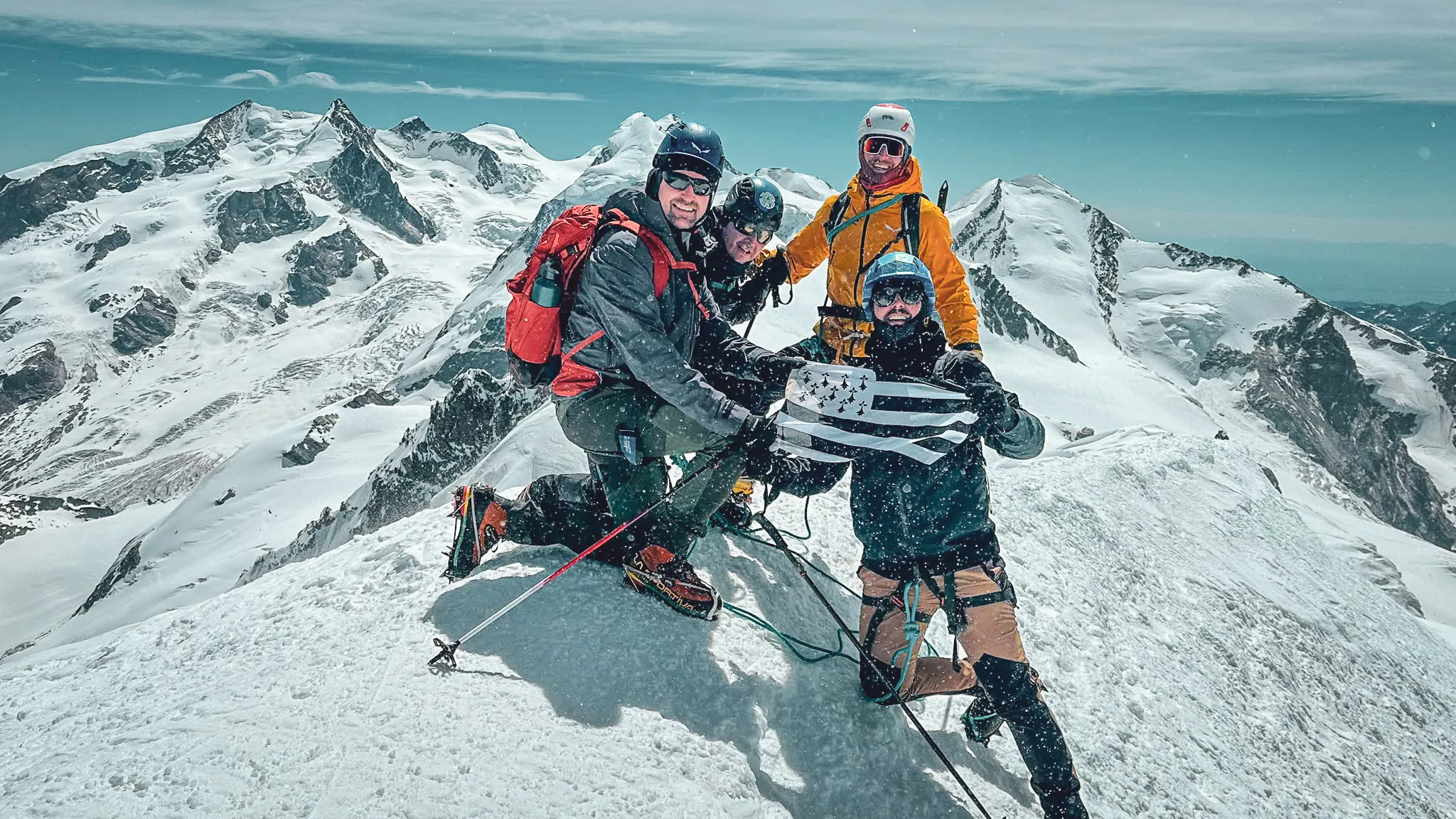
Some summits aren't just a goal, they're a project in themselves. Climbing Mont Blanc is the clearest example: five days, two of which are spent on a glacier skills refresher and a test climb up the Aiguille du Tour or the Tête Blanche, where the guide decides if you're ready for what's next. Day 4 takes you past the Aiguille du Goûter, the Dôme, then the Bosses ridge to the summit at 4,810 metres. One point several participants raise afterwards: be honest about your physical level before booking, not after. One climber, on the trip with guide Paul, suggested checking level more carefully beforehand and offering a preparatory step like the Breithorn or Gran Paradiso to anyone not quite ready, exactly the point of the "preparatory expeditions" already listed on every trip page.
Ridge climbing: technique before altitude
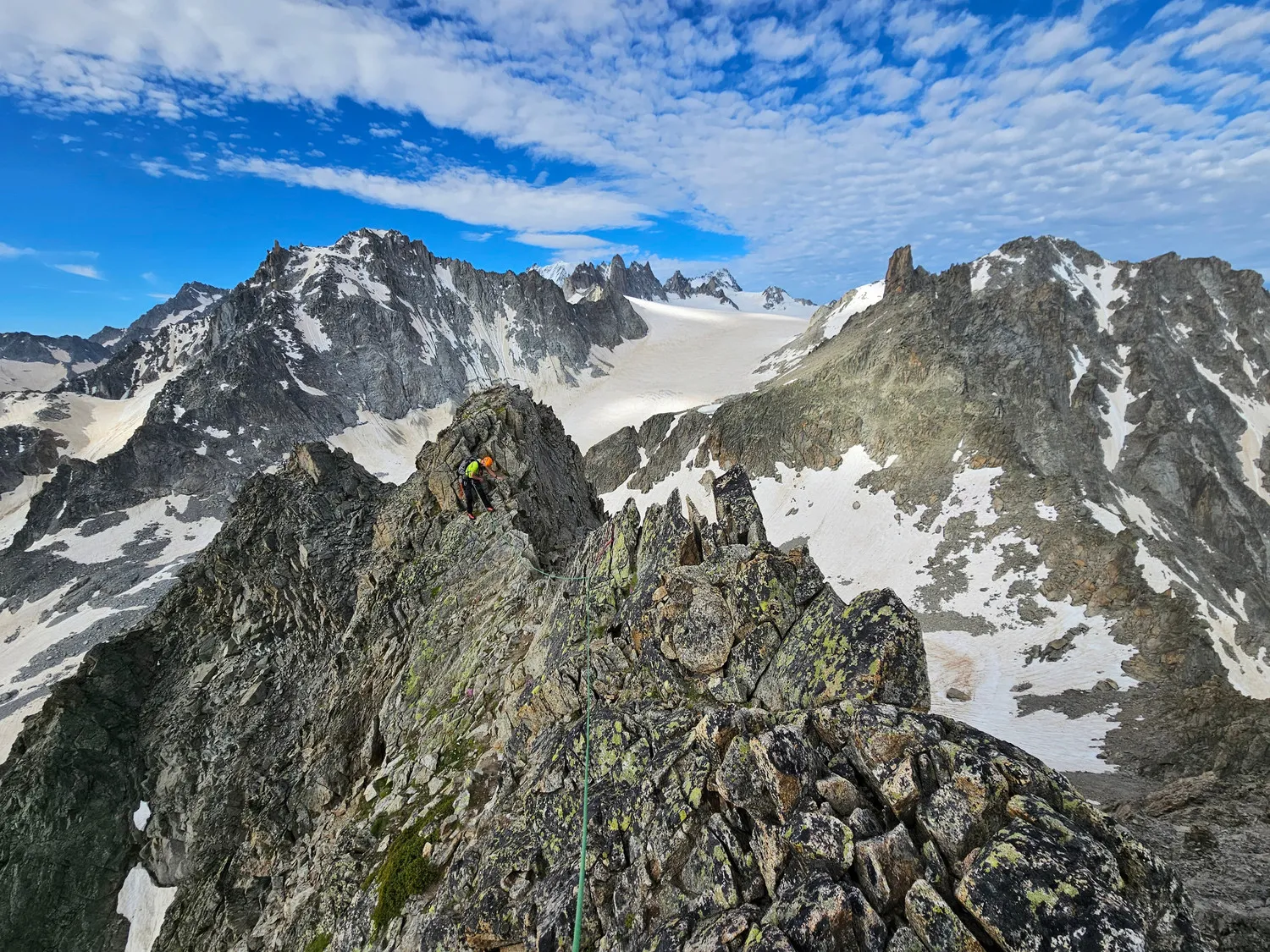
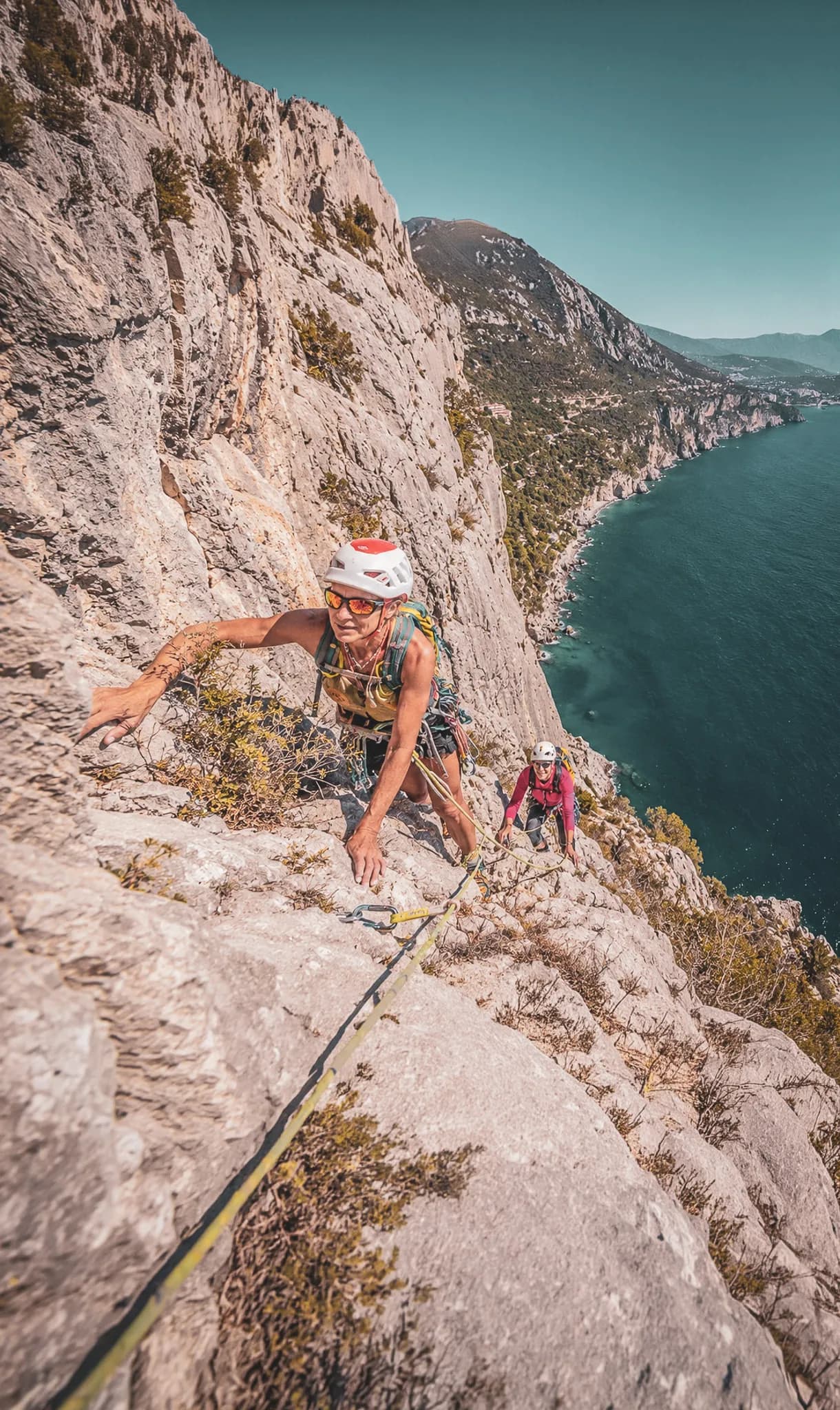
Here it's not altitude that matters but the terrain: balancing along a narrow ridge between rock and open air, with easy but exposed climbing. On the first ridge-climbing course in Chamonix, the first two days lay the groundwork at Le Fayet and then Les Mottets: climbing in mountaineering boots, setting a belay, belaying your second, managing a taut rope. Day 3 heads to the Aiguilles Rouges for a real beginner-friendly ridge, the Index, the Crochue or the Glière depending on conditions, with rock steps to negotiate and abseils. No mountaineering experience is required at the start, just a willingness to climb and move through vertical terrain.
How to place your level and progress
These five types aren't mutually exclusive, they often follow one another over a climber's progression: a glacier hike or a ridge course to learn the basics, a first accessible 4,000m peak to test what you've learned, then a traverse or an iconic summit once endurance and glacier ease are in place. The point that comes up most often in the feedback we receive, whatever the type, is being honest about your physical level before booking. If you're torn between two formats, go with the lower one: the safety margin gets paid for in legs, not money.
Whichever you choose, the variable that actually matters is your current objective, not your track record. Take the time to clarify it with your guide before booking.
Find your next adventure
Browse curated expeditions matching the categories of this article and start planning your next trip.
Find your dream adventure
 Find your dream adventure
You might also like these adventures …
Hand-picked to echo the spirit of this article.

More to discover
Keep exploring with these pages and stories picked for you.
4 Beginner-Friendly Summits for First-Time Mountaineers
Four accessible Alpine summits for a first mountaineering experience, with practical advice on preparation, terrain and guided ascents.
Top 5 Best Mountaineering Courses to Start Your Alpine Journey
Discover the 5 best mountaineering courses for beginners: accessible formats, advice on progress and easy summits to aim for after your introduction.
Guided mountaineering in the Alps, 3 to 5 day courses
Discover guided mountaineering across the Alps, from Grand Paradiso to Mont Rose, with 3 to 5 day trips led by IFMGA guides.
Guided mountaineering courses and trips in the Alps
Guided mountaineering courses across France, Italy and Switzerland. Learn glacier safety, travel roped and climb 3000 to 4800 m with nights in huts.
5 Mountaineering Courses to Explore the Alps
Compare five mountaineering-course destinations, from Mont Viso to Chamonix and the Écrins, to choose a format that suits your level.
A Brief Guide to Mountaineering
Dreaming of taking up mountaineering? Why not start with a mountaineering course to learn the basic techniques.
