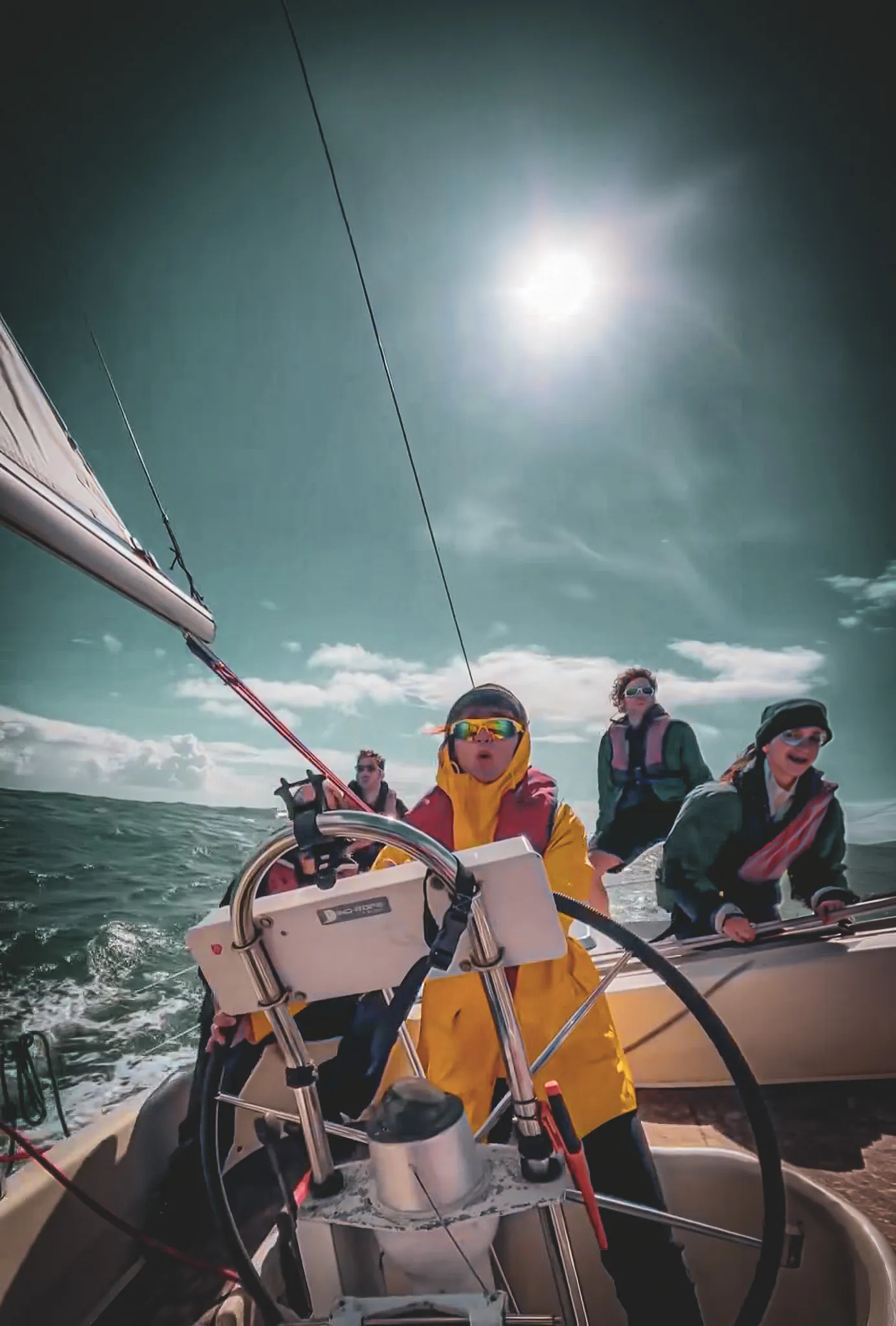
Prepare for the Mallorca to Menorca sailing course in 6 weeks
Day-by-day training and mental prep to match a 7‑day coastal sailing course between Mallorca and Menorca, from grip strength to seasickness strategies.
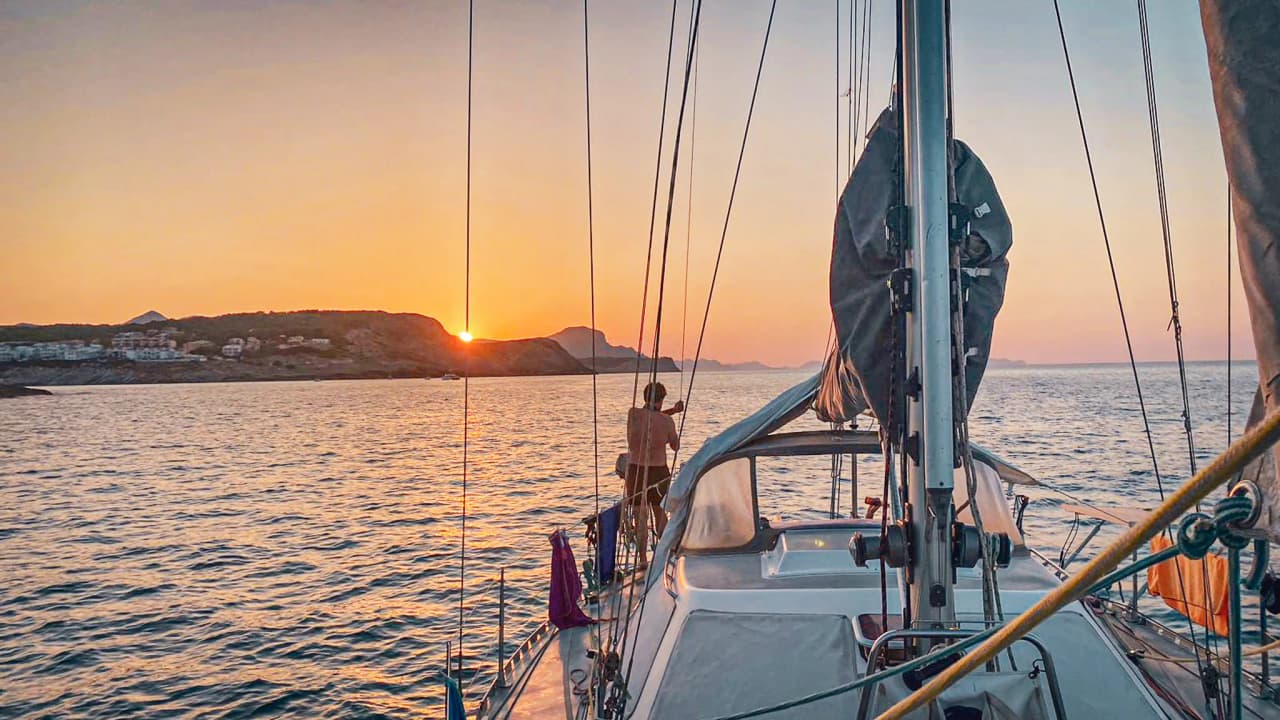
The 7-day course Learn to sail amongst the coves of the Balearic Islands moves quickly from the first safety briefing in Port de Pollença to real coastal sailing along the Serra de Tramuntana, and it may include an offshore crossing to Menorca around Day 3 before returning to Mallorca on Day 6. You will rotate through helm, trim and line handling on an Oceanis 393, share life on board, and sleep at anchor in clear coves. Build a simple plan that makes you fit, steady on your feet and mentally ready so you arrive able to learn, not just endure.
Build the physical base: a 6‑week progression for winches, balance and endurance
Think of the next six weeks as laying down steady cardio, joint-friendly strength and the grip you need for winch handles. Aim for three to five short sessions per week, 30 to 60 minutes each, with recovery days between strength sessions. Consistency matters more than heroic workouts.
Weeks 6 to 4, set your foundation. Do two easy cardio sessions of 40 to 60 minutes each, run, bike, row or brisk hike, keeping a pace where you can talk in short phrases. Add two full-body strength sessions built around squats or lunges, horizontal pulling with a band or cable, push-ups, and planks front and side. Finish with 10 minutes of grip work: suitcase carries for 20 to 30 meters per arm, bar hangs, and squeezing a tennis ball rhythmically.
Weeks 3 and 2, shift toward functional force and stability. Keep one longer easy cardio and add one session with five to eight short surges of 60 to 120 seconds with equal recovery. For strength, train three pillars: hip hinge with light deadlift or glute bridge, back and shoulders with rows and light overhead press, and core with dynamic planks and trunk rotations. Increase the weight slightly on carries and bar hangs to mimic winch effort, but keep technique clean and leave at least 48 hours between strength days. If you are rebuilding fitness or have a medical history, reduce loads and use more controlled repetitions.
Week 1, sharpen without tiring. Cut total volume but keep frequency. Do two 30 to 40 minute easy cardios, one light 20 to 30 minute circuit of full-body moves, plus daily 10 minutes of shoulder, hip and ankle mobility. Maintain brief grip work but stop before failure. Sleep more, drink enough water, and keep food simple so you board with tone rather than fatigue.
The countdown calendar: weekly rhythm at 4 weeks, 2 weeks, 7 days and 48 hours
Four weeks out, lock a practical week-by-week routine. For most people, Monday is a continuous 45-minute cardio. Tuesday is a 30-minute functional circuit followed by 10 minutes of grip. Wednesday is 20 minutes of mobility and easy stretching. Thursday is cardio with five 1-minute pace changes and 1-minute recoveries. Friday is upper-body strength with rows, presses and planks, 30 minutes total. Saturday is an active outing, swim or hike, about 45 minutes. Sunday is rest or a gentle walk. Swap days freely if you feel run down, the goal is steady practice.
Two weeks out, keep the same structure but trim volumes by about 20 percent. Add sailing-specific touches: do band rows in a half-squat to mirror the winch crank path, and climb stairs with side steps to train lateral balance on a moving deck. After training, spend 10 minutes on diaphragmatic breathing, which also helps calm seasickness.
Seven days out, simplify and recover. Early in the week, keep one 30-minute easy cardio and one 20-minute light circuit, then two mobility-focused days and one 40-minute relaxed walk. The day before you travel, avoid hard efforts, pack calmly, and hydrate. On embarkation morning in Pollença, do a five-minute joint warm-up, shoulder circles, hip and ankle rolls, then two minutes of slow nasal breathing to set attention before you meet the crew and start provisioning and the safety briefing of Day 1.
In the last 48 hours, protect sleep, prioritize meals with complex carbohydrates and simple proteins, limit alcohol, and if you plan to use anti-nausea medication, test it ahead of time to check tolerance.
Mental preparation and life on board: routines for Days 1 to 7, seasickness, sleep and crew dynamics
Anchor your mental game to the real rhythm of the week. On Day 1, as you settle into the Oceanis 393 and help with the galley stock, start a short routine you can repeat all week: five minutes of box breathing or a four-count inhale and exhale, followed by two minutes visualizing your role at the winch, at the mainsheet or at the helm. This primes you for clear action during safety drills and sets a calm tone for the first night in the Bay of Pollença.
Days 2, 4 and 5 bring concentrated coastal maneuvers along the Serra de Tramuntana and around Minorca’s rugged coves. Before each session, run a quick mental script: order, action, keyword. For example, hear the command, picture your hands on the line, then the single keyword you will speak when the job is done. This keeps communication crisp as you practice reefing, trim and crew organization. On Day 3, if the Mallorca to Menorca crossing goes ahead, expect longer watches. Split your attention intentionally between compass course, gusts and traffic, then recentre with three slow breaths at each changeover. Apply the same strategy on the longer return leg on Day 6.
Prevent seasickness where you can. Eat a light, slightly salty snack before you cast off, stay outside to keep a stable horizon, pick a point ahead on the water, and breathe low into your belly. Medication can help if cleared for you and tested in advance. When appropriate for boat speed and only with the skipper’s agreement, easing mainsail or adjusting trim to reduce roll can also bring relief. Sleep starts with short naps from Day 2 onward, plus eye mask and earplugs in your cabin. After the evening maneuvers and anchor checks, lie down early when the schedule allows so you do not accumulate a deficit before the offshore legs.
Good crews talk early and simply. During briefings, paraphrase what you understood and volunteer for roles you can execute cleanly while rotating to learn. If tension appears, describe what you observe rather than judging intent. Share a quick one-to-five energy rating with the skipper to help allocate helm time and night watches wisely. By Day 7, that clarity turns the final approach to Port de Pollença and the shared clean-down and debrief into smooth team work.
Hands-on simulations, smart logistics and the final checks
If you can access a small boat or a dock, rehearse core moves slowly so they are familiar when you practice them for real in Minorca’s coves or on Mallorca’s north shore. A little theory each week helps too: chart symbols, ranges and basic marine weather so the map reading blocks on Day 3 and Day 6 feel natural.
- Reefing sequence at the dock, name each step
- Controlled gybe, guide the boom under control
- Mooring buoy approach and pickup, short anchor set
- Man overboard roles and headings, in theory
- Knots: bowline, clove hitch, half hitches, cleat hitch
- Coastal chart read and draft a simple route
- Onboard rotations for galley, dishes, deck tidy
Keep logistics simple so the boat stays functional. Bring closed, non-marking shoes with good grip, sun protection with SPF 50 including lip balm, category 4 sunglasses, a charged headlamp, layered clothing with a warm midlayer, light bedding such as a sheet set or sleeping bag, a microfiber towel, a soft duffel that stows easily, and enough cash for the onboard kitty. Add a small power bank and dry bags for phone and documents. For on-water snacks during the busier days, especially the crossing on Day 3 and the return on Day 6, pack easy, dense options such as nuts, oat bars, hard cheese and salty crackers, and sip water regularly.
Seven days before departure, check ID, insurance and personal meds, and finish your last light strength session four or five days out. Two days before, pack without overloading and review your breathing routine. On the day you meet the boat in Port de Pollença, eat lightly, drink water, arrive a bit early to slot into provisioning and the safety brief, stow your soft bag cleanly in your cabin, then begin the good habits that make a week flow: announce movement on deck, coil and stow lines as you go, and wash hands before touching the galley.
Across the week, connect training to tasks: use your grip for clean winch work, brace your core to hold a steady course in the north Mallorca swell, and lean on calm breathing to keep focus during chart work and weather discussions. During the final debrief on Day 7, note what to keep building at home, from short grip sessions to weather reading, so the next time you sign up for the Mallorca to Menorca sailing course you arrive a little more ready.

Find your next adventure
Browse curated expeditions matching the categories of this article and start planning your next trip.
Find your dream adventure
 Find your dream adventure
You might also like these adventures …
Hand-picked to echo the spirit of this article.

Learn to sail amongst the coves of the Balearic Islands

Learn to Sail in a Weekend in the Oosterschelde National Park


Sail Brittany’s wild Isles: Belle-Île to the Glénan