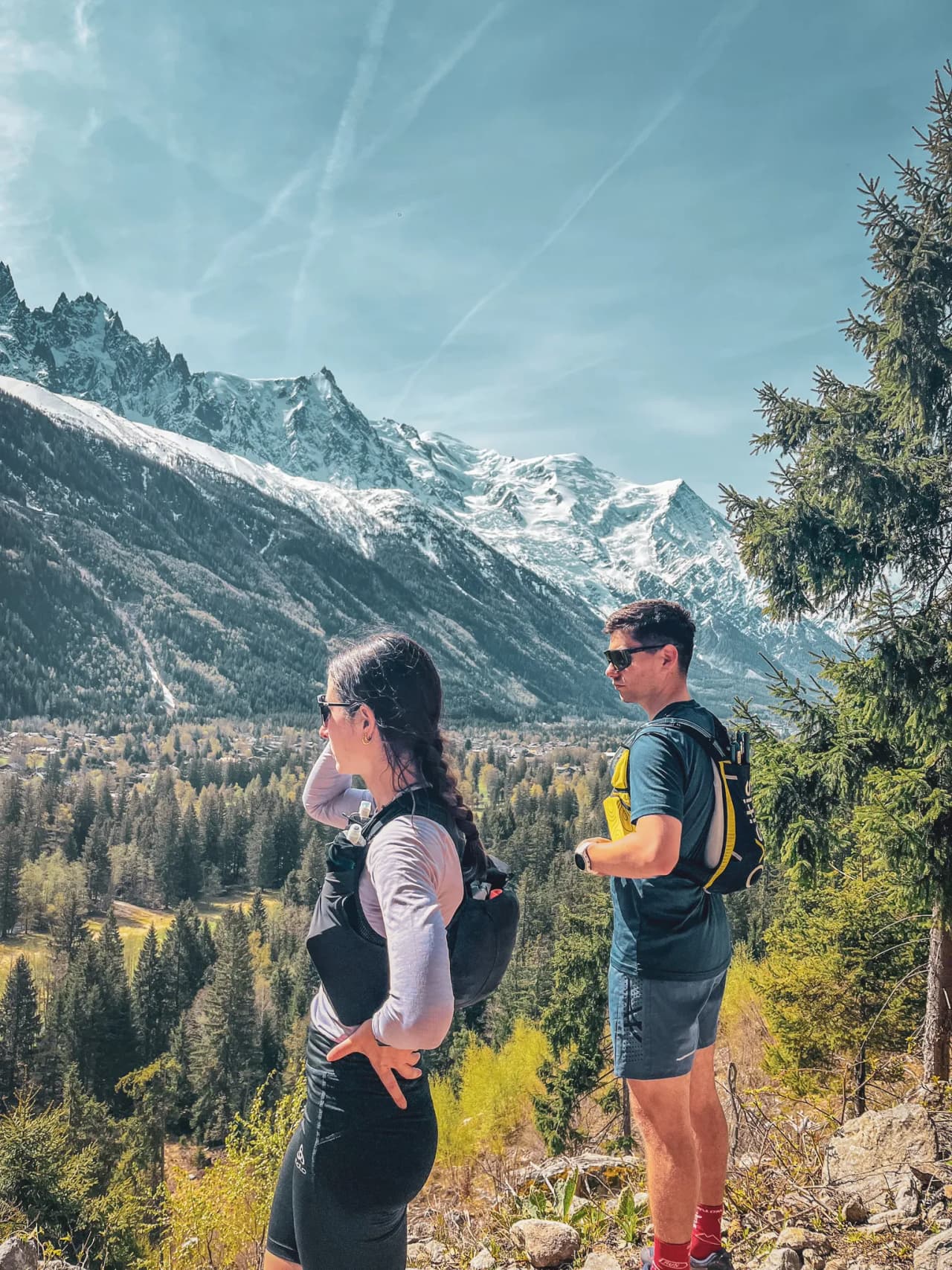
Train in 10 weeks for a 3 day trail camp in the Jura
A practical 10 week physical and mental plan aligned with the day by day flow of the Jura trail camp led by Manon and Patrick Bohard, so you start fresh on day 1.
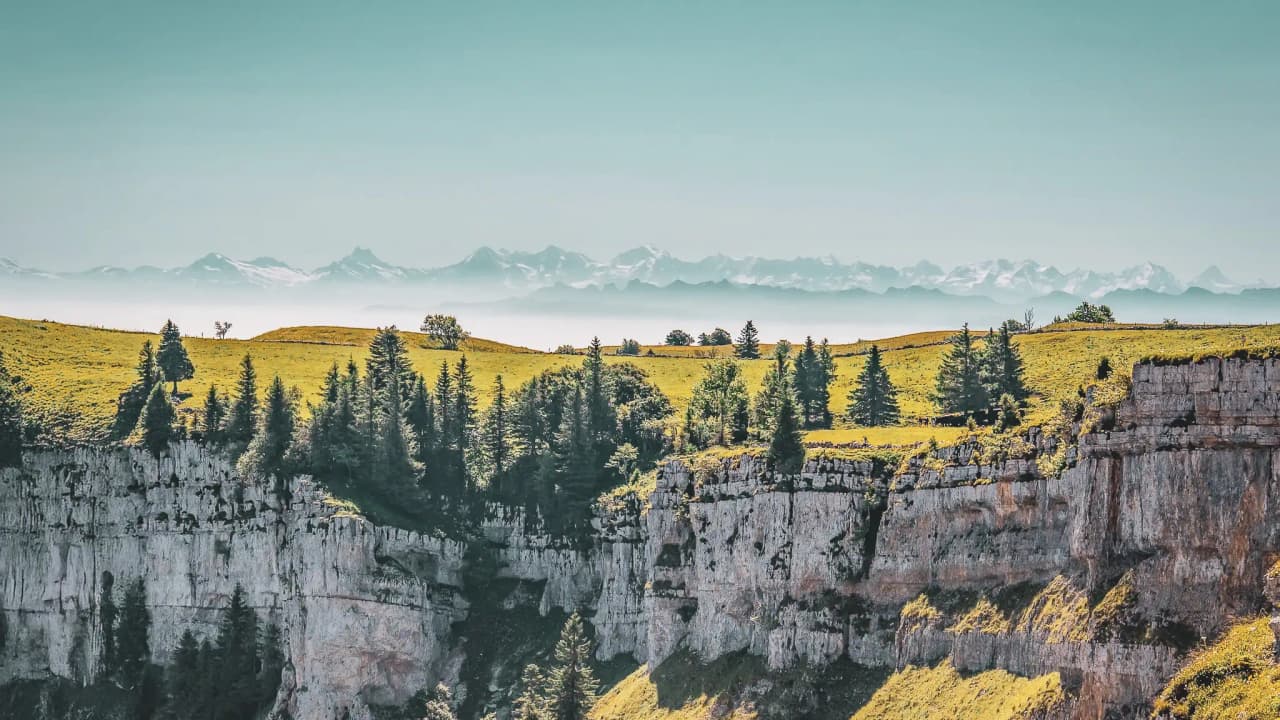
A three day camp in the Jura that blends technical trail sessions, coaching workshops, performance tests, hypnosis and yoga rewards runners who arrive tuned up rather than tired. If you are an intermediate runner targeting the Wild trail series: Run in the Jura with Manon and Patrick Bohard in September, the guide below gives you a 10 week build designed around what actually happens on each day. The aim is simple: carry solid aerobic endurance, sharpen uphill and downhill economy, rehearse fueling, and put mental routines in place so you make the most of every session from the first afternoon to the final yoga cooldown.
A 10 week plan built for the camp rhythm
Keep the same weekly skeleton throughout: two easy endurance runs, one quality workout at threshold or on hills, one session that targets vertical or functional strength, and one long run. Add two short mobility routines of 15 to 20 minutes. Volume is in hours and should match your current base.
Week 1 aerobic base, 4 to 5 hours: run easy twice for 45 to 60 minutes, do short hill sprints 10 by 30 seconds walking back, one session of leg and core strength for 25 minutes, and a gently rolling long run of 1 hour 30. Start logging perceived easy and threshold efforts to prepare for the pacing work on day 1.
Week 2 gentle build, about 5 hours: add a controlled threshold set such as 3 by 8 minutes on soft terrain with steady breathing. On the long run, insert three purposeful climbs of 4 to 6 minutes, then 10 minutes of easy loosening to echo the mobility Patrick leads after the first outing.
Week 3 hills and footwork, 5 to 6 hours: schedule an uphill maximal aerobic stimulus like 6 by 2 minutes on a steady grade with jog back. Include one run on uneven trails to teach quick feet. The long run grows to 1 hour 45 with about 20 minutes of continuous descending to rehearse relaxed form for the downhill test on day 2.
Week 4 consolidate, 4 to 5 hours: reduce load slightly. Do a natural fartlek of 10 by 1 minute brisk, 1 minute easy on mixed singletrack. Add 30 minutes of targeted strength for calves, hamstrings and glutes. Keep the long run conversational and observe how your fueling sits on the move.
Week 5 specific block, 5 to 6 hours: run threshold uphill 4 by 6 minutes with 3 minute recoveries, then 10 minutes very easy. On a technical day, add 10 short downhill strides of 20 to 30 seconds with quick light steps. Go 2 hours on the long run and bring poles if you plan to use them during the day 2 workshop.
Week 6 pacing simulation, 5 to 6 hours: practice steady effort across varied terrain, for example 3 blocks of 15 minutes at a controlled intensity on a technical loop, able to speak in short phrases. Afterward, jot a brief debrief of sensations and heart rate, the same habit you will use during the group discussion after day 1.
Week 7 home made tests, 5 to 6 hours: run your own uphill and downhill checks. Pick a climb that takes 3 to 5 minutes of effort, do two attempts separated by 10 minutes, and film 10 to 15 seconds in the middle for posture and cadence review. Repeat on a mellow stable descent. Note your start, finish and feel, which will make the collective analysis on day 2 more useful.
Week 8 endurance focus, about 6 hours: extend the long run to roughly 2 hours 15 with a progressive finish of 20 minutes a touch above easy. Add one brisk hike of 1 hour 30 with poles to rehearse economical mechanics, and keep a 30 minute functional strength routine.
Week 9 lighten and refine, 4 to 5 hours: shorten the long run to about 1 hour 40, sprinkle in 8 by 20 second quick strides. Include one short morning run in a fasted state at very easy effort to preview the optional start on day 3.
Week 10 taper, 3 to 4 hours: keep two easy runs and one short reminder set of 6 by 30 seconds brisk, maintain daily mobility, sleep more and tie up logistics a few days ahead.
Technique work tailored to the Jura
Day 1 puts pacing under the microscope on mixed Jura terrain, from forest singletrack and small limestone steps to playful descents. Build coordination with two short drills each week: quick feet on irregular ground 3 by 30 seconds, shoulder relaxation while descending 2 by 1 minute with attention on steady breathing, and smooth changes of speed 6 by 1 minute on undulating trail so you learn to keep effort even while the profile rolls.
If you train far from hills, mirror the day 2 workshop that shows how to reproduce vertical load in the flat. Use stair sets two at a time for 10 to 15 minutes continuous, treadmill at 8 to 10 percent in 5 minute blocks, or chains of small artificial hills with a lightly loaded vest. Add controlled step downs and small jumps 3 by 8 to toughen ankles and the posterior chain.
For poles, arrive with two basic patterns already in muscle memory before working with Patrick. In climbs, alternate pole right with left foot then switch, a two beat rhythm. In fast hiking, use a four beat rhythm where each pole plants every other step. Keep the plant light and slightly forward without digging, and test strap settings so you can work without tension.
Fueling practice and fasted sessions
From week 1, build a simple before, during and after routine. Before key workouts, eat a digestible carbohydrate rich meal 2 to 3 hours ahead. During runs longer than an hour, target roughly 40 to 60 grams of carbohydrate per hour, with 400 to 800 milliliters of fluid depending on heat. After, aim for 20 to 30 grams of protein plus carbohydrates within the first hour. Arriving with this framework will let you use Manon’s nutrition workshop on day 2 for fine tuning.
Use fasted morning runs sparingly. Once a week at most, go 45 to 75 minutes at an easy conversational effort with water and electrolytes only, a spare gel in the pocket. Avoid the day before a hard workout and stop if you feel lightheaded or off. That way the optional fasted outing at the start of day 3 will feel familiar rather than risky.
Match your intake to the flow of the camp. Day 1 starts in the afternoon, so take a light snack about two hours before the first run and sip regularly. Day 2 includes intensity and video timed efforts, so keep a light energy drink between the morning workshops and the afternoon warm up, then use small frequent bites during the short tests. On day 3, if you choose the fasted option, have a complete breakfast right after, then keep simple steady fueling on the long run that follows in level based groups.
Mental routines, recovery and last week logistics
Mental preparation and hypnosis
Day 2 opens with a guided hypnosis relaxation session centered on grounding and recentring. Prepare for it with two habits. Once a week, sit for 10 minutes of simple self hypnosis: pick a still point to look at, slow the exhale to 6 or 8 seconds, then repeat a short anchor phrase such as I settle the pace and breathe. Before key sessions, picture the Jura loop you will run: calm start, fluid climbing, relaxed descending with a long gaze. Use those images when effort spikes, especially during the uphill and downhill tests on day 2.
Recovery and mobility
The camp stacks efforts and closes with a yoga session with Patrick on day 3. Two to three times per week, run through a 20 minute routine that includes hip flexion work, ankle openers at the wall, quadriceps lengthening, supine diaphragmatic breathing and gentle thoracic twists. After long runs, add 8 to 10 minutes of easy held poses such as a soft downward dog, a light chair and a forward fold with bent knees. Hydrate frequently, choose simple foods rich in micronutrients, and protect sleep time, especially from week 8 to week 10.
Taper week and a simple checklist
In the final week, cut volume by about half, keep a few very short strides so your legs keep some snap, and create small windows for breathwork or short naps. Pack without hurry two or three days before departure. The gite sits in the heart of the Jura and weather can shift quickly, so give yourself options.
- Broken in trail shoes and poles if you plan to use them
- Trail vest 8 to 12 liters with hydration, 1.5 to 2 liters per day
- Waterproof breathable jacket, light gloves, category 3 sunglasses
- Charged headlamp and a sleeping bag liner for the lodging
- Breathable tees, shorts or tights, technical socks
- One larger pack of 20 to 30 liters for the whole stay and a personal first aid kit
Test shoes, poles, headlamp and your hydration strategy in weeks 9 and 10. Dress for September in the Jura with layers for cool mornings and evenings.
Run through this calendar from week 1 to week 10 in direct response to the workshops and outings in the program. Before you travel, make sure you have rehearsed a pacing session, one filmed hill effort, one easy fasted run and two short mindfulness routines. You will arrive at the Wild trail series: Run in the Jura with Manon and Patrick Bohard steady, curious and ready to absorb the terrain and coaching without burning your matches on day 1.

Find your next adventure
Browse curated expeditions matching the categories of this article and start planning your next trip.
Find your dream adventure
 Find your dream adventure
You might also like these adventures …
Hand-picked to echo the spirit of this article.

Intro to trail running in the Vosges
Wild trail series: Run in the Jura with Manon and Patrick Bohard
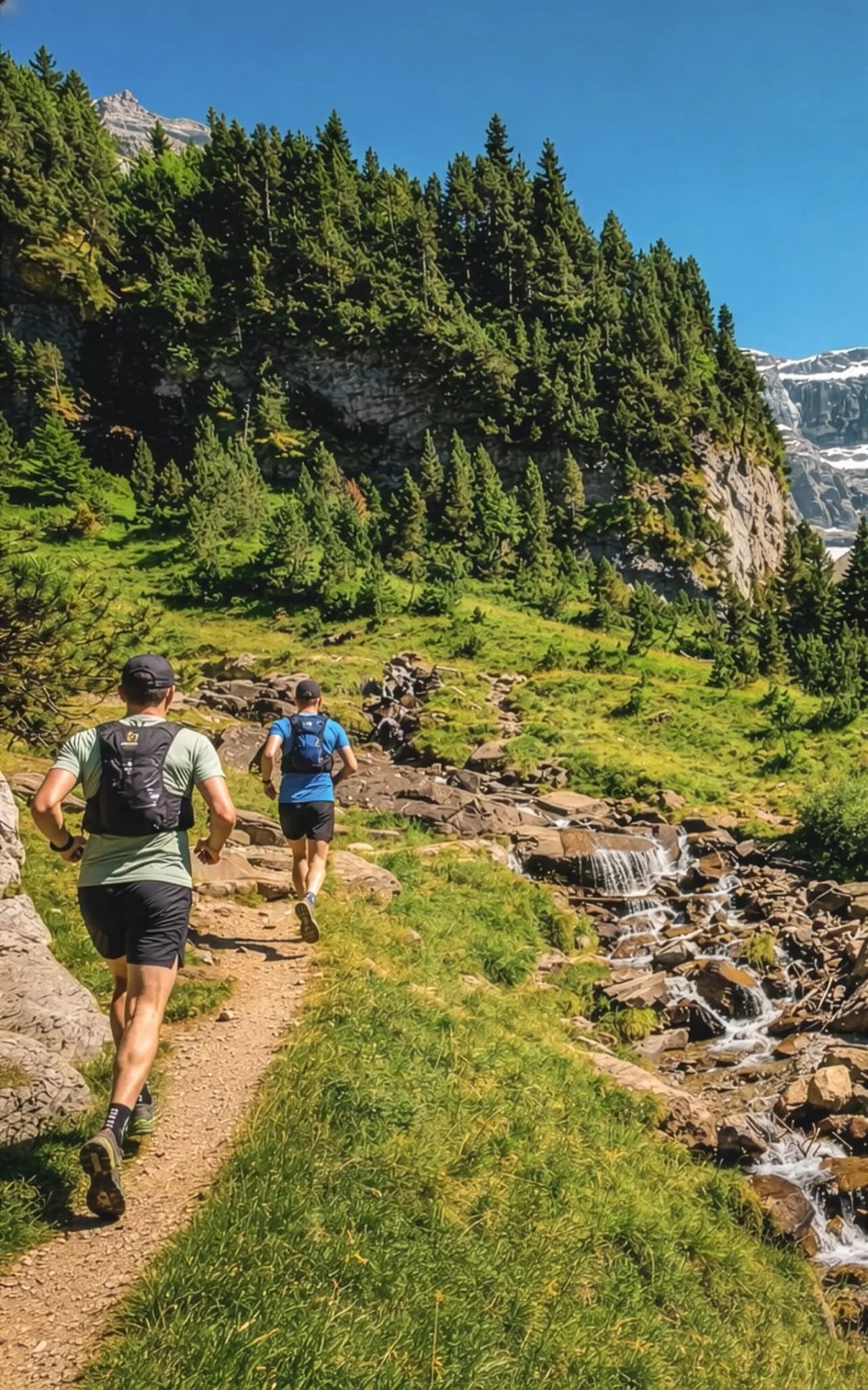
Trail course in the heart of the Gavarnie cirque