Chartering a Sailboat: Real Cost, Licence, Hidden Fees
 By Maxime
Licence rules, real weekly prices and hidden fees (fuel, mooring, deposit): what to know before chartering a sailboat for a week.
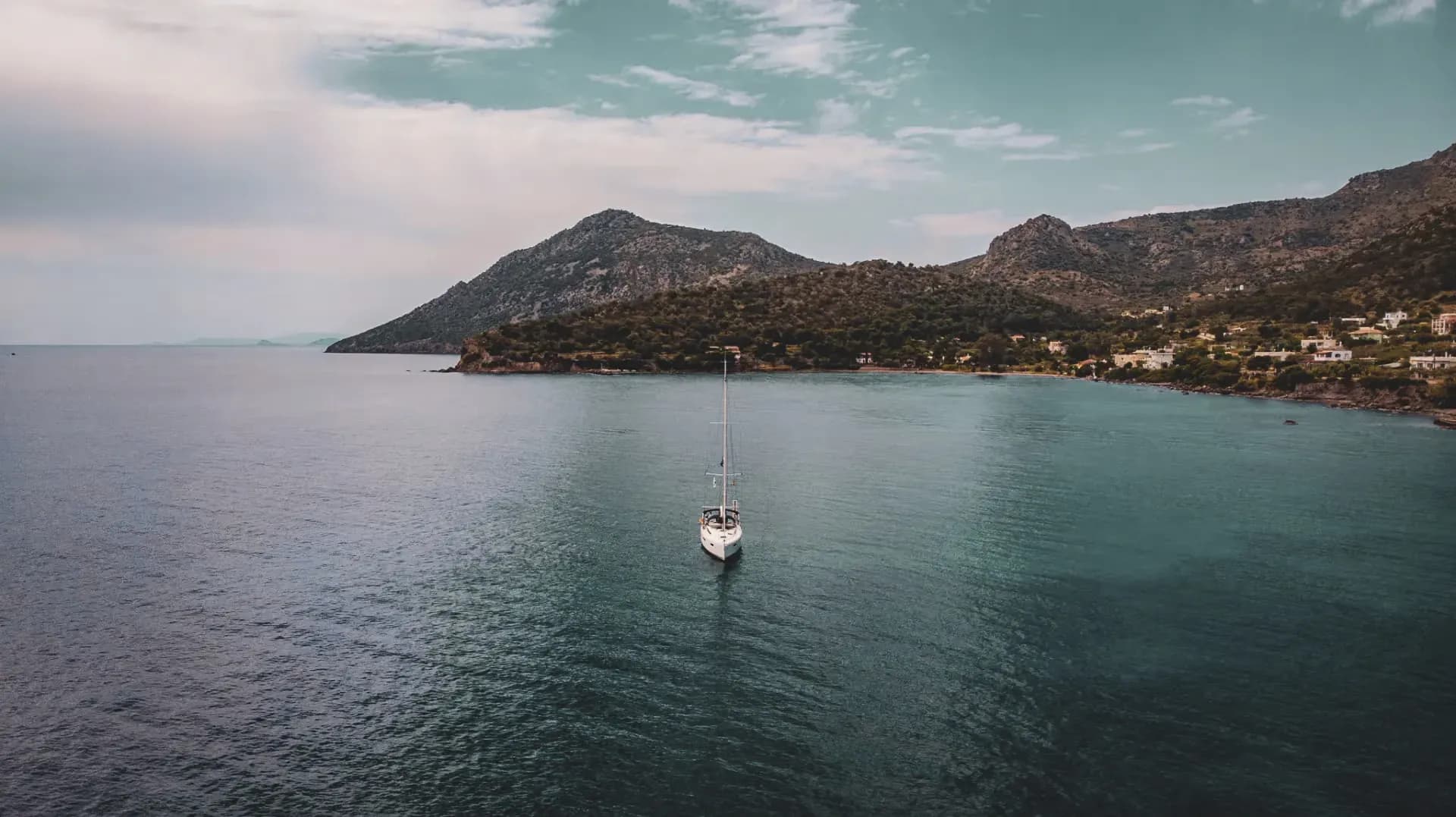
Before booking a sailboat charter for a week, three questions almost always come up: do you need a licence, what does it really cost, and what never shows up in the listed price? The good news: in France, pure sailing has never required a licence, whatever the size of the boat. The less good news: the price a charter company lists almost never covers fuel, mooring fees or the on-board kitty, the items that actually inflate the bill once you're at sea. Here's what nobody tells you before you sign, and why sailing with a small guided group can, on paper, end up cheaper than you'd expect.
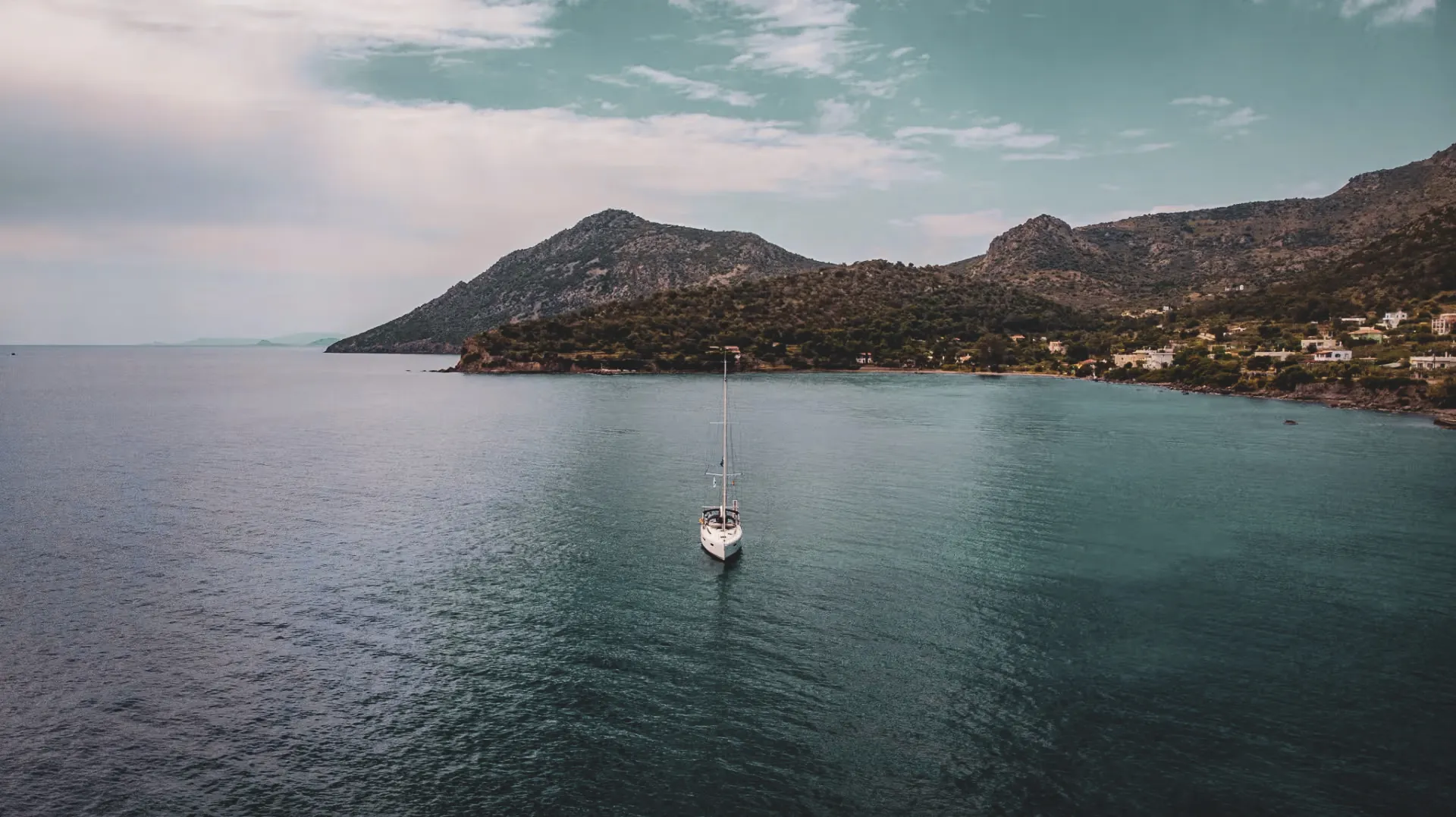
Do you need a licence to charter a sailboat?
Pure sailing has never required a licence in France, no matter how long the monohull or catamaran is. What changes the picture is the engine: once it tops 4.5 kW (around 6 horsepower), a boat licence becomes mandatory. And almost every charter sailboat carries an auxiliary engine above that threshold, for harbour manoeuvres and windless days.
In practice, charter companies rarely ask you for a licence at all. Instead, they ask for a sailing CV, a summary of your experience at sea (hours logged, types of boats, waters sailed). Without verifiable experience, chartering solo is off the table, whatever your budget. That's the real gatekeeper for most first-time requests, more than the licence itself.
For the full rules by engine power, Bateaux.com breaks down the exact thresholds and the waters they apply to (in French).
Skippered or bareboat: which to choose?
There are two ways to charter a sailboat, and they suit very different people.
Bareboat (sailing solo)
You keep full control of the boat and the itinerary, but you also carry the full responsibility: harbour manoeuvres, reading the weather, choosing anchorages, and improvised fixes if something breaks at sea. Charter companies require a solid sailing CV before approving this option, often several hundred hours already logged.
With a professional skipper
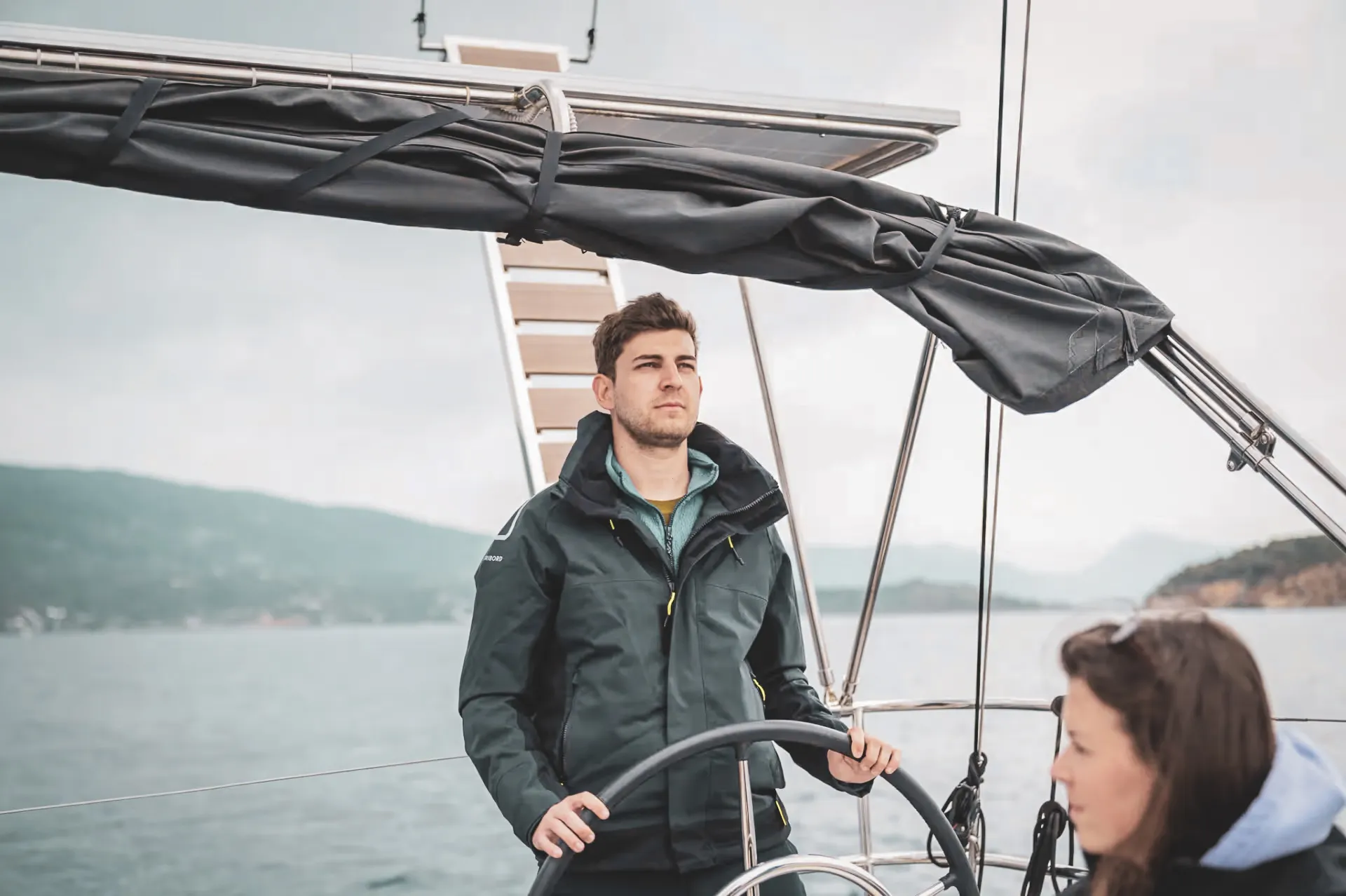
The skipper handles navigation, technical manoeuvres and the group's safety. No prior experience required. This is what removes the sailing-CV hurdle, but it has a cost: budget around €200 a day for a professional skipper, on top of the boat rental itself.
Add it up and a week with a skipper quickly passes €1,400 for their fee alone, before the boat rental is even factored in.
How much does a week on a sailboat really cost?
Prices vary enormously by boat size, destination and season. As a rough market range, expect anywhere from €800 a week for a small sailboat to over €3,000 for a 4-cabin model, skipper excluded. In the Mediterranean, the gap between low and high season can easily double the listed rate.
These ranges, given as indicative by charter platforms like SamBoat and Sunsail, only cover the empty boat. Fuel, food, port taxes and a skipper if you want one all come on top.
The hidden fees most listings skip over
This is the part most charter guides gloss over. Before comparing two offers on listed price alone, check these items:
- Fuel: rarely included, billed either by the tank refilled or as a flat engine-use fee set by the charter company.
- Mooring: a night in a marina generally runs €20 to €60 depending on the port and season, multiplied by however many stopovers you make.
- The security deposit: often several hundred euros held on your card, refunded only after the boat is inspected on return.
- Provisioning: a week's worth of food, usually managed through a shared on-board kitty when you're sailing as a group.
- Extra insurance: an add-on that lowers your deposit exposure in case of damage, rarely highlighted in the headline price.
Add it all up and these items can represent 30 to 50% of the initial rental price over a full week.
Checklist before you sign
A few concrete checks to make before agreeing to anything, whether you're going bareboat or with a skipper:
- Ask for the exact on-board inventory (spare sails, dinghy, safety gear) and check it against what's written in the contract.
- Confirm the exact deposit amount and the conditions for getting it back.
- Clarify the fuel policy: full-to-full, or a flat fee regardless of actual consumption.
- Confirm the departure and return ports, and the deadline for handing the boat back.
- Ask whether cancellation cover is offered, useful if the weather forces a reschedule.
Going it alone vs sailing with a guide: the real budget gap
On paper, chartering a sailboat yourself looks like the cheaper option. In reality, once you add up the skipper, fuel, mooring and the shared kitty, a week of bareboat chartering with a skipper easily tops €2,000 to €3,000 for a small crew, fuel and food not included.
| Bareboat charter | Guided Wildhartt trip | |
|---|---|---|
| Experience required | Sailing CV required by the charter company | None, beginner level welcome |
| Skipper | Optional, around €200/day | Included for the whole trip |
| Fuel | Extra, your responsibility | Included |
| Meals | You organise and pay for them | Shared on-board kitty (~€150/person for the week) |
| Indicative price (week) | €800 to €3,000 + skipper if needed | €1,080 all-in (meals excluded) |
That's exactly what we see on our guided week between the Peloponnese and the Greek islands: €1,080 for 7 nights on board, professional skipper and fuel included, only meals stay in the shared kitty. For a beginner who mainly wants to learn without managing all the logistics of a charter, the gap with a bareboat-plus-skipper rental shrinks fast, and sometimes flips entirely.
Damien, who sailed with Wildhartt, sums up what that trade-off actually changes: "Sailing gives you a real sense of freedom, and everyone gets a role in steering the boat. Communication with the Wildhartt team was always smooth, and everything was set up to match what we were hoping for."
Still torn between a short format and a full week on the guided side? We've already compared our weekend and week-long courses in detail. And for the basics before your first time out, whichever format you choose, our 5 tips for getting started at sea are a solid starting point. You can also browse all our small-group sailing trips if you'd rather compare a few destinations before deciding.

Find your next adventure
Browse curated expeditions matching the categories of this article and start planning your next trip.
Find your dream adventure
 Find your dream adventure
You might also like these adventures …
Hand-picked to echo the spirit of this article.



More to discover
Keep exploring with these pages and stories picked for you.
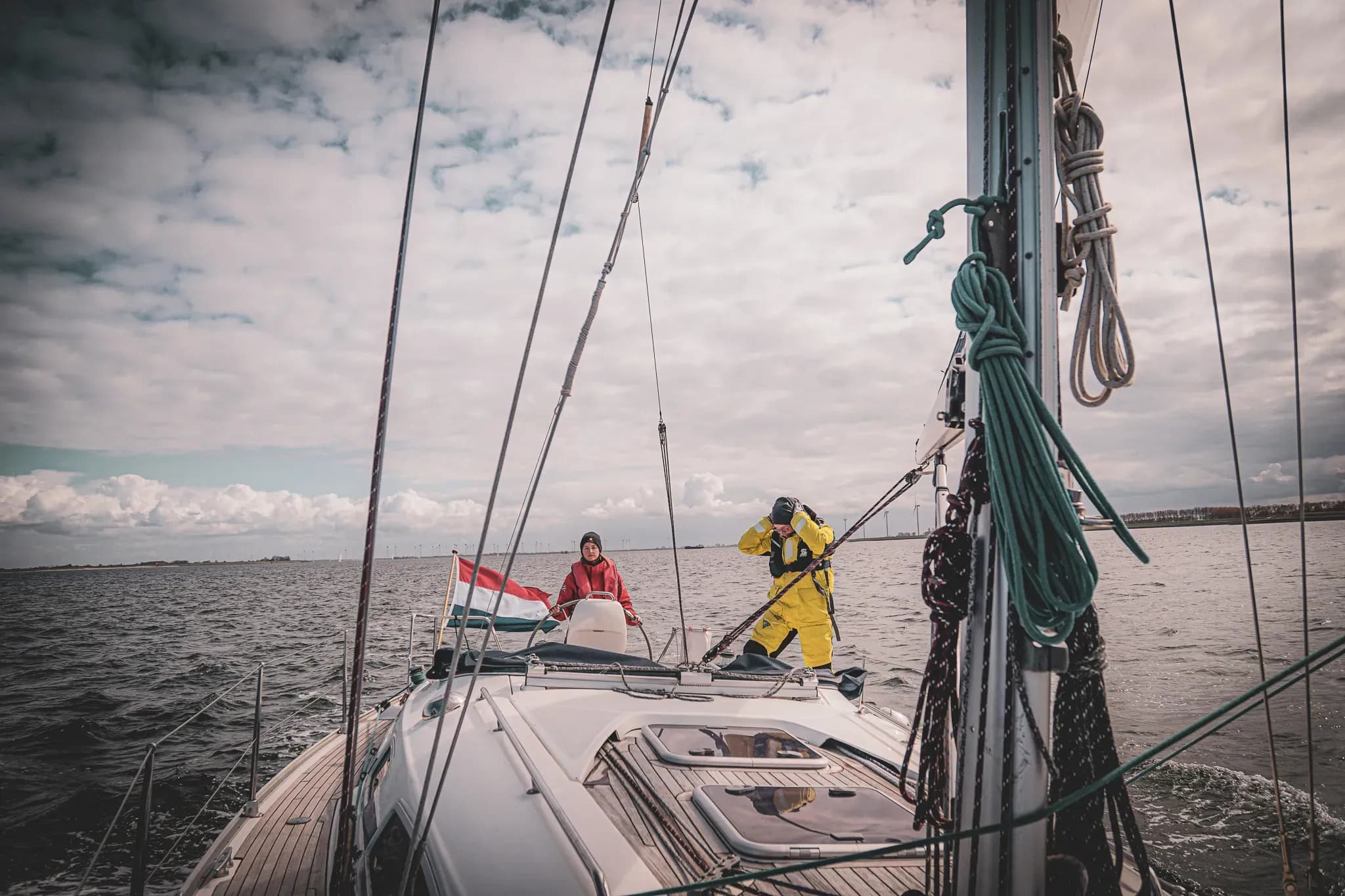
Beginner Sailing Course: Weekend or Full Week, How to Choose
A beginner sailing course can last a weekend or a full week. See the real differences, the level required and the budget before you book.
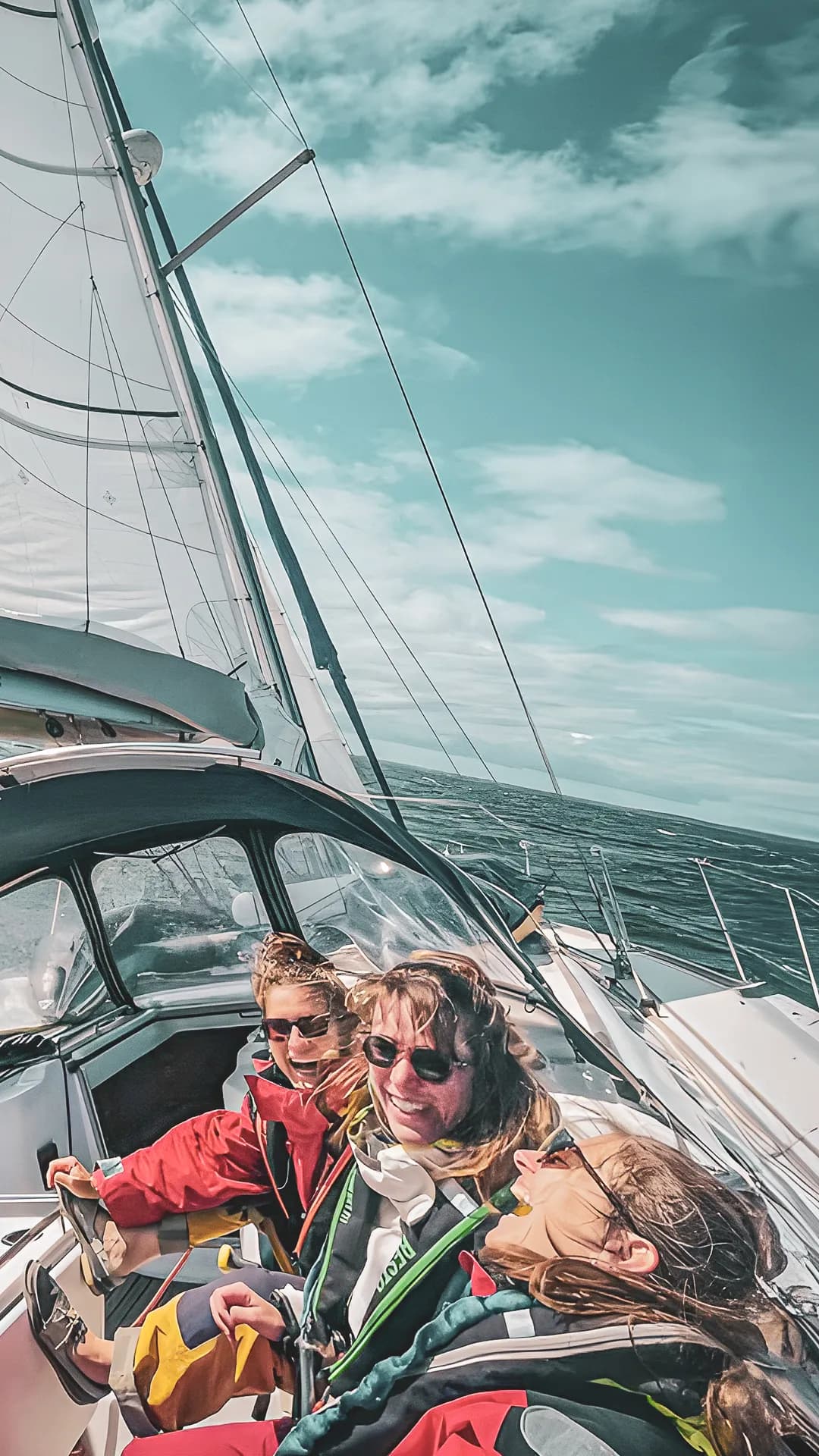
Small group sailing adventures for weeklong coastal cruises
Discover small group sailing adventures, 7 to 8 day trips with active coastal cruising, hands on training and nights at anchor.
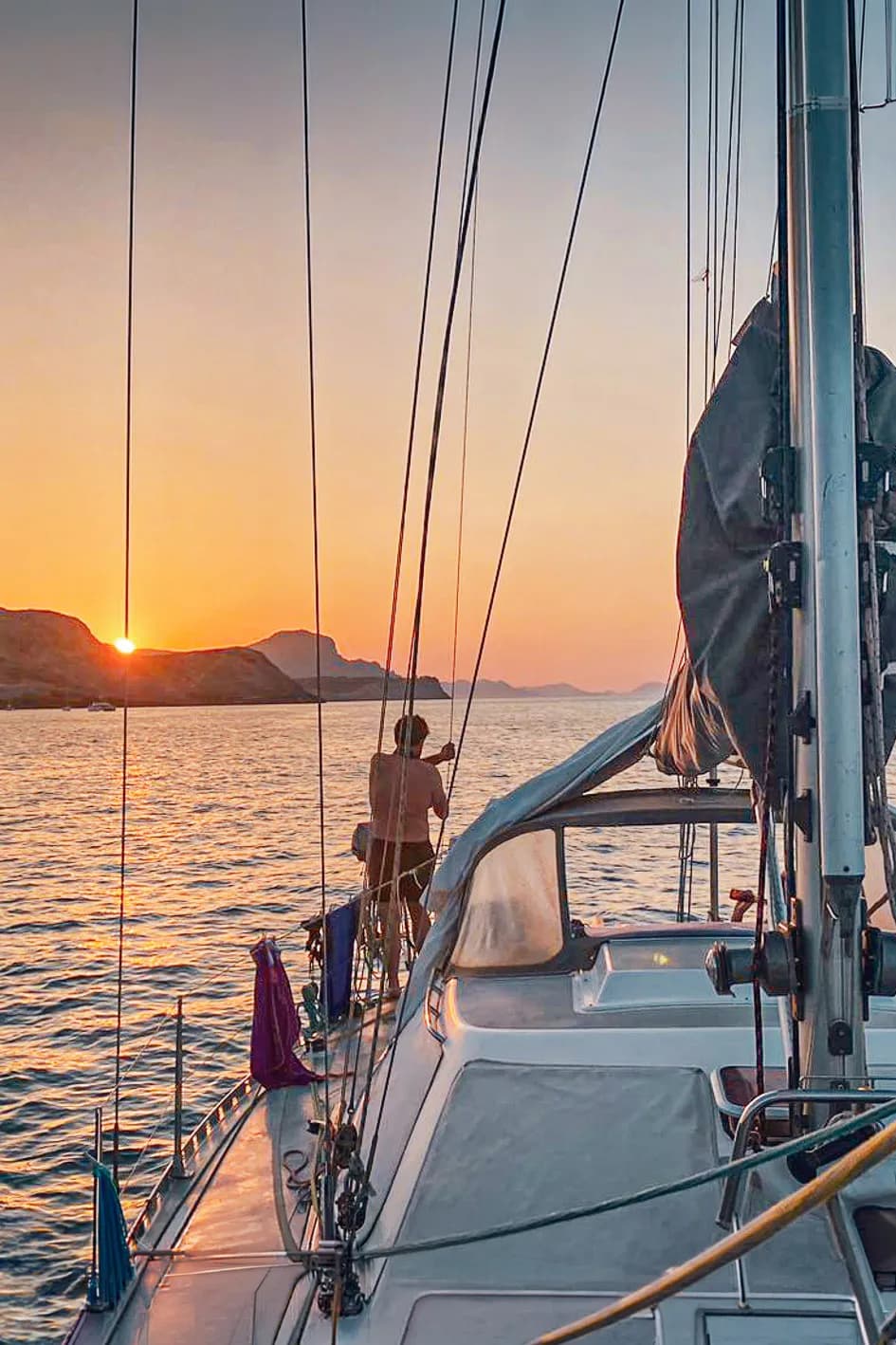
Small group sailing adventures, island to island in Europe
Join small group sailing adventures led by expert skippers. Learn, trim and explore wild coves from Zeeland and Brittany to Corsica, the Balearics and Greece.
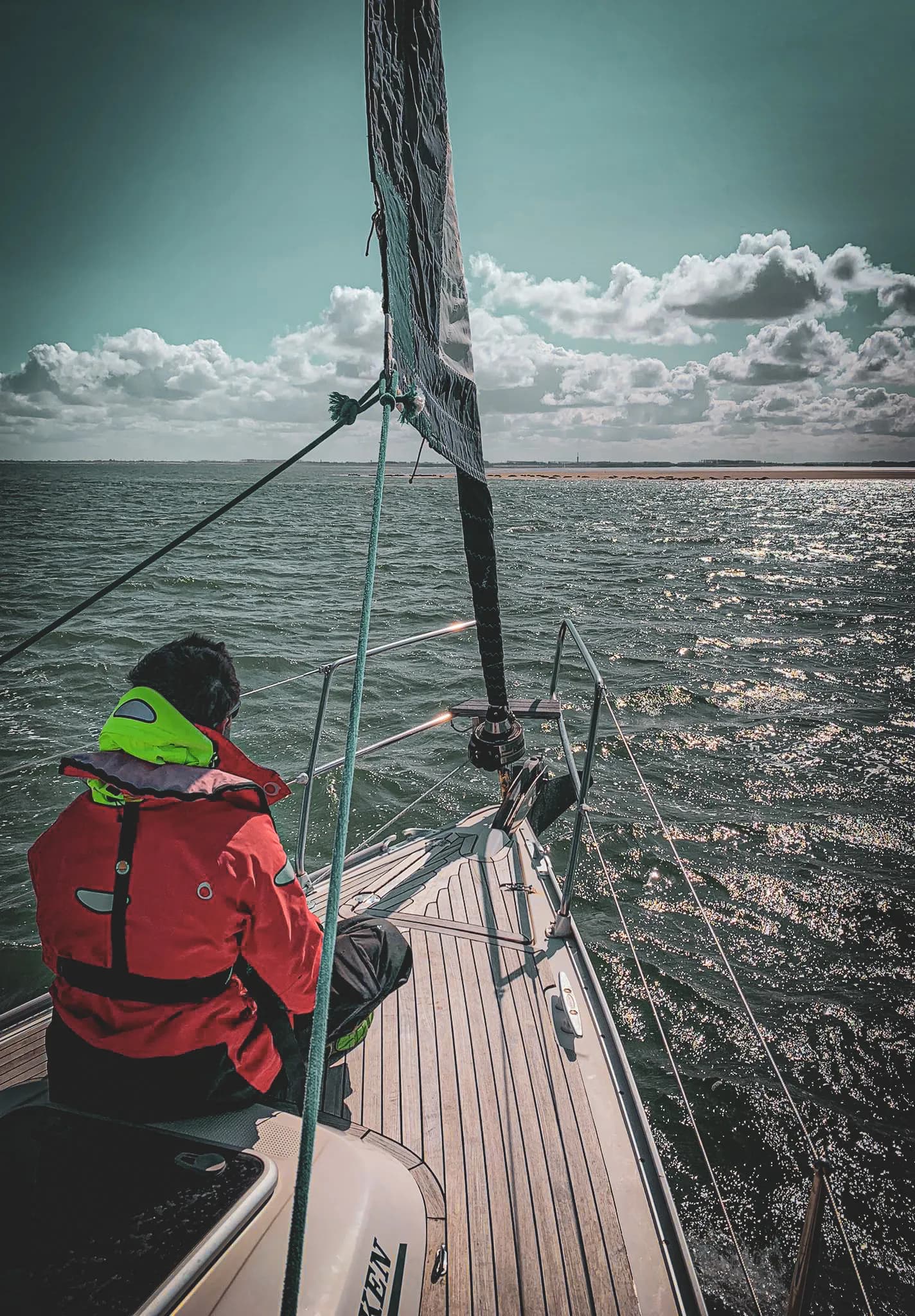
Learn to sail on short practical crew training trips
Learn to sail in small groups on real voyages, from a Zeeland weekend to week long courses in Greece, the Balearics and Wales with pro skippers.
Learning to sail in 2027: 3 destinations in Europe
Discover three tried-and-tested destinations for learning to sail in 2027: reliable winds, top-class schools and clear pricing so you can book with peace of mind.
Sailing courses in France, weeklong small group adventures
Sailing courses in France with skippers, from Brittany to Corsica and the Med, plus a guided Ecrins snowshoe week. Hands on, 7 to 8 days.
