Learning to sail in 2027: 3 destinations in Europe
 By isabelle
Discover three tried-and-tested destinations for learning to sail in 2027: reliable winds, top-class schools and clear pricing so you can book with peace of mind.
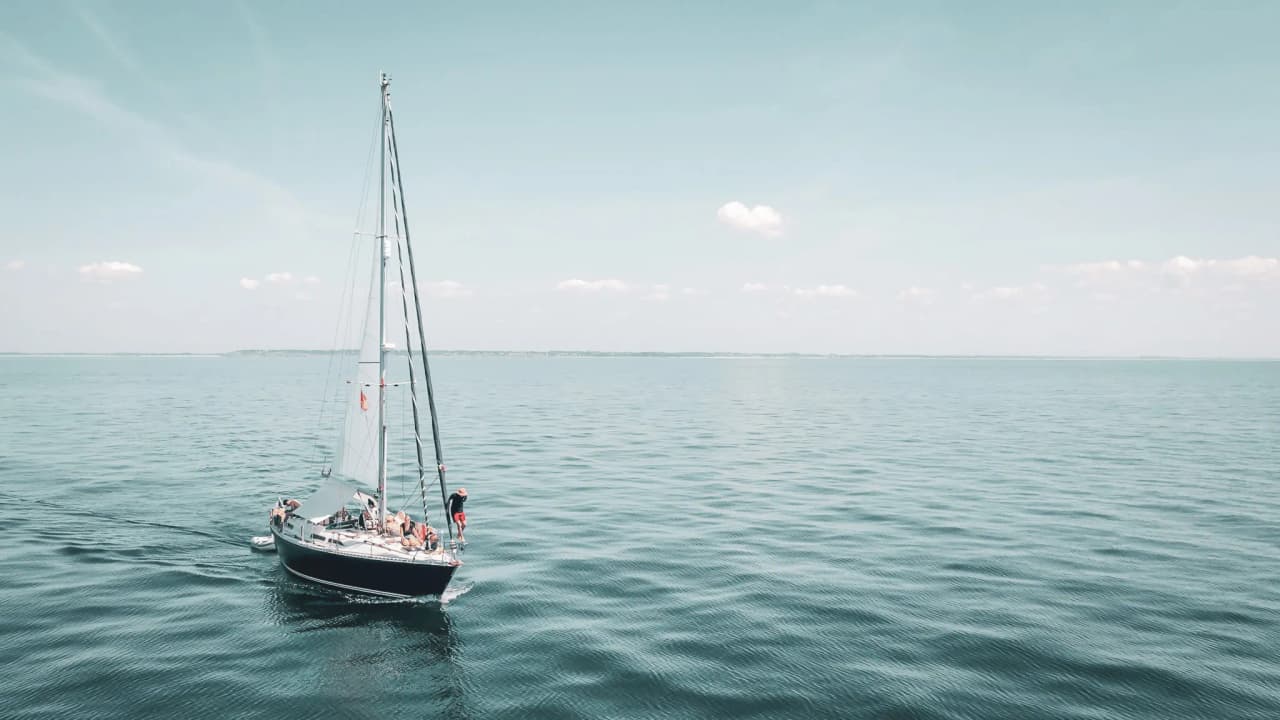
You could spend a week ‘going sailing’… or come back knowing how to manoeuvre properly, read the wind and return to port without any stress. The difference is often decided even before you set sail: the destination, the time of year and the course format.
Brittany, Greece, Corsica: these three destinations are popular because they teach you different things. Brittany helps you make rapid progress with its varied waters and weather conditions that force you to understand the elements. Greece can be an excellent learning ground if you can handle the meltemi and choose the right islands. Corsica, meanwhile, quickly puts you in a ‘mini-cruise’ mindset, with coastal sailing, anchorage and harbour manoeuvres.
In this article, you’ll find it easier to choose where to go based on your actual level, what you want to work on (basics, sailing independently, cruising) and your tolerance for wind. We’ll also go through the structure of a beginner’s course, the kit you’ll need to make the experience more enjoyable, and the budgets to plan for so you don’t discover the ‘extras’ too late.
| Destination | Typical wind conditions | Ideal season | Recommended level | Common course types | Approximate budget |
|---|---|---|---|---|---|
| Brittany (France) | Steady breezes, changeable weather | April to October | Beginner to intermediate | Introductory sessions, weekend courses, intensive courses, coastal cruises | €€ |
| Greece (Cyclades, Aegean Sea) | Meltemi (often strong in summer) | May to October (milder outside the height of summer) | Motivated beginners to experienced sailors | Training cruises, advanced courses, island-hopping | €€€ |
| Corsica (France) | Thermal breezes, terrain effects | May to September | Beginner to intermediate | First sailing trip, coastal sailing, harbour manoeuvres, anchoring | €€€ |
1. Brittany (France): the best place to get started quickly
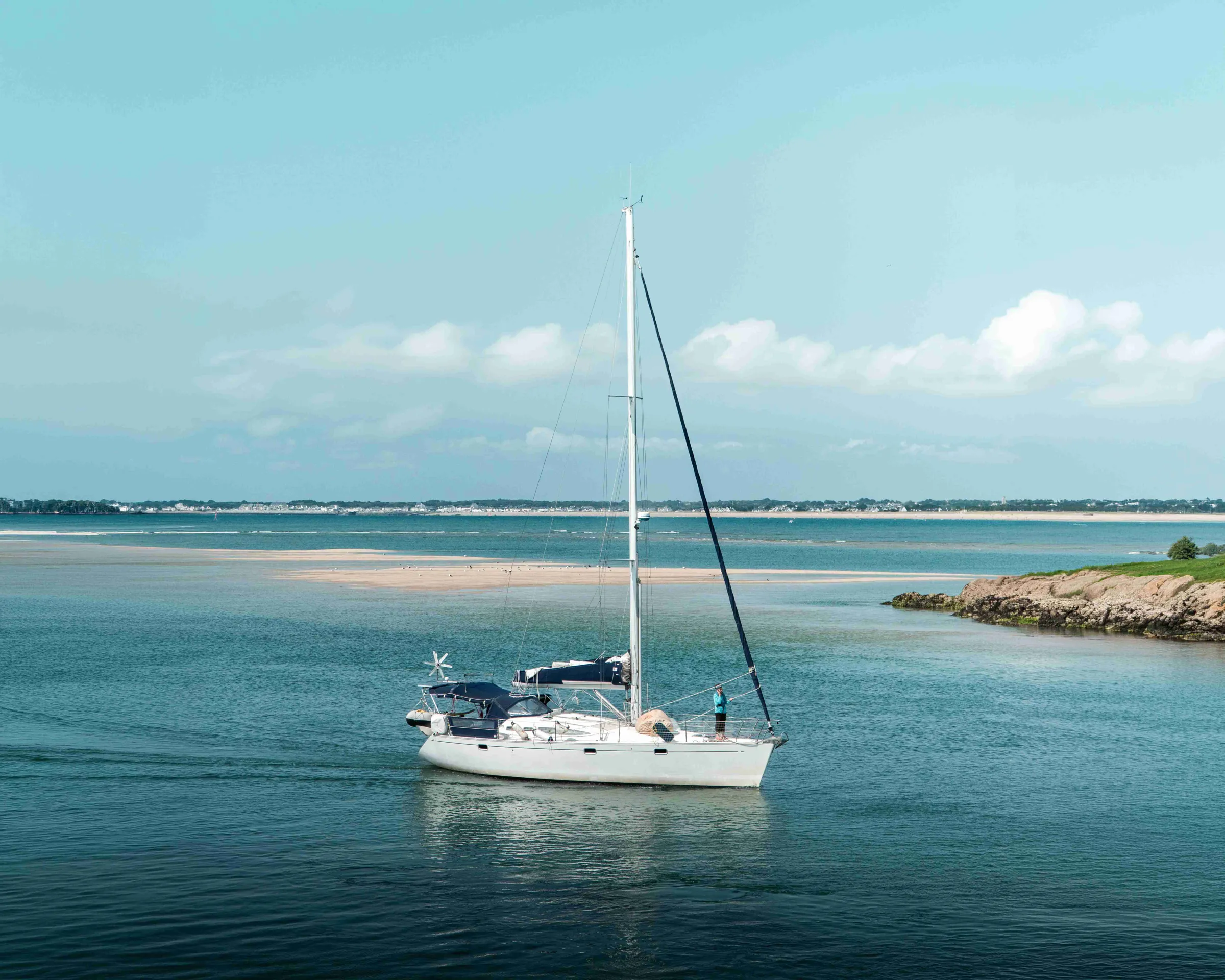
If you’re looking to learn to sail in a reassuring environment, Brittany ticks almost all the boxes: sheltered waters for practising manoeuvres, followed by more challenging outings once you’ve gained confidence. With its bays, rias and islands, you’ll quickly find a spot suited to your level, even when the weather changes.
The big advantage is the variety within easy reach. You can practise the basics (tacking, gybing, reefing, man overboard) in a sheltered area, then head out to sea to read the current, handle the swell and hold a course. This rapid progression appeals to beginners who want to experience ‘real’ conditions without putting themselves in difficulty from day one.
Where to learn to sail in Brittany, depending on your profile
Choose your area before choosing a school. The same week’s course can be straightforward or challenging depending on the location.
- Absolute beginners: Gulf of Morbihan (relatively sheltered waters), Concarneau Bay, Brest harbour.
- Motivated beginners: Quiberon Bay and the nearby islands (Houat, Hoëdic, Belle-Île) to practise manoeuvres and short tacks.
- First sailing trip: the Saint-Malo area and the Emerald Coast (strong tides), or towards the Glénan Islands to combine sailing and anchorage.
As for sailing schools, look for organisations affiliated with the French Sailing Federation (FFVoile) or UCPA-accredited centres if you’re after an all-inclusive package. Above all, check the guiding ratio, the type of boat (dinghy, catamaran, cruiser) and the written day-by-day programme.
A simple tip for choosing your course: ask about the ‘Plan B’ in case of bad weather. A good school will organise onshore sessions (knots, safety, weather, boat set-up) and short but frequent outings. That’s what helps you progress quickly, even when the wind picks up or shifts direction.
2. Greece (Cyclades/Aegean Sea): learn to sail in the sunshine with the meltemi
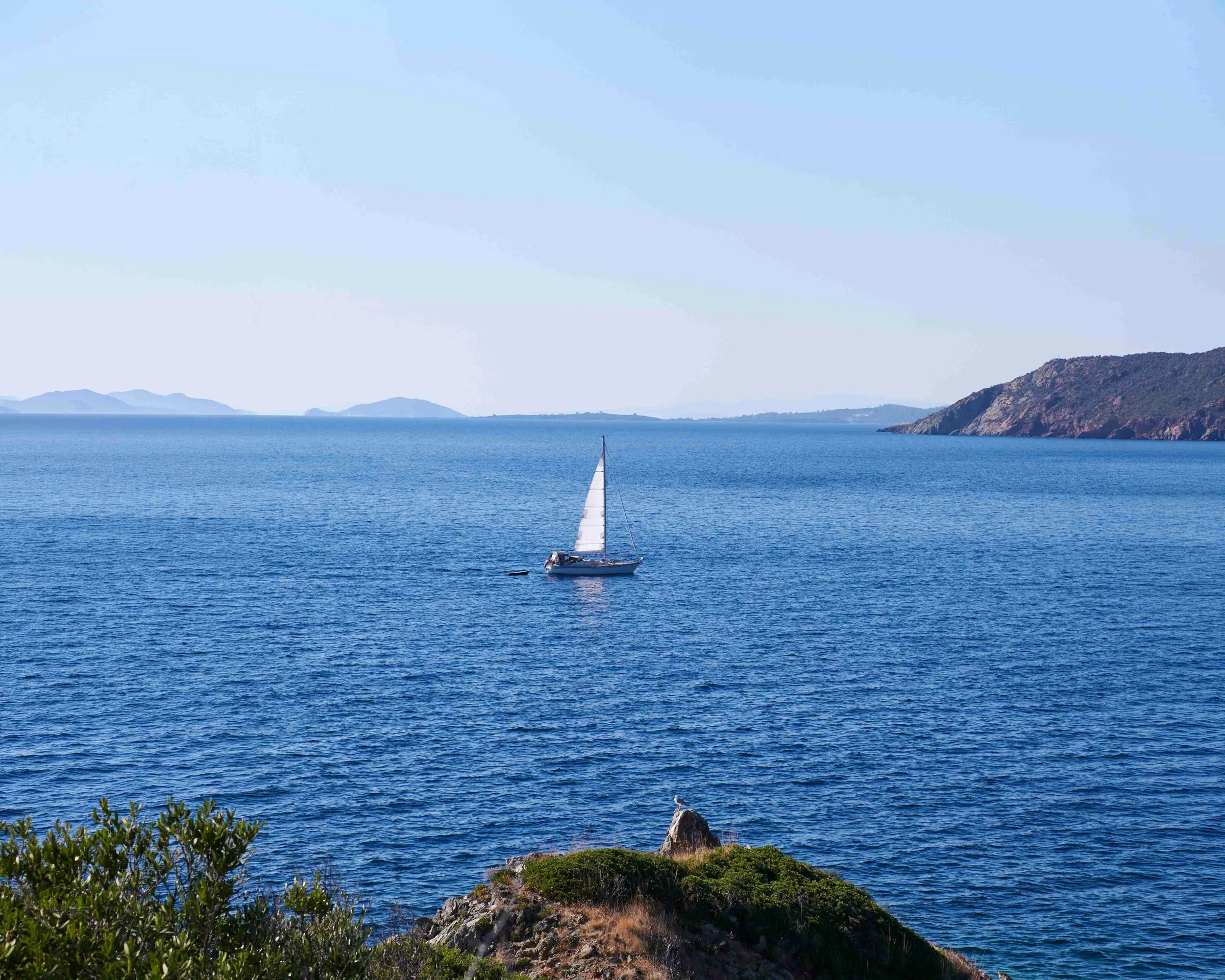
In Greece, the ‘weather plan B’ is even more important: the meltemi (a northerly wind in the Aegean Sea) can turn a ‘learn to sail’ week into a fitness course if you choose the wrong island and dates. When conditions are right, it’s also a real boost: steady wind, good visibility, island-hopping, and plenty of practice with manoeuvres.
Aim for an area that offers quick shelter (bays, nearby harbours) and short crossings. The Central Cyclades (Mykonos, Paros, Naxos, Ios) are often more exposed. For a first course on a live-aboard yacht, many schools favour routes that are ‘easier to adjust’ depending on wind strength, around the Saronic Gulf (Aegina, Poros, Hydra) or in the Sporades (Skiathos, Skopelos), depending on the departure base.
Where to go in Greece depending on your level (and how to cope with the meltemi)
- Complete beginner: choose an area with sailing trips of 1 to 3 hours, frequent ports of call and themed days (taking in reefs, man overboard, anchoring). Ask whether the school organises sheltered outings when the meltemi exceeds 20 knots.
- Motivated beginner: The Cyclades are an option if the instructor-skipper sets out a clear strategy (early departures, returns before the afternoon, routes downwind of the islands). You’ll practise reducing sail area, sailing close-hauled and holding a course in rough seas.
- Intermediate: look for a ‘mileage’-focused training cruise with watch duties, navigation using a compass and GPS, and repeated harbour manoeuvres.
When choosing a school, ask specific questions: student-to-instructor ratio, type of boat (Sun Odyssey, Bavaria, Oceanis), safety programme (automatic inflatable lifejackets, lifelines) and cancellation policy in the event of bad weather. Forecasts from the Hellenic National Meteorological Service help you understand wind patterns before booking.
3. Corsica (France): beginner courses combining coves and coastal sailing
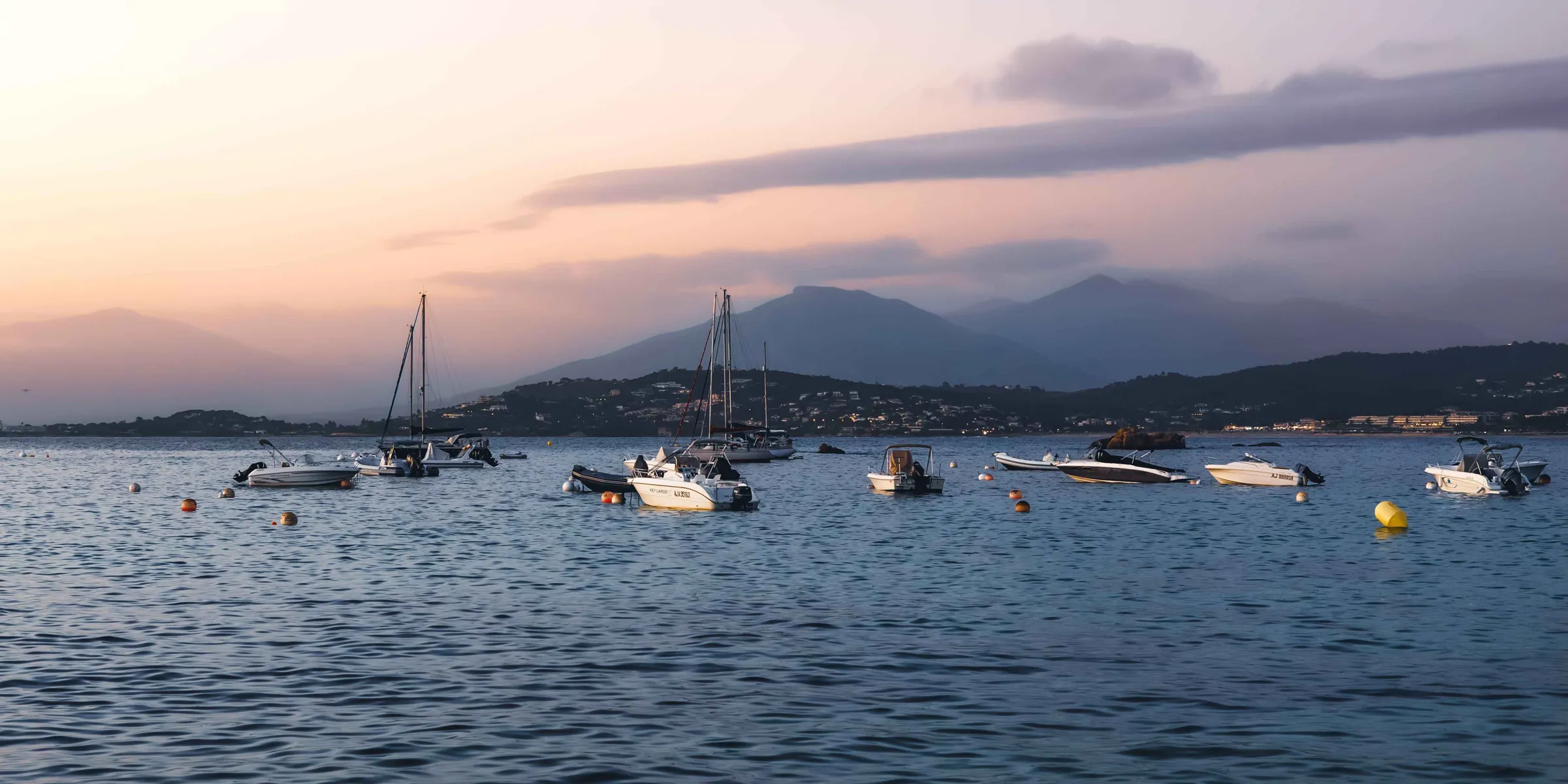
In Corsica, learning to sail quickly feels like a mini-cruise: you alternate between inshore sailing, anchoring in crystal-clear coves and harbour manoeuvres in marinas that can sometimes be busy. The terrain creates wind effects (gusts and lulls) that force you to read the environment – an excellent exercise right from beginner level.
Corsica is particularly well-suited if you want to learn on a live-aboard yacht, with proper days of sailing and stopovers. You’ll make rapid progress in preparation (briefings, charts, weather) and then in execution (trim, course planning, on-board communication).
Recommended areas in Corsica for a first training cruise
First choose an area, then the school. Distances and wind exposure vary greatly depending on the coastline.
- Gulf of Ajaccio: often calm waters, accessible harbours, perfect for practising manoeuvres (setting sail, tacking, mooring).
- Propriano and the Gulf of Valinco: straightforward coastal sailing, good anchorages, short legs ideal for a first course.
- Bonifacio and the far south: incredible scenery, but wind and currents can pick up near the straits. Best suited to a beginner who is already confident or a course with close guiding.
- Calvi and Île-Rousse: pleasant coastal sailing, thermal breezes, good conditions for practising sail trim.
In practical terms, you’ll practise: tacking and gybing, taking in reefs, holding a compass course, watch duties, man-overboard procedures, approaching an anchorage (anchor, line, holding), and, above all, manoeuvres in port. A proper course will also see you at the helm whilst the engine is running, managing inertia and learning to give clear commands.
A common mistake in summer: planning a trip that’s too long. Aim for legs of 10 to 25 nautical miles, set off early to avoid strong thermals and crowds at the jetty, and have a Plan B anchorage in mind if the harbour is full. To check the wind and sea conditions before booking, consult the Météo-France Marine forecasts.
What does a beginner’s sailing course involve?
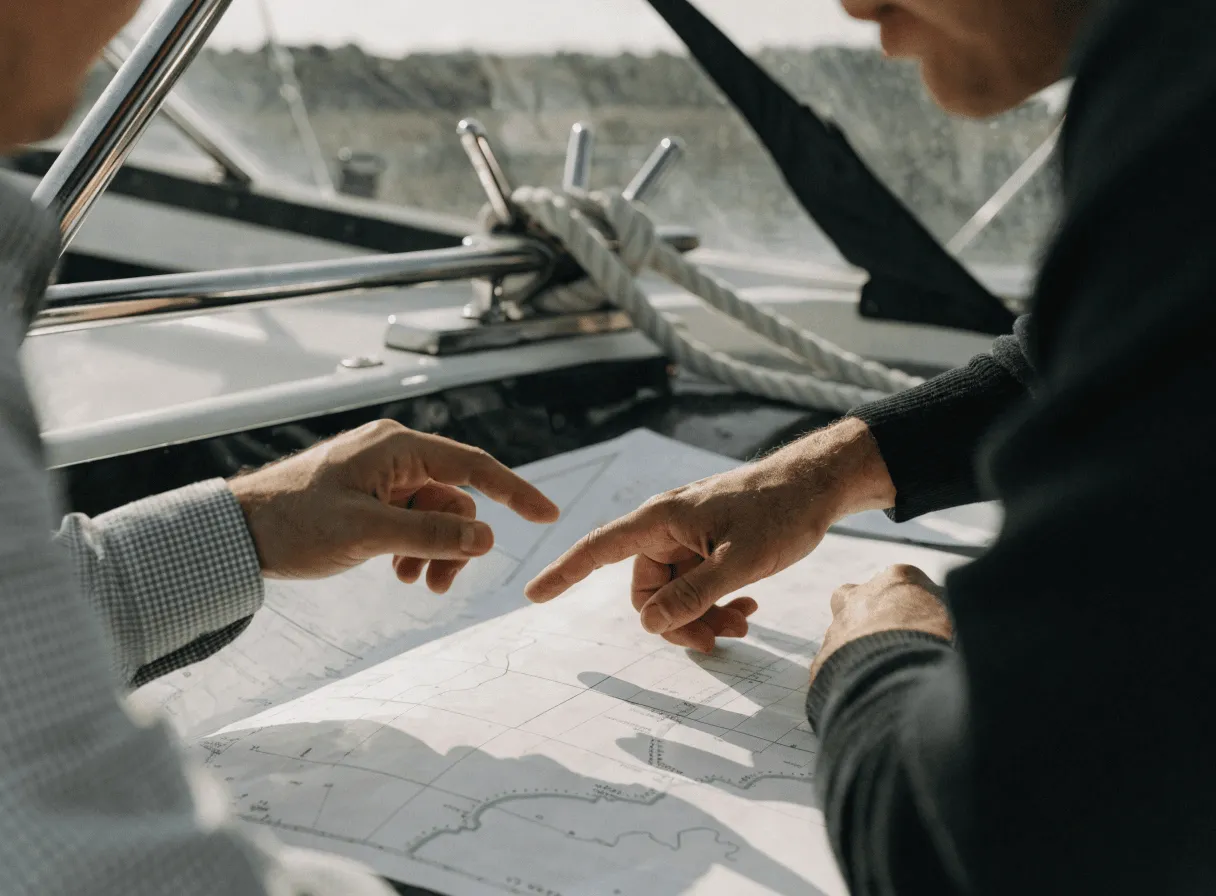
A Météo-France Marine forecast may alter the itinerary, but it doesn’t change the overall structure of the course. To learn to sail as a beginner, most schools follow a very similar progression: safety, basic techniques, repeated manoeuvres, then more independent sailing.
Here’s what to expect on a typical 5-day course (the schedule may vary depending on the weather and the type of boat, whether it’s a dinghy, catamaran or cruising yacht).
- Day 1, getting started and safety: briefing on lifejackets, VHF, man overboard, and sailing areas. You’ll learn how to rig the boat, trim and ease the sails, hold the helm and understand the instructor’s ‘stop’ signal. On a cruising yacht, you’ll also learn about life on board (stowage, moving around, deck etiquette).
- Day 2, basic manoeuvres: tacking, gybing, stopping, and setting off upwind and downwind. The instructor focuses particularly on coordinating the helm and sheets, and the crew’s positioning.
- Day 3, sail adjustments and reefing: reading the wind, adjusting the mainsail and genoa, and balancing the boat. You’ll practise taking in reefs and managing a strengthening wind.
- Day 4, navigation and decision-making: preparing for a trip (weather, area, simple route), holding a course, coastal landmarks, navigation priorities. On a training cruise, you’ll practise anchoring, approaching a harbour and short watches.
- Day 5, consolidation: a series of manoeuvres with less assistance, ‘unforeseen’ exercises (gusts, tacking, man overboard), review and areas for improvement.
Skills that feature in almost every course
You’ll spend time practising standard procedures: figure-of-eight knot, clove hitch, bowline and two half-hitches, trim adjustments and crew communication (“ready to tack”, “set”). If a school claims 100% sailing time with no time ashore, ask how it handles safety and weather briefings.
What kit should you bring and how much does it cost (without any nasty surprises)?
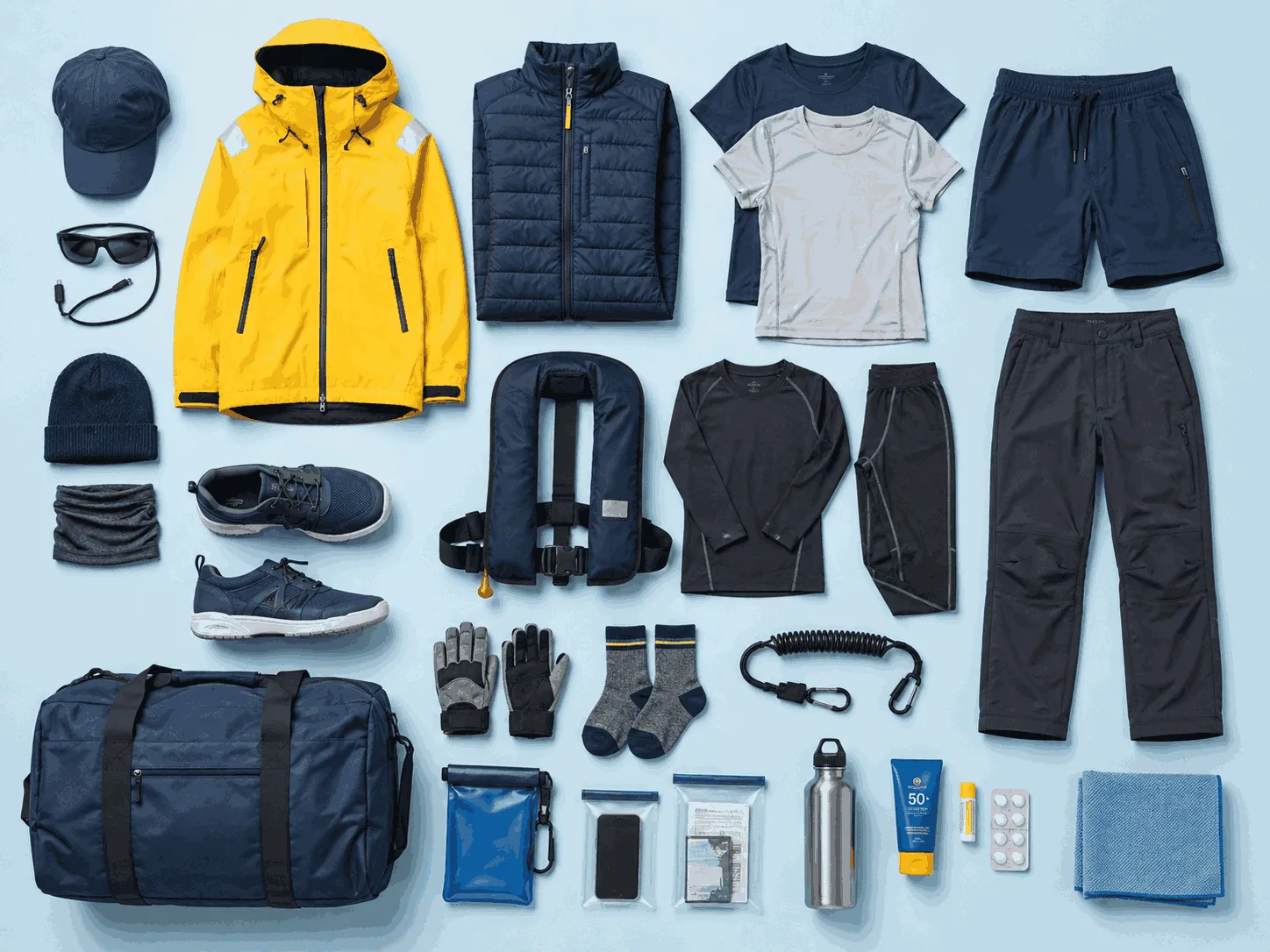
Safety and weather briefings also dictate what you pack. To learn to sail without struggling, stick to a simple principle: stay warm, stay dry, and keep your hands functional. The rest is just comfort.
Equipment checklist for a beginner’s sailing course
- Clothing: waterproof windbreaker (oilskin-style), fleece or light down jacket, technical T-shirts, shorts and trousers, base layers if sailing in cool conditions, hat and neck warmer outside the summer months, cap and sunglasses (cord recommended).
- Footwear: non-slip deck shoes or quick-drying trainers, spare socks. Avoid black soles that leave marks.
- Safety: lifejackets are usually provided; ask whether it’s an automatic lifejacket and whether the school supplies a safety line and lifeline for the saloon.
- Gloves: sailing gloves are useful from day one (sheets, winches, mooring lines).
- Bag: a soft-sided bag (easier to stow than a suitcase), a waterproof pouch or zip-lock bags for your phone and documents.
- Comfort: sun cream, lip balm, water bottle, seasickness medication (ask a pharmacist for advice), small microfibre towel.
Before paying, ask for the list provided by the school. Many lend out lifejackets, and sometimes neoprene wetsuits (for dinghies and catamarans). Schools affiliated with the FFVoile often publish standardised checklists.
In terms of cost, a 2- to 3-hour introductory session often costs between 40 and 90 EUR per person. A 5-day group course on a dinghy or catamaran usually costs between 250 and 600 EUR. A school cruise on a live-aboard sailing yacht (5 to 7 days) often costs between 900 and 2,500 EUR, depending on the destination, cabin and season.
Hidden costs to check for: licences or membership required by some organisations, security deposits, bed linen and towels on cruises, provisions (ship’s cash box), fuel and harbour charges, transfers to the base, high-season surcharges, and cancellation insurance. Ask for a written quote that specifies what is ‘included’ and what is ‘not included’ – this is the best way to filter out the details.
Why learning to sail with Wildhartt can make your trip easier
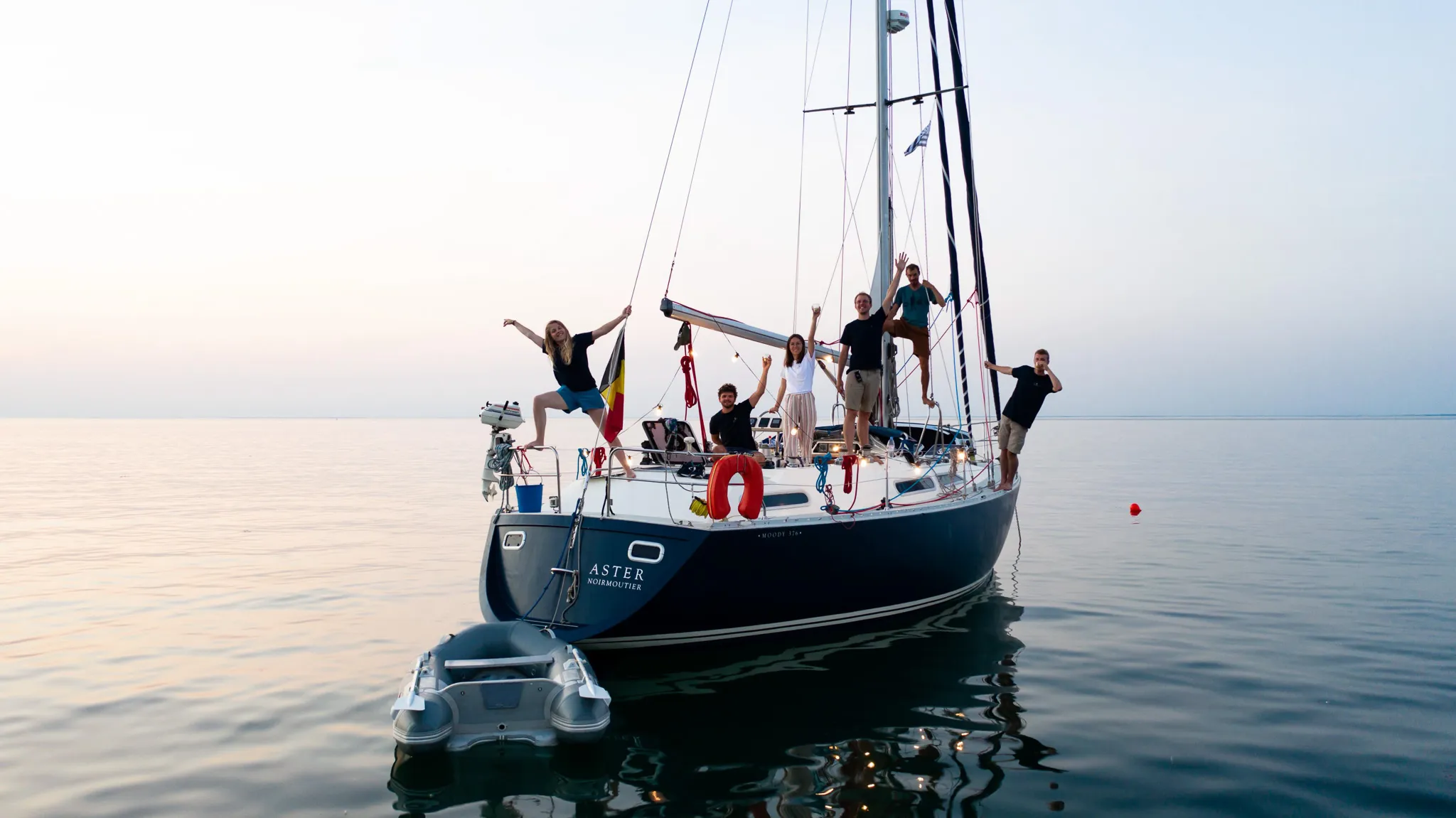
An “included/not included” quote takes care of some of the stress, but the hardest part remains when you want to learn to sail: choosing the right destination, the right week and the right course format for your actual level. This is exactly where an organiser like Wildhartt can save you time and help you avoid any nasty logistical surprises.
Wildhartt selects small-group outdoor adventures led by certified guides. For a sailing trip, the benefit is simple: you set off with a clear framework, aligned expectations and support that minimises the ‘blind spots’ (transfers, equipment, pace, weather, required skill level). To see the options, visit See the adventures.
How Wildhartt makes learning to sail easier in practice
- Choosing a destination based on your tolerance of wind: Brittany if you want to make rapid progress on sheltered waters; Corsica if you’re aiming for your first coastal cruise; Greece if you’re looking for sunshine and a steady breeze, whilst avoiding weeks when the meltemi is too strong.
- Scheduling dates: you avoid periods when the sailing area becomes unnecessarily challenging for a beginner, or, conversely, too calm to practise trimming the sails. The right course often depends on a weather window and a sheltered area, not on an Instagram photo.
- Format and level: introductory day, intensive course, school cruise on a live-aboard yacht. Choosing the right format ensures you don’t end up on a programme that’s too ‘mile-focused’ when you need to practise manoeuvres, or the other way round.
- Small groups and guiding: more time at the helm, more feedback from the instructor, greater safety whilst learning manoeuvres in harbour and sail reduction.
- Clear logistics and budget: you clarify in advance what’s included (accommodation, board cash, insurance, local transport) and what else you’ll need to cover.
If you’re torn between Brittany, Greece and Corsica, make a simple decision: first, choose the wind level you’re comfortable with, then book a week that fits with that choice. Next, book a course that puts you at the helm every day. That’s when you’ll really start to see progress.
Glossary: understanding sailing jargon
Basic manoeuvres
- Tacking: turning the boat into the wind to cross to the other side. The sail flaps and reverses direction.
- Gybing: turning the boat away from the wind to sail on the other tack. The sail pivots suddenly, more violently than during a tack.
- Taking in a reef: folding back part of the sail to make it smaller when the wind picks up. This helps you maintain control.
- Man overboard: an emergency drill in which you simulate a person falling overboard and have to rescue them.
- Setting sail: setting off and leaving the harbour.
- Docking: arriving at and mooring in port.
Sails and controls
- Mainsail: the largest sail, which remains up at all times.
- Genoa: the foresail, which is smaller and can be adjusted.
- Sheets: the ropes used to control the sails (we say ‘trim’ the sheet = pull in, ‘ease’ = let out).
- Sail area: the total area of all the sails set (e.g. ‘reduce the sail area’ means to decrease the surface area).
Navigation and positions
- Course: the direction in which the boat is sailing (like a compass).
- Close-hauled: sailing almost directly into the wind (the most difficult of the points of sail).
- Running: sailing with the wind from the side or astern (easier).
- Tack: the boat’s axis of navigation. “Short tack” = a short leg.
- Tack: the side of the boat from which the wind is coming. “Tacking” = moving to the other side of the wind.
- Anchorage: a place where you drop anchor to stop.
- Coastal sailing: sailing close to the coast, from port to port.
- Watches: shifts at the helm (e.g. you’re at the helm for 2 hours, then a crewmate takes over).
Equipment and boats
- Dinghy: a small, lightweight boat with a retractable centreboard (fin). Ideal for beginners.
- Catamaran: a boat with two hulls, very stable.
- Cabin cruiser: a sailing boat with a cabin; you sleep on board whilst cruising.
- Automatic lifejacket: a lifejacket that inflates only if you fall overboard (more comfortable than a traditional lifejacket).
- VHF: marine radio for communicating with other boats and the emergency services.
- Anchor line: a rope attached to the anchor (in case you need to retrieve it in an emergency).
Conditions and weather
- Meltemi: a very consistent north wind in Greece during the summer, often strong (20+ knots).
- Thermal breezes: winds caused by the land heating up during the day, which die down in the evening.
- Swell: large undulations in the water (not small waves).
- Waterway: sailing area: river, bay, sea.
- Knots: unit of speed in sailing (1 knot ≈ 1.85 km/h).
Useful knots
- Figure-of-eight knot: to prevent the rope from slipping.
- Chair knot: creates a loop that won’t slip.
- Dead knot and two half-hitches: a secure knot for mooring lines.
Find your next adventure
Browse curated expeditions matching the categories of this article and start planning your next trip.
Find your dream adventure
 Find your dream adventure
You might also like these adventures …
Hand-picked to echo the spirit of this article.

More to discover
Keep exploring with these pages and stories picked for you.
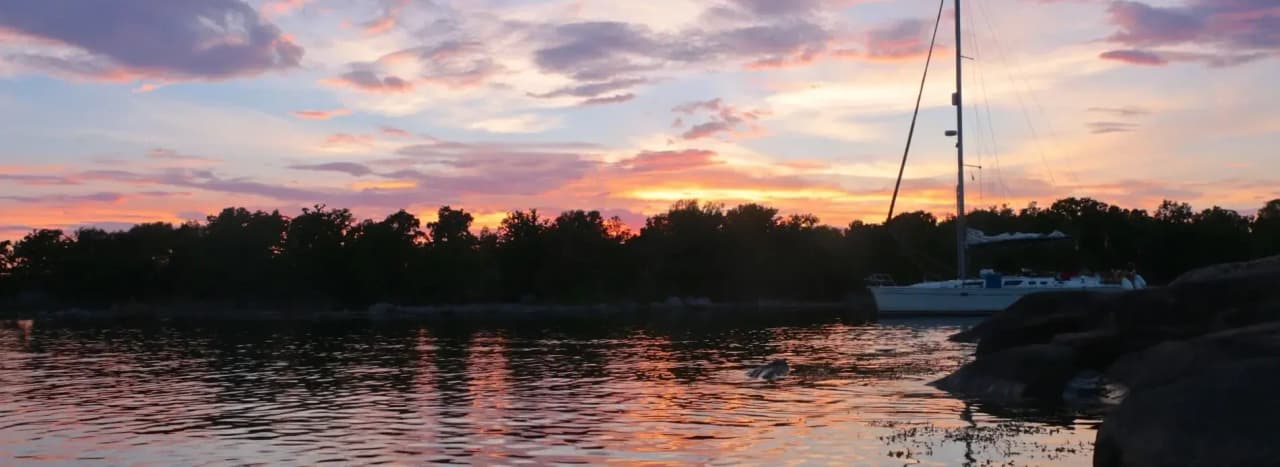
Introduction to sailing: 5 essential tips for getting started at sea
Introduction to sailing: Want to sail with the wind? Check out our 5 tips for getting out on the water with confidence!
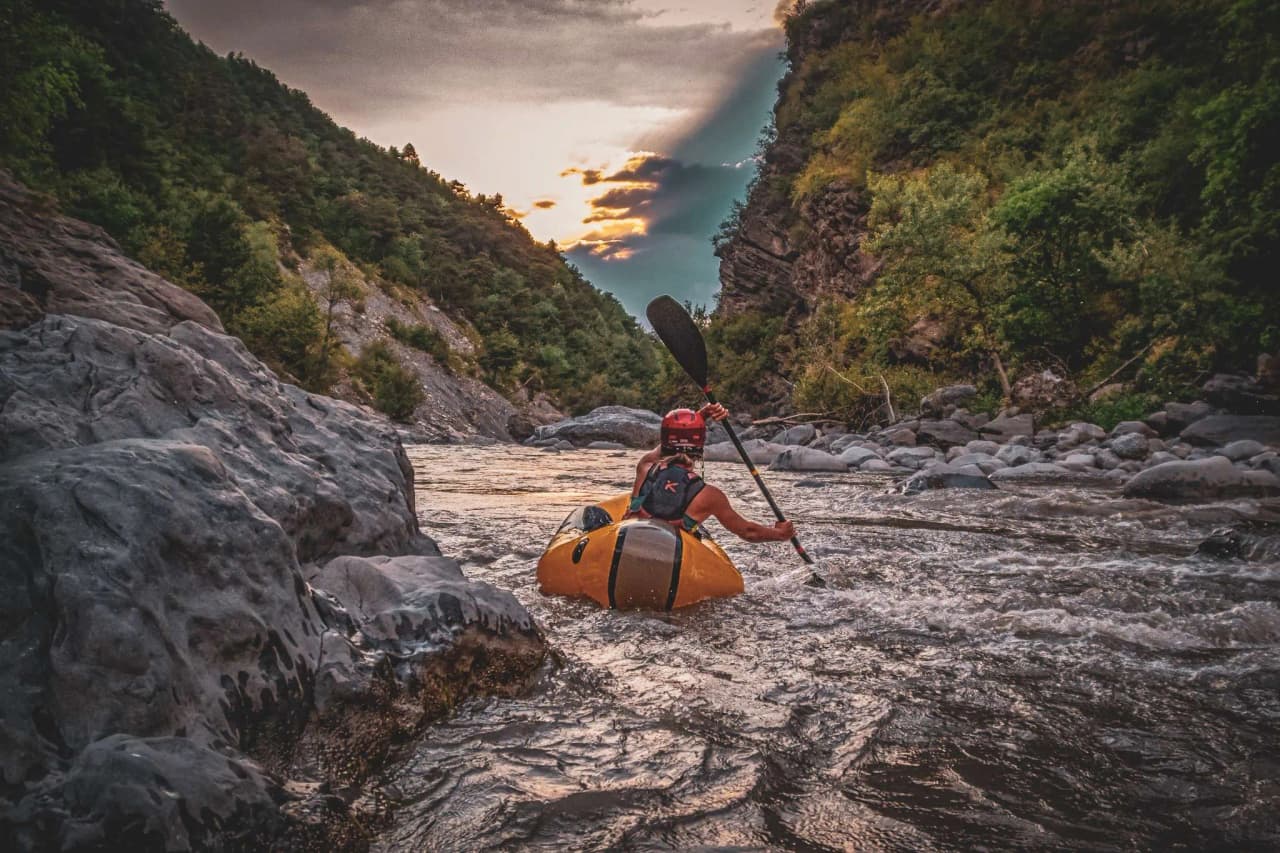
Packraft trail: the ultimate guide to getting started in a day
Discover the packraft trail: the ultimate guide to hiring, choosing the right kit and setting off with confidence from your very first day on the water.
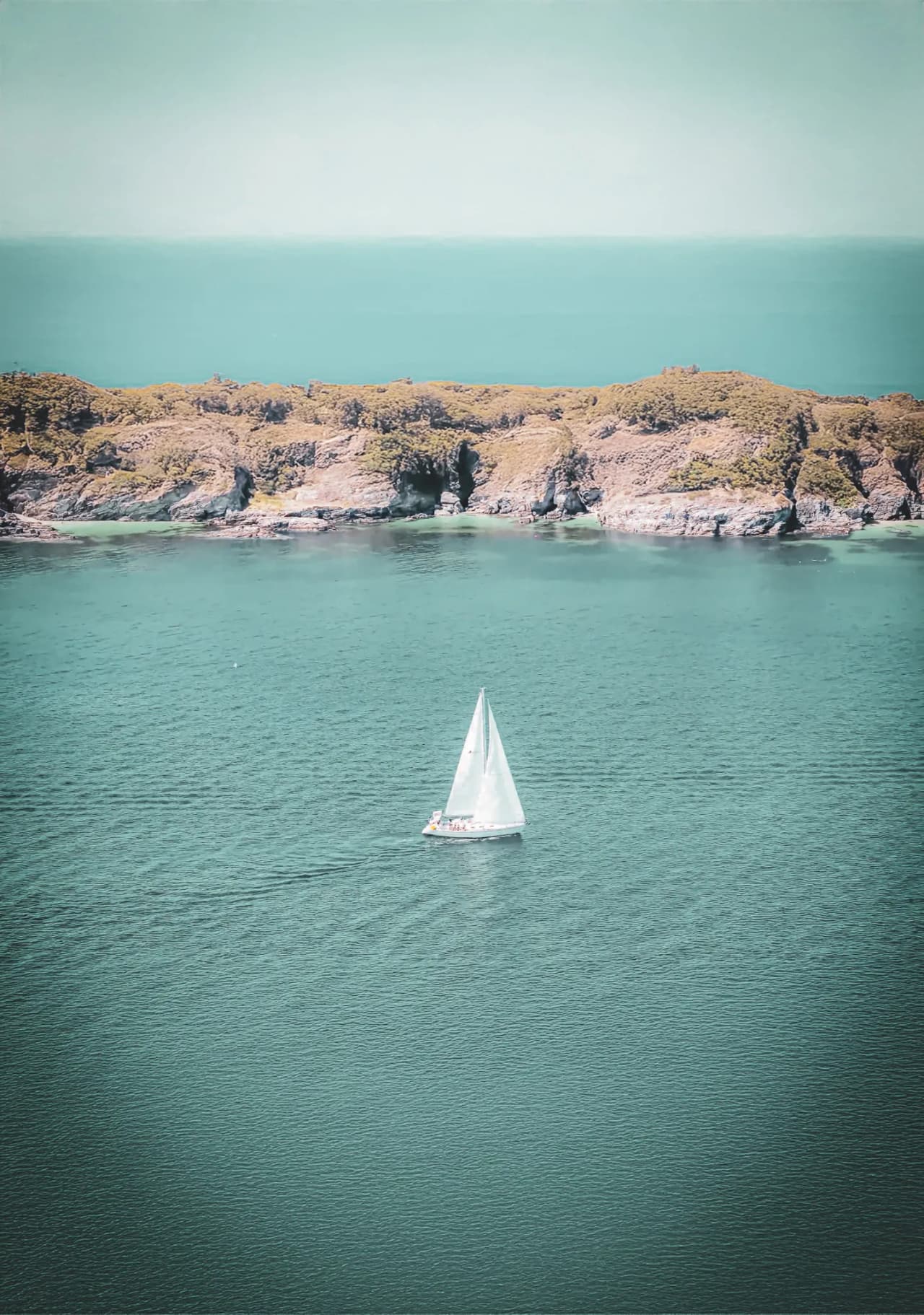
Sailing adventures, islands and turquoise anchorages
Sailing adventures to islands with turquoise anchorages, swim stops and beach landings, from Brittany to the Balearics and South Corsica, June to October.
Book an island-hopping sailing trip, Brittany to Greece
Ready to book island-hopping sailing trip? Small-group weeks from Brittany and Corsica to the Greek islands, with swim stops and easy coaching.
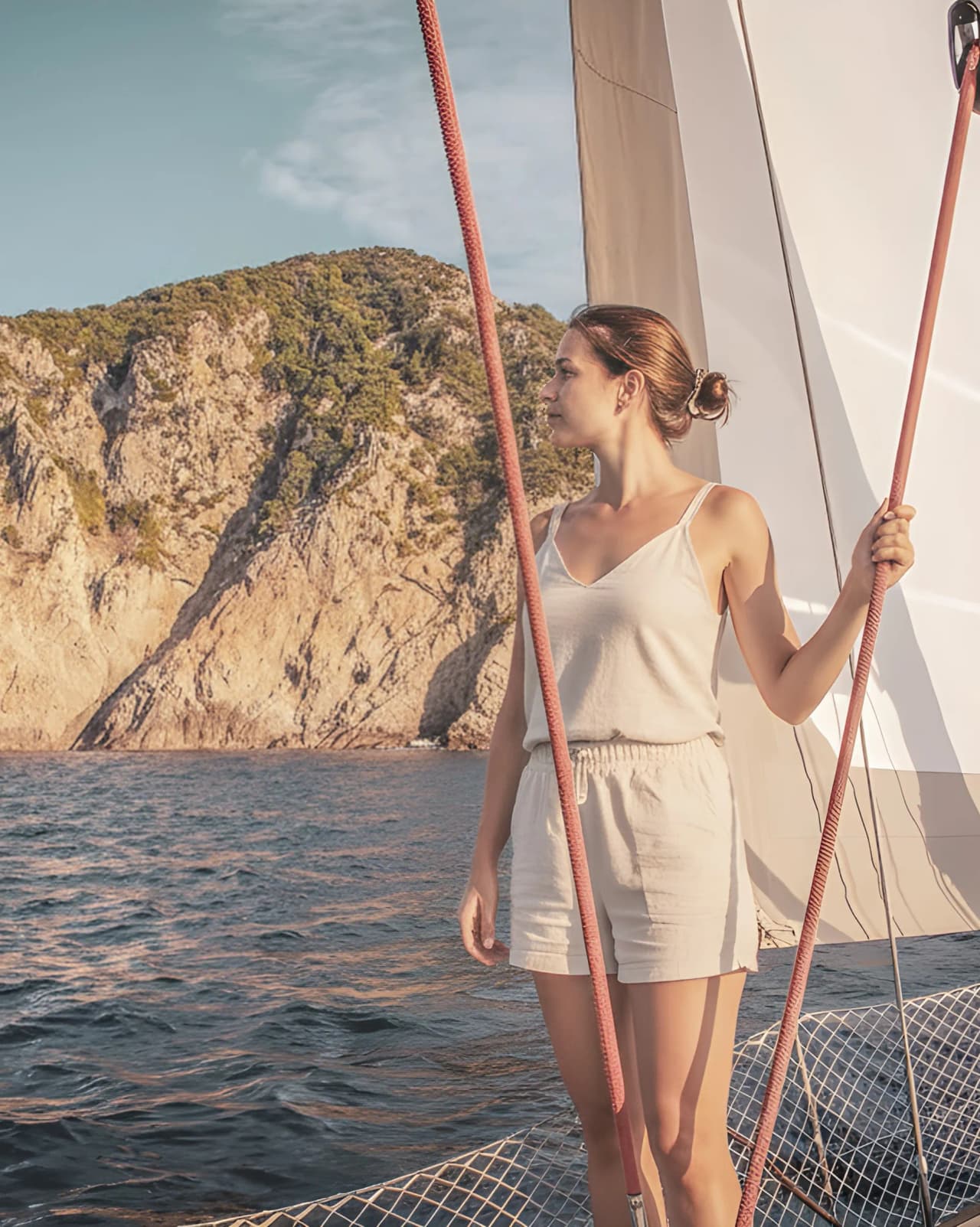
Sailing courses in France, weeklong small group adventures
Sailing courses in France with skippers, from Brittany to Corsica and the Med, plus a guided Ecrins snowshoe week. Hands on, 7 to 8 days.
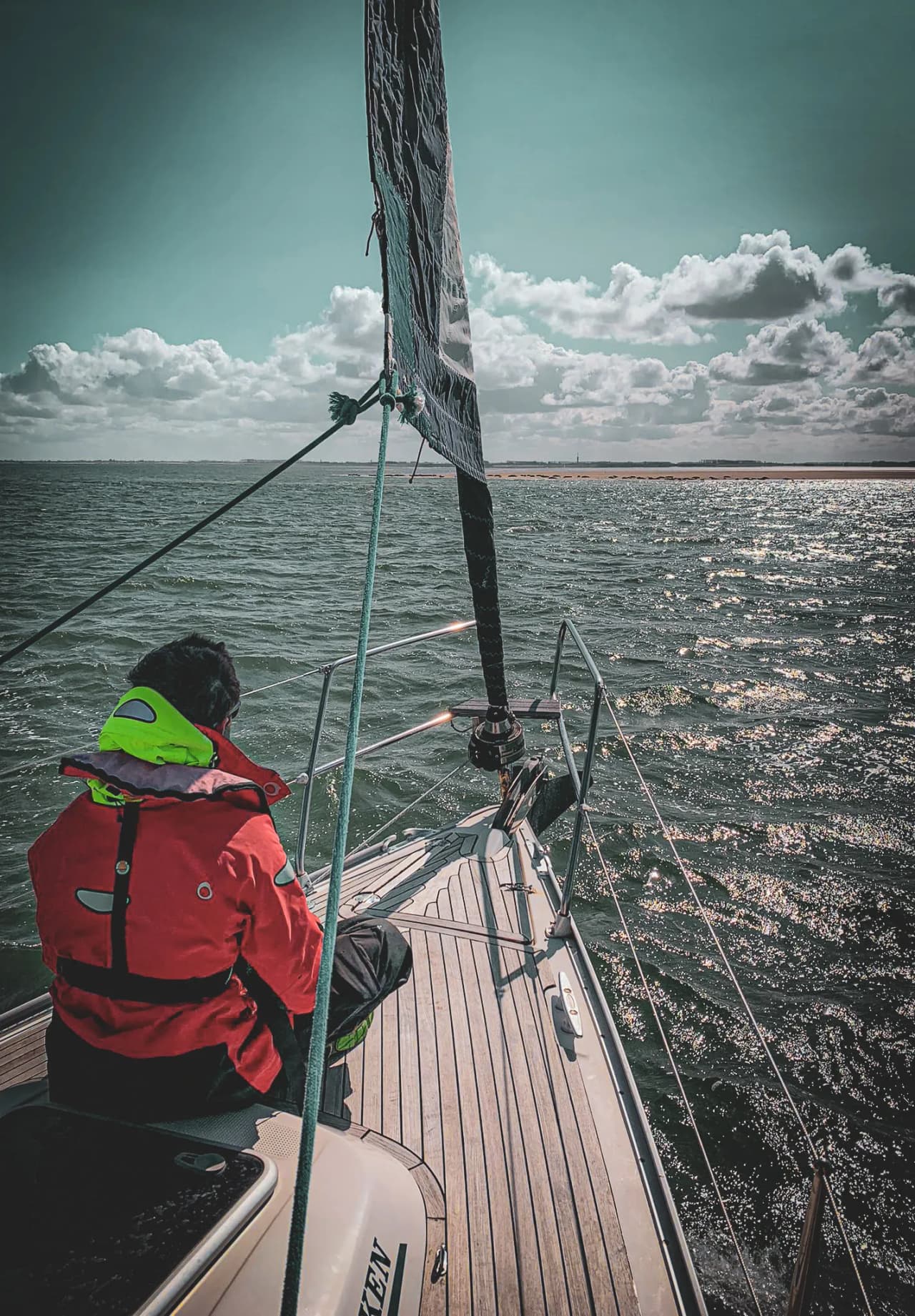
Short adventure breaks in Zeeland and the French Atlantic
Short adventure breaks in Zeeland and Brittany. Learn to sail in a small group, ride coastal bike paths, try kitesurfing, or take a night watch at sea.
