Devoluy or elsewhere? Pick your ideal alpine trek
 By Thibault
Compare four similar alpine itineraries by effort, terrain, shelter style and season to choose between the mineral Devoluy and close alternatives.
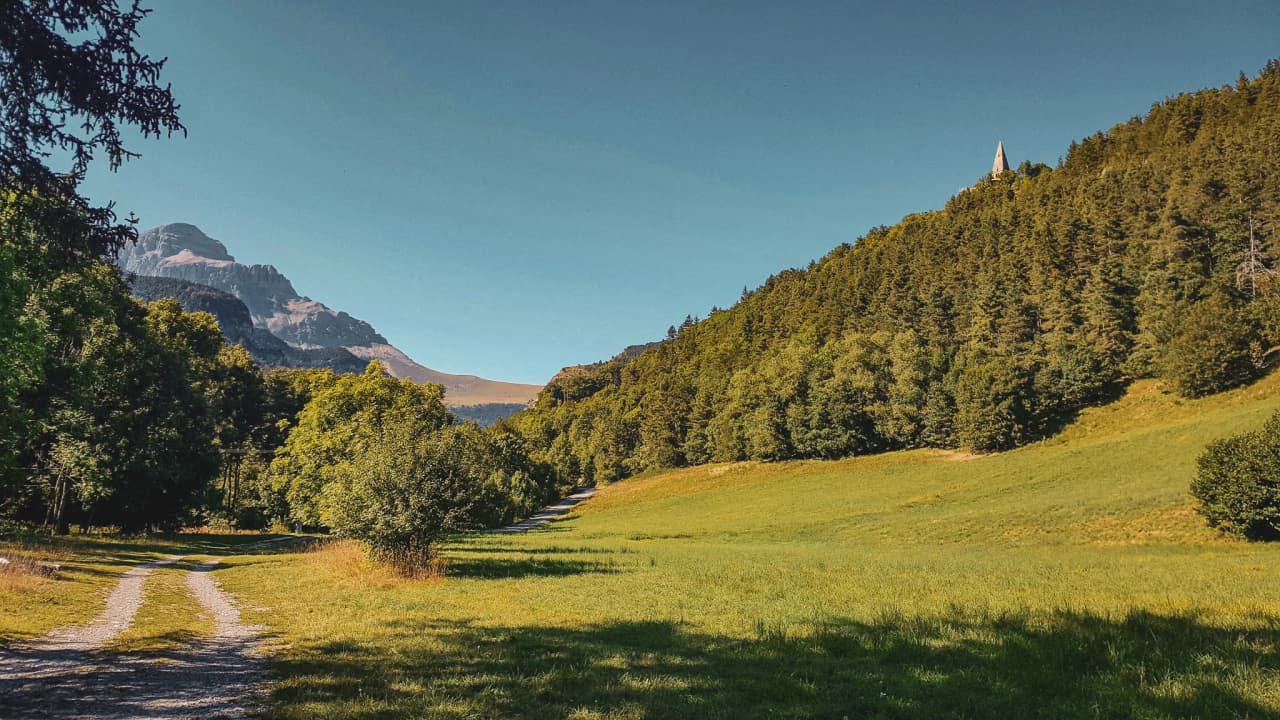
Choosing an alpine itinerary that fits you starts with balancing effort and travel style, not stacking summits at random. The levers that truly change your days are simple: technical difficulty, the implicit elevation you will carry over a week, the shelter mode that dictates pack weight and recovery, and the right seasonal window. To stay concrete, this comparison leans on real programs, notably the Itinerant Hiking in the Devoluy and its close alternatives Trek the tour des Dents du Midi in 5 days, Hiking and bivouac around the Aiguilles d'Arves, Surge to Pic du Mas beneath La Meije and 3-day hiking adventure in the Massif Central. Read it as a tight guide to how each option feels underfoot so you can zero in on the right Devoluy alpine trek with clarity.
Effort profile and travel style in the Devoluy
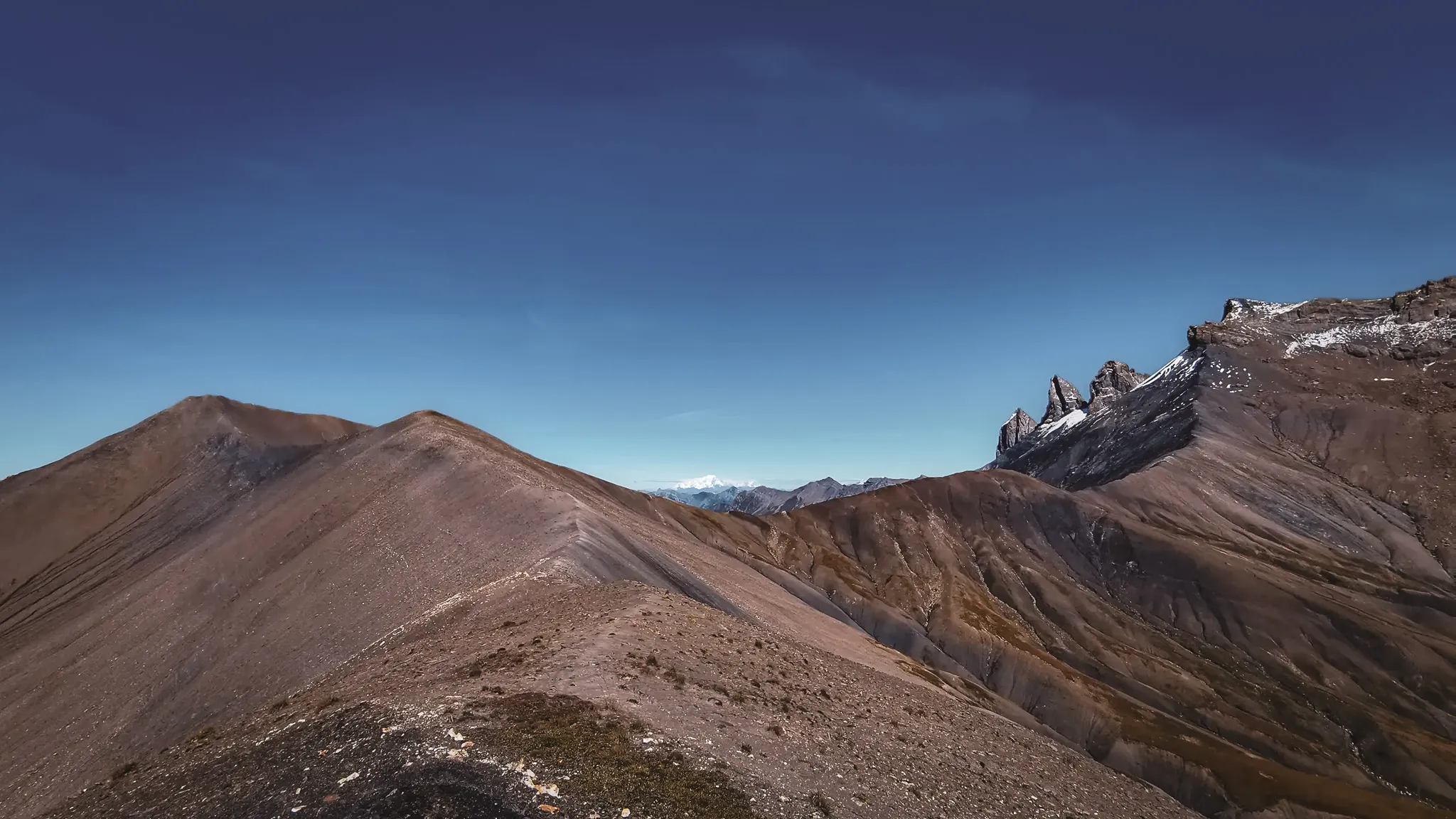
If you want austere limestone without stepping into mountaineering, the Devoluy is a good match. The challenge comes from scree, sharp ridges and steady gradients more than ropework. Across four days on the Itinerant Hiking in the Devoluy trip you move between cols and high plateaus, often around 2000 to 2500 meters. Day 2 is the pivotal effort, climbing the wild side of the Montagne d’Aurouze to the observatory at 2564 meters by steep steps and long sections of loose stones, then dropping through the Combe Ratin to softer paths and a village base in Saint-Étienne-en-Dévoluy. Day 4 crosses the Charnier Col at 2105 meters through a striking karst landscape where vultures often ride the thermals above you.
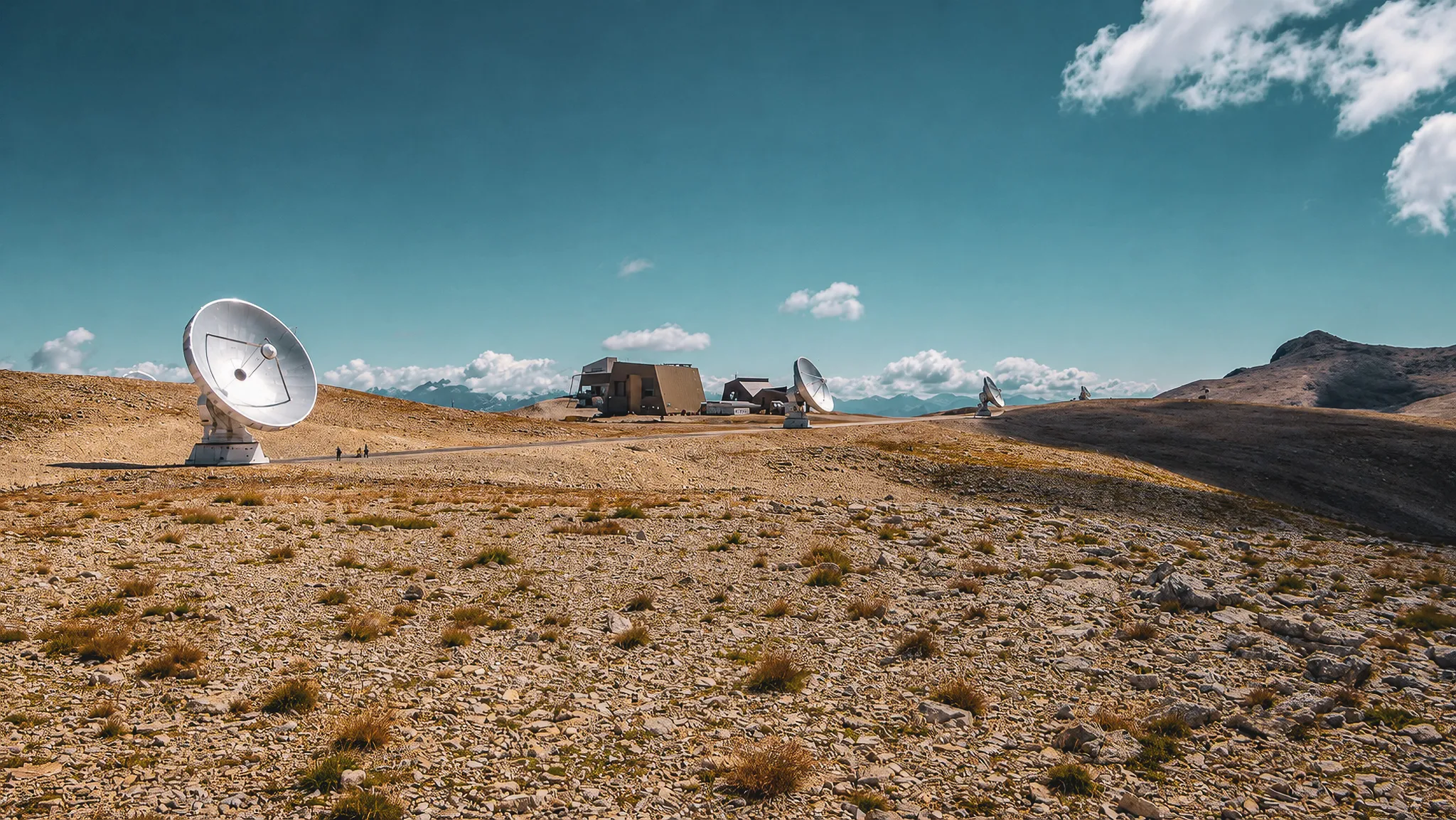
The travel style here favors light packs and smoother recovery. Nights are in village gites, first in La Cluse then in Saint-Étienne-en-Dévoluy, so you are not hauling a tent or stove and you can hydrate and sleep warm before the next ascent. On the ground, Anaïs leads this itinerary, a mountain guide who knows the massif away from the marked trails and reads an incoming squall before it hits the ridge. Over four consecutive days, the effort is sustained but contained, especially when the ridges are dry and foot placements in scree are decisive. The ideal season runs from June to September, late enough to avoid stubborn snow patches on the loose slopes and early enough to enjoy long days. This suits a confident hiker comfortable on rocky, uneven ground who wants mineral ambiance without full autonomy.
Close alternatives by desired intensity
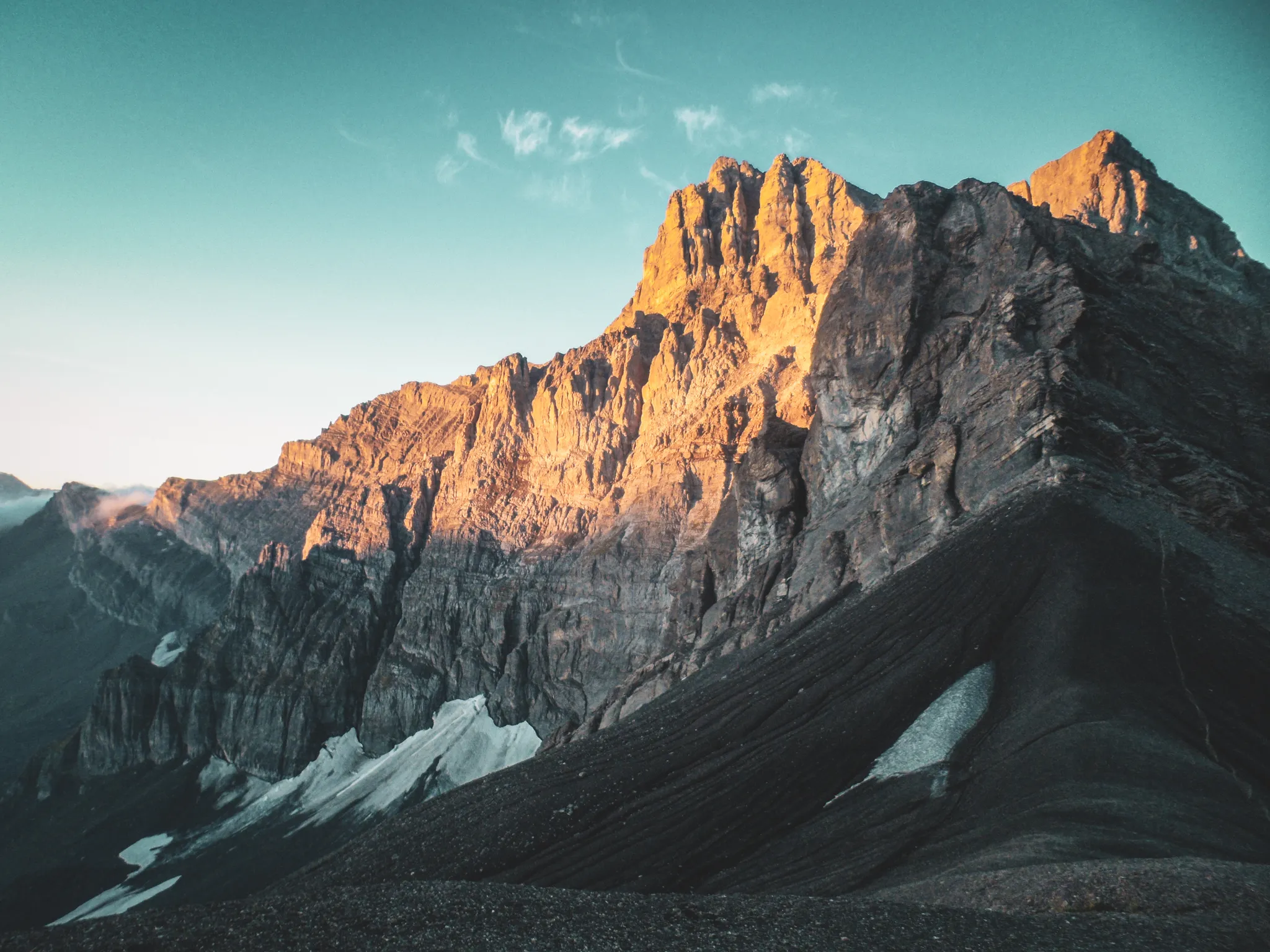
If you want to nudge the dial beyond Devoluy in distance and ascent, turn to Trek the tour des Dents du Midi in 5 days. It links roughly 65 kilometers and 5000 meters of gain across five days, with a technical taste right away at the Pas d’Encel on Day 1 and a weather-dependent detour to the Haute Cime at 3257 meters on Day 2. The route then traverses the Salanfe basin and sends a long drop to Mex on Day 3, before airy ridge walking toward the Cabane d’Anthème on Day 4. Lodging is in alpine huts and inns, which keeps the pack manageable but does not reduce the overall volume. This is a demanding loop for well trained hikers who are fine moving near or above 2000 meters most days.
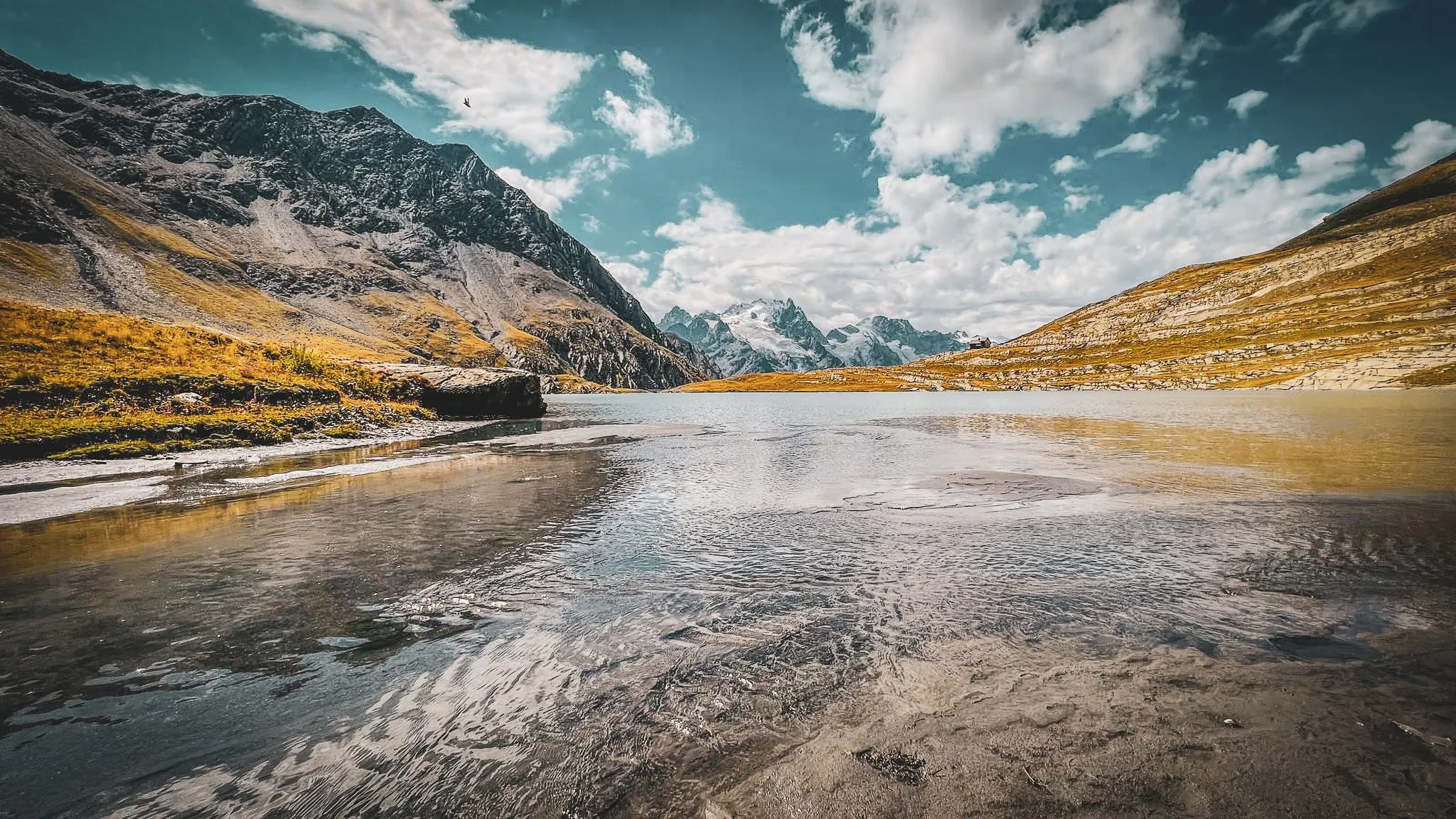
For immersion that follows you into the night, choose a bivouac itinerary. Hiking and bivouac around the Aiguilles d'Arves stacks three nights under canvas, with the first camp by the turquoise Lac du Goléon after a balcony approach from La Grave and the Signal de La Grave. Day 2 crosses the Col du Goléon at 2873 meters to descend toward Bonnenuit, then climbs again toward the Aiguilles. Day 3 pushes into rougher ground toward the Col de l’Épaisseur at 2891 meters and offers a bonus ascent to the Pointe de la Pierre Fendue above 3000 meters before a secluded camp at Rieu Blanc. The terrain alternates discreet paths, boulder fields and wild traverses. The heavier pack raises the perceived effort and the engagement feels higher, with weather, water and camp management part of the daily flow.
The same bivouac logic underpins Surge to Pic du Mas beneath La Meije on the Plateau d’Emparis. You leave the Freney d’Oisans to gain the plateau and sleep with full views of La Meije, visit the petrifying spring of Les Clots on Day 2, then climb the Pic du Mas de la Grave beyond 3000 meters on Day 3 by airy ridges and steady alpine slopes. Day 4 glides down past the Gâ torrent and pastoral traces to the valley and La Grave. The plateau offers friendlier gradients and easy talus, but cold nights and autonomy still demand energy and discipline.
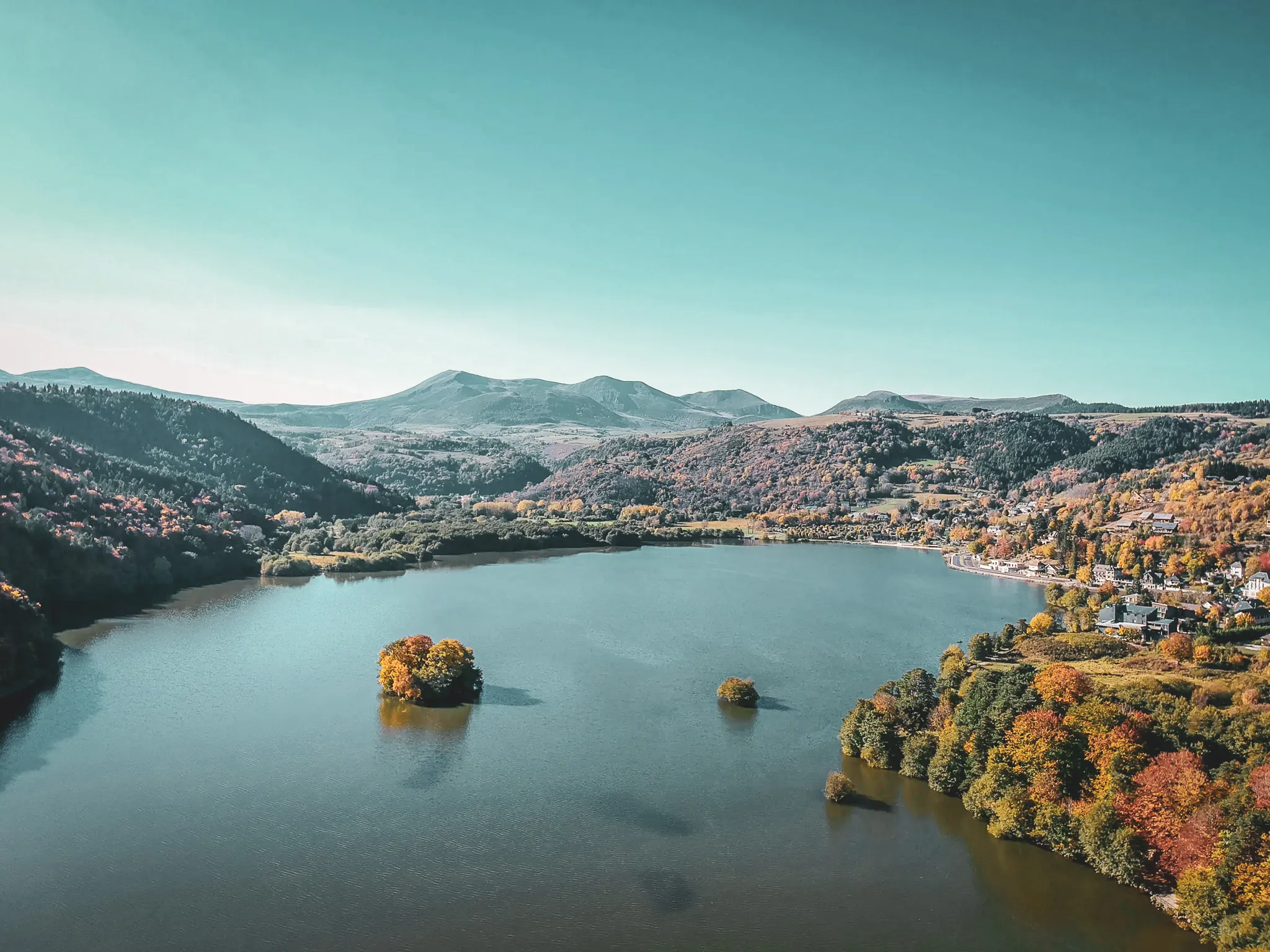
If you prefer to keep the roaming spirit without the raw limestone feel, point to 3-day hiking adventure in the Massif Central. Trails here are more rolling, slopes are grassier and the altitude remains moderate, with a finale on the Puy de Sancy at 1885 meters on Day 3. Bivouacs sit on the shores of Lac Chambon and then the forest edge by Lac Pavin, with long stretches through woodland, pastures and gentle crests via Besse-en-Chandesse and Murol. This is a strong first itinerant experience, and the seasonal window stretches from May to October with generally milder snow concerns.
Turning elevation numbers into how your day will feel
When you read daily ascent on an alpine plan, convert figures into sensations. Under about 600 meters of uphill in a day, the tempo is easy, ideal with a heavier pack and time for long breaks. Between roughly 600 and 1200 meters, the day becomes sustained and you will feel the hours if the surface is loose. Beyond 1200 meters, the day moves into demanding territory, especially at altitude or on unstable footing.
Mapped onto the trips above, the picture is clear. On Trek the tour des Dents du Midi in 5 days, the overall 5000 meters across five stages means many days near a thousand meters of gain, sometimes more if you add the Haute Cime, with punchy downhills like the drop to Mex on Day 3. Itinerant Hiking in the Devoluy brings days with pronounced relief, anchored by the scree climb of Day 2 that tips the needle toward sustained. Hiking and bivouac around the Aiguilles d'Arves and Surge to Pic du Mas beneath La Meije vary widely, with softer balcony traverses on some days and compounded col collecting on others, where pack weight and camp gear turn an average profile into a taxing one. Every extra kilogram matters on steep percentages, and a group that keeps a steady, shared pace goes a long way toward comfort.
Shelter choice and season: bivouac or huts, and when to go
Your shelter mode influences effort as much as terrain shape. Sleeping in gites or huts lets you carry a lighter pack, recover better and refill water more easily. That is the DNA of Itinerant Hiking in the Devoluy and Trek the tour des Dents du Midi in 5 days. Opting for bivouac on Hiking and bivouac around the Aiguilles d'Arves or Surge to Pic du Mas beneath La Meije means tent, warmer bag, stove and food, so a heavier carry, tighter weather margins at night and earlier starts to bank daylight. It is more committing, and also more autonomous.
Calendar choices are similarly simple. Devoluy, Aiguilles d’Arves and Emparis are best from June to September, once lingering snow has melted from the scree slopes and high cols like Goléon and l’Épaisseur. The Dents du Midi also runs June to September, with a careful eye on afternoon storms during airy ridge sections such as Day 4 toward Anthème. The Massif Central widens the window from May to October and often brings gentler temperatures. Match your gear to the month: solid-grip footwear and poles for wet scree, a warmer sleeping bag for bivouac nights that dip near freezing, and a realistic buffer for late-day thunderstorms.
- You want limestone ridges, mineral scenery and a light pack with warm beds, a four-day sustained effort: the Itinerant Hiking in the Devoluy trip.
- You want bigger cumulative ascent and a longer loop with marked technical bits and hut nights: Trek the tour des Dents du Midi in 5 days.
- You want immersion and bivouac with cols near 2900 meters plus an optional 3000 meter summit: Hiking and bivouac around the Aiguilles d'Arves.
- You want widescreen bivouac camps and a 3000 meter summit on generally friendlier plateau terrain: Surge to Pic du Mas beneath La Meije.
- You want an easier first roaming trek, less rock underfoot and lakeside bivouacs on rolling paths: 3-day hiking adventure in the Massif Central.
- You are torn between autonomy and comfort: choose huts if the forecast is unstable, bivouac if a solid high-pressure window aligns with your appetite for solitude.
This comparison deliberately sticks to effort and travel style, translating real programs into concrete choices so you head to the right range at the right time with the right pack.
Find your next adventure
Browse curated expeditions matching the categories of this article and start planning your next trip.
Find your dream adventure
 Find your dream adventure
You might also like these adventures …
Hand-picked to echo the spirit of this article.

A weekend of hiking and stargazing in the Vosges
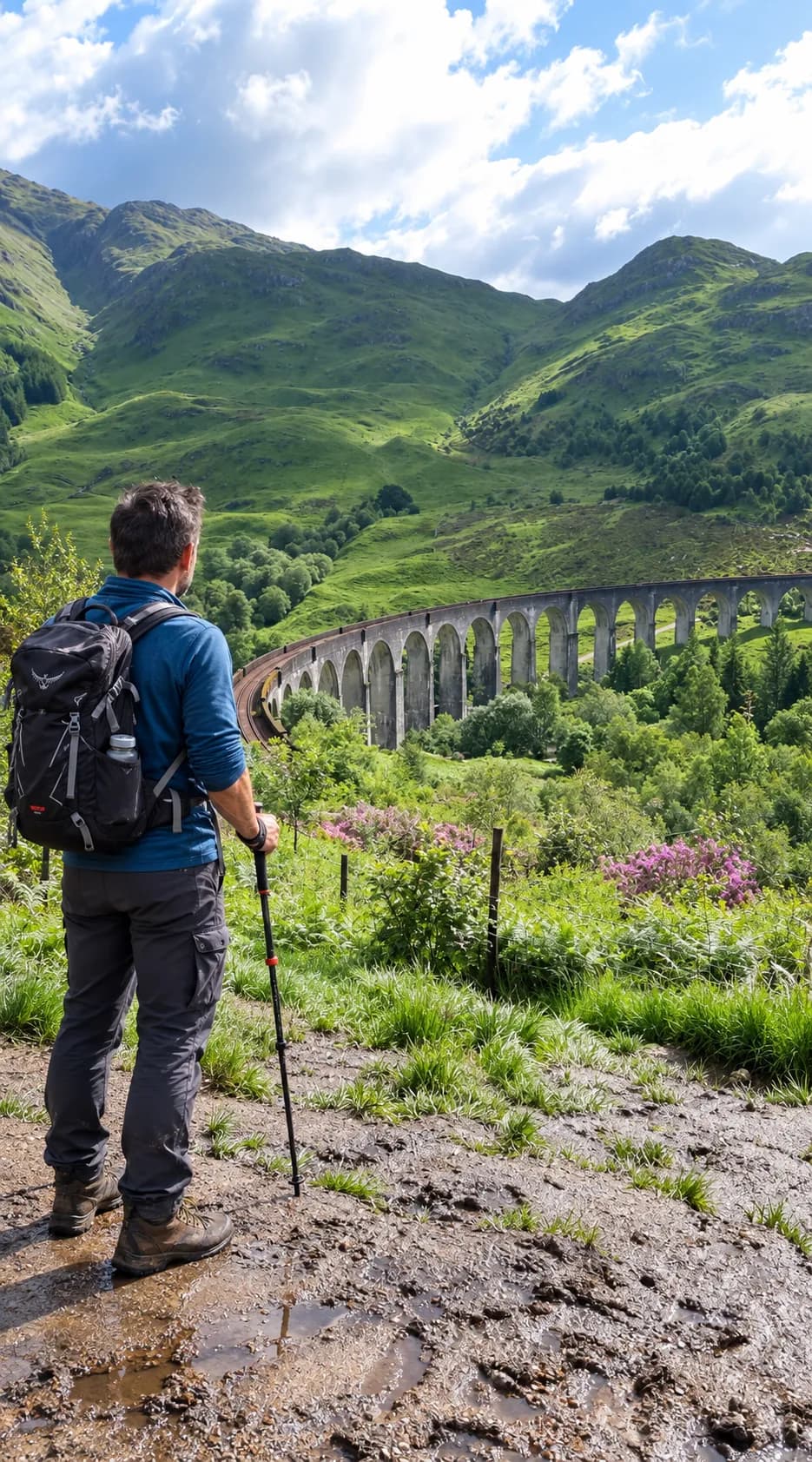

Hike the Scottish Highlands: Loch Ossian, Glenfinnan and the Mamores
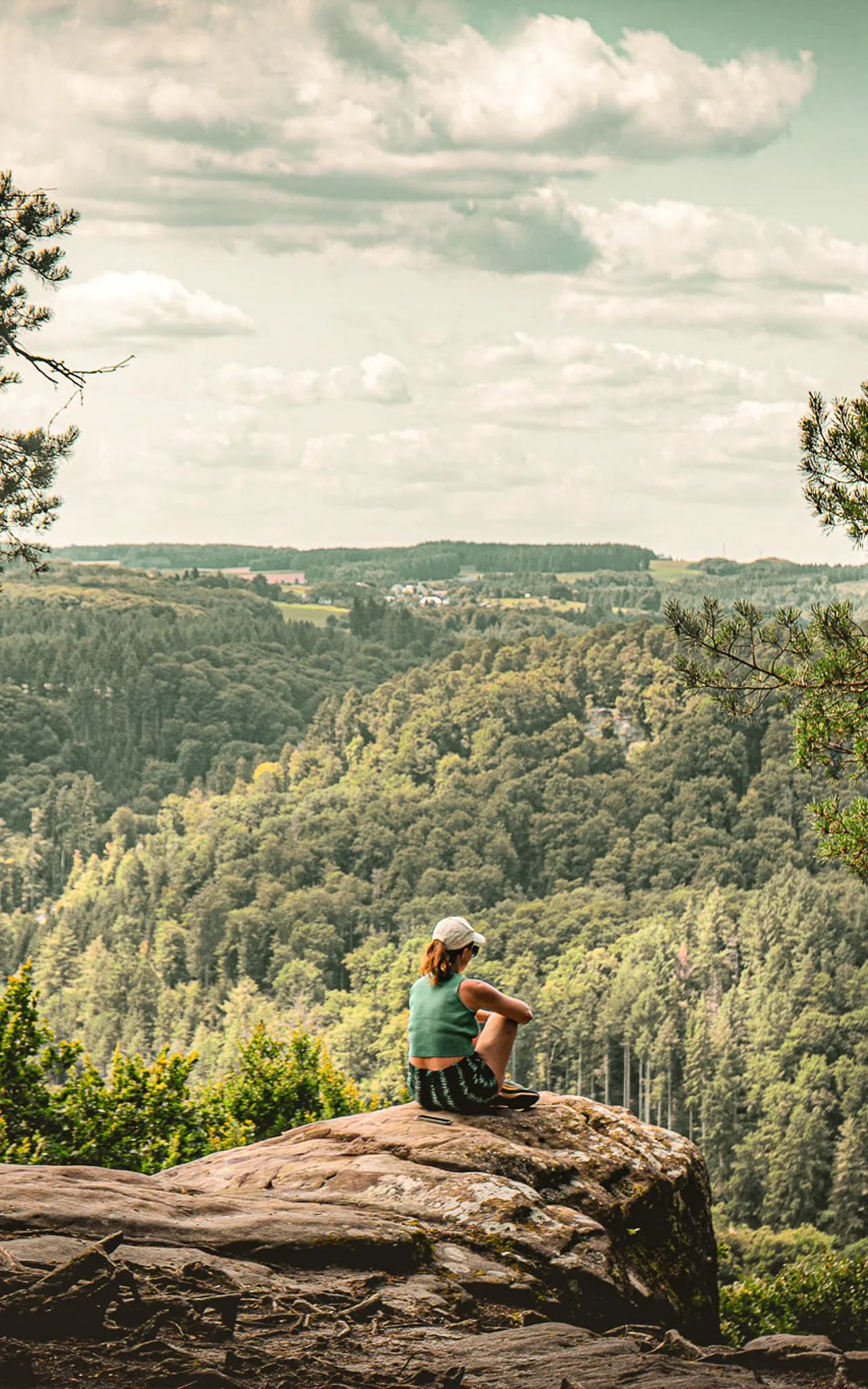
Hiking in Mullerthal: Luxembourg's little Switzerland
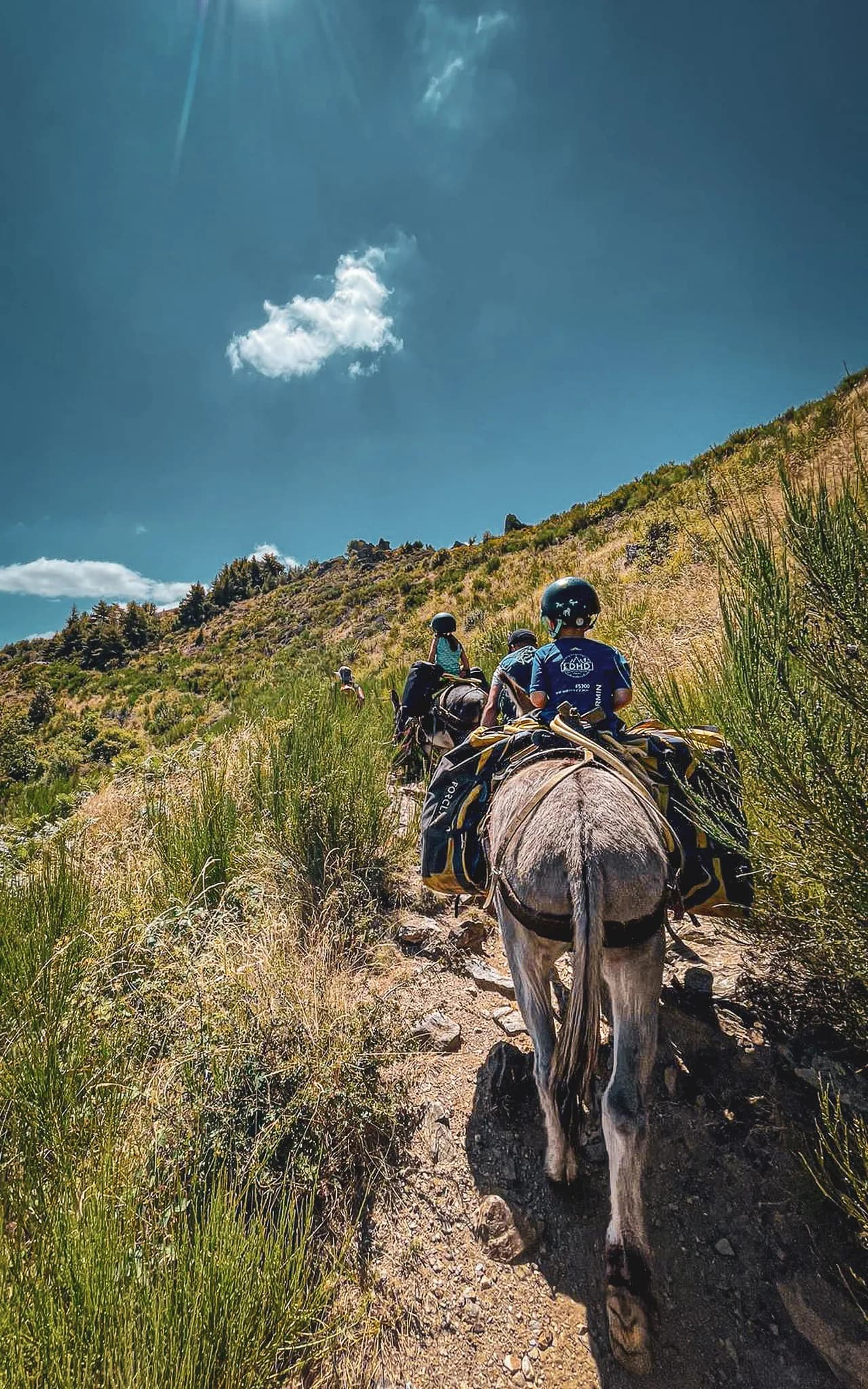
Stevenson’s trail: hike with a Donkey through the Cévennes
More to discover
Keep exploring with these pages and stories picked for you.
Mont Blanc or the Arves: choose your ideal alpine traverse
Compare three advanced Alpine formats, technical ridge, high bivouac and ridge-and-hut, across four real itineraries, to match your season, effort and style.
Northern lights or high lakes: choose your hike by effort and aim
Compare the daily effort and real aim of five real trips, from Valgaudemar to Senja, and pick observation or itinerant performance to match your level and season.
Hiking with donkeys in the Ecrins or an alpine trek
Hiking with donkeys in the Ecrins or an alpine trek? Compare pace, effort, pack weight, nights and season to pick a trip that fits your level.
Jura cani-hike or ridge views in the Vosges and Ecrins?
A short 2-4 day nature break: compare a dog-assisted hike in the Jura, ridge panoramas in the Vosges, or a wild-camp trek in the Ecrins, and choose fast.
High-altitude traverse or technical camp: your summer choice
Torn between a high-altitude traverse and a technical camp? Compare the 5-day Beaufortain tour with three shorter options by level, season and goals.
Guided hiking trips on karst plateaus and limestone ridges
Guided hiking trips on karst plateaus and limestone ridges across the French Alps and Auvergne, 3 to 5 days with bivouacs or huts.
