High-altitude traverse or technical camp: your summer choice
 By Thibault
Torn between a high-altitude traverse and a technical camp? Compare the 5-day Beaufortain tour with three shorter options by level, season and goals.
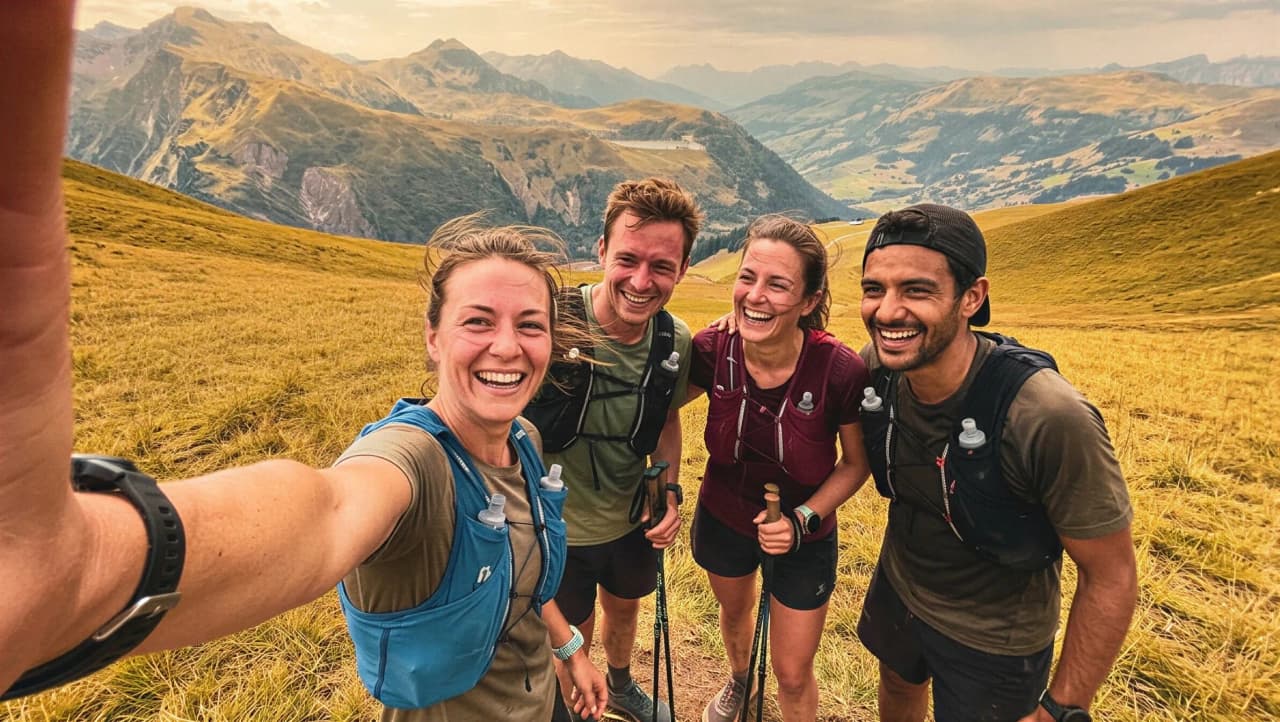
Choosing between a high-altitude traverse over several days and a short technical camp will shape your trail running summer. One builds endurance, load carrying and self‑management across back‑to‑back stages, the other compresses instruction and targeted practice into fast gains. To make the decision concrete, we will lean on real programs: Introduction to trail running in Chamonix, a running camp in the heart of the Mont Blanc massif, The Tour of Beaufortain trail running, Ventoux Trail running Camp: A Weekend on the Giant of Provence and Trail running across the volcanoes of Auvergne.
What a committed high‑altitude traverse really involves
Multi‑day traverses string together 4 to 5 consecutive stages with sustained elevation gain and a bigger pack than you would carry on a day outing. You move hut to hut, manage weather, recovery and energy over time, and keep a base level of autonomy: water, snacks, a shell and often a headlamp are with you. A guide simplifies navigation, not the workload.
The Tour of Beaufortain trail running shows this format clearly, with Jocelyn guiding the five days. On day 1 you leave Beaufort and climb through old forest paths, settling into altitude at the Refuge de la Croix de Pierre. Day 2 leads to the Col du Joly with balcony views of Mont Blanc's glaciers, then skirts the Girotte dam before rising again toward Lac Noir and the Rocher des Enclaves, ending with a descent to the Refuge de la Gittaz. The key push is day 3, the most athletic: an unbroken chain of passes, Croix du Bonhomme, Fours, Mya and Grand Fond, in a mineral amphitheater of high lakes and lingering snow patches, finishing at the Refuge de Presset opposite the Pierra Menta. Day 4 rolls down past Lac d'Amour to the Cormet d'Arêches, with an optional climb to the Grand Mont for those with legs to spare, before a final day 5 over the Col de la Bathie and the Mirantin back to Beaufort. It is a block of endurance with altitude exposure and a real need for steady pacing.
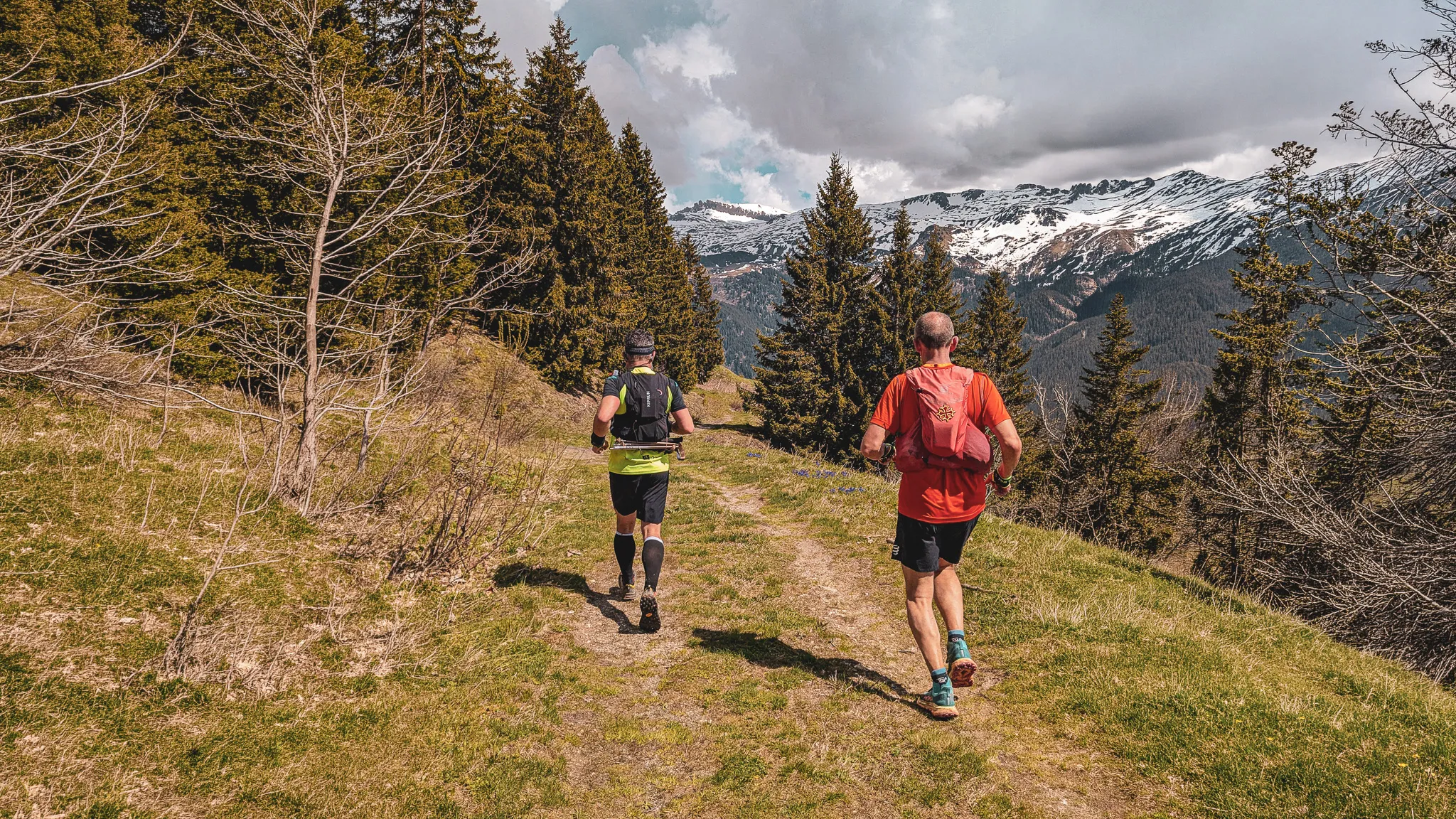
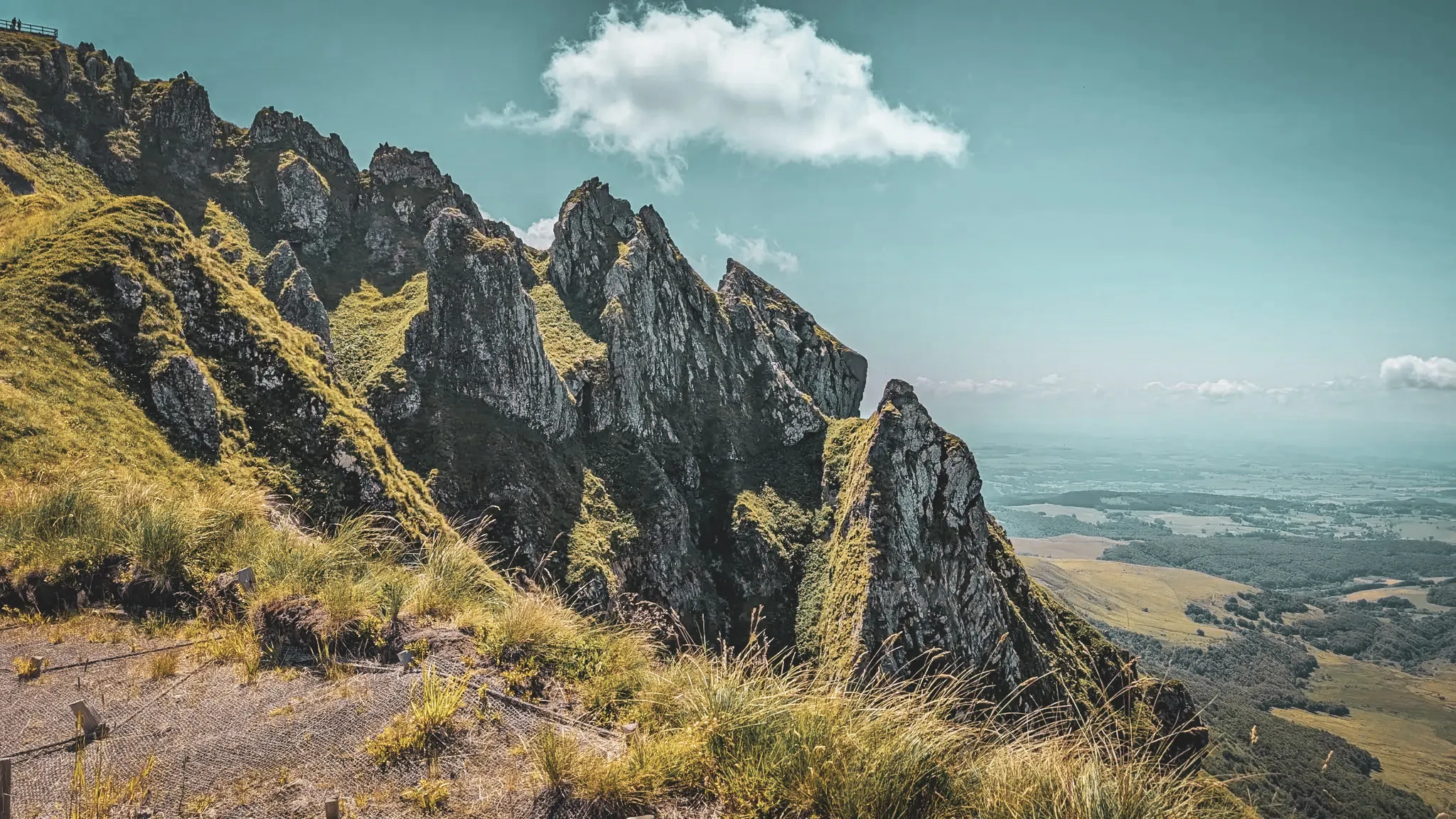
Trail running across the volcanoes of Auvergne, guided by Damien, is still an itinerary, but more rolling and lower. After a warm‑up loop around Volvic on day 1, between the Château de Tournoël, the springs of Volvic and the Gorges d'Enval, day 2 crosses the emblematic Chaîne des Puys from the Col des Goules, with a food stop on the summit of the Puy de Dôme. Days 3 and 4 head toward open summer pastures, include a friendly pause at the microbrewery of La Banne, then circle the stratovolcano of the Sancy, the high point of the Massif Central, before dropping toward Mont‑Dore and linking by train through Clermont‑Ferrand back to Volvic. You still carry essentials and stack days, but the alpine seriousness is reduced compared with the Beaufortain loop.
What a short technical camp looks like
In a 2 to 3 day camp, learning is concentrated: long climbs, descending technique, foot placement, effort management, sometimes a primer on navigation. You run light for the day, the guide sets up drills and adjusts terrain, and progress accelerates because each session targets a specific skill.
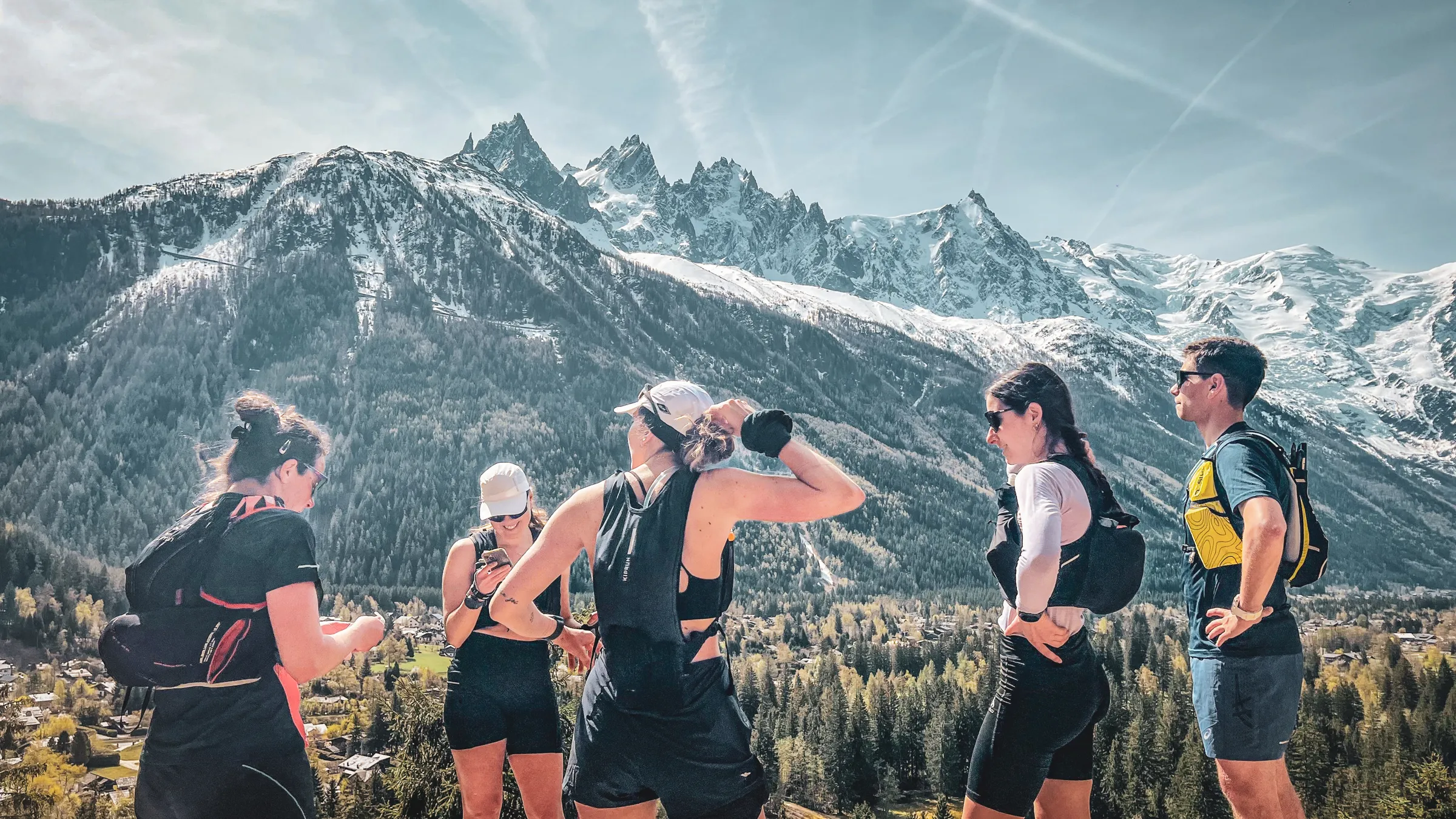
On Introduction to trail running in Chamonix, a running camp in the heart of the Mont Blanc massif, guided by Violette, you set foundations from day 1 in Montroc le Planet with practical workshops on poles, uphill rhythm and relaxed descending, rounded off by a short wildlife stroll. Day 2 begins with a brief train ride to the last village before the Swiss border for a full mountain day applying the techniques from the previous sessions, with precise coaching on nutrition and pacing. In the evening you can sample basic navigation before a final day 3 on the opposite side of the range, a smoother route through forests and bilberry slopes that builds confidence and flow to a finish in Argentière. As Juliette, a recent participant, put it: "A truly lovely experience with our guide Violette, discovering Chamonix through trail running!" (translated from her original French review).
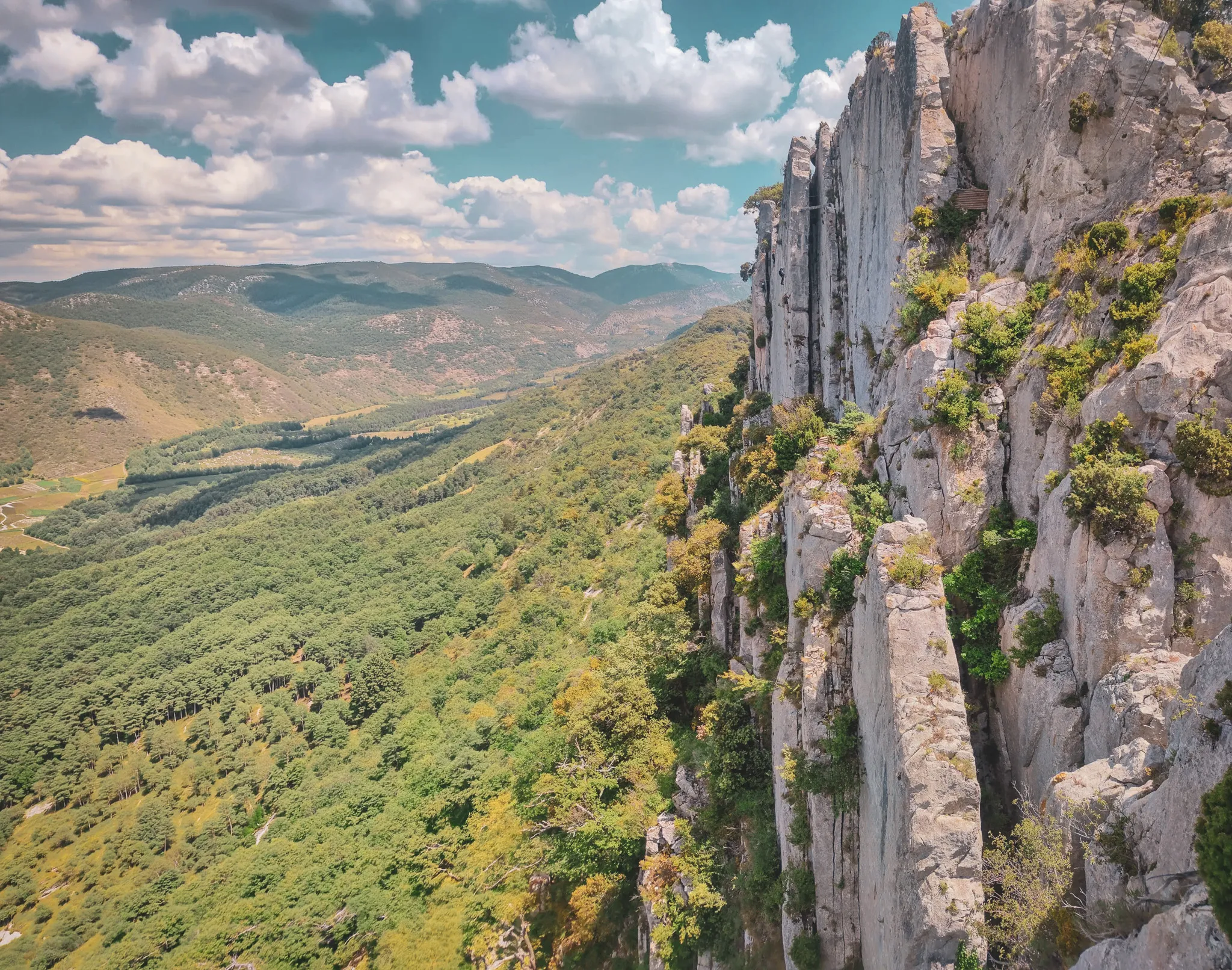
Ventoux Trail running Camp: A Weekend on the Giant of Provence, guided by Florian, frames the weekend around a single, iconic summit. After a gentle sunset jog from the gîte on day 1 and a thorough briefing, day 2 climbs from Bédoin through the forest into the lunar scree of the Mont Ventoux summit, a 360‑degree lookout over the Alps and the Mediterranean. The rocky descent becomes a live lab for foot placement and economy. Recovery is followed by a local winery visit. Day 3 moves to the Dentelles de Montmirail, a short but intense session on limestone ridges and combes that sharpens reading of the rock, balance on irregular edges and small‑scale navigation along crests.
Level, training load and how the effort stacks up
For a 4 to 5 day traverse with meaningful daily elevation, plan 6 to 12 months of consistent practice if multi‑day running is new to you. Build a weekly long run, add hill repeats, practice back‑to‑back days to mimic fatigue, and include strength work to absorb descending and the added weight of a 20 to 30 liter pack. The Beaufortain loop is labeled expert for good reason, with day 3's string of high passes and a final test over the Col de la Bathie and the Mirantin. The Auvergne itinerary suits a strong runner who wants the rhythm of an itinerary on gentler terrain and lower altitude.
For a 3 day camp, 4 to 8 weeks of focused preparation usually suffice. Blend tempo in hilly terrain, short technical descents and one longer outing without overreaching. The Chamonix camp is built for the intermediate runner who wants structured fundamentals, while the Ventoux weekend caters to experienced trail runners who enjoy a sustained climb and rough, calcareous footing. In both cases you carry an 8 to 12 liter vest, not a full travel pack, and the emphasis is on skill transfer you can feel immediately.
Whatever you choose, match the training to real life constraints. If volume is limited, make quality count: brisk climbs, controlled descents, and one functional strength session a week. Frequency and consistency pay more than isolated peaks of effort.
Season windows, safety and what you get for your goal
Dates narrow the field quickly. The Tour of Beaufortain trail running runs from August to September, when high passes are cleared and huts are open. Trail running across the volcanoes of Auvergne is set from April to September, with pleasant spring conditions and typical summer thunderstorms in the afternoon. Introduction to trail running in Chamonix, a running camp in the heart of the Mont Blanc massif spans April to October, a flexible slot for early or late season tune‑ups. Ventoux Trail running Camp: A Weekend on the Giant of Provence stretches from March to November, though spring and autumn avoid peak heat on the summit block.
Start early when storm risk is lower, check the forecast every morning and always carry a waterproof layer, hydration and enough fuel. On itineraries, a charged headlamp and backup calories are not optional. A guide is a safety net, but you still need basic autonomy.
Clarify the outcome you want. If your aim is endurance performance, choose a traverse to bank hours under load, practice economy with a travel pack and learn multi‑day management. The Beaufortain loop is a sound lab, with day 3's pass‑to‑pass push and a finale that probes your recovery. If your objective is panoramic learning and quick technical gains, go short: in Chamonix, the big day 2 embeds good habits on alpine ground and day 3 lets you flow to Argentière. On Ventoux, the Bédoin ascent paired with the Dentelles' limestone drills merges scenery with precise footwork. The Auvergne traverse offers multi‑day immersion with the rewards of the Puy de Dôme and the Sancy, minus the high‑alpine exposure.
To make the call, line up these practical filters and see which option clicks.
- Time available: a weekend, 3 to 4 days, or 5 days
- Season window and local weather patterns
- Primary goal: endurance performance, technical progression, or panoramic experience
- Current level: uphill stamina, downhill ease, comfort with continuous elevation gain
- Pack tolerance: 8 to 12 liter vest or 20 to 30 liter travel pack
- Logistics you accept: budget, insurance, and a spare day for weather
Cross these criteria and the choice becomes straightforward: a traverse if you want to stack hours and build staying power, a technical camp if you want fast, targeted progress, or the Auvergne itinerary for a gentler multi‑day journey with volcanic horizons.

Find your next adventure
Browse curated expeditions matching the categories of this article and start planning your next trip.
Find your dream adventure
 Find your dream adventure
You might also like these adventures …
Hand-picked to echo the spirit of this article.
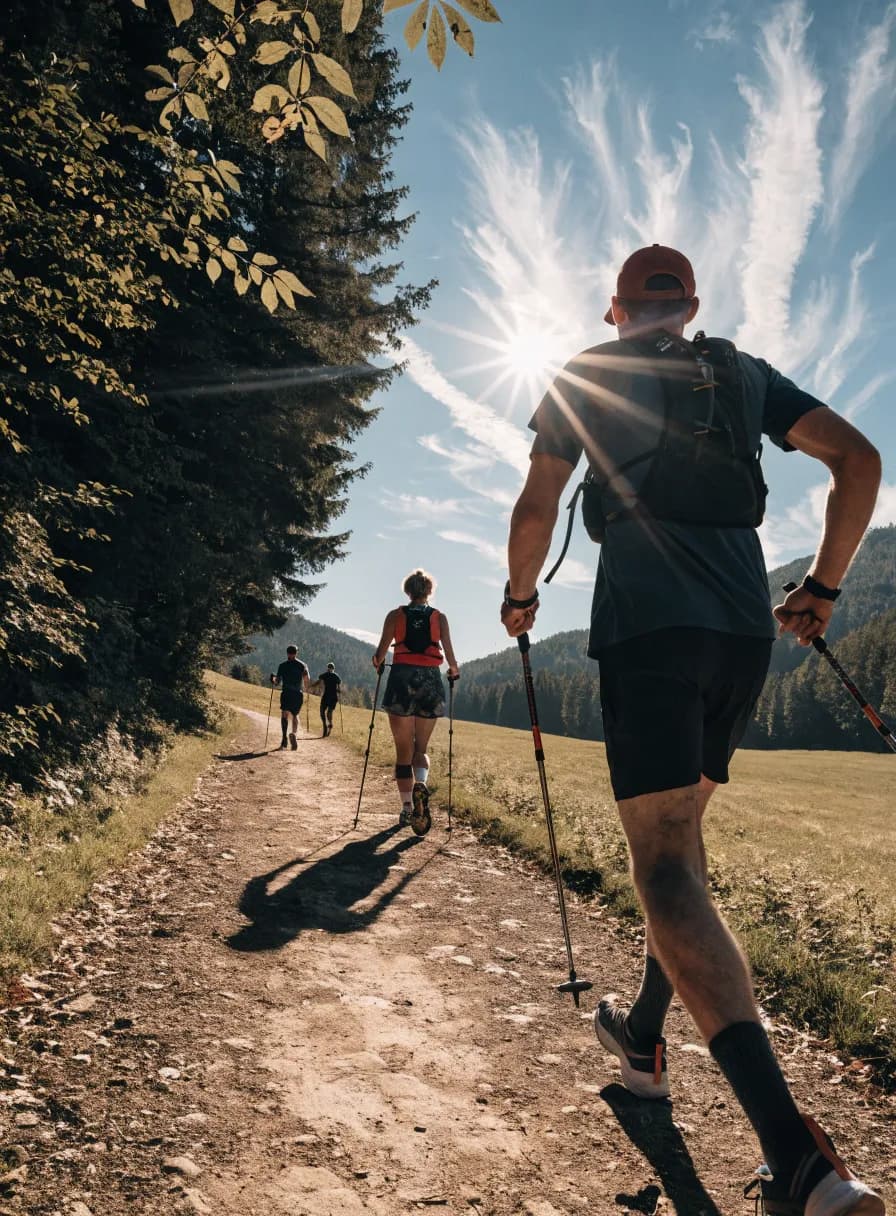
More to discover
Keep exploring with these pages and stories picked for you.
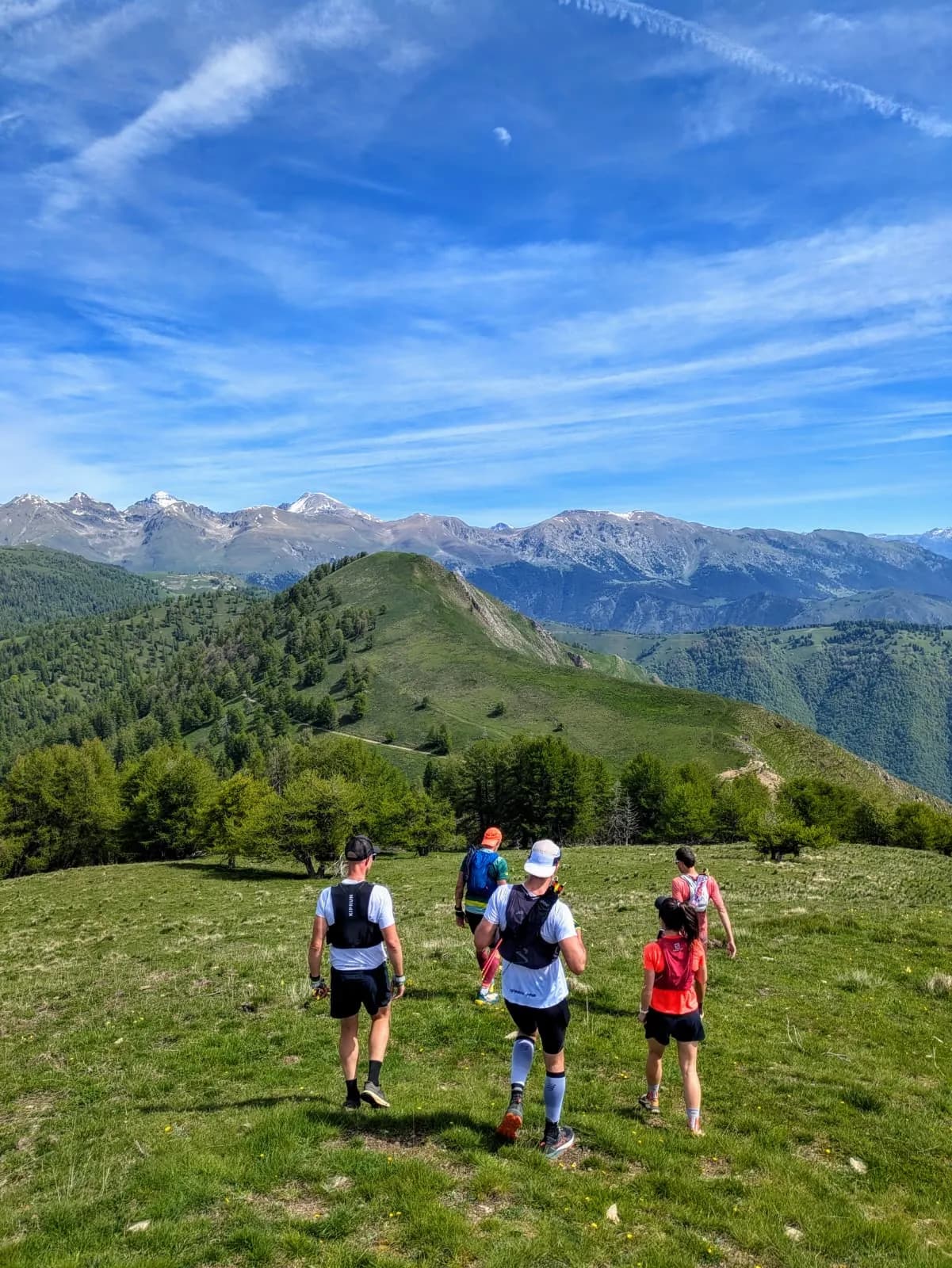
Mountain Trail-Running Camps in France: How to Choose
Compare mountain trail-running camps by destination, level and goals to choose a format that fits your running.
Train for the 3-day Chamonix trail camp in 6 weeks
A gentle six week plan to arrive ready for the Chamonix trail camp with Violette: basic climbing and descending technique, no performance chasing.
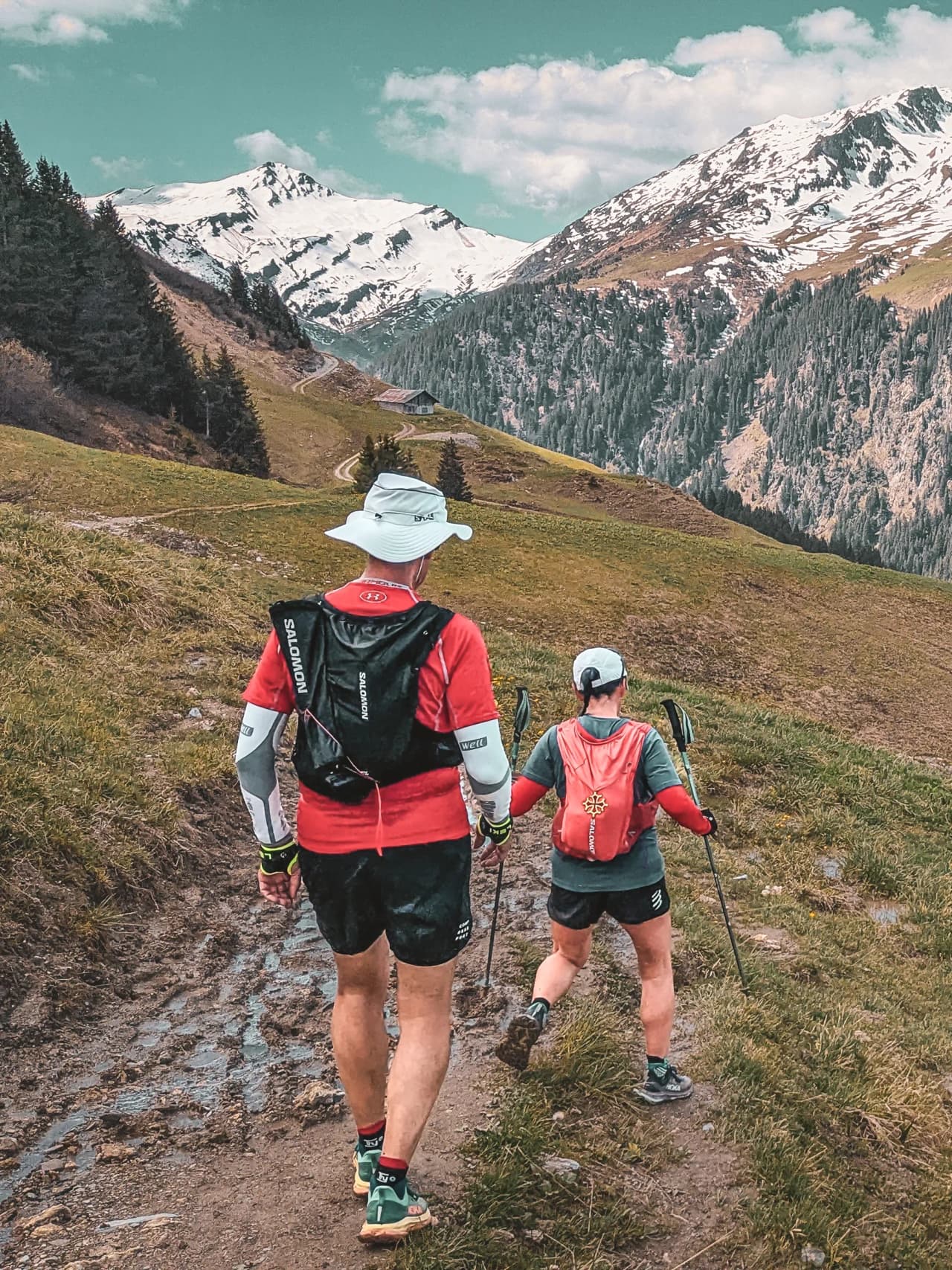
Guided Mont Blanc climb and expert trail camps in France
Chase big goals in France, from a guided Mont Blanc climb to expert trail running camps in Beaufortain, Gavarnie, Ventoux and Auvergne.
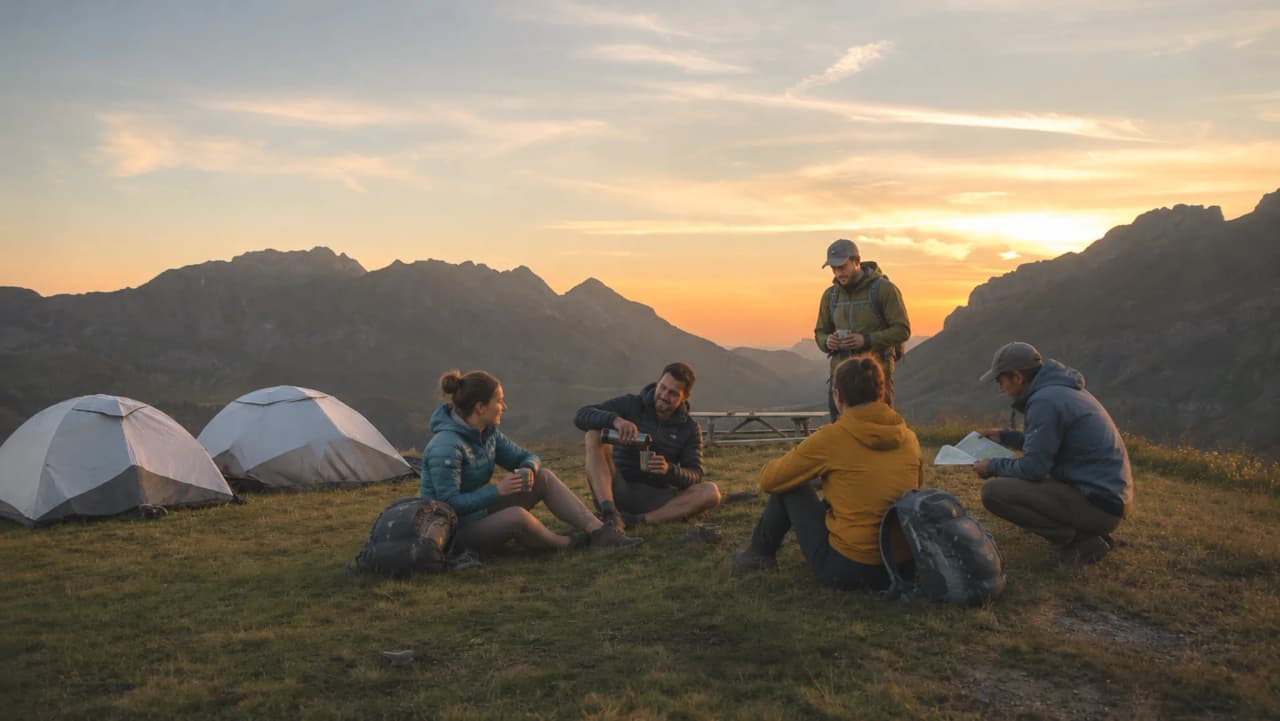
Mont Blanc or the Arves: choose your ideal alpine traverse
Compare three advanced Alpine formats, technical ridge, high bivouac and ridge-and-hut, across four real itineraries, to match your season, effort and style.
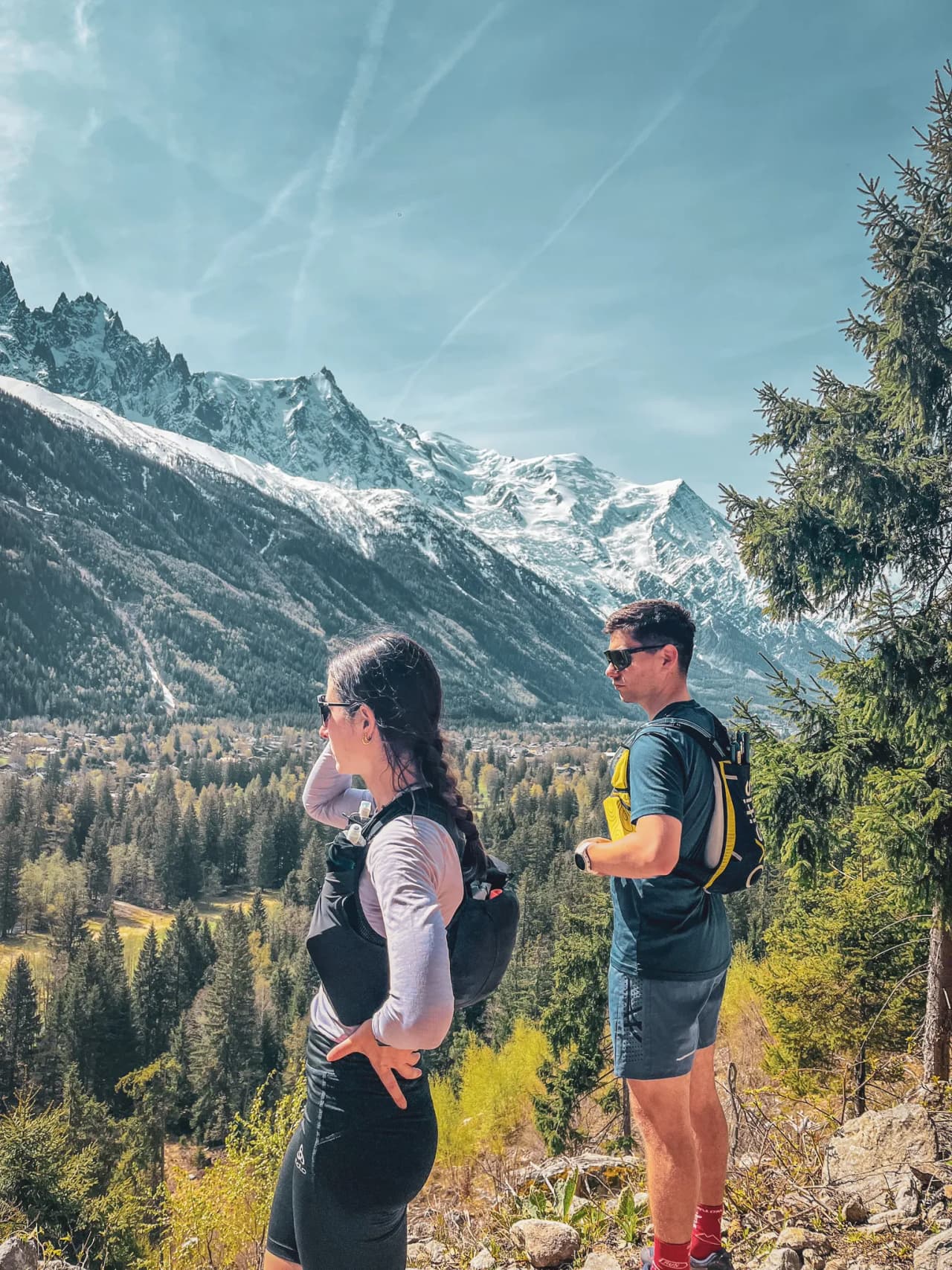
Mont Blanc trail running, Chamonix camps and alpine views
Discover Mont Blanc trail running with our guided camps in Chamonix, Beaufortain, Vercors and the Vosges, designed to build technique and stamina.
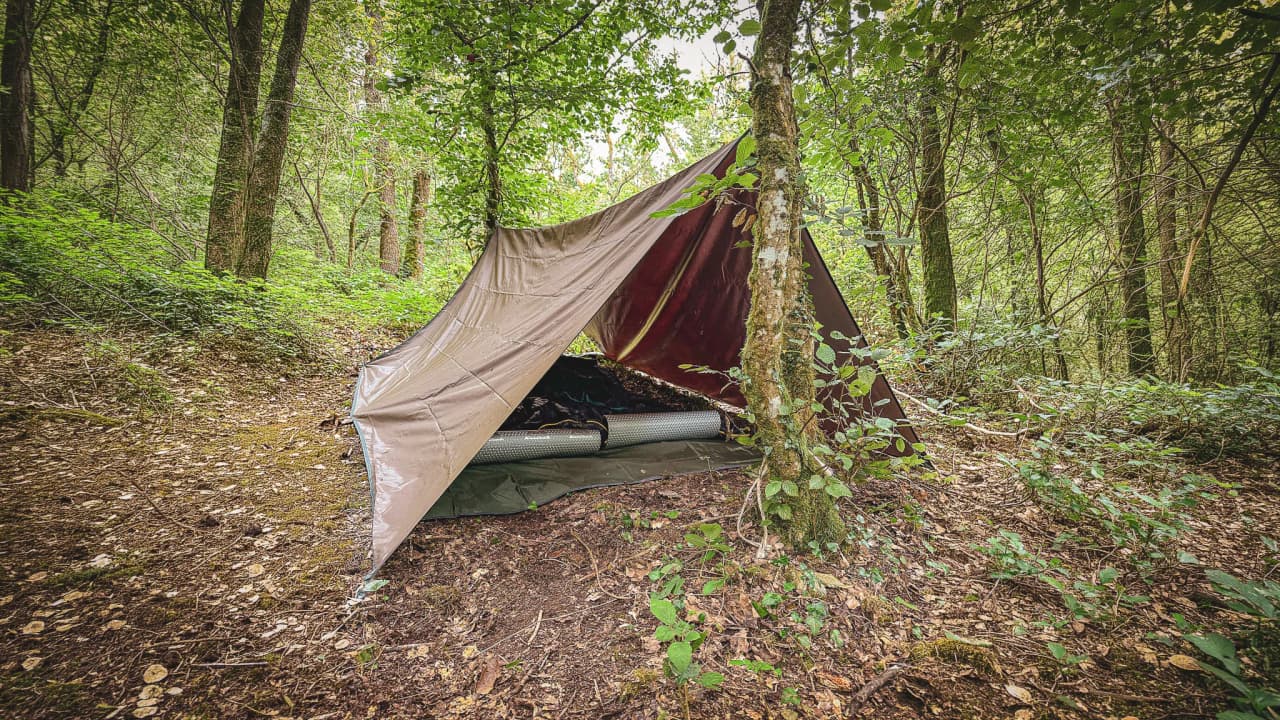
Which survival course to choose for your goal
Unsure which survival course to choose? Compare Ardennes 2 days, Vercors 3 days and Alps 3 days by level, season, effort and the skills you’ll gain.
