Your first bikepacking trip: gear, route and budget
 By Maxime
Ready to try bikepacking without buying everything first? Essential gear, how to pick your route, and a realistic budget for your first weekend by bike.
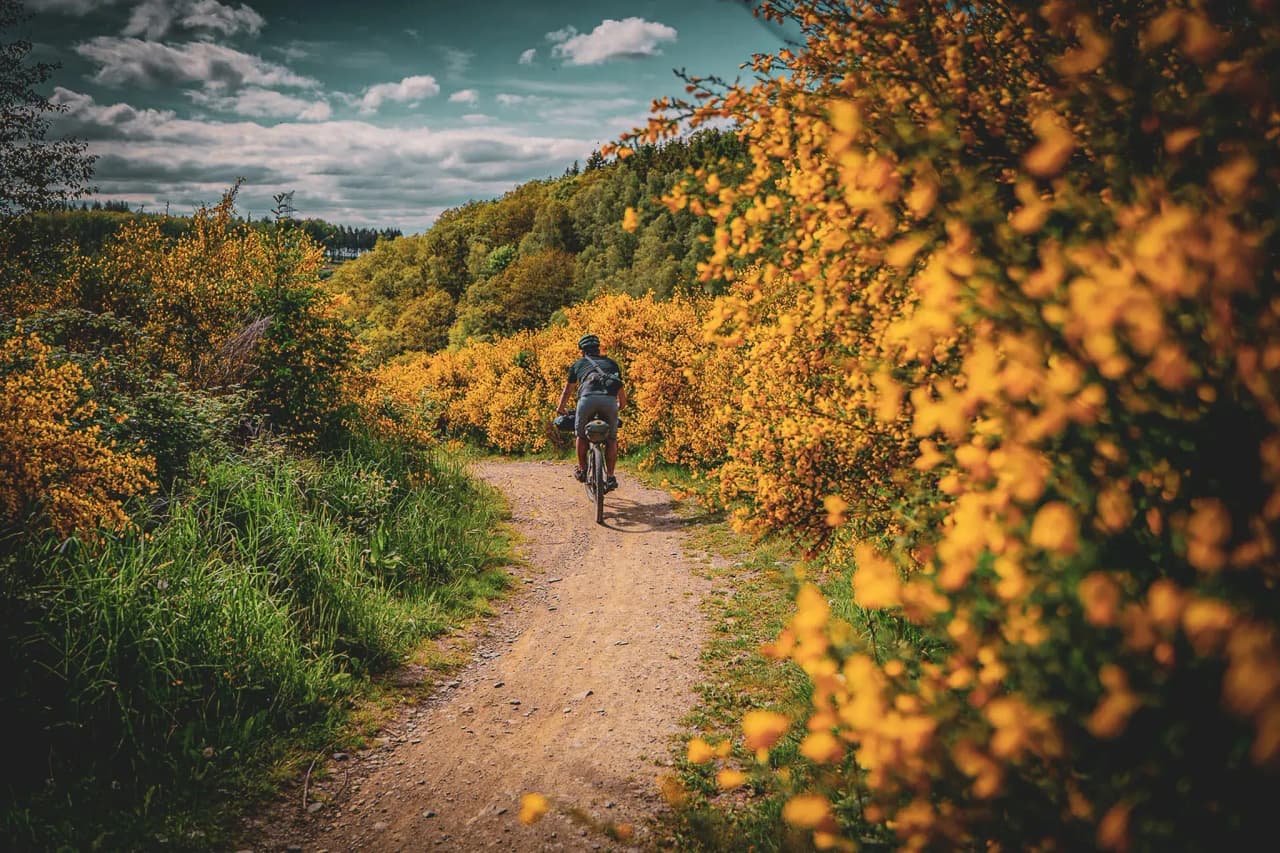
Bikepacking means traveling light by bike, sleeping outdoors, and picking routes that wander off the big touring roads. The good news: you don't need to own all the gear or have already ridden 100 km loaded to try your first trip. This guide covers what you actually need, how to pick a first route, and what budget to expect.
What bikepacking actually is
Unlike classic cycle touring, where you ride on tarmac with rack-mounted panniers and usually sleep in hotels or serviced campsites, bikepacking favours a lighter bike (gravel, hybrid or all-road), bags strapped directly to the frame, saddle and handlebars, and nights spent wild camping or at dedicated bivouac spots. It sits closer to backpacking than to traditional cycle touring: less luggage, more varied terrain, and real freedom on where you go. To see what a real trip looks like, check our reel from a bike trip in Brittany below.
View this post on Instagram
The gear: what actually goes in the bag for 3 days of bikepacking
You don't need to buy everything before your first outing (see below, you can start with gear provided). Here's the list we use internally to prep a weekend or a 2-3 day trip, ranked by priority. Our Instagram reel "packing list for your next bike trip" also covers it in video:
View this post on Instagram
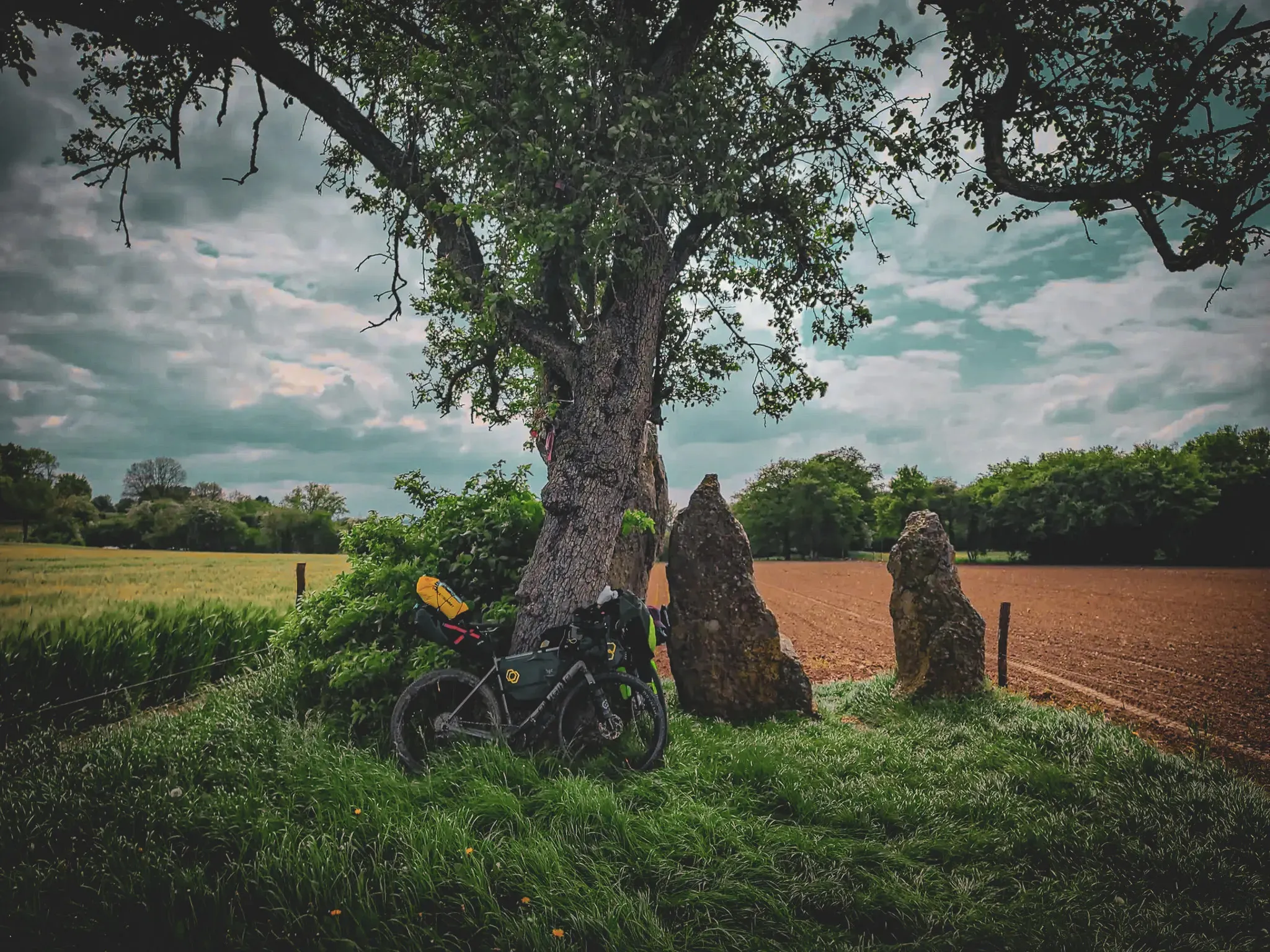
Bike and repairs
Essential: a bike suited to the activity (rentable), a helmet, two water bottles, a charged headlamp.
Recommended: bikepacking bags (saddle, frame, handlebar), front and rear lights, a spare inner tube to fit your wheels, a bike repair kit if riding your own bike, a lightweight lock.
Sleeping outdoors (if going fully self-supported, without provided gear)
Essential: a light tent or tarp, a season-appropriate sleeping bag, an insulated mat.
Recommended: a sleeping bag liner to keep your bag cleaner for longer.
Clothing
Essential: sunglasses (category 3 minimum), SPF 50 sun cream, an SPF lip balm.
Recommended: padded shorts, a cycling jersey or breathable T-shirt, lightweight gloves, technical socks, a light down jacket for the evening, a waterproof windbreaker, dry spare clothes.
Nice to have: a balaclava or buff, comfortable clothes for the evening at camp.
Accessories
Essential: your ID, a way to pay (card plus a bit of cash), a picnic for day one, energy snacks, a small first-aid kit.
Recommended: a toiletry bag, waterproof plastic for your phone and papers, a reusable picnic kit, anti-friction cream.
Nice to have: a powerbank, earplugs, a microfibre towel, a small notebook.
What's included if you book a guided trip
This list is built for going fully self-supported. If you go with a guide, part of it changes: on our cycling trip in the Ourthe Valley, for example, the guide, bivouac accommodation (tent, mat, sleeping bag and pillow) and all meals are included in the price. What still stays on you, even guided: your own bike in good condition, your helmet, and your bags or backpack. Always check the expedition's "price includes / excludes" section before booking, it varies from trip to trip.
For the full item-by-item list, our bikepacking equipment guide covers every piece of kit.
Choosing your first route
For a first trip, aim for 30 to 60 km a day over two days, with reasonable elevation gain and mostly small roads or smooth tracks rather than very technical terrain. A loop or a point-to-point route well served by train keeps logistics simple, since you won't need to drive back for a car.
Our recommended routes to get started
Three concrete examples, in Belgium and along the German border, genuinely beginner-appropriate. Go through them in order if you want to build up gradually: easiest first.
1. Vennbahn, stage 1: Lammersdorf to Aachen (38 km, easy)
A former cross-border railway converted into a cycle path, almost flat (around 410 m elevation gain over 38 km), point-to-point. It's the best entry point for a first loaded ride: smooth surface, excellent waymarking, and both ends are well connected by train, so no need to drive back for a car. Best time to ride: March to October. See the full route on AllTrails.
2. Roetgen - High Fens (38 km, moderate loop)
A loop through heath and forest in the Hautes-Fagnes-Eifel nature park, with more climbing (around 690 m elevation gain) than the Vennbahn, a good second outing once your first loaded ride has gone well. Pack extra food and layers, the terrain is more exposed to wind. See the full route on AllTrails.
3. La Roche-en-Ardenne - Borzée (22 km, moderate loop)
A deliberately shorter format (22 km), good for a first half-day or for testing your gear before you go longer. The loop starts right from La Roche-en-Ardenne, a well-connected tourist town, and runs through the Deux Ourthes Nature Park. See the full route on AllTrails.
Check the stated difficulty level carefully before booking or heading out: some routes assume you're already comfortable riding a loaded bike for several hours at a stretch, not just that you've cycled occasionally. Once you know your fitness and gear better, our Ardennes vs High Fens comparison breaks down the difficulty, season and bivouac comfort of each.
Budget and logistics for a first bikepacking trip
Two ways to approach the budget: a guided trip where everything's included, or going fully self-supported and assembling or renting your own gear. Here's a rough breakdown for a two-day weekend:
| Item | Guided trip (all-inclusive) | Self-supported |
|---|---|---|
| Guiding and logistics | Included | Not applicable |
| Bivouac gear (tent, sleeping bag, mat) | Included | Rental: roughly €30 to €50 for the weekend, or buying starter gear: roughly €150 to €300 |
| Meals (2 days) | Included | Roughly €20 to €30 (groceries and picnics) |
| Bike | Your own, or rented on site | Gravel or hybrid bike rental for 2 days: roughly €40 to €70 |
| Bikepacking bags | Provided | Full kit (saddle, frame, handlebar), rental or entry-level: roughly €50 to €80 |
| Transport (return train) | Roughly €15 to €40 depending on the route | Roughly €15 to €40 depending on the route |
| Estimated total | Roughly €200 to €250 | Roughly €150 to €250 depending on what you already own |
The "self-supported" figures are rough estimates for a first-time setup, not Wildhartt pricing. This table actually makes a point that's easy to underestimate: once you add up renting gear, a bike and bivouac kit yourself, the gap with an all-inclusive guided trip is often smaller than you'd expect, and going guided saves you the upfront investment while you're still finding out if bikepacking is for you. For a first trip, one weekend (two days, one night out) is plenty to know if it's for you. A few things worth checking before you go:
- The weather for the next few days, including overnight
- Your train connection to the starting point, and whether you need a bike ticket
- Small bites every 40 to 60 minutes rather than three big meals
- An extra layer for the evening, even in summer
- Your route downloaded offline on your phone
You don't need to own everything to try it
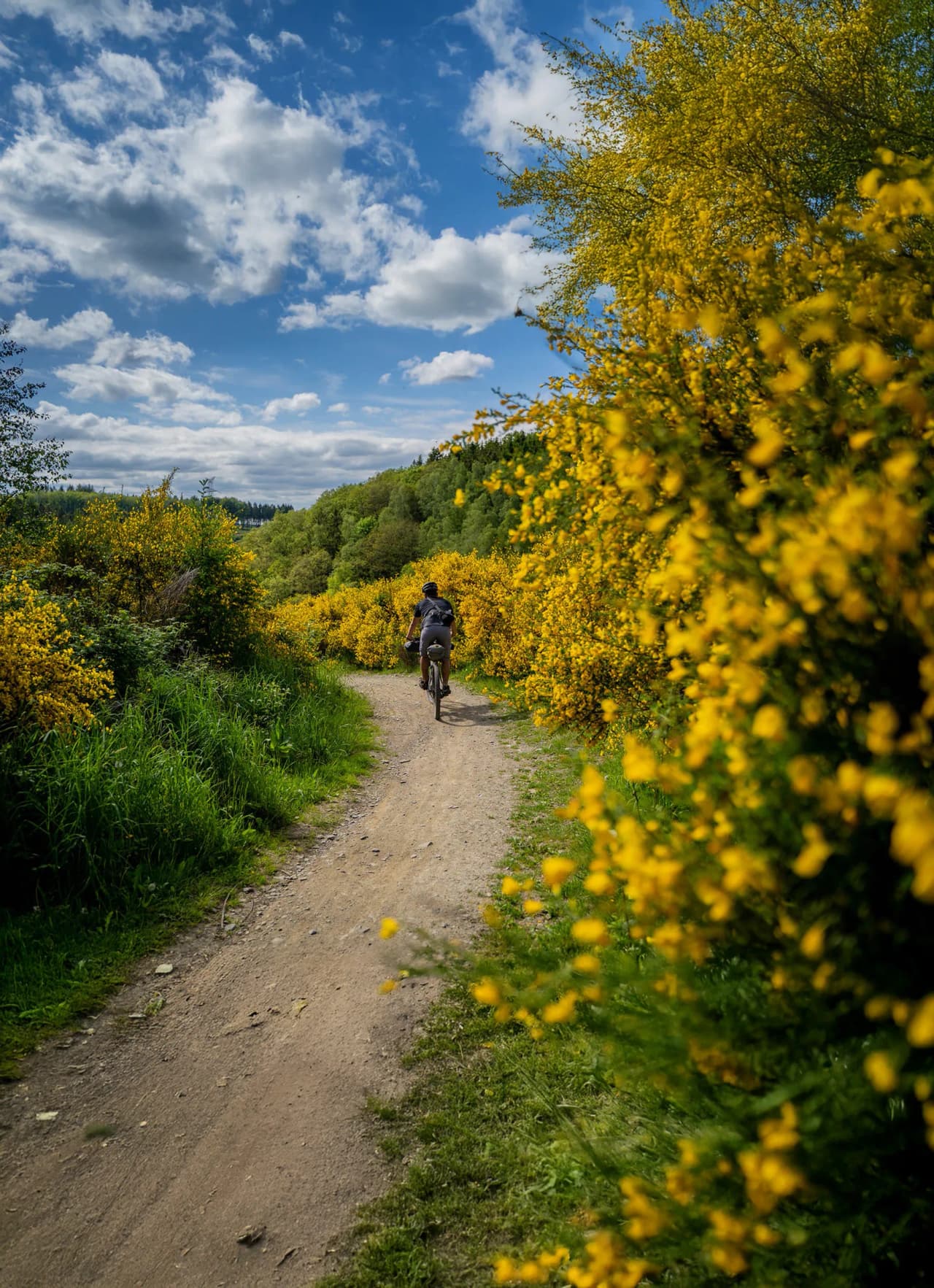
That's usually the real barrier: buying a bike, bags and camping gear before even knowing if bikepacking is for you. A simple alternative is starting with a guided trip where the gear is provided. That's the case with cycling in the Ourthe Valley, a two-day, 130 km weekend with Pauline, a cycling guide, where the tent, mat and sleeping bag are included: you ride, learn the basics of touring by bike, and decide afterwards whether to invest in your own gear.
On a similar bike-and-bivouac trip in the High Fens, Mariline put it well afterwards: "We discovered the new tech behind bivouac camping. We'll probably buy the gear to keep doing it." That's exactly the point: try it before you invest.
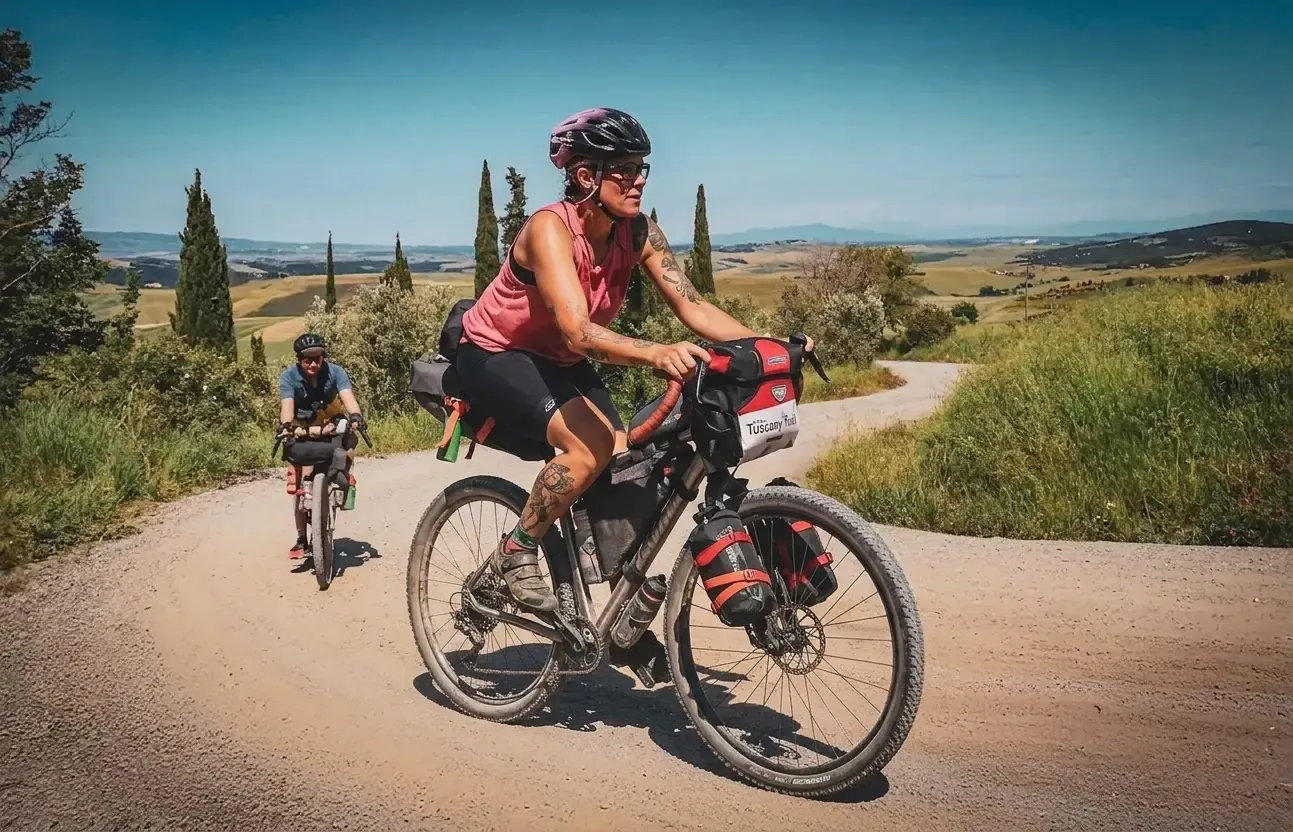
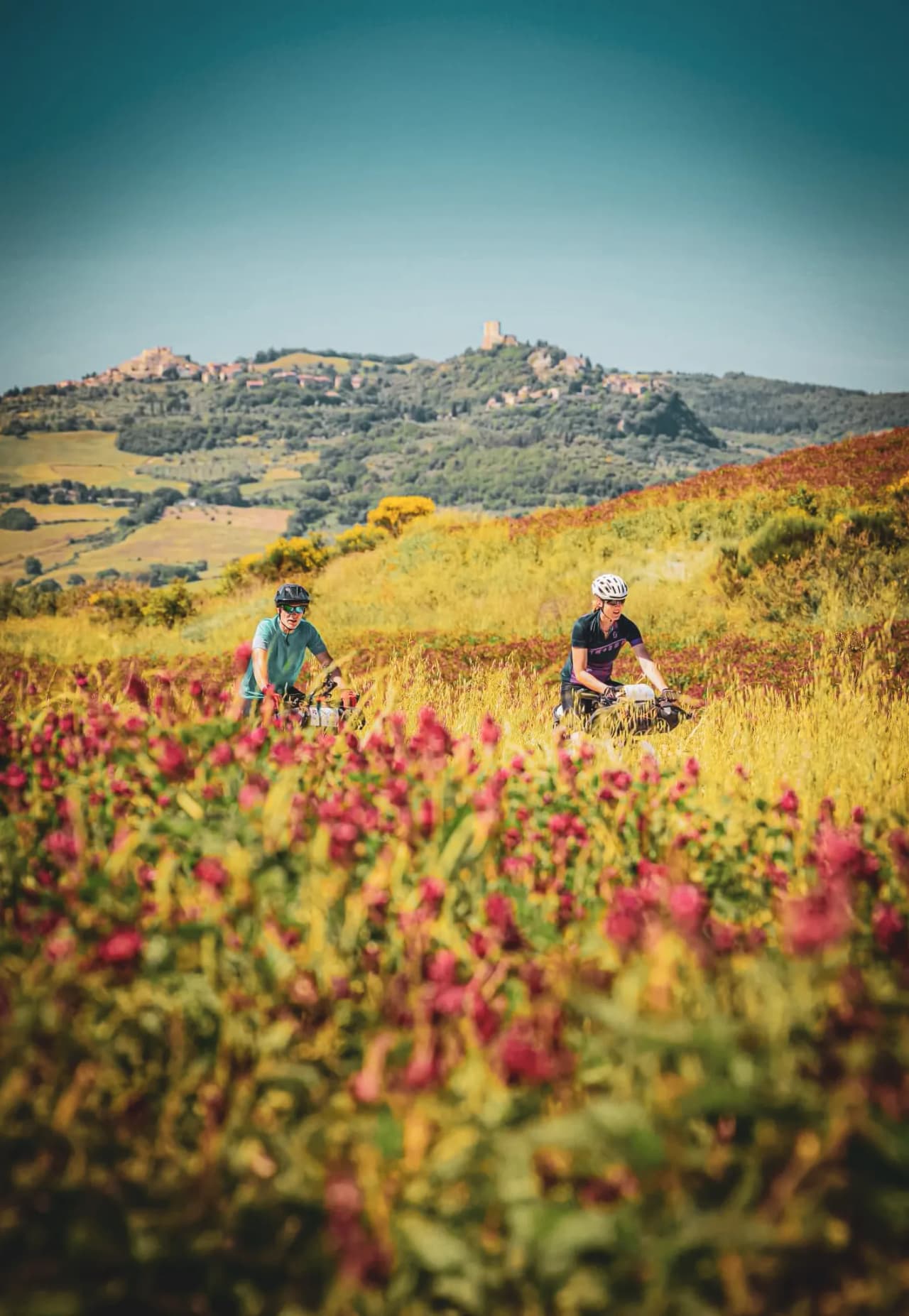
If you catch the bug and want something more demanding next, the gravel trip through Tuscany's forests with Giuseppe covers four days and up to 100 km a day, once you've found your rhythm.
Bikepacking doesn't require perfect gear or years of experience before you start. A decent bike, a reasonable weekend route, and the will to sleep outdoors are enough for your first trip.
Find your next adventure
Browse curated expeditions matching the categories of this article and start planning your next trip.
Find your dream adventure
 Find your dream adventure
You might also like these adventures …
Hand-picked to echo the spirit of this article.

More to discover
Keep exploring with these pages and stories picked for you.
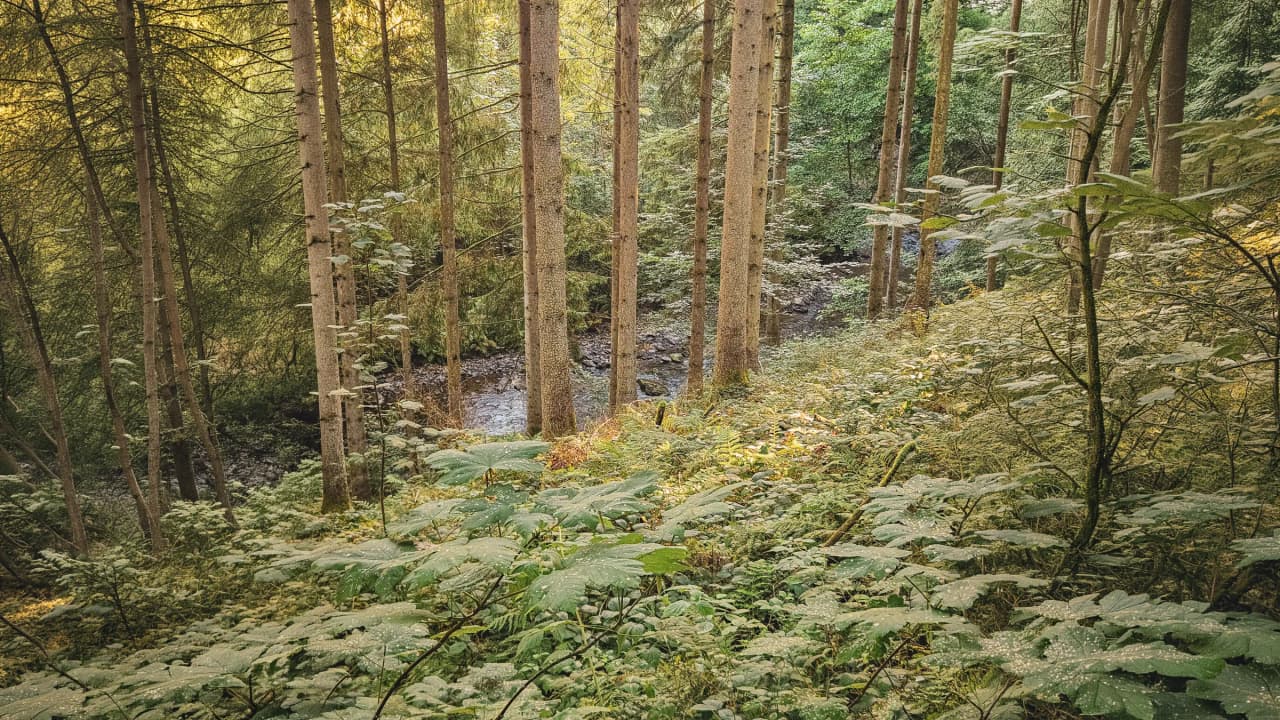
Weekend bikepacking in Belgium: Ardennes or High Fens?
Two Belgian weekend bikepacking options, Saint-Hubert’s forests and the Hautes Fagnes plateaus. Choose by trail tech, effort, season and bivouac comfort.
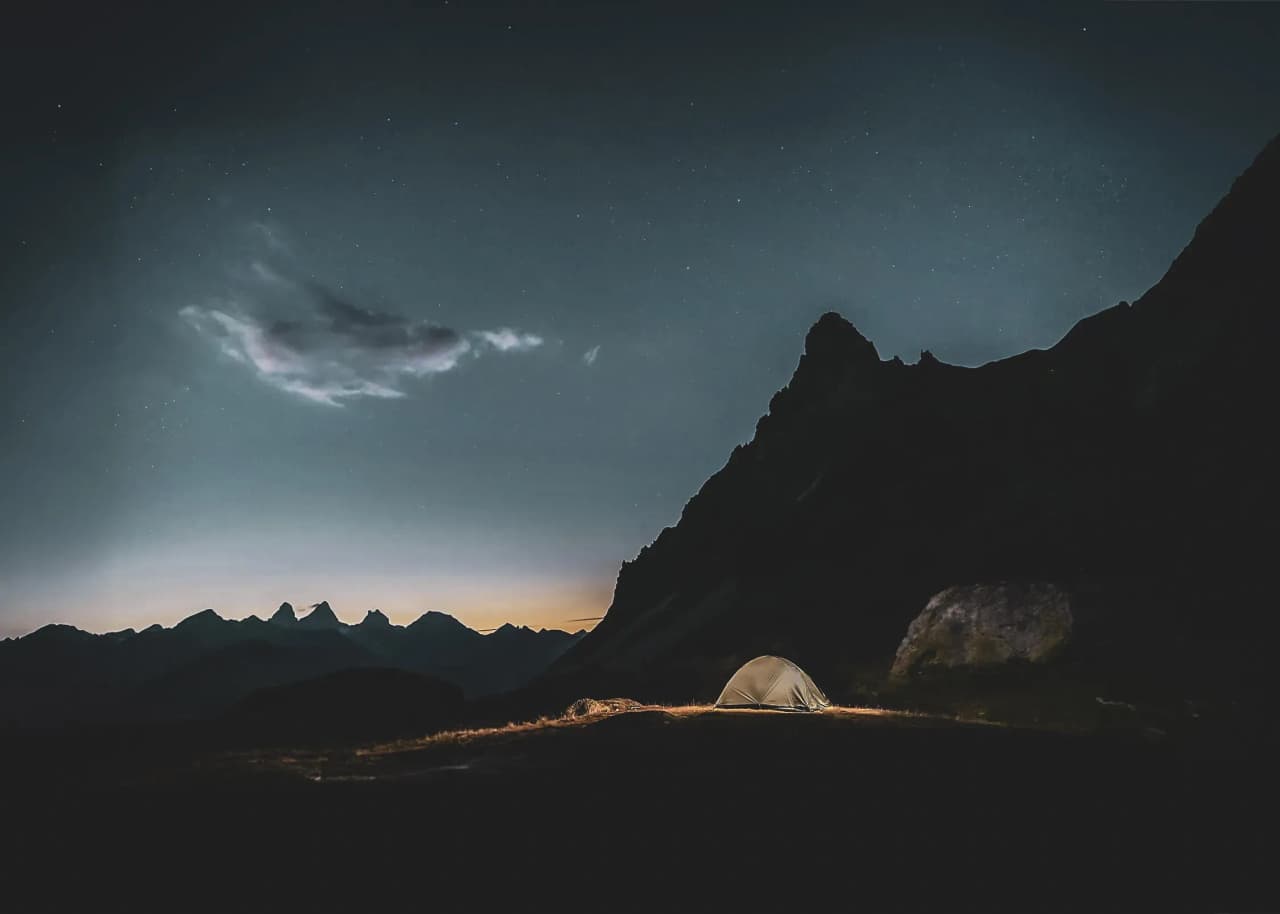
Bivouac in France: the Law, the Rules and the Gear
Wild camping or bivouac in France: what the law really allows, where it is legal, and the gear for your first night outdoors, guided or on your own.
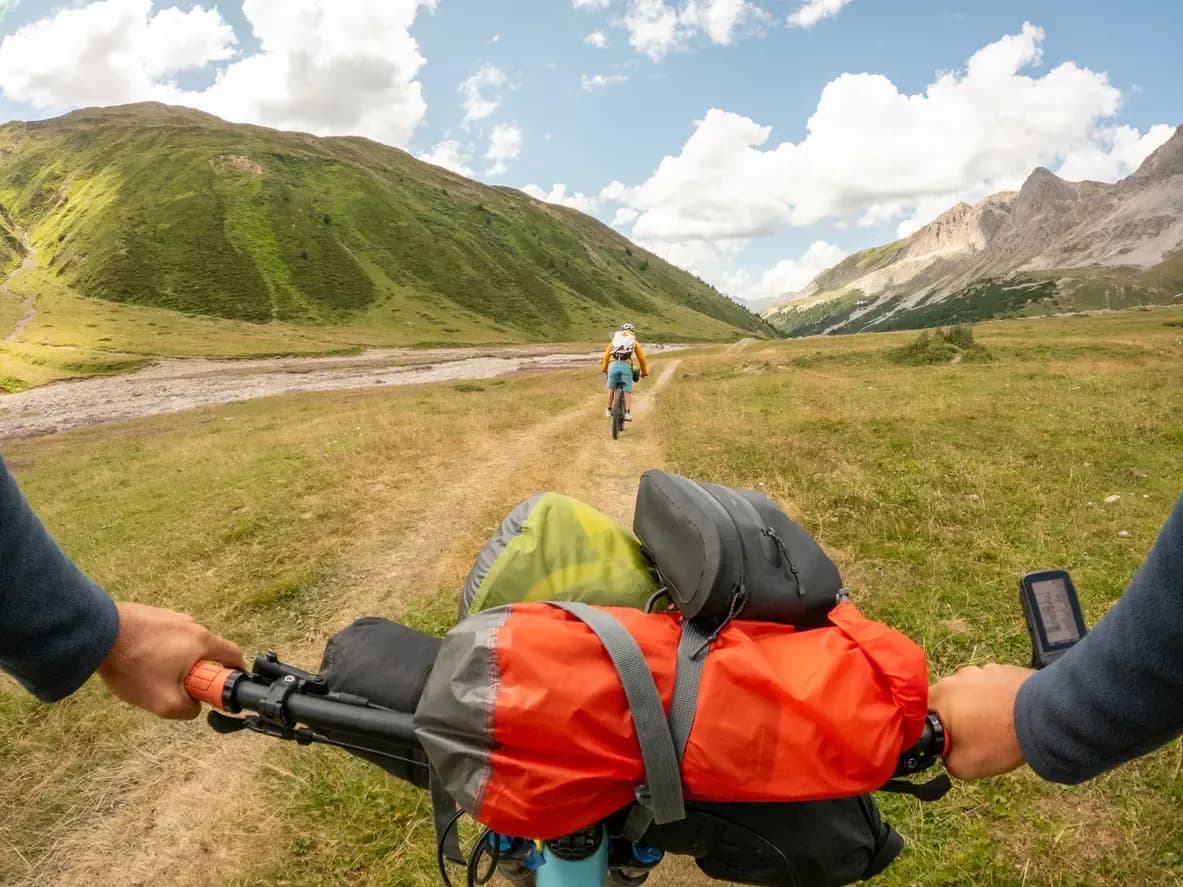
Bikepacking Bivouac Gear: Essentials for a Wilderness Adventure
Bivouacking by bike Discover all the essential gear you need for a self-supported bikepacking trip and make your next cycling adventure truly unforgettable
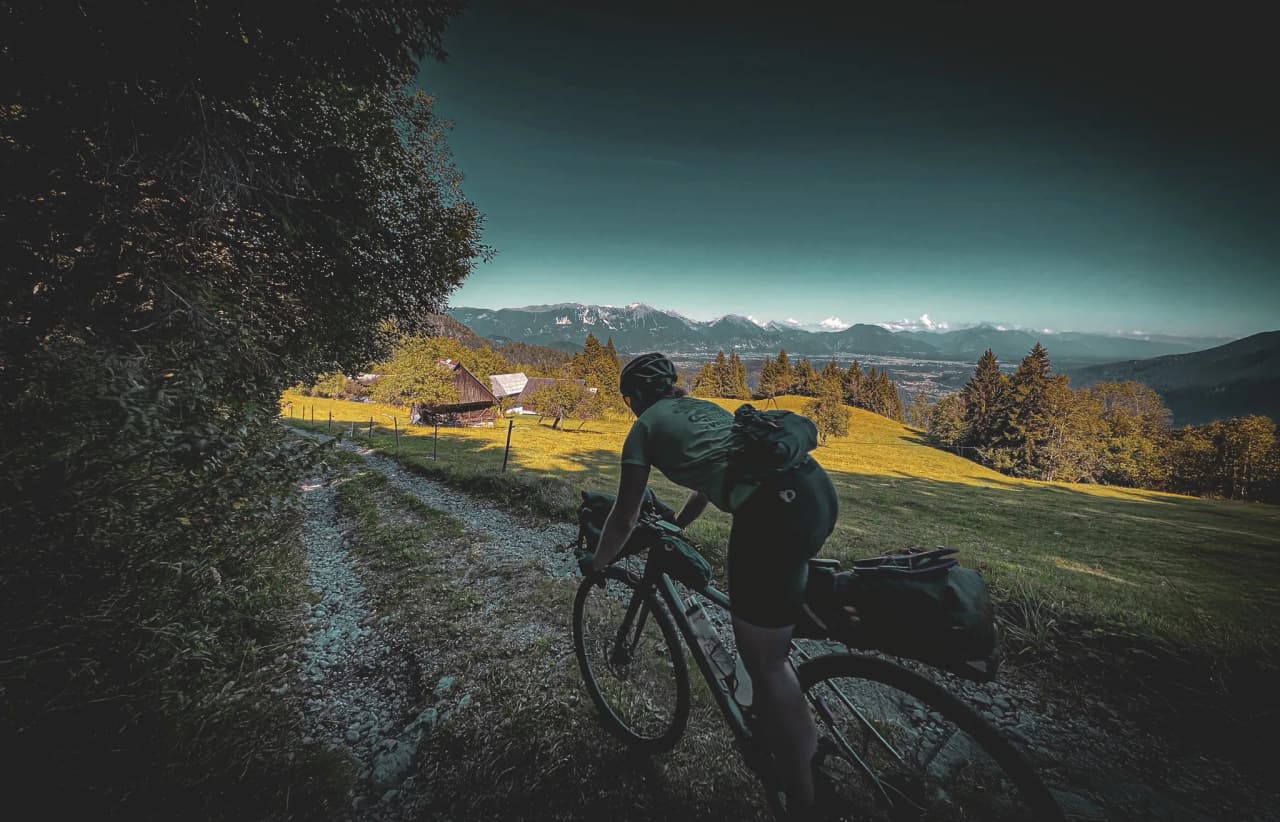
How to Start Packrafting in Europe: Choosing Your Trip
Choose a first packrafting trip in Europe by comparing level, season, effort and the type of experience you want.
Survival Course: How to Choose the Right Format
Forest reset, multi-day trek or high-altitude bivouac: compare real survival course formats, actual guides and honest level requirements to pick yours.
Bikerafting: A Beginner's Guide
Perhaps the idea of combining a bikepacking route with a packraft river has already crossed your mind? Discover bikeraft!
