Bivouac in France: the Law, the Rules and the Gear
 By Maxime
Wild camping or bivouac in France: what the law really allows, where it is legal, and the gear for your first night outdoors, guided or on your own.
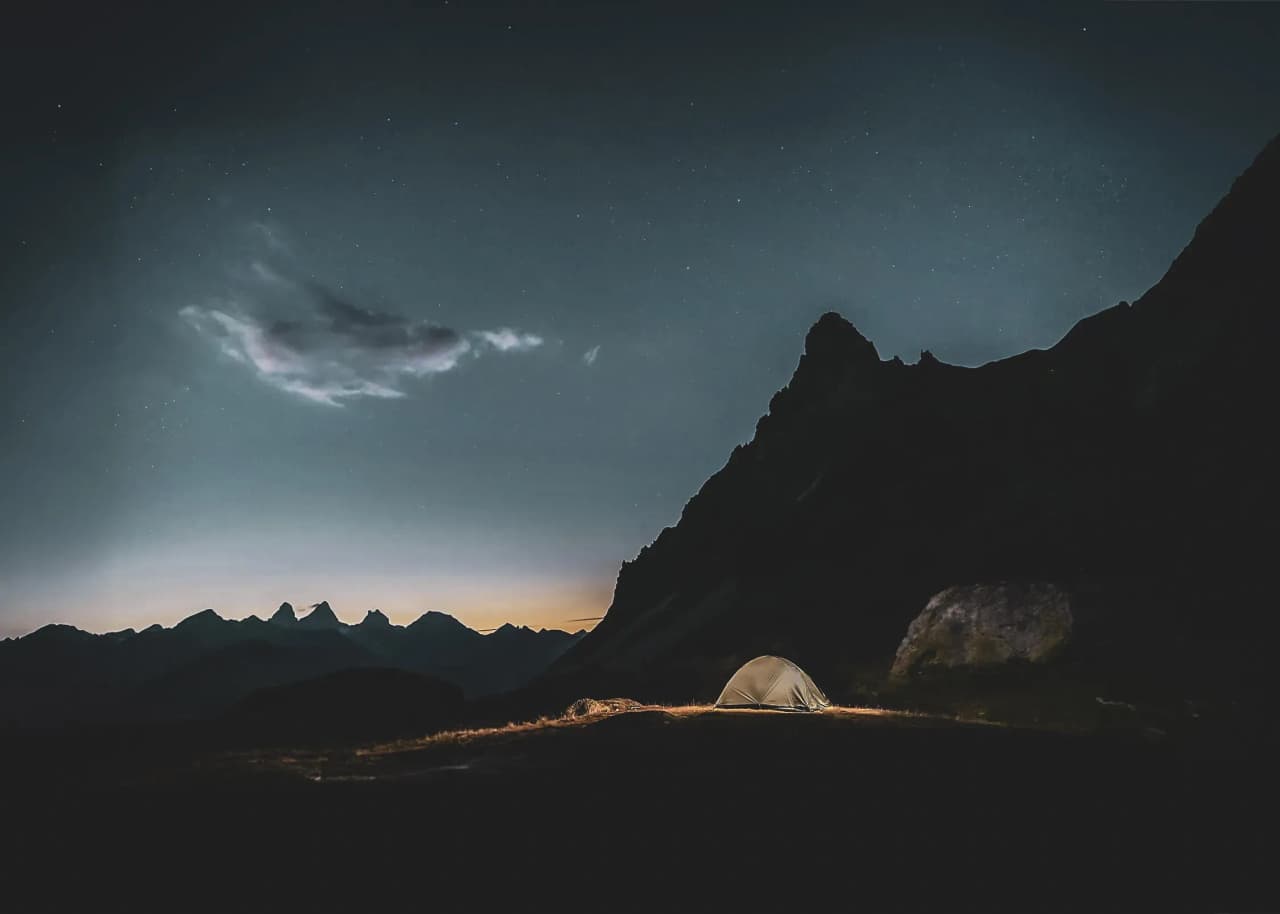
In France, sleeping outdoors for one night in a tent, without a campsite or booking, is generally tolerated between one hour before sunset and one hour after sunrise, but the exact rules change sharply depending on whether you're in a forest, open countryside, or a national park. This guide sorts out bivouac versus wild camping, sums up the real regulations zone by zone, and covers the gear and habits for your first night outdoors.
Contents
- Bivouac or wild camping: the real difference
- What the law actually says
- The specific rules inside national parks
- Where to bivouac without trouble
- Gear for your first night outdoors
- Leaving no trace
- Guided bivouac or fully self-supported
Bivouac or wild camping: the real difference
A bivouac means pitching your tent at sunset and taking it down at dawn, for a single night, usually at the end of a day's hiking, cycling or canoeing. Wild camping, on the other hand, means staying put for several days, often with a vehicle parked on site. This isn't just a vocabulary detail: French regulation treats the two very differently, and a one-night bivouac is tolerated almost everywhere far more readily than extended wild camping.
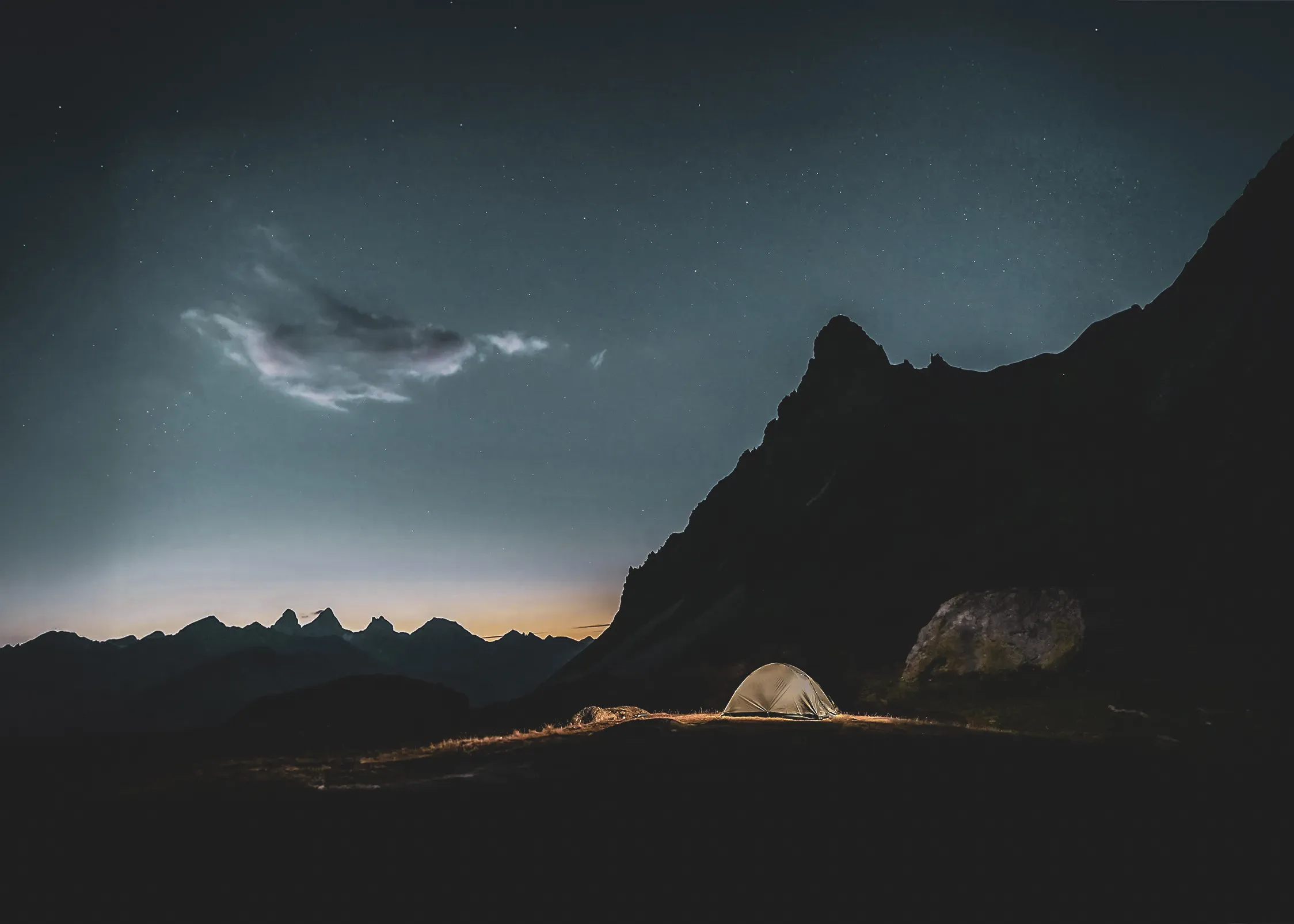
Bivouac in France: what the law actually says
Outside national parks, no national law bans bivouac outright. The most commonly cited rule, including from the French national forestry office (ONF), is simple: a tent can go up one hour before sunset and must come down one hour after sunrise, close to a marked path. In short, a bivouac is meant as a stopover, not a settlement.
Some places stay off-limits regardless of the time: beaches and protected sites, protected state forests, within 500 metres of a listed historic monument, and 200 metres around a drinking-water source. A town council can also ban bivouac locally by decree, for safety or sanitation reasons, usually posted at the village or trailhead entrance. Fines for unauthorised camping can reach 1,500 euros, a figure that often surprises people, but it mostly applies to extended stays or explicitly banned zones, not a discreet one-night bivouac in a tolerated area.
The specific rules inside national parks
Inside the core zones of France's national parks, bivouac is regulated more strictly, and the allowed hours differ from park to park.
| Park | Hours allowed | Distance condition |
|---|---|---|
| Écrins, Mercantour, Pyrénées | 7pm to 9am | More than an hour's walk from the core zone boundary or a road |
| Vanoise | 7pm to 8am, summer season only | Varies by sector, check before you go |
| Cévennes | 7pm to 9am | Only along GR and GRP trails, within 50 metres either side |
| Port-Cros, Porquerolles, Calanques | Bivouac fully banned in the core zone | Not applicable |
Across the board: one night in the same spot, no motorised vehicles, and fires are always banned in the core zone. These rules shift almost every summer, with more temporary restrictions in July and August on the busiest sectors: the official French national parks portal stays the source to check before you go, sector by sector.
Where to bivouac without trouble
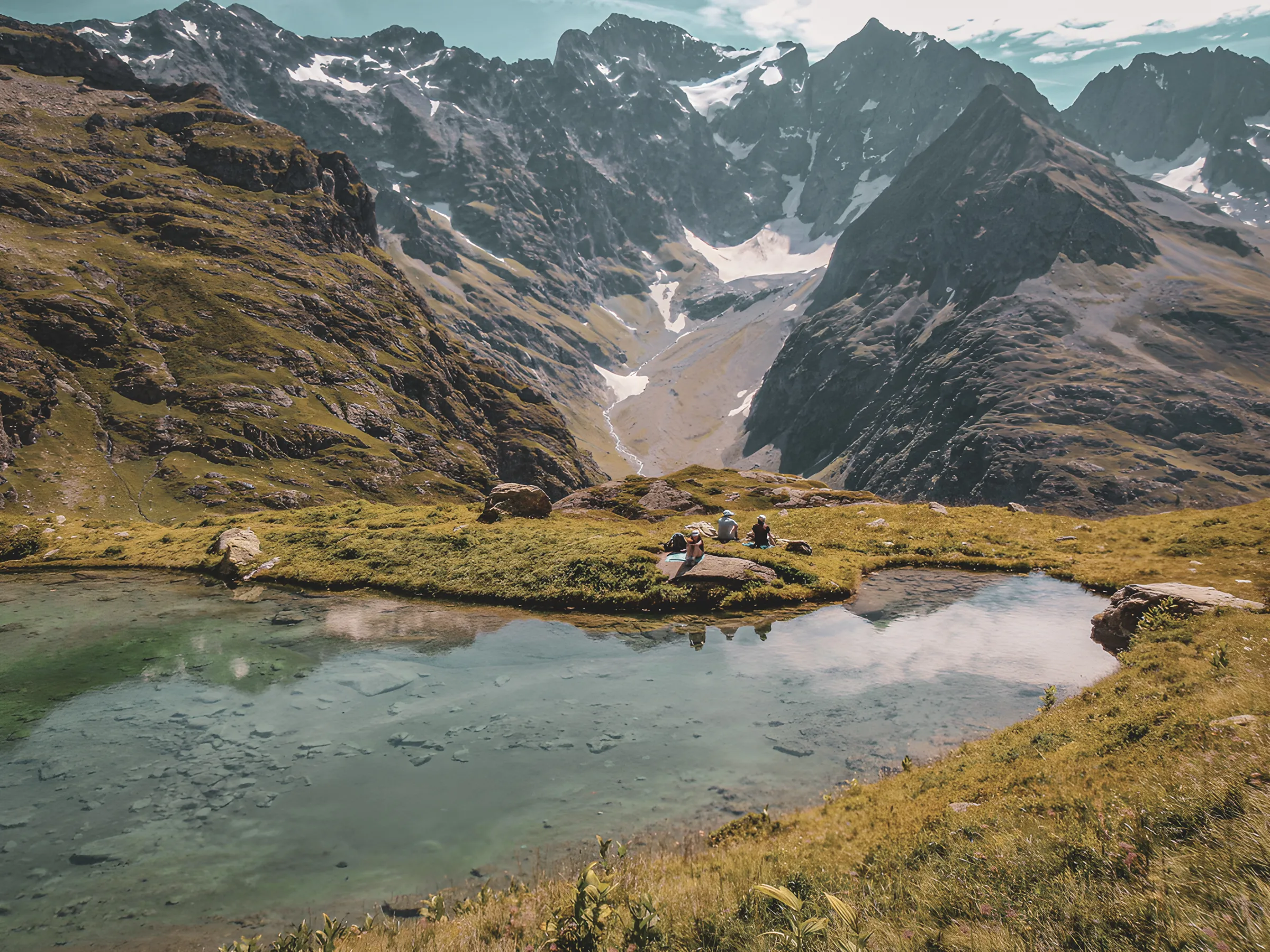
In practice, the safest approach is to pitch late, leave early, and stay close to a marked trail rather than heading into an unserved area. Private land always needs the owner's permission, even for one night. Inside a national park, it's worth checking which sectors explicitly allow bivouac before you go: on our trek and bivouac in the Écrins, the second night is set up in an authorised sector near the Chabournéou mountain hut, above 2,000 metres, information the guide already knows and shares on site rather than leaving each participant to guess.
Gear for your first night outdoors
You don't need to own everything to try a first bivouac. Here's the essentials, in order of priority:
- Essential: a light tent or tarp, a season-appropriate sleeping bag, an insulated sleeping mat, a charged headlamp.
- Recommended: a light stove and cookset, a 2-litre water bottle or bladder, a personal first-aid kit, biodegradable toilet paper.
- Nice to have: a sleeping bag liner to keep your bag clean, earplugs, a light down jacket for the evening.
For a first trip, the tent and sleeping bag are the two priciest items if you're starting from zero. Many guided trips provide them, an easy way to try bivouac before you invest.
Leaving no trace
A good bivouac spot shouldn't be visible the next morning. A few habits do the job: carry out all your rubbish, including cigarette butts and used toilet paper, never wash dishes directly in a stream, and avoid digging or moving stones to level your spot. If several tents are camping together, keep a reasonable distance between groups and keep noise down after dark, an obvious point that's easy to forget once several people are sharing the same patch of nature.
Guided bivouac or fully self-supported: what actually changes
Going solo, you pick the spot, carry your own gear, and are solely responsible for checking local rules before pitching your tent. With a guide, those questions are already handled: the guide knows which sectors are authorised, carries or provides part of the shared gear, and often turns the evening into a real moment of connection rather than pure logistics.
That holds true across very different terrain. On foot, on our trek and bivouac in the Valgaudemar valley, with Thomas as guide, Marie put it this way: "Absolutely delighted to have gone with Wildhartt for my first trek and bivouac experience! Our guide Thomas was great, the organisation was perfect (gear, meals, logistics)." Emilie, on the same route, summed it up: "A fantastic adventure to discover bivouac camping in stunning spots!"
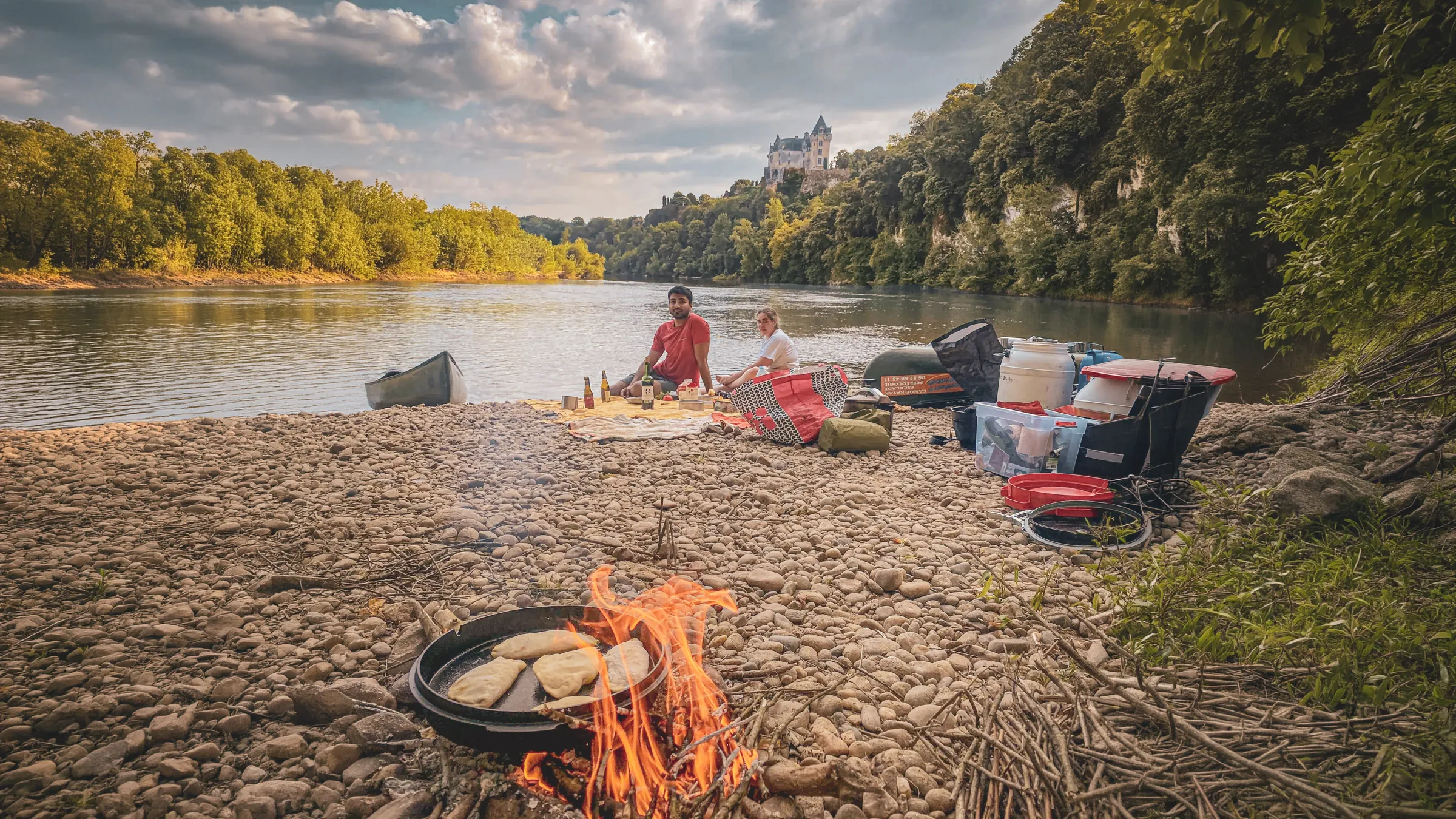
On water, the experience changes shape without losing its spirit: on our canoe and bivouac trip on the Dordogne, with Hugo as guide, the bivouac gear travels straight in the canoe, no carrying involved, and camp is pitched on natural beaches chosen for their quiet. And if it's cycling rather than walking or paddling that appeals to you, our first bikepacking guide covers exactly the same logic for a first night outdoors, on two wheels.
If the idea of a first night outdoors appeals but sleeping in a mountain hut dormitory sounds just as tempting, our article on a first night in a mountain refuge covers the other option, with its own price and comfort benchmarks.
To see all our guided hiking trips with bivouac nights, our sleep under the stars across Europe page groups the options by region and level.
Find your next adventure
Browse curated expeditions matching the categories of this article and start planning your next trip.
Find your dream adventure
 Find your dream adventure
You might also like these adventures …
Hand-picked to echo the spirit of this article.
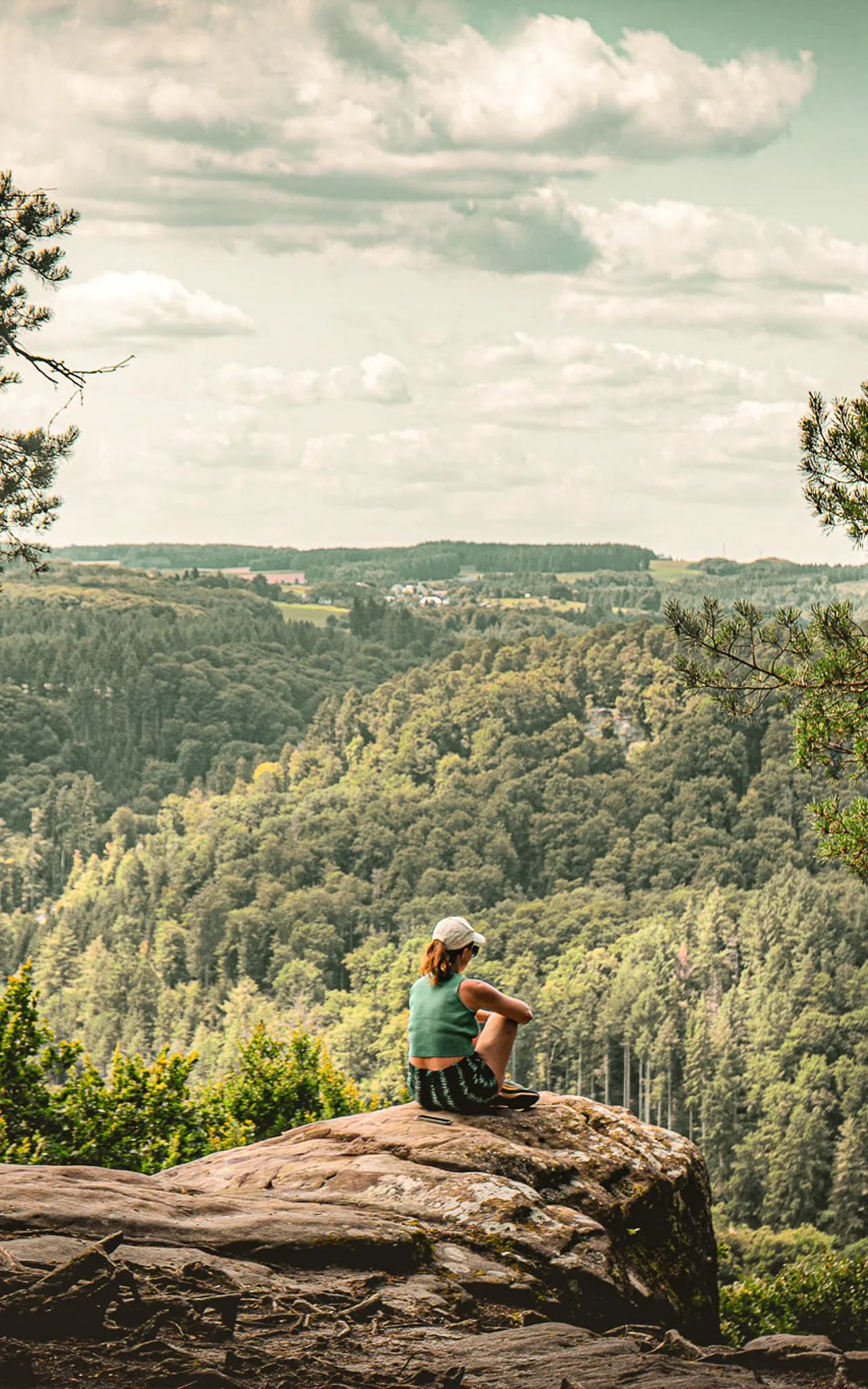
Hiking in Mullerthal: Luxembourg's little Switzerland

A weekend of hiking and stargazing in the Vosges

Trek & wild camp in the remote Valgaudemar valley
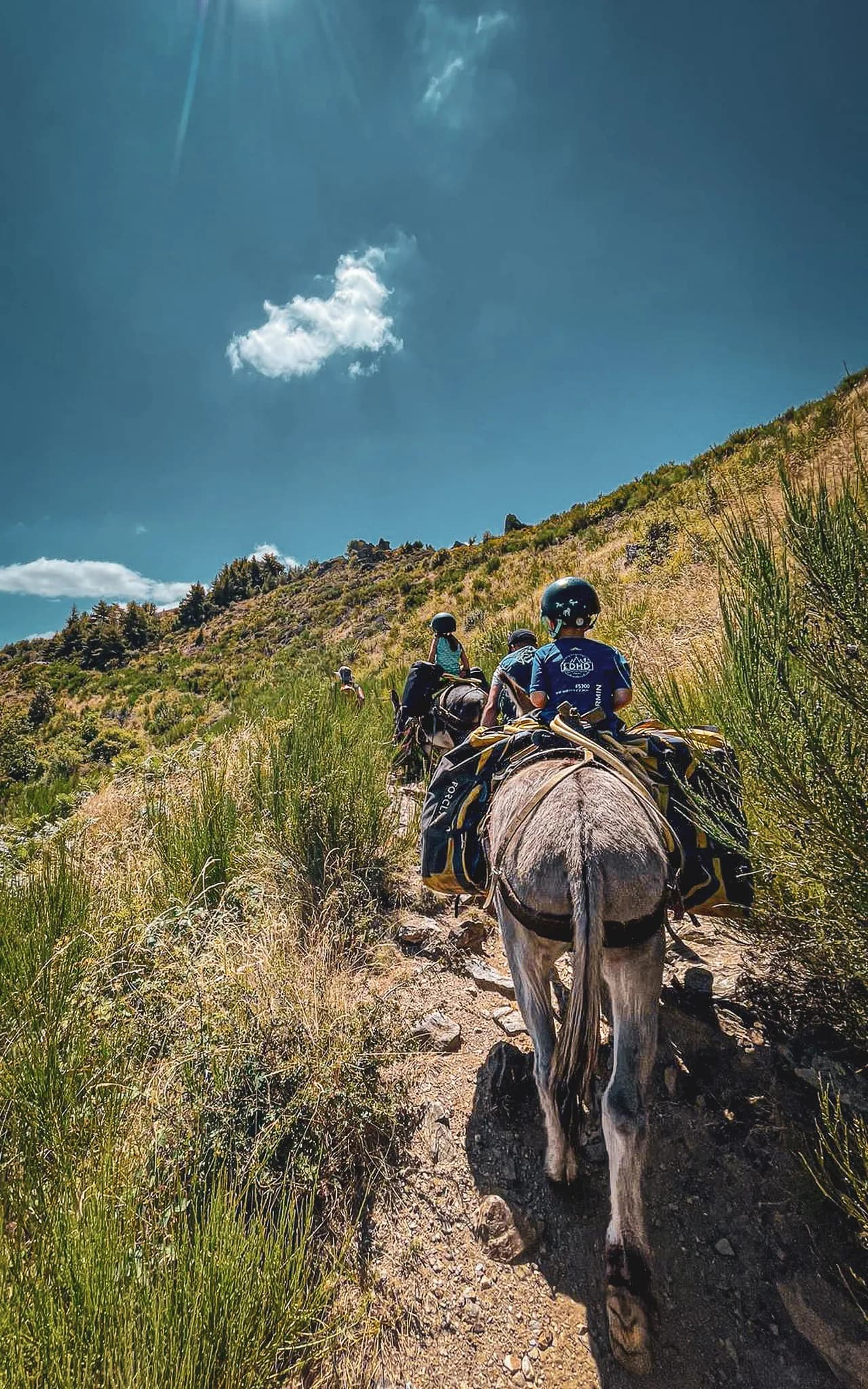
Stevenson’s trail: hike with a Donkey through the Cévennes
More to discover
Keep exploring with these pages and stories picked for you.
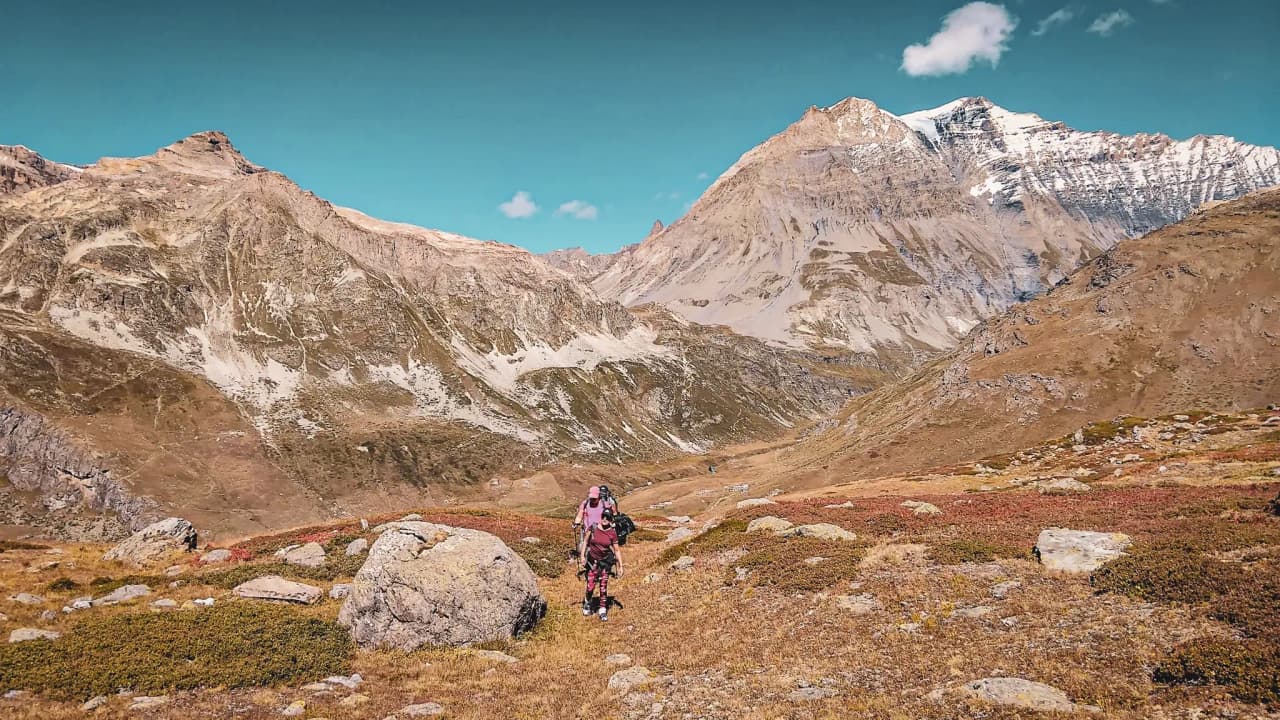
Mountain Refuges: What a First Night Is Really Like
Booking, sleeping in a dorm, meals, what to pack: the practical guide to your first night in a mountain refuge, with two real trips to try it.
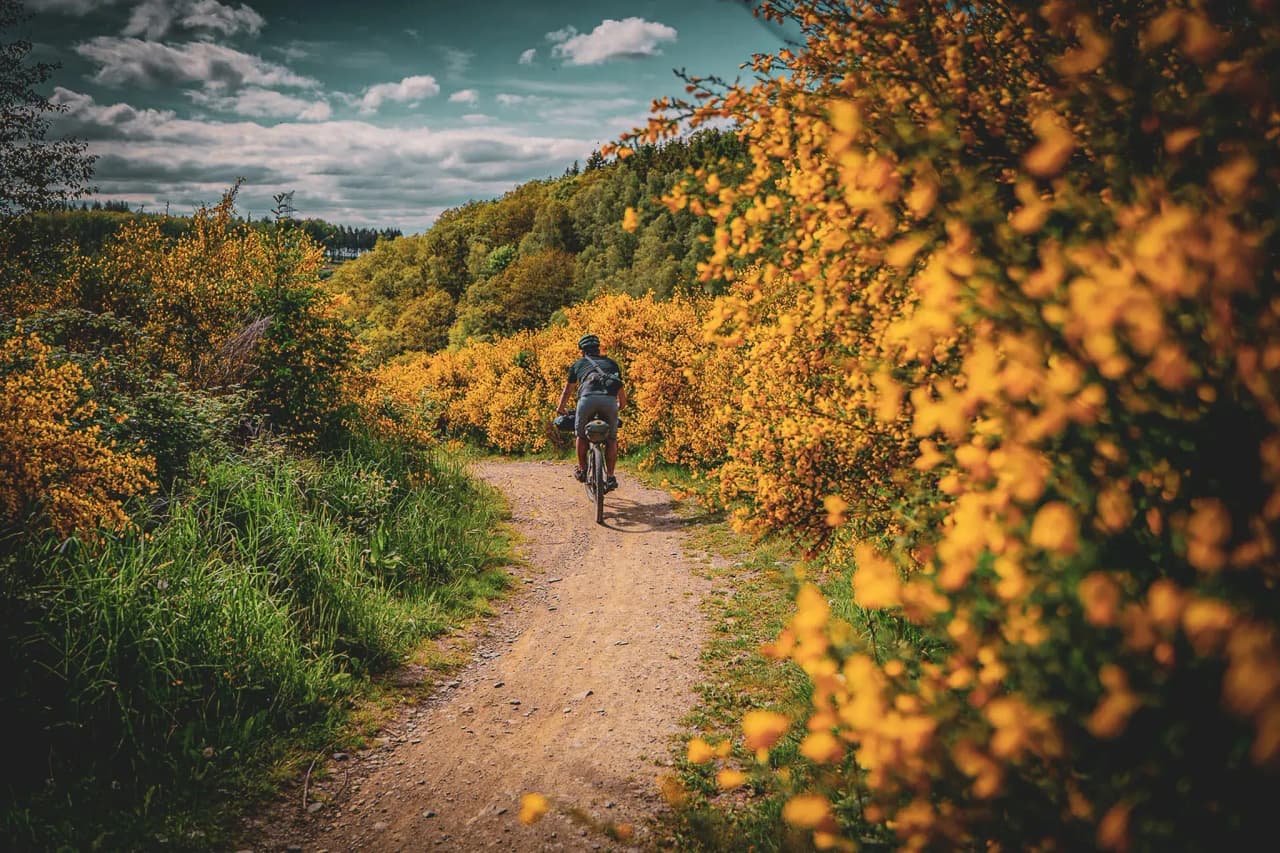
Your first bikepacking trip: gear, route and budget
Ready to try bikepacking without buying everything first? Essential gear, how to pick your route, and a realistic budget for your first weekend by bike.
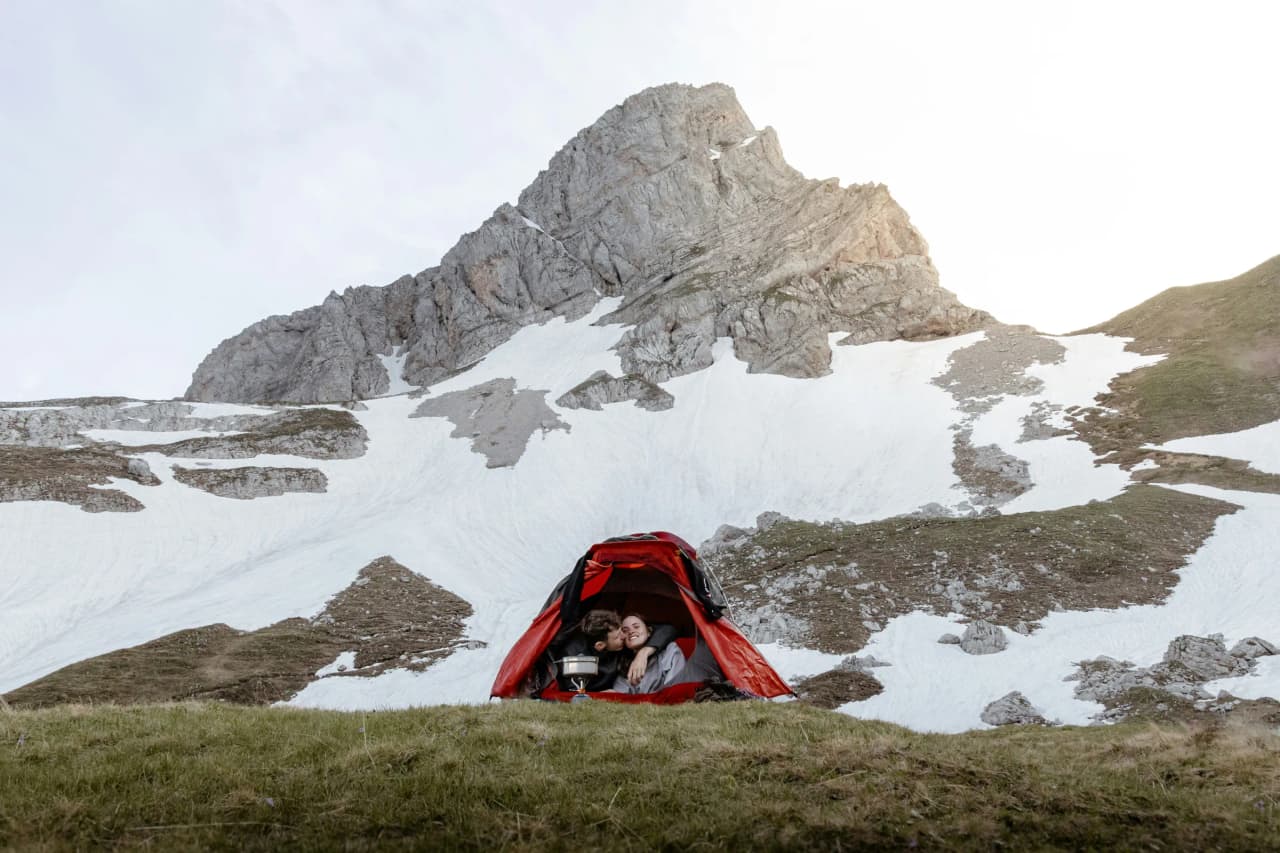
5 Benefits of Bivouacking While Hiking
What could be the reasons for bivouacking? Here we explain the many advantages of bivouacking on the move.
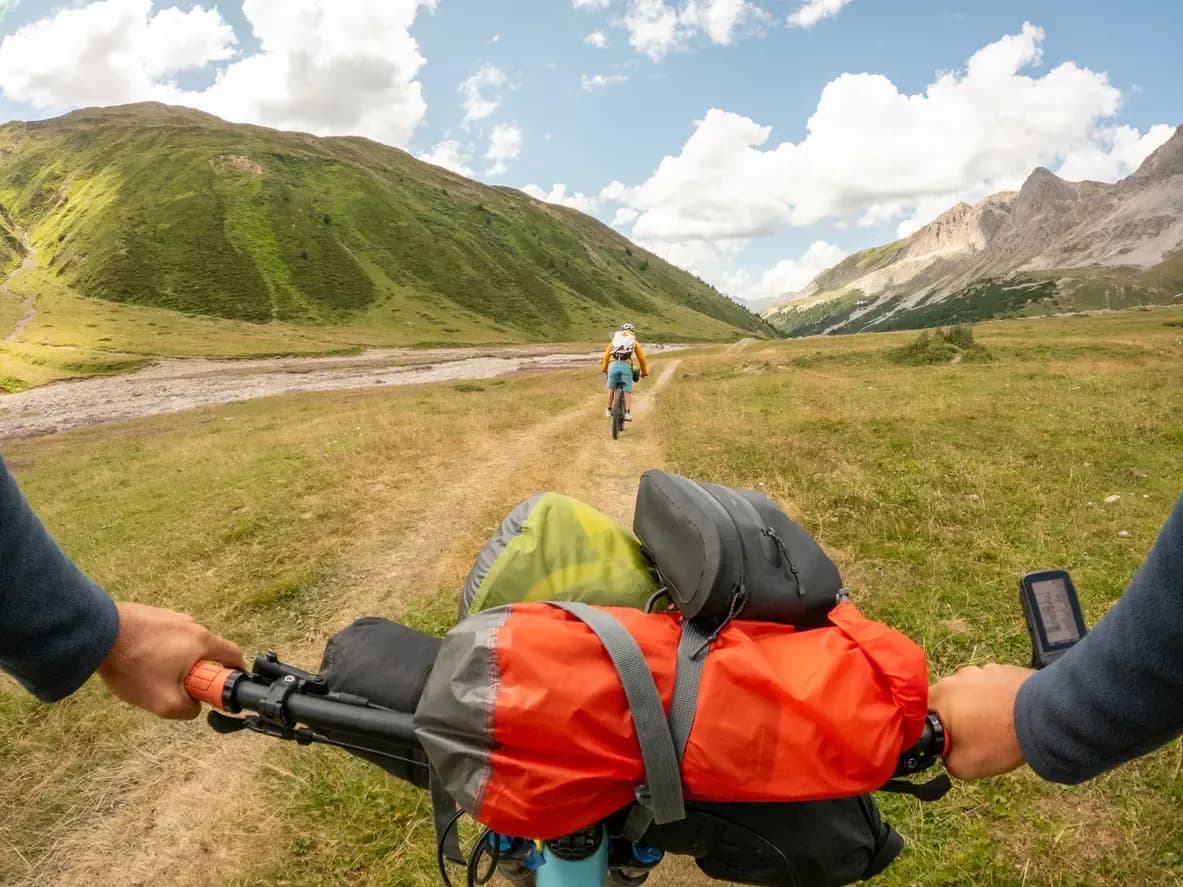
Bikepacking Bivouac Gear: Essentials for a Wilderness Adventure
Bivouacking by bike Discover all the essential gear you need for a self-supported bikepacking trip and make your next cycling adventure truly unforgettable
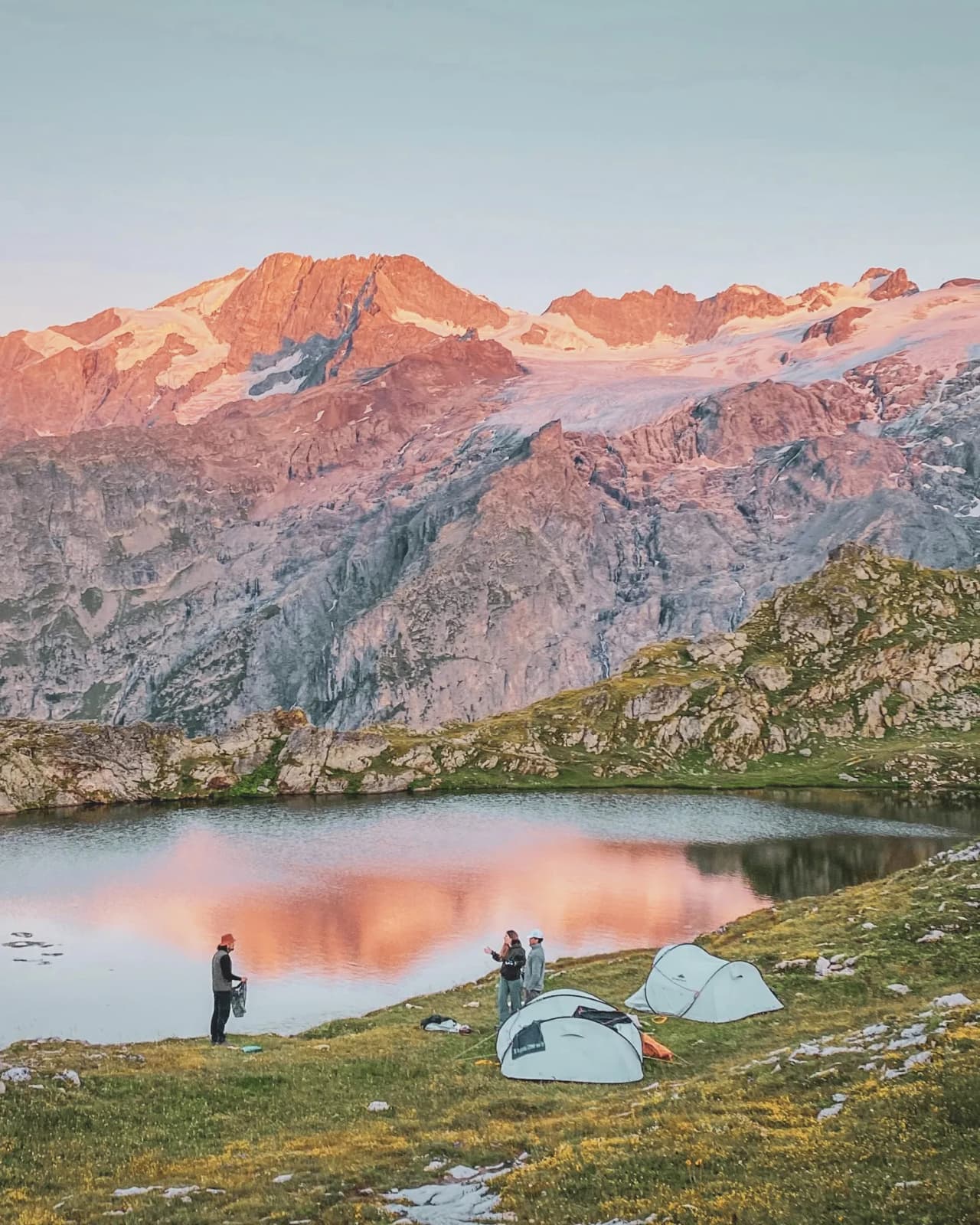
Guided wild camping hikes Europe, sleep under the stars
Guided wild camping hikes Europe, from 3 to 8 days. Écrins, Cévennes with a donkey and the Lofoten Islands, sleep out safely with expert local guides.
Weekend bikepacking in Belgium: Ardennes or High Fens?
Two Belgian weekend bikepacking options, Saint-Hubert’s forests and the Hautes Fagnes plateaus. Choose by trail tech, effort, season and bivouac comfort.
