Weekend bikepacking in Belgium: Ardennes or High Fens?
 By Marie
Two Belgian weekend bikepacking options, Saint-Hubert’s forests and the Hautes Fagnes plateaus. Choose by trail tech, effort, season and bivouac comfort.
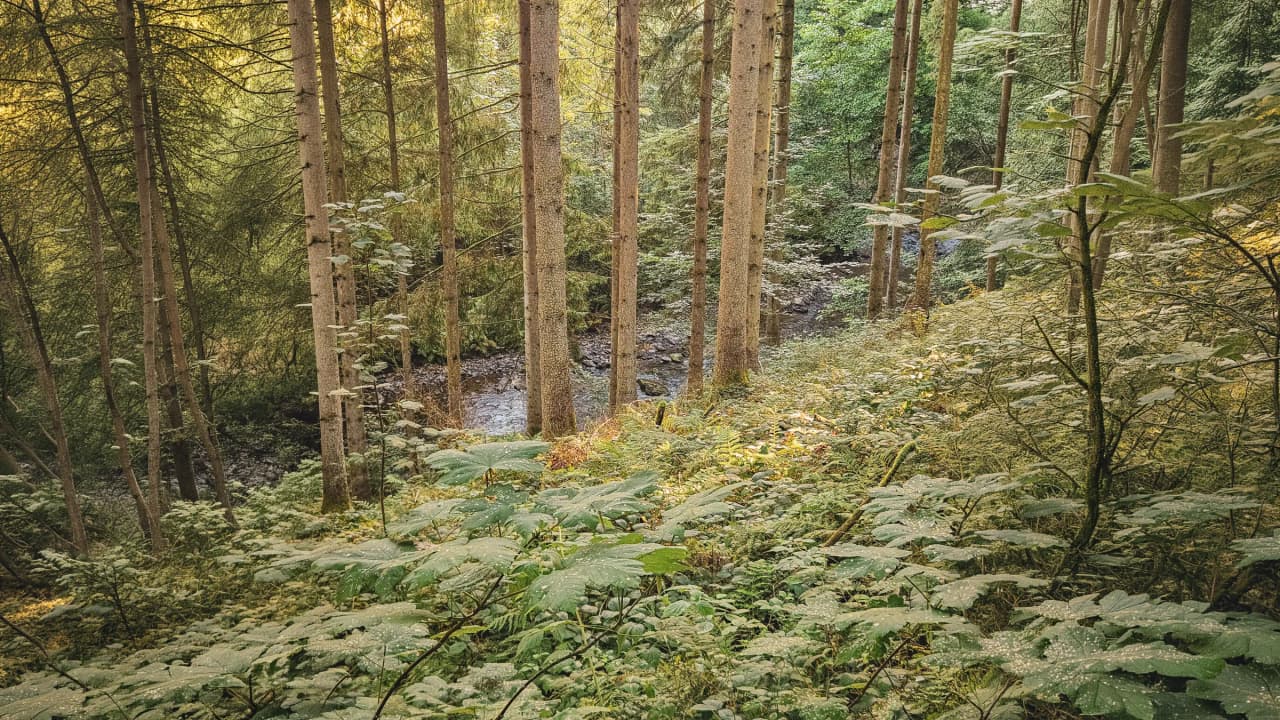
Two weekend itineraries in Belgium make a first wild bivouac by bike feel manageable: the deep forests of Saint-Hubert starting from Libramont, and the wide plateaus of the Hautes Fagnes setting off from Eupen. If you already ride regularly and want a two days microadventure, your decision hinges on trail technique, the shape of the effort, the season window and how the bivouac feels once night falls. Here is how to choose without second guessing.
Two microadventures, two moods
Start with the rhythm on the ground. Bikepacking weekend in Belgium’s wild wood of Saint-Hubert targets intermediate riders from March to June. Day 1 begins at 12:00 in Libramont with a group briefing, checks on bikes and bags, then a gentle roll on small lanes and forest edges skirting the Troufferies nature reserve. By the afternoon you are drawn into the Saint-Hubert forest on a mix of flowing tracks and short technical wiggles, pausing near Ochamps before reaching the Biolin clearing to pitch the tents and share a hot dinner. Day 2 is deliberately more athletic, threading wooded ups and downs, detouring to the basilica of Saint-Hubert for a cultural breather, then returning to Libramont in the late afternoon. One rider who made the trip summed it up afterwards: “A beautiful route, Kenneth shares his enthusiasm all the way.”
By contrast, Two days of wild cycling through Belgium’s last wilderness also spans two days at an intermediate level, but runs from March through October, led by Kenneth, the same guide as the Saint-Hubert route. Day 1 meets at 10:30 at Eupen station, climbs gradually to the open moorland on quiet roads and cycle touring tracks, and ends at a designated bivouac area in the heart of the natural park. Day 2 quickly joins the Vennbahn, the converted railway now a steady bike path, drops by the Eupen arboretum, and wraps up at the station around 17:00.
If you want a middle ground between Ardennes hills and very rollable sections, Cycling in the Ourthe Valley in the Ardennes, guided by Pauline, strings together small roads, riverside paths along the Ourthe and all-road gravel, with an organised camp on the Comblain heights that includes wooden shelters. It is a useful hybrid if the weather turns or if you prefer a more structured night at camp.
Trail difficulty and surfaces
The Saint-Hubert forest gets you into real terrain quickly. The approach from Libramont on Day 1 is forgiving enough to dial in your position and cadence. After Ochamps, the route tightens into forest tracks that can be rooty and damp after rain, with short ramps that reward traction and a clean line choice. Day 2 builds that profile with repeat climbs and descents beneath the canopy, engaging enough to keep you alert but not so technical that you stop moving. Expect a majority of woodland tracks punctuated by brief country road links to spin the legs out.
On the Hautes Fagnes, the technical bar sits a notch lower, while exposure to wind and wet is higher. Day 1 uses quiet roads and well graded paths to reach heathland and peat bog scenery. Surfaces are regular, sometimes slow if saturated. Day 2 favours the consistency of the Vennbahn, whose smooth surface lets you hold a steady pace and focus on energy management. Attention shifts from obstacles to weather, especially if a crosswind sweeps the plateau.
Both routes suit a touring or all-road bike with moderately treaded tyres around the width you like for mixed surfaces. In the Saint-Hubert woods, slightly lower pressure helps grip across roots and leaf litter. On the Fagnes, firmer pressure rolls faster on the Vennbahn and the road connectors. Easier gearing pays off on the punchy Ardennes ramps, while the long, regular stretches of the Fagnes reward a calm, economical cadence.
Two days of effort and how to pace them
Look at how the days are structured. In the forests of Saint-Hubert you start at midday on Day 1 and reach camp in the evening. That half day is a progressive warm up, ideal for bedding in loaded bags and getting your routine sorted before your first night out. Day 2 runs from morning to late afternoon, with a more energetic first half in the woods, a pause by the basilica of Saint-Hubert, then a rolling return to Libramont. The effort comes in waves with frequent accelerations, which can sap the legs if you surge early. Ride climbs at a conversational effort and keep breathing smooth on the trails.
In the Hautes Fagnes, Day 1 begins earlier at 10:30 and leads to the designated bivouac without major technical hurdles, aside from wind-exposed false flats. Day 2 finishes around 17:00 in Eupen after an extended stretch on the Vennbahn. The load is more linear, with fewer lactate spikes but a continuous draw on your reserves, which rewards patience and regularity. If you tend to tighten up on short climbs, the Fagnes are a good place to practice steadiness and conserve energy. One recent participant, Angel, put it plainly: “Quite athletic given the elevation changes, so it’s not really suited to young children.”
Across both, think in small blocks of fuelling. A bite every forty to sixty minutes and regular sips keep the engine even. Use the built-in pauses in each program, near Ochamps or the basilica on one, in a typical village or at the Eupen arboretum on the other, to stretch, add or remove a layer and tweak tyre pressure to suit the surface that is coming.
Season, bivouac feel and who each trip suits
Season window and weather
The Ardennes forest option is designed for March through June, when soils usually dry week by week and night temperatures become kinder. Still, expect muddy spots in the trees after wet spells, which is a strong argument for a later spring slot if this is your very first night under canvas by bike.
The Hautes Fagnes open a broader window, March to October. The plateau stays cooler and windier, with more persistent moisture around the peatlands. Summer brings long, stable days that make the most of the Vennbahn and clear views. In spring and autumn, build in a weather margin and bring a layering system ready for showers and gusts.
Bivouac quality and comfort
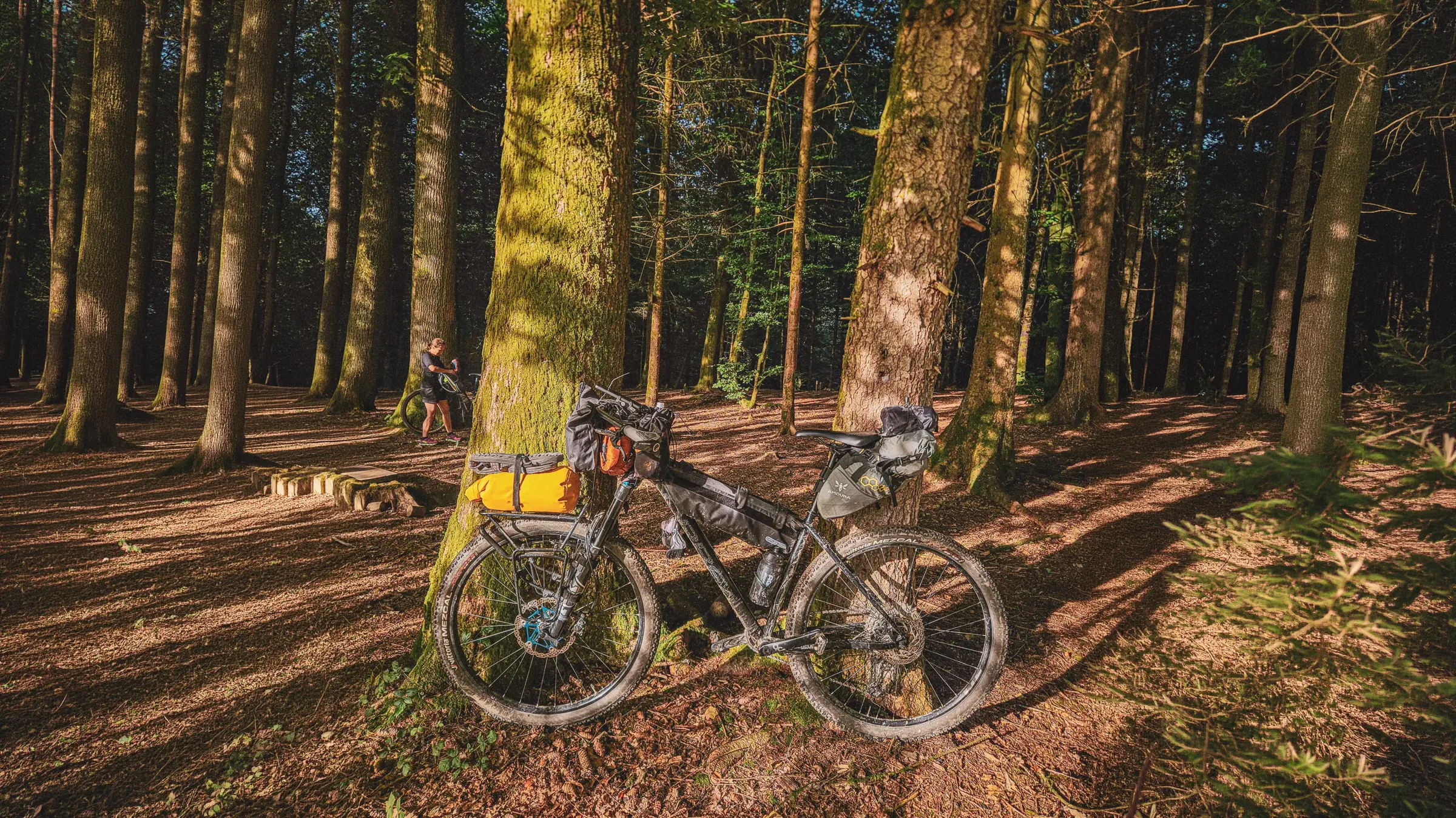
The Biolin clearing in the Saint-Hubert forest is tucked among trees, naturally sheltered. A soft, draining forest floor makes staking easier and buffers ground chill. You gain wind protection at the cost of possible evening mosquitoes, controlled with covered clothing.
In the Hautes Fagnes, the bivouac area is an established spot within the park. The ground is more open and sometimes firmer, and wind can cool the evening quickly, but setup and circulation are straightforward. Both expeditions can provide lightweight tents, seasonal sleeping bags and insulating mats, simplifying logistics if you are building a kit for the first time. Keep to Leave No Trace: pack out every scrap, cook simply and respect quiet hours.
- Insulated sleeping mat
- Seasonal sleeping bag
- Warm puffy jacket for camp
- Light beanie
- Dry socks reserved for night
- Charged headlamp
- Compact stove if planned
- Water bottles filled before dark
If you want a particularly comfortable camp, Cycling in the Ourthe Valley in the Ardennes uses a serviced bivouac with wooden shelters on the Comblain heights, a reassuring setup when weather is unstable or if you want to ease into nights outdoors.
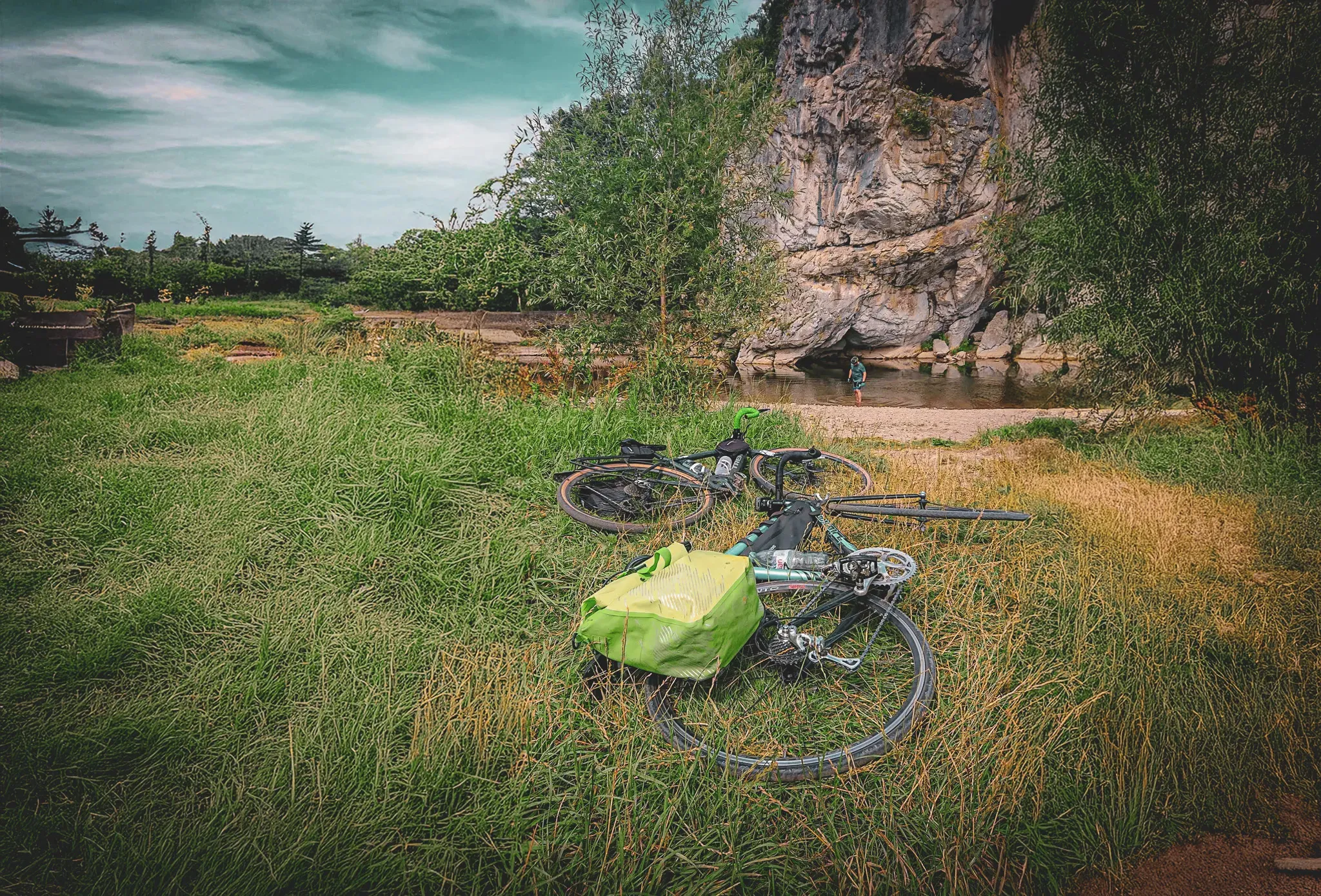
Here is a quick way to match trip to rider. If you want a touch of bike handling practice, lively forest tracks and deep woodland immersion with a half day to ease in before a fuller second day, choose Bikepacking weekend in Belgium’s wild wood of Saint-Hubert. If you prefer open scenery, regular surfaces and a designated bivouac, with a more linear intensity and very clear navigation on Day 2, go for Two days of wild cycling through Belgium’s last wilderness. If you are undecided or prioritise camp comfort while keeping fine rolling hills, Cycling in the Ourthe Valley in the Ardennes is an excellent first step.
The Ardennes lean playful and wooded, the Fagnes favour steady rolling and consistency, and the Ourthe valley offers a very welcoming camp. Match the option to your current technique and the season you are targeting, secure a date, then focus on the essentials of a weekend bikepacking goal: smooth miles by day and a dry, quiet night.

Find your next adventure
Browse curated expeditions matching the categories of this article and start planning your next trip.
Find your dream adventure
 Find your dream adventure
You might also like these adventures …
Hand-picked to echo the spirit of this article.
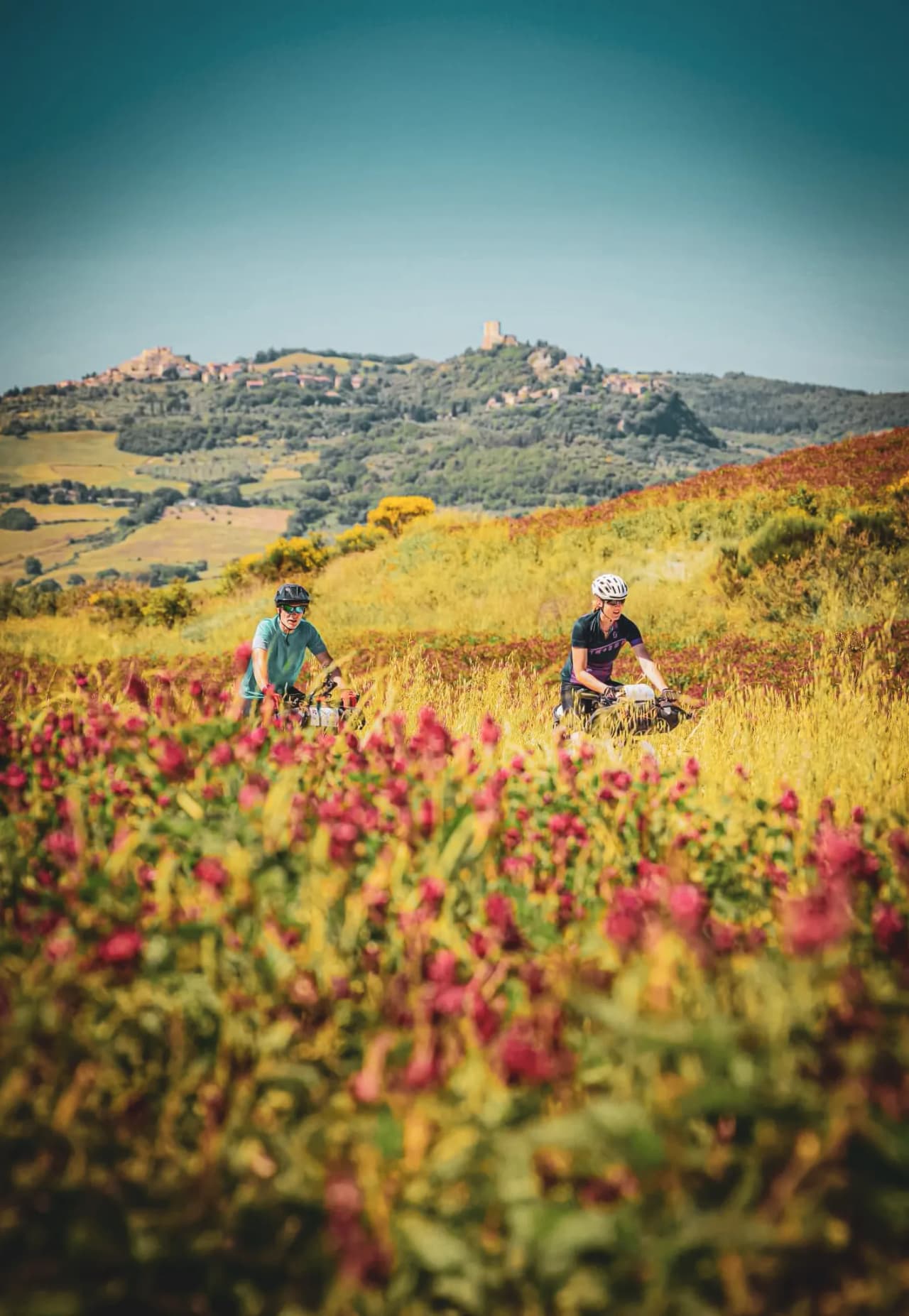

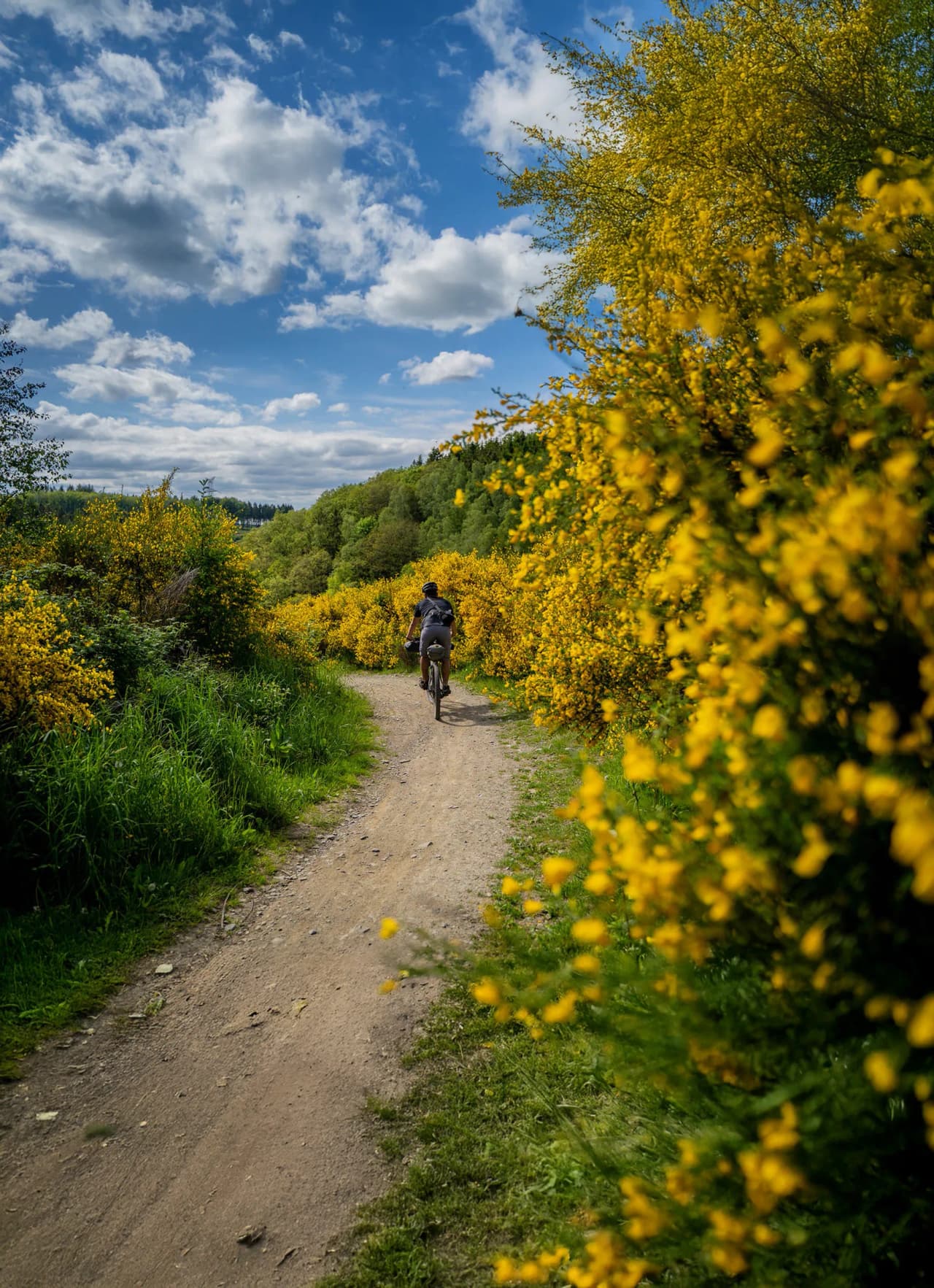

More to discover
Keep exploring with these pages and stories picked for you.
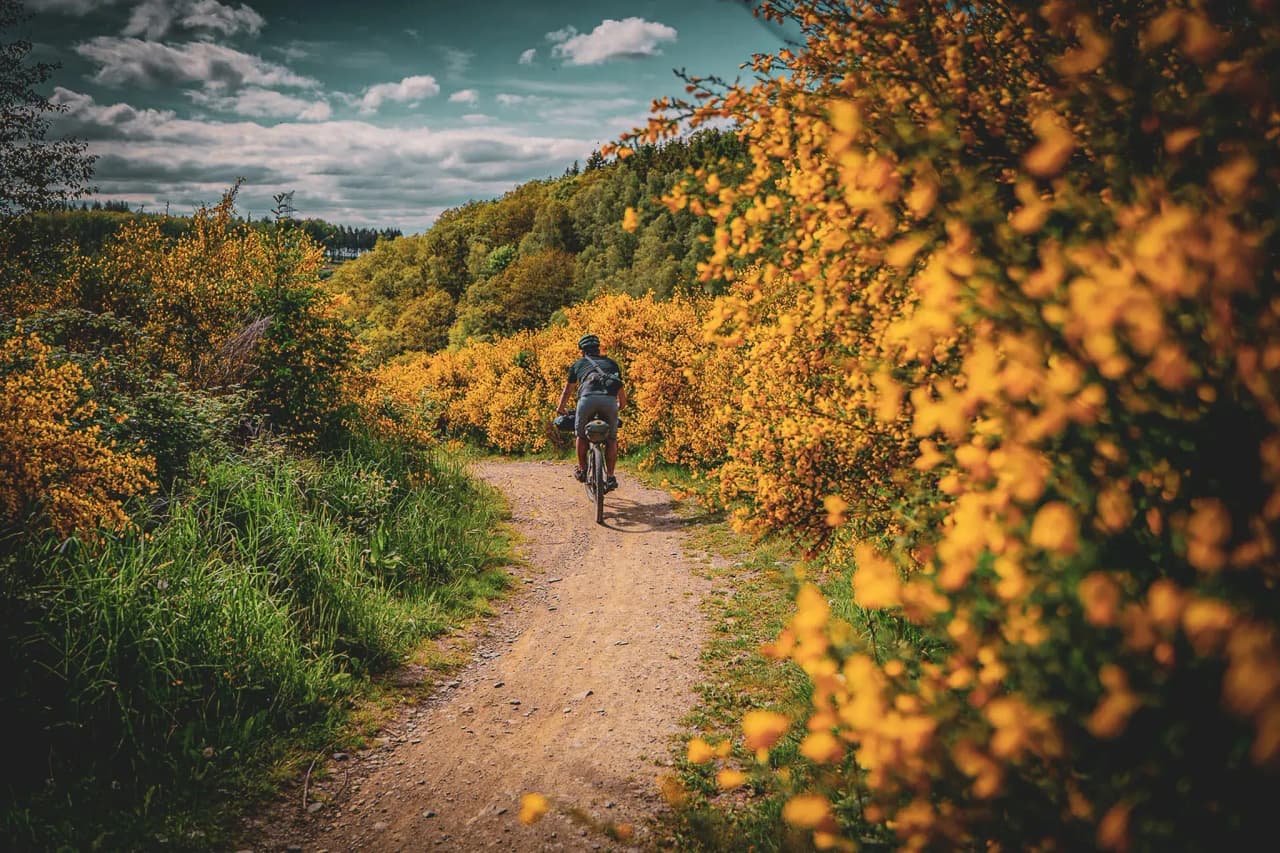
Your first bikepacking trip: gear, route and budget
Ready to try bikepacking without buying everything first? Essential gear, how to pick your route, and a realistic budget for your first weekend by bike.
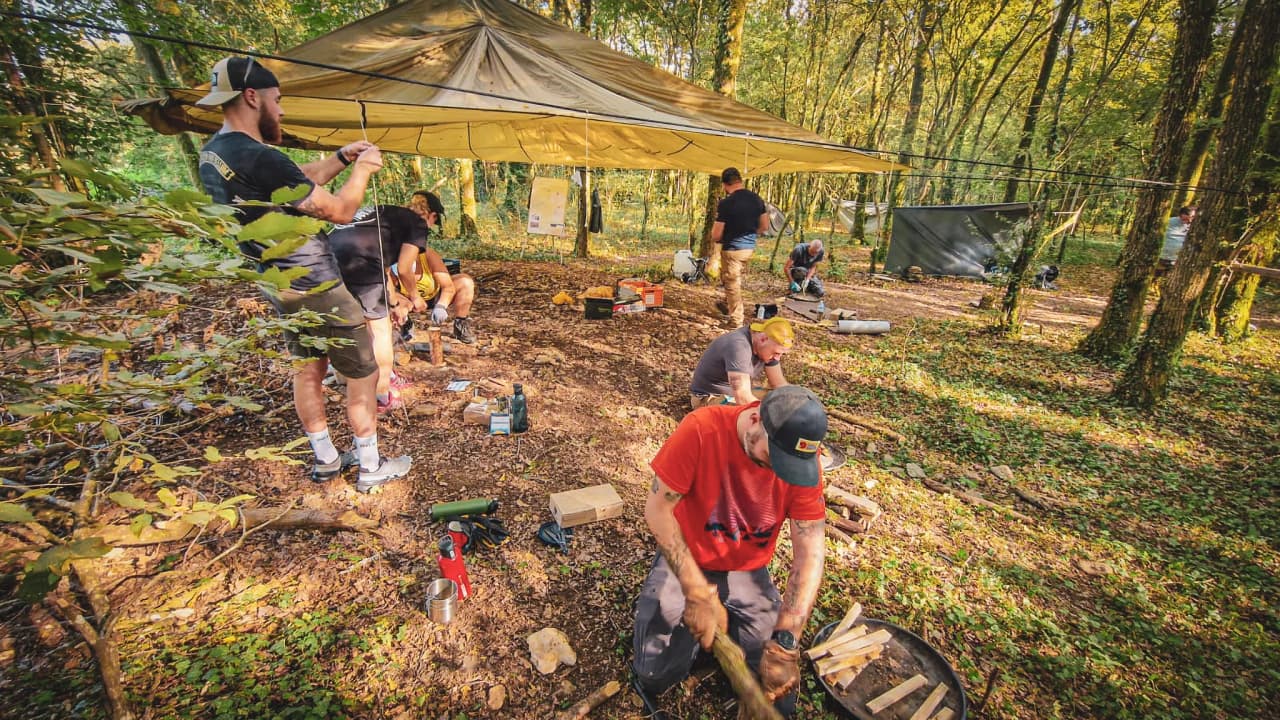
Survival Course: How to Choose the Right Format
Forest reset, multi-day trek or high-altitude bivouac: compare real survival course formats, actual guides and honest level requirements to pick yours.
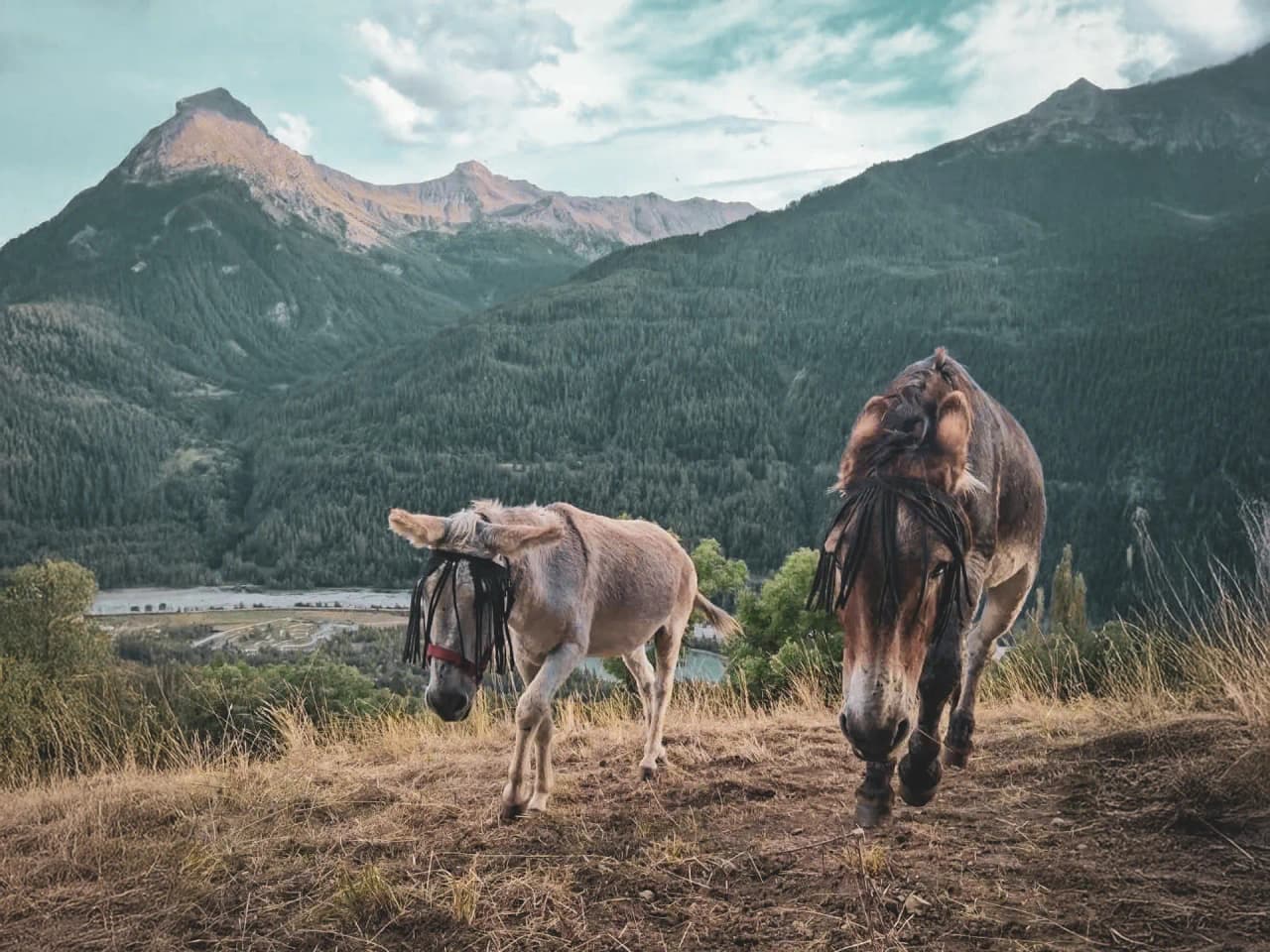
Hiking with donkeys in the Ecrins or an alpine trek
Hiking with donkeys in the Ecrins or an alpine trek? Compare pace, effort, pack weight, nights and season to pick a trip that fits your level.
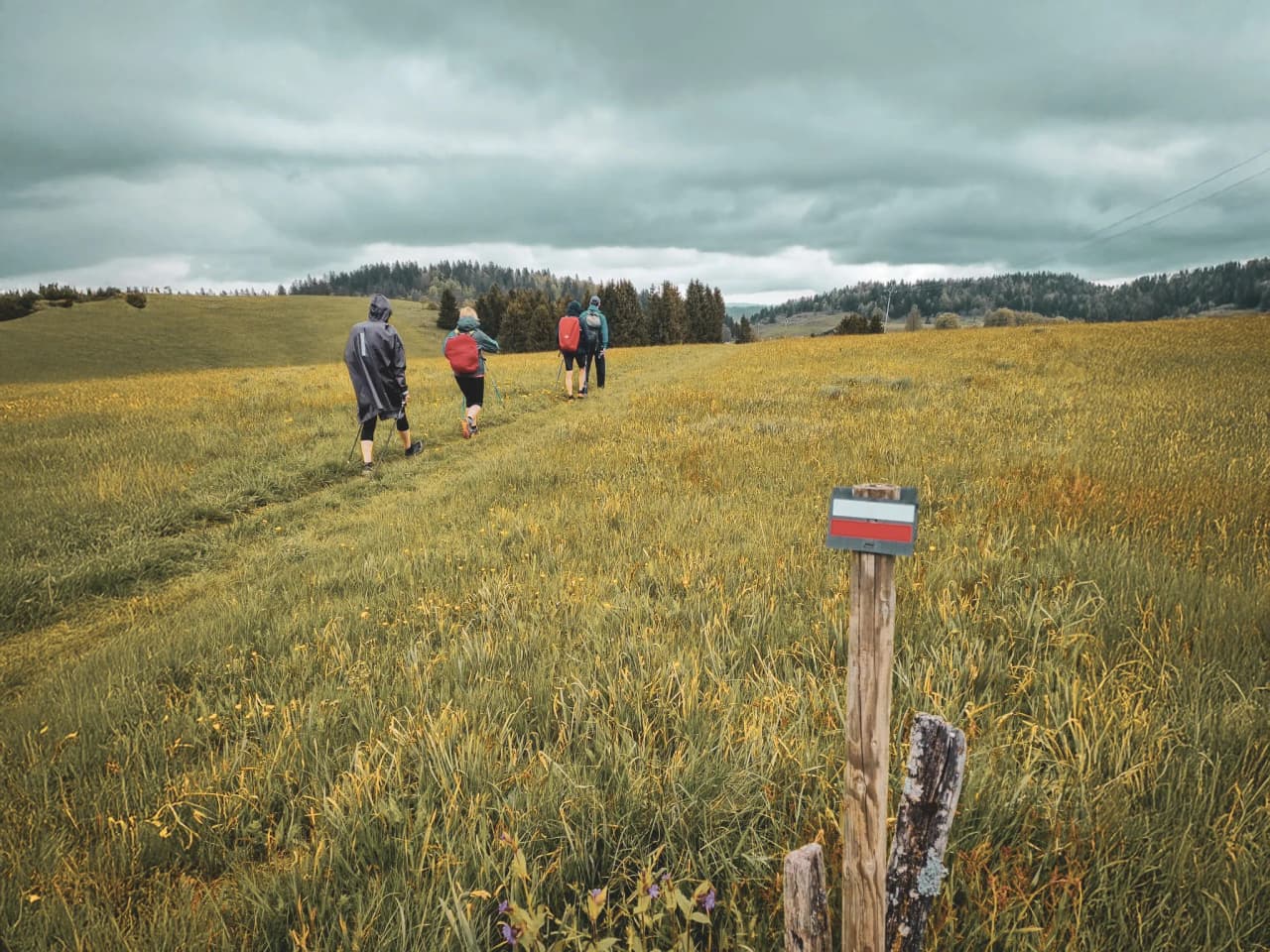
Jura cani-hike or ridge views in the Vosges and Ecrins?
A short 2-4 day nature break: compare a dog-assisted hike in the Jura, ridge panoramas in the Vosges, or a wild-camp trek in the Ecrins, and choose fast.
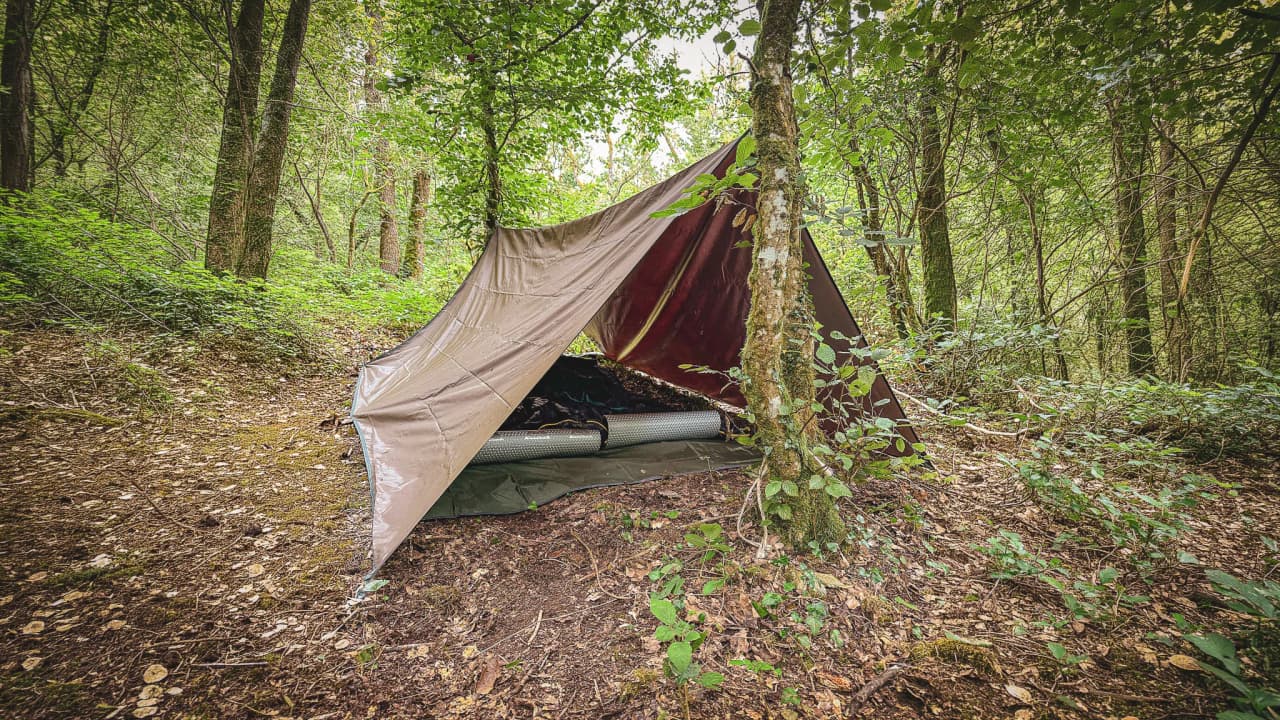
Which survival course to choose for your goal
Unsure which survival course to choose? Compare Ardennes 2 days, Vercors 3 days and Alps 3 days by level, season, effort and the skills you’ll gain.
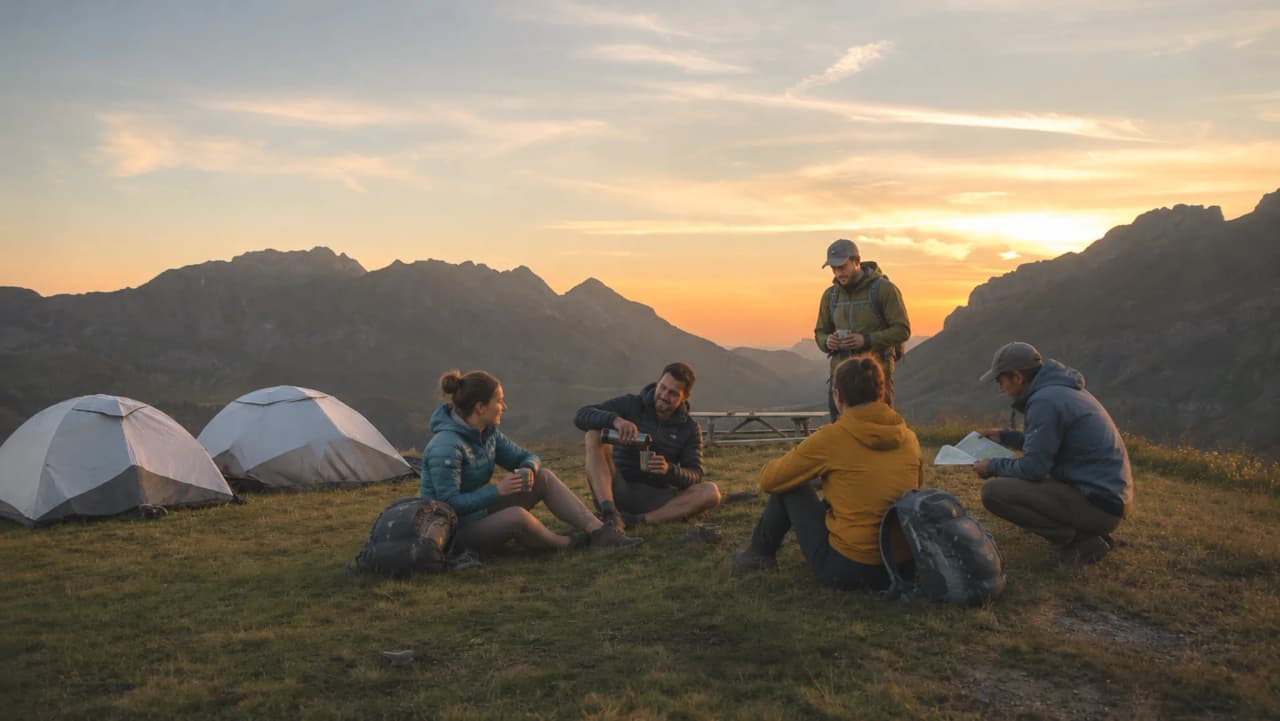
Mont Blanc or the Arves: choose your ideal alpine traverse
Compare three advanced Alpine formats, technical ridge, high bivouac and ridge-and-hut, across four real itineraries, to match your season, effort and style.
