Back to Wildhartt’s early days
 By isabelle
Before Wildhartt, there were the Ahuris, a packraft and 14 days in Lapland. Max tells the story of the trip that started it all, and why travelling without flying isn't a sacrifice.
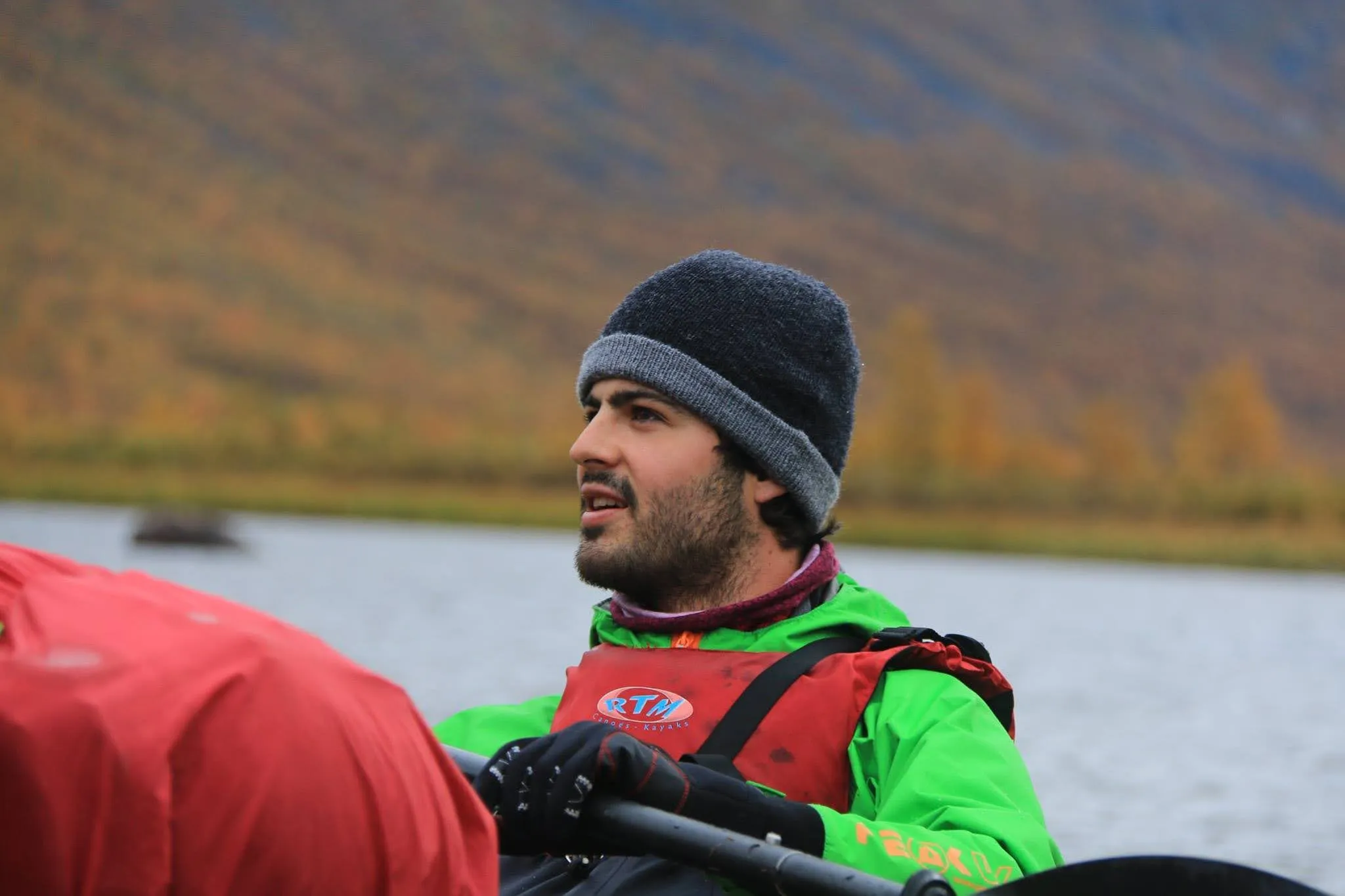
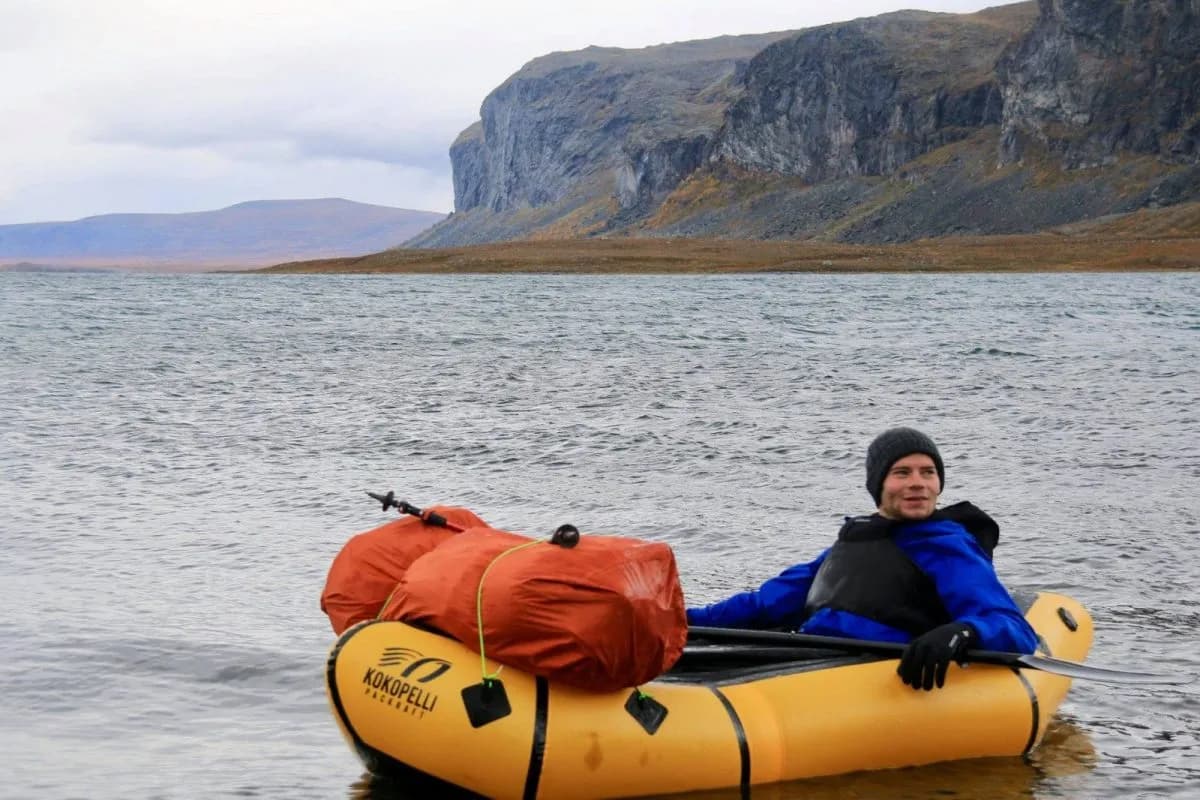
Max was 21 when a helicopter appeared overhead in the middle of a storm, on a remote lake in Swedish Lapland. He and the Ahuris, the group of friends he was paddling down the Kaitum River with by packraft, had already spent four days on the water and were sheltering under the boat of a locked fisherman's cabin they'd found on the shore, weighing down their packrafts with stones so the wind wouldn't carry them off. They waved the helicopter off, signalling they didn't need help. It landed anyway. Out stepped four Norwegian hunters and their dogs, and the group ended up helping them unload close to 450 kilos of gear, before the hunters headed off for a two-week hunting stay at a cabin further along the shore. That night, camped right next to the hunters' hut for safety, a tent pole snapped in a gust and tore the fabric open along a good fifty centimetres, at three in the morning. That expedition, more than any business plan, is what eventually gave birth to Wildhartt.
Before Wildhartt, there was consulting
A few years later, Max was working in consulting. The job ticked every box he'd been taught to tick, except one: he didn't feel free in it. It wasn't a stance against corporate life, or frustration with an open-plan office. It was simpler than that, and harder to explain to a recruiter: "Being more consistent with yourself, that's one of the keys to happiness," he says today. The job paid well. It just wasn't his.
So he left. Not for an alternative career plan, but for a river in Lapland, with a packraft, a group calling themselves the Ahuris, and the idea of paddling down the Kaitum River for fourteen days.
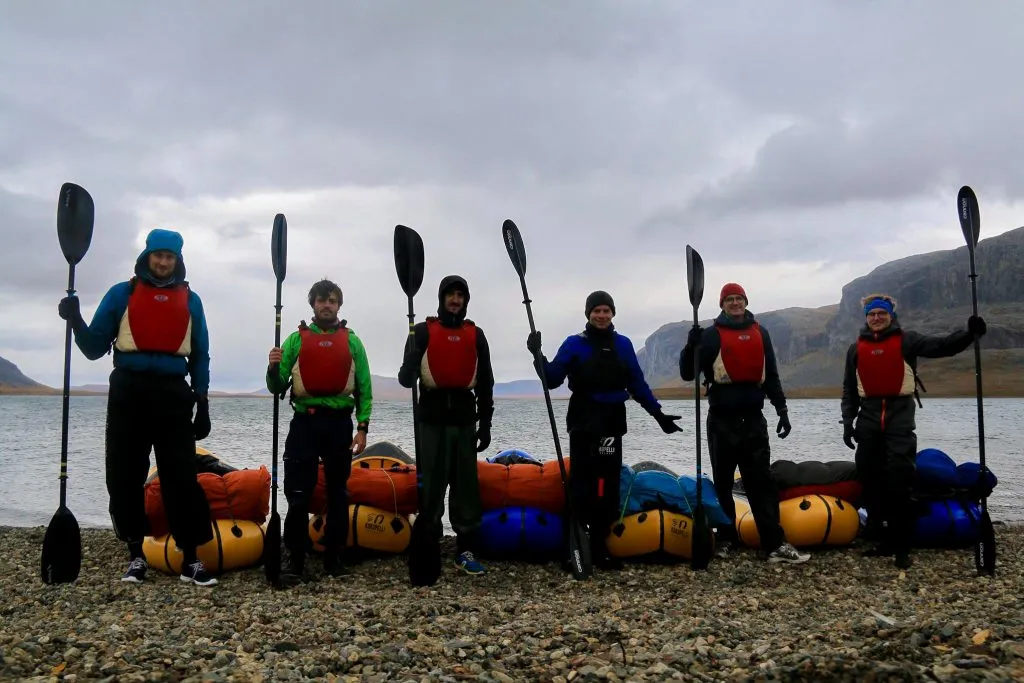
The Ahuris, the Kaitum River, and fourteen days that changed everything
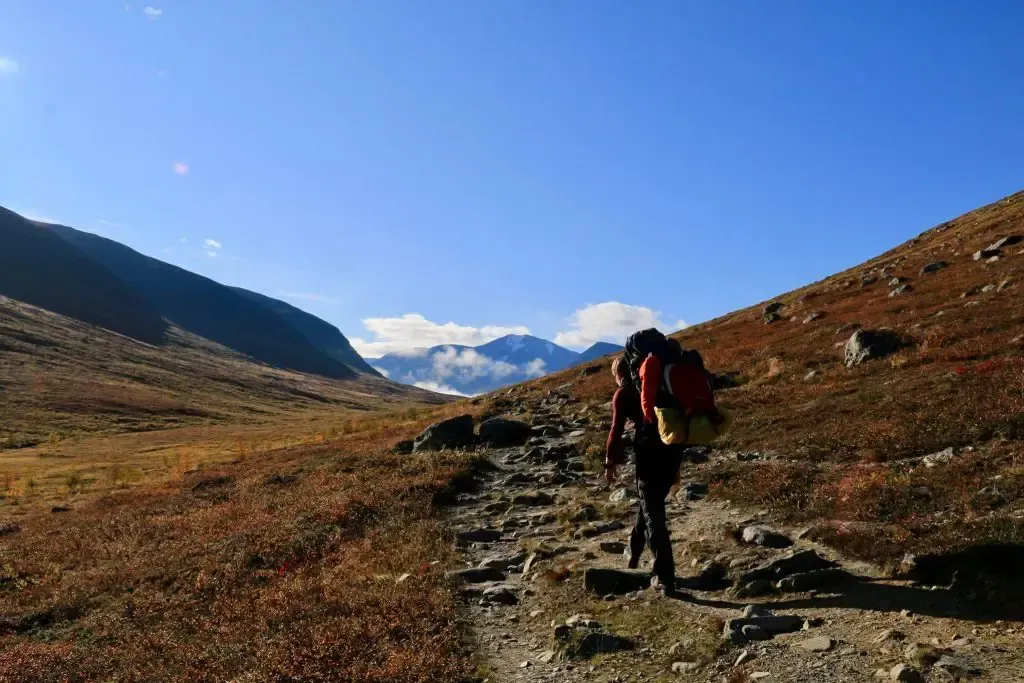
Fourteen days means carrying your own weight in food. The group freeze-dried and vacuum-sealed their meals before leaving, down to homemade beef jerky marinated in soy sauce, rather than rely on industrial rations. The result: 20 to 25 kilos on their backs at the start, and one of the Ahuris, nearly two metres tall and 95 kilos, systematically ended up carrying the heaviest load. The first four days are walked, packs on their backs, stopping every twenty minutes to let the pain in their shoulders subside. Then comes the put-in, crossing two lakes, and a headwind so strong it feels more like being at sea than in Lapland.
That's where, sheltering under an upturned boat, the Norwegian hunters' helicopter lands. The morning after the tent tore, the group faces a real decision: turn back, or keep going. They choose to keep going, patch the tent with tape borrowed from the hunters, and set off again without the satellite phone they'd deliberately left behind before the trip, despite the hunters' insistence. Max doesn't try to dress up the decision today: it was a mistake, he wouldn't do it again, but that missing safety net is also part of what makes those fourteen days so memorable to him.
Eight more intense days follow. There's a rapid the group had scouted in advance on Google Earth and nicknamed "the washing machine," class 6, the kind you don't run: they get out of the water a kilometre before it, carry their packrafts, and picnic next to the falls, unable to hear each other talk over the noise. There's also, on that same kind of day on the water, a moment of total calm between two rapids: the group lets the current carry them, exhausted, in full sun, and Nico, one of the Ahuris, pulls a harmonica out of his bag. It's the kind of fragment of memory, Max says, that you don't forget.
To hear it told first-hand, the full episode is right here.
From equipment rental to full agency: the question that started it all
Wildhartt wasn't born from a business plan. Max did write one, at the time, because that's what he'd been told to do. He hasn't opened it since, and it barely resembles today's strategy. What actually happened was a question, asked over and over by customers of Wildhartt, the outdoor gear rental business Max and Marie started: "Do you have a good tip for which river to paddle?"
Enough times to give rise to roadbooks, complete with GPS tracks and local guide contacts. Then to a realisation: rental, however useful, never lets you see people's faces when they come back. The agency came out of that specific frustration, not a market study.
Sustainability as a constraint, not a marketing pitch
At Wildhartt, sustainability comes down to three concrete pillars, which Max lists in this order: no flying, local food with no middleman, staying in mountain huts or under canvas. The first isn't just a box to tick on the itinerary: for the next Lapland expedition, the train itself becomes an "expedition within the expedition," not a formality to get through before the real holiday starts.
None of the three pillars is an easy choice, and Max doesn't pretend otherwise. Food and lodging have long been sorted, by buying directly from local producers and sleeping in huts running on solar power and dry toilets. The real headache still lies ahead, for the more demanding expeditions like the Lapland packraft trip: finding freeze-dried food that's not just responsibly sourced, but zero-waste too. A responsible supplier already exists; zero-waste remains an open problem. Here, sustainability isn't an argument bolted on afterwards to dress up an offer. It's a constraint accepted before knowing whether it would pay off.
Reconnecting, as a pair
Max often returns to an idea from biologist François Sarrano: you won't protect the environment for good if people don't first reconnect with themselves, then with others, and finally with nature. At Wildhartt, the three don't really separate.
And it's probably no accident that the agency wasn't founded alone: Max built it with Marie, as a pair, rather than carrying it all by himself from the start. They share the good moments and the bad, each with their own role, and Max says it plainly: he couldn't even imagine the alternative.
There was no five-year plan, no spreadsheet that predicted any of this. There was a tent tearing open at three in the morning, a question customers kept asking, and the stubborn conviction that you can't sell an adventure you don't believe in yourself.

Find your next adventure
Browse curated expeditions matching the categories of this article and start planning your next trip.
Find your dream adventure
 Find your dream adventure
You might also like these adventures …
Hand-picked to echo the spirit of this article.




More to discover
Keep exploring with these pages and stories picked for you.
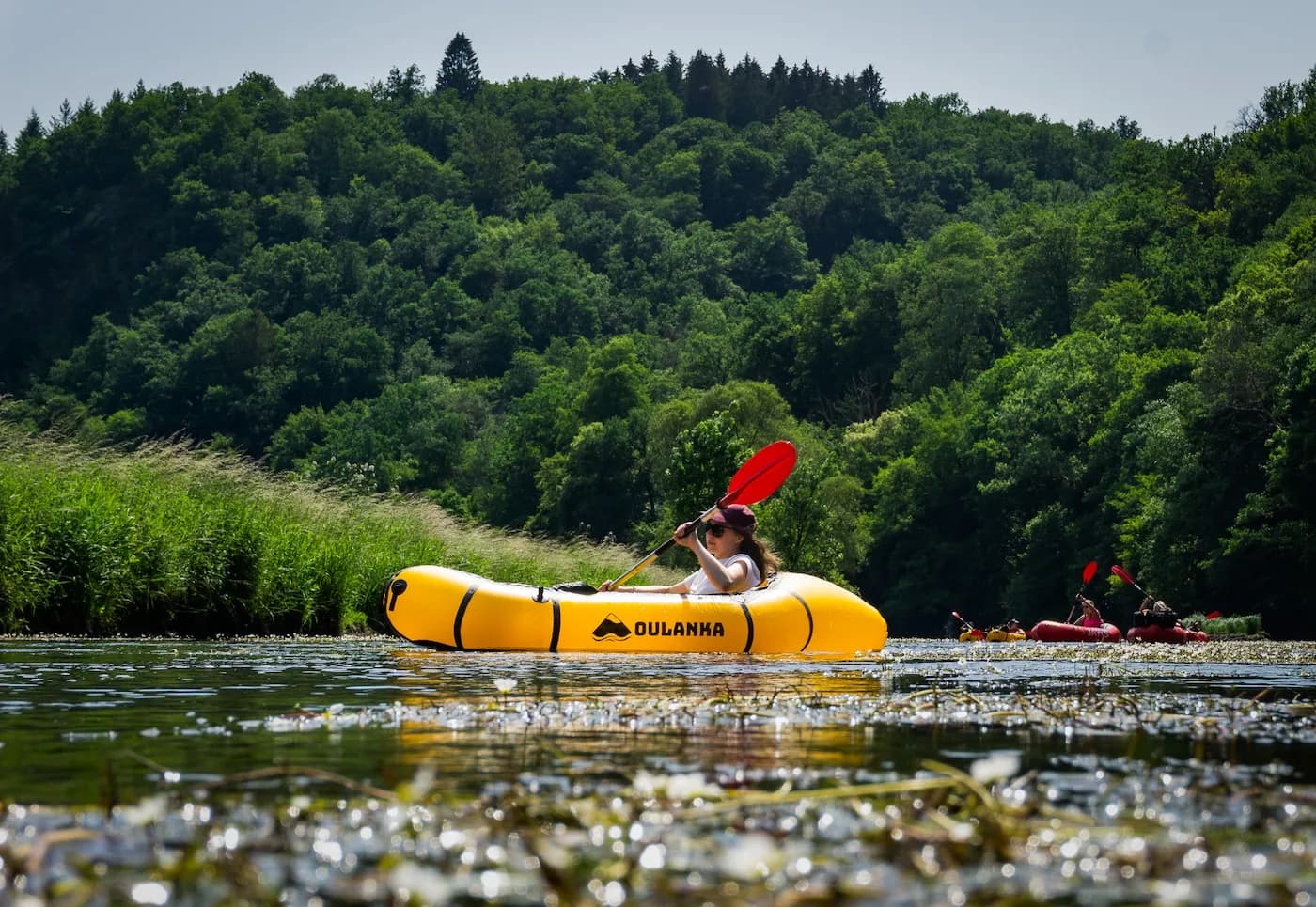
Lucie discovered nature like never before
Lucie shares her very first adventure with Wildhartt: a packrafting initiation filled with new sensations, nature immersion and a bold step into the unknown.
Club Chilowé Has Closed: 3 Alternatives for Nature Trips
Club Chilowé has closed. Explore three alternatives for snowshoe trips, hiking in French mountain ranges and alpine adventures.
Ski touring & sailing in the Lyngen Alps: an Arctic adventure
Alexis shares his journey through a ski touring and sailing expedition in Norway. Explore fjords summits and sea-to-summit adventure in the Arctic North
Wildhartt is now certified B Corp™️. What now?
Wildhartt is a B Corp, what does that mean and why did we embark on the certification process?
Mountain Leaders: A Practical Guide for Hikers
Understand what a mountain leader does and how they can support a safer, more confident hiking experience.
Swedish Lapland: a 15-Day Self-Supported Packraft Expedition
The story of 6 young Belgians setting off on a packraft expedition in total autonomy for a fortnight in Swedish Lapland north of Kiruna.
