Queyras autonomy or glacier traverses: pick your ski raid
 By isabelle
Compare a five-day Queyras autonomy course with glacier traverses from Mont Blanc to the Haute Route to choose the season, effort and skills that fit your goal.
Choosing between a non-glaciated autonomy course and a big glacier traverse sets two distinct paths for learning. One builds deliberate decision-making without crevasse pressure, the other compresses demanding alpine skills into a short, intense window. Use this guide to match your goal, present level, season and risk tolerance, anchored in real itineraries and their day-by-day rhythm.
What autonomy really means: skills and a sane progression
Becoming autonomous on ski tours means uniting technical moves with sound choices. Core elements include reliable use of beacon, shovel and probe, reading the avalanche bulletin and checking the snowpack on site, planning a realistic line, navigating in flat light or cloud, making tidy, energy-saving kick turns, and managing the group and transitions. Layer on basic self-rescue, plus decision habits that keep you safe: having a backup slope, knowing when to turn around and communicating clearly with partners.
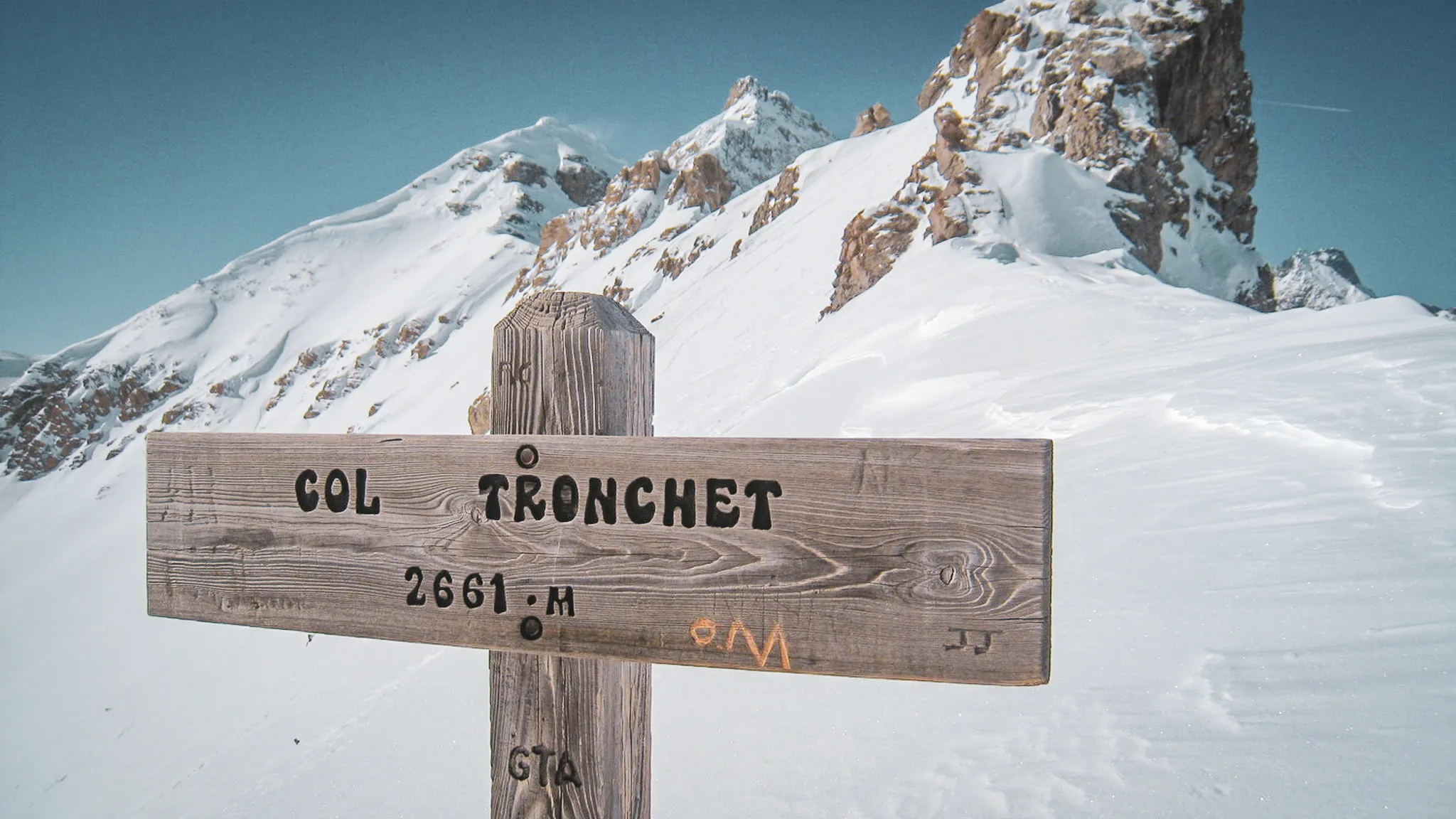
The learning curve works best in steps. Start with single-day outings to anchor the movements, then add two or three days from a base to multiply scenarios, and finally add a short point-to-point raid to bring in overnight logistics and cumulative fatigue. Learn to lead a ski tour in the Queyras, guided by Thibaut, an IFGMA mountain guide, traces exactly that arc. Day 1 heads for the Chalvet ridge above Abriès for a gentle shakedown. Days 2 and 3 radiate from a gîte toward places like the Col du Tronchet in larch woods or the open Col de la Mayt, and perhaps the Gilly summit or the Col de la Lauze via the Marassan forest. The last two days switch to a mini-raid: a brief transfer to L'Echalp, one or two cols to cross to a guarded refuge, then a finale through Italian bowls or toward Mont Losas before returning to the valley.
This format keeps the focus on your choices rather than ropework. By the end of five days, if you already ski all snow with neat conversions, you should be able to plan a local tour, check that conditions confirm your plan, brief a small group and lead a conservative descent without surprises.
Queyras mini-raid: a clear framework that accelerates learning
The Queyras delivers repetition without clutter. Between January and May, you alternate gîte and refuge nights and revisit the same key decisions until they become habit. On day 2 of Learn to lead a ski tour in the Queyras, you might move from the sheltered larches en route to the Col du Tronchet to the big empty spaces around the Mayt. Terrain contrast forces you to adapt spacing, pacing and communication. Day 3, choosing the Gilly or the Lauze sharpens contour reading and skin-track placement through rolling, powder-friendly glades.
Days 4 and 5 add the real constraints of itinerancy: a slightly heavier pack, a time window you must respect to reach a distant hut, and decisions that account for the next day's objective. Leaving L'Echalp, crossing one or two cols to a remote refuge, then deciding between a return via wild Italian combes or a detour by Mont Losas asks for the same calm planning you will use later on glacier. The daily effort stays steady rather than extreme, which leaves bandwidth to analyze snow and refine navigation instead of just pushing to survive the day.
If your primary aim is to become autonomous in ski touring, this simple environment, free of crevasse hazards, delivers the fastest, cleanest gains. You learn to lead without masking gaps behind a rope team.
Glacier traverses: fast immersion, higher demands
Stepping onto a glacier can speed up learning, but it requires a firmer base and sharper vigilance. You must add crampon and ice axe technique, roped travel, crevasse awareness and stricter timing to avoid soft bridges and afternoon hazard. Endurance and altitude tolerance matter more, and the decision load often stays high for hours.
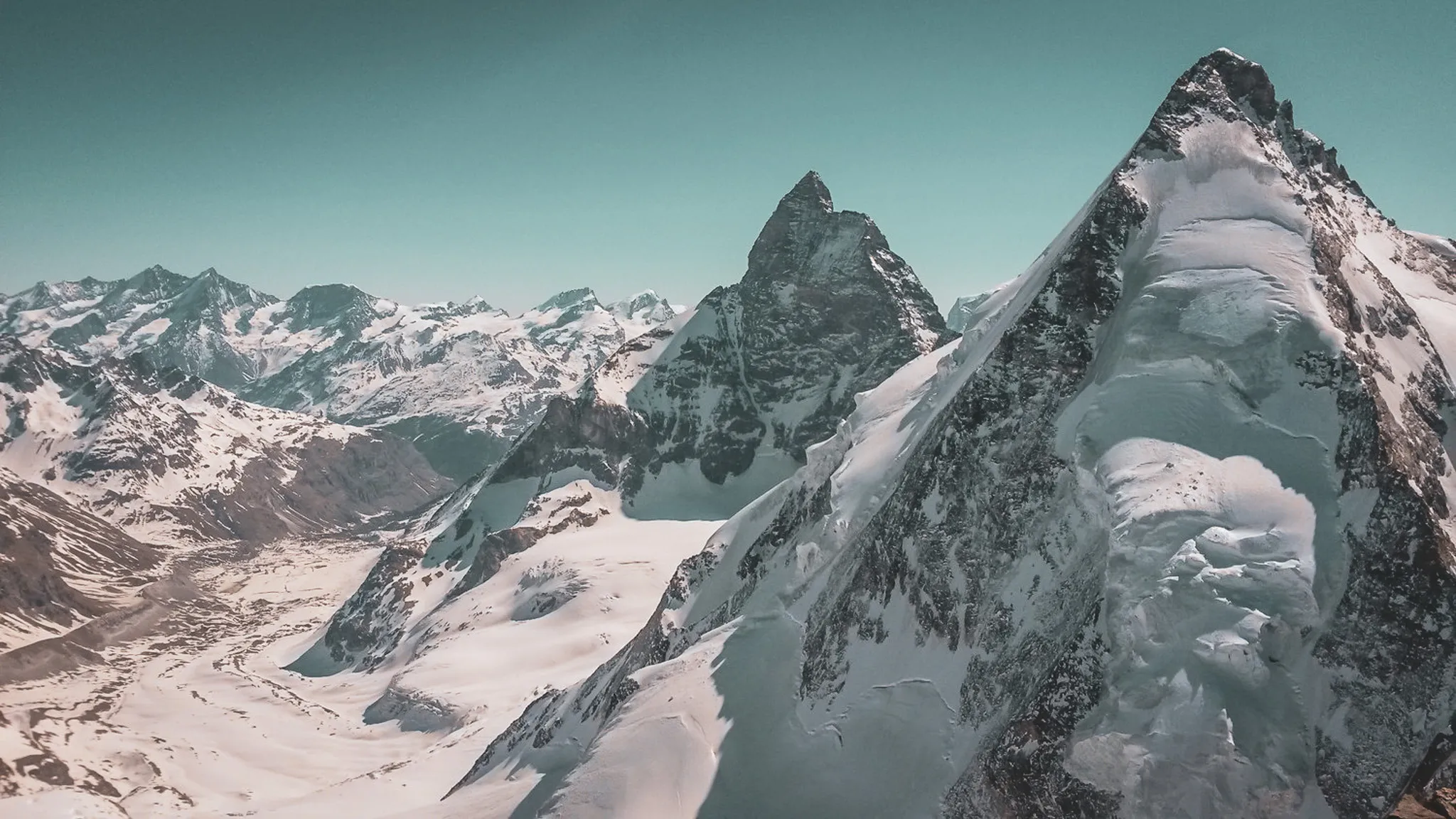
Haute Route ski traverse: from Chamonix to Zermatt packs seven committed days into one coherent journey. Early on, the route drops to the Argentière Glacier, then day 2 puts skis on your back to climb a snowy couloir to the Col du Passon before rolling to the Glacier du Tour, over the Col des Ecandies and down the long Vallon d'Arpette to Champex. Midway, the ascent of the Pigne d'Arolla demands efficient climbing and clear navigation on a broad, crevassed plateau. The finale flows below the north faces near the Matterhorn as you descend into Zermatt, a moment that still requires reserves after a full week.
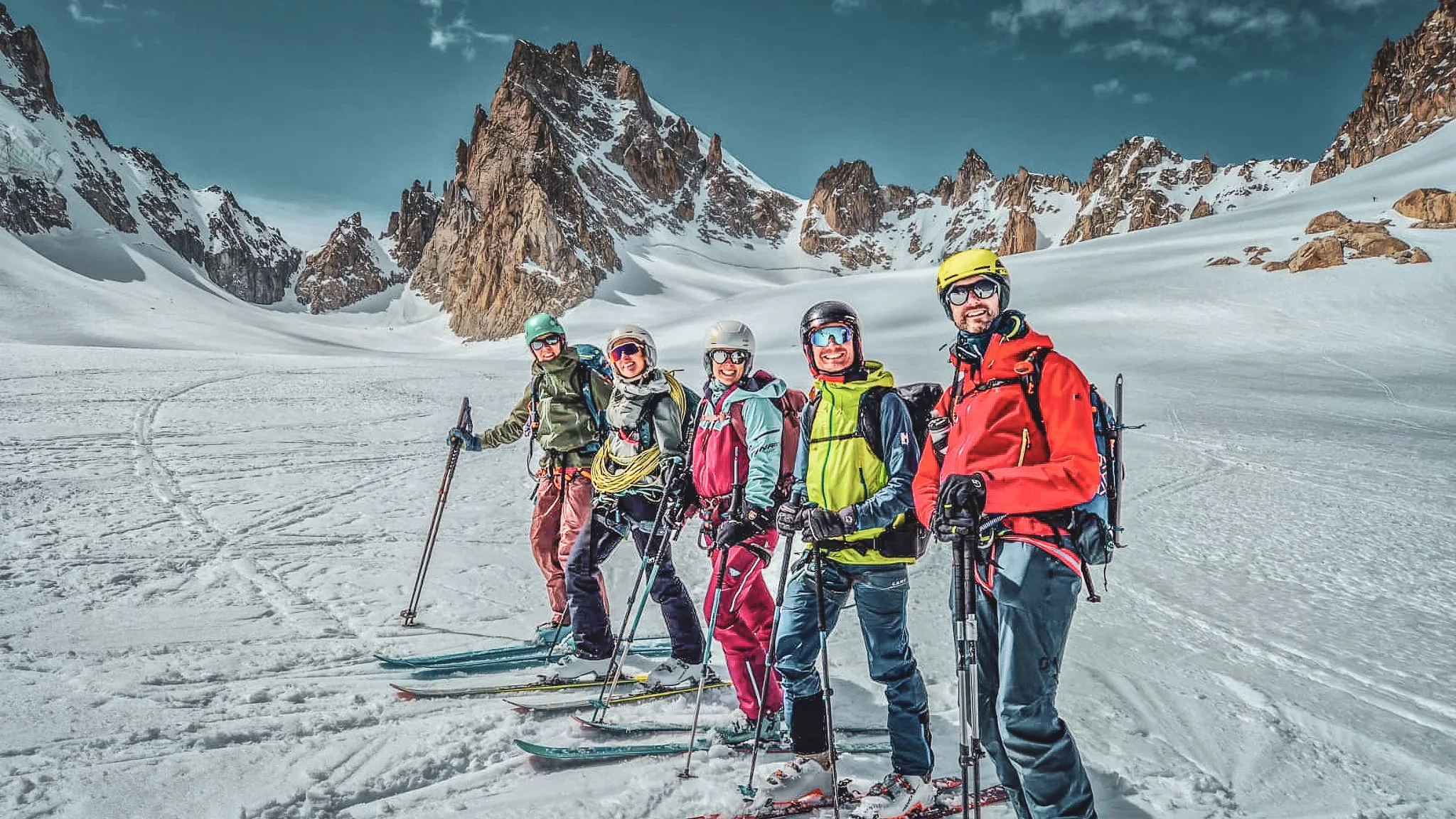
If you want the glaciated experience in a tighter format, Ski three glaciers in 3 days around Mont Blanc goes straight to the point. Day 2 moves from the Argentière Glacier toward the Col du Chardonnet where you switch to crampons for the last meters, then make a short rappel to step onto the Saleina Glacier and traverse to the Fenêtre de Saleina and the Trient Plateau before the hut. Day 3 returns via the Col du Tour and a long, nearly 2000 meter descent on the Glacier du Tour that starts mellow and finishes steeper and more complex. It is a compact, alpine-paced course for skiers already comfortable in technical terrain with a guide. A recent participant on this route noted, in his review, that the guide on the ground knew the terrain like a local, a reassuring sign before committing to this kind of technical glacier terrain.
The Vanoise glaciers ski touring traverse adds cross-border flavor and steady commitment. From Bonneval-sur-Arc you climb to the Refuge des Évettes, pass the Petite Muraille d'Italie to reach Rifugio Gastaldi, then angle through the Col d'Arnes with a possible detour toward Pointe Marie before dropping to the Refuge d'Avérole. The last day climbs the Signal de l'Albaron and exits by the Glacier du Vallonet, a satisfying mix of cols, glaciers and classic hut-to-hut pacing.
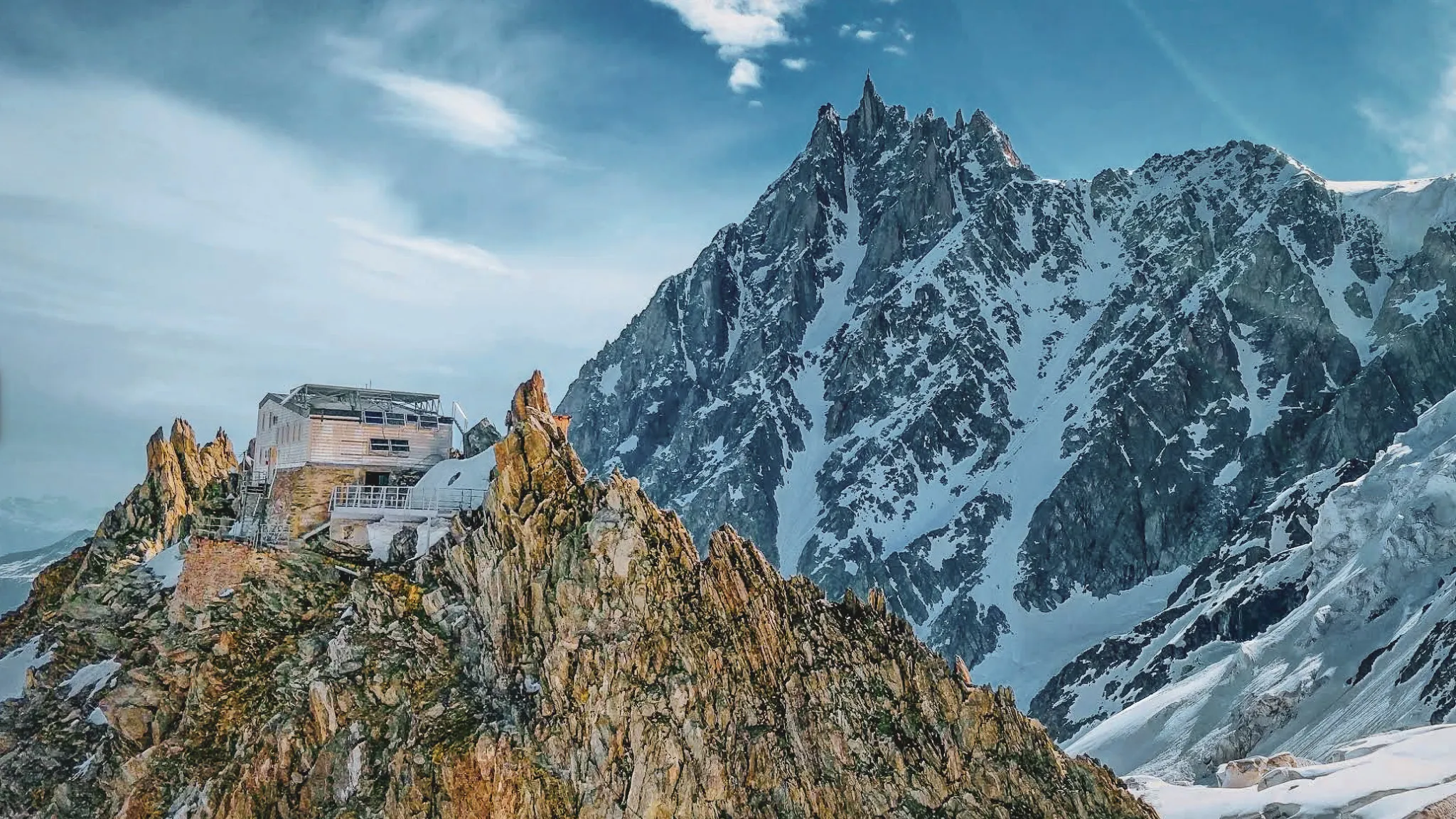
For a two-day summit push, Skitouring to the summit of Mont Blanc, guided by Francesco, the only guide on this route, concentrates everything. From the Plan de l'Aiguille you traverse toward the Jonction and the Refuge des Grands Mulets. The night start around 2 am commits you to a strict schedule, and depending on conditions you either take the north ridge of the Dôme du Goûter or the plateau and its couloir, sometimes pausing at the Vallot shelter before the Bosses ridge. The descent returns by the north face to Grands Mulets, with the option to leave skis at Vallot if the top ridge is too icy, and early in the season you may even ski to Chamonix. It is a capstone objective reserved for skiers with solid ski-mountaineering habits and altitude management.
Season windows echo these demands. The Queyras runs January to May, the three-glacier loop leans February to April, the Vanoise prefers March to April, the Haute Route shines in April, and Mont Blanc on skis opens April to June when stability often improves while snow becomes more springlike.
Decide quickly and map your path
- Learning time: build base autonomy in 3 to 5 days on a Queyras mini-raid, reach real glacier autonomy only after several guided outings and at least one full traverse.
- Risk profile: low to moderate off-glacier if you choose terrain well, higher on glaciers with crevasses, snow bridges and stricter weather and timing.
- Equipment: standard safety kit is enough in the Queyras, add crampons, ice axe, harness, ropework and the know-how to use them on glaciers.
- Effort and altitude: moderate, progressive days in the Queyras, longer pushes and more altitude on the Haute Route and Mont Blanc.
- Seasonality: Queyras January to May, Vanoise March to April, three-glacier tour February to April, Haute Route April, Mont Blanc April to June.
- Progress checks: timed beacon search, written plan with a backup line, compass or GPS navigation in poor visibility, basic ropework rehearsed somewhere controlled.
If you are starting out and want local autonomy, begin with Learn to lead a ski tour in the Queyras over five days. Follow it the same season with a simple home-base weekend to confirm you can brief partners, pick a slope that matches the day, and manage a clean descent.
If you are intermediate and hope to lead small groups, repeat one or two mini-raids like the Queyras and add focused avalanche education. When beacon drills and nav become automatic, step onto a short guided glacier traverse such as Ski three glaciers in 3 days around Mont Blanc to taste ropework and altitude rhythm without overwhelming your mental reserves.
If your ambition is a long traverse, build it across two seasons: first, pick a few guided glacier days, then use The Vanoise glaciers ski touring traverse to practice multi-col days and hut logistics, and only then look to Haute Route ski traverse: from Chamonix to Zermatt once endurance, glacier reading and orientation feel steady.
If your target is a big summit, prepare specifically for altitude and night schedules, validate cramponing and roped travel on a prior glacier outing, then commit to Skitouring to the summit of Mont Blanc with a guide when the technique is in place.
A simple 12‑month plan works well: early winter off-glacier to build base skills and fitness, late winter for a mini-raid to cement autonomy, early spring for a first guided glacier outing, late spring for a longer traverse if all checks are green. Move to the next step only when you pass your personal tests regularly and your day-of decisions match what the mountain is actually giving you.
Find your next adventure
Browse curated expeditions matching the categories of this article and start planning your next trip.
Find your dream adventure
 Find your dream adventure
You might also like these adventures …
Hand-picked to echo the spirit of this article.
More to discover
Keep exploring with these pages and stories picked for you.
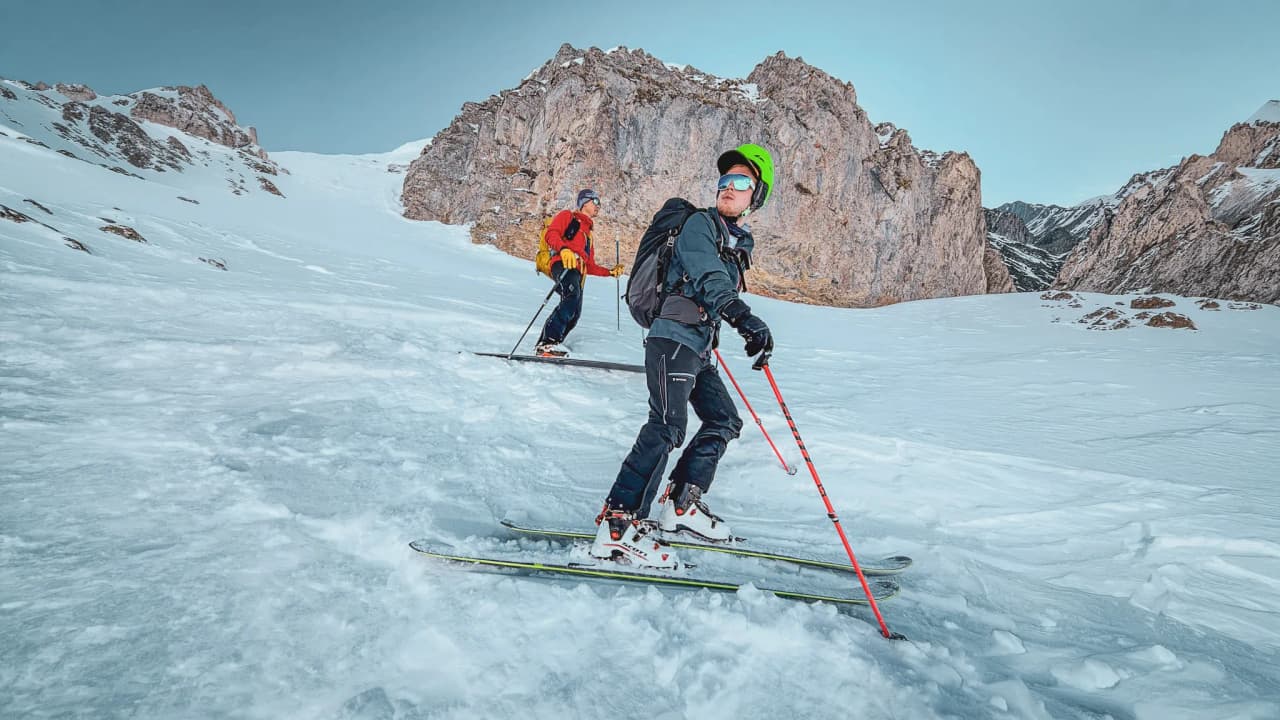
Mont Blanc Ski Touring: A 6-Week Training Plan
Prepare for a four-day Mont Blanc ski-touring raid with a six-week plan built around real terrain, altitude and long days.
High-altitude traverse or technical camp: your summer choice
Torn between a high-altitude traverse and a technical camp? Compare the 5-day Beaufortain tour with three shorter options by level, season and goals.
Mont Blanc or the Arves: choose your ideal alpine traverse
Compare three advanced Alpine formats, technical ridge, high bivouac and ridge-and-hut, across four real itineraries, to match your season, effort and style.
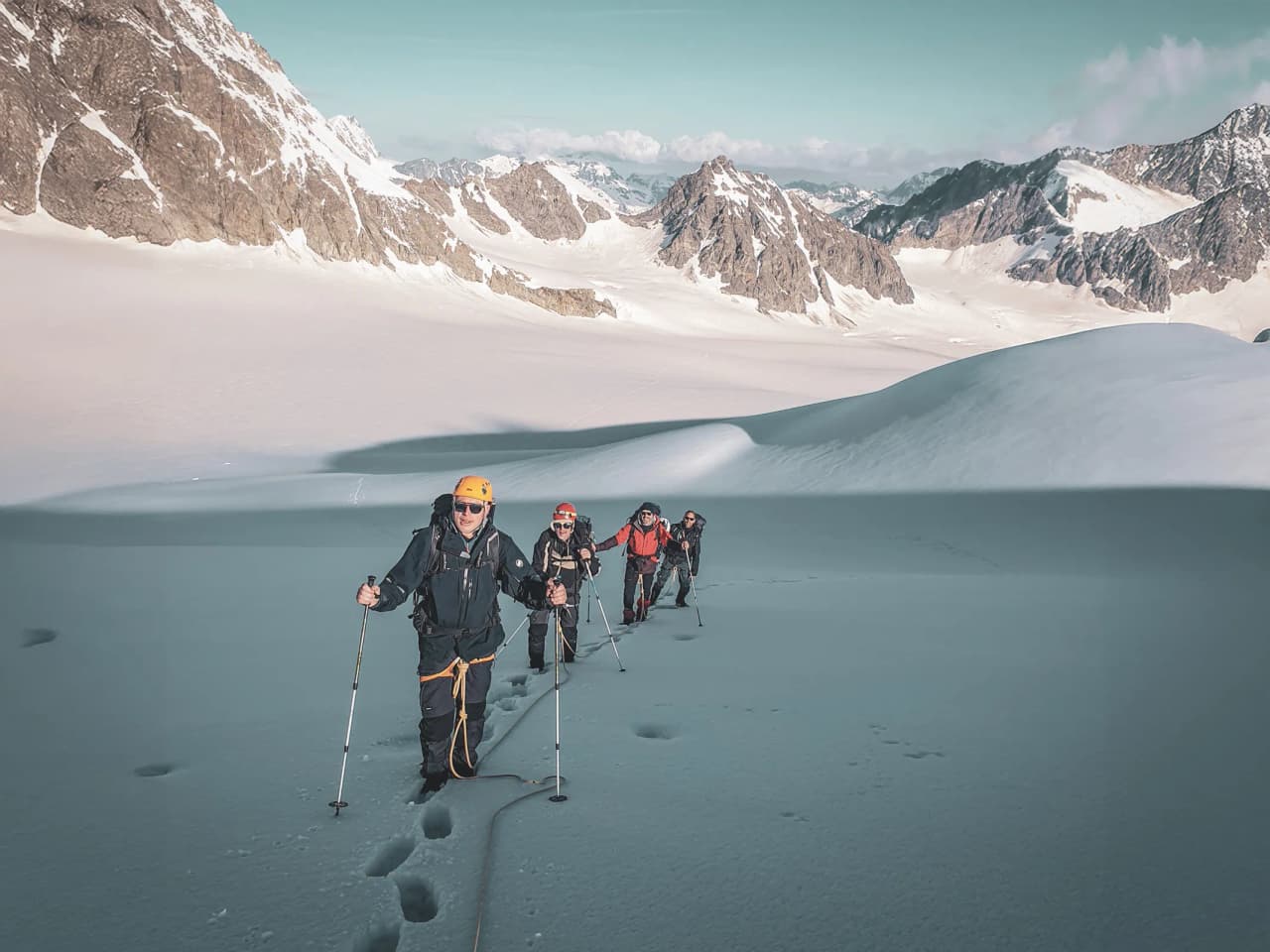
The Haute Route Chamonix-Zermatt: a day-by-day glacier programme
The Haute Route Chamonix-Zermatt day by day: glacier techniques, rope skills and high-altitude huts across 7 alpine stages.
Tour du Queyras in 5 days: how to prepare your legs for the GR58
An 8-week plan for the GR58: hut nights at 2580 m, an optional summit at 3025 m, and legs ready for the descent into the wild Bouchouse valley.
Top 5 Best Mountaineering Courses to Start Your Alpine Journey
Discover the 5 best mountaineering courses for beginners: accessible formats, advice on progress and easy summits to aim for after your introduction.
