Deer rut trips: one evening to hear it, days to live it
 By Maxime
One evening is enough to hear the deer rut, several days change what you truly experience. What each format gives you, illustrated by our own trips.
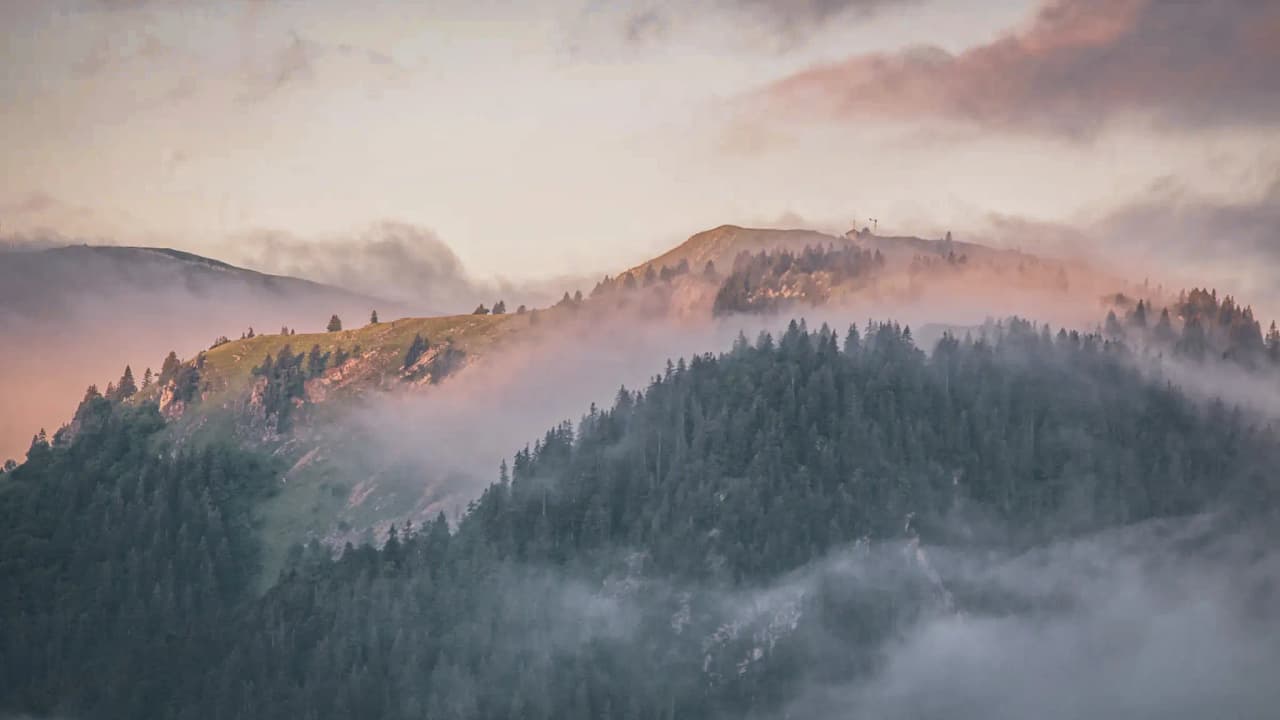
The deer rut is, first and foremost, a sound. A deep, rasping call that rolls out of the forest in the dark, seems to come from everywhere at once, and leaves you grinning to yourself without quite knowing why. Before it's a line on a September to-do list, it's something you feel with your whole body: the cold creeping in while you wait, the silence you have to hold, and that exact moment the first bellow finally cuts through.
What you take from it depends mostly on how much time you can give it. One evening is enough to hear it and walk away with goosebumps. Several days change the equation entirely: you learn to read tracks, you stack up more listening windows, and your odds of actually seeing a stag, not just hearing one, climb fast. Here's what each format really changes, before we look at how our own trips, in the Jura, the Ardenne and beyond, put those differences into practice.
The rut is a sensory jolt before it's a set of facts
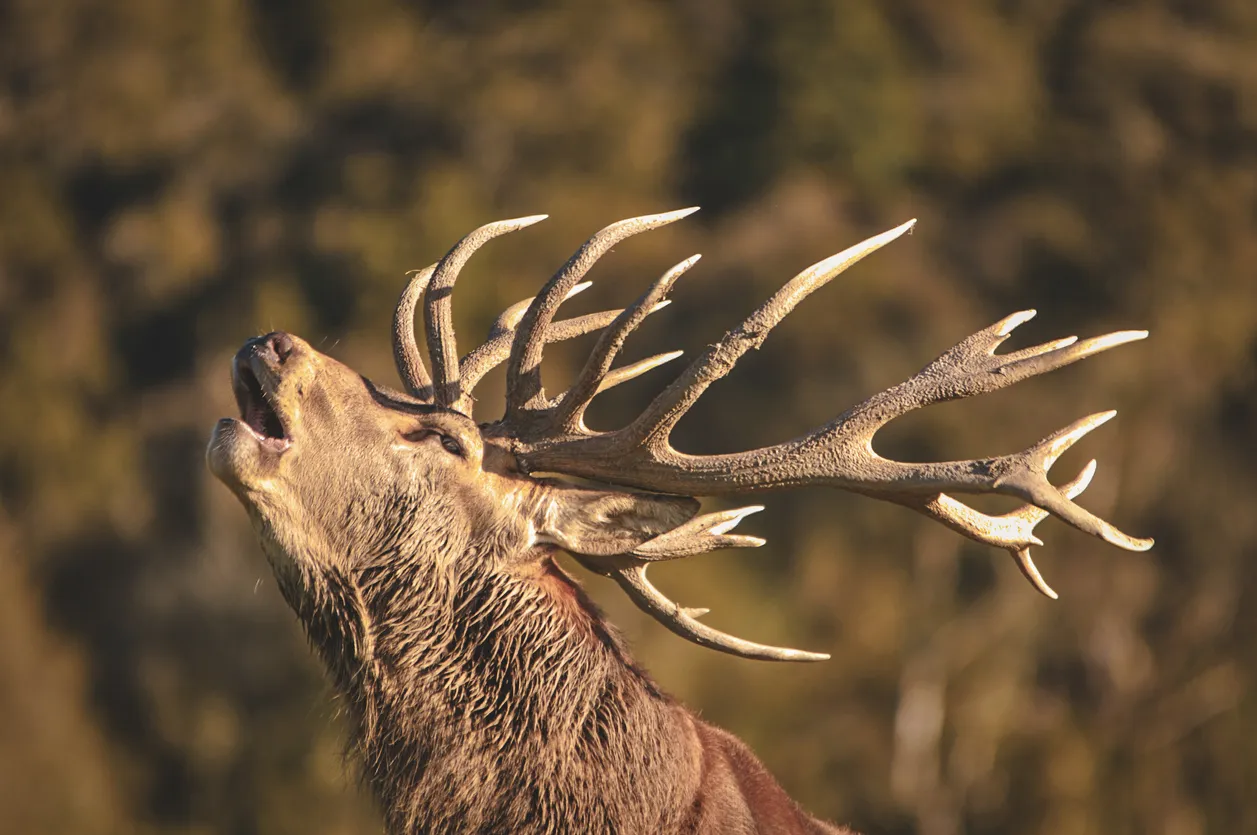
Every year, from September to October, stags bellow to hold their ground and draw in the hinds. Activity peaks at dawn and dusk, when the forest quiets down and cold air carries the sound further. But reducing the rut to those facts misses the point: what actually hits you the first time is the sheer power of the sound, how suddenly close it feels, and the total silence you have to keep so you don't scare it off.
Wind and rain dampen the calls, a clear, cold night carries them far across the valleys. Terrain matters too: forest edges, clearings and habitual corridors concentrate the activity. In practice, a good trip schedules its highlights around dawn and dusk, whatever its total length.
Three ways to experience the rut, depending on how much time you have
The choice isn't simply "longer is better." Each format serves a different goal: a first taste of the sensation, a real immersion, or maximising your odds of a sighting. Here's how they differ, with our own trips as concrete examples.
One evening to discover it: the essentials, no commitment
The shortest format fits into one evening: an afternoon meeting point, an hour or two's walk to a listening area, a silent wait at dusk, then the walk back. It's the most accessible option, open from age 12, no prior experience needed. That's exactly what Listening to the stag bellow in Stoumont offers, in the Stoumont forest: a 16:30 meeting, a walk to the Froidcour woods, listening at dusk, back around 20:00.
One traveller who went with her two children, aged 10 and 16, put it this way: "Walking in the dark, making yourself as small and quiet as possible for the chance to hear a stag bellow, is incredible. And our patience paid off, we got to hear that very particular sound under a beautiful starry sky."
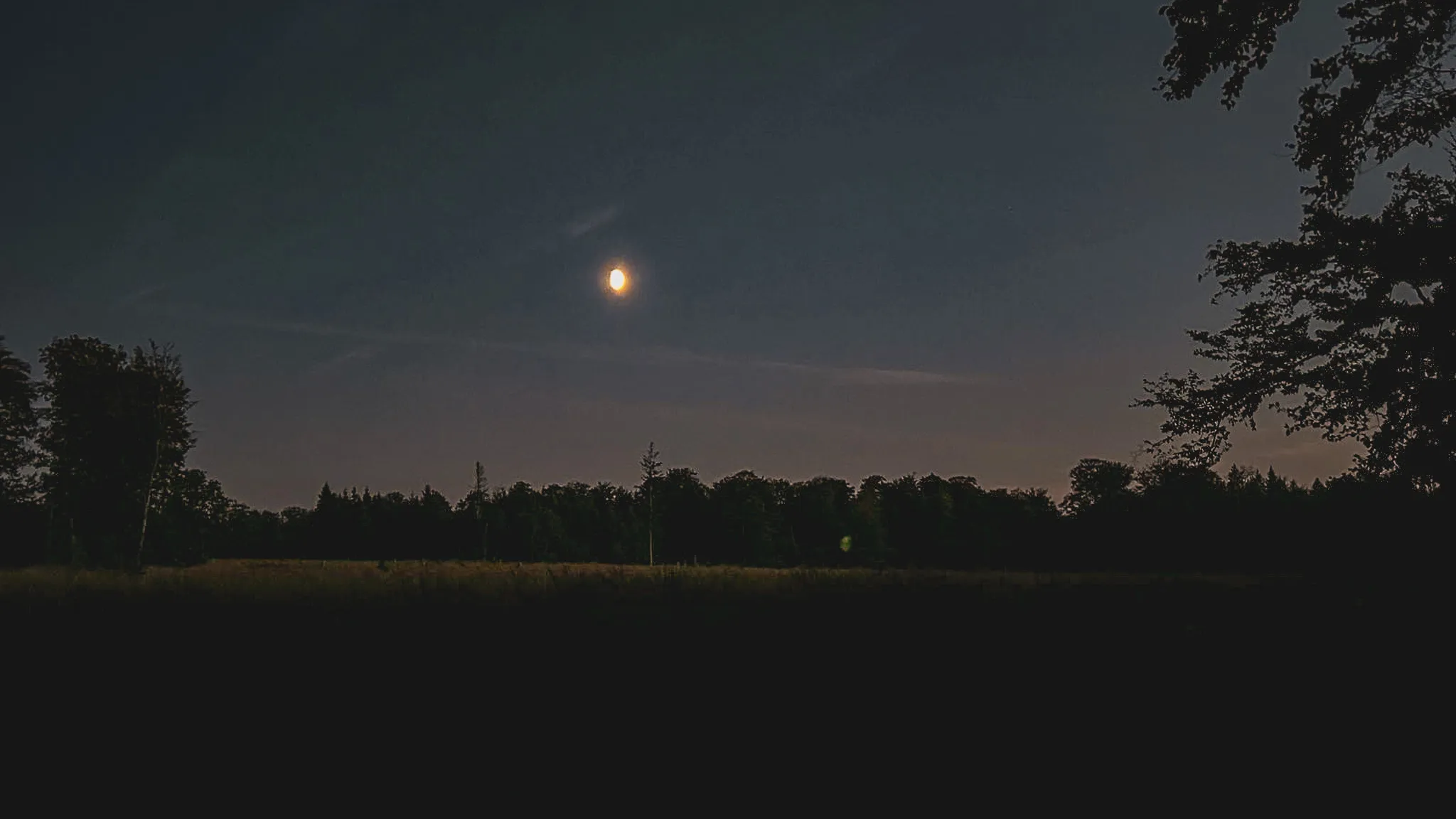
The catch with this format is simple: you only get one window. If the wind picks up or the stags stay quiet that evening, there's no second chance. A version that adds a daytime activity also exists, with a packraft descent on the Amblève before the evening listening session, for a fuller day of wildlife immersion.
Two to three days to really immerse yourself
Over two to three days, the logic shifts: instead of one listening window, you get several, spread across evenings and mornings. Deer rut listening and hiking in the Jura is a good example of this format. From the first afternoon, guide Rémi teaches the group to spot tracks, rubbing marks on trunks and forest corridors, and sets camera traps with them in spots that look well used, a way to check for deer without disturbing them. The next day, a real hiking day up to La Dôle, at 1,677 metres, mixes physical effort with reading the terrain, before another possible listening session in the evening. The third day starts before dawn for the final session, then it's time to collect the camera traps and see what the cameras picked up overnight.
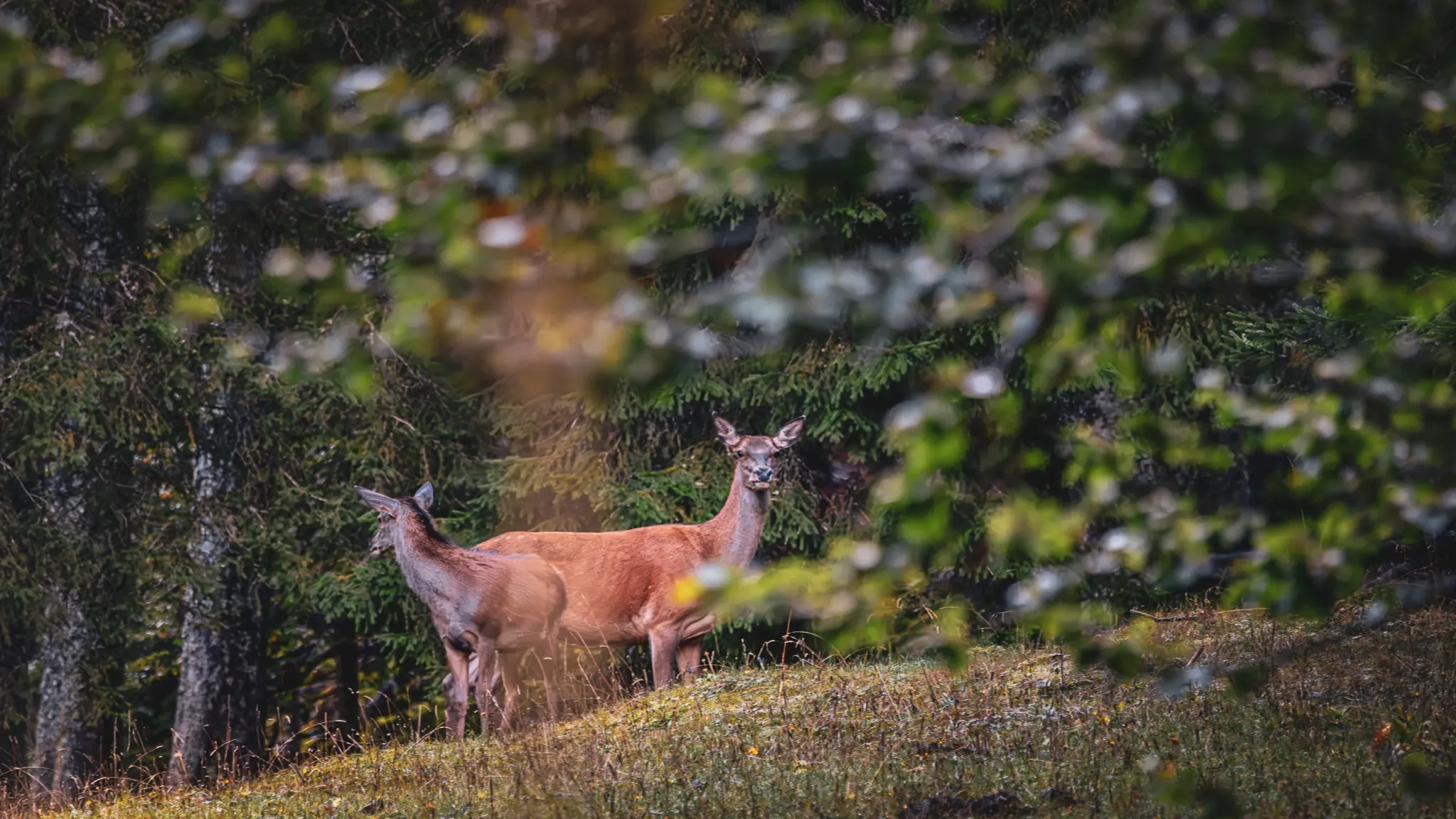
The same format also exists in another massif: Track red deer through the forests of the Vosges follows a comparable rhythm, with a volunteer-run mountain hut instead of a guesthouse and a dawn stalk at the edge of a clearing. For the precise rules on not disturbing the deer and the recommended spots in the Vosges massif, our article on the Vosges deer rut rules covers all of that.
What you gain with this format is two to three high-probability windows within 48 hours, real immersion in the forest's rhythm, and some buffer if one evening's weather goes wrong. What you still give up is any guarantee of a visual sighting: hearing remains far more reliable than seeing.
Beyond three days: when time becomes your best ally
We don't yet have a rut-specific trip longer than three days in our catalogue, but to understand what extra time really changes, it's worth looking at Tracking the brown bear in the Pyrenees. This trip has nothing to do with deer, but it follows the same logic of quiet, repeated tracking spread over several days. From day three, the group heads out on a self-sufficient bivouac, returns repeatedly to the same high-activity zones, and strings together morning and evening observation windows across different habitats, guided by Hadrien, a mountain leader and nature photographer.
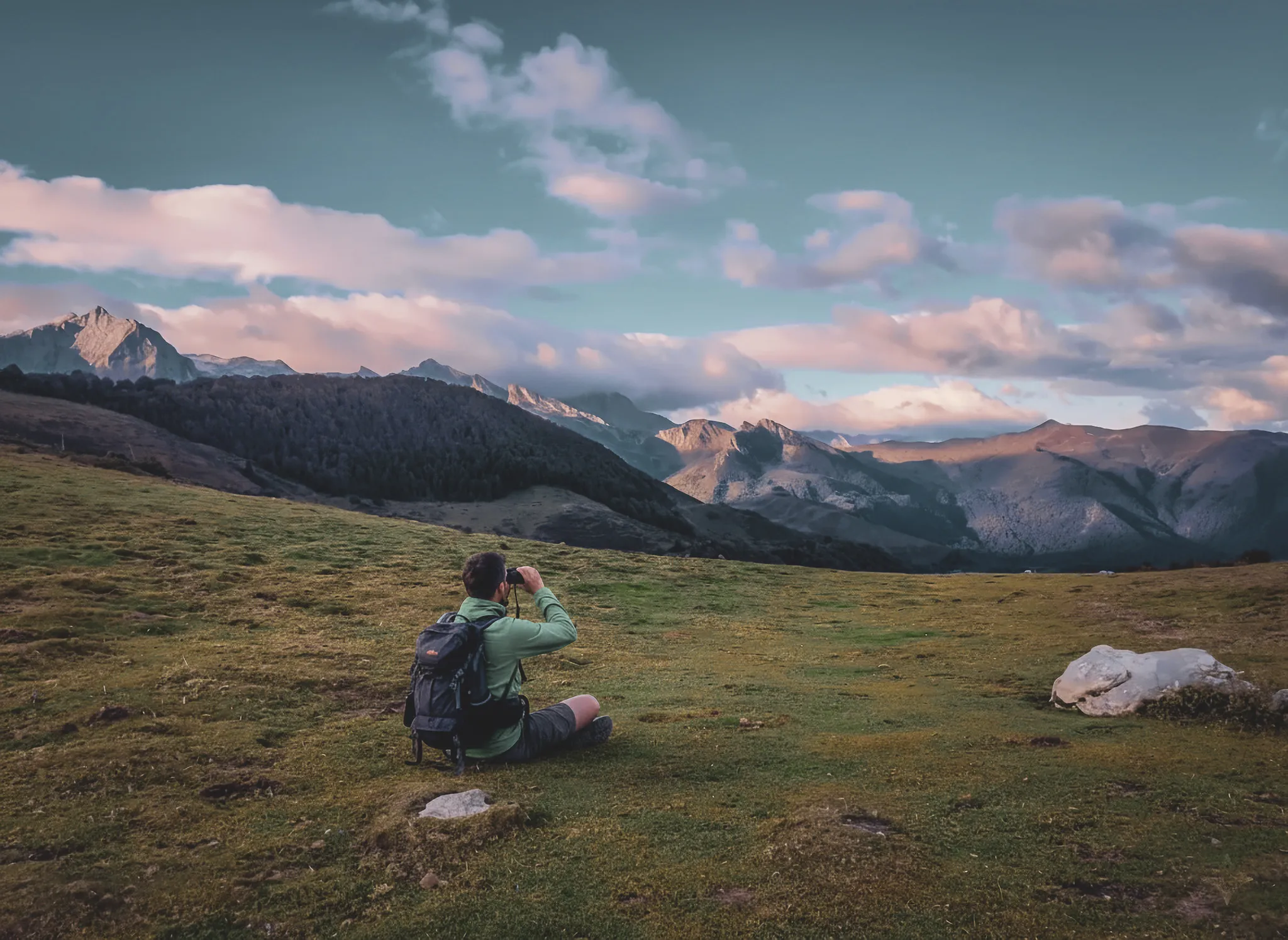
Applied to the rut, that means a format like this, for instance chaining two 3-day stays in different massifs such as the Jura and the Vosges, multiplies your windows, covers more bad-weather nights, and leaves real room for naturalist learning between stalks. It's the format that fits when observing or photographing matters more than simply hearing.
Format comparison
| Format | Duration | Effort | Chance of hearing | Chance of seeing | Best for | Wildhartt example |
|---|---|---|---|---|---|---|
| Evening listening session | A few hours | Low | Good in calm weather | Low to moderate | Beginners, families, tight schedules | Listening to the stag bellow in Stoumont |
| Short immersion | 2 to 3 days | Moderate, with one real hiking day | High, 3 to 4 windows | Moderate | Hikers wanting a solid balance | Deer rut in the Jura or the Vosges |
| Long immersion | 4 days or more | High, bivouac and very early starts | Very high | High | Photographers, keen naturalists | Logic illustrated by our longer wildlife trips |
Choosing based on your profile
Want to try it without committing a whole weekend, or travelling with kids: the Ardenne evening gives you the essentials without the fatigue. A hiker looking for a real balance between effort and immersion: the Jura or Vosges 3-day format ticks the boxes. A photographer, or someone who wants to actually see a stag, not just hear one: aim longer, even if that means chaining two short stays in different massifs to cover more habitat.
What actually matters in the field, whatever format you choose
Whichever format you pick, a few habits make the difference. Arrive the evening before if you can, so you're ready for the first window. Always target dawn and dusk, the rest of the day is mostly for learning to read the terrain. Bring a charged headlamp, several warm layers and a waterproof jacket, all of our trips recommend them explicitly. Binoculars make a real difference if you're hoping to see rather than just hear.
On site, behaviour matters as much as gear: silence, respectful distance, no artificial light in the listening zone, no calls. If activity drops one evening, turn the lull into learning: collect camera traps, read tracks, watch other wildlife. That's often what separates a disappointing evening from an immersion that, given a few days, pays off in the end.
In the end, it comes down to one simple question: how much time can you give to waiting, in silence, for a sound to break out of the forest? One evening in the Ardenne is enough to be caught off guard. Three days in the Jura or the Vosges let you really settle into the forest's rhythm. Beyond that, observation itself becomes the goal. Tell us how much time you have and what you're after, hearing or seeing, and we'll point you to the format that fits.

Find your next adventure
Browse curated expeditions matching the categories of this article and start planning your next trip.
Find your dream adventure
 Find your dream adventure
You might also like these adventures …
Hand-picked to echo the spirit of this article.

More to discover
Keep exploring with these pages and stories picked for you.
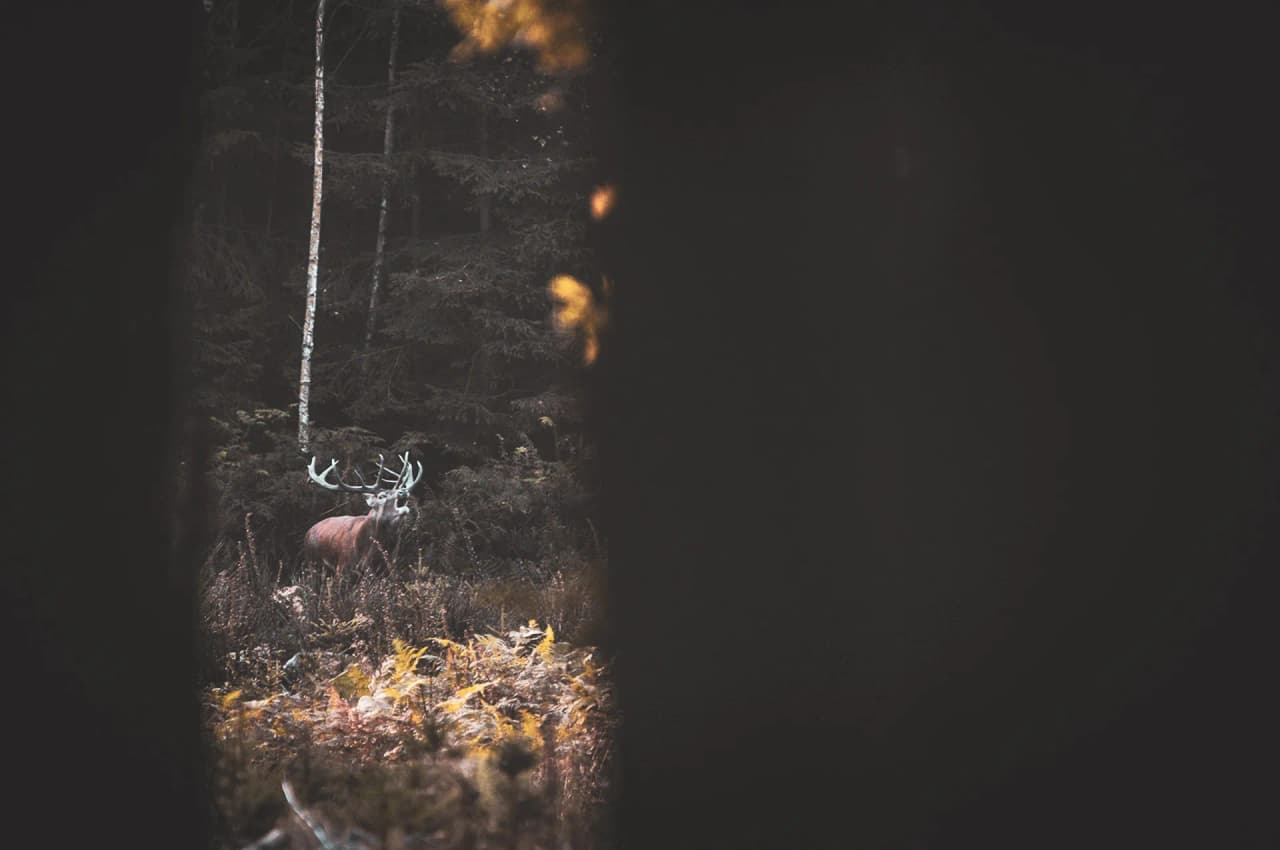
Deer rut etiquette in the Vosges: how not to disturb them
The French forestry service's official rules for not disturbing the stags during the Vosges deer rut, 5 recommended spots, and the right dates to go.
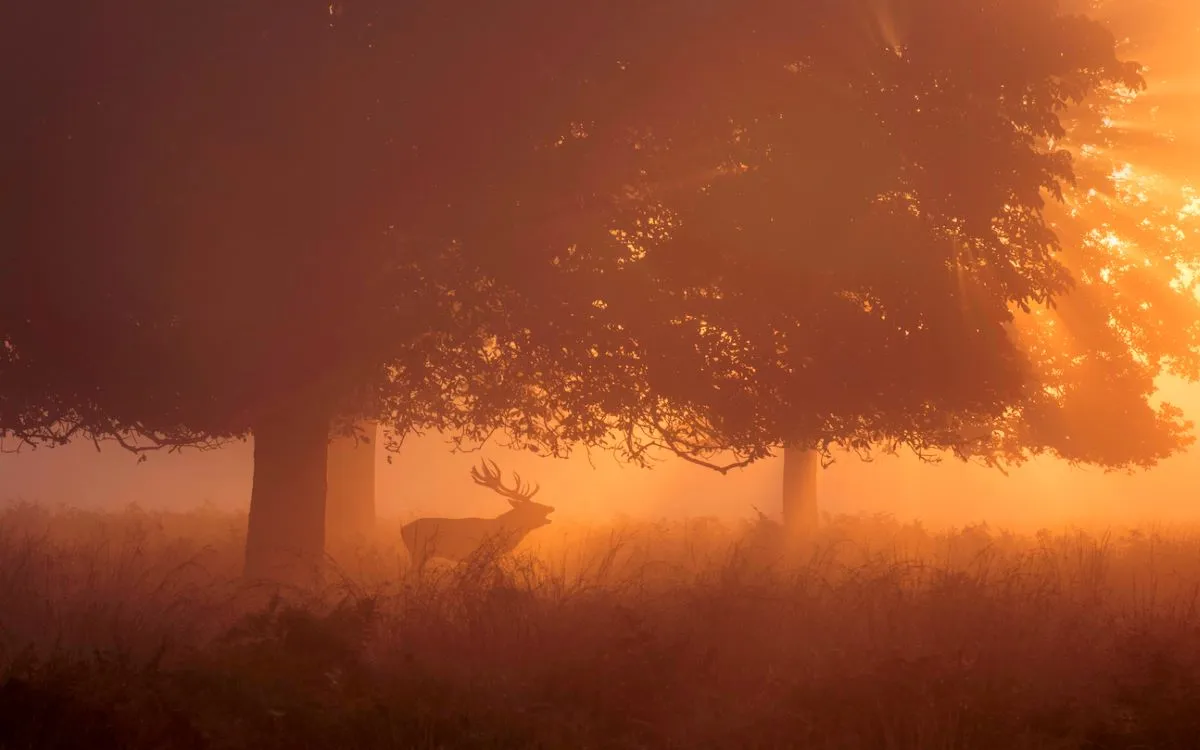
Top 3: Places to listen to the roar of the stag in the Vosges
Listen to the bellowing of the stag in the Vosges, a unique spectacle. Discover the best places to observe deer in their habitat.
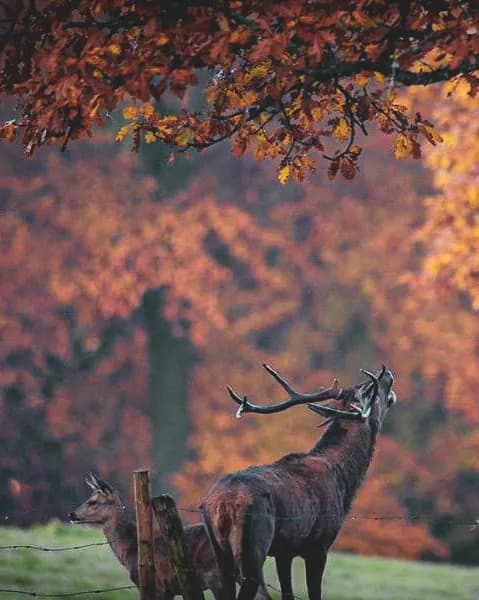
Wildlife watching weekends in France, short guided hikes
Wildlife watching weekends in France, from Jura deer rut to Pyrenees lakes and wolves. Short guided hikes, mountain huts and easy train access.
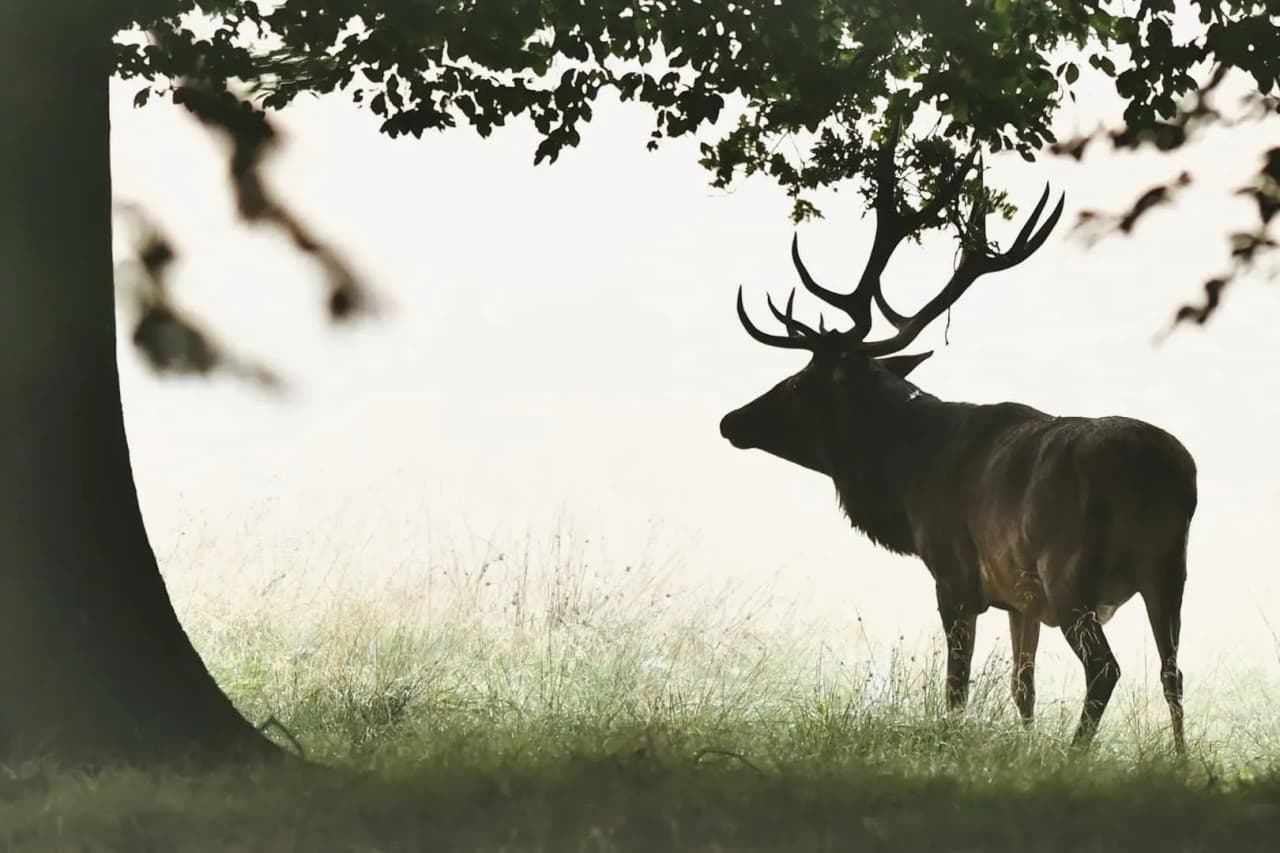
Listening to deer bellow: what is it?
An evening listening to the bâme du cerf in Belgium: discover this melodious sound by accompanying a DiscoveRent group.
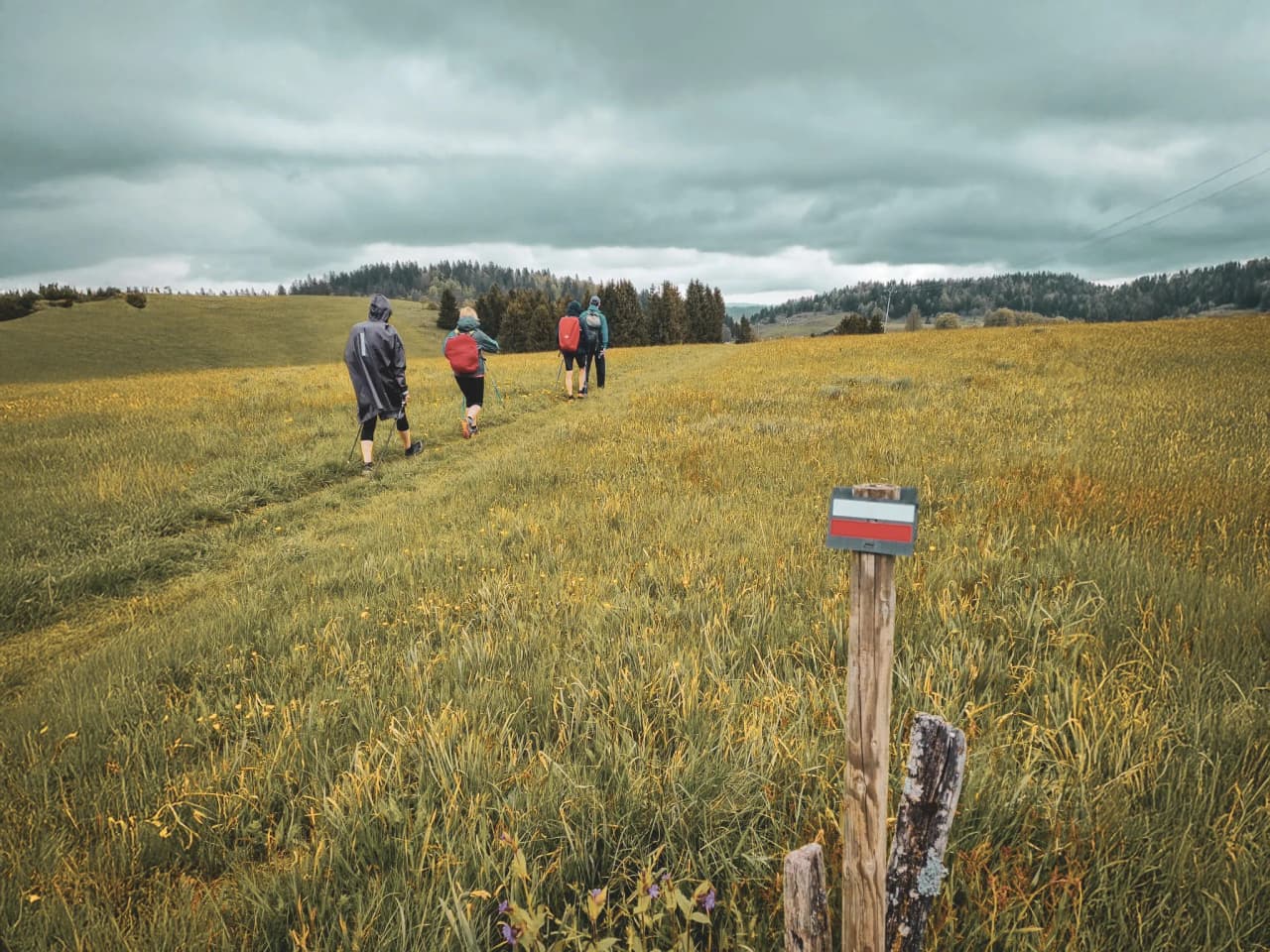
Jura cani-hike or ridge views in the Vosges and Ecrins?
A short 2-4 day nature break: compare a dog-assisted hike in the Jura, ridge panoramas in the Vosges, or a wild-camp trek in the Ecrins, and choose fast.
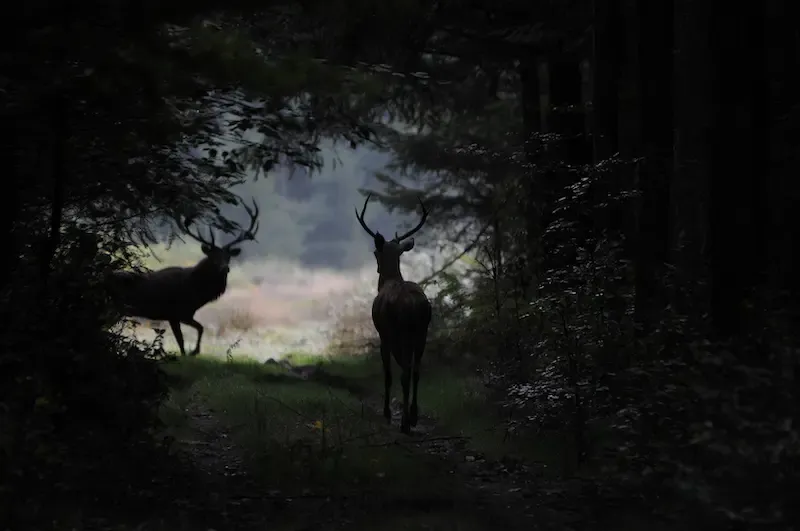
Brame du cerf in Belgium: Where and when can you hear it?
Where and when can you hear the stag bellow in Belgium? Which are the best spots where you will be quiet and which is the best period?
