Deer rut etiquette in the Vosges: how not to disturb them
 By Maxime
The French forestry service's official rules for not disturbing the stags during the Vosges deer rut, 5 recommended spots, and the right dates to go.
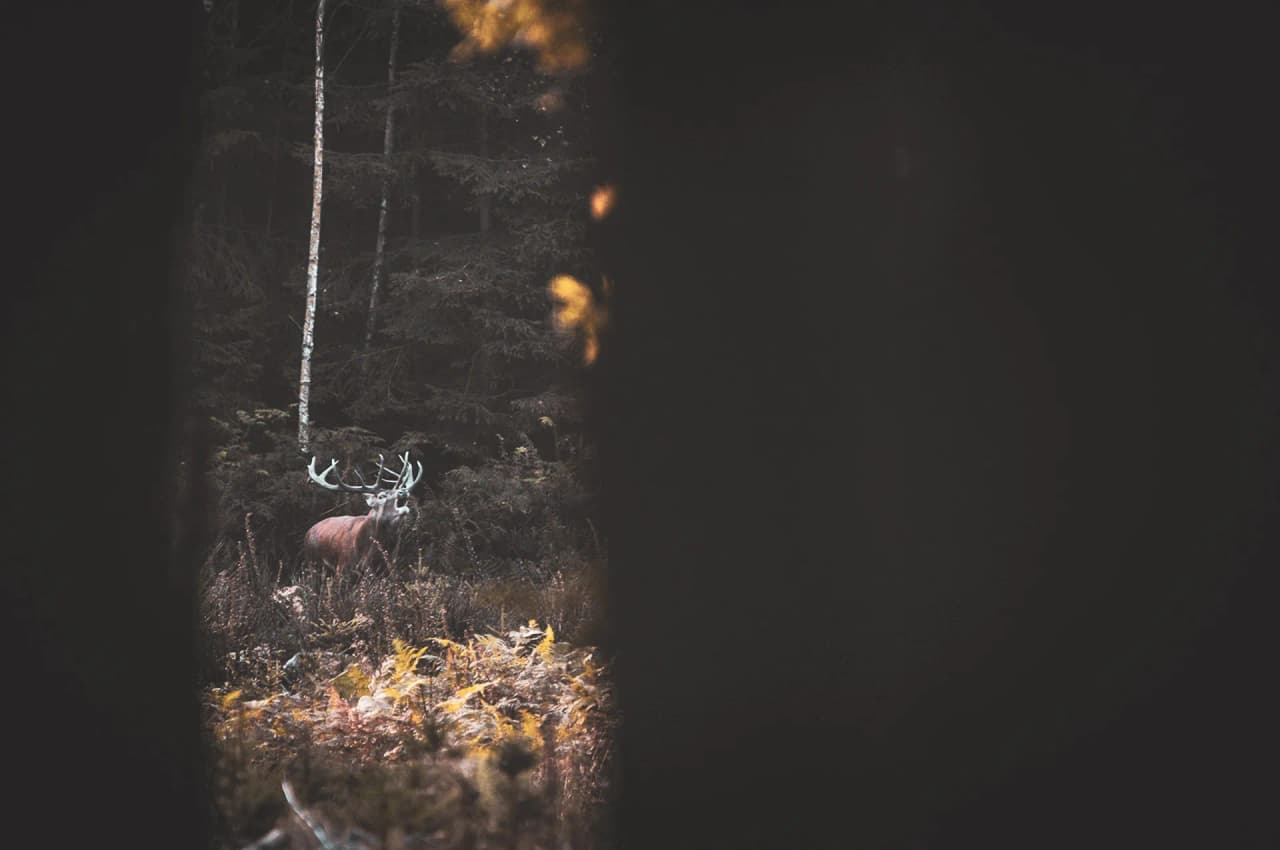
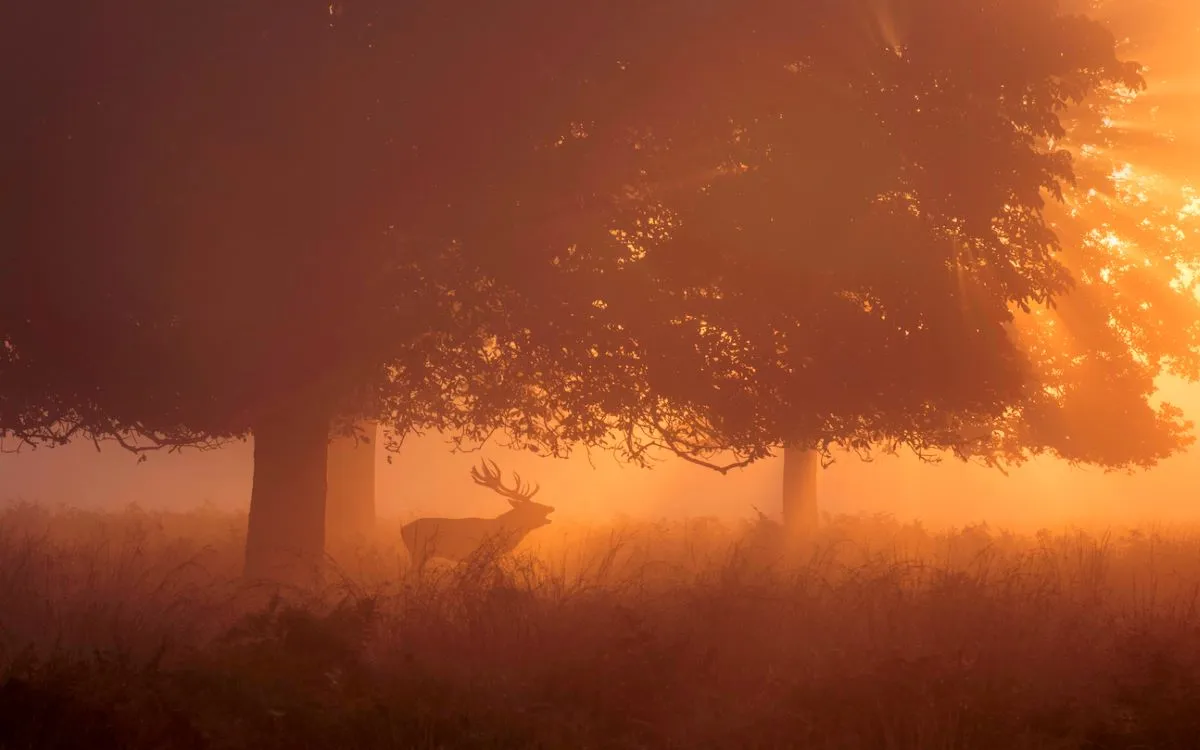
Every year, from mid-September to mid-October, the forests of the Vosges fill with a deep, raspy sound you don't forget once you've heard it: the deer rut. It's the mating season, when stags call out to signal their presence to females and warn off rivals. It's spectacular to listen to, but it's also a critical moment for the animals, who are highly sensitive to disturbance. Here's where to go in the Vosges, when to go, and above all how to do it without harming the very thing you came to hear.
When to go
The rut echoes through the Vosges from mid-September to mid-October, peaking in late September and early October. Stags call mostly at dusk and dawn, when the forest quiets down and the cold morning air carries the sound further. A still, windless evening noticeably improves your odds of hearing several males answering each other across a valley.
The rules for not disturbing them
The Office National des Forêts, France's national forestry service, repeats it every year: the forest is not a petting zoo you can wander through without care. The rut takes hours to build between a stag and his group of hinds, and poorly managed human presence can interrupt it in seconds. Here are the ONF's official recommendations:
- Stay on authorised paths, never enter an active rutting area.
- Keep your distance and maximum discretion, deer are sensitive to noise, smell and movement.
- Never try to approach or touch an animal: stags can become aggressive during this period.
- Leave the dog at home, even on a leash.
- No artificial light: no headlamp at full brightness, no car headlights, no camera flash.
- Avoid light-coloured clothing and fabrics that rustle (plasticky raincoats).
- No perfume.
- Bring proper hiking boots and warm clothing, Vosges evenings in September cool down fast.
The ONF recommends a safety distance of at least 50 to 100 metres depending on the animal's behaviour, and advises that for a first outing, you join a guided visit led by a forestry professional rather than exploring the forest alone.
5 places you can watch responsibly
For a broader look at other Vosges spots, our article on the best places to listen to the deer rut in the Vosges covers additional forests (Hardt, Darney) beyond the guided sectors listed here.
The Petit Ballon massif
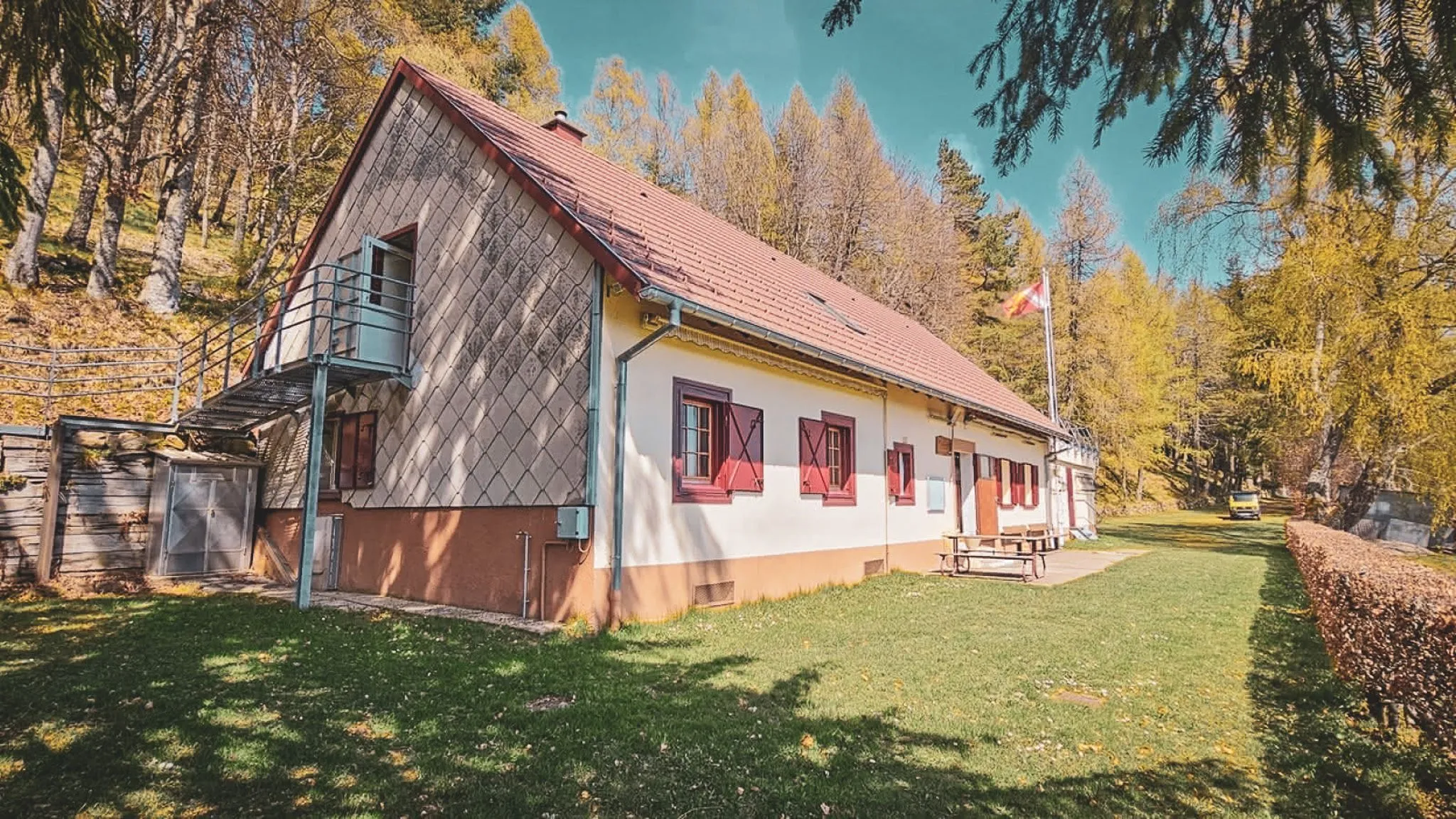
This is where Wildhartt runs its own Track Red Deer Through the Forests of the Vosges trip, three days between Metzeral station and the Hilsenfirst col, just over 1,100 metres up. The area alternates meadows, forest and high pastures, with a volunteer-run mountain refuge to sleep in.
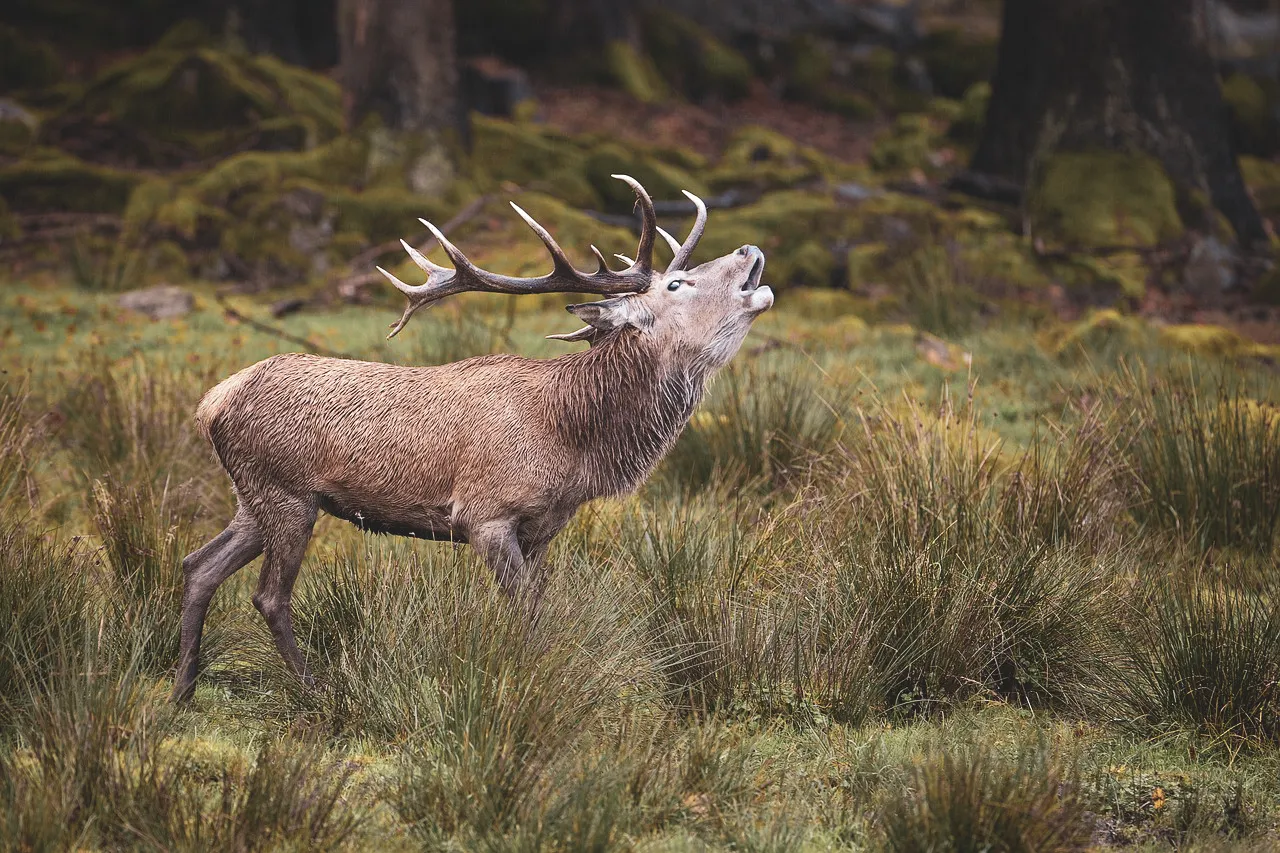
One traveller put it simply afterwards: "Hiking through the forest in the dark, just the light of dusk and the stars. The stags were really there. A magnificent sky, a real Milky Way. And then the rut, a deep, piercing sound, several stags calling from different spots at once." The massif suits a guided outing well, with a guide who knows the deer's resting areas and where to settle without disturbing them.
The Gérardmer state forest
Accessible via the D417 between Épinal and Colmar, with access towns including Liézey, La Bresse, Cornimont, Vagney and Bruyères. It's one of the most renowned sectors of the Vosges massif for the rut, with designated viewpoints built to let you observe without entering sensitive zones. Parking areas are marked on site before you continue on foot.
Le Markstein and the High Vosges
Guided evening outings run here from late September to mid-October to go and meet the rut with an accompanying guide. A good option if you're on the Alsace side of the massif and prefer a ready-made outing over exploring on your own.
The Ballons des Vosges Nature Park
The regional park itself offers guided walks at dusk during the rutting season, led by naturalist guides who explain deer behaviour as they take you to a suitable listening point.
Rambervillers, Le Donon and Col de Prayé
Further north in the massif, these three sectors are known for good listening opportunities, especially at forest edges around dusk. A useful alternative if you're coming from Nancy or Strasbourg and the south of the massif is too far for an evening trip.
What to bring
- Dark, warm, quiet clothing (avoid plasticky fabric that rubs).
- Closed hiking shoes, the ground is often damp this time of year.
- A headlamp with a low mode, to use only on the way there, never in the listening zone.
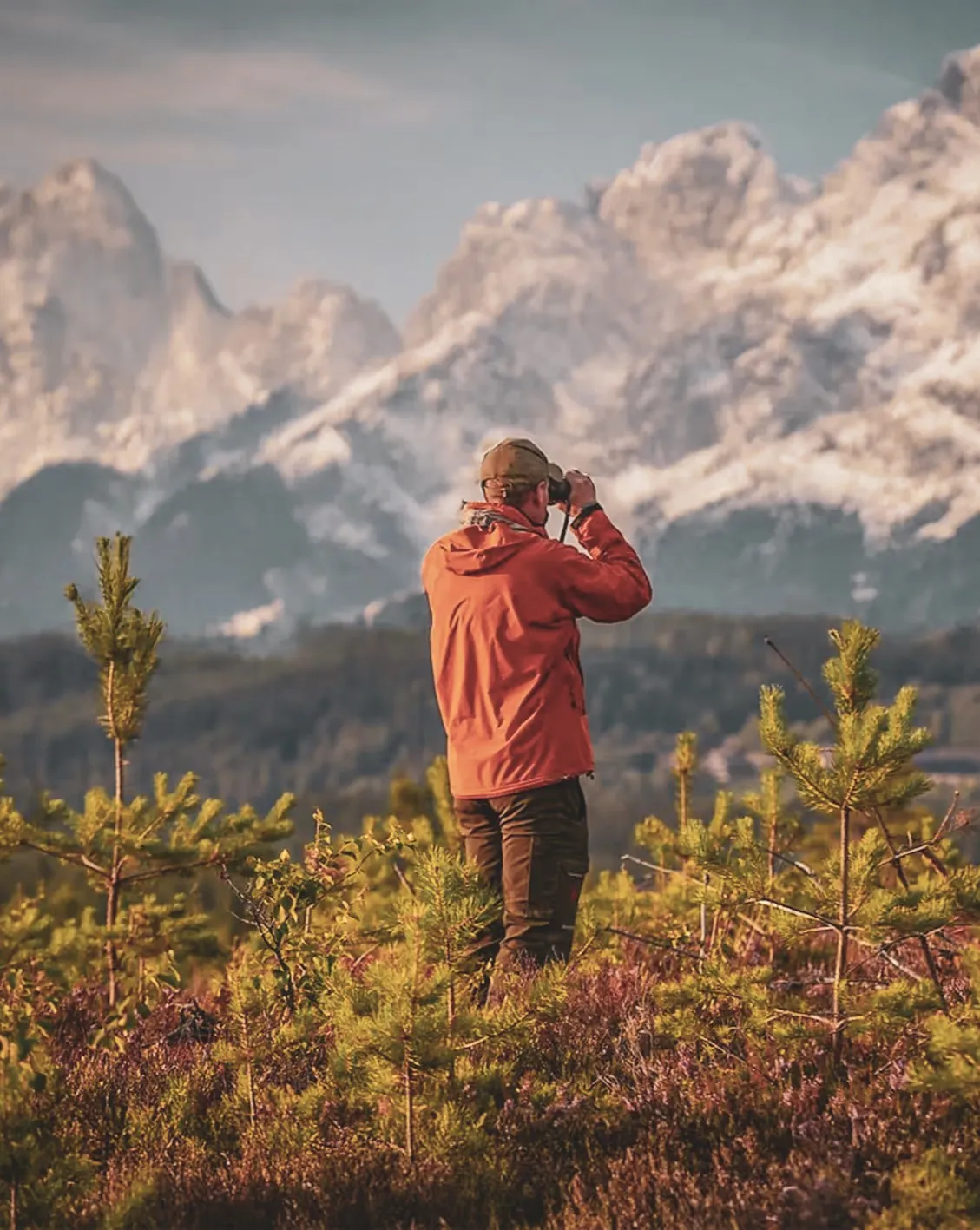
- Binoculars if you want to try spotting an animal, without getting any closer.
- Something to stay warm: a thermos, an extra layer, late September evenings in the Vosges turn cold fast once the sun sets.
Alone or guided?
You can attempt a self-guided outing on marked trails while scrupulously following the rules above. But if you really want to stack the odds in your favour, both to hear the rut and to avoid disturbing the animals, a guided outing makes a real difference: a guide knows the deer's resting areas, reads tracks and wind, and knows exactly where to settle without ever crossing the line. That's exactly what Wildhartt's trip in the Petit Ballon massif offers, or the outings run by the ONF, the regional nature park, or local tourist offices in the other sectors above.

Find your next adventure
Browse curated expeditions matching the categories of this article and start planning your next trip.
Find your dream adventure
 Find your dream adventure
You might also like these adventures …
Hand-picked to echo the spirit of this article.


More to discover
Keep exploring with these pages and stories picked for you.
3 Places to Hear Red Deer Rutting Calls in the Vosges
Listen to the bellowing of the stag in the Vosges, a unique spectacle. Discover the best places to observe deer in their habitat.
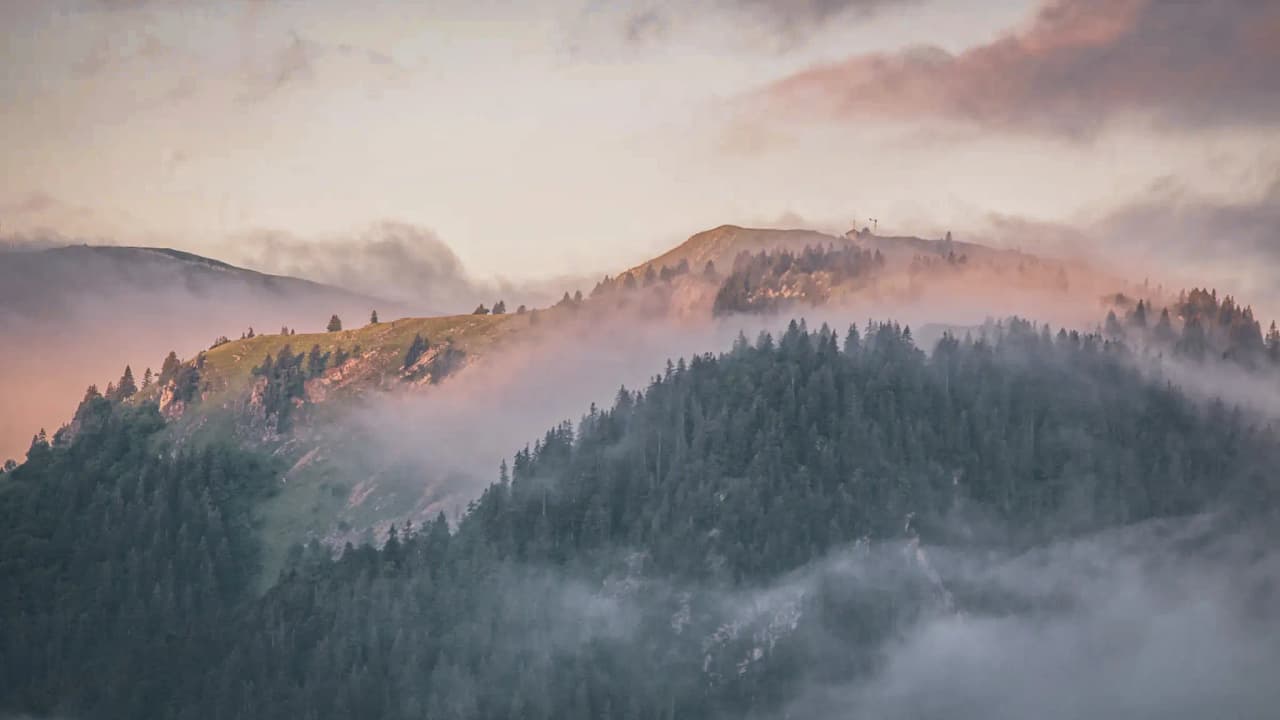
Deer rut trips: one evening to hear it, days to live it
One evening is enough to hear the deer rut, several days change what you truly experience. What each format gives you, illustrated by our own trips.
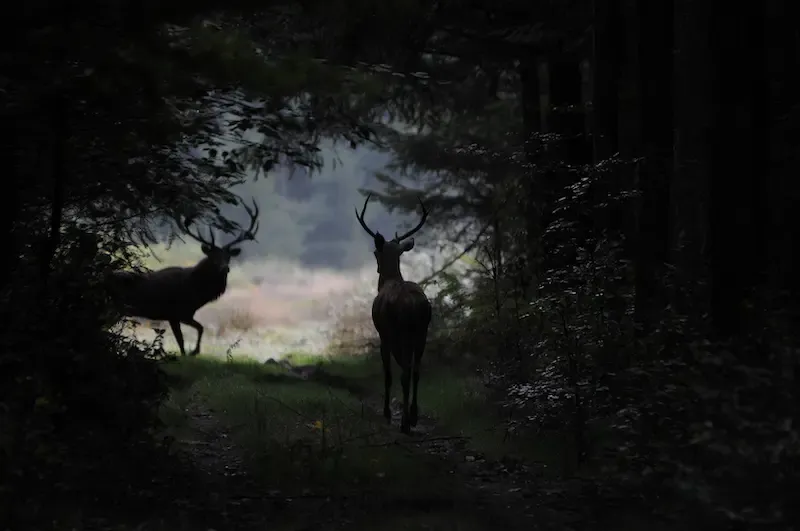
Red Deer Rutting Calls in Belgium: Where and When to Hear Them
Where and when can you hear the stag bellow in Belgium? Which are the best spots where you will be quiet and which is the best period?
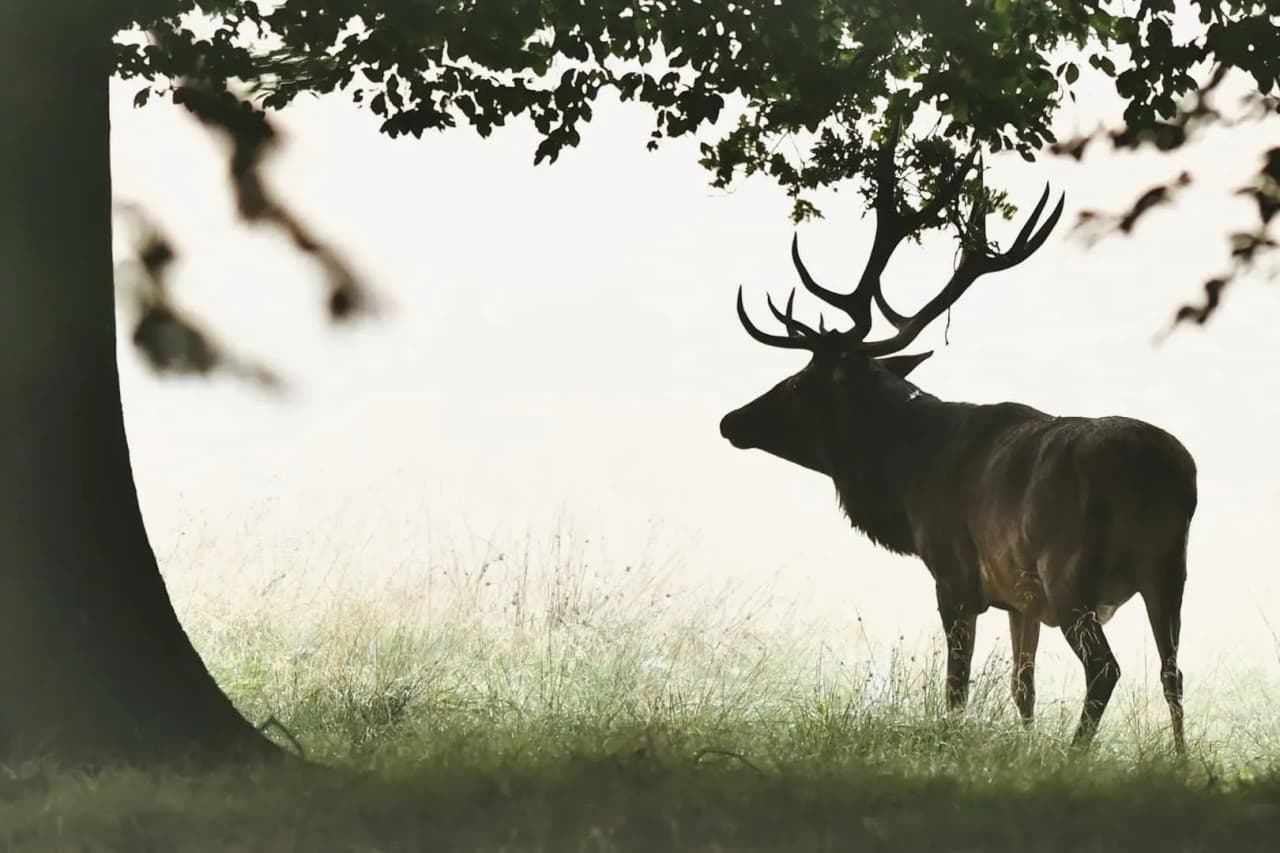
Listening to deer bellow: what is it?
An evening listening to red-deer rutting calls in Belgium: discover this distinctive sound with a Wildhartt group.
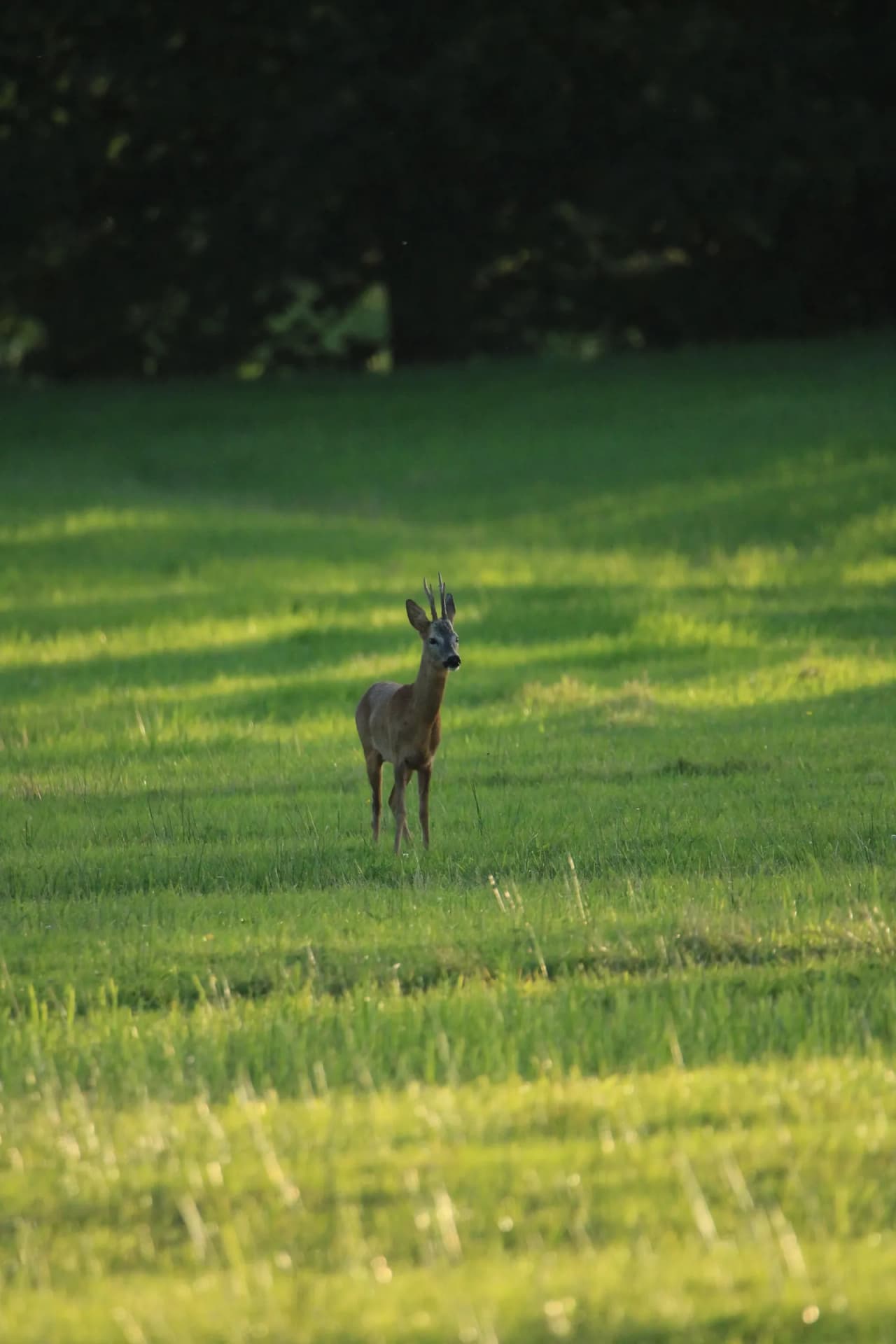
Where to Spot Wildlife in Belgium: A Guide to the Hautes Fagnes and the Semois Valley
A complete guide to spotting wildlife in Belgium without disturbing it: the best hike-accessible spots in the Hautes Fagnes and the Semois Valley.
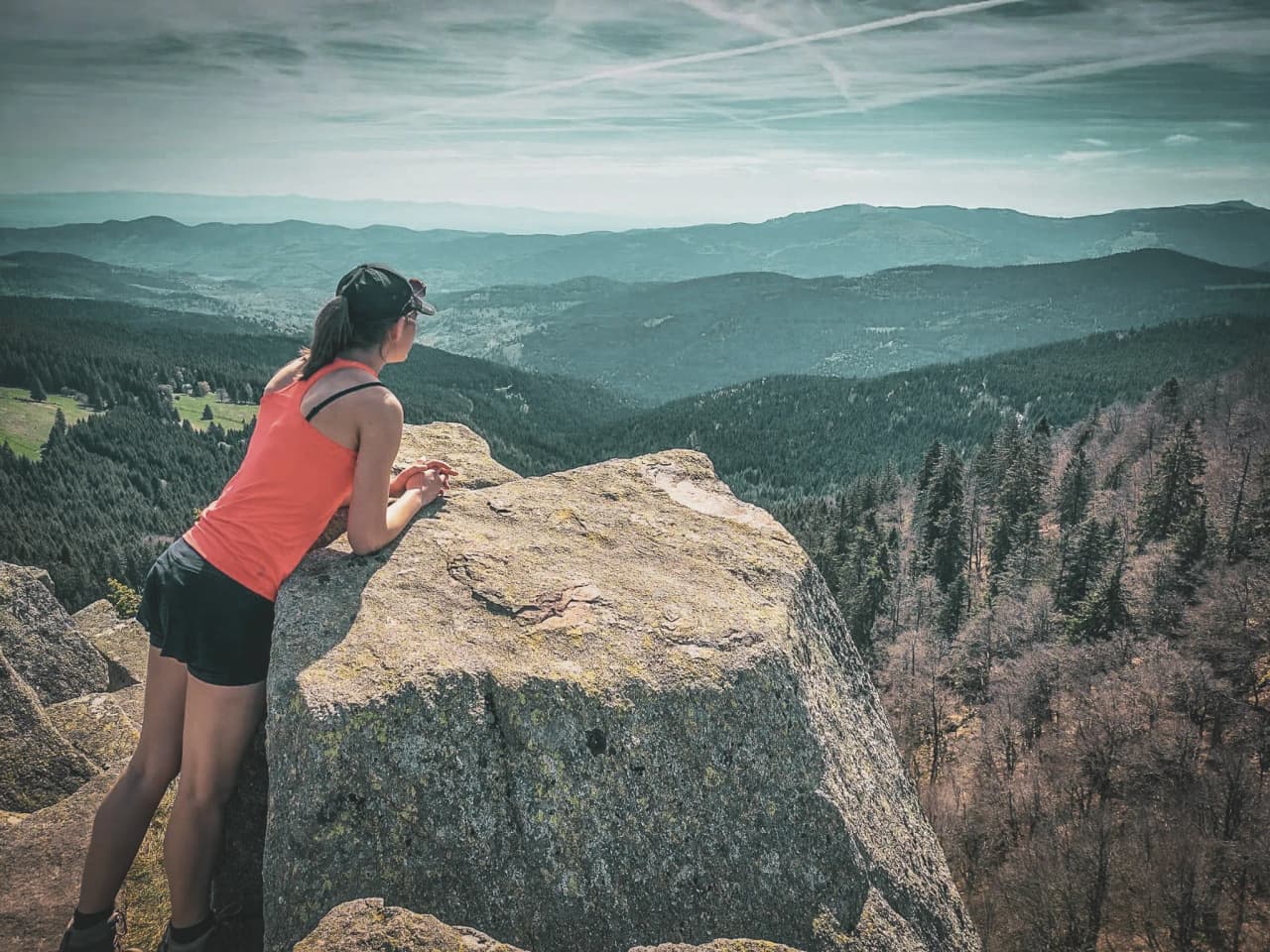
7 Hiking Destinations in the Vosges
Explore seven hiking destinations in the Vosges, from forest paths to rocky summits and quieter places to walk.
