Sea Kayaking for Beginners: How to Start Safely
 By isabelle
Discover the real skill level, safety basics, gear and budget for your first sea kayaking trip, whether you go solo or with a guide.
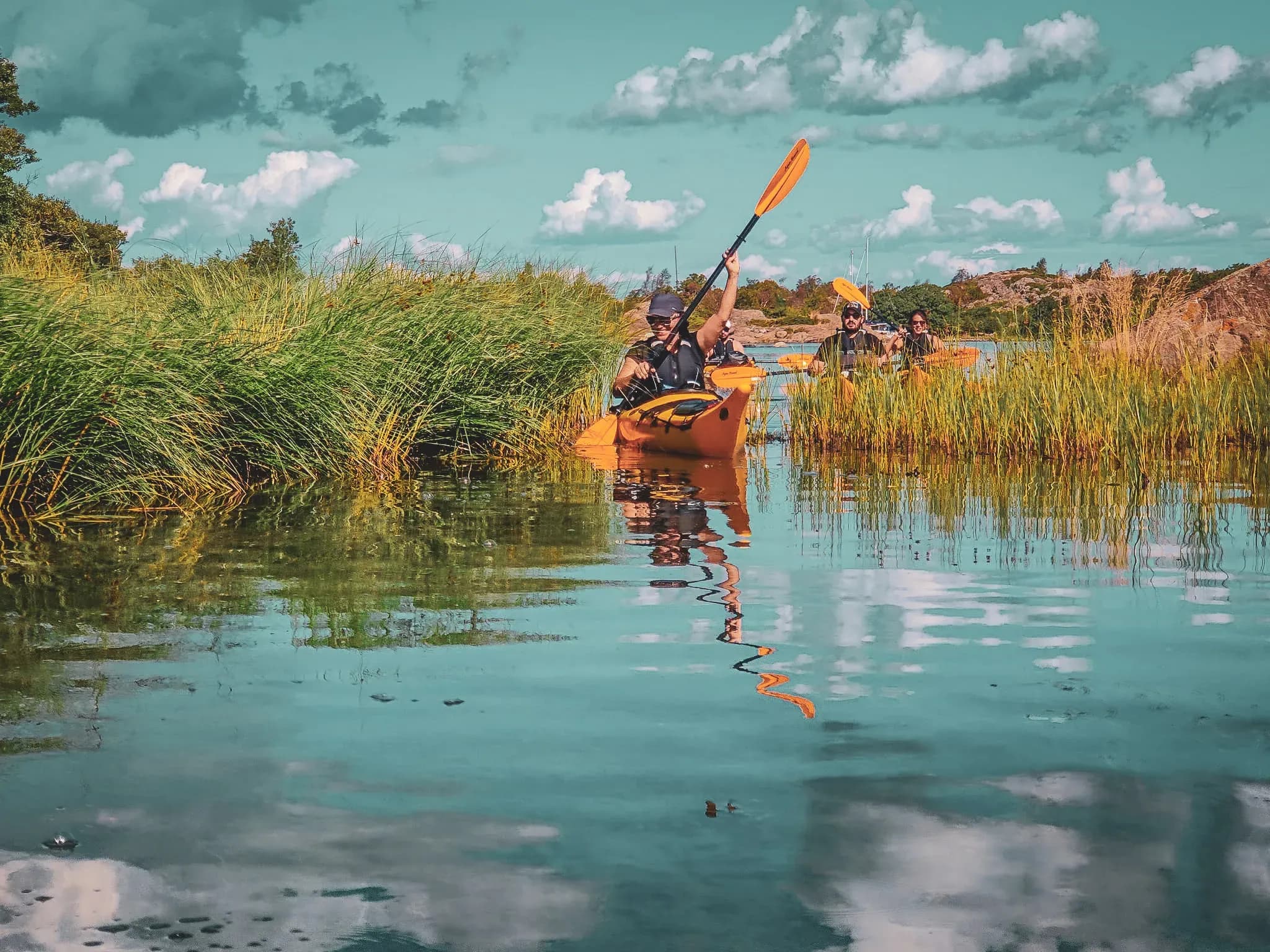
Sea kayaking is intimidating mostly because of its name: add "sea" to "kayaking" and suddenly you picture huge waves and an expert paddler's skill set. In reality, a first guided outing happens in a calm bay, life jacket on, with a guide who reads the marine forecast better than any app ever could. This guide answers the three questions you actually have before signing up: what level you really need, what's included or not, and what it costs, from a single-day taster to a full guided expedition.
Sea kayaking is not river kayaking
Sea kayaking happens on open water, lakes or archipelagos, in a decked kayak built to hold a straight line over long distances, unlike a river kayak built for manoeuvring in current. That difference changes everything: no rapids to read, but wind, currents and sometimes swell to plan around before you leave. The double paddle is the same on both sides, but the exercise becomes as much about navigation as paddling technique.
What physical and technical level do you need to start?
No prior kayaking experience is needed for a first guided outing: holding the paddle, balance and turning are learned within an hour on the water. What actually matters is your fitness and how comfortable you are in the water. On our trip in the Stockholm archipelago, for example, you need to be able to paddle around 6 hours a day for 6 days and swim at least 50 metres, not for performance but to stay calm if you capsize. For a simple half-day taster with a club, those requirements drop: being comfortable in the water and able to handle a few hours of continuous paddling is enough.
Safety: what to know before you go
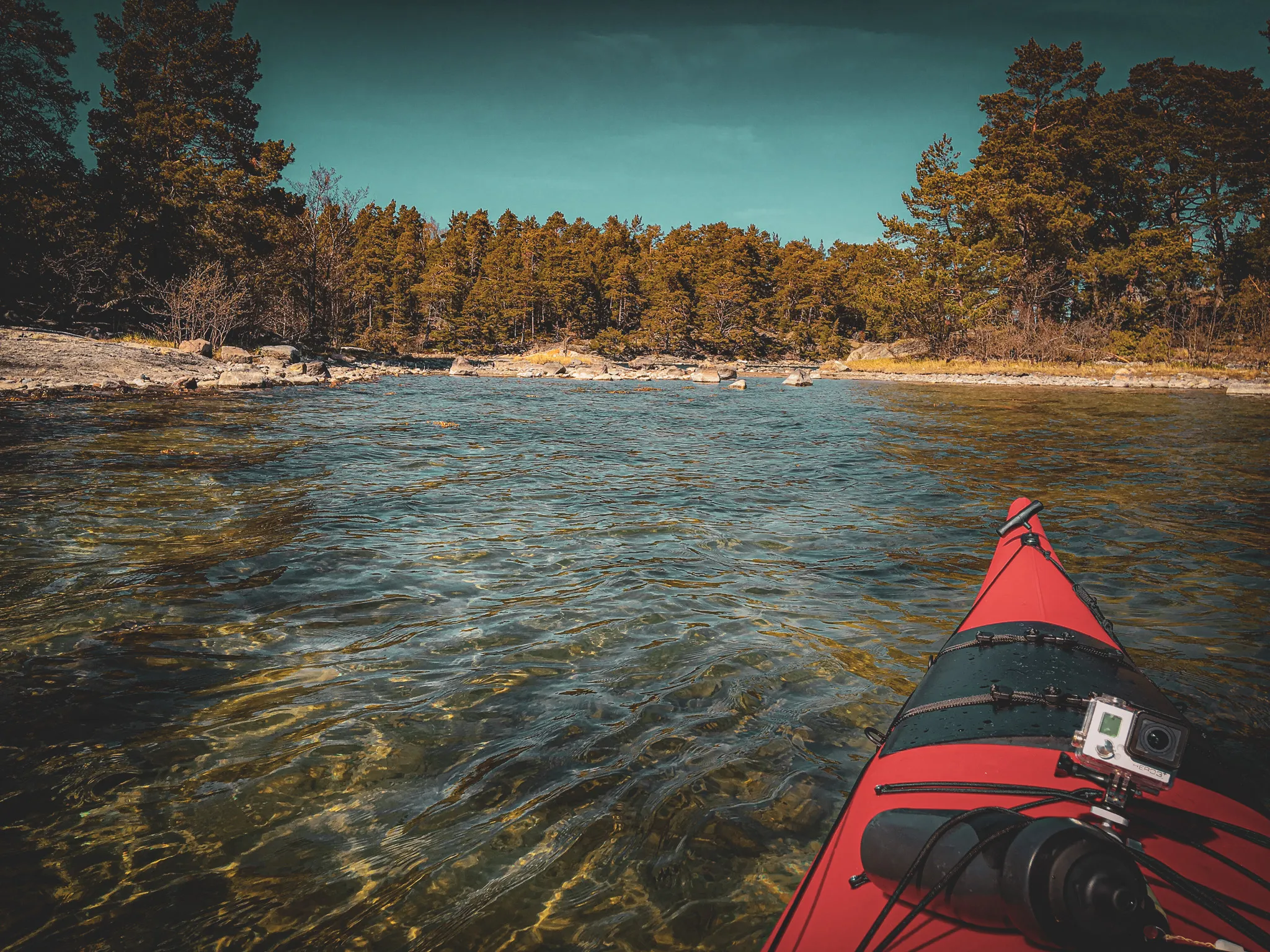
The real safety variable in sea kayaking isn't the paddler's level, it's the marine weather: a 15 to 20 knot wind, easy to underestimate when you set off, can make the way back very hard for a beginner. That's exactly why first outings are guided rather than solo with a map: a guide reads the marine forecast, knows the local currents and knows where to take shelter if the weather turns. Capsize recovery and re-entry are also practised in calm conditions, before you ever need them for real. If you'd rather learn through a club than a trip, clubs affiliated with the French Canoe-Kayak Federation run this kind of first outing all along the coast.
Gear: what's provided, what you need to bring
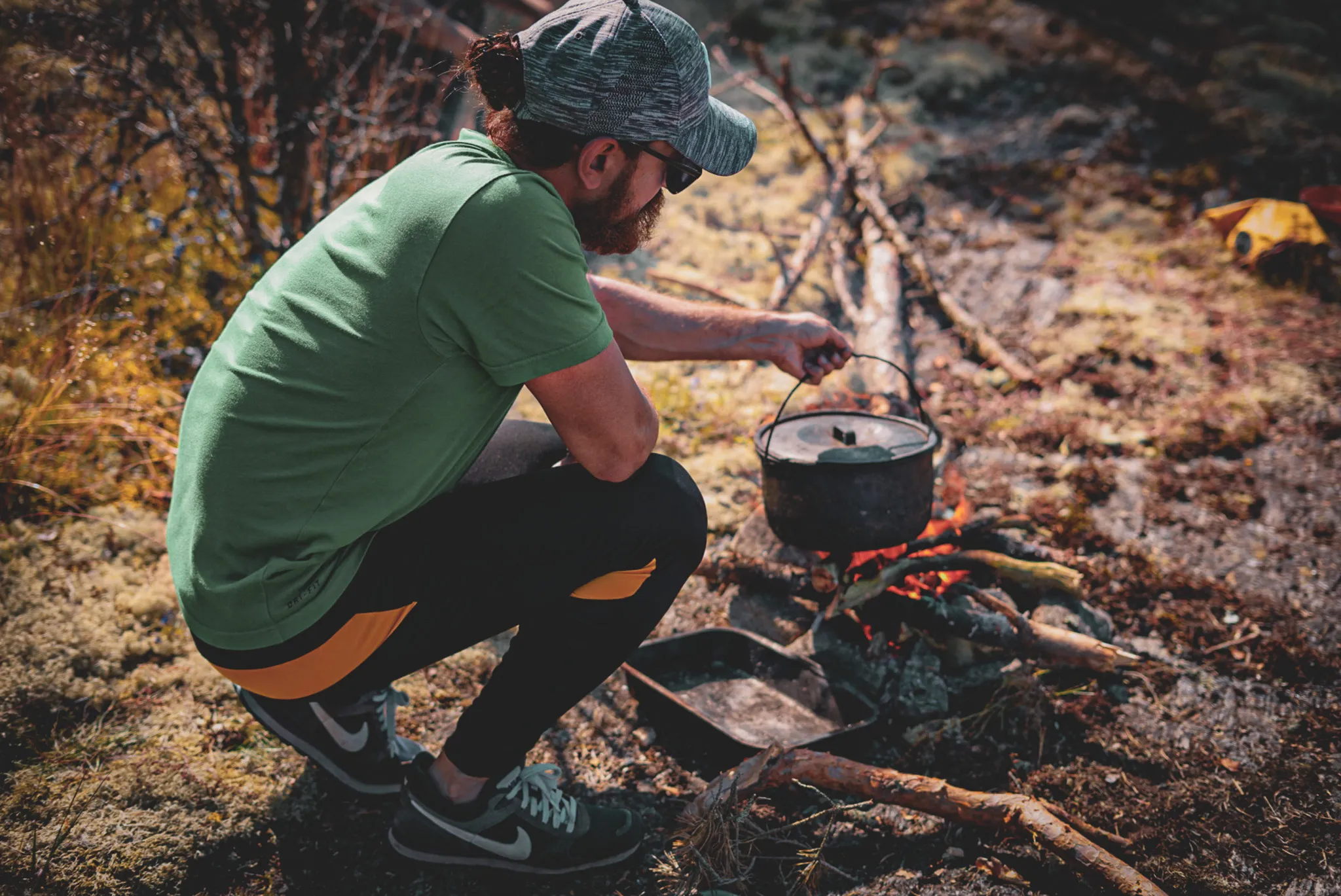
On a guided outing, the kayak, paddle and life jacket are almost always provided, as they are on our trip in Sweden. What's left for you to bring are your personal items: clothing suited to cold water, and above all dry bags to keep your phone, papers and sleeping bag dry, a detail a lot of beginners forget while assuming everything is covered. If the trip includes bivouacking, like the Stockholm archipelago one, camping gear (tent, mat, sleeping bag) is usually available to rent rather than automatically included, so it's worth checking before you leave rather than finding out on site.
Where to start sea kayaking
In France, Brittany, the French Riviera and the calanques near Marseille have the most clubs and rental outfits offering guided outings for beginners, usually for a day. For a real multi-day immersion, the format changes: bivouacking, logistical self-sufficiency, and wilder surroundings. That's the choice we made with our trip in the Stockholm archipelago, where 30,000 islands and skerries replace rapids or swell with a real marine labyrinth to explore at your own pace.
How much does a sea kayaking taster or trip cost?
A half-day taster with an affiliated club costs a lot less than a full trip, but it doesn't replace several days of real conditions: carrying gear, bivouacking, reading the marine forecast daily instead of just once. Our 6-day trip in the Stockholm archipelago, guide, kayak, life jacket, bivouac accommodation and every meal included, costs €1,200, which works out to €200 a day, all-inclusive, for a full week. Transport to the meeting point and bivouac gear are the only things left for you to cover.
| Format | What's included | What's on you |
|---|---|---|
| Club taster (half-day) | Kayak, paddle, life jacket, guiding | Suitable clothing, transport |
| Multi-day guided trip (Stockholm, 6 days, €1,200) | Kayak, paddle, life jacket, guide, bivouac accommodation, all meals | Transport, bivouac gear, dry bags |
Our kayaking and bivouac trip in the Stockholm archipelago
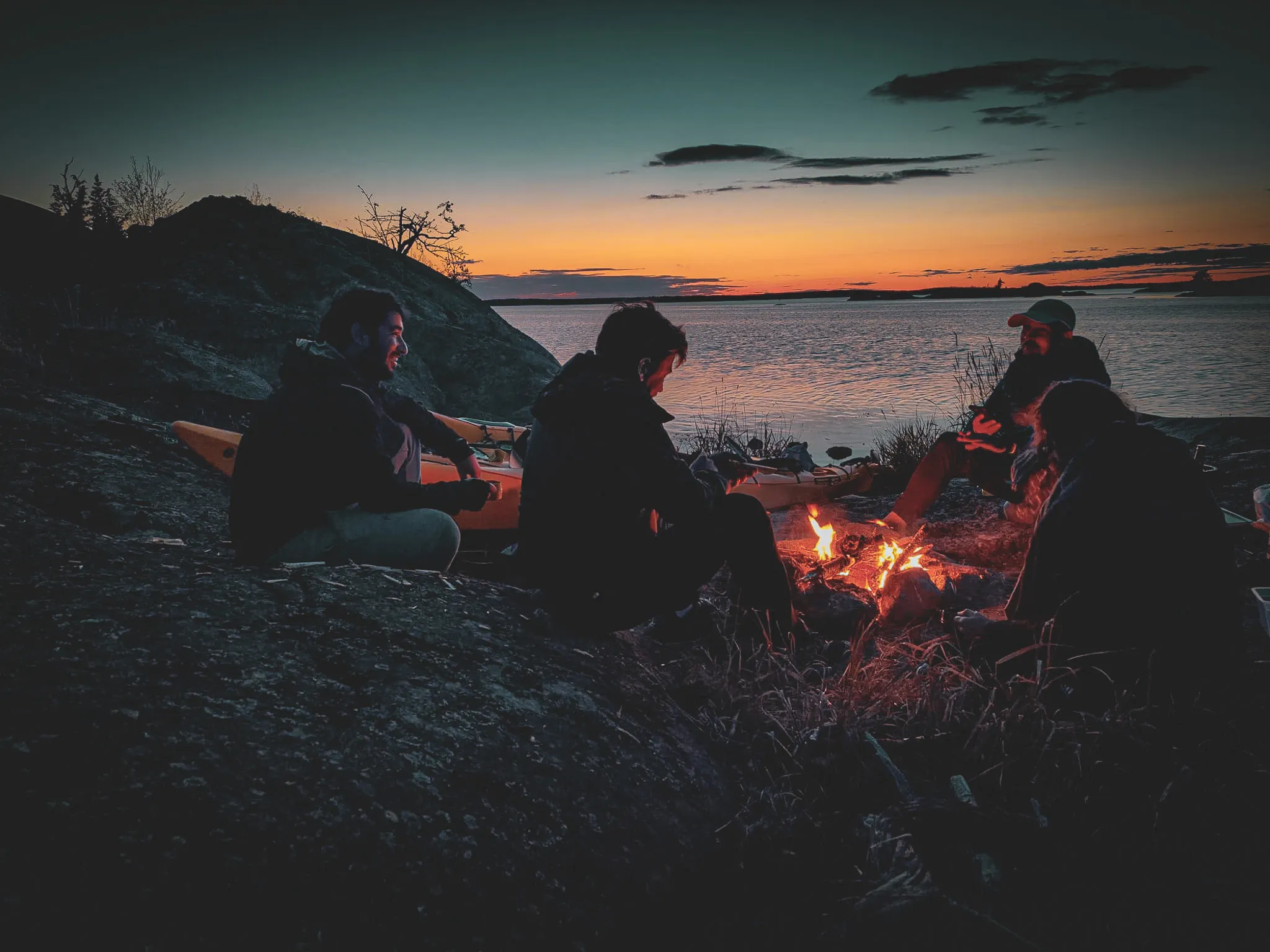
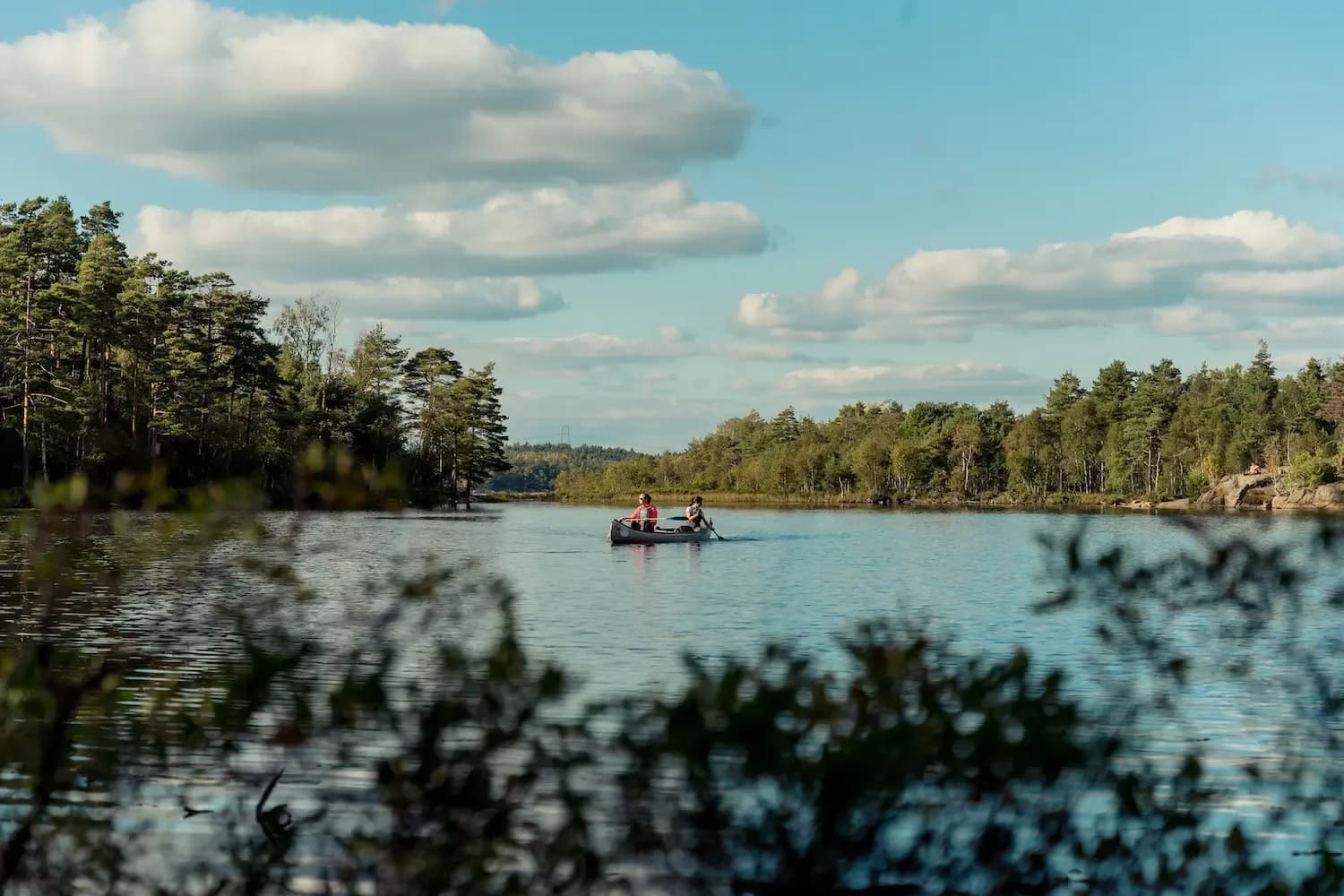
This 6-day trip starts in Dalarö, a coastal village south of Stockholm, paddling among the 30,000 islands and skerries of Sweden's largest archipelago. Each night the bivouac goes up on a different island, Kymmendö, Brännskär, Biskopsön, Furuskär, then Lilla Kaskär, campfire and hot meal included, sometimes to the sound of the seals living around Biskopsön. William, the guide leading this trip, is also a naturalist: breaks on the water turn into a chance to spot the seabirds nesting on the quietest islands.
Vincent, a participant on a previous departure, summed up the experience like this: "A week of canoe survival in Sweden, pure happiness." To compare it with other formats, our article on canoeing the Dordogne covers the river option if open sea still feels like a lot for a first trip, and our article on the train as an alternative to flying explains how to reach Sweden without getting on a plane.
Whatever format you choose, sea kayaking has one real rule for a first trip: never go out alone until you can read the marine forecast yourself. Everything else, the technique, the balance, the pleasure of gliding between two islands, comes quickly. Discover all our canoe-kayak trips or go straight to our trip in the Stockholm archipelago to get started.

Find your next adventure
Browse curated expeditions matching the categories of this article and start planning your next trip.
Find your dream adventure
 Find your dream adventure
You might also like these adventures …
Hand-picked to echo the spirit of this article.


More to discover
Keep exploring with these pages and stories picked for you.
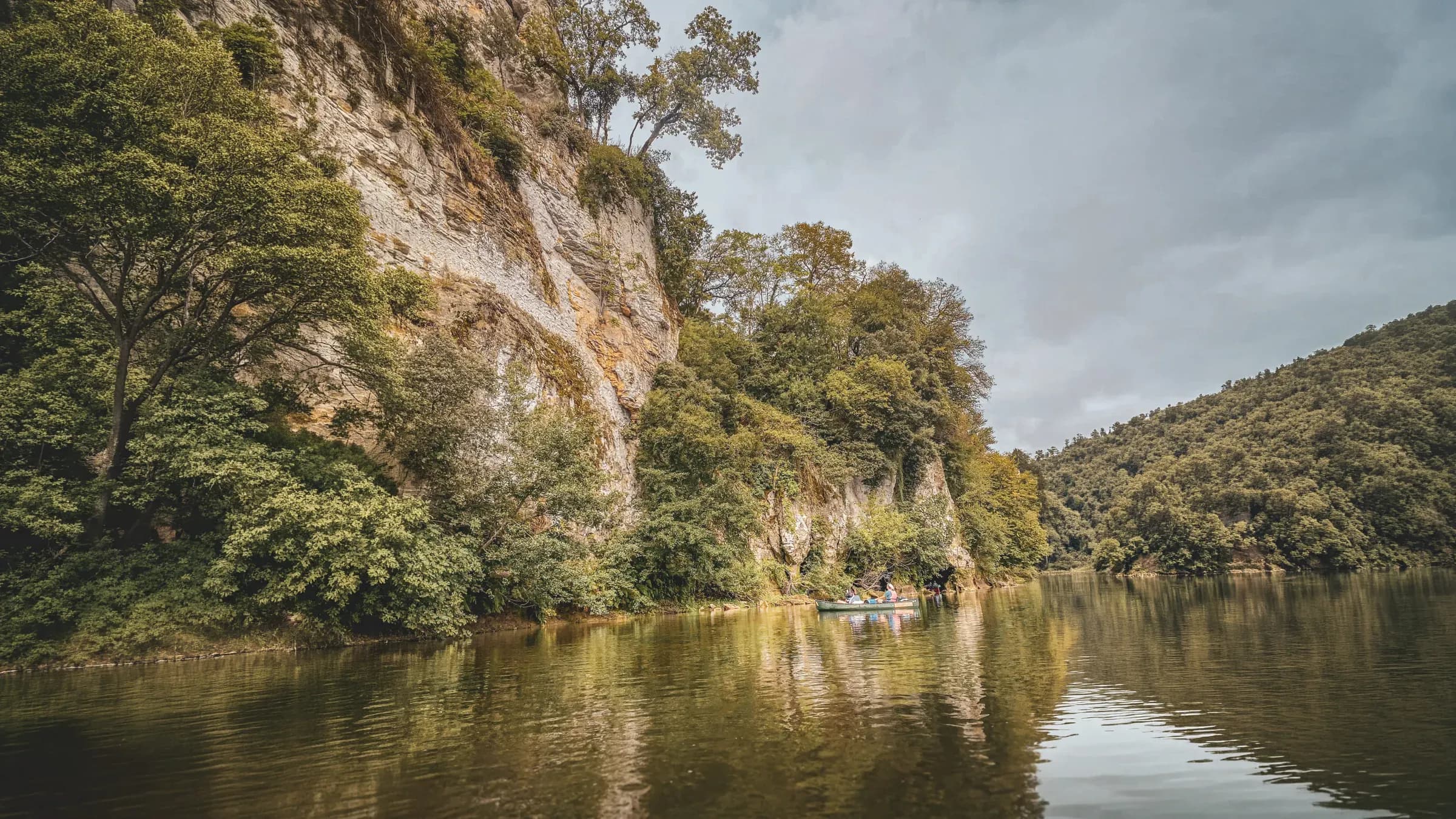
Beginner canoe weekend: best rivers to get started
No experience needed for a first canoe weekend. How to choose your river, between the Dordogne and the Allier, and what to really expect.
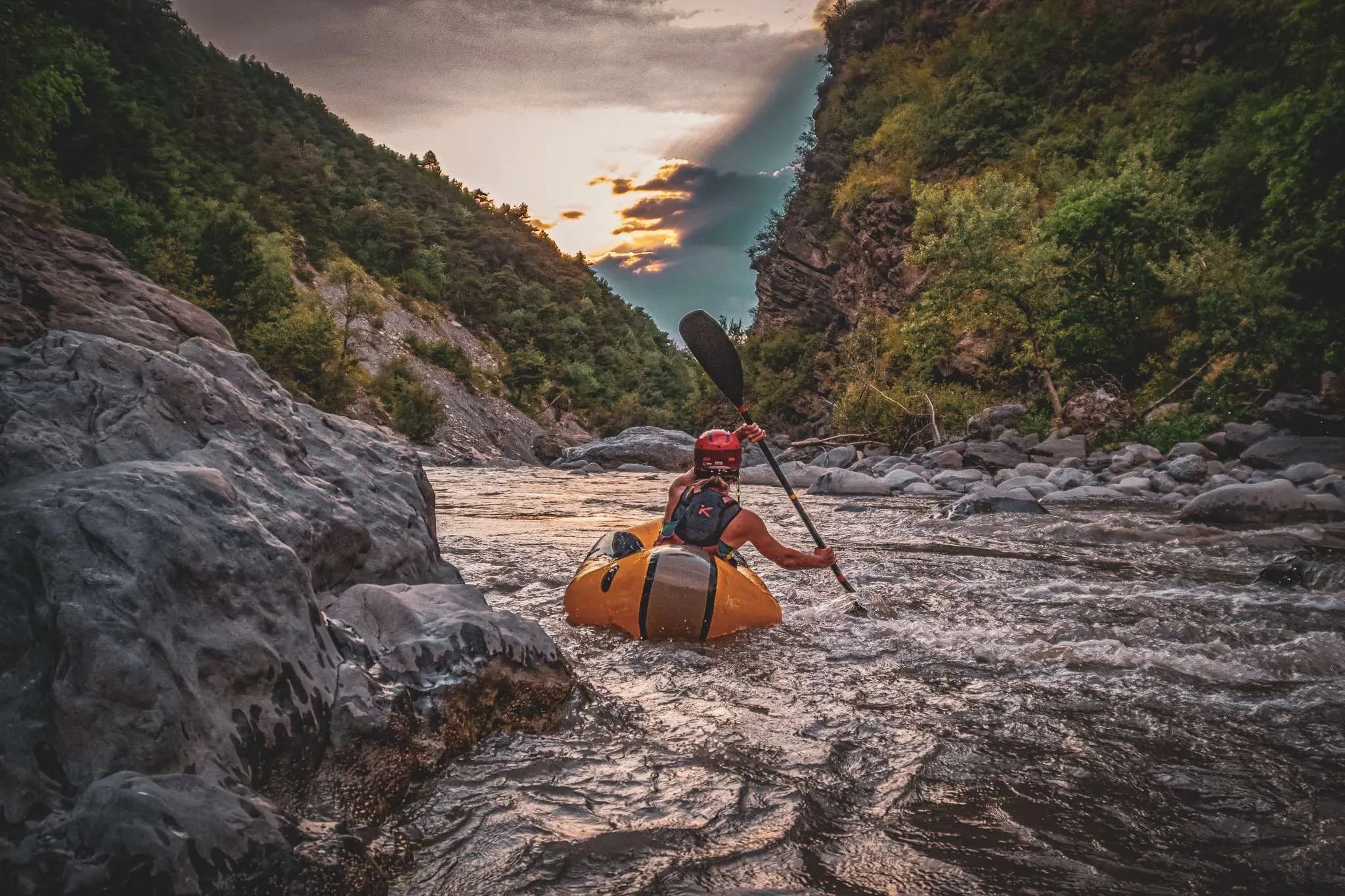
Packraft trail: the ultimate guide to getting started in a day
Discover the packraft trail: the ultimate guide to hiring, choosing the right kit and setting off with confidence from your very first day on the water.
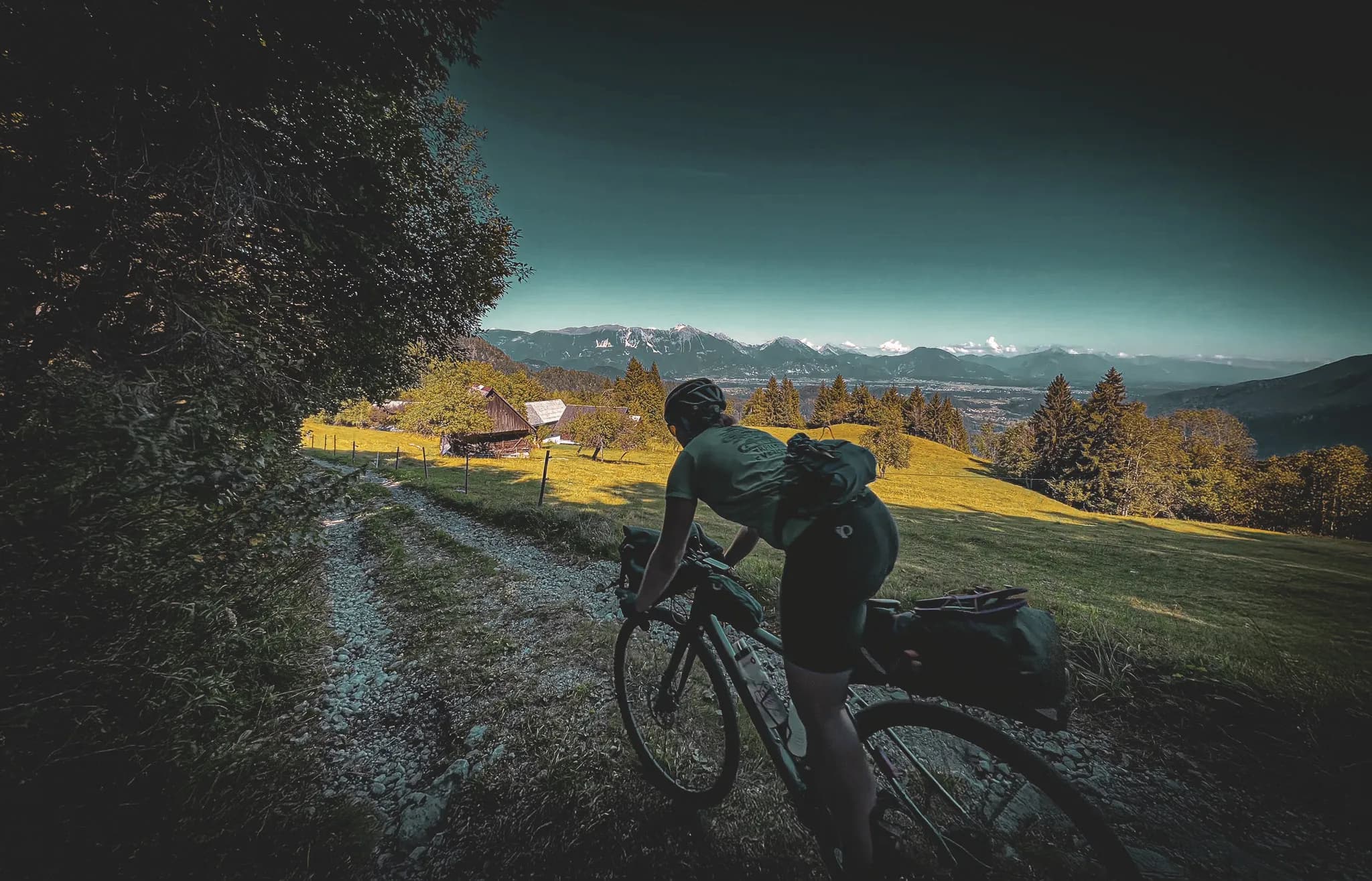
How to Start Packrafting in Europe: Choosing Your Trip
Choose a first packrafting trip in Europe by comparing level, season, effort and the type of experience you want.
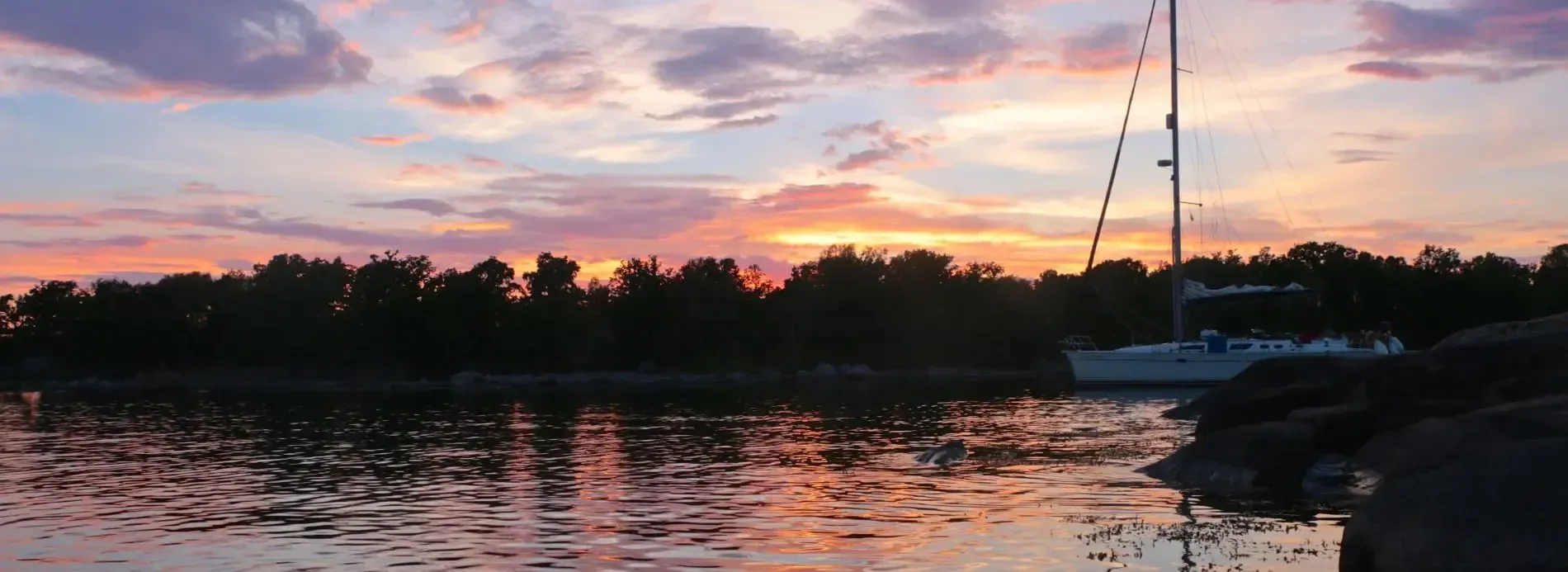
Introduction to sailing: 5 essential tips for getting started at sea
Introduction to sailing: Want to sail with the wind? Check out our 5 tips for getting out on the water with confidence!
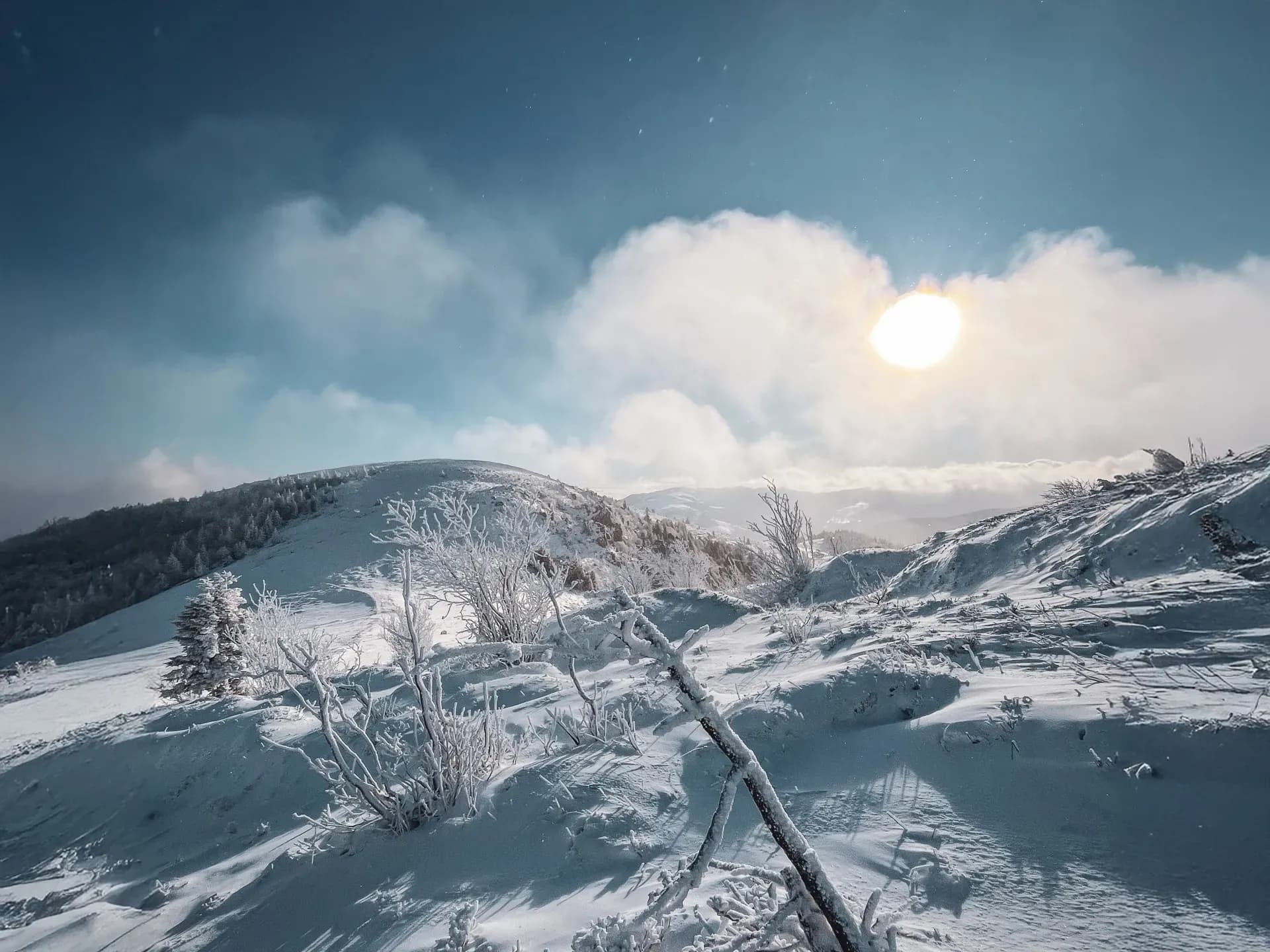
Winter mountain activities: which one should you try first?
Snowshoeing, ski touring, dog sledding or ice climbing? Compare winter mountain activities and find the one that fits your level and budget.
The complete guide to canoeing
Canoeing is an exciting activity that lets you enjoy the beauty of the countryside from a different angle. Here is the complete guide to canoeing.
