Spotting marmots in the mountains: how to find them
 By Marie
A whistle before you see it, freshly turned earth: the real tricks for spotting marmots in the mountains, straight from mountain guides.
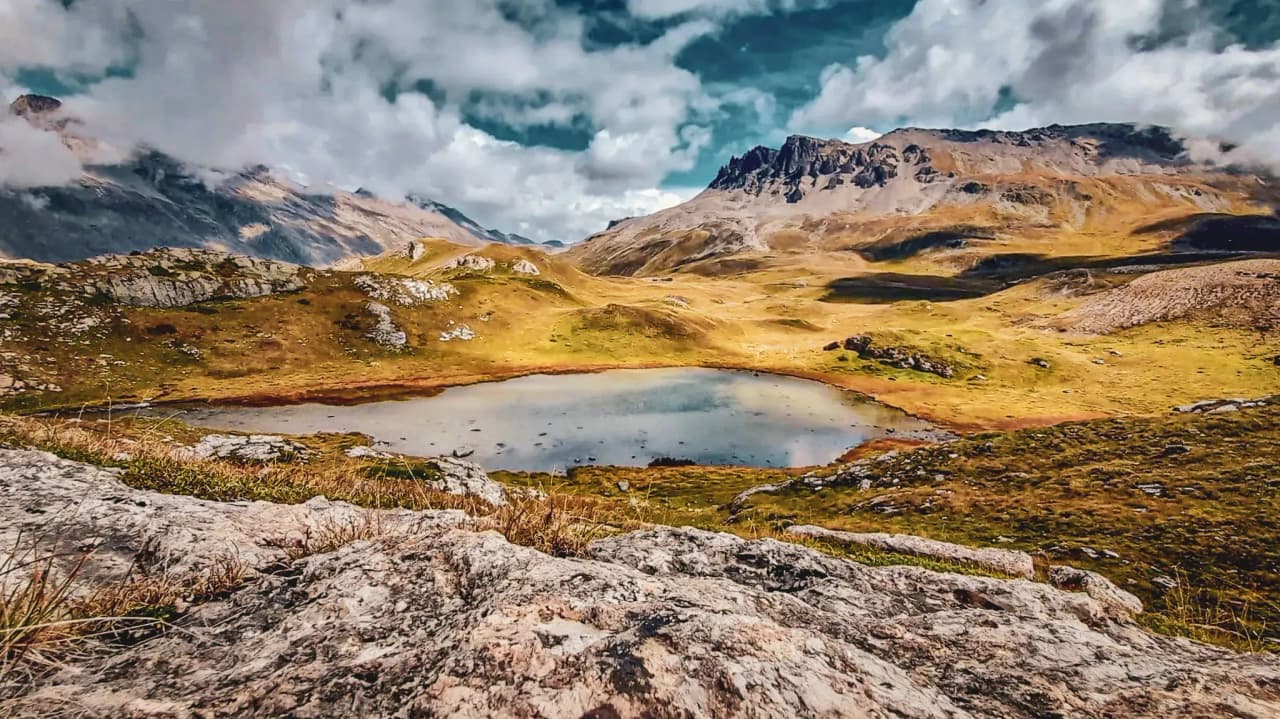
You hear a marmot before you see it. That sharp, brief whistle is its way of warning the whole colony that there's movement down below. Once you know that, you never walk the same way in the mountains again.
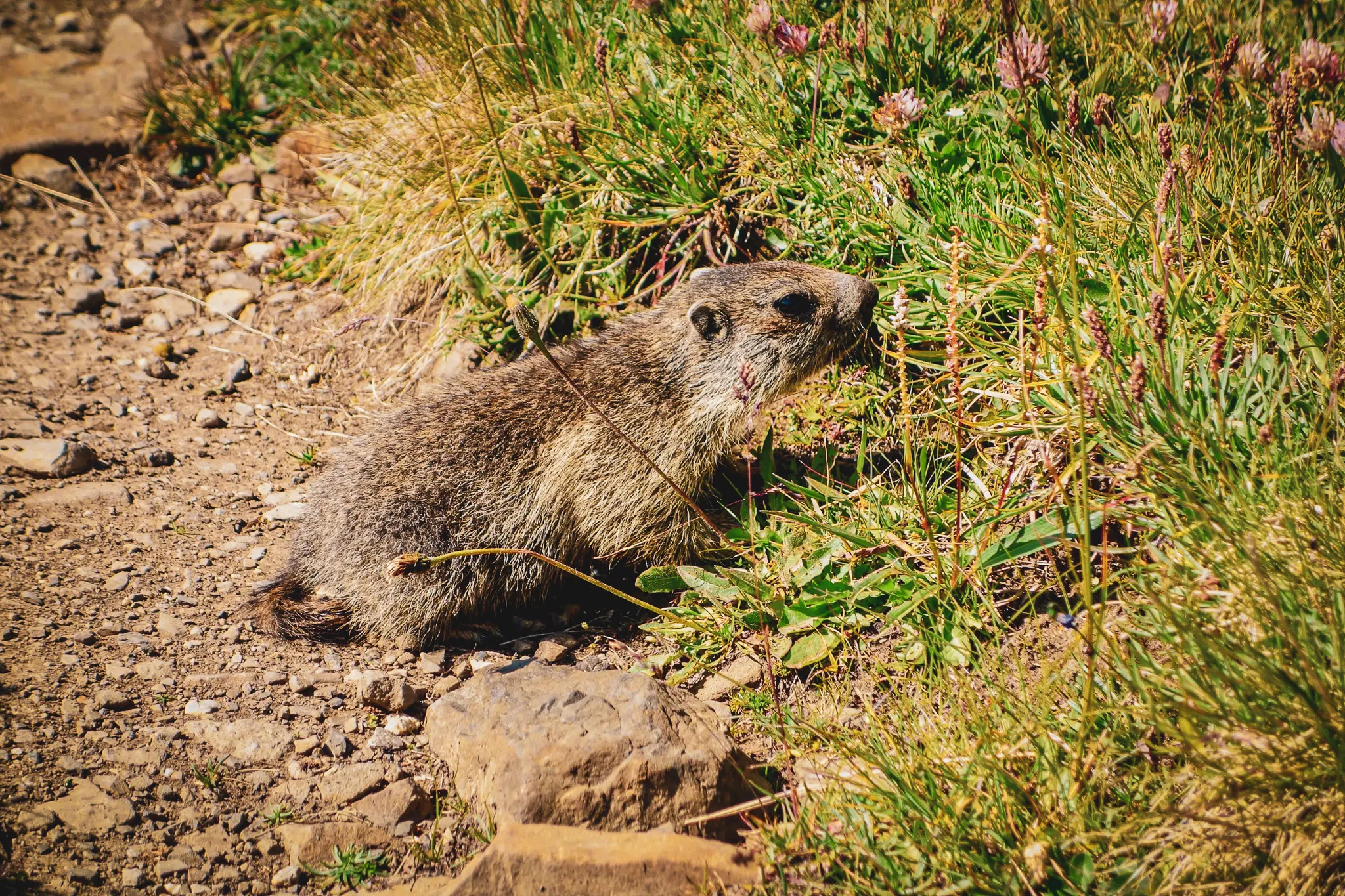
How to spot one
The Alpine marmot lives in colonies in burrows dug into slopes, usually on high-altitude grasslands between 1,500 and 3,000 metres. Three signs give away its presence even before you see it:
- A brief, high-pitched whistle: this is the alarm call; it has spotted movement.
- Freshly turned earth near a burrow entrance.
- A motionless silhouette, standing upright on its hind legs in the sun on a rock – this is the group's sentinel.
It mainly comes out early in the morning and in the late afternoon, never during the hottest part of the day. In late summer, it is particularly active: it is building up its reserves before hibernation, which lasts from September–October to April depending on the altitude.
Where the guides really look for them
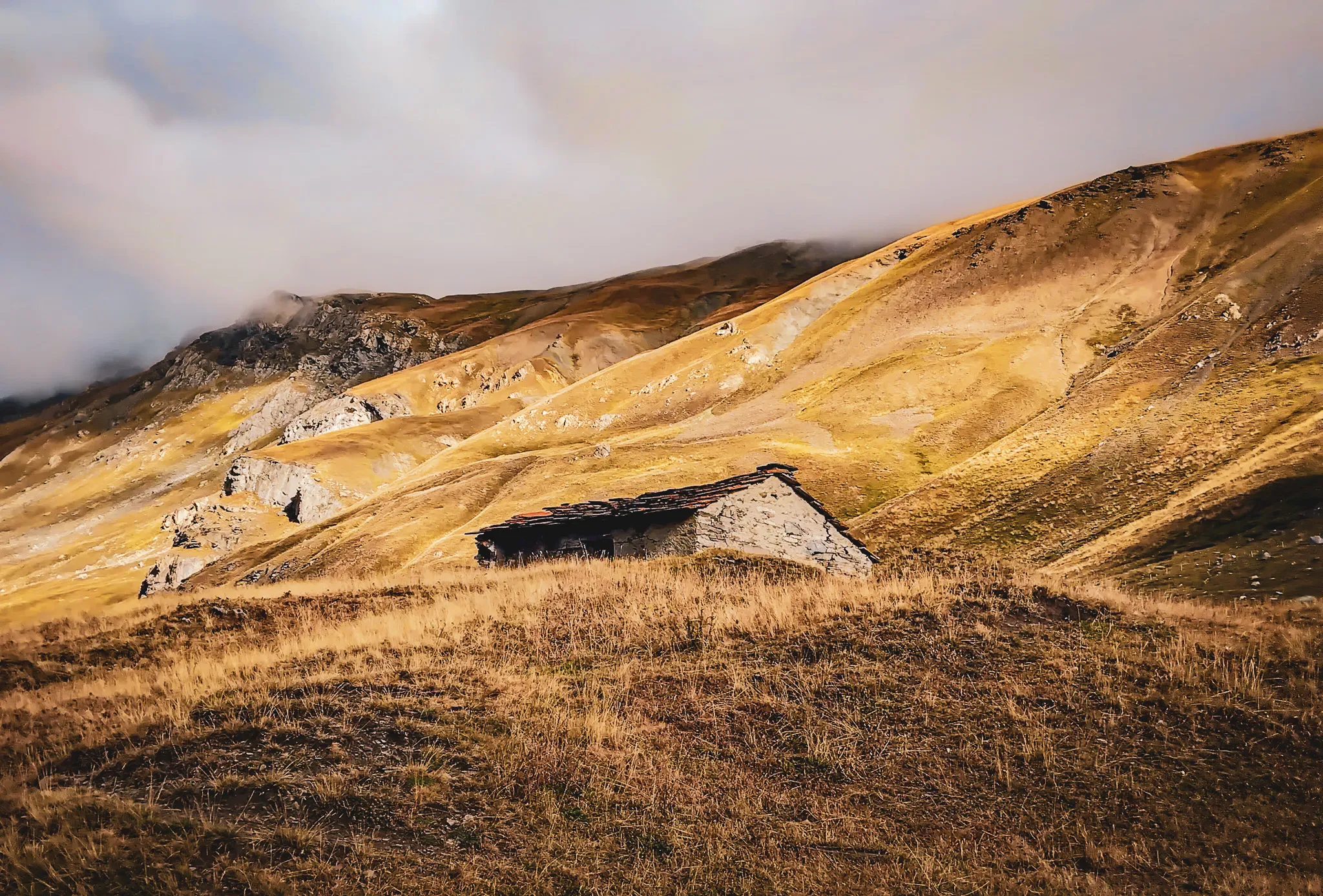
In the Vanoise, the rocks of Lanserlia – a mix of trails and scree on the trek towards the Femma mountain hut – are one of the first places where guides spot marmots and signs of wildlife, even before reaching the high-altitude lakes. In the Hautes-Pyrénées, it is as soon as the ascent to the Ilhéou valley begins – through mountain pastures and clearings shaped by summer grazing – that guides keep a watchful eye out for marmots visible near their burrows.
The common feature: open grasslands just beyond the woodland, with scree slopes nearby for escape. This is where you need to slow down, stop, and observe for 10 to 15 minutes before continuing on your way.
Observe without disturbing
The marmot remains skittish: at the slightest warning whistle from a sentinel, the whole colony vanishes underground in a matter of seconds. Binoculars are always better than getting too close, and silence remains the best way to really see them going about their lives – digging, feeding and playing amongst the young.
"I feel very lucky to have been guided by Hadrien, the king of the ibex, who passionately shares his knowledge of wildlife!" — Elena, participant in the wildlife hike in the Hautes-Pyrénées
Experience it with a guide
To spot marmots, high-altitude lakes and glaciers over three days, the trek in the Vanoise towards the Refuge de la Femma alternates between grassy slopes, scree slopes and nights in Mountain huts. In the Pyrenees, the four-day wildlife trek in the Hautes-Pyrénées takes in chamois and Iberian ibex, led by a guide who's passionate about wildlife photography. To explore all our wildlife-watching trips, head to the wildlife category.

Find your next adventure
Browse curated expeditions matching the categories of this article and start planning your next trip.
Find your dream adventure
 Find your dream adventure
You might also like these adventures …
Hand-picked to echo the spirit of this article.

More to discover
Keep exploring with these pages and stories picked for you.
Alpine wildlife watching from mountain refuges on guided hikes
Alpine wildlife watching on hut based treks across France and Switzerland. Spot marmots, chamois and ibex with expert guides at dawn.
Wildlife watching weekends in France, short guided hikes
Wildlife watching weekends in France, from Jura deer rut to Pyrenees lakes and wolves. Short guided hikes, mountain huts and easy train access.
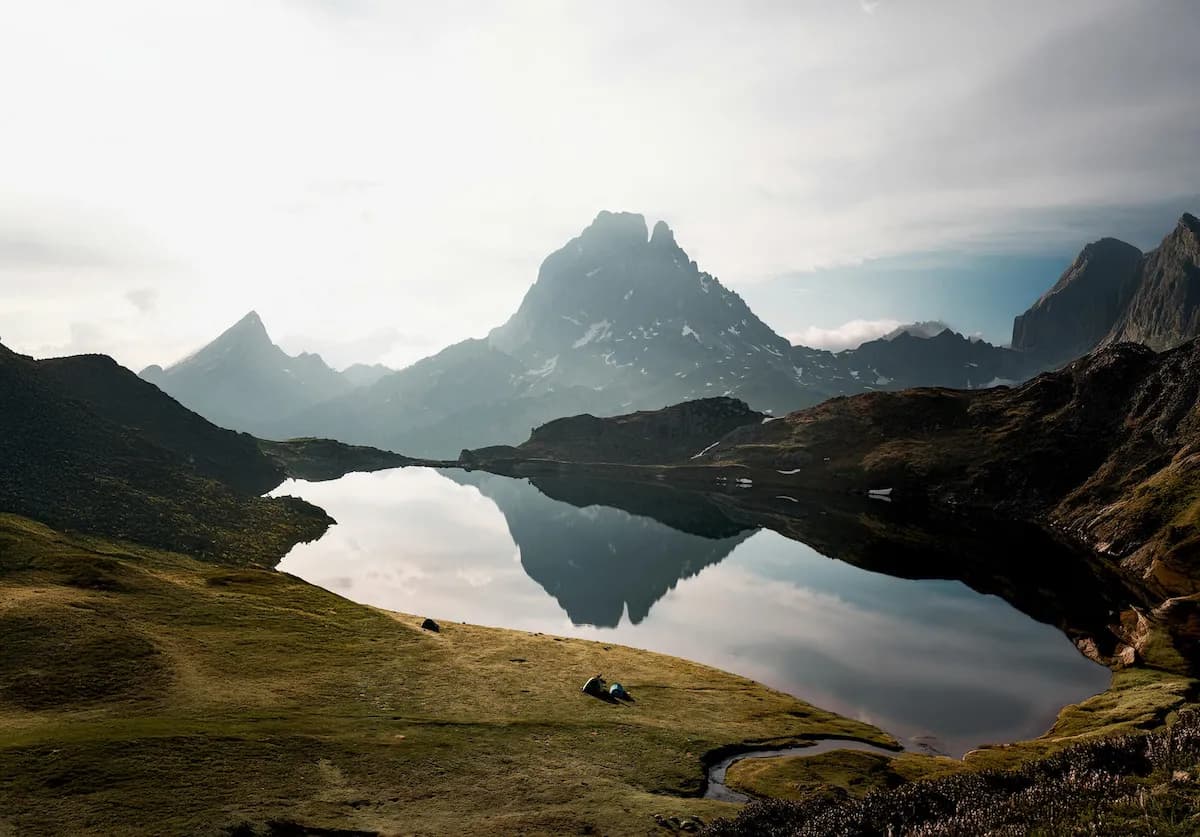
7 Beautiful Hikes in the Pyrenees
Explore seven memorable hikes in the Pyrenees, with practical route ideas, advice and quieter places to walk.
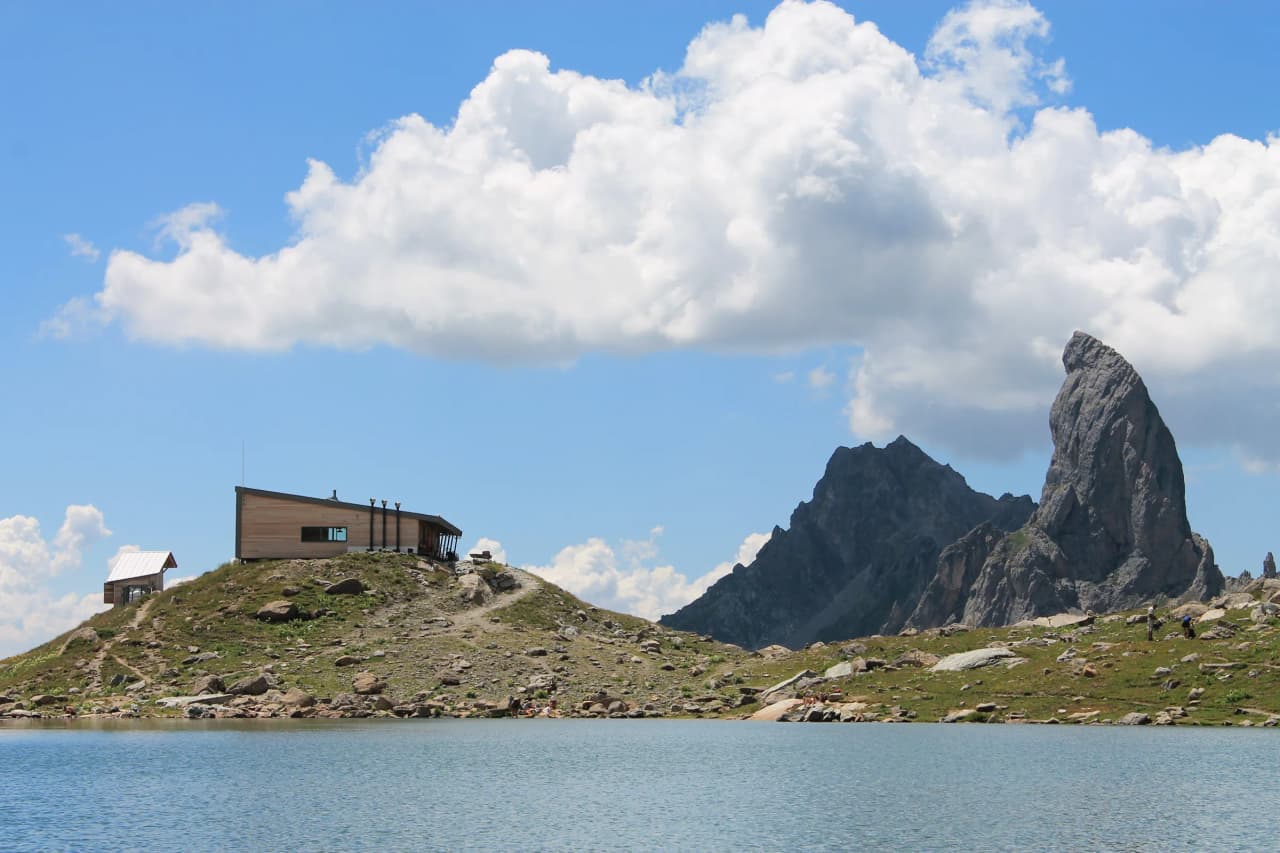
5 secluded mountain huts in the Alps where you can get away from it all this summer
Discover 5 secluded mountain huts for hikers: the Willy Jervis Hut, the Col de la Vanoise Hut, the Vallanta Hut, the Presset Hut and the Femma Hut.
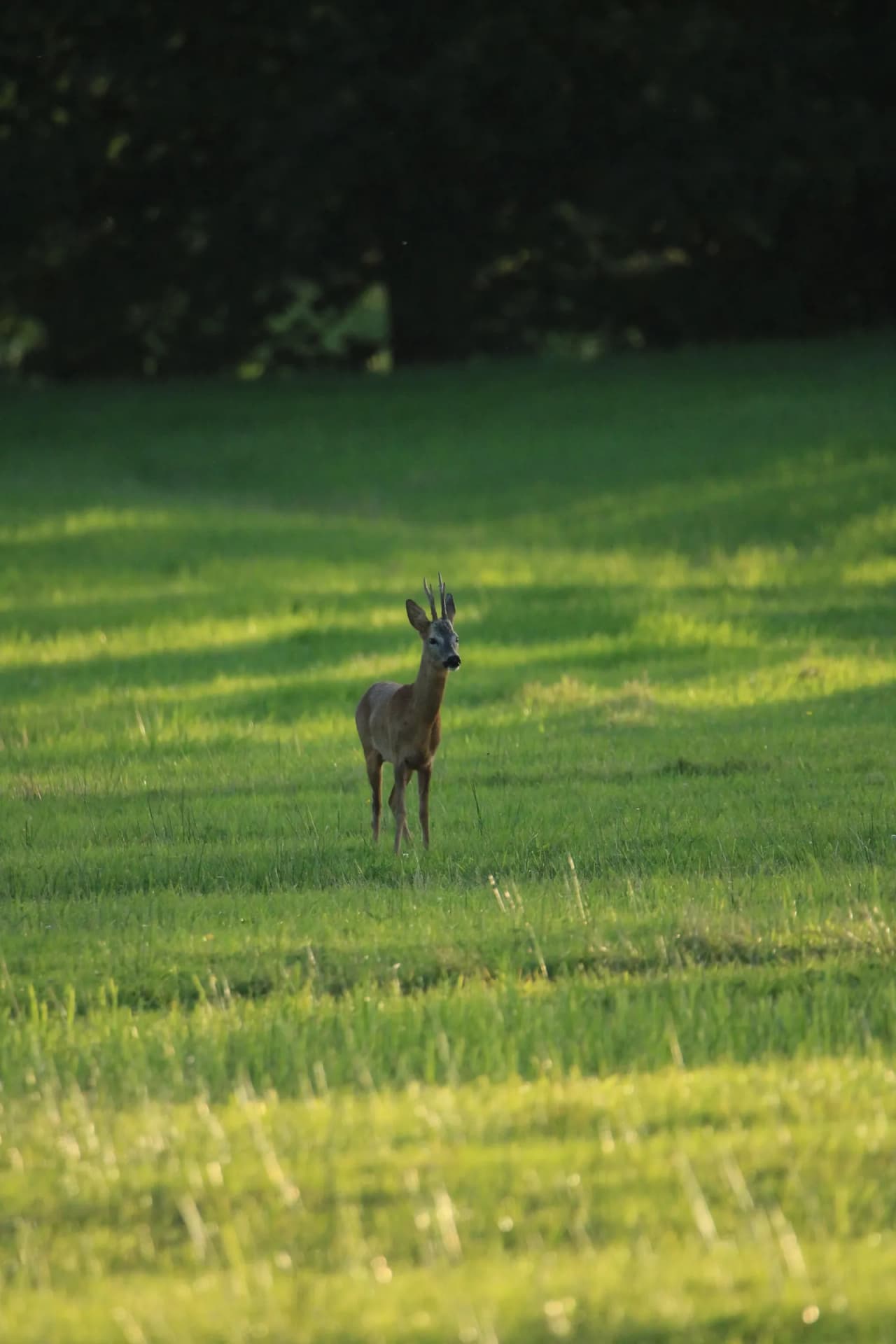
Where to Spot Wildlife in Belgium: A Guide to the Hautes Fagnes and the Semois Valley
A complete guide to spotting wildlife in Belgium without disturbing it: the best hike-accessible spots in the Hautes Fagnes and the Semois Valley.
Res Nullius: why wild nature is never far away
The documentary Res Nullius follows a wild boar spotted in Brussels. A reminder that real Belgian wildlife is closer than you think.
