Res Nullius: why wild nature is never far away
 By Maxime
The documentary Res Nullius follows a wild boar spotted in Brussels. A reminder that real Belgian wildlife is closer than you think.
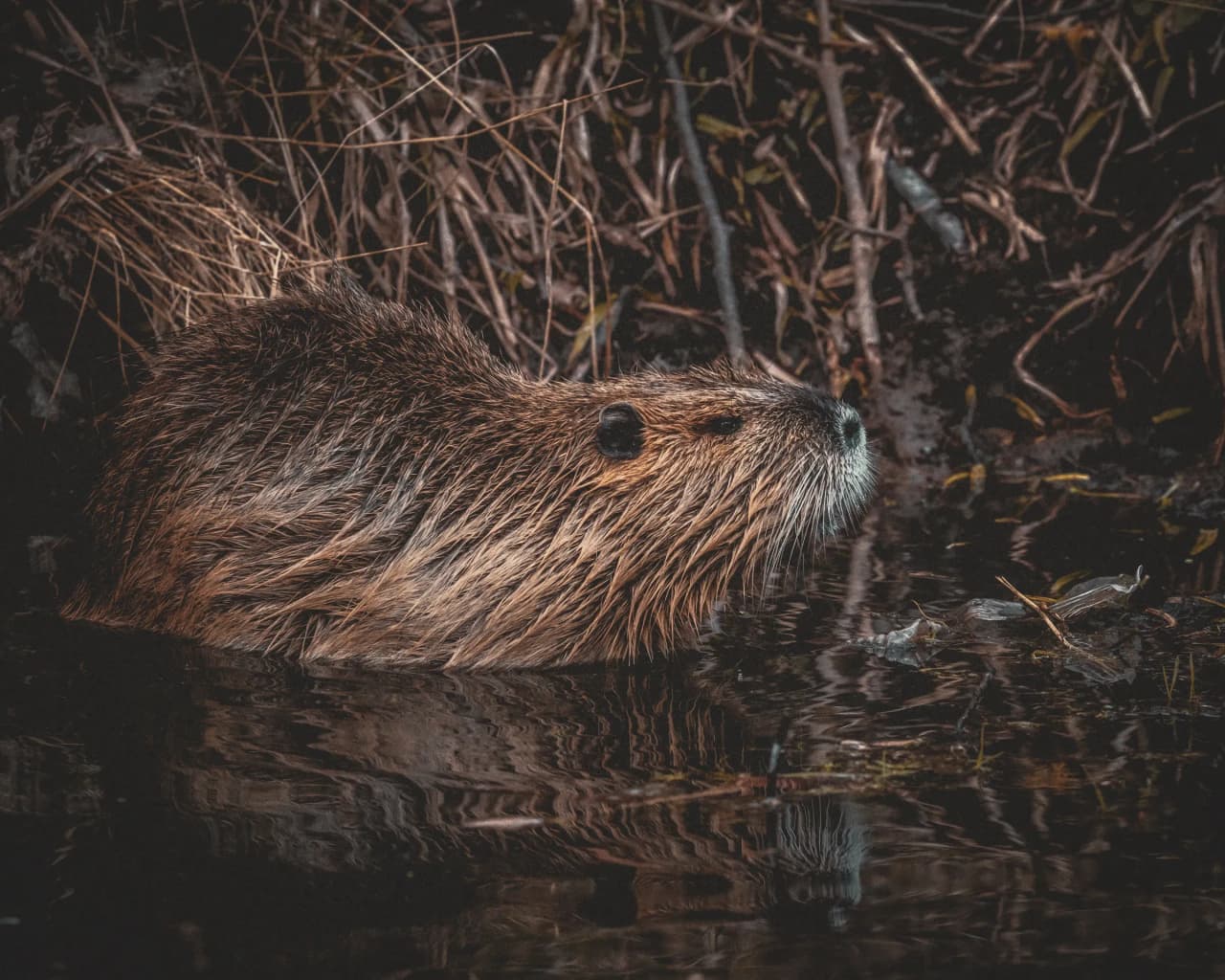
A wild boar spotted in a Brussels park: this is the starting point for Res Nullius, the new documentary by Thomas Jean, the director known as La Minute Sauvage. The film is due for release on 6 May 2026 and follows the boar's trail to highlight a reality we easily forget: the city, too, is a living ecosystem.

Photo: Unsplash
A film that questions our relationship with the wild
Through the eyes of urban planners, naturalists and those working on the ground, Res Nullius explores the links between biodiversity, land-use planning and social justice. This is not simply a wildlife documentary; it is a thought-provoking reflection on how we share space with the creatures that already live alongside us, in the city as much as on its edges. The wild boar is only a symbol: foxes, martens and bats have long since settled in our cities, often without us paying attention.
The title itself comes from Roman law: a res nullius is a thing that belongs to no one, free to be claimed. Applied to nature in the city, wasteland, riverbanks, railway embankments, the term takes on an almost political meaning: the spaces we never look at are also the ones where wildlife reclaims its place fastest.
Wildlife is coming back, even in Belgium
The film's wild boar is not an isolated case. Two species in particular are reclaiming Belgian territory without us always noticing.
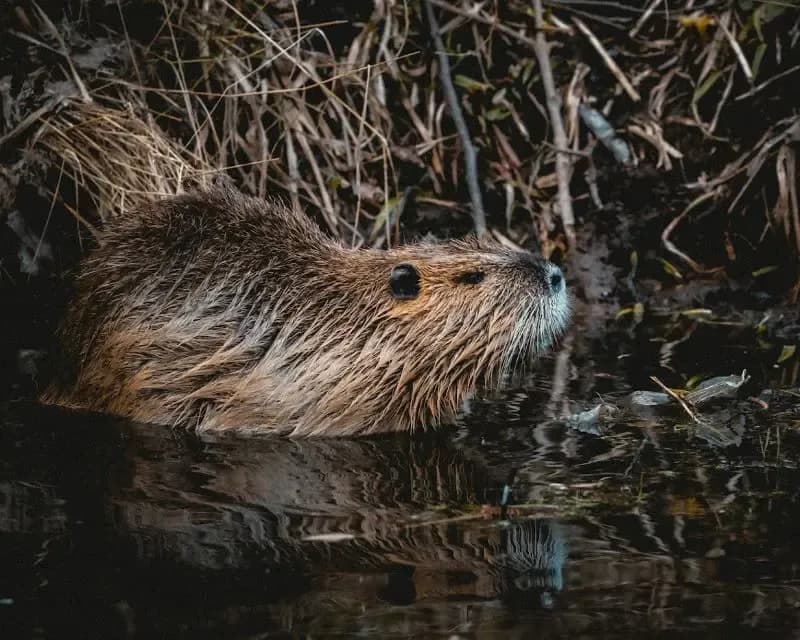
The beaver, a spectacular comeback
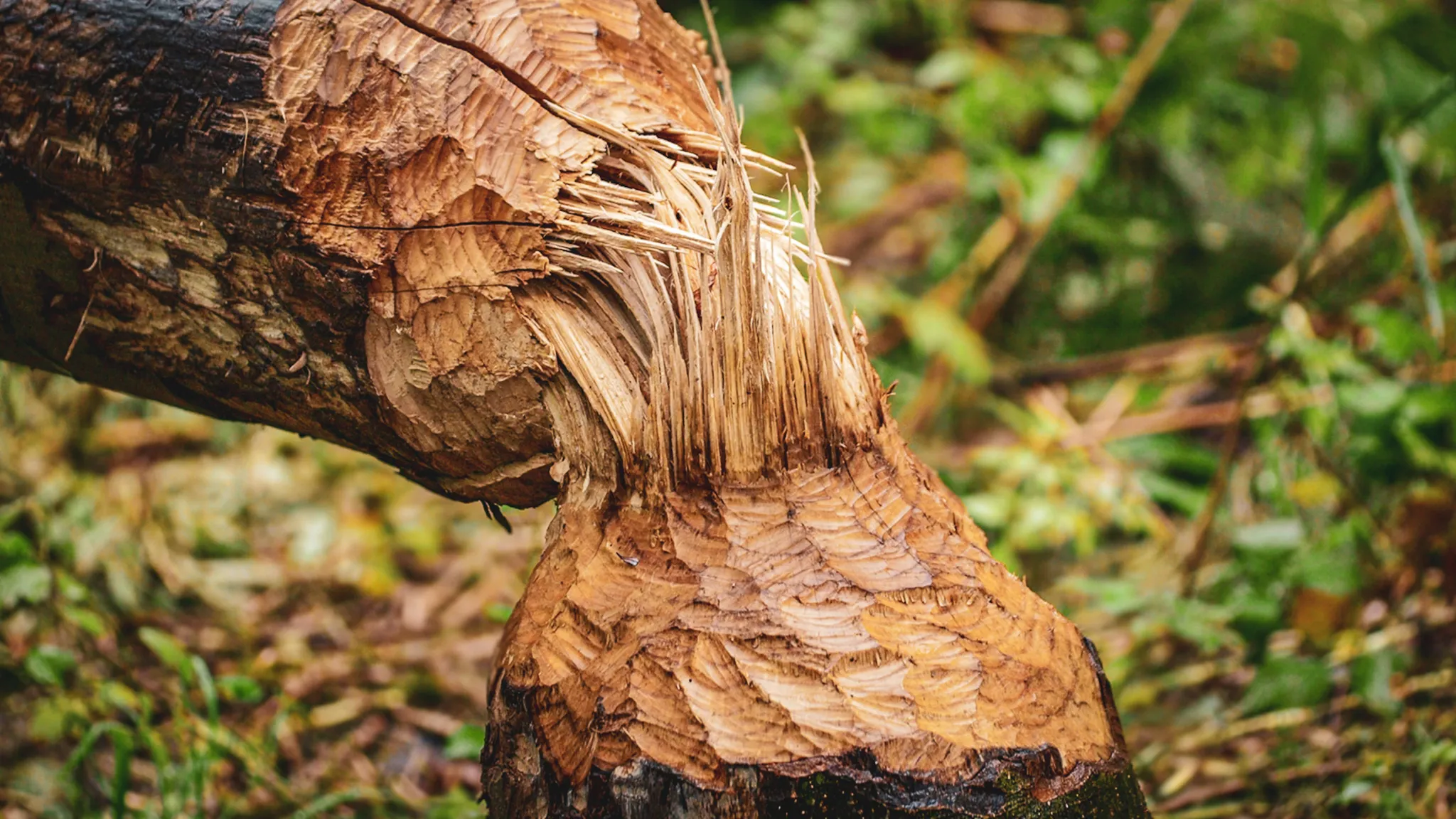
The beaver had completely disappeared from Belgium by the mid-19th century, hunted for its fur. It was illegally reintroduced in the Leuven area in the early 2000s: around twenty individuals released, which have since multiplied into a population now estimated at 600 to 1,000 in Wallonia, and 150 to 400 in Flanders. The beaver is now a protected species: it is forbidden to hunt it or destroy its habitat.
This comeback is far from anecdotal for the ecosystem: by building dams, beavers recreate wetlands, slow riverbank erosion and shape habitats that benefit other species, fish, amphibians, even the black stork that feeds there. The Dyle Valley, near Leuven, has one of the highest densities in the country.
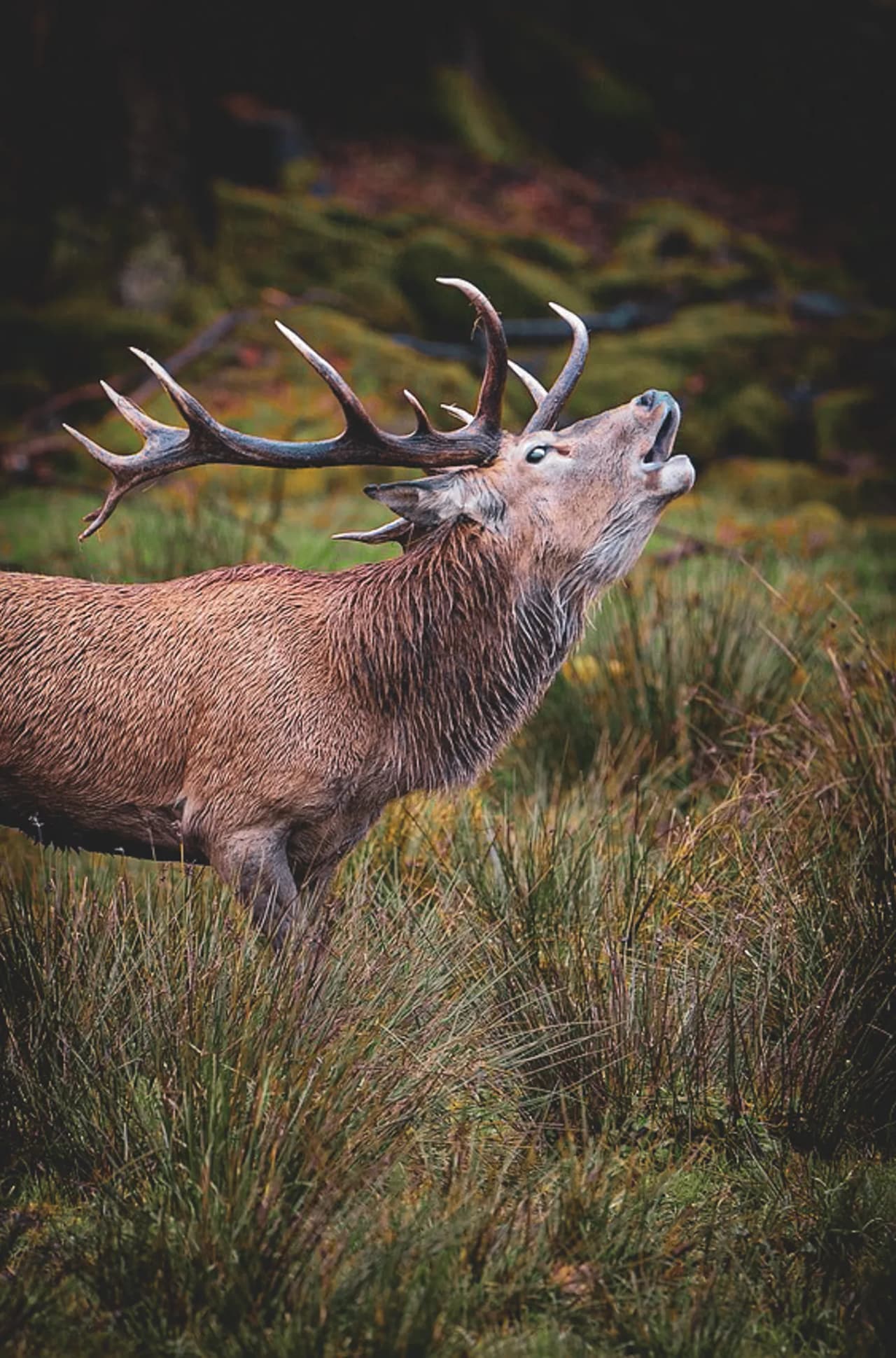
The stag, rutting season
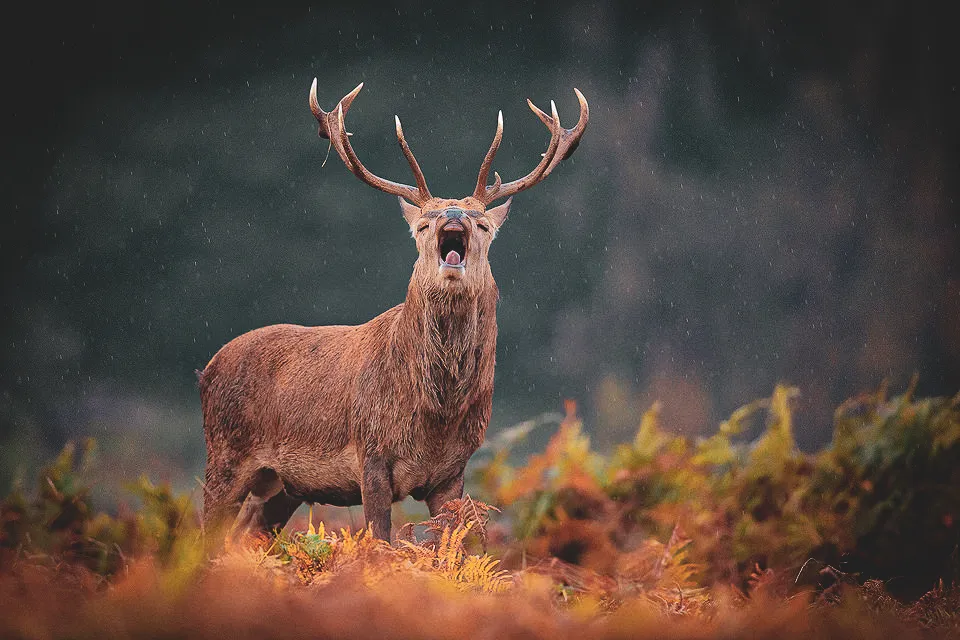
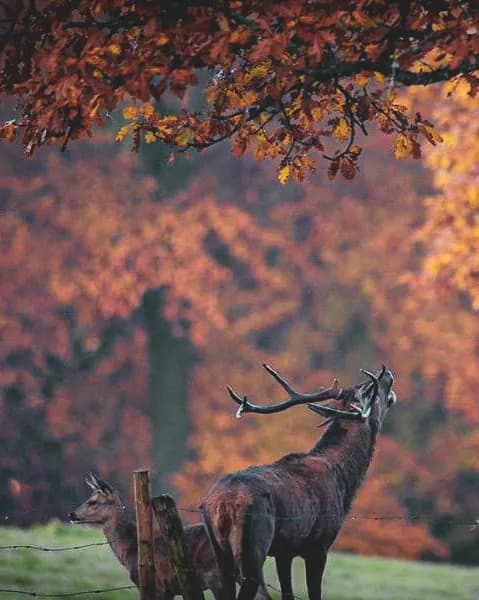
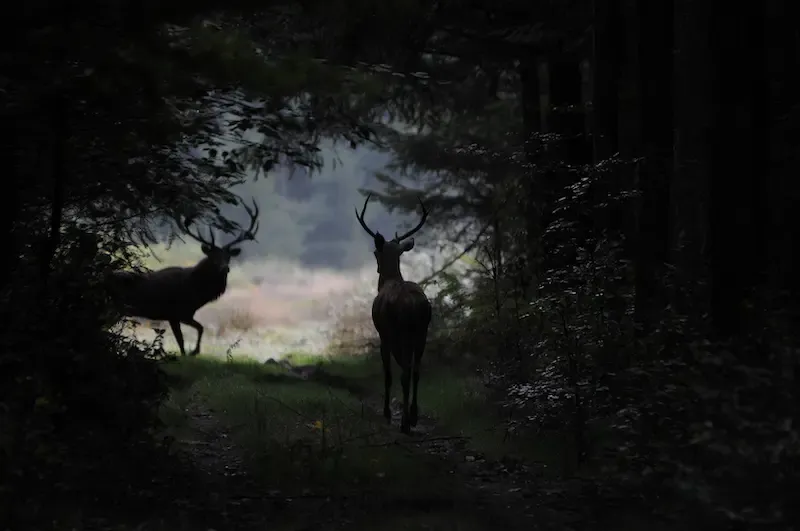
Every year, from mid-September to mid-October, the forests of the Ardennes come alive with a very different sound: the stags' rutting call. The dominant male lets out his hoarse, powerful roar to defend his territory and impress the females, a soundtrack that carries several hundred metres at dusk.
"The beaver now holds no secrets. The region is magnificent and well worth a visit. Our guide Mathias knew his subject inside out and was very attentive. The packraft timing was perfect, the river was quiet and ideal for observation." — Joëlle, participant on the beaver-spotting packraft trip
How to observe wildlife without disturbing it
Spotting wildlife isn't something you can fully improvise. A few simple habits make all the difference, for you and for the animal:
- Stay on marked trails or facilities, they exist precisely to allow observation without disturbance.
- Go early morning or late in the day, the most active hours for wildlife.
- Keep your distance: binoculars are always better than getting closer.
- Avoid noise, music and bright torches at dusk.
- Never feed a wild animal, even out of kindness.
iNaturalist, a starting point for spotting what's around you
You don't need any specialised equipment to start. The iNaturalist app lets you photograph a track, a plant or an animal you come across on a walk: a community of naturalists, assisted by automatic recognition, then helps you identify it. In practice:
- You take a photo, even an imperfect one, of a clue (track, burrow, animal, plant).
- The app suggests an automatic identification, which the community confirms or corrects.
- Your observation is geolocated and feeds into a real scientific database on local biodiversity, even in the heart of the city.
It's also a concrete way to check, at your own scale, what Res Nullius shows on screen: the city holds more life than we tend to think.
Experience this with a guide
If you're keen to see this wildlife up close, there are two day trips that let you do just that without much planning: a packrafting trip following in the beaver's footsteps near Leuven, guided by Mathias, a biologist specialising in beavers, and a day of packrafting and listening to the stag's bellow in the Ardennes. To explore further afield, the wildlife category brings together all our wildlife-watching trips, in Belgium and elsewhere.
To find out more about Belgian wildlife, you can also read our guides on where to spot beavers in Belgium, on the wildlife of the Hautes Fagnes and the Semois, and on the return of the bison to Belgium.
Find your next adventure
Browse curated expeditions matching the categories of this article and start planning your next trip.
Find your dream adventure
 Find your dream adventure
You might also like these adventures …
Hand-picked to echo the spirit of this article.
More to discover
Keep exploring with these pages and stories picked for you.
Beavers in Belgium: where to see them
Curious about beavers in Belgium? Find out where to see them without disrupting their habitat, and learn how this iconic species is making a quiet comeback along our rivers.
Red Deer Rutting Calls in Belgium: Where and When to Hear Them
Where and when can you hear the stag bellow in Belgium? Which are the best spots where you will be quiet and which is the best period?
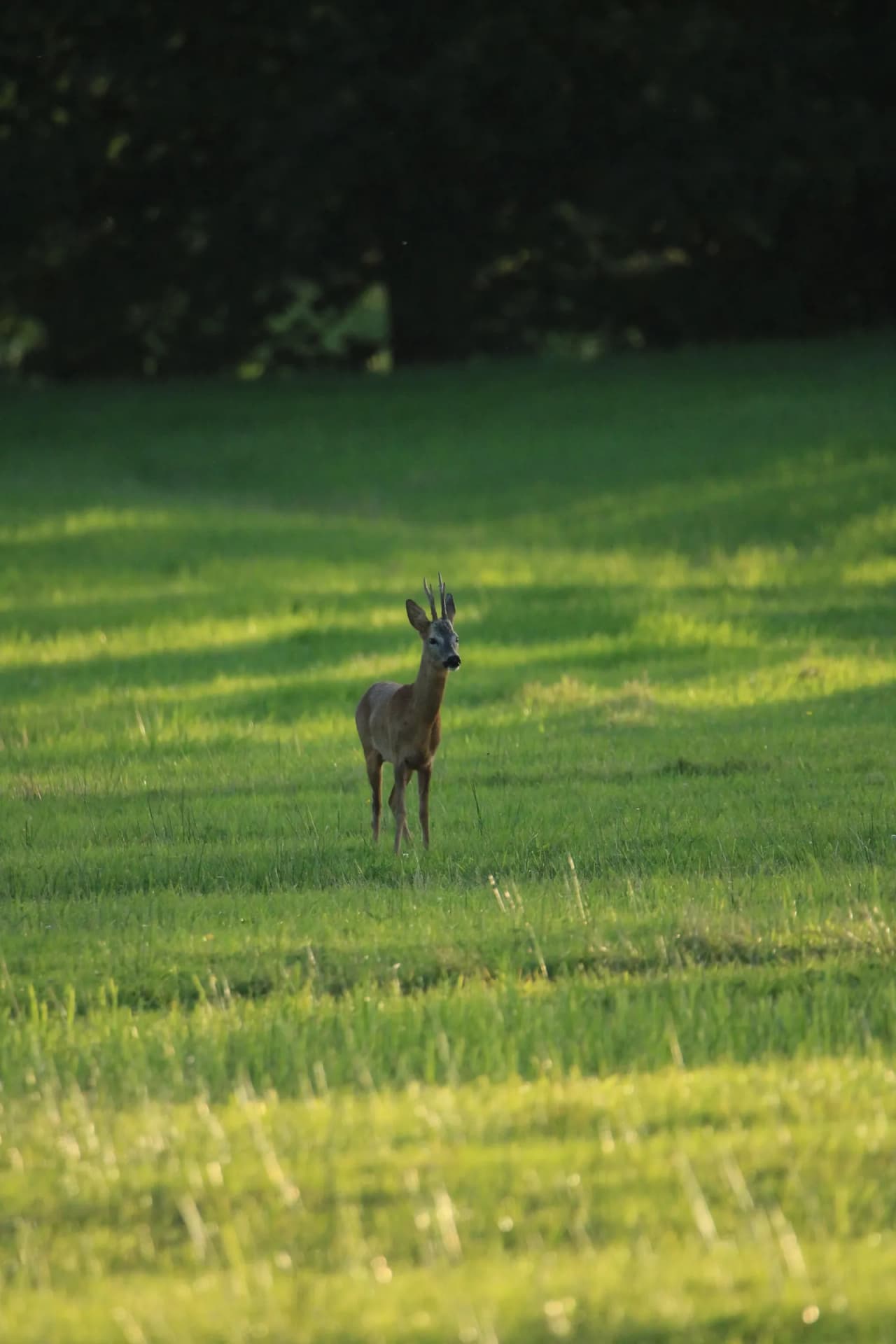
Where to Spot Wildlife in Belgium: A Guide to the Hautes Fagnes and the Semois Valley
A complete guide to spotting wildlife in Belgium without disturbing it: the best hike-accessible spots in the Hautes Fagnes and the Semois Valley.
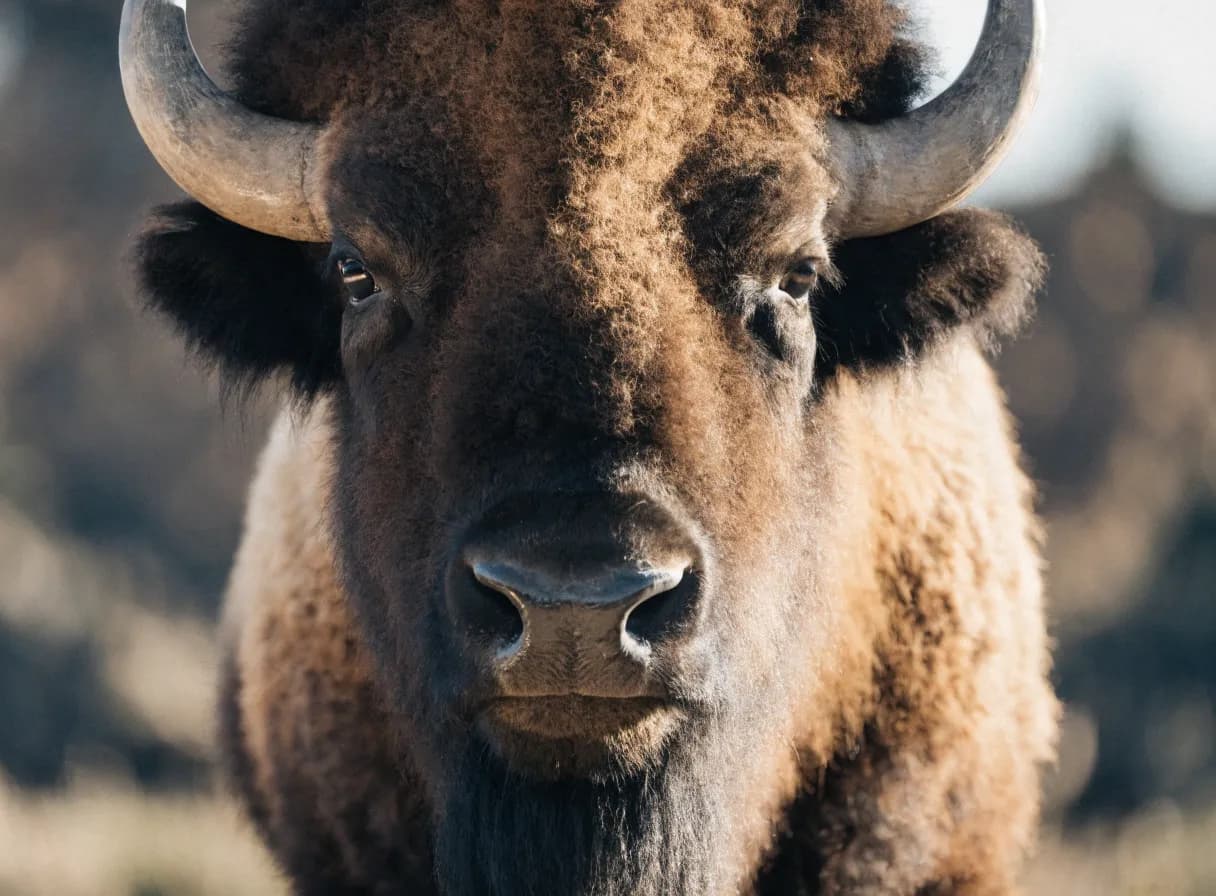
Bison in Belgium: the rewilding of a wild giant on our doorstep
Find out what rewilding really entails: feasibility, impacts, risks, and where to observe (without disturbing) the return of bison to Belgium.
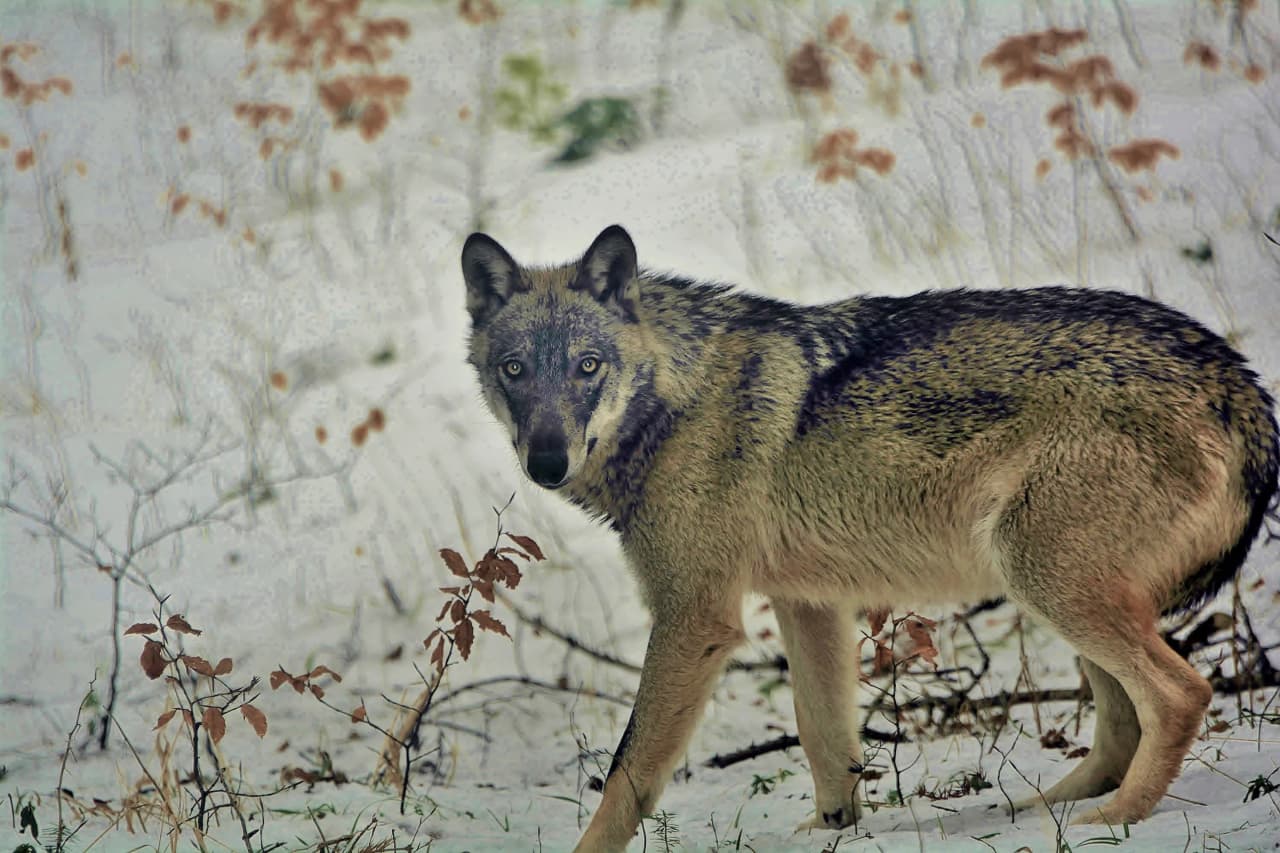
The wolf in the Vercors: understanding its presence, impact and challenges
Find out all about the wolf in the Vercors: history, observation, cohabitation, ecology and legislation. A complete and fascinating guide!
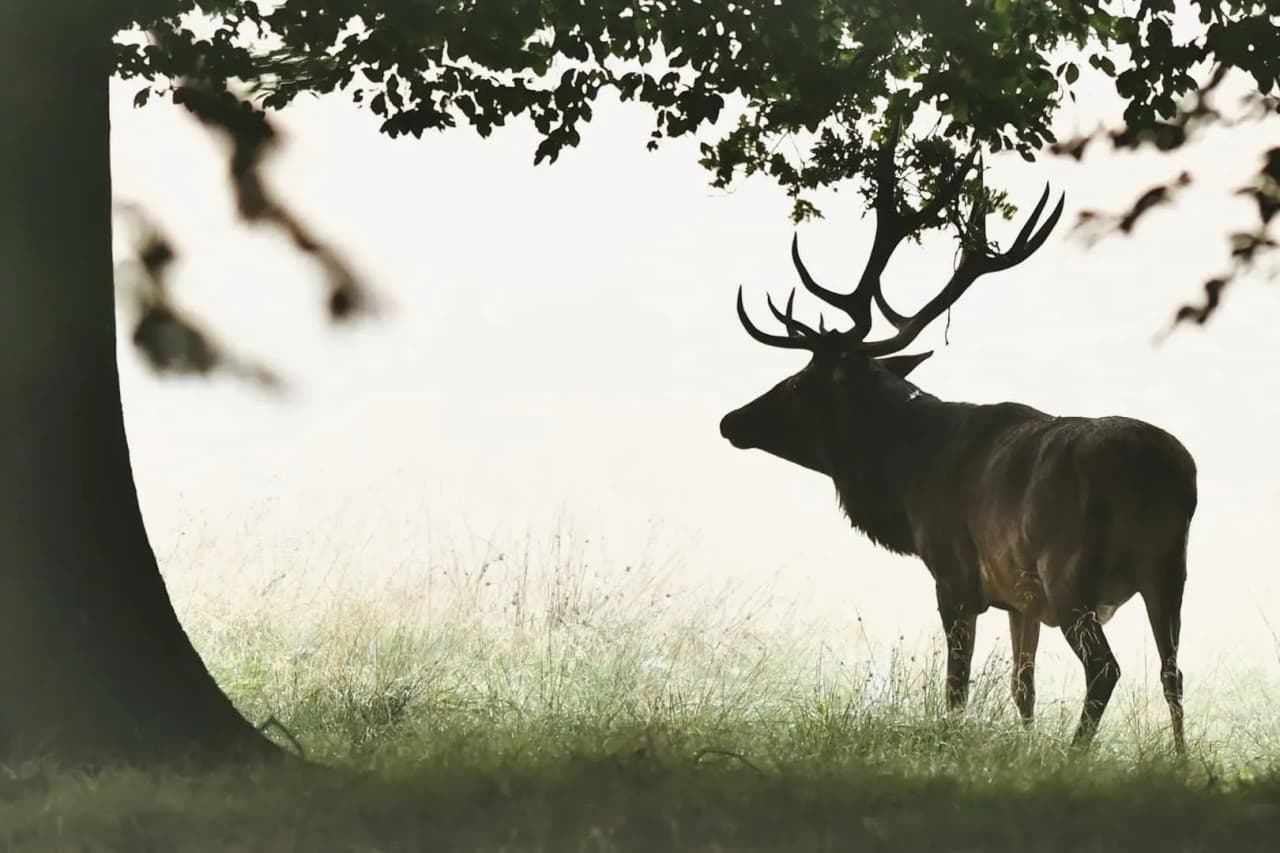
Listening to deer bellow: what is it?
An evening listening to red-deer rutting calls in Belgium: discover this distinctive sound with a Wildhartt group.
