Train in 6 Weeks for the Wild Vercors High Plateaus Trek
 By Marie
Carrying 8 to 10 kg for four days in a row takes real preparation. Here is the full 6 week training plan for the Vercors High Plateaus trek, day by day.
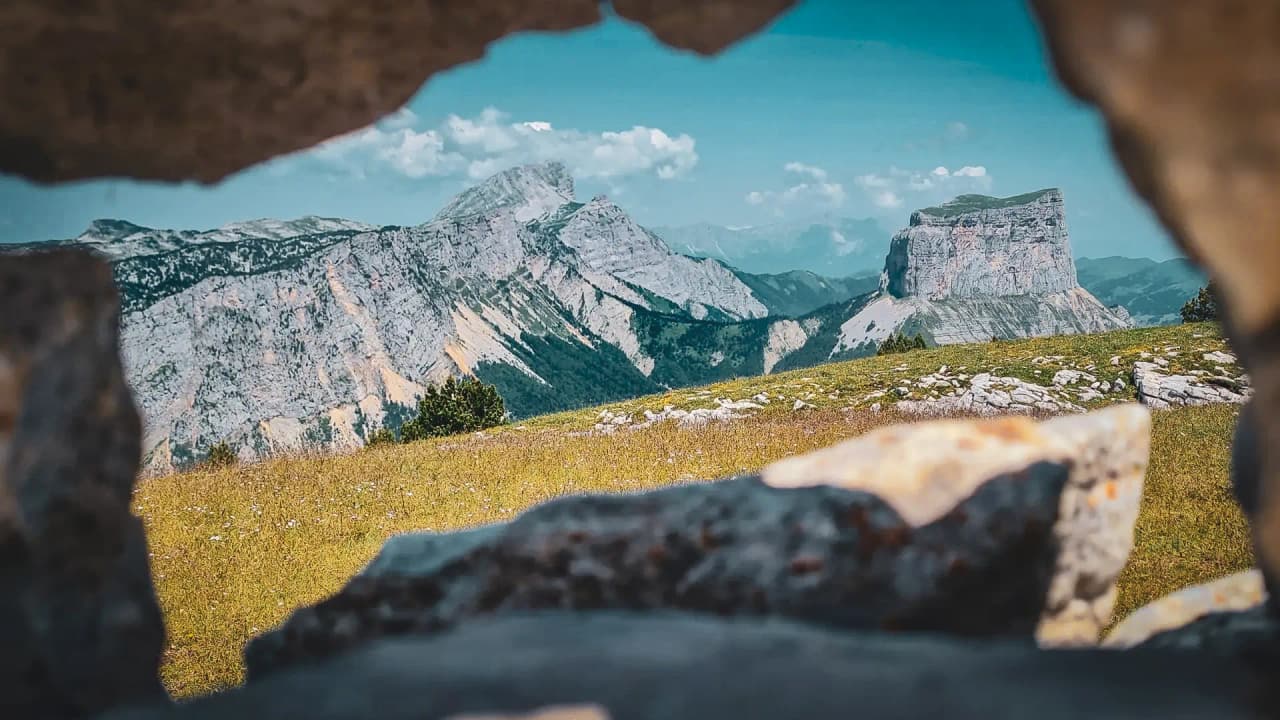
Across four days, the Wild trek across the Hauts Plateaux du Vercors strings together windy ridgelines, steady climbs, one of the region's narrow rock passages known as a pas, and sustained descents, with two nights in a gîte and a final night in a shepherd's hut facing Mont Aiguille. The trek is guided by Christelle, a certified mountain leader. One participant from May 2026, Alice, put it well: "A lovely first taste of multi day hiking. I got used to the daily climbing and the 10 kg pack by the second day." If you want to reach the Col de Ménée as comfortable as she was, here is a 6 week plan built around exactly what each day of this route asks of you.
Day 1 rises toward the ridges and pastures of Jiboui, then drops through beech woods to the softer climate of the Diois. Day 2 climbs gently to the Tussac sheepfolds, crosses a Vercors pas, then descends into the green Combeau valley. Day 3 enters the largest nature reserve in mainland France, through an isolated valley, before a rustic night at Chaumailloux facing Mont Aiguille. Day 4 starts early for the ridge of Tête Chevalière, then descends via a balcony trail back to the Col de Ménée.
This Route Deserves Real Preparation
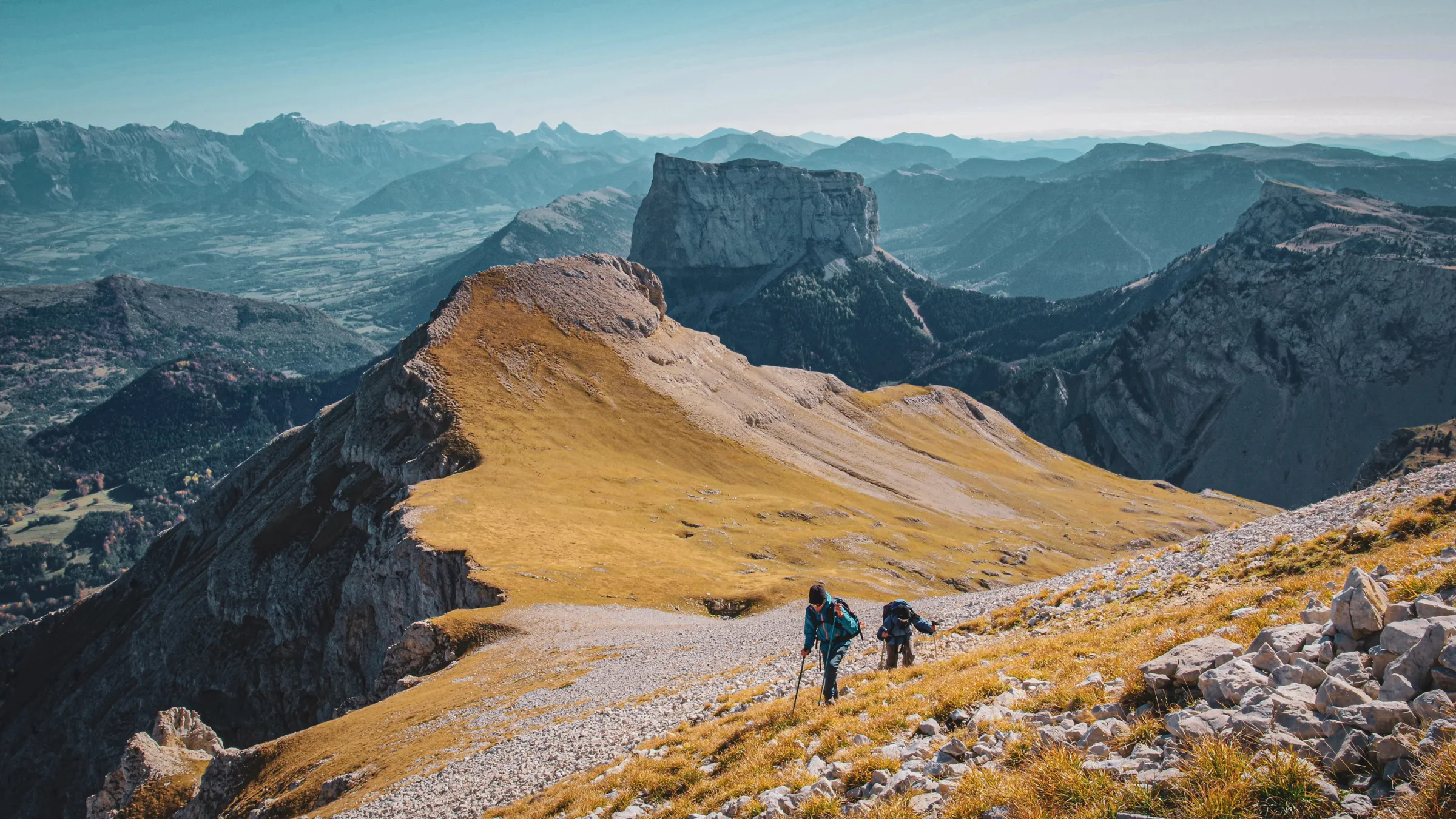
Carrying 8 to 10 kg for four days straight, with 600 to 800 m of ascent each day, is not something to take lightly, even for a regular hiker. Before week 1, run a simple fitness check to set your starting load. Walk 5 km on rolling ground or an inclined treadmill and note a comfortable, conversational pace. Climb five sets of three flights at a steady rhythm, rest two minutes, and check how quickly your heart rate settles. Hold a front plank for one minute without arching, and a side plank for 30 seconds per side. Finish with a 20 to 40 minute walk carrying an 8 to 10 kg pack on easy ground, while still able to speak.
If the 5 km walk takes over 55 minutes with real breathlessness, if the plank breaks down before those marks, or the pack compresses your shoulders, start conservatively: add an extra base week or trim each session by 20 percent. This check is not meant to discourage you. It tells you your real starting point, the one that sets the pace for the rest of the plan.
Six Weeks, Shaped Around the Vercors Terrain
Use a weekly frame of three cardio sessions (endurance and hills), one technique and strength session, one long outing and one full rest day. Progress duration, elevation gain and pack weight gradually, peaking around 7 to 9 hours a week.
Week 1 lays the aerobic and technical groundwork: two brisk 45 to 60 minute walks, one easy continuous hill session of 20 to 25 minutes, a whole body strength session for legs and trunk, and a 2 hour long outing on rolling ground with a 4 to 6 kg pack. Close it with 15 minutes of controlled downhill, a preview of the late Day 1 descent into the Diois.
Add a little intensity in week 2: hill intervals (6 x 2 minutes up, 2 minute easy recoveries down), a 60 to 75 minute endurance session, a strength and pole technique session, and a long outing of 2.5 to 3 hours with 500 to 700 m of ascent, pack 6 to 7 kg. Stay fluid, the way you will on the climb to Tussac on Day 2.
Week 3 turns up the dial: one 30 minute continuous climb, a 75 to 90 minute endurance session, hill repeats (8 x 90 seconds), a technique and strength session, and a 3 to 3.5 hour long outing with 700 to 900 m of ascent, pack 7 to 8 kg. Finish with a long descent focused on foot placement, useful for the ridge and the drop toward Combeau.
Ease off a little in week 4: cut total volume by 20 to 30 percent while keeping a hill set (5 x 2 minutes) and a 2 to 2.5 hour long outing. Focus on proprioception and a sure foot, exactly what you need to cross a Vercors pas calmly. Recovery matters as much as effort this week.
Week 5 is peak load: a 90 minute endurance session, a 40 minute continuous climb, hill bursts (10 x 1 minute), a strength session, and a 4 hour long outing with 800 to 1000 m of ascent, pack 8 to 10 kg. Simulate Day 3's isolated valley: keep moving, few stops, steady cadence, and if you can, a stonier finish to get a feel for the ground near Chaumailloux.
Week 6 is the taper: keep two short, sharp sessions, then schedule a dress rehearsal 10 to 14 days before departure: 18 to 22 km with 700 to 900 m of ascent, pack 8 to 10 kg, linking climbs, traverses and a long descent, mirroring the early push to Tête Chevalière and the balcony trail home on Day 4. Close the week with active recovery, short stretching and extra sleep.
Climbs, Passes and Descents: The Three Things to Train
Build uphill strength with continuous climbs of 20 to 40 minutes in a comfortable zone, plus hill surges (6 to 10 x 90 seconds) with an easy walk down for recovery. Drill pole technique: light hands, tips planting around mid step, an even rhythm, feet rolling through fully.
For descents, prioritise eccentric strength: slow squats (3 x 8), reverse lunges (3 x 10 per leg), high step downs (3 x 8 per side), then 15 to 25 minutes of continuous trail descent with short steps and supple knees. For the Vercors pas and other narrow passages, add balance work: single leg stands (3 x 30 seconds per side), first eyes open then half closed, lateral walks with a slight knee bend, and reading uneven footing. No hills nearby? Stairs work just as well: 30 to 50 floors climbed continuously, slow controlled descents for the quads, or a treadmill at 10 to 15 percent for 30 to 45 minutes with a light pack.
Holding Up Over Four Days in a Row
Mental preparation starts during training. Before a demanding session, picture a precise stretch of the route: the descent to Nonnières on Day 1, the pas crossing and the green arrival in Combeau on Day 2, the solitary valley toward Chaumailloux on Day 3, the ridge of Tête Chevalière on Day 4. Break each day into micro goals: the next switchback, the next flat patch, the next three minute pause. Climb conservatively, reset on the traverses, and keep a steady stride downhill.
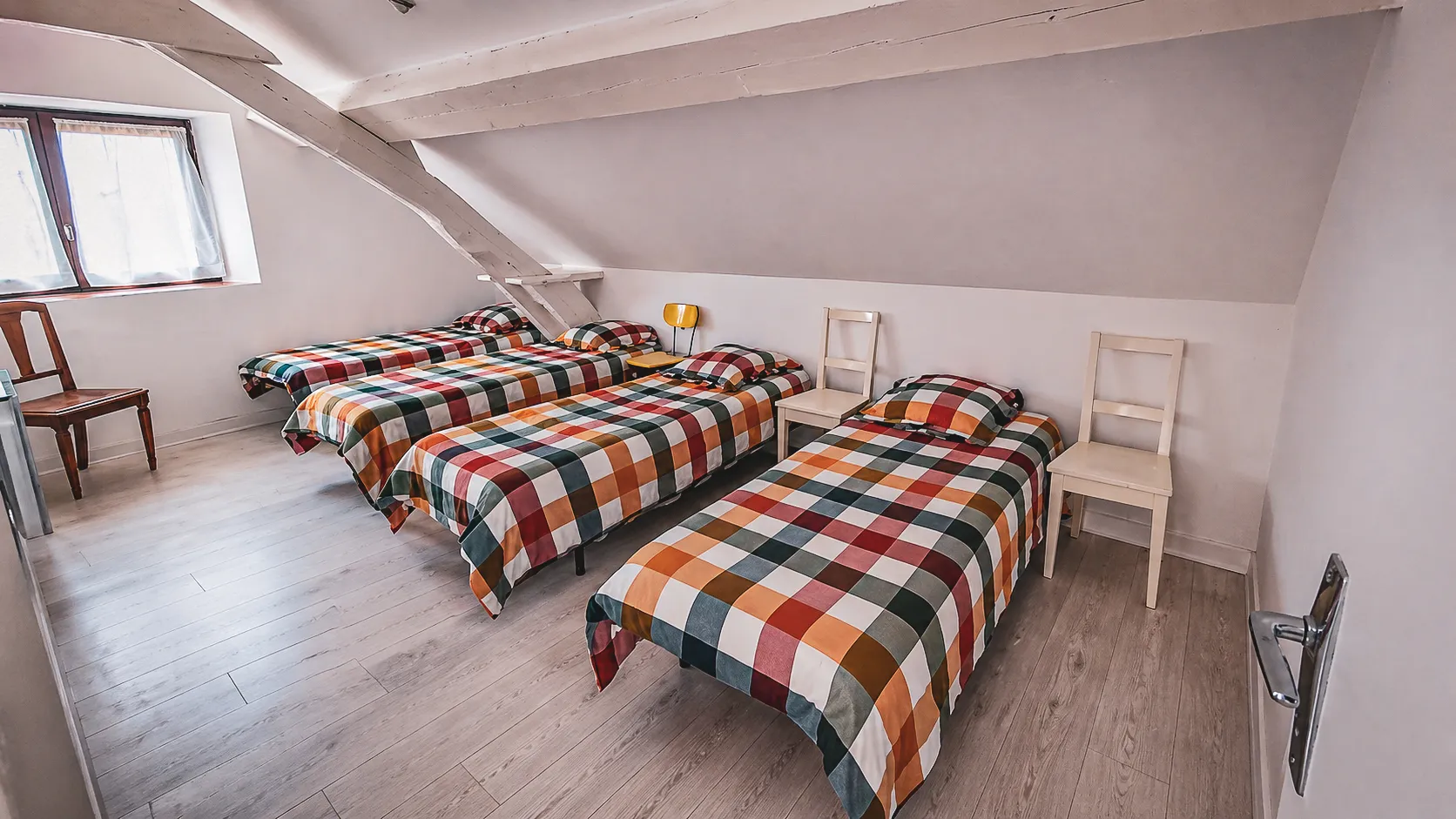
In the gîte or the hut, protect your sleep: ten minutes with your feet up on arrival, five minutes of slow breathing (4 to 6 cycles a minute), short stretches for calves, hamstrings and hips, then hydrate and eat a dinner rich in complex carbohydrates and protein. As Valérie, another participant, remembers it: "We learned so much about the flowers, the wildlife, the mountain, we even learned to use a compass." Getting the most out of an evening like that means arriving with legs that can still stand, not just legs that can still walk.
When weather turns or legs feel heavy, go back to basics: ease the pace, shorten your stride, shelter briefly for a snack, then resume after two minutes of calm breathing. Doubts fade faster once you start a concrete, measurable action.
Fuel, Kit and Staying Injury Free
Start fuelling 48 hours before departure: a small bump in complex carbohydrates and a touch more salt if heat is forecast. Breakfast should lean on slow release carbs with a little protein. On climbs, alternate bars and dried fruit with regular sips of lightly salted drink. Keep lunch quick to digest, then rely on a hearty dinner in the gîte or at Chaumailloux, rich in carbohydrates with a protein portion. Drink little and often, adjust electrolytes in the heat, and take a small snack 10 to 15 minutes before major climbs.
For kit, you will find the essentials on the list sent before departure: closed hiking shoes, ideally waterproof and breathable, technical socks, a hooded Gore-Tex style waterproof jacket, a fleece, a sun hat or cap, shorts or cropped trousers, a charged headlamp, and a sleeping bag liner for the night in the hut. Use a well fitted 30 to 40 litre pack: hip belt on the iliac crests, shoulder straps snug, load lifters tightened uphill and loosened downhill. Lace precisely to avoid pressure points, keep toenails trimmed short, and protect hot spots with hydrocolloid patches on long outings. To avoid tendon trouble, build volume gradually, vary your pace, and ice for ten minutes if something grumbles after training.
- Dress rehearsal 10 to 14 days out: 18 to 22 km, 700 to 900 m of ascent, pack 8 to 10 kg.
- Write down your pack and pole settings so you can set them fast at the Col de Ménée.
- Daily fuel plan: 200 to 300 kcal of snacks per hour of effort, adjusted to intensity.
- Hydration rhythm: sips every 10 to 15 minutes, electrolytes in warm conditions.
- Post stage routine: calm breathing, eight minutes of mobility, feet elevated.
- Care kit: blister dressings, a small support bandage, anti chafe cream, mini massage roller.
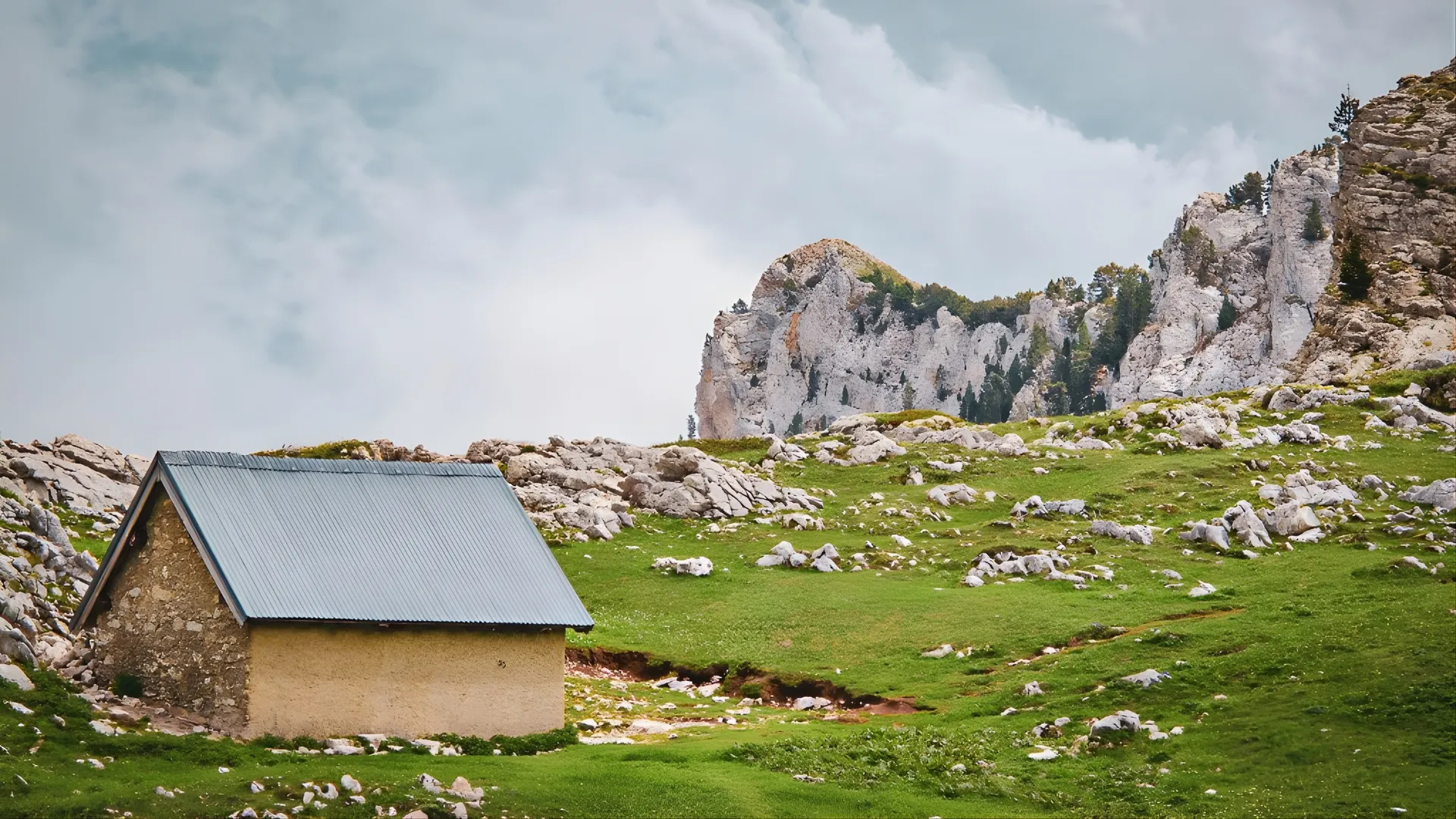
Put these pieces together and you arrive at the Col de Ménée with legs ready for steady climbs, a sure foot for the pas and controlled descents into the Diois. Keep the build gradual, protect sleep and hydration, and confirm your pacing with a dress rehearsal. Christelle and her group are waiting on the ridges of Jiboui, in the Combeau valley and facing Mont Aiguille at Chaumailloux: check the Wild trek across the Hauts Plateaux du Vercors for the full itinerary and dates.

Find your next adventure
Browse curated expeditions matching the categories of this article and start planning your next trip.
Find your dream adventure
 Find your dream adventure
You might also like these adventures …
Hand-picked to echo the spirit of this article.

Hiking in Mullerthal: Luxembourg's little Switzerland


A weekend of hiking and stargazing in the Vosges

Trek & wild camp in the remote Valgaudemar valley
Stevenson’s trail: hike with a Donkey through the Cévennes
More to discover
Keep exploring with these pages and stories picked for you.
Tour du Queyras in 5 days: how to prepare your legs for the GR58
An 8-week plan for the GR58: hut nights at 2580 m, an optional summit at 3025 m, and legs ready for the descent into the wild Bouchouse valley.
Climbing the Verdon Gorges: your 6-week training plan
A 6-week plan for the Verdon: the Couloir Samson cable crossing, nights in an inn on the edge of the gorges, a small group guided by Patrick.
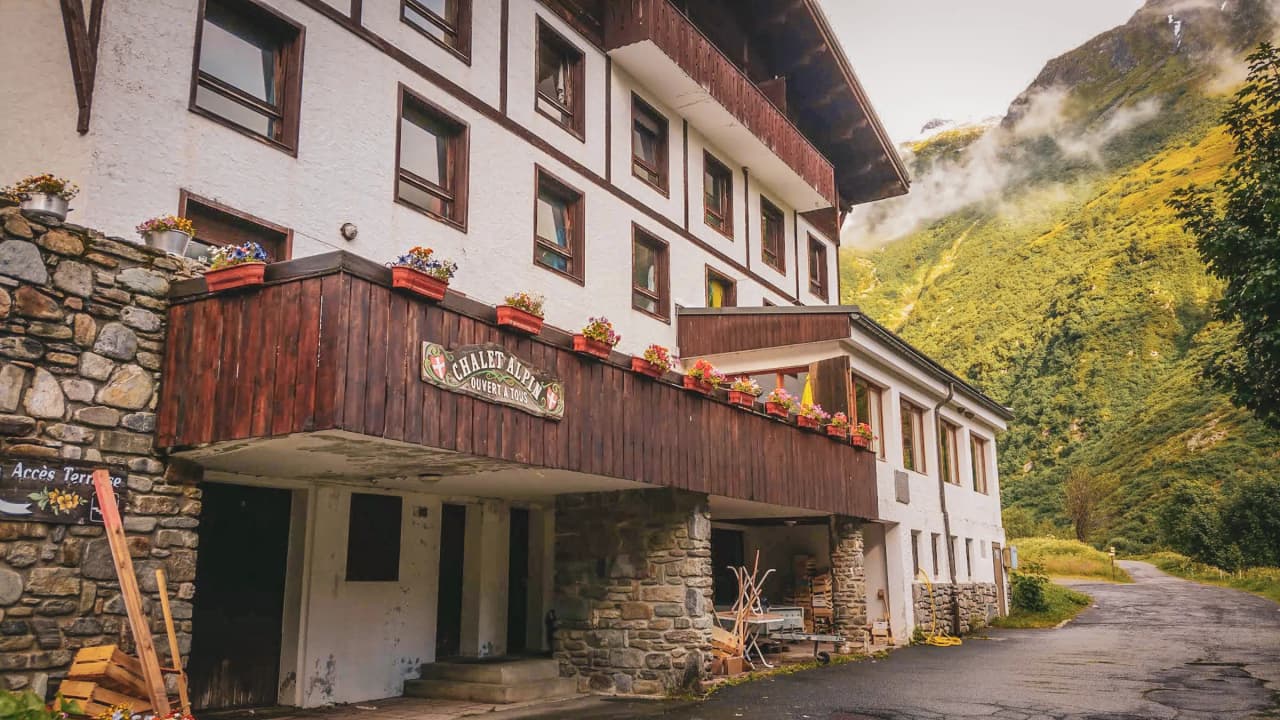
Train for the 3-day Chamonix trail camp in 6 weeks
A gentle six week plan to arrive ready for the Chamonix trail camp with Violette: basic climbing and descending technique, no performance chasing.
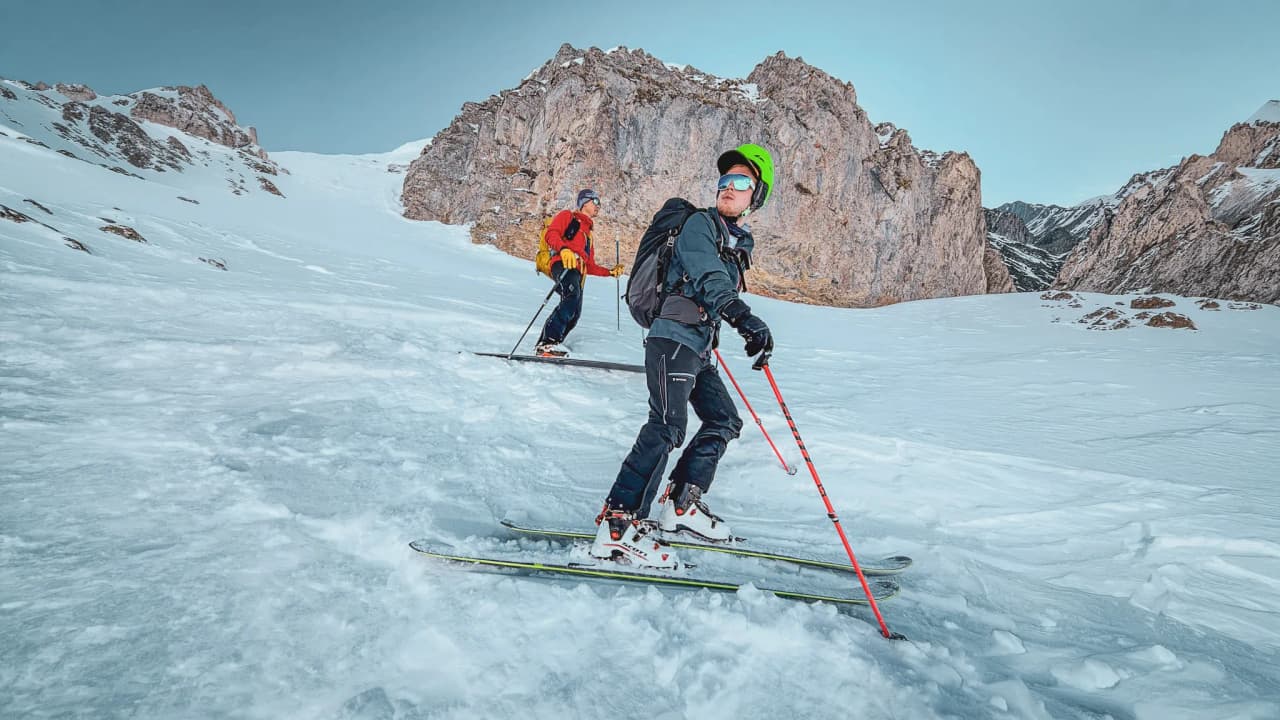
Mont Blanc Ski Touring: A 6-Week Training Plan
Prepare for a four-day Mont Blanc ski-touring raid with a six-week plan built around real terrain, altitude and long days.
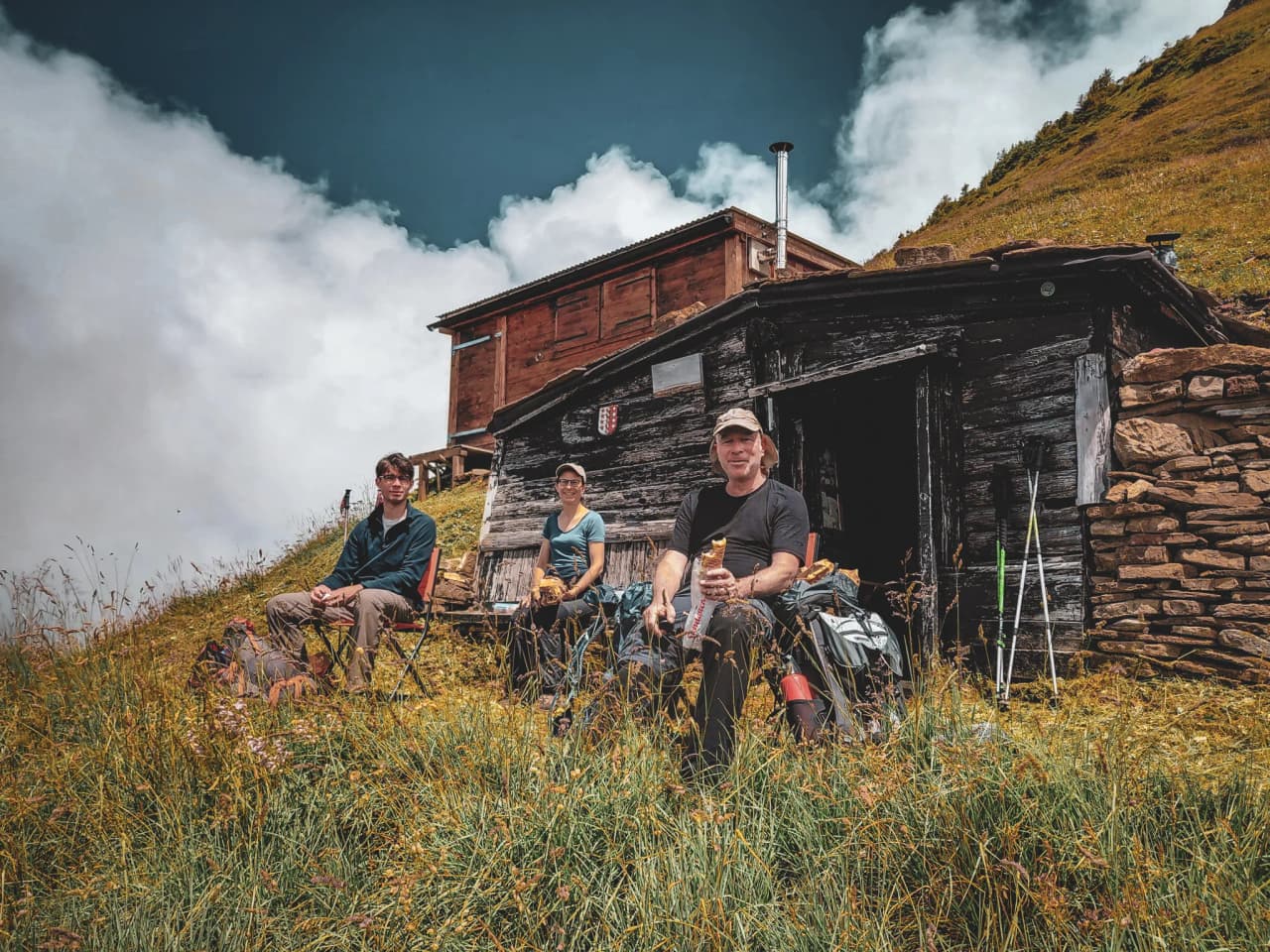
Dents du Midi: A 5-Day Itinerary, Day by Day
Plan a five-day Dents du Midi hike with stage details, elevation, tougher sections and highlights for experienced hikers.
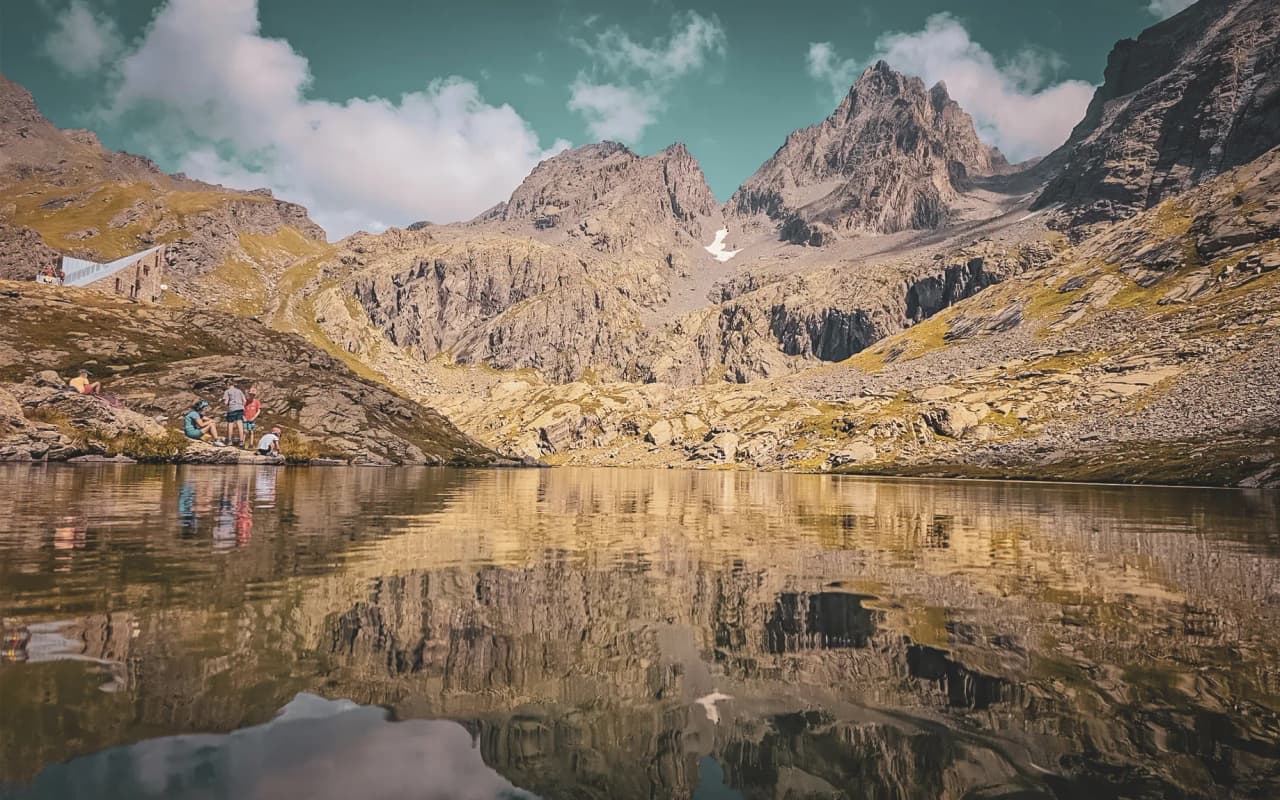
Monviso 4-day trek day by day on the hut-to-hut loop
Monviso 4-day trek described stage by stage. Passes, scree, high lakes and welcoming huts from July to September on an intermediate alpine loop.
