Lofoten hiking: an eight-day plan for stairs and bivouacs
 By Thibault
Train with Cécile, your polar guide in Lofoten, to handle Reinebringen's stone stairs, ocean-side bivouacs and long midnight sun days without injury or fatigue.
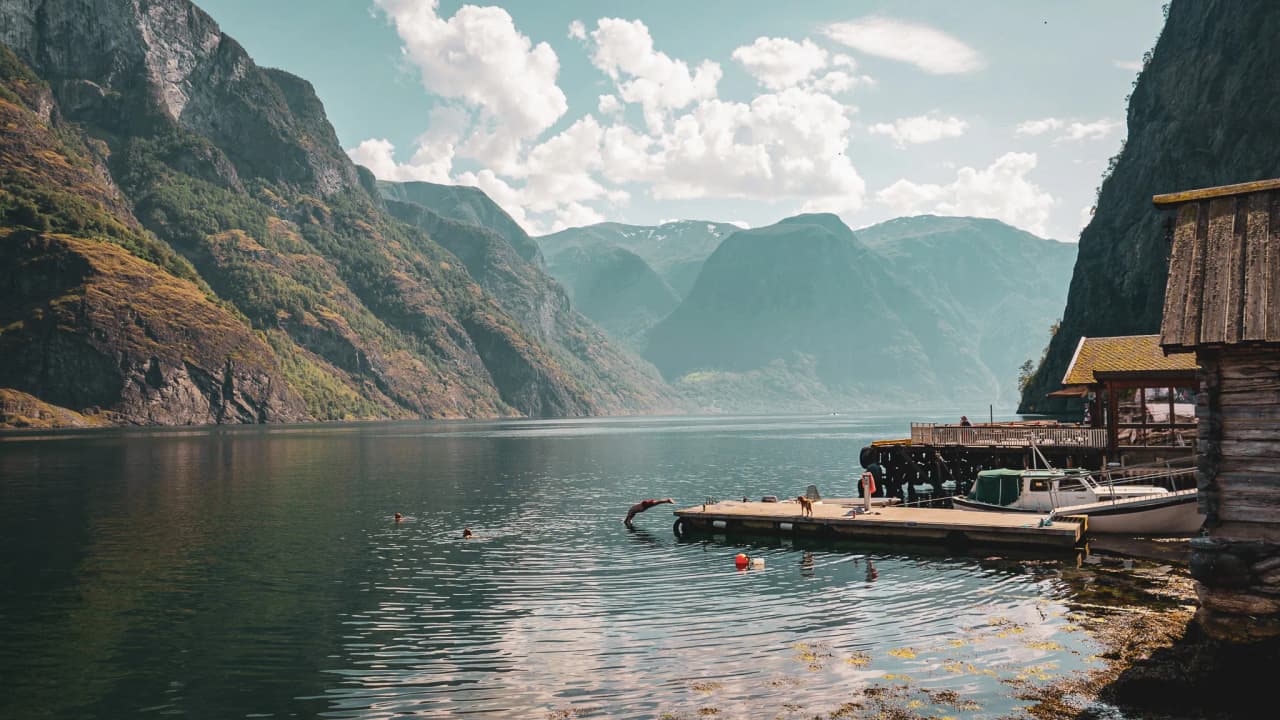
This eight day preparation is built specifically for Hike in Lofoten Islands, an intermediate trip that runs July to September with a rhythm that alternates lodges, camping and two nights in bivouac. Your guide on site is Cécile, a polar guide and photographer: she knows exactly where the midnight sun paints the best light, and exactly where those same long hours wear down tired legs. The goal is simple and practical: arrive strong, keep a clear head despite the midnight sun, and absorb repeated short, steep climbs without injury.
What you are preparing for, day by day from Svolvær to Nusfjord
The Lofoten Islands mix rocky, often wet paths, quick weather shifts and wind that can rise without warning. Elevation gains are generally short yet abrupt, linking beaches to airy viewpoints. Sleep can be challenged by bright nights, and there are nights on sand and by lakes before returning to the comfort of lodges and organized campsites. Your pack stays moderate but real when you carry a sleeping bag, an insulated mat and cooking gear.
Day 1 sets the tone. You land in Svolvær, meet Cécile at the lodge and review equipment together. This is when to anticipate the real risks: wind chill even in summer, blisters from wet, stony sections, ankle twists on slippery slabs, and above all cumulative fatigue. Day 2 targets Mannen, then a bivouac on Haukland Beach or Uttakleiv, your first exposure to marine gusts and damp sand. Day 3 starts with a short transfer, a lakeside camp after about half an hour on foot, then the ascent of Offersøykammen with a balcony view over the Vestfjord. Descents here test quadriceps and ankle control.
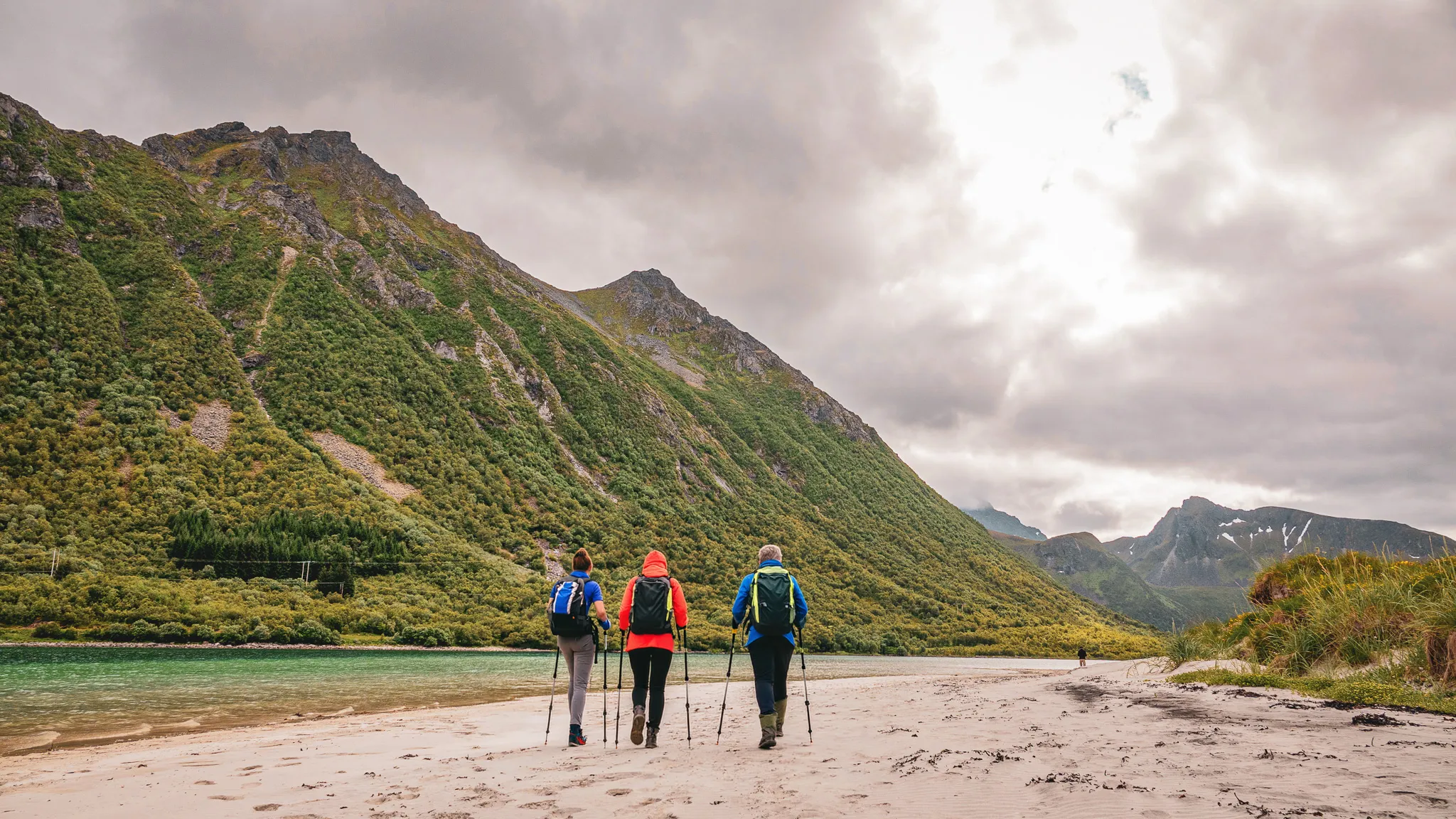
Day 4 reaches the isolated Kvalvika Beach by foot, then the program returns to a lodge for real recovery. Day 5 climbs Volandstinden, short but intense, before camping at Lofoten Beach Camp. Day 6 visits Reine, with its red stilt houses over the water, then tackles the built stairs of Reinebringen, a metronomic effort with a hard hitting descent, and ends at the Moskenes campsite. Day 7 shifts to culture in the UNESCO listed village of Nusfjord and a gentle coastal walk to the lighthouse, perfect for active recovery. Day 8 returns you to Svolvær to close the journey.
A targeted physical plan, weeks 8 to 0
Your body needs consistency more than miracles. Train three to five times per week with steady progression and specific reminders of short, technical climbs. In weeks 8 to 6, build your base. Do two moderate cardio sessions of 45 to 75 minutes such as brisk uphill walking, easy running or cycling. Add one long outing of 3 to 5 hours on rolling trails entirely on foot, not rushed. Complete two strength sessions of 30 to 40 minutes that prioritize the posterior chain and stability: bodyweight or loaded squats, forward and reverse lunges, step ups to a bench or stair, plank and side plank, hip bridges, and elastic band rows. Finish each strength session with about ten minutes of ankle proprioception using single leg balance and controlled reaches.
In weeks 5 to 3, shift to Lofoten specific work. Once per week, hike 3 to 5 hours with a pack of roughly 10 to 12 kilograms on uneven ground to educate feet and ankles. Add one hill session of 45 to 60 minutes with 6 to 10 repeats of 2 to 4 minutes uphill at a strong hiking pace, walking down and controlling foot placement. Keep one force session focused on eccentric quadriceps for descents, using slow squats with long lowers, controlled step downs from a bench and reverse lunges. Keep post effort care short but consistent with light stretching and self massage for calves and feet.
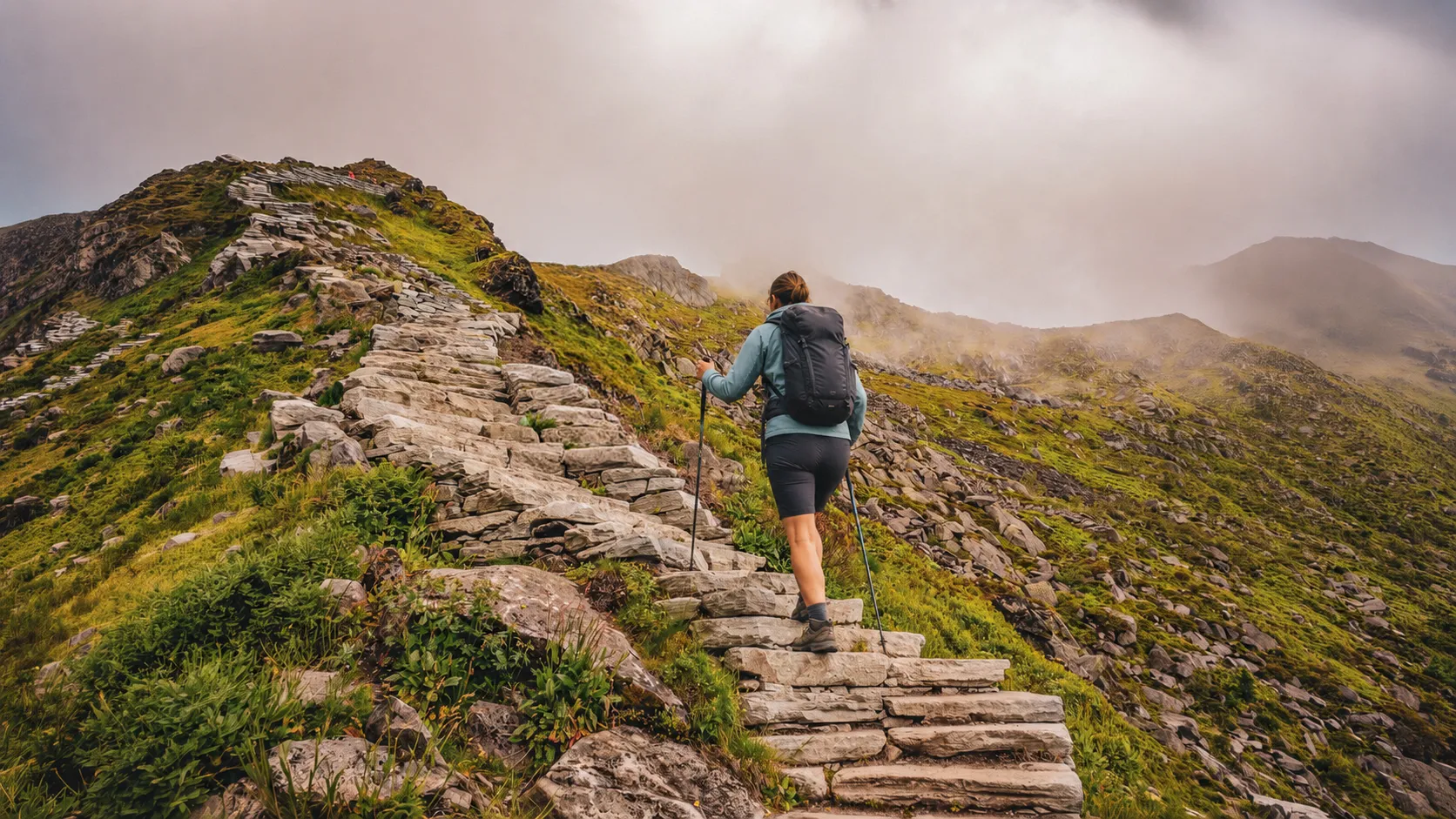
In weeks 2 to 1, taper. Do a 2 to 3 hour hike with the final kit in your pack. Keep a short, comfortable hill session to stay sharp, and add two twenty minute mobility routines for hips, ankles and lower back. Test every piece of equipment, ensure your shoes are fully broken in and confirm that your pack fit works over an hour or more. Here, arriving fresh matters more than one last personal best. This plan directly serves the key days on Mannen, Offersøykammen, Volandstinden and Reinebringen, where calm descending and steady ankles spare your knees and conserve energy.
If time is tight, build density into your week. Climb stairs for 20 to 30 minutes with a loaded pack. Walk part of your commute with 6 to 8 kilograms in the pack. Alternate fifteen minute micro strength sessions on legs and core, using step ups, lunges and planks. The foundation is regularity plus a true long outing most weekends.
Mental habits and pacing to match days 1 through 8
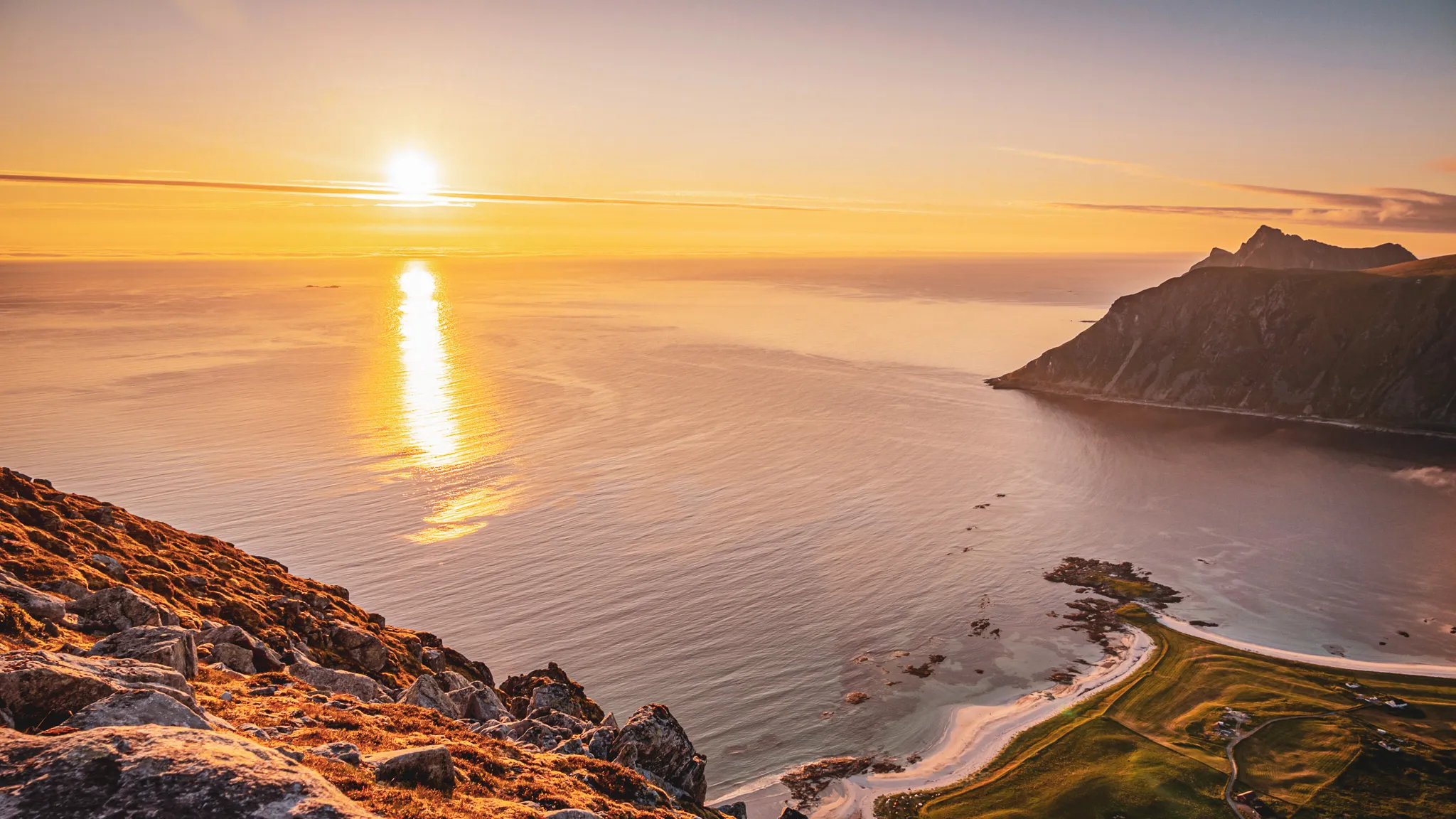
The midnight sun can unsettle your sleep cycle. From day 1, create a fixed evening routine: dinner at the same time, sleep mask and earplugs within reach, then twenty minutes of quiet reading or slow nasal breathing before lights out. On the beaches of Haukland or Uttakleiv, the sound of waves can soothe or irritate, so have a neutral sound file downloaded if that helps you settle. Limit screens at night to keep your brain quiet, and keep your headlamp charged for tent duties or a foggy walk around camp.
Break every climb into mental sections. On Mannen and Volandstinden, think in ten to fifteen minute blocks, each with a clear breathing pattern and foot cadence. On the Reinebringen stairs, set a calm rhythm and stick to it even if others surge past. Build simple group rituals that reduce stress: a brief weather and body check each morning, one shared objective for the day such as smooth descents or steady nutrition, then a five minute debrief at bivouac.
Use a consistent recovery routine each night. Start with a warm salty drink or a simple soup, give yourself twenty to thirty minutes to eat, then loosen calves, quadriceps and hips for a few minutes. Finish with a short self massage for the arches and heels. The cultural day in Nusfjord and the soft coastal walk to the lighthouse are designed as active recovery before the final lodge night, so walk loosely and drink more water than you think you need. Tell Cécile promptly if any pain changes your stride, or if you feel chilled despite layers, so the pace or carried load can be adjusted.
Smart kit, injury prevention and weather choices
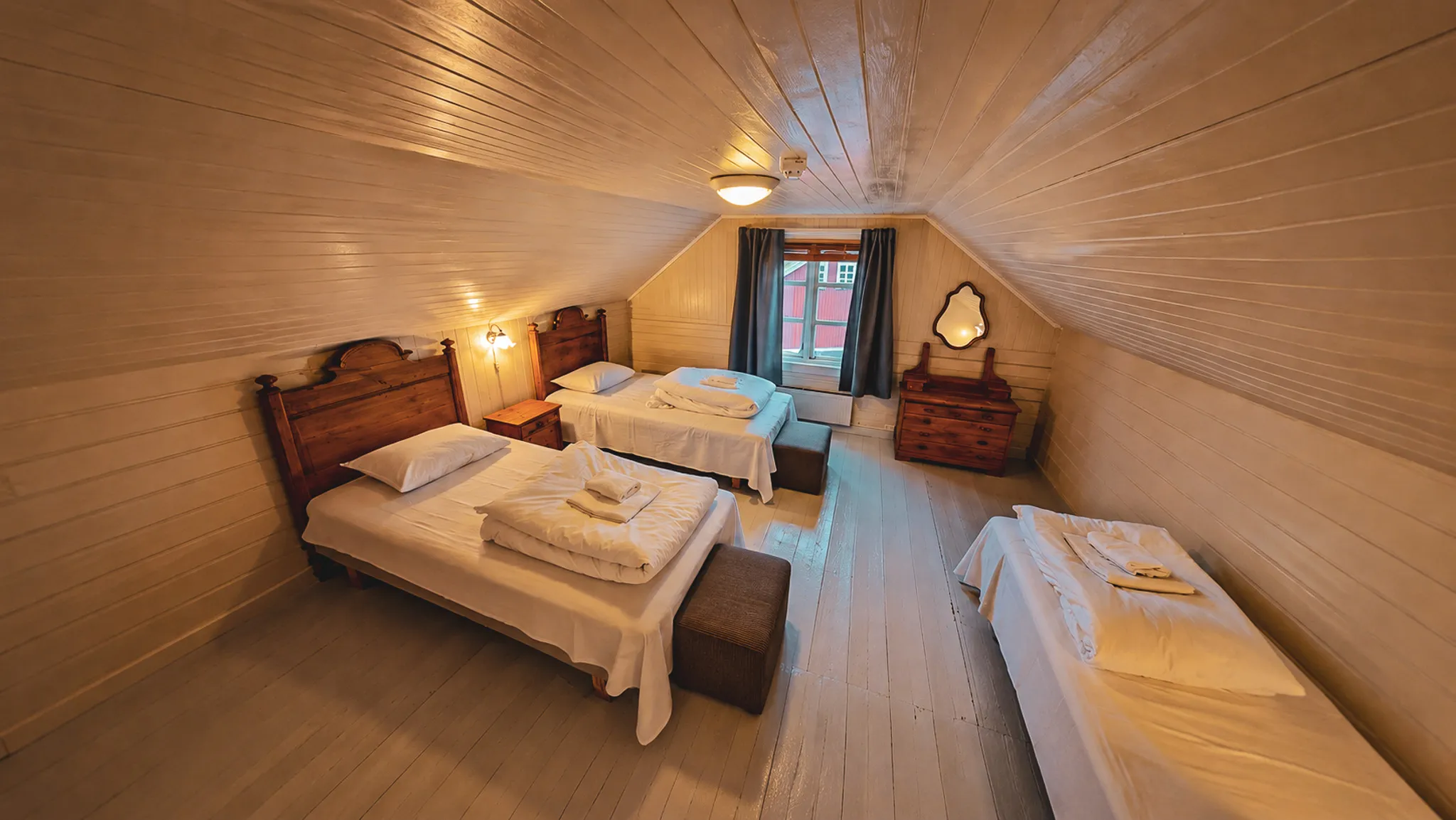
Keep your summer kit simple and protective. A 50 liter pack is a good ceiling, with real attention to moisture, wind and low angle sun. Pack layout and foot care matter as much as what you bring.
- Waterproof hooded shell, warm fleece layers, a light beanie and thin gloves
- Hiking boots with reliable grip and broken in uppers, technical socks and a spare dry pair
- Summer sleeping bag and insulated mat, charged headlamp, compact stove and fuel if you carry one
- Well fitted 50 liter backpack with rain cover and small dry bags for inner protection
- Category 3 sunglasses, SPF 50 sunscreen and SPF lip balm
- Quick drying shirts, shorts or capris, and a water resistant pant
- Small personal kit with blister plasters, tape, disinfectant and simple pain relief
- Trekking poles with adjustable length for steep ascents and descents
Fit your pack so the hip belt carries the weight on your pelvis, shoulder straps snug without crushing your chest and load lifters bringing the top of the pack close. Place the sleeping bag and mat at the bottom, stove and food in the middle, then shell and gloves at the top. For Kvalvika and the beach nights, protect a dry sleeping layer in a sealed bag, and keep headlamp and beanie in the top pocket.
Prevent injuries from the ground up. Break in your boots well before you fly. Consider a thin liner sock under your main sock, use anti friction cream and place preventative tape on hotspots before Mannen and Reinebringen. For ankles, set poles short when climbing and longer for descents, and add one or two balance drills each evening. For your back, always load the hip belt firmly, spread weight evenly and take thirty second micro pauses to reset the shoulders. If a blister forms and stays closed during a hike, do not tear it open; pad it, protect it and treat it in camp.
Watch Lofoten weather morning and evening, and accept schedule tweaks to avoid the worst gusts on ridgelines or hard rain. At Kvalvika, note the state of the beach and any frontal wind. Carry a small power bank, protect your phone and GPS in a dry bag, and recharge at the lodge when you can. Even under bright nights, a charged headlamp helps inside the tent or in dense fog. Cécile manages the route and plan B options, and your job is to voice recovery needs early so breaks and loads can be tuned.
In the final week before departure, focus on five actions that lock in readiness. Follow the week by week plan with one honest long outing, travel in already broken in shoes, test your loaded pack on local hills, lock a sleep routine with mask and earplugs, and decide how you will check the forecast and share concerns with your guide. Hike in Lofoten Islands strings together short, concentrated efforts, panoramic summits and marine bivouacs, and a focused preparation is the most reliable way to move well and enjoy steady days without surprises.

Find your next adventure
Browse curated expeditions matching the categories of this article and start planning your next trip.
Find your dream adventure
 Find your dream adventure
You might also like these adventures …
Hand-picked to echo the spirit of this article.

Hiking in Mullerthal: Luxembourg's little Switzerland


A weekend of hiking and stargazing in the Vosges
Stevenson’s trail: hike with a Donkey through the Cévennes
Trek & wild camp in the remote Valgaudemar valley
More to discover
Keep exploring with these pages and stories picked for you.
Tour du Queyras in 5 days: how to prepare your legs for the GR58
An 8-week plan for the GR58: hut nights at 2580 m, an optional summit at 3025 m, and legs ready for the descent into the wild Bouchouse valley.
What to pack for a portaledge overnight at Freyr
A focused guide to what to pack for a portaledge overnight at Freyr, aligned to the 2‑day program from May to September with real trade‑offs.
Train in 6 Weeks for the Wild Vercors High Plateaus Trek
Carrying 8 to 10 kg for four days in a row takes real preparation. Here is the full 6 week training plan for the Vercors High Plateaus trek, day by day.
Dog Sledding in Swedish Lapland: an eight week training plan
Train for 8 weeks to run your own dog team with Elsa and Fred in Swedish Lapland: sledding, snowshoeing and cold management before you land in Arvidsjaur.
Climbing the Verdon Gorges: your 6-week training plan
A 6-week plan for the Verdon: the Couloir Samson cable crossing, nights in an inn on the edge of the gorges, a small group guided by Patrick.
Northern lights or high lakes: choose your hike by effort and aim
Compare the daily effort and real aim of five real trips, from Valgaudemar to Senja, and pick observation or itinerant performance to match your level and season.
