Bison in Belgium: the rewilding of a wild giant on our doorstep
 By Maxime
Find out what rewilding really entails: feasibility, impacts, risks, and where to observe (without disturbing) the return of bison to Belgium.
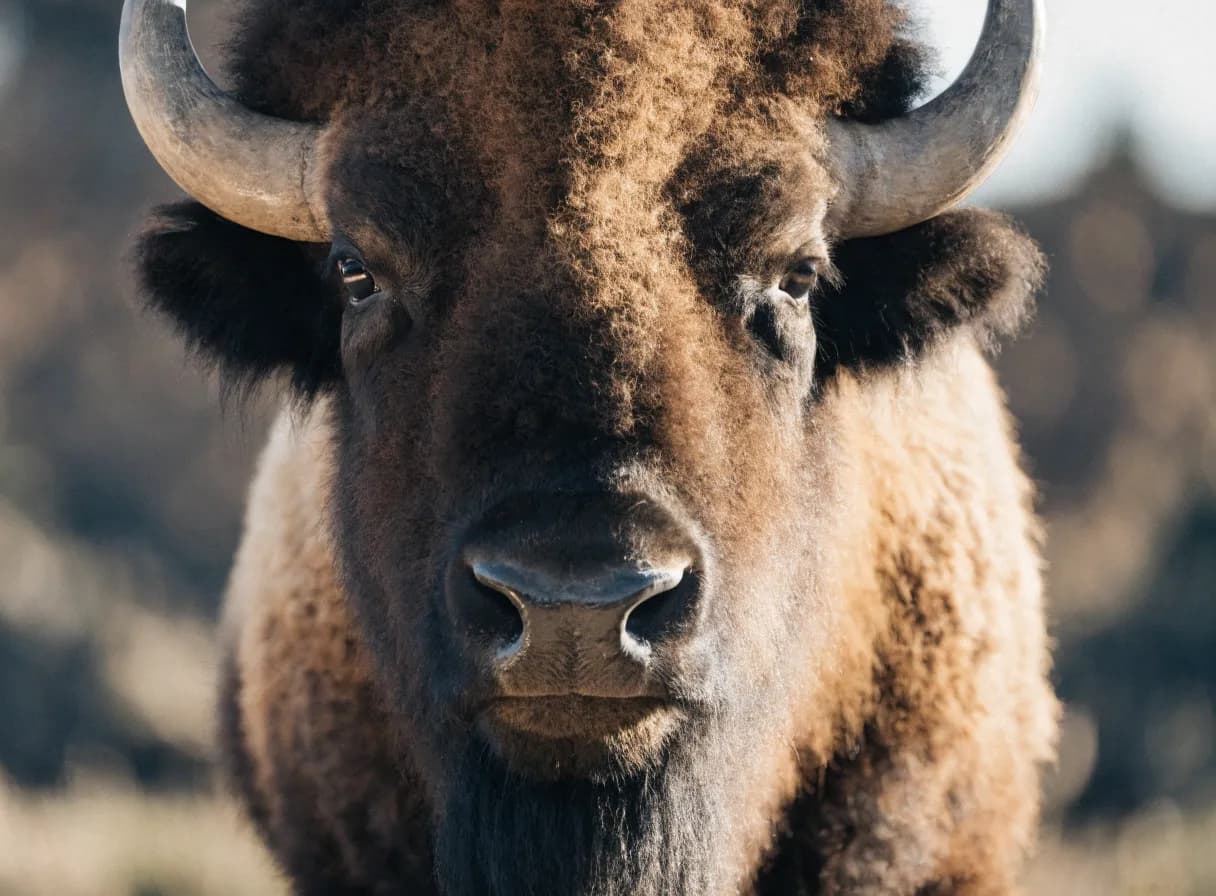
A large herbivore weighing several hundred kilos returning to a densely populated and fragmented country: on paper, it sounds like a risky idea. Yet the European bison is back on the agenda for 2027 in Belgium, with a simple question behind the symbolism: can an animal restart ecological processes that we currently have to compensate for through maintenance, fencing and repeated interventions?
The bison (Bison bonasus) is of interest for rewilding because it alters an environment simply by living its life. It grazes selectively, moves in herds, creates areas of bare ground, and rubs against trees. These are everyday actions from the animal’s perspective, but they can break up the uniformity of a meadow, reopen edges and recreate micro-habitats. The problem is that this only works if the project is managed as a meticulously monitored system: health, genetics, safety, GPS tracking, intervention protocols, and verifiable objectives.
Belgium thus becomes a good real-world test case: limited space, multiple land uses, and little room for improvisation. Can we reintroduce a large herbivore without turning it into a PR stunt, and with measurable results to show for it? That is what this article examines, from the field to the indicators.
What exactly is rewilding (and what it isn’t)?
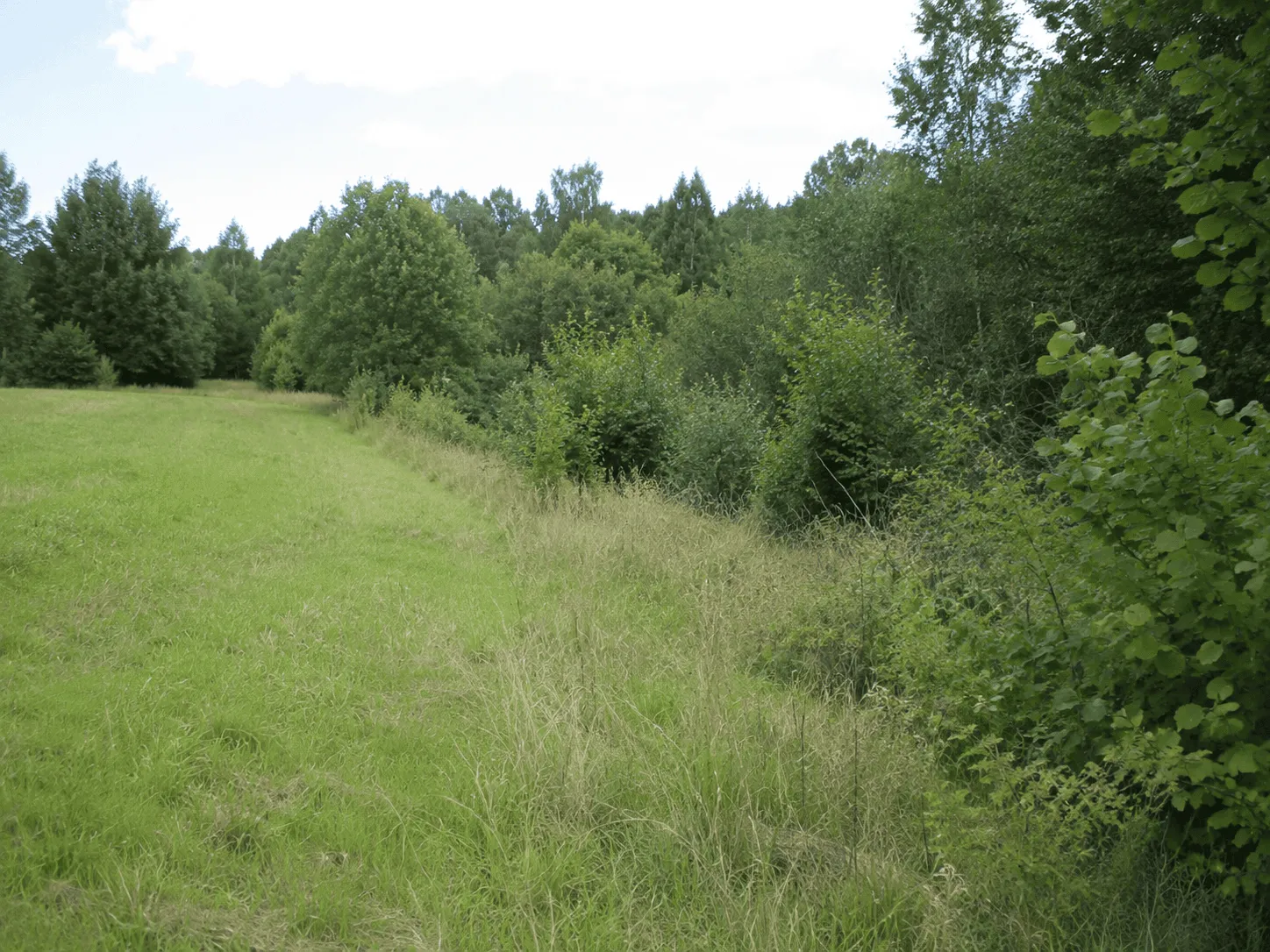
If the bison risks becoming a “showpiece”, it is often because we confuse rewilding with simply releasing animals. Rewilding is a conservation approach that aims to restore ecological processes (grazing, seed dispersal, dynamics of open habitats) by reducing certain human pressures and pursuing measurable objectives over time.
In practice, rewilding starts with an operational question: which mechanisms are missing from this ecosystem, and how can we restore them without creating more problems than we solve? Organisations such as Rewilding Europe are promoting this approach: less constant ‘gardening’, more self-sustaining systems, with close scientific monitoring.
What rewilding is (and what it isn’t)
- It is adaptive management: we test, we measure, we adjust (population sizes, refuge areas, sensitive periods, temporary fencing).
- It is a project in applied ecology: we define indicators (vegetation structure, plant diversity, grazing pressure, land-use conflicts) and warning thresholds.
- It is not “restoring nature to how it was before” in the strict sense. Landscapes, climate and land uses have changed; we are aiming for a credible ecological trajectory, not a historical postcard.
- It is not a complete abandonment of the area. A large herbivore in a fragmented territory requires rules, mediation with local residents and farmers, and contingency plans.
- This is not solely a wildlife project. The bison is merely a means to an end; the target remains the ecosystem.
A successful reintroduction therefore resembles a field programme: selection of connected habitats, health protocols, GPS tracking, followed by analysis of the results. This is where rewilding stands out: it accepts uncertainty, but rejects improvisation.
How is a bison reintroduction decided upon and managed in the field?
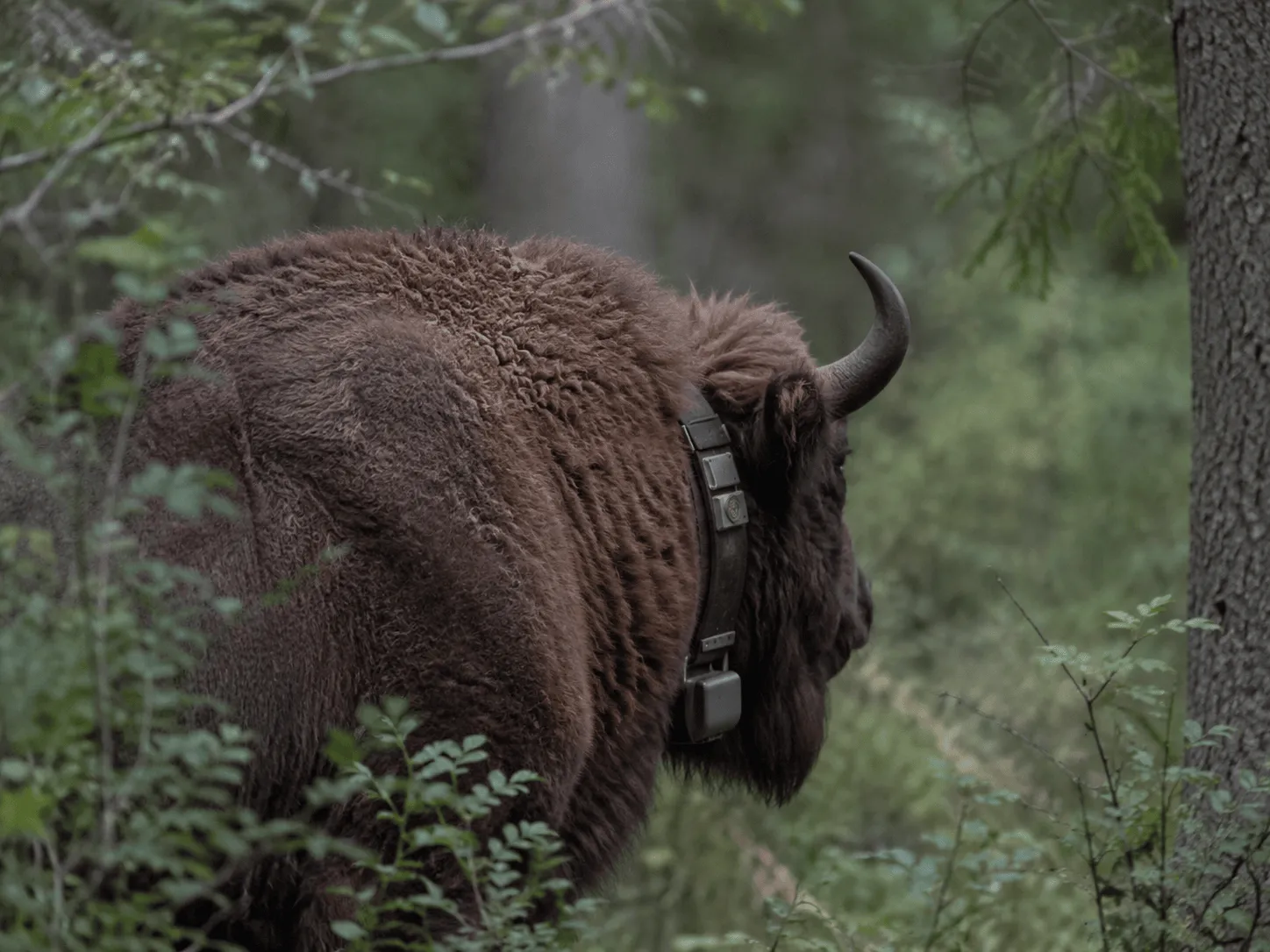
In the field, rewilding with the European bison resembles an ecological engineering project subject to constraints: animal health, genetics, safety, and measurable objectives. The teams reintroducing Bison bonasus follow a fairly standard procedure, because the slightest improvisation results in conflict, mortality, or a loss of trust.
- Site selection: usable area, access to water, resting areas, and above all connectivity. A wooded area isolated by roads and fences quickly turns the operation into a closed park. Project leaders map barriers and corridors using GIS (QGIS, ArcGIS) and land-use data (Copernicus).
- Legal framework and governance: who is responsible if an animal escapes, who pays for the damage, who decides on intervention. Serious projects draw up protocols before the animals arrive.
- Selection of individuals and genetics: the aim is a viable population, not a “symbolic pair”. Exchanges between reserves and programmes are managed via studbooks and breeding plans, such as those coordinated by the EAZA (European Association of Zoos and Aquaria).
- Quarantine and health: veterinary tests, anti-parasitic treatments if necessary, gradual acclimatisation. The European bison remains a bovid, with risks of cross-transmission to domestic herds.
- Gradual release: acclimatisation enclosures, followed by access to larger areas. This stage reduces stress and limits escape attempts.
- GPS tracking and observation: GPS collars, camera traps (Bushnell, Reconyx), and field surveys. The data is used to identify sensitive areas, not for show.
- Conflict management: suitable fencing, signage, mediation with local residents, and an action plan. The IUCN guide on translocations is often used as a reference.
Management is assessed using simple indicators: survival at 12 and 24 months, reproduction, dispersal, incidents, and effects on vegetation. When the figures deteriorate, the team adjusts the density, the fencing, or the accessible area. This is adaptive management, not a romantic ‘release’.
What ecological impacts can we expect from bison on ecosystems?
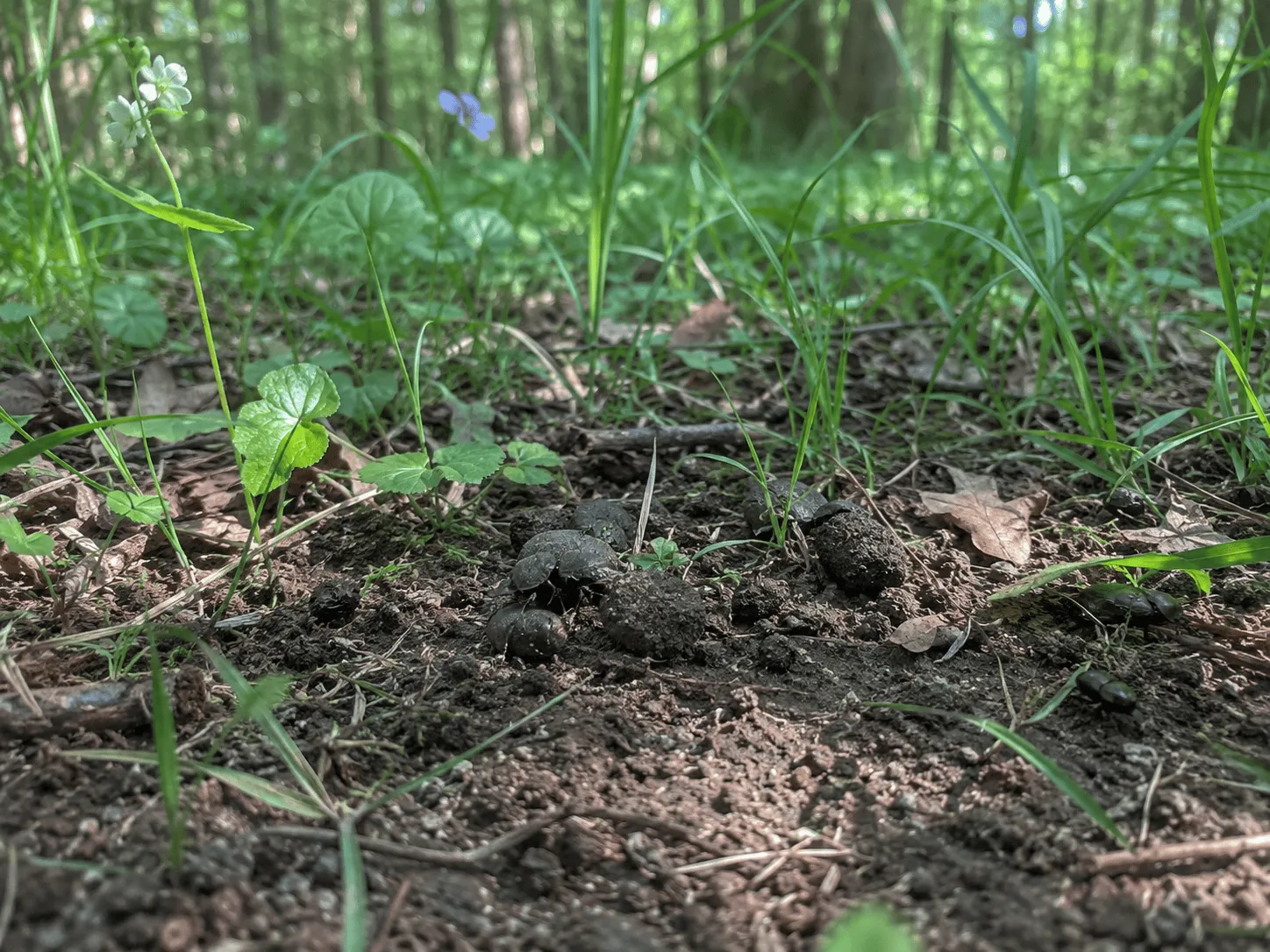
Survival and dispersal indicators are not enough: in rewilding, we expect the European bison to have measurable effects on the structure of habitats. The bison (Bison bonasus) acts as an ‘ecosystem engineer’ through its selective grazing, its movements in herds and its behaviours (rubbing against trees, dust bathing). Expected result: less uniformity, more contrast, and therefore more niches for other species.
Reintroduction: the mosaic of habitats created by a large herbivore
On grasslands and forest edges, the bison maintains short-grass areas whilst leaving others taller. This heterogeneity often benefits thermophilic insects, birds of open habitats and plants that struggle to cope with the encroachment of woody plants. In open woodland, bison create clearings, trample out paths and create micro-sites of bare ground where certain seeds germinate more readily.
Bison also carry seeds in their coats and via their dung. The dung provides a boost of nutrients and moisture, attracting dung-feeding beetles, followed by predators and insectivorous birds. This is no mere coincidence: these ‘hotspots’ recur across the entire range.
The most sought-after effects concern the grassland-forest dynamic: slowing down scrub encroachment in certain areas, maintaining clearings, and creating more gradual transitions between open and wooded habitats. It is precisely this type of process that is documented by scientifically monitored rewilding projects, such as those coordinated by Rewilding Europe.
The limitations are clear. In a highly fragmented area, bison concentrate their grazing pressure, which can lead to localised overgrazing and favour ruderal plants. In sensitive wetlands, trampling can damage riverbanks or disturb the water. In dense forests with little undergrowth, the impact remains low unless light and connectivity are also restored. Bison help, but they do not replace ecological planning.
The thorny issue: is the bison really ‘natural’ everywhere in Belgium?
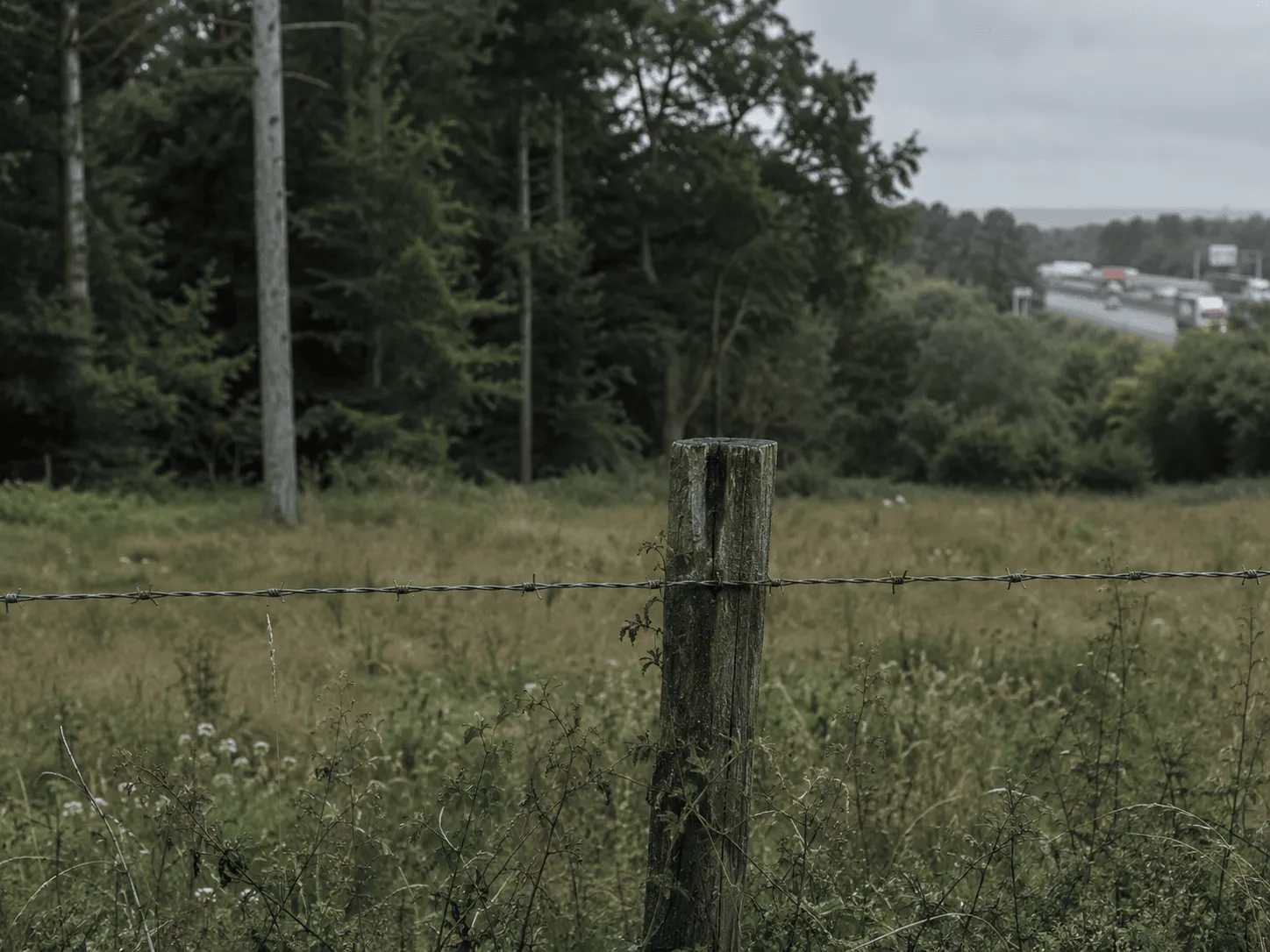
Bison help to restore processes, but rewilding quickly runs up against a thorny question: “natural” for whom, and relative to what benchmark? In Belgium, the idea of reintroducing the European bison (Bison bonasus) is debated as much in terms of ecology as of history, available space and the risk of it becoming a showcase project.
Talking about “naturalness” implies a historical reference point. Yet Belgian landscapes have been reshaped by agriculture, forestry, roads and urbanisation. Even though the bison is a herbivore native to Europe, this does not mean that it is ecologically suitable everywhere, nor that current conditions resemble those in which the species roamed freely.
Reintroduction and spatial reality: Belgium is not a large continuous massif
The real obstacle is the size and continuity of habitats. A large herbivore needs space to spread grazing pressure, limit conflicts and maintain natural behaviours. In a fragmented landscape, one often ends up with a ‘park bison’ even if the intention is rewilding.
- Fragmentation: roads, residential areas and fences channel movement, increase the risk of accidents and concentrate the impact on a few plots.
- Enclosure effect: a fence may provide security, but it changes the nature of the project (management akin to a fenced reserve), involving ethical and technical trade-offs (density, supplementary feeding, interventions).
- Local ecological reference: some sites aim for flower-rich grasslands, others for dynamic forest edges. Bison can help in one and hinder the other if the objective is not explicitly stated.
- Risk of “showcase rewilding”: a small, highly visible core area, lots of publicity, little connectivity and few published indicators.
A credible project acknowledges these limitations and sets them out in black and white: the area that is actually accessible, mapped barriers, intervention thresholds, and shared monitoring data. The IUCN guidelines on translocations provide a clear framework for avoiding the symbolic and remaining practical.
What indicators prove that it works (or doesn’t)?
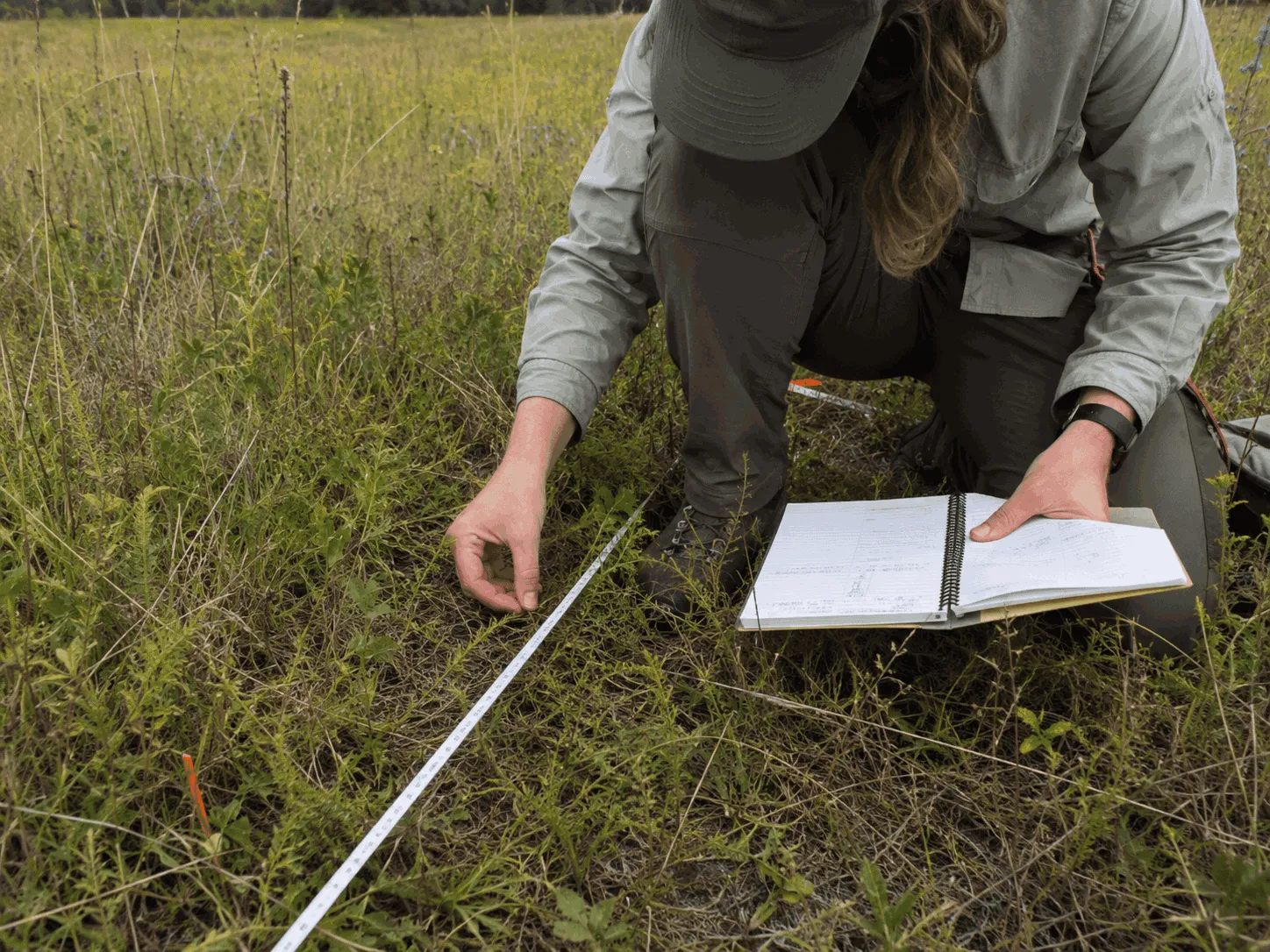
A serious reintroduction project is not judged by a nice photo of a bison. It is judged by published data, pre-announced intervention thresholds, and results that hold up over several seasons. Without that, we’re not managing anything; we’re just communicating.
Useful indicators fall into two categories: those that show whether the bison population is functioning, and those that show whether the ecosystem is changing for the better, without hidden costs.
- Survival and health: survival rates at 12 and 24 months, injuries, parasitism, mortality linked to fences or roads. Veterinary monitoring and documented post-mortems avoid speculation.
- Reproduction and structure: number of births per female, calf survival, male-to-female ratio, herd size. A ‘stable’ population that does not reproduce remains merely a display.
- Movement and use of space: GPS collar data, distance to the edge of the reserve, crossing of barriers, time spent near crops. These figures guide adjustments to fencing and refuge areas.
- Vegetation: structure (height, low vs. tall patches), rate of scrub encroachment, floristic diversity on permanent plots. “Transect”-type protocols are compared year on year.
- Insects and associated species: dung-feeding beetles in dung, pollinators in clearings, birds of open habitats. Barber traps and pollinator transects provide clear trends.
- Carbon and soils: soil organic matter, compaction, erosion, condition of wetland banks. A claimed carbon gain without soil measurements and without considering the hydrological context looks like marketing.
- Conflicts and safety: incidents with walkers, crop damage, animals straying from the perimeter, mediation costs. A good indicator is also the time spent managing emergencies.
- Full costs: fencing, GPS monitoring, compensation, communication, staff. Without total costs, it is impossible to compare with other restoration options.
Reading the figures without greenwashing
Demand time series (at least 3 years), described methods, and raw data or auditable summaries. TheIUCN guidelines on translocations and theEAZA recommendations on population management help to define what should be measured and published.
What this means for nature travellers in Europe (and how to observe without disturbing)
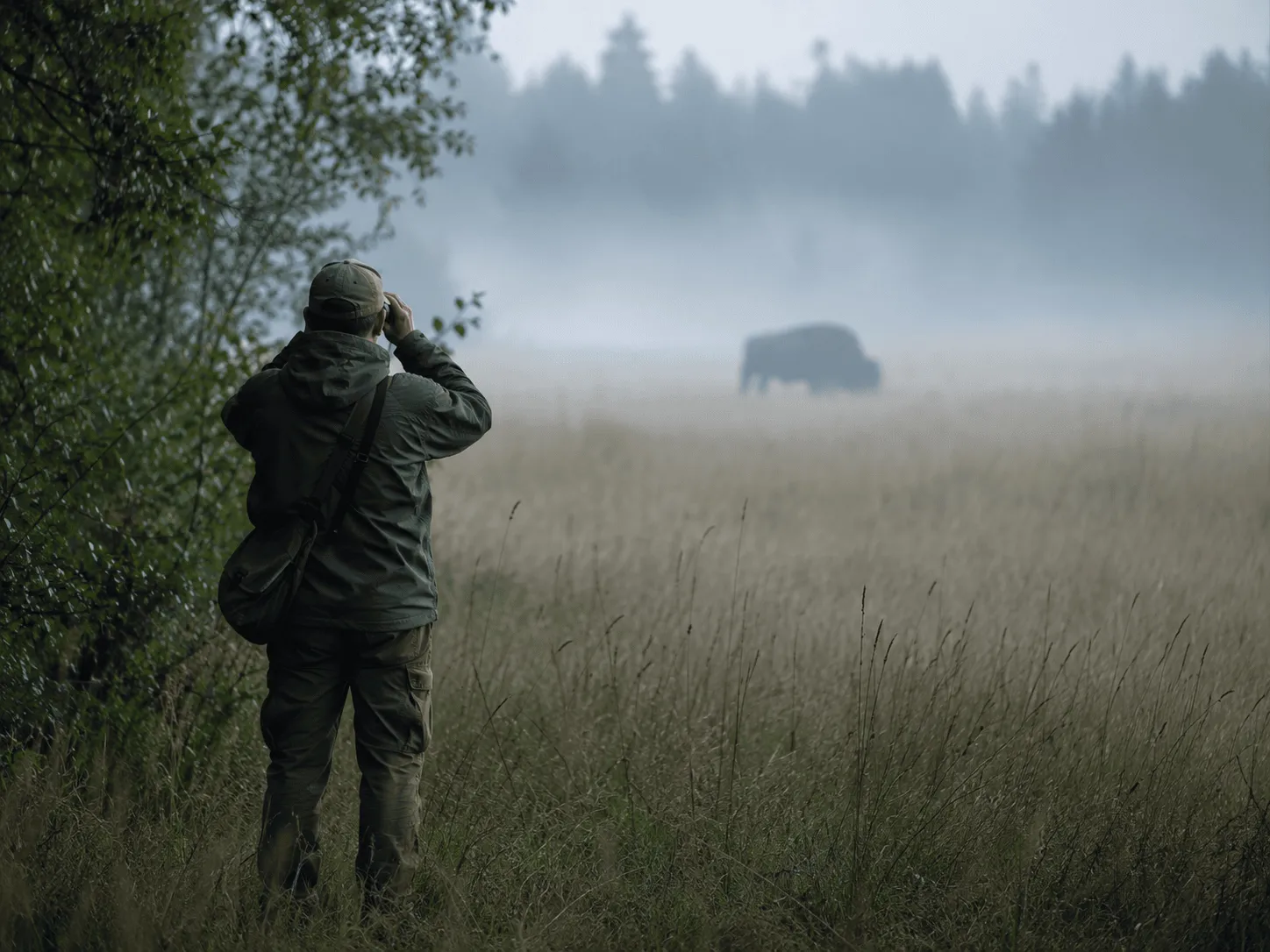
When a rewilding project publishes auditable data, it also changes the way we travel for nature. You no longer come to “see a rare animal”; you come to observe a territory that is testing coexistence, with rules, sensitive areas and ecological objectives. The European bison then becomes a good indicator: a site that manages it seriously also manages visitors seriously.
For the traveller, the first consequence is simple: observation must be earned. The best moments happen from a distance, early in the morning or at the end of the day, with binoculars (8x42 or 10x42) and discreet behaviour. A bison that raises its head, gathers itself, or changes direction has already ‘read’ you. Step back and leave it a clear path to cover.
Reintroduction: observing without disturbing, in practice
- Stay on the paths and respect closed-off areas; they often protect resting and calving grounds.
- Keep a good distance: if you don’t need to zoom in to ‘fill’ the frame, you’re too close. Prioritise the telephoto shot, not getting closer.
- Never feed them, not even “a little”. Habituation increases risky interactions and damage to forest edges.
- Manage dogs: keep them on a lead and anticipate encounters. A running dog triggers defensive reactions.
- Avoid noise, especially near the edges of the forest. Herds use these areas as refuges.
You can also ‘assess’ the quality of a site. Look for clear signage, a protocol for encounters, observation posts or vantage points, and a public page describing monitoring activities (GPS collars, camera traps, indicators).IUCN guidelines and monitoring standards promoted by networks such as Rewilding Europe give an idea of what “transparent” means.
To experience this without winging it, small-group outings with nature guides save time and reduce your impact. Wildhartt offers this kind of outdoor experience in Europe, with tailored difficulty levels and responsible observation practices. Your next practical step is simple: choose an outing that sets out its rules, then stick to them in the field; that is where rewilding becomes credible.
Find your next adventure
Browse curated expeditions matching the categories of this article and start planning your next trip.
Find your dream adventure
 Find your dream adventure
You might also like these adventures …
Hand-picked to echo the spirit of this article.


More to discover
Keep exploring with these pages and stories picked for you.
Res Nullius: why wild nature is never far away
The documentary Res Nullius follows a wild boar spotted in Brussels. A reminder that real Belgian wildlife is closer than you think.
The wolf in the Vercors: understanding its presence, impact and challenges
Find out all about the wolf in the Vercors: history, observation, cohabitation, ecology and legislation. A complete and fascinating guide!
Wolf tracks: how to identify them in the field (a comprehensive guide)
Find out exactly how to identify a wolf’s paw print, avoid mistaking it for a dog’s, and enjoy your hike with peace of mind, even if you’re not an expert.

Gran Paradiso: A Guide to Sustainable Outdoor Adventures
Explore Gran Paradiso with practical hiking advice, sustainable adventure ideas and guidance for choosing a route that suits your level.
Where to Spot Wildlife in Belgium: A Guide to the Hautes Fagnes and the Semois Valley
A complete guide to spotting wildlife in Belgium without disturbing it: the best hike-accessible spots in the Hautes Fagnes and the Semois Valley.
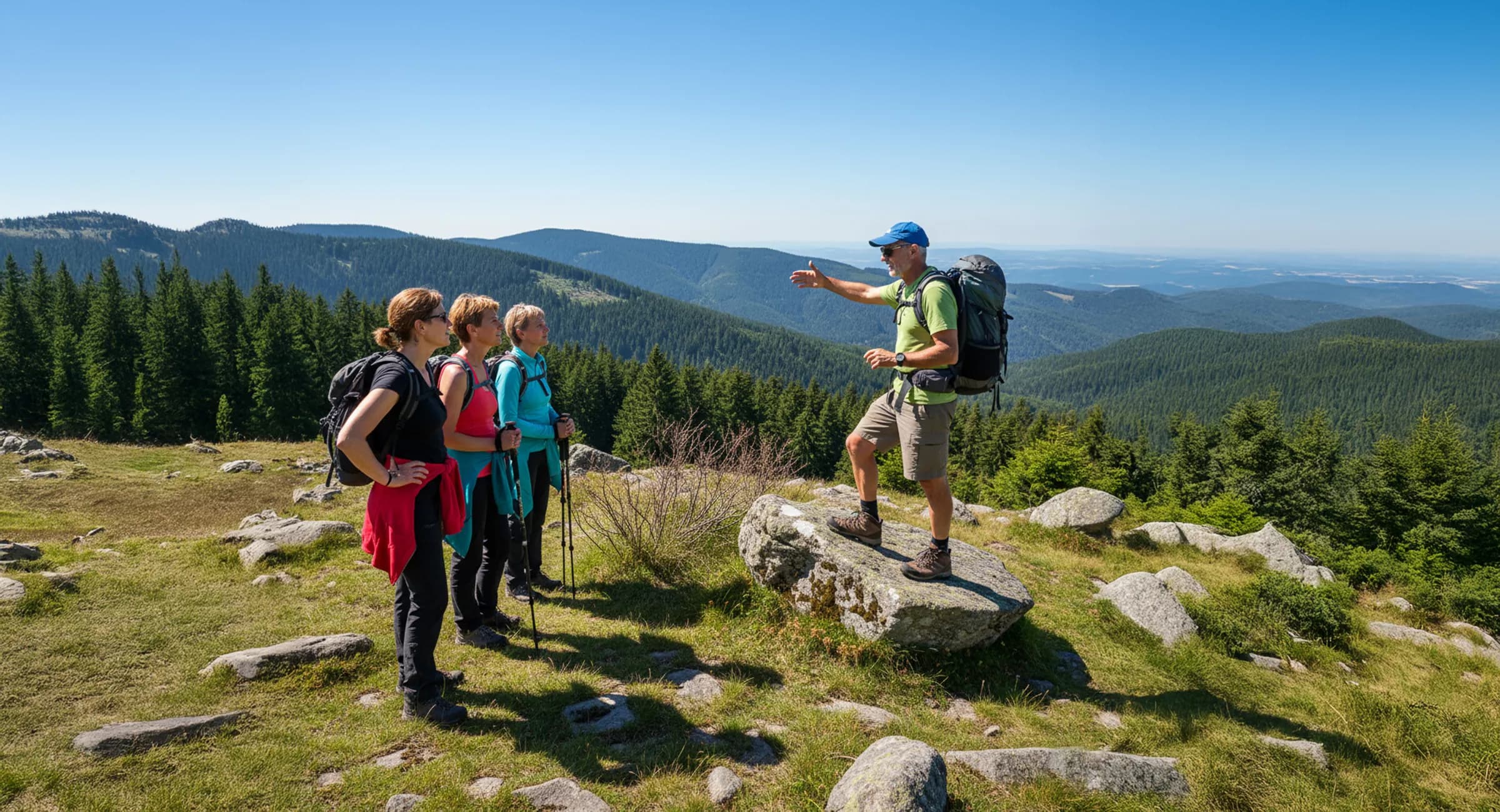
Mountain Leaders: A Practical Guide for Hikers
Understand what a mountain leader does and how they can support a safer, more confident hiking experience.
