Wolf tracks: how to identify them in the field (a comprehensive guide)
 By Thibault
Find out exactly how to identify a wolf’s paw print, avoid mistaking it for a dog’s, and enjoy your hike with peace of mind, even if you’re not an expert.
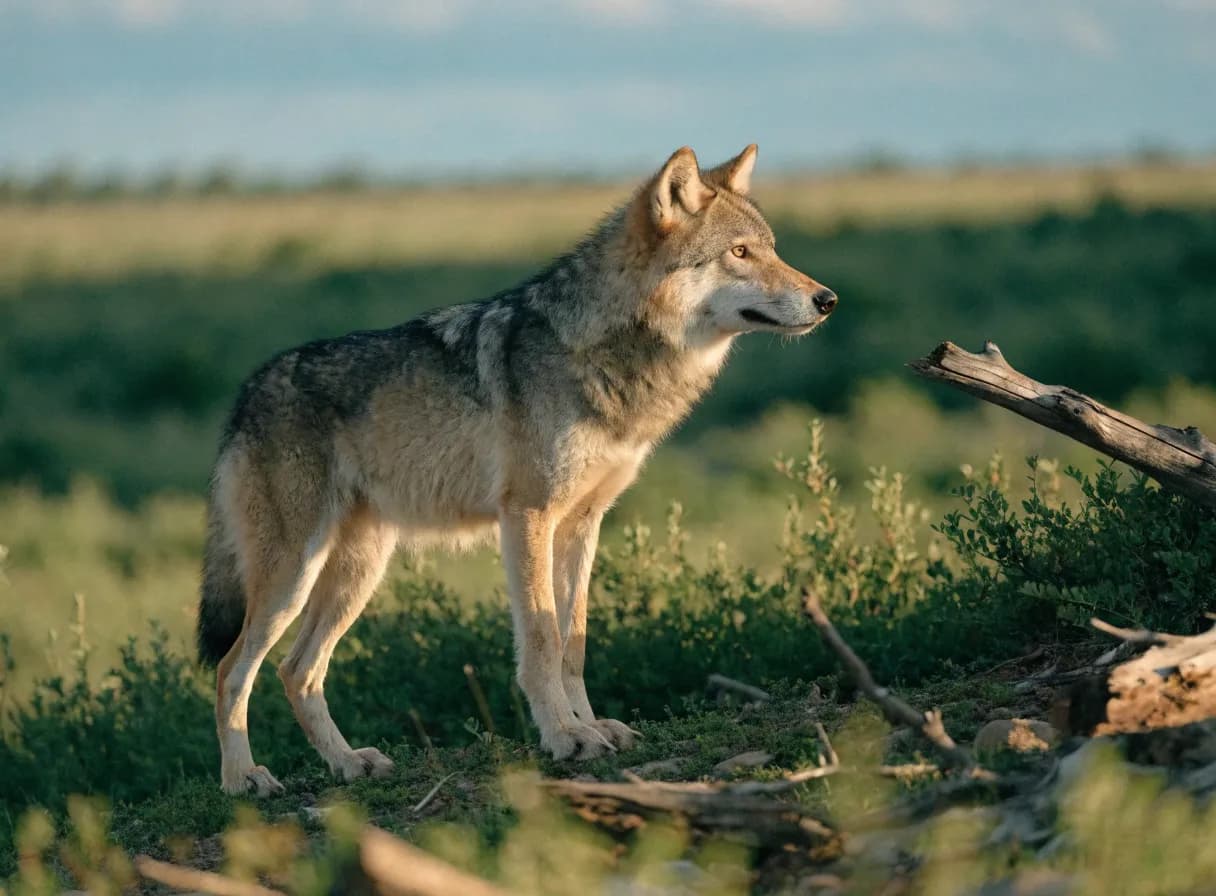
You’re walking along a damp path. In a puddle of mud, a clear footprint appears. Your brain makes a split-second judgement: ‘wolf’. Then you see the next one: a collapsed edge, a skid mark. This is exactly how false certainties arise: a single footprint, ground that distorts the print, and a story that constructs itself.
Recognising a wolf’s paw print means rejecting a snap judgement and applying a method. In this guide, you’ll learn to read a track over several metres (shape, size, claws, pads) and then confirm it using stride length and trajectory. You’ll also find out where to look in France and the Belgian Ardennes, why the return of the wolf matters for ecosystems, and what to do if you come across one.
How to recognise a wolf’s paw print whilst out walking
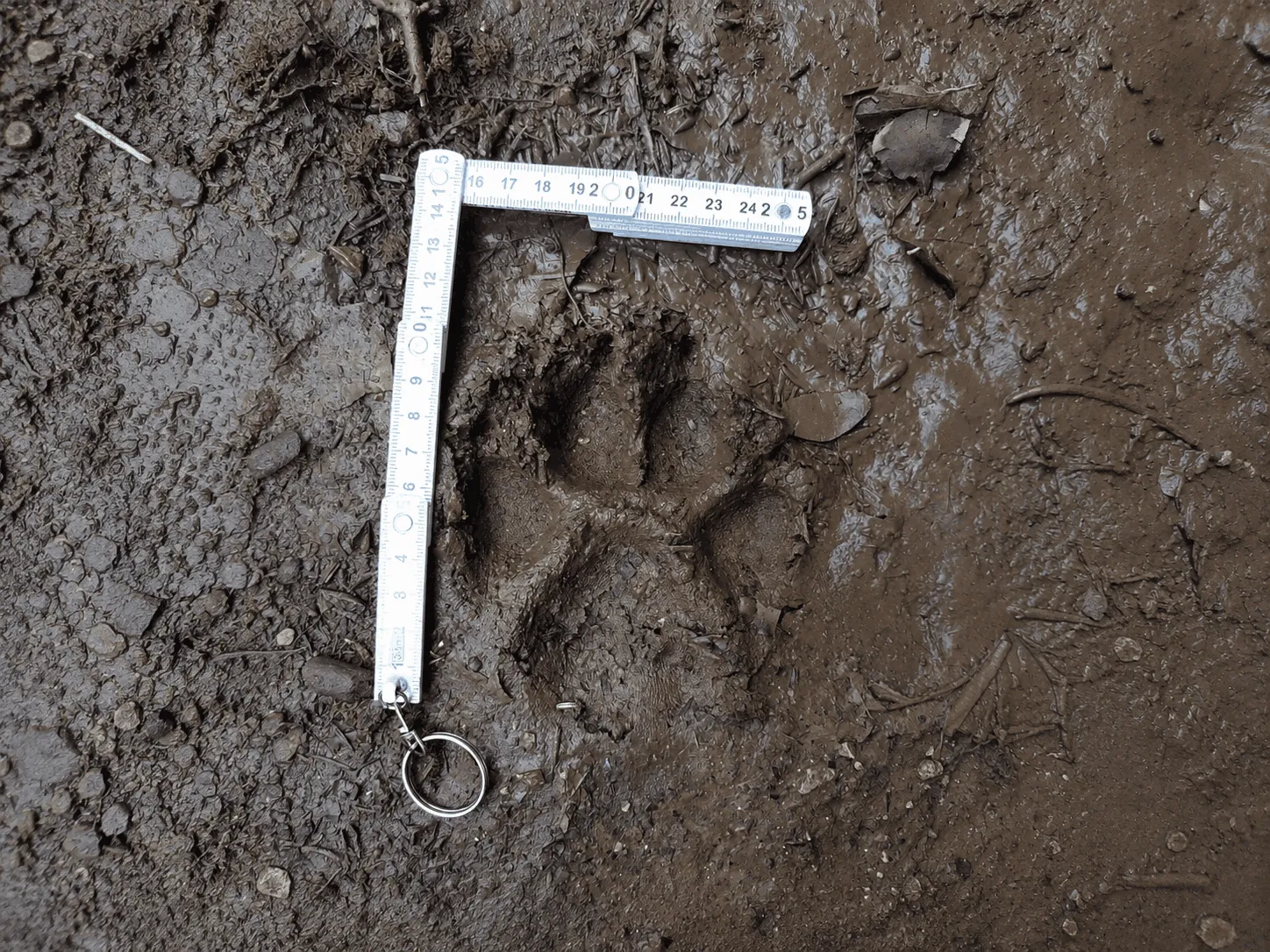
On a trail, footprints appear repeatedly. This is what makes identification reliable. A wolf’s footprint is assessed based on a set of criteria, then confirmed by the stride and the trajectory.
Measure the clearest print. An adult wolf’s print is often around 9 to 11 cm long and 7 to 9 cm wide. A much smaller or very round print is more likely to be from a medium-sized dog.
Look at the overall shape. A wolf leaves an oval, compact print, with the front of the foot clearly defined.
Count the toes. Like a dog, a wolf leaves four toe prints on the ground. The fifth (the dewclaw) is almost never visible, except in deep snow or on very soft ground.
Look for the claws. They are often visible, thin and aligned with the direction of travel. Their absence does not prove anything: hard ground or a light step may erase them.
Look at the pad. It is triangular. On a clear print, you will often see a rear edge divided into two lobes and a sharper front edge.
Check for symmetry. In wolves, the two middle toes often appear more forward and aligned, with the outer toes set further back. Many dogs’ footprints fan out more, especially on soft ground.
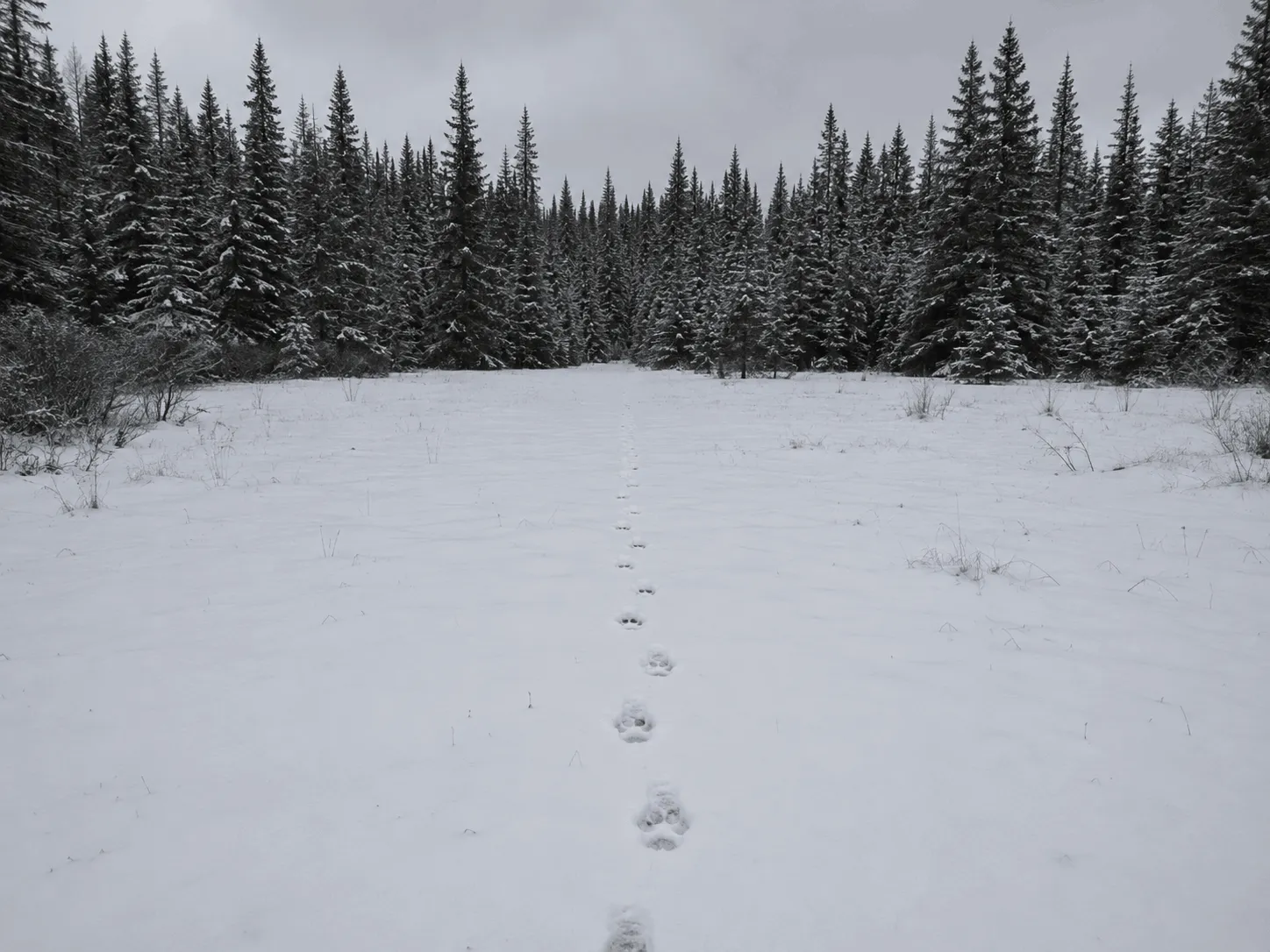
Check the track over 10 to 20 metres. A wolf often walks in a fairly straight line, with regular prints and a tendency to ‘step in step’: a hind foot landing close to the front foot. A domestic dog zigzags, stops and starts again.
To minimise errors, take a vertical photograph with a scale object (ruler, knife, map), then compare several footprints. A single track, however impressive, remains a mere hypothesis.
Wolf or dog tracks: how to tell the difference
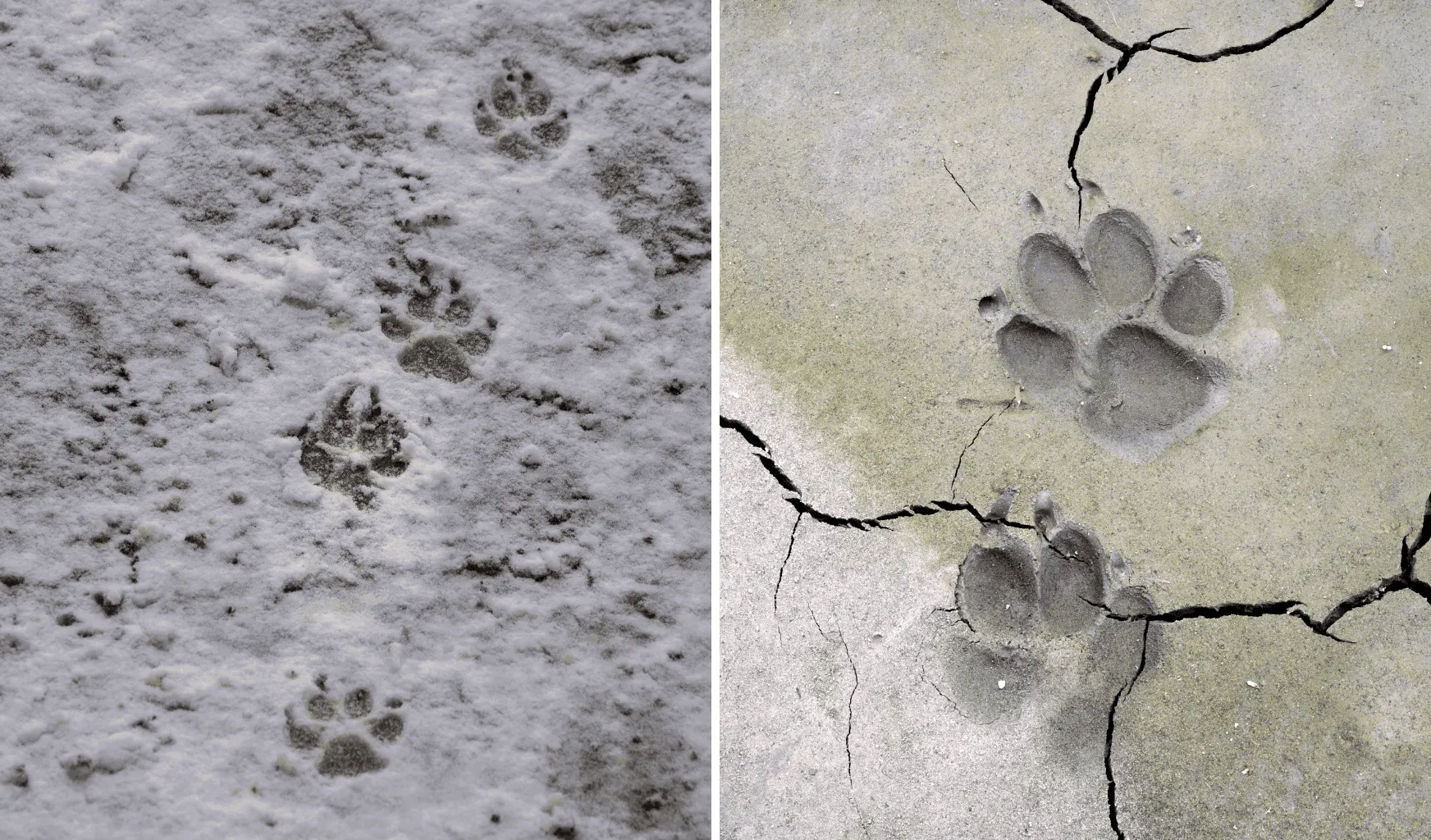
Over a distance of 10 to 20 metres, a consistent track is often a better indicator than a single photograph. This is where confusion most often arises: a wolf’s footprint closely resembles that of a large dog, especially in soft mud or snow, which ‘puffs up’ the edges.
| Clue | Wolf (often) | Dog (often) |
|---|---|---|
| Overall shape | Oval, ‘compact’, toes close together | Rounded, with toes further apart |
| Symmetry | Two central toes well aligned | Common asymmetries |
| Claws | Often visible and slender, in line with the axis | Sometimes absent or misaligned |
| Pad | Large, triangular, with a straight rear edge | More variable, with rounded edges |
| Trajectory | Straight line, economical movement | Zigzags, explorations, back-and-forth movements |
| Regularity | Regular strides over several metres | Changing rhythm, stops, deviations |
Behaviour matters just as much as form. A wolf on the move leaves a ‘straight’ track: the footprints are aligned, the spacing remains regular, and the animal takes the most direct route. A dog out for a walk, on the other hand, leaves a ‘chatty’ track: it turns, retraces its steps, and strays from the path to sniff around.
Context also helps. A track near a car park or a busy path is more likely to be from a dog. Conversely, a series of uniform footprints in a quiet area, crossing a valley or a clearing without hesitation, warrants careful investigation.
If the size ‘looks like a wolf’ but the track goes off in all directions: conclude it’s a dog or remain uncertain. When identifying tracks, honesty is better than a fragile certainty.
Where to find wolf tracks in France
France is now one of the European countries where the return of the wolf is best documented. After several decades of absence, Canis lupus naturally recolonised the territory from Italy, crossing the Alps in the 1990s. Since then, the French Biodiversity Agency (OFB) has been monitoring the development of the packs and publishing annual reports. The population has gradually expanded well beyond the initial areas where wolves were first recorded.
The Alps and the Mercantour remain the historic heartland. The Mercantour National Park, in the Alpes-Maritimes, was the first French mountain range where the presence of wolves was confirmed. It is here that some of the highest densities are still found, with well-established packs and rigorous scientific monitoring.
The Vercors and the Chartreuse have become areas of confirmed presence since the 2000s and 2010s. With dense forests and largely undisturbed plateaus, the conditions there are favourable for packs to settle.
The Pyrenees have seen a more recent and as yet partial recolonisation. Sightings have been increasing in recent years, but the population there remains limited and the individuals are often in the dispersal phase.
The Massif Central and the Jura regularly see solitary wolves passing through, using these corridors to colonise new territories.
Where exactly should you look?
- The banks of streams at the forest edge, especially after rain
- Natural passages between two mountain ranges: mountain passes, valley floors
- Forest tracks that are little used after the first snowfall
- High-altitude meadows, at the edge of the forest, at dawn
In winter, after a fresh snowfall, tracks are often the most visible. Search over a distance of 20 to 30 metres: the regularity of the stride will reveal more than the shape of a single track.
The wolf in the Belgian Ardennes: the return of a great predator
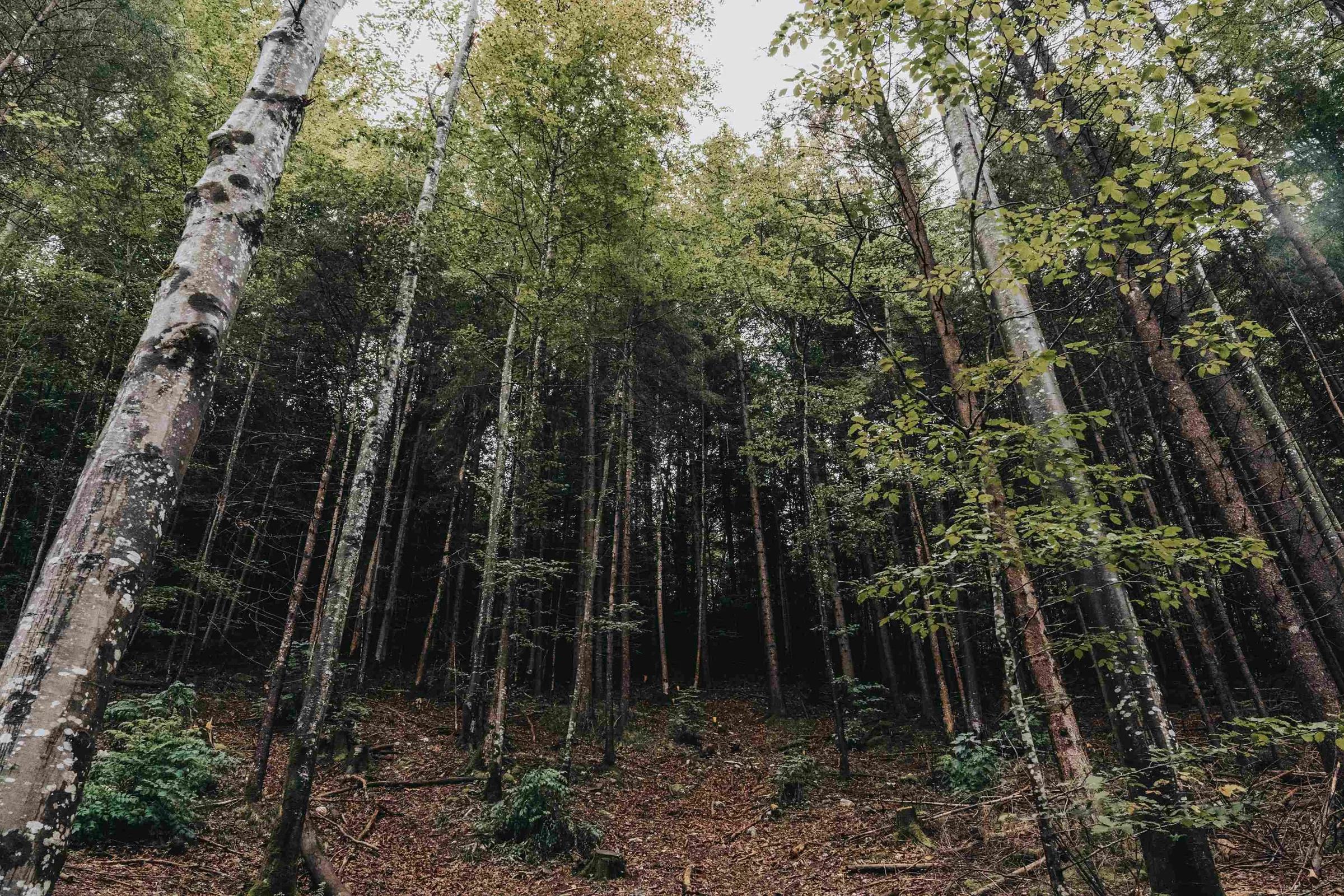
Belgium initially viewed the wolf’s return as a surprise, then as a subject of debate. For a long time, the wolf was considered to be absent from the country, present only in the tales and legends of the Ardennes villages. Then, in 2018, a female wolf was formally identified in northern Belgium through genetic analysis. The traces she left behind (droppings, fur, images from camera traps) have reshaped the map of European recolonisation.
This return was no coincidence. The Ardennes offer several favourable conditions: continuous forest massifs stretching for hundreds of kilometres, sufficient game populations (roe deer, wild boar, red deer) to sustain a pack, and a direct link to the German and Dutch populations, which have themselves been growing since the 2010s.
Since then, sightings have become more frequent. Pairs, and then packs, have settled in various areas. The issues involved are complex. Coexistence with the pastoral livestock farming present in the Ardennes valleys requires practical adaptations: electric fences, guard dogs, and compensation. This is not a problem unique to Belgium. It is the central challenge posed by the return of large carnivores to densely populated Europe.
On the ground, if you’re out walking in the Ardennes, the rule remains the same: a spectacular set of tracks proves nothing. A track repeated over 10 to 20 metres, measured and photographed with a scale, becomes a useful piece of information to report. In Wallonia, the large carnivore monitoring network run by the DNF (Department of Nature and Forests) centralises and validates sightings.
Why large predators are important for nature
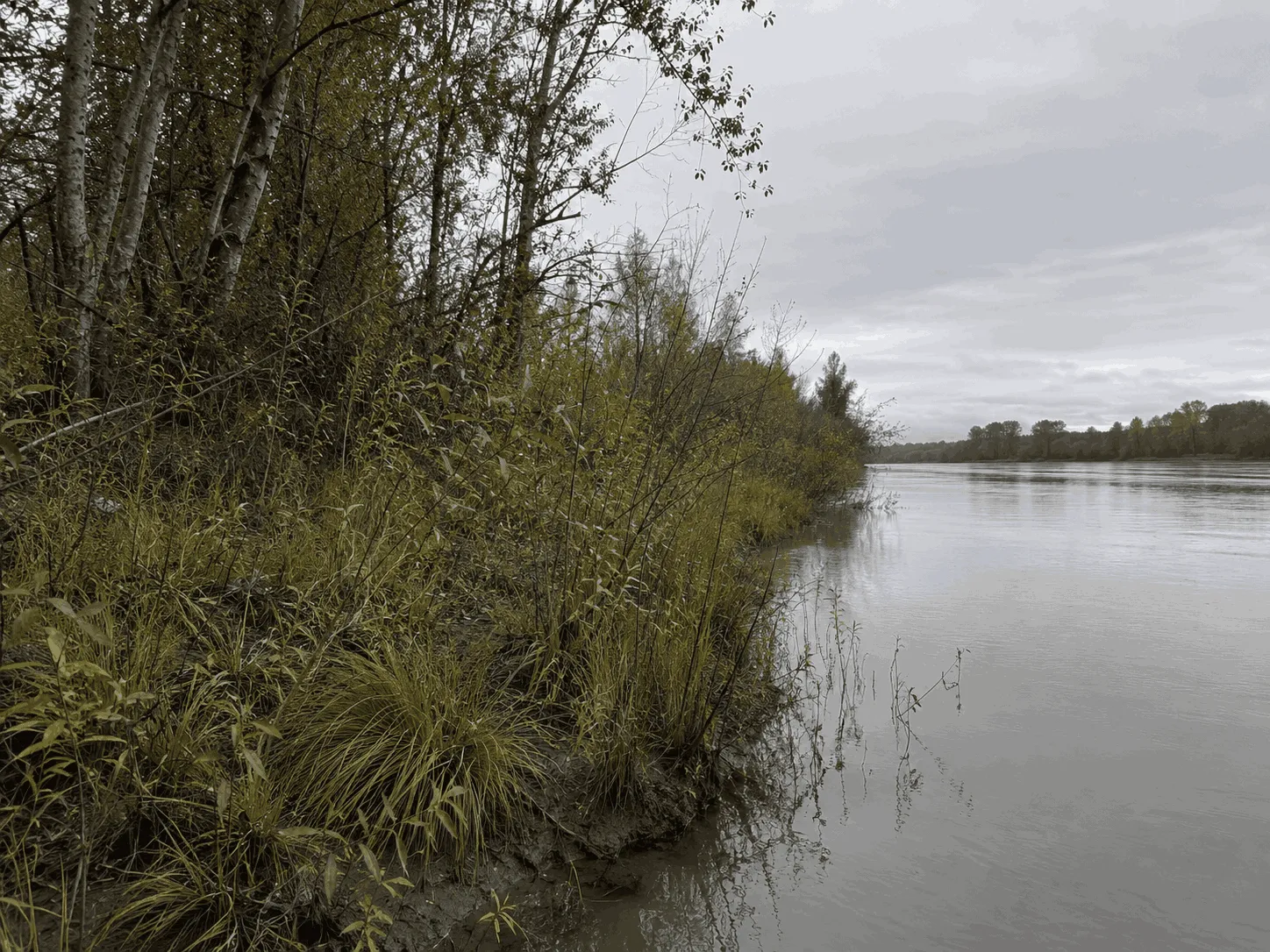
The wolf is often talked about as a problem of coexistence. Less often as an ecological tool. Yet this is what science shows: the return of a large predator to the top of the food chain triggers a series of cascading effects that transform the entire ecosystem.
The trophic cascade. The best-documented case is that of Yellowstone National Park in the United States. In 1995, wolves were reintroduced there after a 70-year absence. Within a few years, the behaviour of deer had changed: elk began to avoid open areas and riverbanks, where they were vulnerable. The vegetation along the riverbanks, which was no longer being heavily grazed, grew back. Trees stabilised the banks. Beavers returned. Rivers literally changed course. All this was triggered by the mere presence of a predator.
Regulation of ungulates. In Europe, overpopulations of red deer, roe deer and wild boar pose real problems: damage to forests, road collisions and pressure on crops. The wolf does not ‘solve’ everything, but it contributes to a natural balance that its extermination had disrupted.
The benefit to scavengers. The remains left behind by wolves provide food for a long list of species: foxes, crows, red kites, eagles and necrophagous insects. A wolf pack also ensures the regular redistribution of resources across the landscape.
The health of prey populations. Wolves primarily prey on the most vulnerable animals: the sick, the injured and the elderly. In the long term, this tends to maintain healthier prey populations.
Protecting a large predator means taking a long-term view. This is not without real and legitimate conflicts, which deserve concrete solutions. But it also means recognising that ecosystems function better when all their levels are intact.
The most common misconceptions about wolves
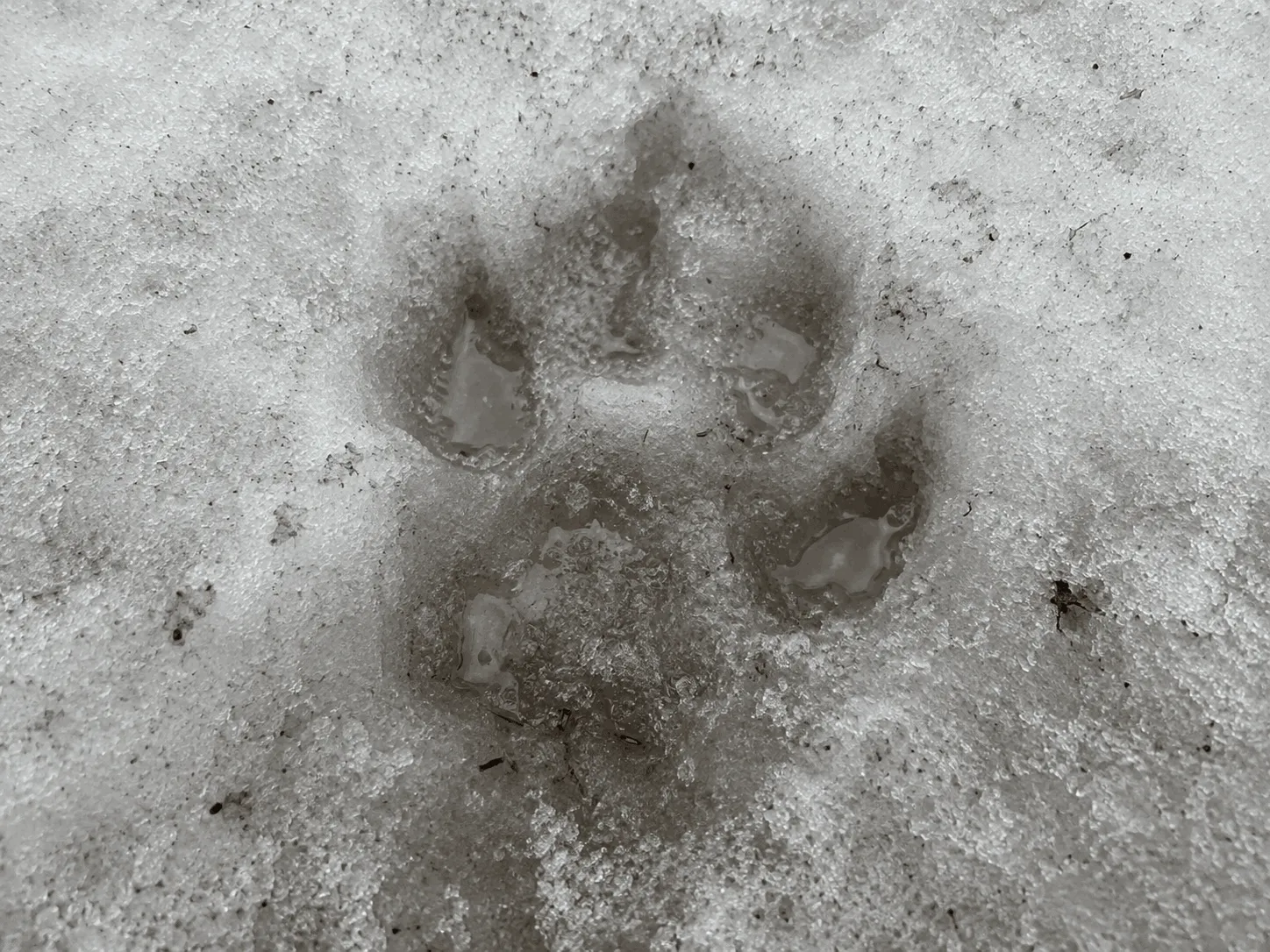
A photo of a paw print can be enough to trigger a sighting report. This is useful, but a single track ‘tells’ you almost nothing unless you check the ground, the frequency of tracks and the context. Most mistakes stem from jumping to conclusions too quickly.
“A single footprint = a wolf has passed through recently.”
Wrong. A track can remain visible for a long time in damp clay or cold snow. Conversely, it may be only a few minutes old and already starting to blur if the sun softens the edges. Without any further tracks for 10 to 20 metres, you have only a tenuous clue.
“It’s big, so it must be a wolf.”
Wrong. A large dog (German Shepherd, Malamute, Husky, crossbreed) can leave a similar footprint. Melting snow, sinking mud, crumbling dry sand: all these surfaces make footprints appear larger. Measure several clear footprints, not just the most impressive one.
“I can see claw marks, so it must be a wolf.”
Wrong. Many dogs leave claw marks, especially when going downhill or on hard ground. Many wolves do not leave claw marks if their stride is light. Claw marks are a clue, not proof.
“The track is well-aligned, so it must be a wolf.”
Not necessarily. A dog on a lead or trotting can follow a straight line for a few metres. Look for consistency over distance: regularity, a steady pace, and no back-and-forth movements.
“There are paw prints near a herd, so the wolf has attacked.”
No. A track indicates a passage, not a predation. To link clues to an attack, you need corroborating evidence (carcass, signs of a struggle, fur, droppings, trajectories) and often expert field assessment.
What you can conclude with certainty: “probable canid track”, “size consistent”, “consistent track over X metres”, or “uncertain”. For the validation criteria used by monitoring networks, the LCIE’s resources remain the benchmark: https://www.lcie.org/
The wolf in European culture: fear, respect and fascination
Before being an ecological reality, the wolf is a symbol. And that symbol carries great weight when you look at a footprint in the mud.
In Europe, the wolf has haunted stories for millennia. In Roman mythology, a she-wolf suckled Romulus and Remus, the founders of Rome. Here, the wolf is a wild force that gives rise to civilisation. In Norse mythology, Fenrir is the giant wolf chained by the gods, a symbol of chaos ready to be unleashed. Two sides of the same ambivalence: the wolf as origin, the wolf as threat.
The Middle Ages tipped the balance in the wrong direction. In a rural Europe where herds meant the survival of a family, the wolf was a real predator, not a symbol. Hunts, poisonings and bounties offered for every wolf killed shaped a culture of extermination that lasted well into the 20th century. In France, the last wild wolves were killed in the 1930s. In Belgium, even earlier.
Perrault’s *Little Red Riding Hood*, the Brothers Grimm’s fairy tales, and the stories of werewolves in the villages of Lorraine and the Ardennes: all of this has become ingrained in a collective fear that far exceeds the facts. The wolf became the embodiment of everything the forest represented that was dangerous, uncontrollable and uncivilised.
This reversal was set in motion at the end of the 20th century. The environmental movements of the 1970s–1990s, European legal protection, and then the natural return of the first packs changed people’s perceptions. The wolf has gone from being a pest to a protected species. Not without a struggle. Conflicts with livestock farmers in France, Italy, Spain and Germany show that this reconciliation is not a matter of perception: it is a matter of genuine coexistence, which requires practical solutions and time.
Today, if you look at a footprint in the mud and something inside you already wants it to be a wolf’s, it may well be this long history speaking. Recognising this does not change the approach. But it helps to understand it.
What to do if you come across a wolf whilst out walking
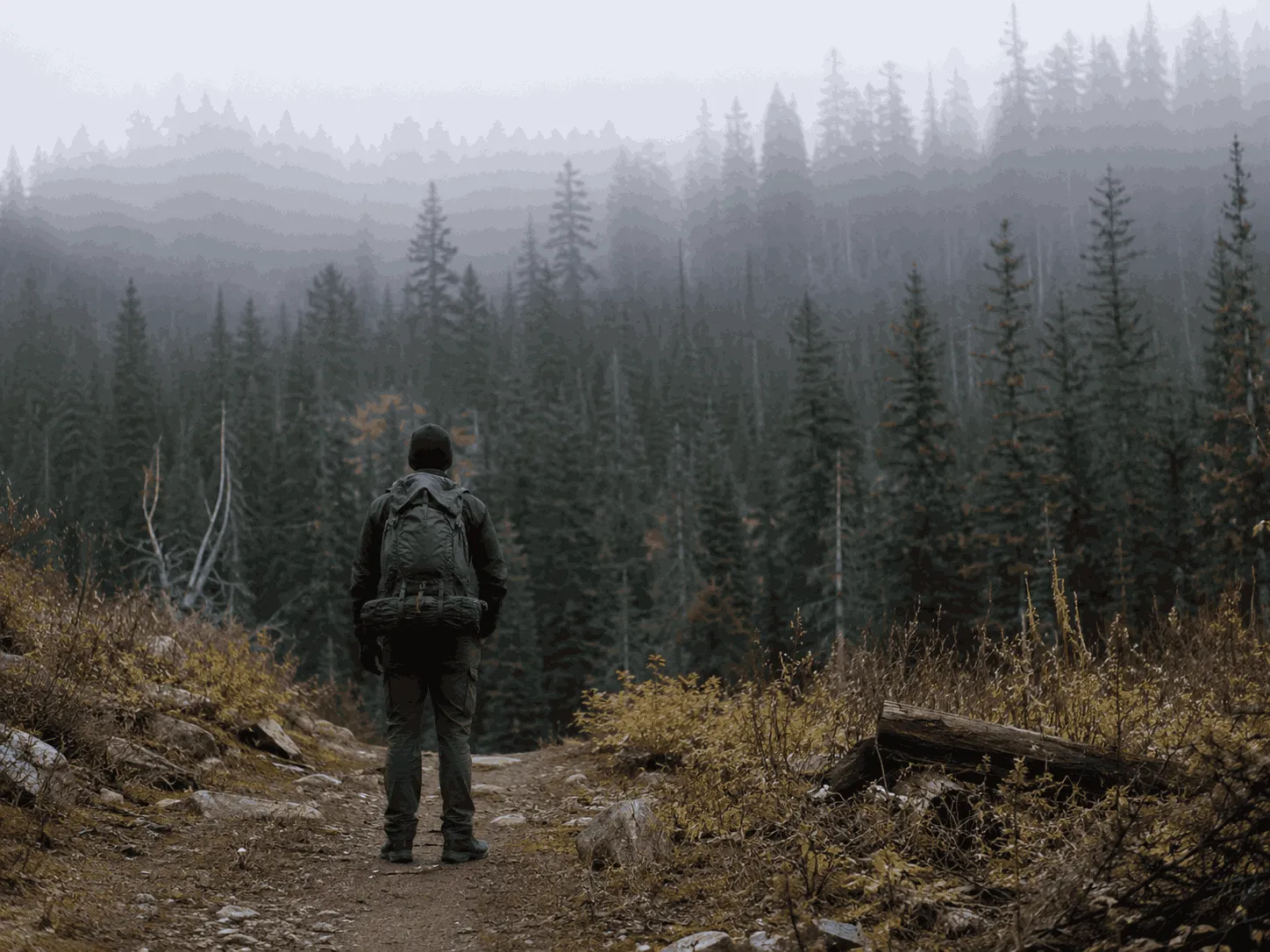
Wolves almost always avoid humans. Most encounters are brief, and the animal often disappears before you’ve even realised what you’ve seen. But if it does happen, here’s the right way to react.
Stop and observe. Don’t run, don’t shout, and don’t get closer to take a photo.
Keep your distance. Back away slowly if the animal is close. Put an obstacle between you and it: trees, rocks, a slope.
Stay together. If there are several of you, speak in a normal voice and keep calling out to one another.
Keep your dog on a short lead. A dog that runs towards the wolf increases the risk of tension, and may then return to you with the wolf in pursuit.
Never feed the animal or try to attract it. Whistles, calls or bait: you’ll be creating a dangerous habit for the animal and for future walkers.
Leave the area calmly if the wolf watches you for a long time, follows you from a distance, or if you see a carcass nearby.
When and how should you report it?
Report the incident if the animal displays unusual behaviour (repeated approaches, failure to flee at close range), or if you find a consistent set of tracks in a sensitive area. In France, contact the OFB (French Office for Biodiversity). In Belgium, contact the DNF (Department of Nature and Forests). For best practice in documentation, the LCIE’s recommendations remain the benchmark: https://www.lcie.org/
Next time you come across a canid track, take an extra 60 seconds: measure it, take a photograph with a scale, then check for consistency over the distance. You’ll learn more about the wolf – and about your own biases – than from any campfire tale. And if you conclude that it’s ‘uncertain’, that’s often the most honest answer. And the most useful.

Find your next adventure
Browse curated expeditions matching the categories of this article and start planning your next trip.
Find your dream adventure
 Find your dream adventure
You might also like these adventures …
Hand-picked to echo the spirit of this article.



More to discover
Keep exploring with these pages and stories picked for you.
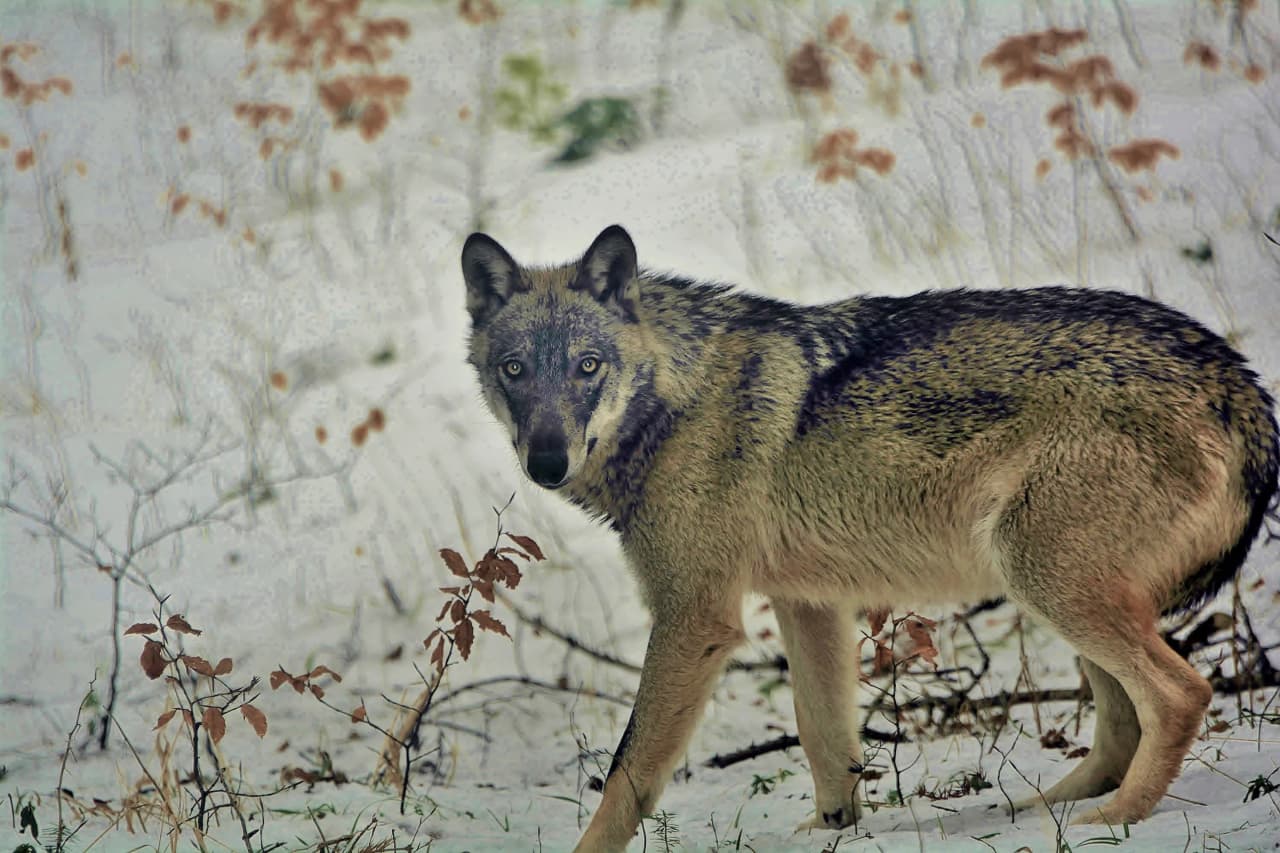
The wolf in the Vercors: understanding its presence, impact and challenges
Find out all about the wolf in the Vercors: history, observation, cohabitation, ecology and legislation. A complete and fascinating guide!
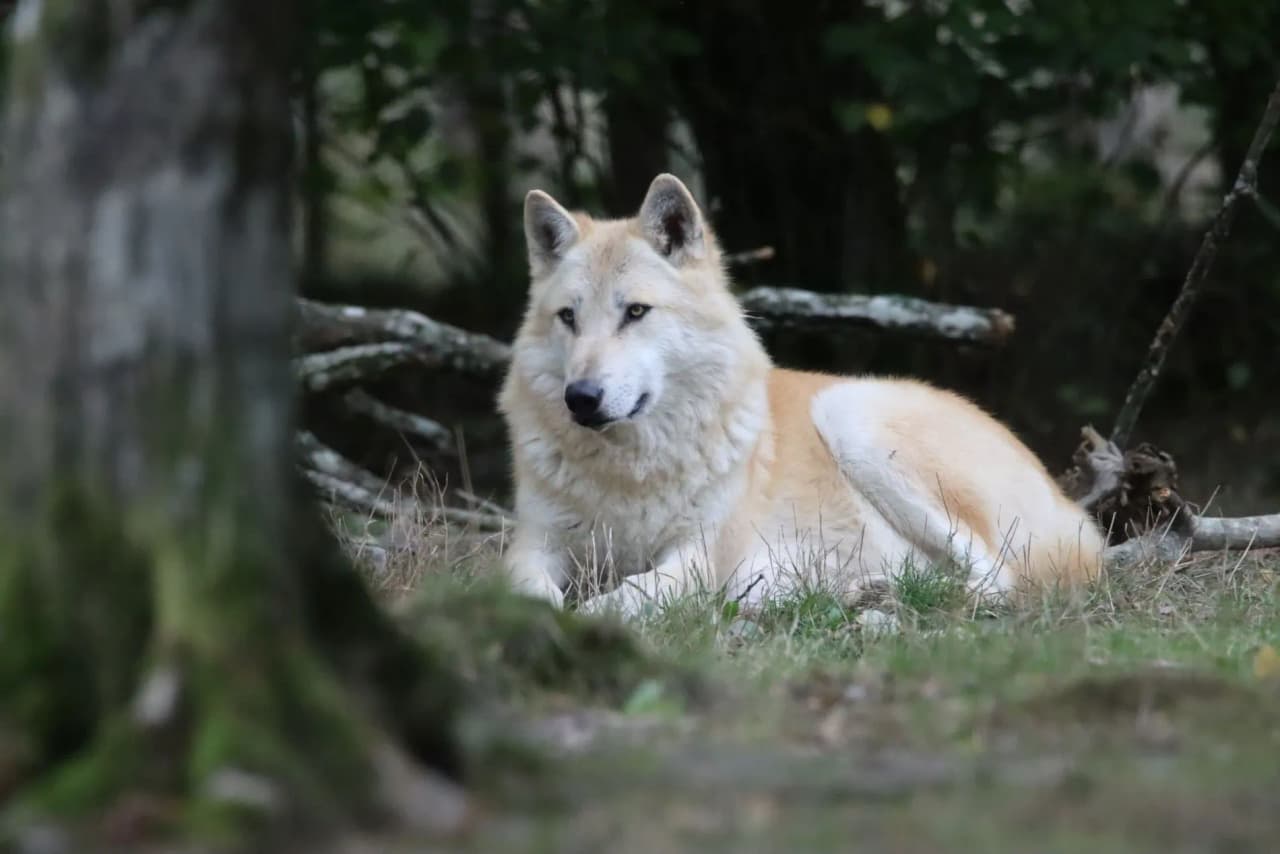
Everything you need to know to follow in the wolf's footsteps
The wolf, a social and intelligent animal: in this article, discover the characteristics that have shaped its survival.
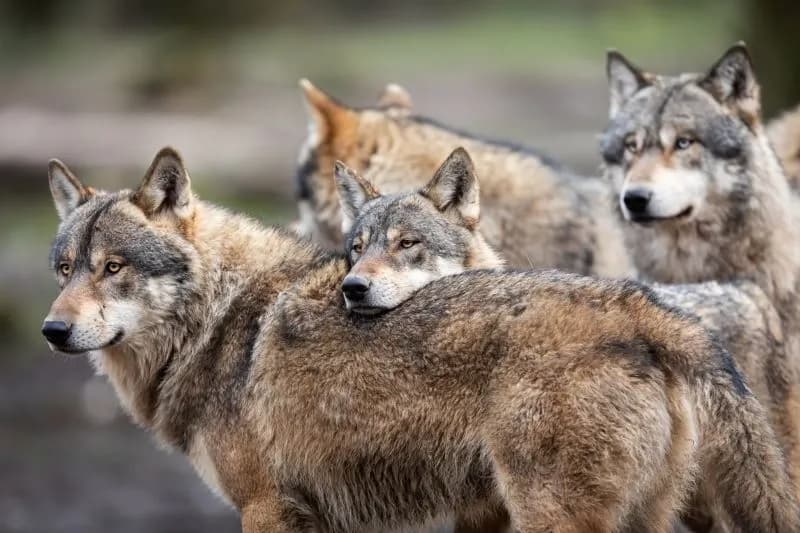
The mystery of the wolf: myths and realities
Why are wolves so fascinating? Discover the reasons behind the interest in this wild and intelligent animal.
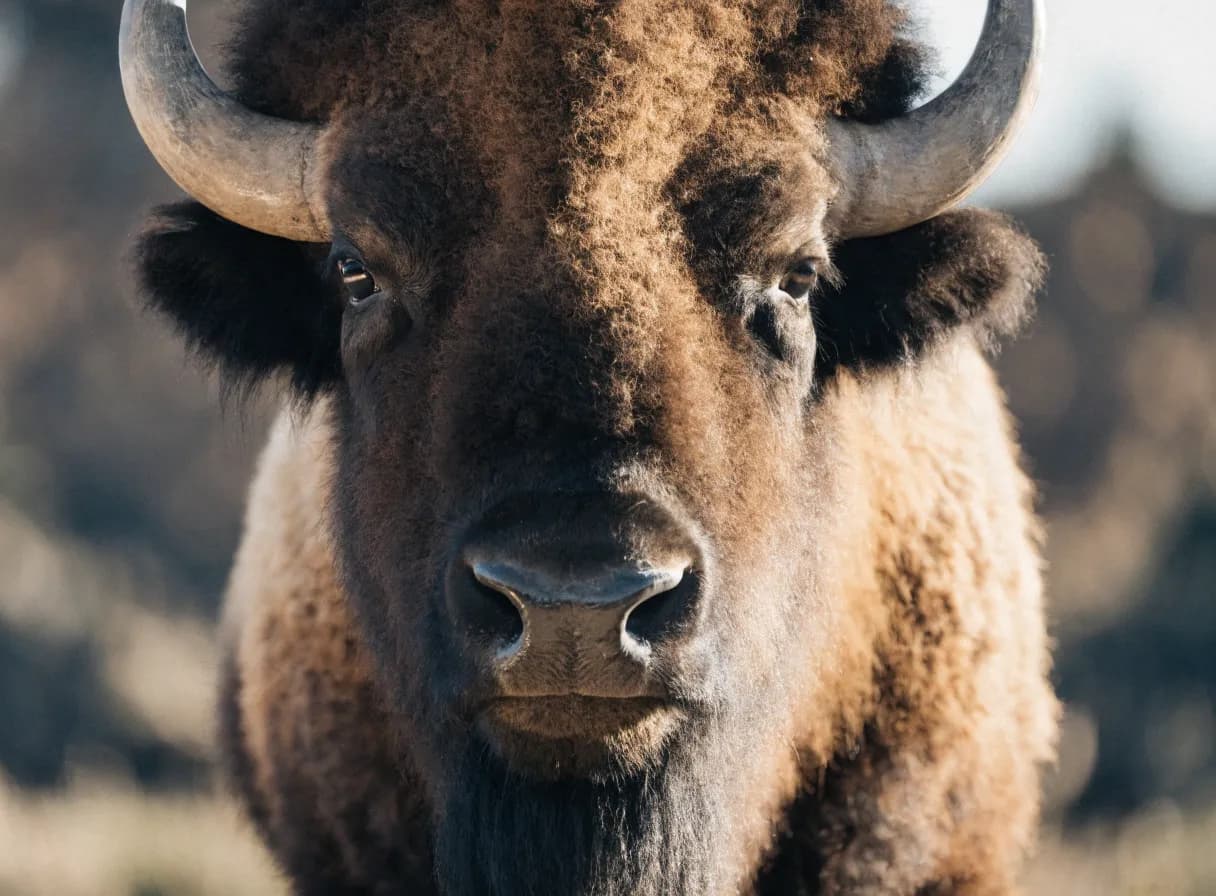
Bison in Belgium: the rewilding of a wild giant on our doorstep
Find out what rewilding really entails: feasibility, impacts, risks, and where to observe (without disturbing) the return of bison to Belgium.
Res Nullius: why wild nature is never far away
The documentary Res Nullius follows a wild boar spotted in Brussels. A reminder that real Belgian wildlife is closer than you think.
Where to Spot Wildlife in Belgium: A Guide to the Hautes Fagnes and the Semois Valley
A complete guide to spotting wildlife in Belgium without disturbing it: the best hike-accessible spots in the Hautes Fagnes and the Semois Valley.
