Which survival course to choose for your goal
 By isabelle
Unsure which survival course to choose? Compare Ardennes 2 days, Vercors 3 days and Alps 3 days by level, season, effort and the skills you’ll gain.
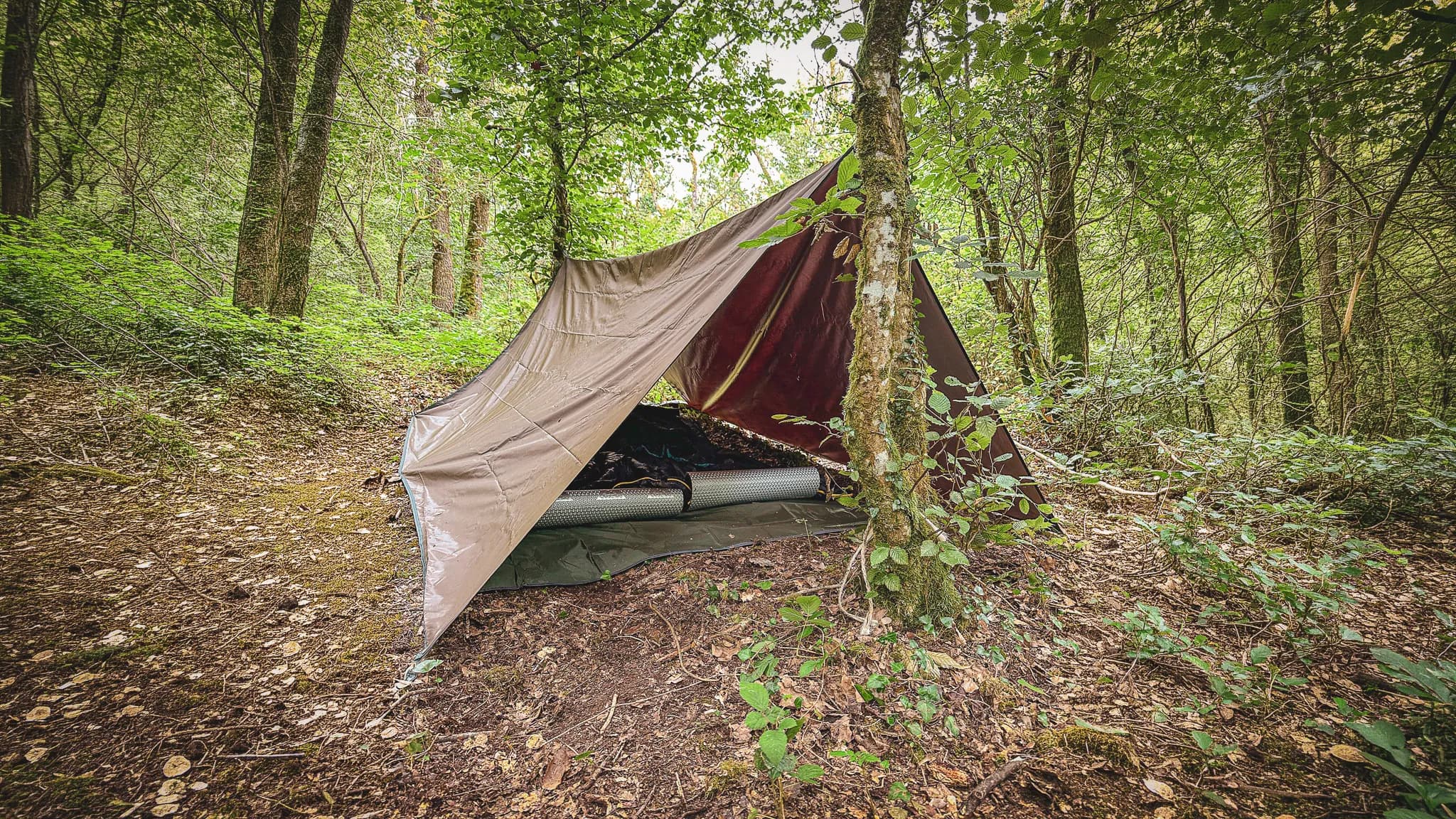
Picking between a weekend in the Ardennes, three days in the Vercors or a three-day alpine immersion gets easier when you start from one criterion: your personal goal. If you’re asking which survival course to choose, decide first whether you want to reconnect with the woods and lock in the basics, practice bivouac and navigation in depth, or push yourself in a high-mountain setting. Each format makes sense for a different outcome.
Here are three coherent paths to match that goal: a two-day forest primer with the survival course in the Belgian Ardennes, a three-day bivouac-focused progression with the Vercors forests, and a sportier three-day mountain immersion with the course at the foot of the Alpine giants. The next paragraphs show how each one serves a distinct objective.
Reconnection and solid basics in 2 days
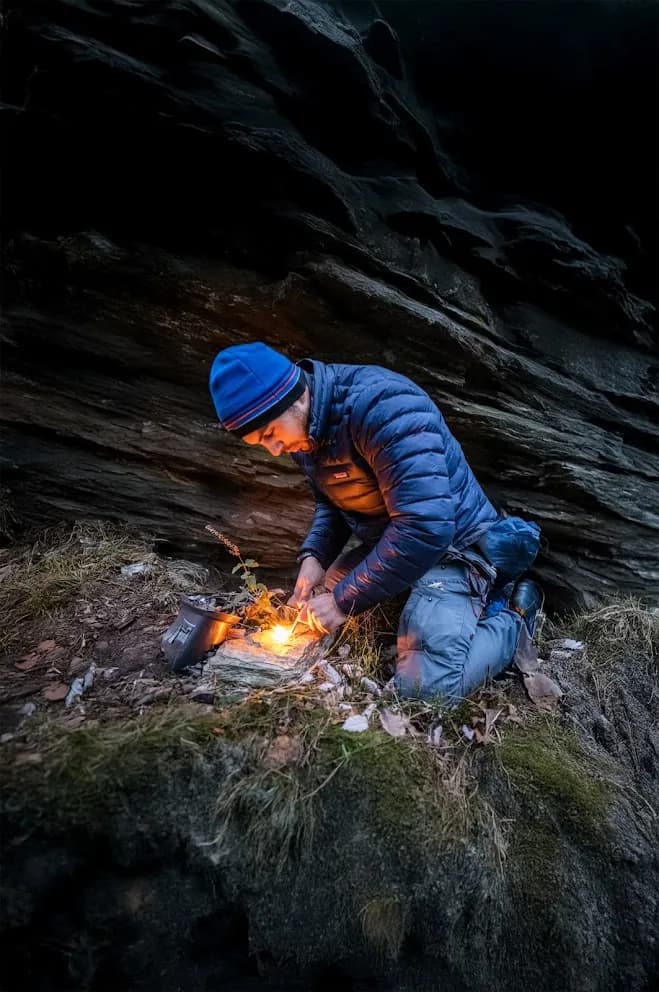
If your priority is to reset outdoors and build reliable fundamentals, the Ardennes in a short format is the most direct route. The Belgian Ardennes survival course begins in Viroinval at 9:00 with a clear briefing, then goes hands-on straight away: essential knots and tarps on the morning of day 1, firecraft and choosing a safe bivouac spot in the afternoon. You sleep outside the very first night, which cements learning. Day 2 adds a bushcraft breakfast, full-spectrum water management, signaling for rescue, then a navigation walk to find edible resources, before wrapping up at 16:00. The workload is focused without being heavy, and it covers what you’ll actually need for simple scenarios.
You can do this year-round, useful if you want to test autumn rain, crisp winter cold or a leafy summer canopy. The stated level is intermediate, but the content remains approachable for a motivated first-timer who’s fine with walking and sleeping outside. If you’re after a weekend survival course Ardennes that stays practical and efficient, this is the straightest line from curiosity to confidence.
Complete bivouac practice over 3 days
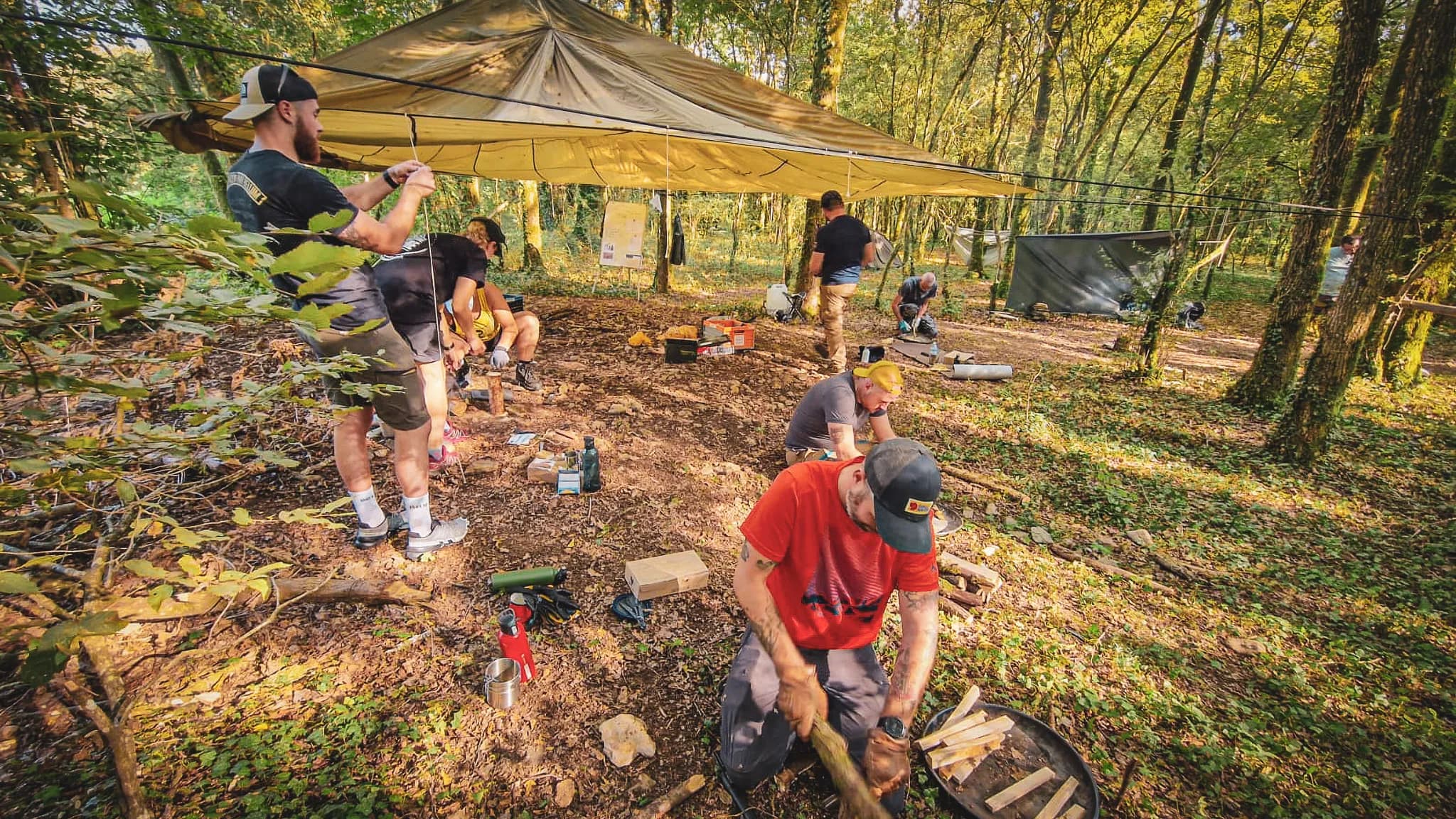
When you want to go beyond the basics and multiply your reps, the Vercors structures three days around bivouac and navigation. With 3 days to learn to survive in the Vercors, you meet at Valence TGV at 11:15 and head into the forest on day 1: first map-and-terrain exercises, discovering edible plants, fire by stone, water filtration and insulation from the cold before your first night under a tarp. Day 2 consolidates: bushcraft breakfast, compass and altimeter in hand, a 6 km walk to anchor route-finding choices, then knots and new shelter builds in the afternoon. Day 3 closes with guided autonomy: navigating back to the vehicle, using the environment when needed, then safety drills and debrief.
Effort here is steady rather than spiky. Repeating skills across multiple bivouacs fixes good habits. The season runs from May to November, with lively forests and comfortable learning conditions. Although the level is also intermediate, it’s a strong Vercors survival course beginner option when you want a longer runway to own compass, altimeter and fire in varied contexts without pressure.
Alpine immersion and a real test
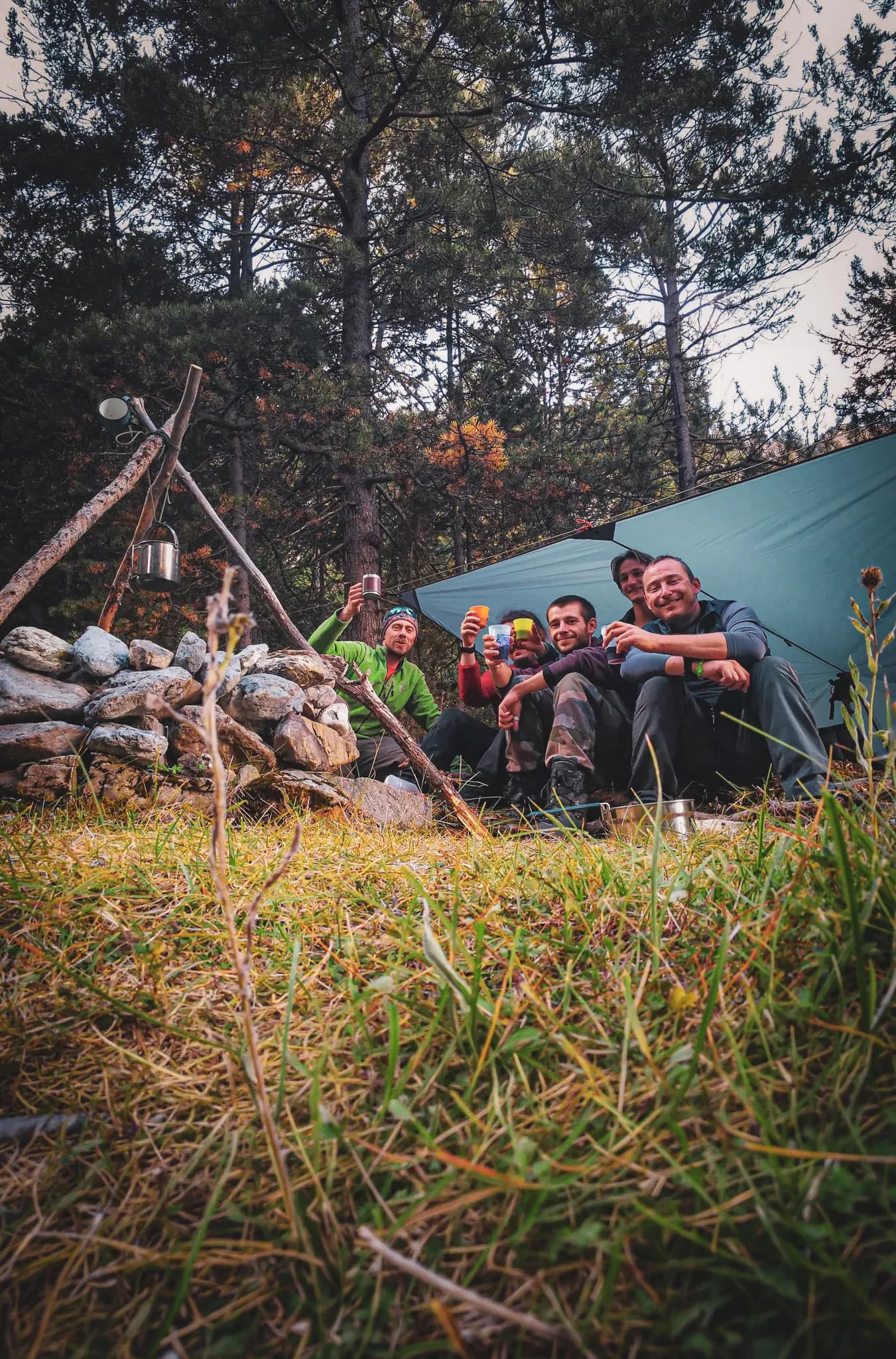
If your goal is to test endurance and stay effective at altitude, the Alps over three days raise the bar. The survival course at the foot of the Alpine giants starts in La Fouillouse, at the end of a network-free valley, with an approach hike and work on pacing and terrain reading. On the afternoon of day 1 you select a camp spot for exposure and wind, pitch a tarp, manage water, thermoregulation and fire, then share a hot meal under the stars. Day 2 steps up: you co-plan the route on a map and climb toward 2400–2800 m depending on conditions, alternating alpine clearings with more open ground, practicing compass navigation and effort management. Bivouacking at altitude means colder air, fewer resources and more wind. Day 3 brings big-movie scenery near lakes and ridges, varied ground without chasing performance, then the return to La Fouillouse.
The season is tighter, June to October, and the level is advanced: you should be comfortable with sustained hiking, weather shifts and multi-day fatigue. Choose this when you want to measure yourself against a more demanding environment while consolidating basics you gained elsewhere. You’ll improve judgment, energy management and clarity when the setting leaves little room for approximation.
Level, season and effort, to decide fast
When it’s time to pick, stay true to your goal. If you mainly want dependable skills and an immediate reset, the Ardennes in two days gives you a clean foundation. If you want rehearsal, depth and a well-structured toolkit, the Vercors over three days creates that longer learning arc. If you want a technical and physical check in an alpine arena, the Alps are the right stage, provided you’re already at ease outdoors.
- Goal reconnection and basics, all year: Ardennes 2 days
- Goal full bivouac and navigation practice: Vercors 3 days
- Goal alpine technical and physical test: Alps 3 days
Whichever you choose, build in a weather margin, arrive rested and curious, and come to learn rather than to “perform”. The right course is the one that fits your current goal: basics in the Ardennes, deeper practice in the Vercors, or a mountain challenge in the Alps.
Find your next adventure
Browse curated expeditions matching the categories of this article and start planning your next trip.
Find your dream adventure
 Find your dream adventure
You might also like these adventures …
Hand-picked to echo the spirit of this article.

More to discover
Keep exploring with these pages and stories picked for you.
Survival Course: How to Choose the Right Format
Forest reset, multi-day trek or high-altitude bivouac: compare real survival course formats, actual guides and honest level requirements to pick yours.
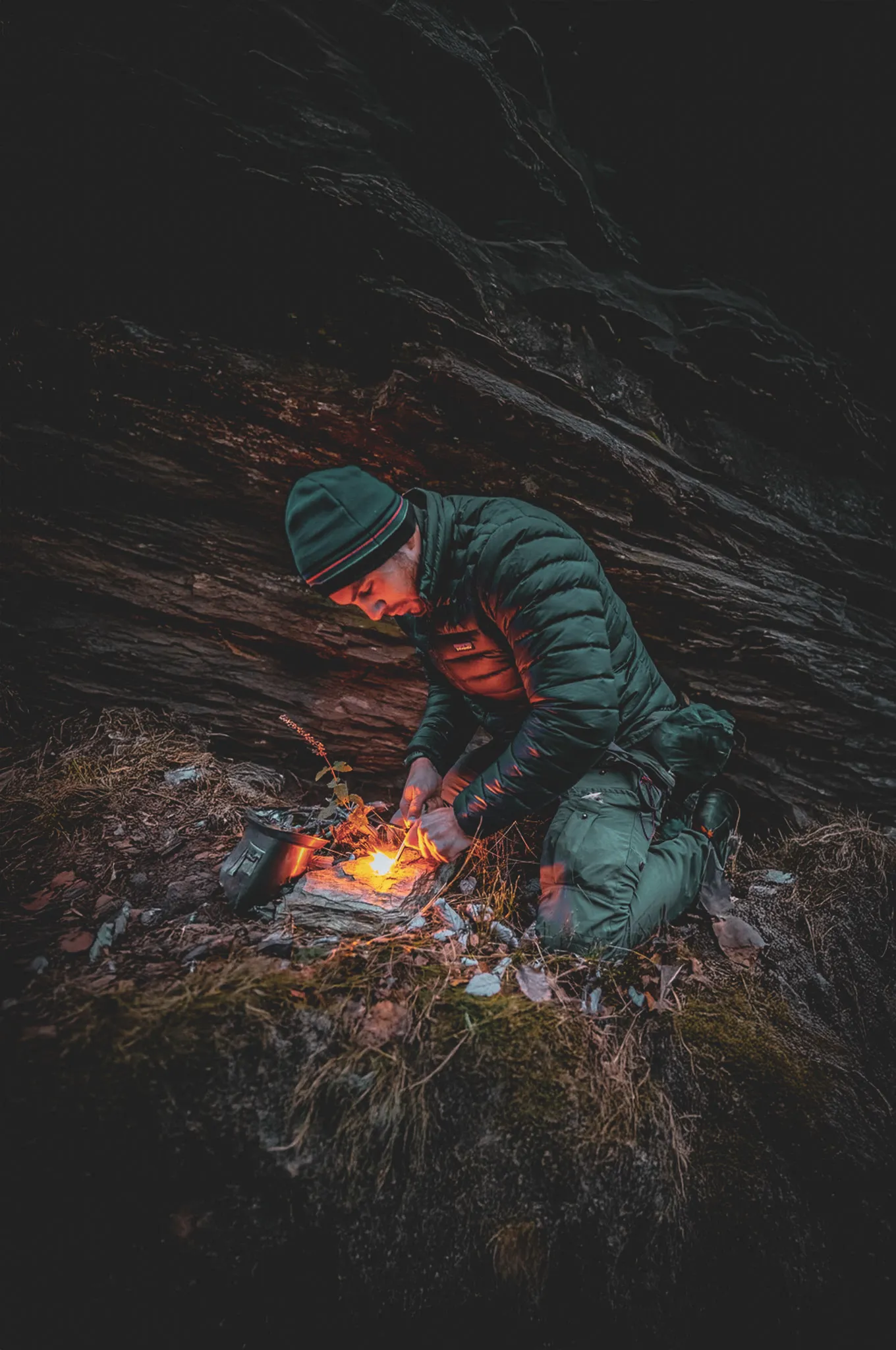
Forest survival courses, weekends and trips in France and Belgium
Discover forest survival courses in France and Belgium with expert guides. Small groups, real skills from fire and shelter to navigation and tarp bivouacs.
High-altitude traverse or technical camp: your summer choice
Torn between a high-altitude traverse and a technical camp? Compare the 5-day Beaufortain tour with three shorter options by level, season and goals.
Bushcraft and wilderness survival courses, our expeditions
Head outdoors with our bushcraft and wilderness survival courses, 2 to 3 day courses with pros in France and Belgium, bivouac included.
Mountain Trail-Running Camps in France: How to Choose
Compare mountain trail-running camps by destination, level and goals to choose a format that fits your running.
Mont Blanc or the Arves: choose your ideal alpine traverse
Compare three advanced Alpine formats, technical ridge, high bivouac and ridge-and-hut, across four real itineraries, to match your season, effort and style.
