Via Ferrata for Beginners: Gear, Safety and Cost
 By isabelle
Grading, gear and cost: everything you need to prepare your first via ferrata and start safely with a guide who knows the terrain.
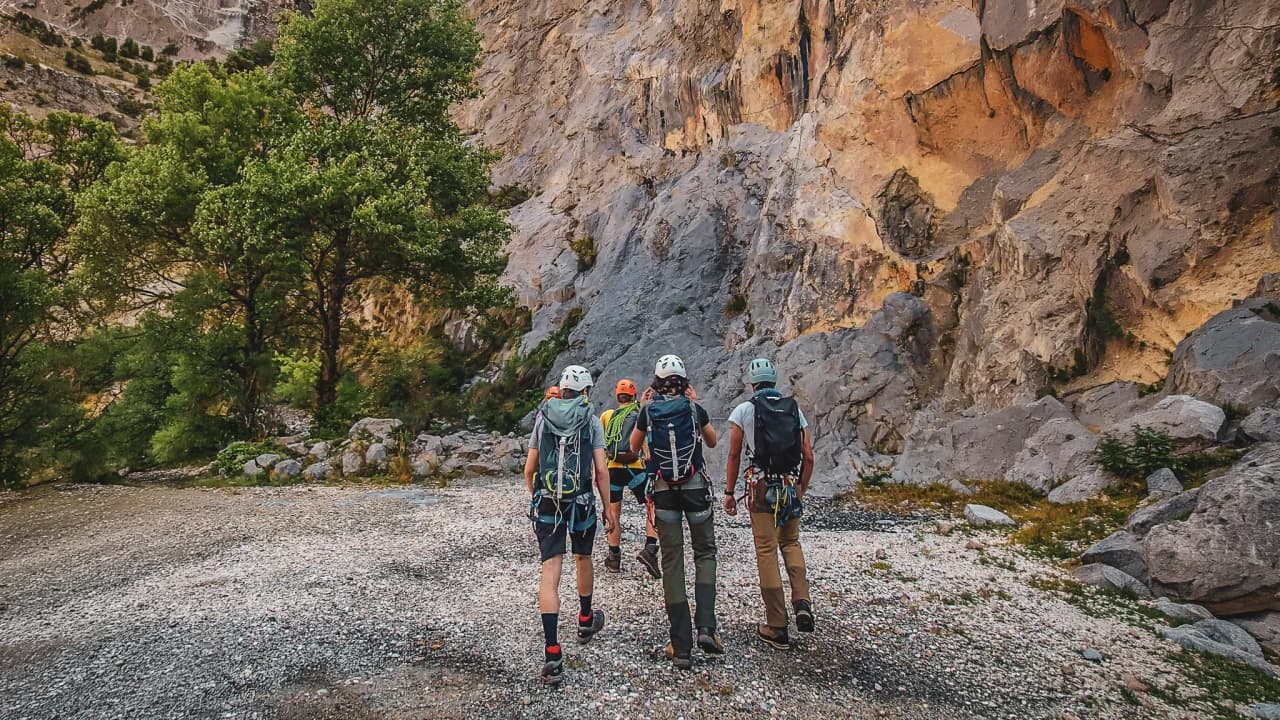
For a first-timer, via ferrata is the most direct way into high-mountain terrain without spending years learning to climb: a steel cable, a harness, and a rock face you move up using arms and legs rather than climbing skill. The real question before you start isn't whether you're physically capable (most people are), it's choosing the right route, the right gear, and the right level of guidance. This guide covers what you need to know before your first via ferrata: how it works, how to read a route's difficulty, what to wear, and what it actually feels like once you're hanging above the drop.
What a via ferrata is and how it works
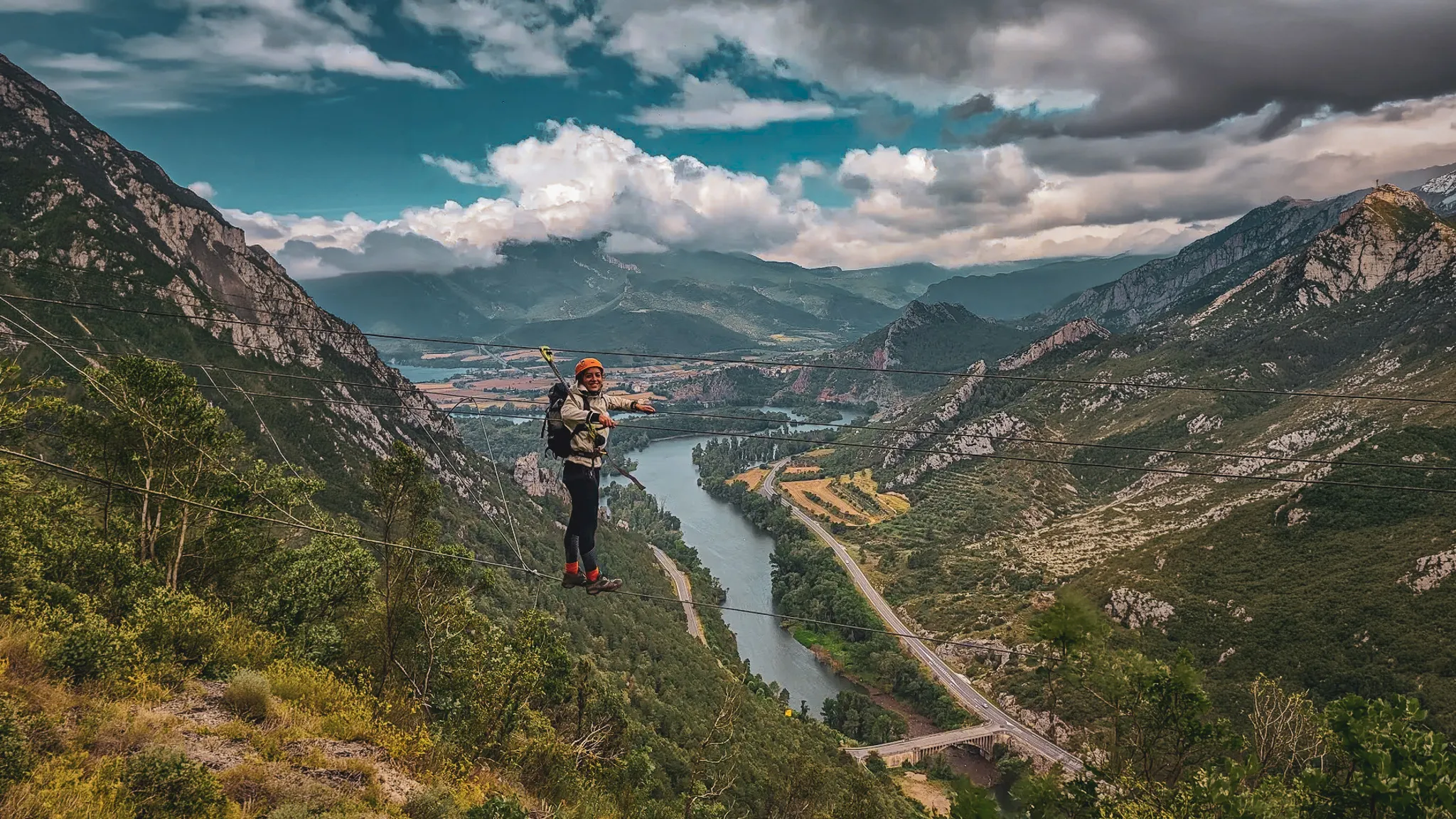
A via ferrata is a route fitted into a rock face with metal fixtures: rungs, ladders, sometimes a footbridge or a suspension bridge. A steel cable runs the length of the route, and you stay clipped to it at all times through a lanyard connected to your harness, fitted with a shock absorber that limits the impact of a fall. Unlike regular climbing, you don't need to know how to climb: the cable and the artificial holds carry most of the effort. What actually takes practice is managing exposure, moving your lanyard past the cable anchors, and controlling your breathing when the drop opens up beneath your feet.
Understanding the grading scale: F, PD, D, TD, ED
Every via ferrata is graded on a six-level difficulty scale: F (easy, barely any difficulty), PD (slightly difficult, one or two exposed sections), AD (moderately difficult), D (difficult, for climbers already comfortable with exposure), TD (very difficult, physical and sometimes overhanging sections) and ED (extremely difficult, for people who already master the activity). For a first route, aiming for F or PD is the only reliable benchmark, far more useful than a site's reputation or the photos you see of it online.
The gear you actually need to start
Three items are non-negotiable on a via ferrata, whether rented or provided on a guided trip: a harness, a via ferrata lanyard with a shock absorber (never a regular climbing lanyard, which doesn't absorb a fall the same way), and a helmet. On top of that: hiking shoes with a grippy sole, thin gloves to protect your hands from the cable, and a small water supply. A via ferrata rarely takes more than 2 to 3 hours, but it's rarely shaded either.
What's included if you book a guided trip
On Wildhartt trips that include a via ferrata, like the 3-day format in the Eastern Pyrenees, the harness, climbing shoes, helmet and ropes are provided: no need to buy gear before you know whether you'll enjoy the activity. Transport to the meeting point and personal spending are still on you; meals and accommodation are covered from the first evening's dinner onward.
Should you go alone or with a guide the first time?
Nothing legally stops you from doing a via ferrata unguided: most routes are open access. But for a first time, a guide changes three concrete things. They pick a route genuinely matched to your actual level, not the one you think you have. They stay clipped in beside you on the most exposed sections and can point you to an escape route if needed, which is exactly why most via ferrata routes have them built in. And they teach you the right moves, like clipping past a cable anchor or resting without straining your arms, from the very first metres instead of you figuring it out alone on the wall. The same logic applies to a first climbing session, where a guide changes exactly what you'd expect: what to do with your hands, when to trust your feet, when to rest.
Where to do your first via ferrata in France
France has several hundred via ferrata routes, mostly spread across the Alps, the Vercors, the Verdon and the Pyrenees. For a first guided trip, it's worth picking a region that lets you mix activities over several days rather than a round trip for a single via ferrata: the Vercors pairs it with rock climbing around Mont Aiguille, the Verdon adds hiking on the Sentier Martel, and the Eastern Pyrenees combine a via ferrata above the vineyards of the Fenouillèdes with canyoning in the Gorges de Galamus. That's the format of our 3-day trip at the foot of the Canigou, which strings the three disciplines together with a guide native to the region.
What it actually feels like
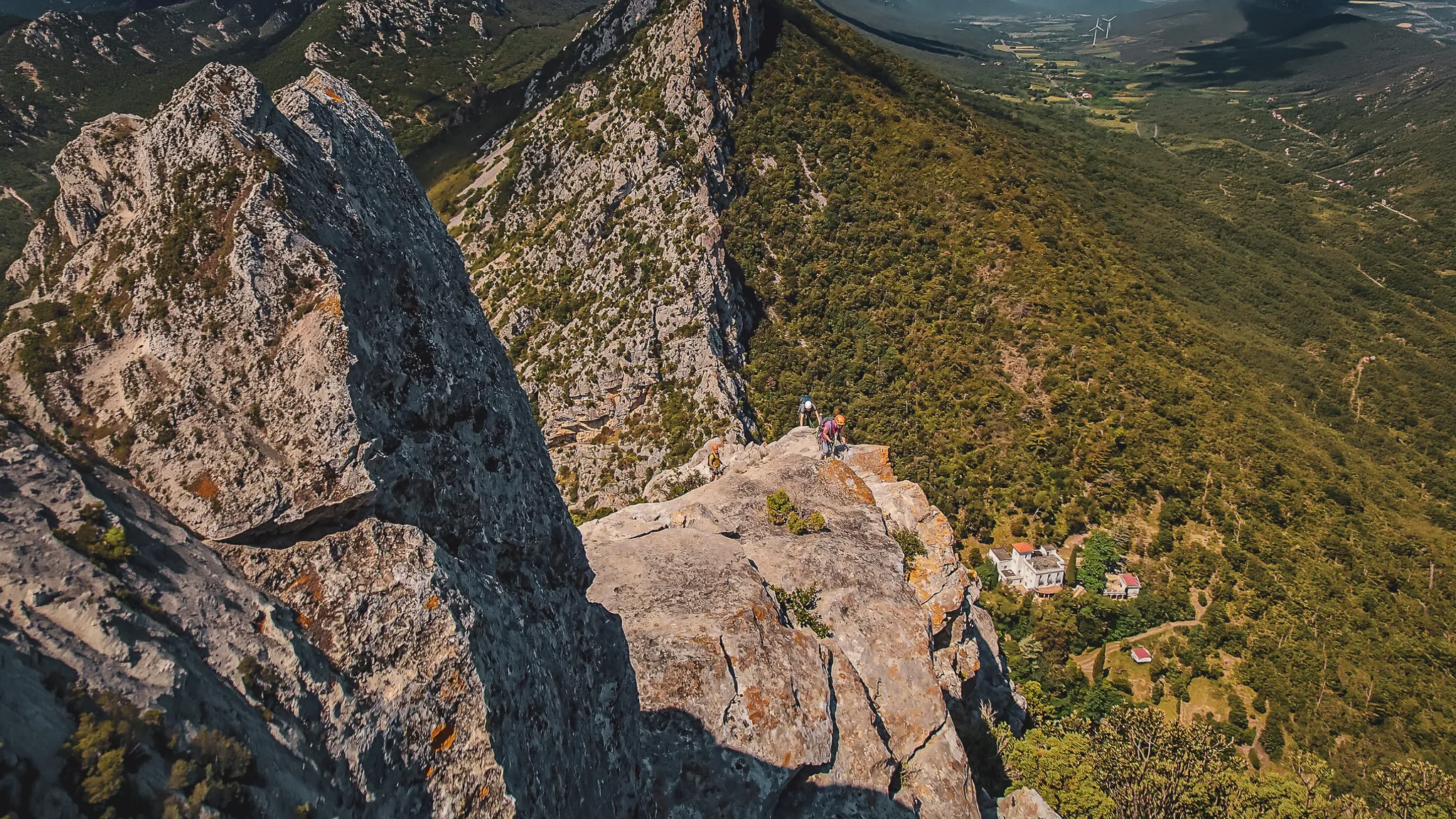
The first few metres are usually the hardest mentally, not physically: your eyes drifting down, your hands gripping the cable a bit too tight. Then a rhythm sets in. On the via ferrata at Saint-Paul-de-Fenouillet, in the Eastern Pyrenees, the route runs above the Fenouillèdes vineyards, between rungs, footbridges and a suspension bridge, with escape routes built in to shorten it if needed. The drop is still there, but it quickly becomes secondary to the concentration each hold demands. The shift is almost always the same: the tension of the first few metres giving way to a kind of calm, once you've found your rhythm.
How much a guided via ferrata costs
Going it alone, count on the cost of renting gear (harness, lanyard, helmet) plus getting to the site. On a guided trip, the gap narrows fast once you add accommodation and meals: the 3-day Wildhartt trip in the Eastern Pyrenees (via ferrata, climbing and canyoning) costs €610, with gîte accommodation and all meals covered from day 1's dinner to day 3's picnic, plus the guide and all technical gear. Transport to the meeting point and day 1's picnic lunch are still on you.
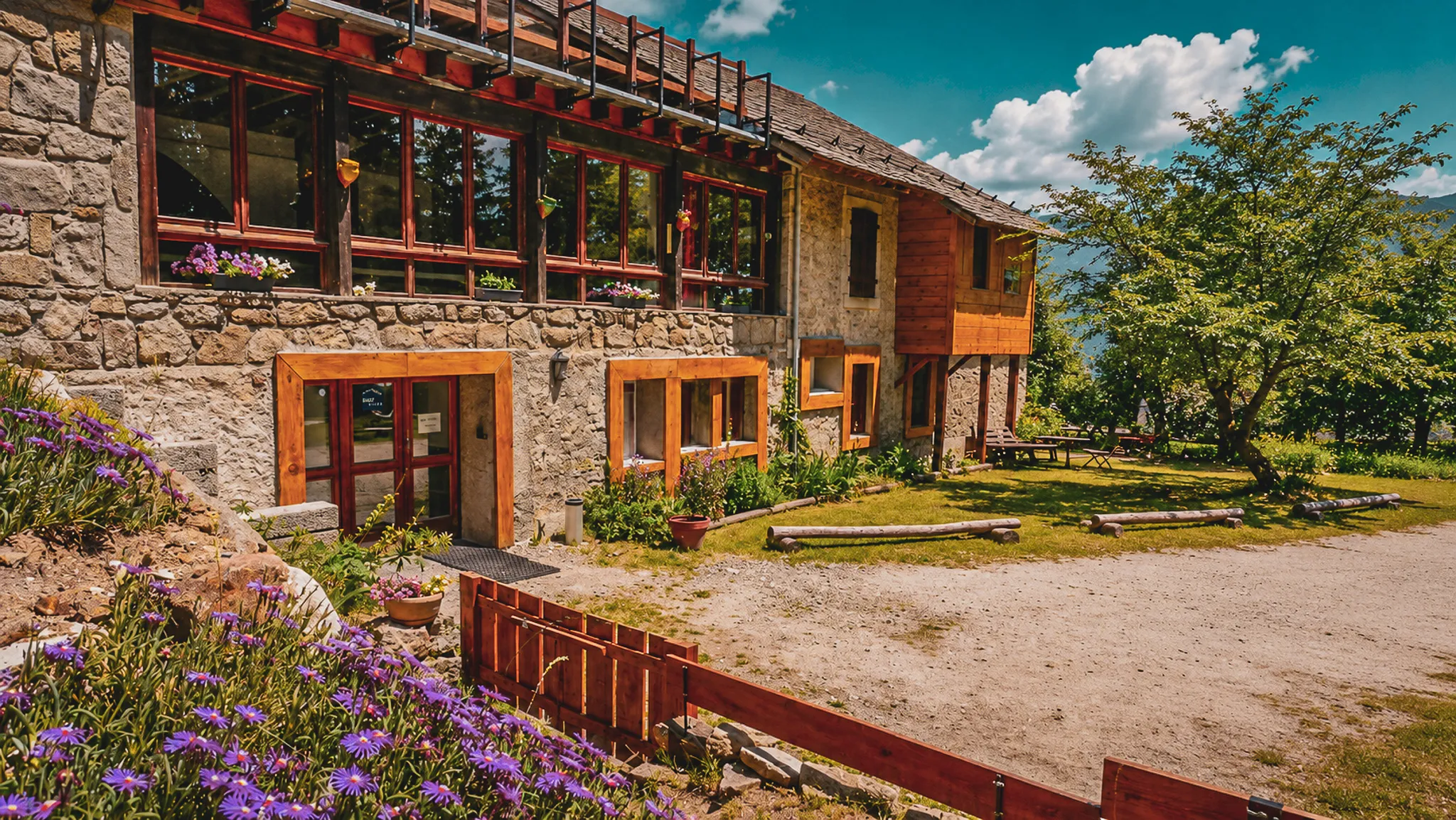
A first via ferrata is prepared like any first time in the mountains: by choosing a route that matches who you are today, not who you'd like to be. With the right gear, a grade that fits, and ideally a guide for the first few metres, it stays one of the most accessible ways to discover the vertical side of the mountains, and often the gateway to other vertical disciplines like summer mountaineering.

Find your next adventure
Browse curated expeditions matching the categories of this article and start planning your next trip.
Find your dream adventure
 Find your dream adventure
You might also like these adventures …
Hand-picked to echo the spirit of this article.



More to discover
Keep exploring with these pages and stories picked for you.
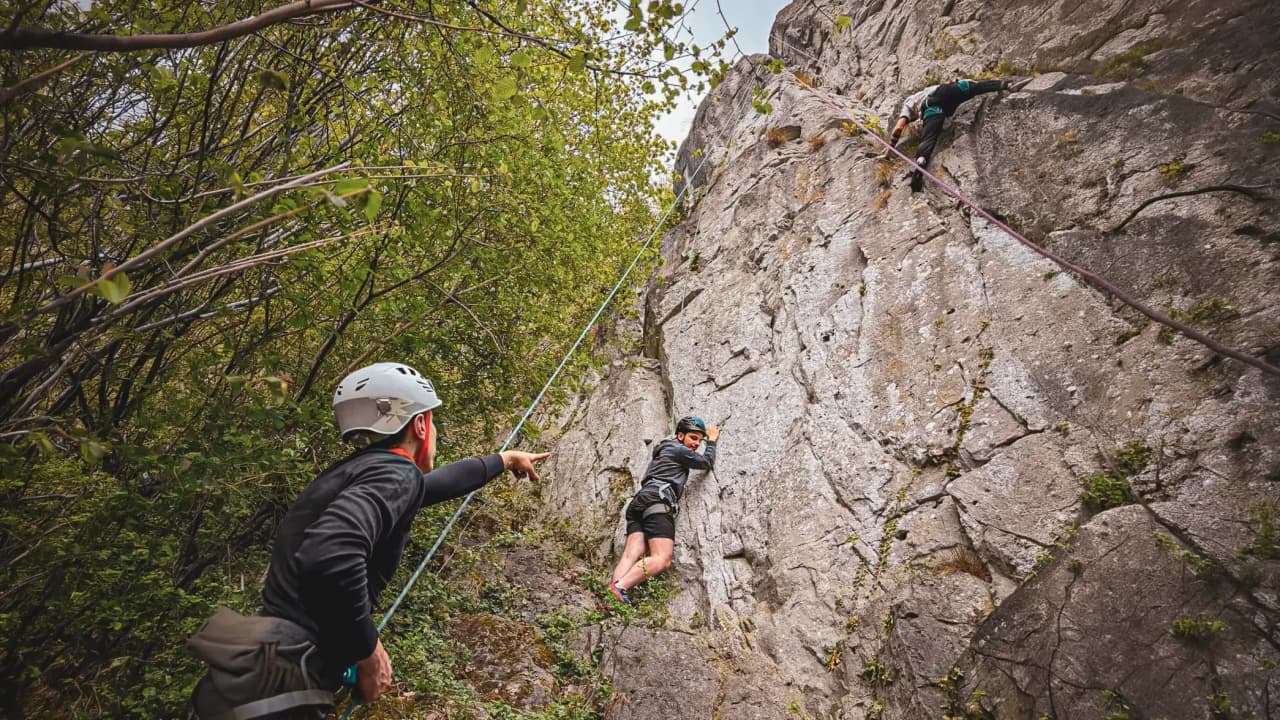
Beginner outdoor climbing: where to go for your first day
Gym or crag? Gear, grading and 3 real spots for your first day outdoor climbing, plus the next step, in Belgium and France.
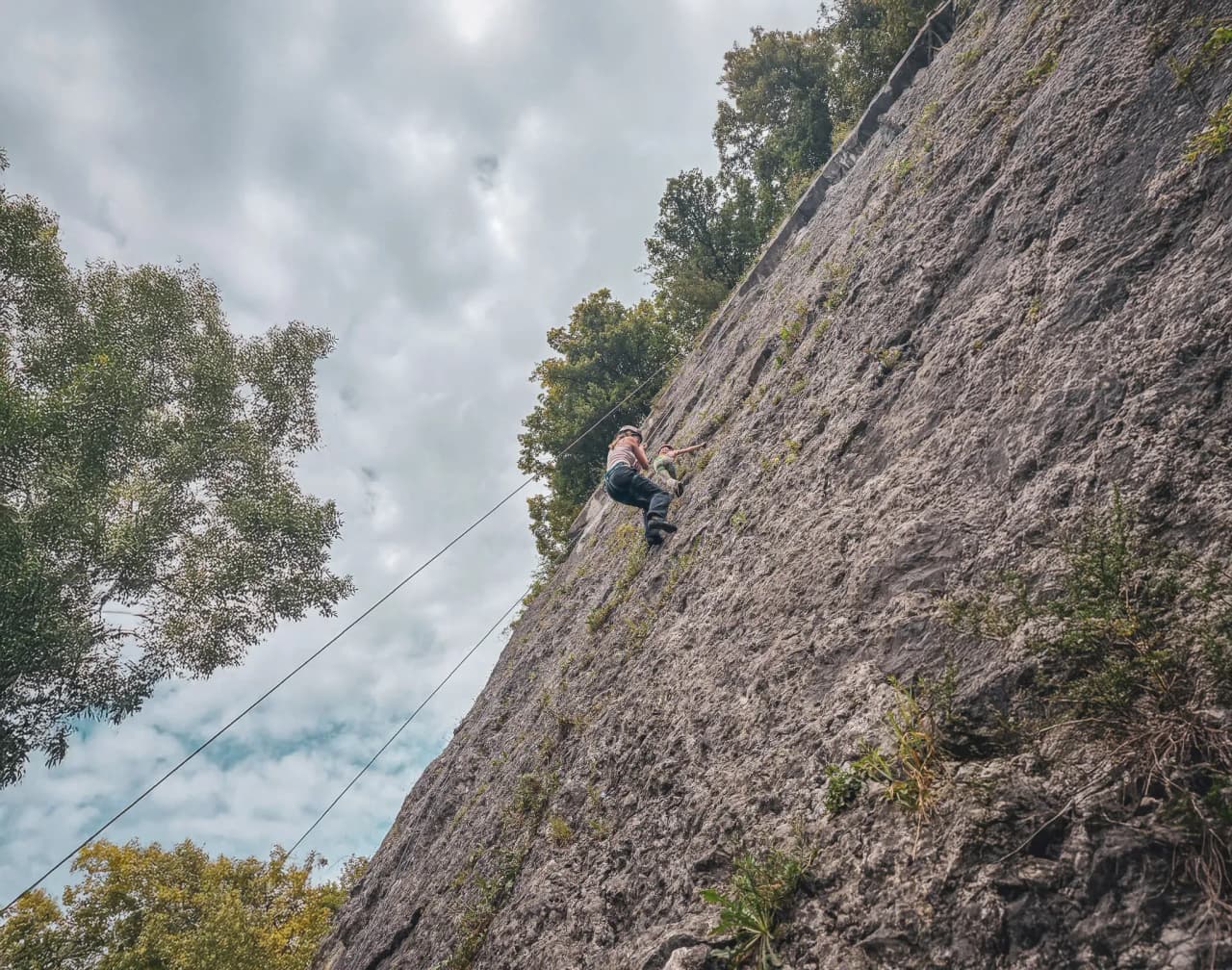
Climbing for beginners: gym or rock, gear, first routes
Fear of heights, gym or rock, gear to rent: the complete guide to taking your first steps in climbing with confidence.
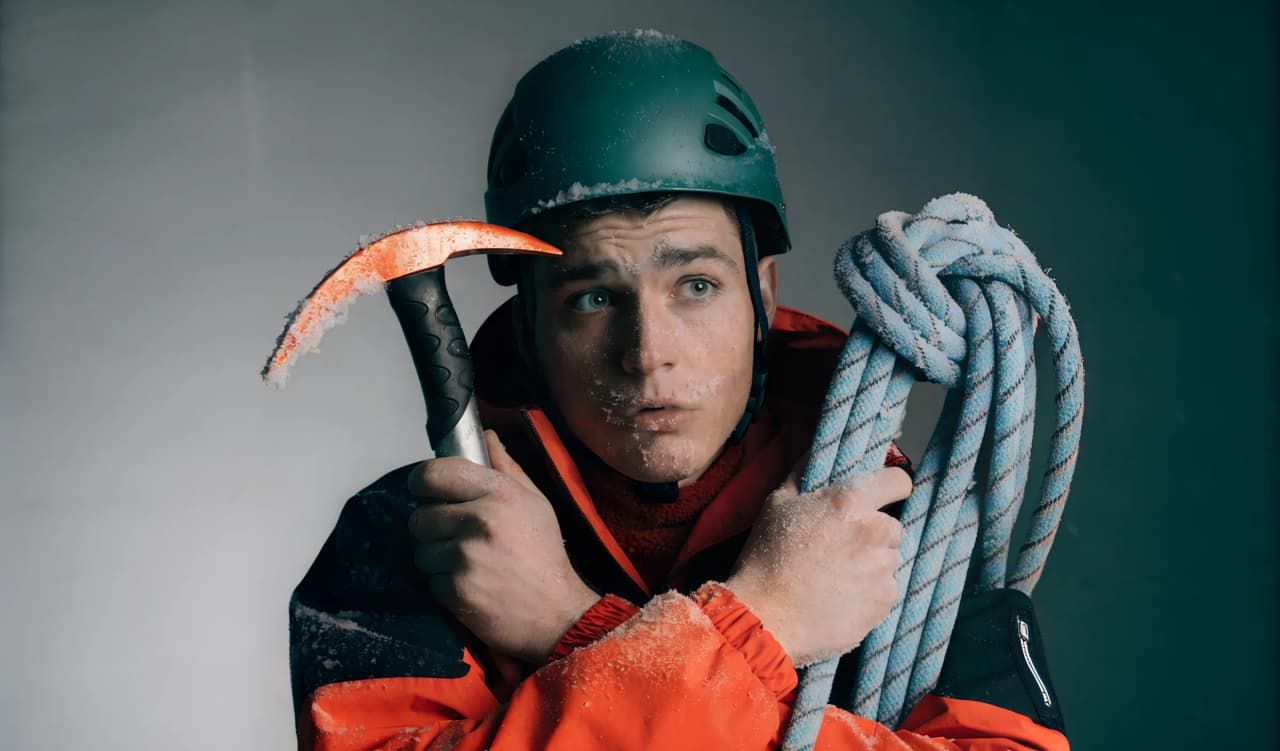
How to Start Mountaineering: 5 Tips from a Guide
Five practical tips for starting mountaineering safely, from learning core skills to planning a first guided ascent.
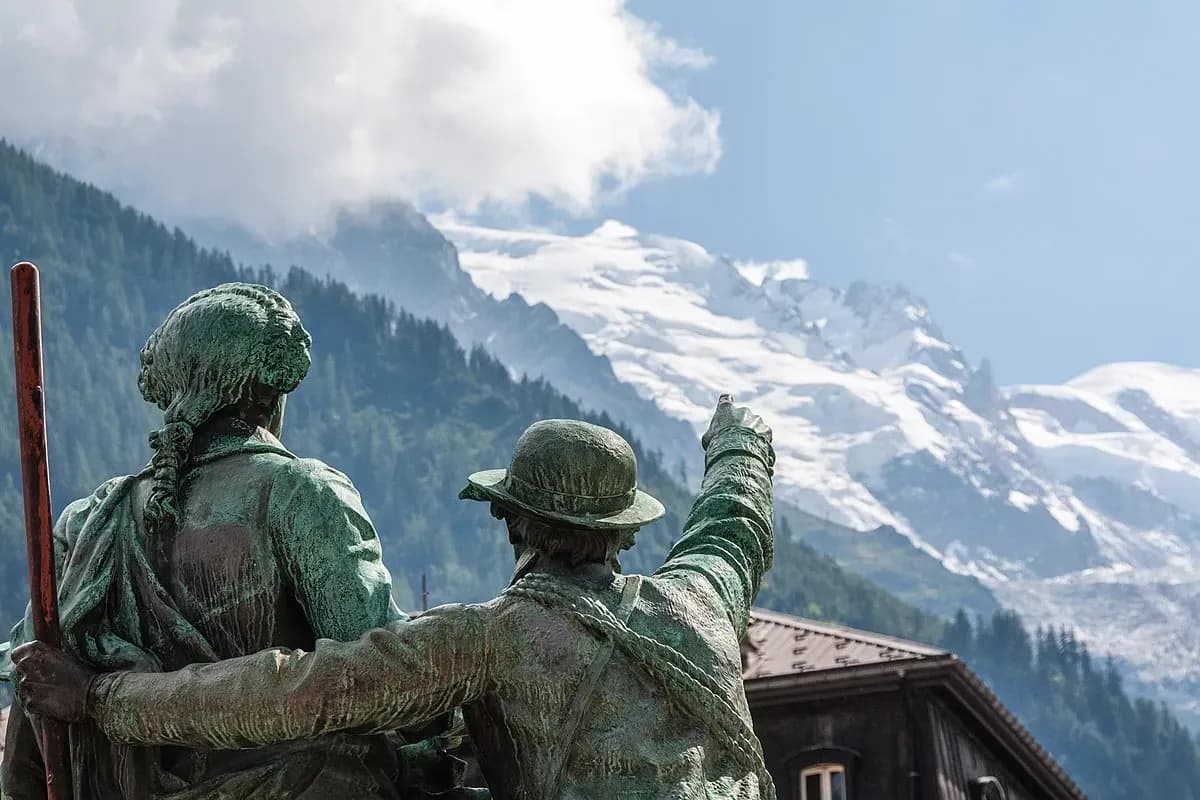
A Brief Guide to Mountaineering
Dreaming of taking up mountaineering? Why not start with a mountaineering course to learn the basic techniques.
Mountaineering Courses: Start Your Alpine Adventure Safely
Learn how to begin mountaineering, choose a suitable course, and prepare your first summits with the right skills and equipment.
From Road Running to Trail: Gear and 6-Week Plan
What really changes, minimum gear and a 6-week transition plan to move from road running to trail without getting hurt.
