From Road Running to Trail: Gear and 6-Week Plan
 By Thibault
What really changes, minimum gear and a 6-week transition plan to move from road running to trail without getting hurt.
Moving from road running to trail isn't just about the terrain: it's a real technical transition, even for a runner already comfortable on tarmac. This guide covers what actually changes when you start trail running, the minimum gear to get going without overspending, and a realistic six-week transition plan, so your first mountain outings don't end with a twisted ankle or a heart rate that explodes on the first climb.
What actually changes between road and trail
On the road, pace is king: the terrain is flat, predictable, and your stride stays the same from the first to the last kilometre. On trail, pace loses its meaning: elevation gain, roots, rocks and technical terrain matter far more than the number on your watch. A road runner starting out in the mountains often gets caught by the same reflex: trying to hold a steady cadence uphill, when hiking fast on steep sections is almost always more efficient than running. The real skill to build isn't speed, it's reading the terrain: anticipating a root, choosing where to place your foot on loose rock, and knowing when to switch between running and a fast hike.
Adjusting your stride and descent technique
Descending is by far what destabilises road runners the most when they start trail: your stride needs to become shorter and more reactive, your gaze should land 3 to 4 metres ahead of your feet (not straight down), and your arms actively help with balance instead of staying tucked to your body. On a guided course, this technique is learned concretely: on the Wildhartt course in the Chartreuse near Grenoble, the guide films participants' stride on climbs and descents for precise technical feedback, rather than generic verbal advice. That kind of visual correction fixes a bad habit far faster than an article or a YouTube video.
The minimum gear to get started
You don't need to buy everything before your first outing, but three things aren't negotiable: trail shoes with a grippy sole (road running shoes don't have the traction needed on loose or rocky terrain), a small pack or belt with a water bladder, and poles if you're aiming for terrain above 300-400m of elevation gain per outing. Everything else (technical clothing, a GPS watch, a headlamp) can follow gradually. One simple rule: never head into the mountains with brand-new, unbroken-in trail shoes, the second most common cause of injury among beginners after a twisted ankle.
The six-week transition plan
The first two weeks focus on strengthening ankles and calves (uneven terrain demands it) and one weekly outing on rolling trail, even a short one. Weeks 3 and 4: introduce real elevation gain (200 to 400m per outing) and specifically train fast uphill hiking, often neglected by road runners who always want to run. Weeks 5 and 6: string together two trail outings a week, including one with technical descent, to arrive ready for a real course or a short first race (10-15km). This progressive plan follows the same logic as our other Wildhartt trail training plans, adapted here to a shorter horizon.
Reading the terrain and finding your way
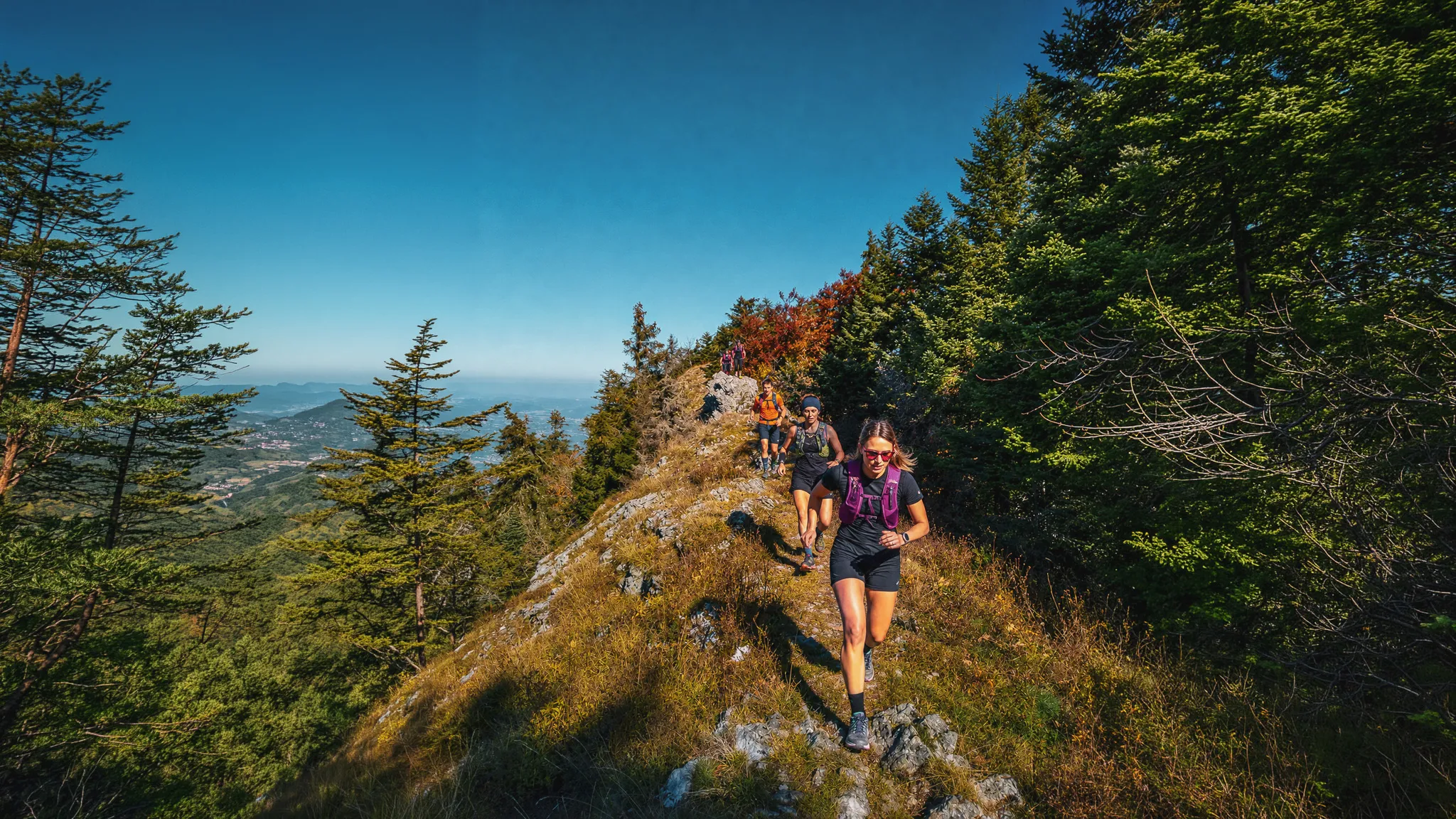
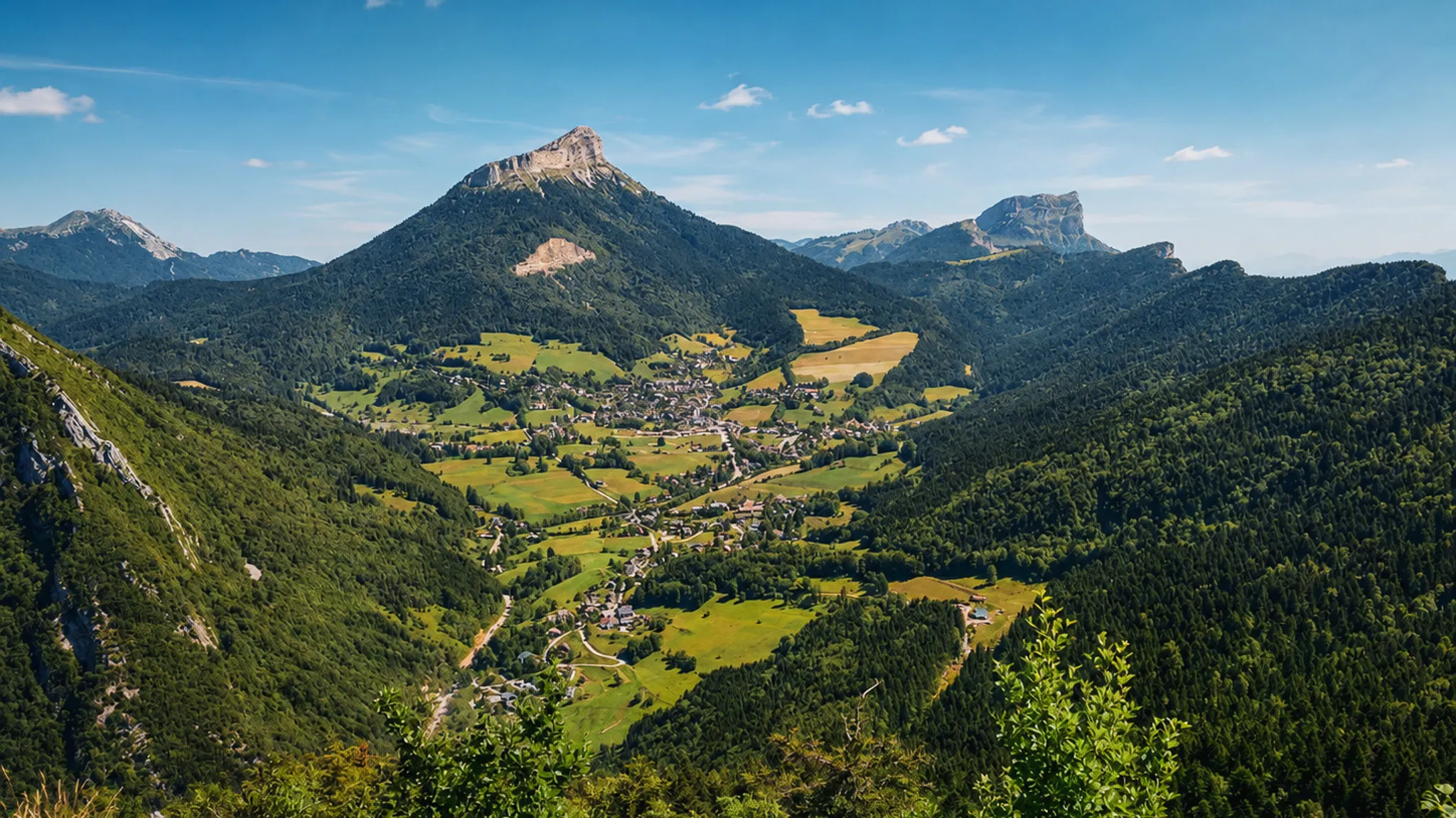
On the road, navigating takes no particular skill: streets have names, signage is constant. In the mountains, finding your bearings from a viewpoint, anticipating a change in terrain (a wide path turning into a narrow trail, a forest opening onto a bare ridge), and knowing where the nearest bail-out point is are real reflexes to build. On the Wildhartt course in the Chartreuse, day one deliberately includes a navigation point at the Mont-Jalla memorial, with views over Grenoble, the Vercors and Mont-Blanc: a chance to anchor yourself to real visual landmarks rather than relying only on a GPS watch, useful but never a substitute for reading the landscape.
Going it alone or getting coached
Nothing stops you from progressing solo, as long as you're honest about your actual level and take it slow. But a technical flaw left uncorrected early on (poor footing on descents, an overly long stride) quickly becomes a hard habit to break. On a guided course like the one in the Chartreuse, each day alternates uphill technique, ridge reading and dedicated descent work, with a guide adjusting the group's pace in real time rather than following a fixed programme. Christophe, a participant on a similar Wildhartt course in the Vosges, sums up the nerves of a first course well: "Everything was a first for me, going through an agency, my first trail course. An excellent guide, honestly nothing to complain about."
Where to run your first trail outings
To start, favour rolling terrain (wide paths, few rocky sections) before seeking out technical ridges: the Vercors, the Chartreuse and the Vosges all offer this same natural progression, from easy forest trail to more committing ridgelines. On the Wildhartt Chartreuse course, the progression is built in exactly that order: day one on a wide path around Grenoble, day two on the Saint-Eynard ridge, the last day up to the summit of La Pinéa (1,771m) on more technical ground, a genuine learning curve rather than random terrain.
How much a guided trail course costs
The 3-day Wildhartt course in the Chartreuse costs €470, with comfortable gîte accommodation (sauna and hammam access included) and all meals covered from the first evening's dinner to the last day's picnic, plus a passionate trail guide throughout. Transport to Grenoble and personal spending are still on you. For comparison, a decent pair of trail shoes alone already costs €100 to €150: the gap with a guided course, meals and accommodation included, is often smaller than you'd think.
Transitioning from road to trail is prepared like any new discipline: by accepting to slow down at first in order to progress faster later. A good six-week plan, the minimum gear, and a first technical course are more than enough to turn the fear of rough terrain into real enjoyment of running in the mountains.

Find your next adventure
Browse curated expeditions matching the categories of this article and start planning your next trip.
Find your dream adventure
 Find your dream adventure
You might also like these adventures …
Hand-picked to echo the spirit of this article.

More to discover
Keep exploring with these pages and stories picked for you.
Mountain Trail-Running Camps in France: How to Choose
Compare mountain trail-running camps by destination, level and goals to choose a format that fits your running.
Train for the 3-day Chamonix trail camp in 6 weeks
A gentle six week plan to arrive ready for the Chamonix trail camp with Violette: basic climbing and descending technique, no performance chasing.
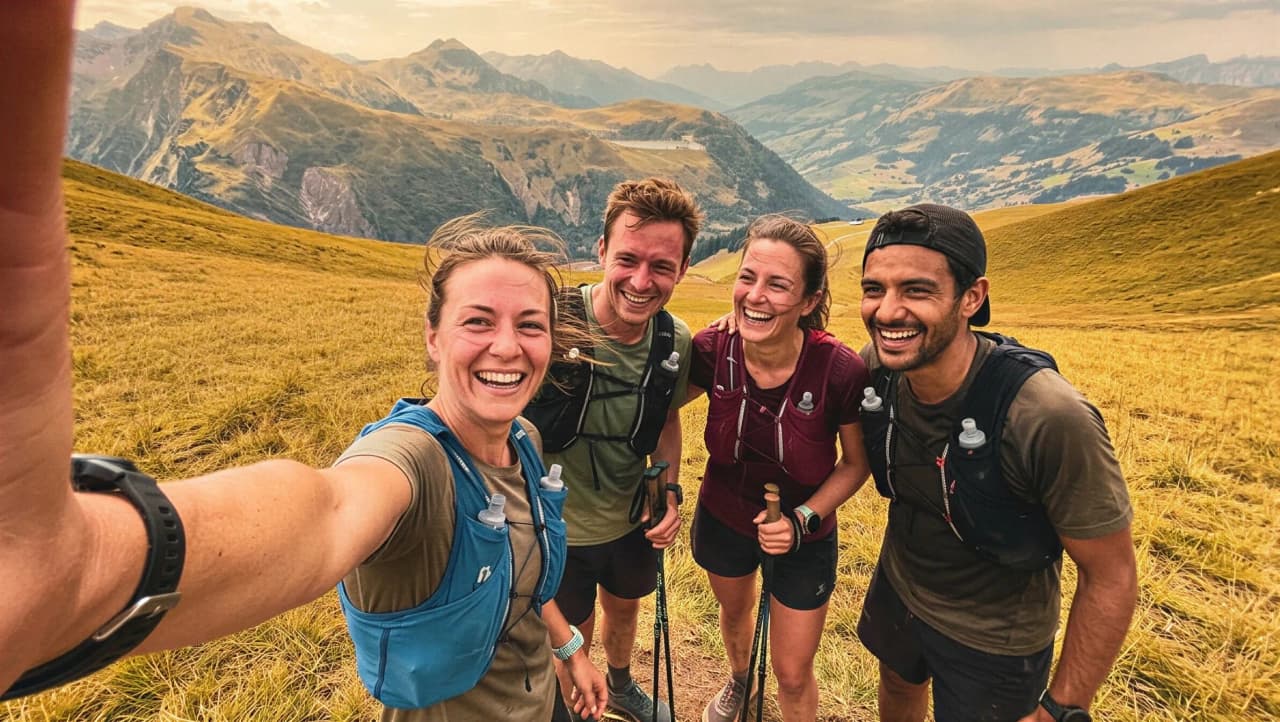
High-altitude traverse or technical camp: your summer choice
Torn between a high-altitude traverse and a technical camp? Compare the 5-day Beaufortain tour with three shorter options by level, season and goals.
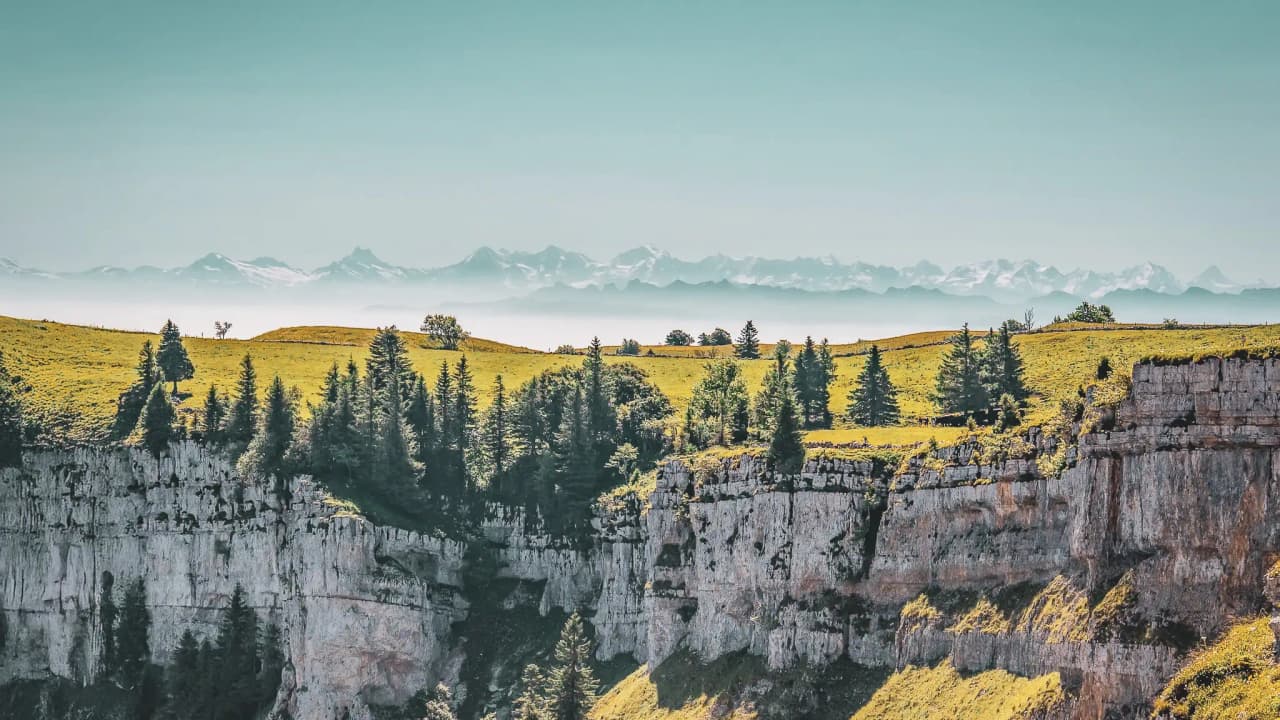
Train for the 3-day Jura trail camp in 10 weeks
A gentle 10 week plan to arrive ready for the Jura trail camp with Manon and Patrick: progressive training and basic technique, no performance chasing.
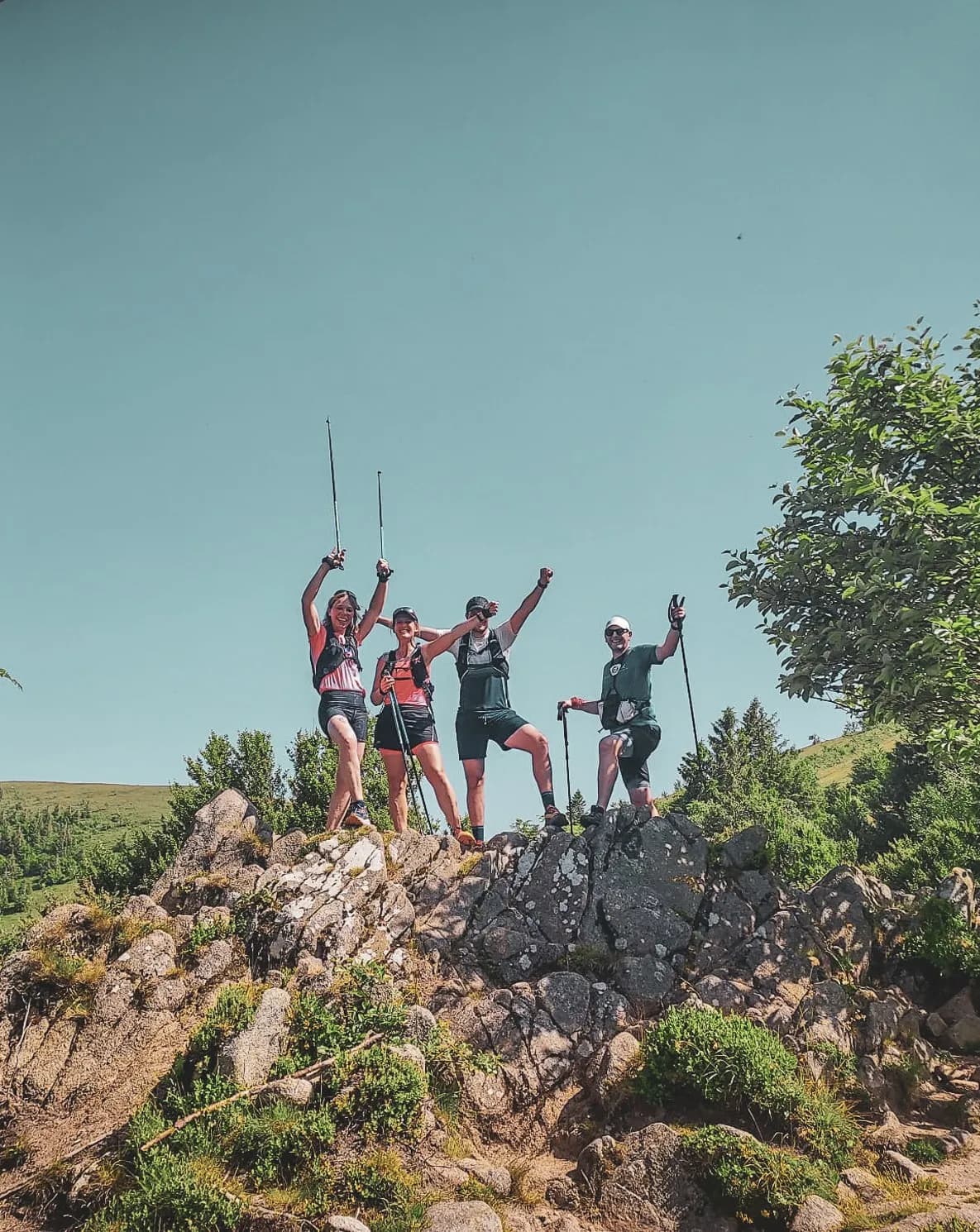
Trail running camps with mountain huts and guesthouses
Explore trail running camps in the Vosges, Chamonix, the Pyrenees, Chartreuse and the Jura, 3 to 4 days with nights in huts or guesthouses.
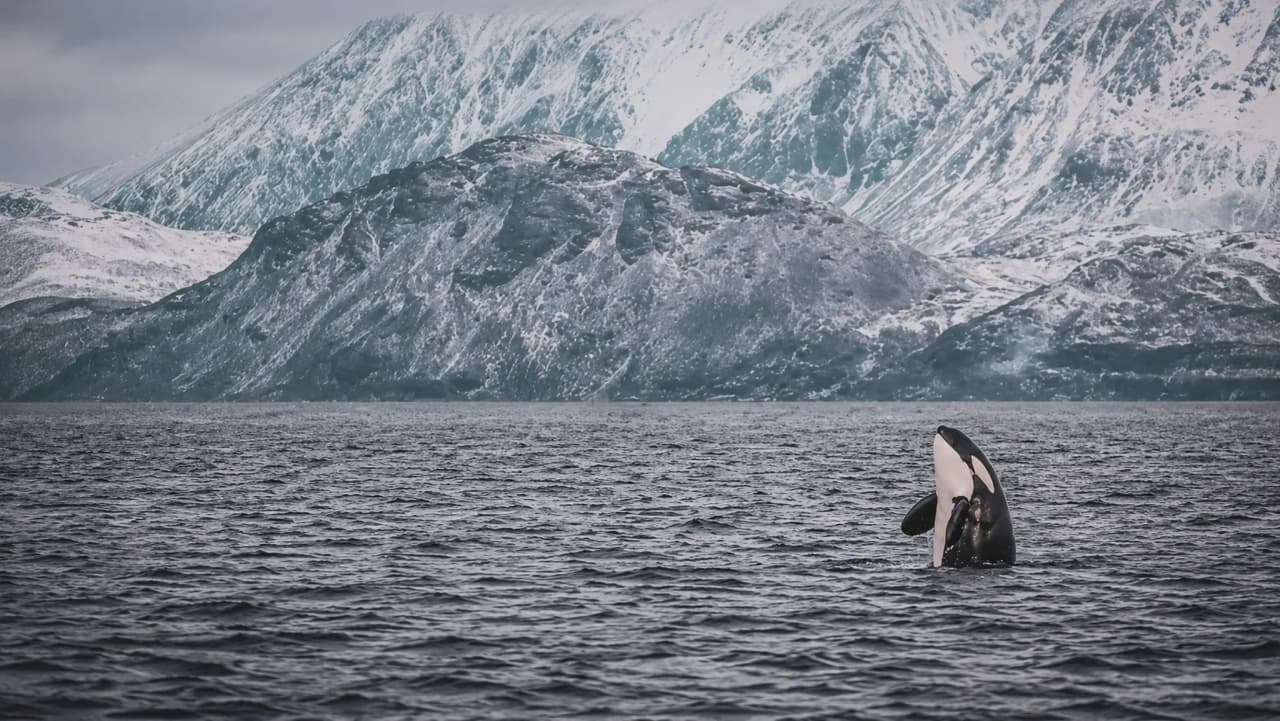
Where to go in November: our best guided expeditions
Where to go in November? Track wolves in the Écrins, sail with orcas in Norway, try Ardennes survival or early snow in Lapland: our guided expeditions.
